

Best Tokyo Marathon Apartments: Worth Booking for Race Weekend?
Finding a clean, comfortable place to stay near the Tokyo Marathon course, start area, or finish can be harder than expected. Race weekend brings high demand, rising rates, and extra pressure to choose a location that makes early-morning travel manageable.
This Tokyo Marathon Apartments review looks at the details that matter to runners, including location, comfort, pricing, booking clarity, runner-friendly features, and overall value. An apartment may suit you better than a hotel if you want more space, access to a kitchen, or room to settle in before and after the race. However, apartment quality, availability, and nightly rates can change by race year and property, so current listing details matter.
Next, we’ll assess where these apartments are located and how practical they may be for race-day travel.
Key Takeaways
- Location matters most: Apartments in Shinjuku, especially west Shinjuku, can reduce early race-day travel and stress. See this Tokyo Marathon accommodation guide for area context.
- Apartment stays often provide more space, a kitchen, and room to recover than standard hotel rooms.
- Tokyo Marathon rates rise with demand, so compare the total cost, cleaning fees, taxes, and cancellation terms.
- Check the route to the start area, nearby stations, luggage plans, and access to supermarkets before booking.
- The best value combines a practical location, reliable amenities, comfortable sleep, and manageable race-morning logistics.
Tokyo Marathon Apartments Review: What the Rental Option Actually Offers
“Tokyo Marathon apartments” usually refers to short-term apartment rentals available for race weekend. The phrase doesn’t describe one official property, a single apartment, or a dedicated Tokyo Marathon accommodation service. Instead, it covers individual listings marketed to travelers who need more space and flexibility than a traditional hotel provides.
The exact experience depends on the property, host, building, and booking platform. Read the listing as carefully as you would read the race instructions, because a polished photo doesn’t guarantee a useful setup for race morning.
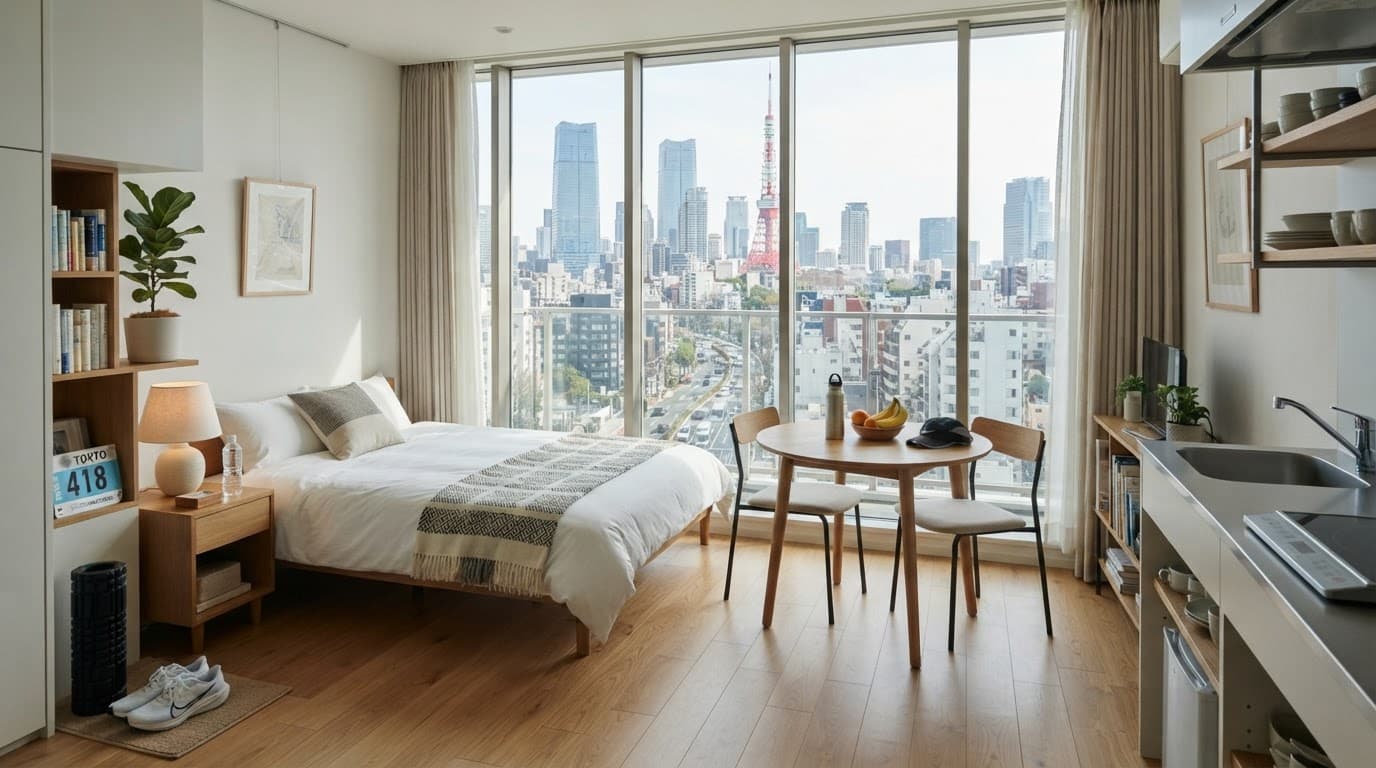
What a Tokyo Marathon apartment usually includes
Most short-term apartment rentals offer a private unit rather than a shared room. A typical setup may include a bedroom, sleeping area, bathroom, and compact living space. Larger units may have separate bedrooms, which helps if you travel with family or fellow runners.
Kitchen access is one of the main reasons runners choose an apartment. A refrigerator, microwave, stovetop, dishes, and basic cookware can make it easier to prepare familiar meals before the race. You can also keep breakfast items, drinks, and recovery food in the apartment instead of relying on nearby restaurants.
Other common features include:
- A sofa or table where you can relax without staying in bed.
- A washing machine, which helps after training or race day.
- Wi-Fi for travel planning and communication.
- Self check-in through a lockbox, keypad, or host instructions.
- Basic toiletries, towels, and linens.
These features aren’t automatic. Some listings have a full kitchen, while others provide only a microwave and mini-fridge. Laundry may be inside the unit, shared in the building, or unavailable. Confirm each detail before you book.
Why runners may prefer an apartment
Extra space matters when your trip includes race gear, luggage, snacks, and several days of preparation. A separate living area also gives you room to stretch, organize clothing, and recover without disturbing a sleeping travel companion.
The kitchen can reduce race-weekend friction. You control meal timing, portion sizes, and familiar ingredients, which may feel more comfortable than testing an unfamiliar restaurant before a marathon. A residential setting can also feel calmer than a busy hotel, although apartment buildings vary in noise, access, and management.
Details to check before booking
Focus on practical information rather than attractive photos. Confirm the number of real beds, bedroom arrangements, elevator access, bathroom count, heating, air conditioning, luggage storage, and the walking route to the nearest station.
Also review the check-in time and checkout rules. A late arrival, early race start, or post-race departure can create problems if the host doesn’t offer luggage storage or flexible arrangements. Finally, check cleaning fees, taxes, cancellation terms, guest limits, and recent reviews. These details determine whether the apartment offers genuine race-day value or simply more square footage at a higher total price.
Location, Train Access, and Race-Day Convenience
For Tokyo Marathon apartments, location is the most important part of the review. A comfortable unit loses value if you need several transfers, a long station walk, or an uncertain early-morning route.
The race starts near the Tokyo Metropolitan Government Building in Shinjuku and finishes near Tokyo Station. Because the course is point-to-point, staying beside the route doesn’t guarantee an easy race morning. A well-connected apartment near a train station can be more useful than one that sits close to a road runners pass later in the day. Check the official Tokyo Marathon course map before choosing a neighborhood.
Why station access matters more than route proximity
Most runners need to travel to the start area before sunrise. That journey may include walking to a station, waiting for a train, changing lines, and walking again after exiting. Each extra step creates another chance for confusion or delay.
An apartment within a short walk of a major station can simplify the morning. You can leave with your race clothing, avoid a long taxi ride, and follow a route you reviewed the day before. However, a station that looks close on a map may have large underground passages, multiple exits, or crowded platforms. Check the actual walking time, not just the distance shown in a listing.
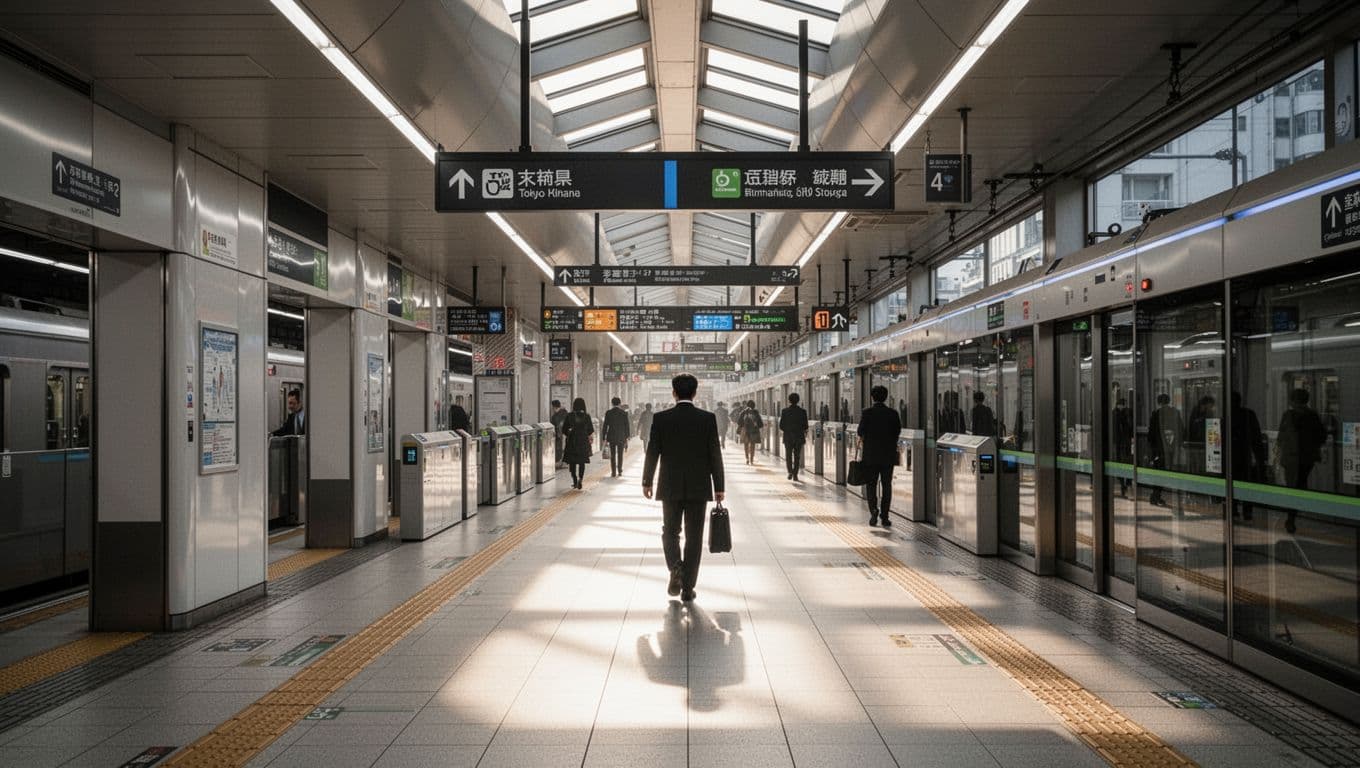
Apartments in Shinjuku can be especially practical for runners who want to limit the trip to the start area. Still, west Shinjuku, central Shinjuku, and nearby neighborhoods offer different station layouts and walking conditions. Read the property address carefully before assuming that “Shinjuku” means a quick walk to the Tokyo Metropolitan Government Building.
A 10-minute walk to a simple station can be more useful than a closer apartment that requires a complicated transfer.
Planning the route for runners and spectators
Before booking, enter the exact apartment address into a rail-planning app and check the route to the start area. Record the number of transfers, the first practical train, and the estimated arrival time. Leave room for station navigation, security procedures, bathroom stops, and the walk to the runner waiting area.
Spectators need a different plan. The start and finish are far apart, and following a runner along the course is unrealistic for most visitors. Choose one viewing point, then plan a separate route to the finish or apartment. The race’s official spectator map can help you understand access around the course.
After the race, tired legs make station walking feel longer. A return route with one simple train ride may beat a cheaper apartment that requires multiple changes. Check whether the nearest station has elevators, especially if you carry luggage or expect sore muscles.
Address and access checks before booking
Confirm these details in the listing and with the host:
- The complete street address and nearest station.
- The realistic walking time to the station entrance.
- The number of transfers to the start area.
- First train times on race morning.
- The return route from the finish near Tokyo Station.
- Elevator access, luggage storage, and late check-in rules.
These checks turn location into a measurable part of apartment value, rather than a promise based on a map pin.
Price, Availability, and Booking Policies for Marathon Weekend
Tokyo Marathon apartments can become expensive and difficult to find once race weekend approaches. Limited short-term inventory meets strong demand from runners, families, and spectators, so available units may disappear quickly. However, the nightly rate alone does not tell you whether an apartment offers good value.
Compare the full accommodation cost
A listing with an attractive headline price may cost much more at checkout. Review the complete breakdown before comparing apartments with hotels or other rentals. The final amount may include:
- Cleaning and service fees added after the nightly rate.
- Local taxes, deposits, or additional guest charges.
- Minimum-stay requirements for marathon weekend.
- Currency conversion fees charged by your card provider.
- Extra costs for late check-in, luggage storage, or cleaning damage.
A two-night stay can also become a three-night booking if the property sets a minimum stay. That may still make sense if the apartment offers a kitchen, laundry, separate sleeping areas, and an easier race-morning route. Calculate the total for the entire stay, then divide it by the number of guests and usable nights.
The cheapest nightly rate is not always the lowest trip cost. Fees, minimum stays, and transportation can change the comparison.
When to book a Tokyo Marathon apartment
Availability often tightens as the race date gets closer, especially around Shinjuku and other areas with direct access to the start. Booking early can provide more choice, but it may also lock you into a trip before you know whether your race entry, flights, or vacation dates are confirmed.
A flexible, refundable reservation can reduce that risk. Read the exact cancellation deadline, because “free cancellation” may apply only until a certain date and time. Some bookings charge the first night immediately, while others require full payment weeks before arrival. A deposit may also be nonrefundable even when the remaining balance can be canceled.
Your decision should match your level of certainty:
- If your entry and flights are confirmed, prioritize location and a reliable apartment.
- If you are waiting for entry results, choose refundable terms or delay a nonrefundable booking.
- If you book early with a strict policy, set a calendar reminder for the cancellation deadline.
The official Tokyo Marathon entry information explains how event decisions can affect entry fees and participation. Accommodation policies are separate, so a race cancellation or entry change may not automatically refund your apartment.
Booking checks that protect your race plans
Before paying, confirm the cancellation window, payment schedule, deposit rules, guest limit, and check-in process. Save the listing and policy pages as PDFs or screenshots, since terms can be harder to find later.
Also ask whether the host can store luggage after checkout. A late flight or post-race departure can make that service more useful than a small discount. For Tokyo Marathon apartments, the best booking is the one whose total cost and cancellation rules still work if your race-weekend plans change.
What Staying There Is Like Before and After the Race
The real test of Tokyo Marathon apartments comes when your routine becomes less flexible. Before the race, you need quiet sleep, familiar food, and a simple morning. Afterward, comfort, hot water, laundry, and easy luggage handling matter more than stylish photos.
The night before the Tokyo Marathon
A private apartment can feel calmer than a crowded hotel, especially when you need to organize your bib, clothes, shoes, and breakfast. Separate sleeping and living areas also give you space to prepare without keeping your travel companion awake.
Sleep quality depends on more than the bed. Recent reviews can reveal street noise, thin walls, nearby nightlife, or train sounds that listing photos won’t show. Look for repeated comments about noise rather than relying on one unusually positive or negative review.
Temperature control deserves the same attention. Confirm that the apartment has working heating or air conditioning, and check whether guests control the settings. A room that feels comfortable during an afternoon viewing may become too warm or cold overnight.
Bathroom access can affect the whole morning. One bathroom may be fine for a solo runner, but it can create stress when several guests wake early. Check whether the shower heats reliably and whether the bathroom has enough space for race gear, toiletries, and post-race recovery.
Food preparation is one of the strongest advantages of an apartment. A refrigerator and microwave let you store familiar breakfast items, prepare coffee, and avoid searching for an open restaurant before dawn. However, compact kitchens vary widely, so confirm whether the listing includes a stovetop, cookware, dishes, and a usable sink.
Race morning and the return after finishing
Race morning becomes easier when you can dress, eat, and leave without sharing a busy hotel lobby. Keep your race kit together the night before, then confirm the building entrance, elevator, and route to the station. A locked entrance or confusing self-check-in process can add pressure when every minute feels important.
After the finish, the apartment’s practical features become more valuable. A reliable shower, comfortable bed, and clean towels help you recover before dealing with dinner or transportation. A washing machine is useful for race clothing, but check whether detergent is provided and whether the machine is inside the unit.
Luggage storage can decide whether an apartment fits your schedule. If you check out before the race or fly home afterward, ask the host where your bags can stay. Some properties offer no storage, while others require you to use a station locker or paid service.
Recent runner discussions, such as this Tokyo Marathon accommodation discussion, can add useful context, but treat them as personal experiences. Compare several current reviews and look for patterns in sleep, cleanliness, temperature, shower reliability, and host communication. Consistent comments are more useful than one dramatic review.
Pros, Cons, and Better Alternatives to Consider
Tokyo Marathon apartments can be a strong choice, but they aren’t automatically the best option. Your group size, budget, race-morning route, and need for hotel services should guide the decision.
Where apartments offer the most value
Apartments usually provide more usable space than a standard hotel room. That matters when you travel with family, carry race gear, or want separate sleeping and living areas. A kitchen also lets you prepare a familiar breakfast, store snacks, and avoid depending on restaurants before an early start.
Privacy is another advantage. You can organize your race kit, stretch, and recover without working around hotel housekeeping schedules or a crowded lobby. For two or more travelers, splitting one apartment can also reduce the per-person cost, especially when the unit has multiple beds.
The strongest reasons to choose an apartment are:
- You want a kitchen, refrigerator, or washing machine.
- You are traveling with family or fellow runners.
- You plan to stay several nights.
- You value space more than daily service.
- You can verify the apartment’s station access and building entry.
A well-located apartment in west Shinjuku may also reduce race-morning stress. This Tokyo Marathon area guide explains why staying near the start can be practical, although the exact walking route depends on the property.
Common drawbacks runners should weigh
Apartment rentals often provide less support when plans change. You may not have a front desk, daily housekeeping, on-site luggage storage, or staff available at all hours. Self-check-in can also become stressful if your flight arrives late or the access instructions are unclear.
Quality varies between listings, even within the same neighborhood. Photos may not reveal a hard mattress, small bathroom, street noise, weak heating, or a long walk through a station complex. Strict cancellation policies and added cleaning fees can also reduce the apparent savings.
Luggage creates another problem. Hotels often store bags before check-in or after checkout, while apartments may require a separate locker or paid service. Ask about this before booking, particularly if you leave Tokyo after the race.
An apartment is best when you need living space. A hotel is often better when you need dependable help.
How hotels, hostels, and rentals compare
Hotels usually win on predictable service, luggage storage, reception hours, and clear daily operations. They suit solo runners, couples, and travelers who prefer a simple room near a station. The tradeoff is less space, limited cooking access, and potentially higher rates during marathon weekend.
Hostels can lower the price for solo travelers, but shared bathrooms, dorm rooms, and limited privacy may affect sleep. A private hostel room can offer a middle ground if the property has strong reviews and convenient train access.
Other short-term rentals may provide lower rates than purpose-built apartments, but they require the same checks for legality, reviews, fees, and host communication. Compare the total stay cost, not just the advertised nightly price.
For most runners, the choice is straightforward: select an apartment for space and self-sufficiency, a hotel for service and convenience, or a hostel for the lowest practical price. Whichever option you choose, confirm the route to the start, cancellation terms, and luggage plan before paying.
How to Decide if a Tokyo Marathon Apartment Is Worth Booking
A Tokyo Marathon apartment is worth booking when it reduces race-weekend stress without creating problems with cost, access, or communication. Extra space and a kitchen are helpful, but they should come after a reliable location and clear booking terms.
Use the listing as a practical checklist rather than judging it by photos. Before paying, verify the details that affect your sleep, race-morning route, and return after the finish.
Complete these checks before booking
Start with the exact address, not just the neighborhood name. Confirm the building entrance, nearest station, realistic walking time, and route to the Tokyo Marathon start area. Check the return journey from the finish as well, because tired legs can make a long station walk feel much harder.
Next, match the apartment to your group. Confirm the maximum guest capacity, number of bedrooms, bed sizes, and whether any sleeping space uses a sofa bed or floor mattress. A unit that sleeps four may offer only one bathroom and limited privacy.
Review the full price at checkout. Include nightly rates, cleaning fees, service charges, taxes, deposits, currency fees, and any minimum-stay requirement. Then compare the total with a hotel that includes luggage storage, reception support, or breakfast.
Read the cancellation policy line by line. Check the deadline, payment schedule, refund conditions, and rules if your travel plans change. A flexible reservation may cost more, but that extra cost can protect you while flights or race plans remain uncertain.
Finally, confirm the check-in process and luggage plan. Ask how you receive access instructions, what happens if your flight arrives late, and whether you can store bags before check-in or after checkout. Save the address, host messages, access codes, and policy details offline before traveling.
Ask focused questions before paying
A short message can expose problems that a listing page hides. Ask the host:
- Is the listed address the exact apartment address?
- Are all beds shown in the photos available for the booked dates?
- Does the nearest station route work early on race morning?
- Is the elevator available, and does the building have a secure entrance?
- Can you store luggage after checkout?
- Are heating, hot water, Wi-Fi, and kitchen appliances working?
- What is the backup plan if self-check-in fails?
Recent reviews can help confirm the answers. Look for comments about noise, cleanliness, bed comfort, temperature, host communication, and access instructions. Personal reports on Tokyo Marathon accommodation concerns can add context, but current listing reviews should carry more weight.
Make the final value decision
Choose the apartment if its location makes race morning simple, the total price fits your budget, and the host provides clear answers. Space, cooking facilities, and laundry can then add real value.
Pass on it when the address is vague, the station route is complicated, the bed layout is unclear, or the cancellation policy creates too much risk. For Tokyo Marathon apartments, convenience and booking reliability should come before extra space or attractive photos.
Frequently Asked Questions
Choosing among Tokyo Marathon apartments often comes down to small details that listings leave unclear. These answers address practical concerns that can affect your stay, especially once race-weekend crowds and event rules enter the picture.
Are Tokyo Marathon apartments official race accommodations?
No. The phrase usually describes private apartments available through rental platforms, not housing operated or approved by the Tokyo Marathon. Check the property’s current listing, host details, and cancellation terms independently before booking.
The official Tokyo Marathon FAQ covers race procedures, baggage, and event-day restrictions, but it doesn’t verify individual apartments. A listing that mentions the marathon is using the event as a location or timing reference.
Can I stay in an apartment if I am traveling with a non-runner?
Yes, an apartment can work well for a runner traveling with a partner, child, friend, or family member. Separate sleeping areas give the runner more privacy, while a kitchen and living room give the other guest space during race preparations.
Plan spectator travel separately, though. The start area and finish near Tokyo Station are far apart, so one apartment location won’t make every viewing point convenient.
What should I do if my apartment does not offer luggage storage?
Ask the host before booking, then identify a backup option near your departure station. Station lockers, paid luggage services, or the airport may solve the problem, but availability can be limited after the race.
If you check out before running, keep only essential items with you. Confirm the event’s baggage process through the official runner guidelines because race-day baggage rules and collection points can affect your return plans.
Is a Tokyo Marathon apartment suitable for a solo runner?
It can be, especially if you want a kitchen, washing machine, and more room than a hotel provides. However, the extra space may not justify the cost when you are paying for the entire unit alone.
Solo runners should give more weight to secure entry, clear self-check-in instructions, nearby convenience stores, and a simple route to the start. A smaller hotel room may offer better value if you need reception support.
Should I book an apartment for race weekend only?
A short stay works when your flights match the booking dates and the host allows convenient check-in and checkout. Many runners prefer arriving at least one day before the race, since delays or unfamiliar transit can make a same-day arrival risky.
Check whether the apartment has a minimum stay. If it requires additional nights, compare the full price against a hotel, not just the apartment’s advertised nightly rate.
What is the biggest warning sign in an apartment listing?
An unclear address is the most serious warning sign. Without the exact location, you can’t verify the station walk, race-morning route, building entrance, or distance from Tokyo’s major attractions.
Also be cautious when recent reviews mention poor host communication, missing amenities, noise, or confusing access instructions. For race weekend, clear information is part of the accommodation’s value, not an optional extra.
Conclusion
Tokyo Marathon apartments can be a smart choice when you need extra space, a kitchen, or a more comfortable base for a group or longer stay. However, the apartment name alone says little about its value. The exact location, total cost, cancellation flexibility, sleep quality, and race-day transport should guide your decision.
Hotels may be easier for solo travelers or anyone who prefers reception support, luggage storage, and simple logistics. Before booking, verify the current listing details, recent reviews, fees, and cancellation terms. Also check the official Tokyo Marathon information for the latest start-area, baggage, and race-day guidance. The best accommodation is the one that makes race morning predictable and recovery afterward comfortable.


