Sydney Marathon Spectator Guide: Best Viewing Locations
The sun rises over the Sydney Harbour Bridge, signaling the start of a morning where thousands of runners chase their personal bests toward the finish line near the Sydney Opera House. The energy along the course is contagious, but finding the right spot to cheer requires a bit of foresight.
This sydney marathon spectator guide helps you plan a smooth race day, whether you are supporting family, cheering on friends, or soaking in the atmosphere as a first-time observer. You will find practical advice on choosing prime viewing locations, navigating the course, and managing public transportation during the extensive road closures.
Because event dates, specific course layouts, transport changes, and access rules can change each year, please confirm the final information through the official Sydney Marathon website and Transport for NSW before you head out. Planning ahead ensures you spend less time worrying about logistics and more time spotting your runner in the crowd.
Know the Sydney Marathon Course Before You Choose a Viewing Spot
The Sydney Marathon route offers a tour of the city’s most iconic scenery, but your experience as a spectator depends on where you stand. While the race begins in North Sydney and crosses the impressive Sydney Harbour Bridge, the course winds through the Central Business District, touches upon Barangaroo, and circles back toward the finish near the Sydney Opera House.
Remember that the marathon is just one part of a larger festival, and shorter events often use different start or finish configurations. Because runners move quickly through these areas, trying to chase your athlete from one location to another is rarely successful. Instead, pick one or two reliable spots that offer the atmosphere you want, and commit to waiting there for your runner to pass.
The landmarks that make the race special
Seeing a runner against the backdrop of the Sydney Harbour Bridge or the Opera House provides a classic race day memory. These major landmarks pull in the largest crowds, however, making them the most challenging places to navigate. If you hope to snap a dramatic photo, arrive at these popular areas well before the first wave of runners passes. Expect heavy foot traffic and limited space near the railings at Mrs Macquarie’s Point or the final straightaway near the Opera House.
If you prefer a quieter environment or an easier time meeting family, look for sections in the Central Business District or along the quieter stretches of the route.
You can still enjoy the spirit of the event without the intense crush of thousands of spectators. Choosing a spot in The Rocks or Barangaroo often provides a balance between scenic views and better access to cafes or public transit points. Prioritize your comfort and your ability to see the race clearly over proximity to the most famous photo opportunities.
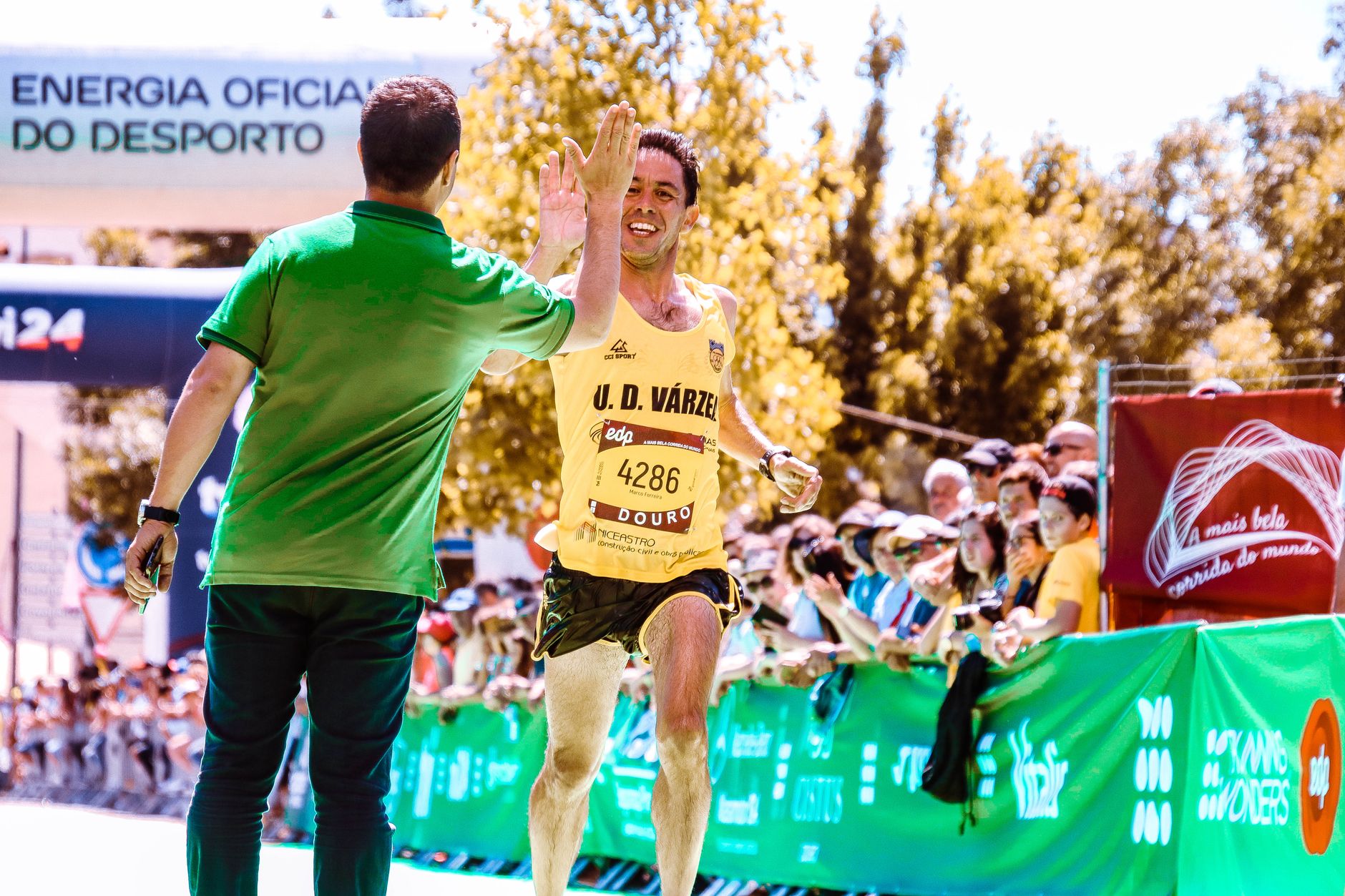
Photo by RUN 4 FFWPU
How to read the course map and race schedule
Your success as a spectator relies on interpreting the official event map correctly. Look for clearly marked start and finish zones, but pay closer attention to designated spectator access points, medical stations, and crowd barriers. Road closures are extensive, so check Transport for NSW to understand which streets remain open to pedestrians. Avoid planning a route that requires crossing the course itself, as security personnel will restrict movement to ensure runner safety.
Keep in mind the distinction between the gun time, which is when the race starts, and the estimated time your specific runner will reach a particular mile marker. If your runner is in a later wave, they will pass your location much later than the elite athletes.
Factor in potential delays like train overcrowding or the need to walk long distances from public transit to your chosen spot. Late in the race, runners often slow down as fatigue sets in, so adding a buffer to your estimated arrival time prevents the stress of missing them. Consult the official event guide to verify which wave your runner is in before you finalize your transit schedule.
The Best Places to Watch Runners in Sydney
Choosing your spot along the course changes your entire race day experience. While the temptation to hover near the start or finish is strong, you often find the best energy and accessibility in the middle stretches. Whether you have a stroller, an elderly family member, or simply want to catch your runner twice, planning your location based on logistics is just as important as the view itself. Always stay behind official barriers, listen to event marshals, and never try to cross active lanes of the road.
North Sydney and the Harbour Bridge for an unforgettable opening view
Watching the race begin near the Sydney Harbour Bridge is undeniably dramatic. You see the sheer scale of the event as the pack moves out, creating a wall of sound and movement that stays with you. This area provides the ultimate start-line photos, but it comes with significant logistical constraints. The official start zone remains strictly restricted to registered participants and race personnel.
Spectators should not expect to wander near the starting pens. Furthermore, access to the bridge approaches is often tightly controlled for safety. You might find a vantage point nearby, but the runners are incredibly bunched together in these early miles. It is difficult to spot an individual athlete in such a dense crowd.
If you choose this area, prepare for large masses of people and potential transit delays as everyone tries to leave the area after the start. This spot suits those who want the initial rush of adrenaline rather than a clear view of their specific runner.
The Rocks and central Sydney for easier mid-race cheering
The streets of The Rocks and the Central Business District provide a much more flexible environment for your day. You find plenty of cafes, public toilets, and transport links here, which makes waiting for hours far more comfortable. This section is ideal if you have children or need a location that is easy for everyone in your group to reach.
You can often see runners at different stages if you plan your walking route carefully. Because the course loops through the city, you can stand on one street, wait for your runner to pass, and then stroll to a different section for a second look.
Always check the event map to identify which streets are open to pedestrians and where one-way walking routes are in effect. Barring your path with official tape is common to keep the road clear for athletes. Never attempt to cross the course during the race; use the designated pedestrian bridges or tunnels marked on the official spectator guide.
Mrs Macquarie’s Point and harbor-side locations for scenic support
For those seeking the quintessential Sydney backdrop, the harbor-side paths offer unrivaled photo opportunities. You get to see the athletes framed against the water and the city skyline. This location is popular for good reason, but it requires patience and preparation. You will likely face a long walk from the nearest train station or ferry wharf to get into position.
Shade is limited along these stretches, and the path can become quite narrow during peak viewing times. Bring a hat, sunscreen, and plenty of water to keep yourself comfortable while you wait. Because access points near major landmarks can become overwhelmed, have a backup plan. If a specific path is closed due to congestion, know where you can relocate without missing your runner. This area is beautiful, but it requires a bit of extra effort to stay mobile and hydrated throughout the morning.
The Opera House finish area and what spectators can really expect
The finish line at the Opera House carries an immense amount of emotion, but it is the most restricted part of the course. Do not promise your runner that you will meet them right at the finish arch. Security creates a clear zone for athletes to recover, receive their medals, and access medical assistance. You will not have access to this restricted area.
Agree on a meeting point well away from the immediate finish line to avoid frustration. The crowds here are thick, and mobile reception can occasionally struggle under the strain of thousands of people in one spot.
Once your runner crosses the line, they often need time to move through the recovery process before they can find you. Patience is your best asset here. Stay in your pre-agreed meeting spot and let the finish area activity clear out before you try to reunite. Looking for a meeting place that is a short walk away from the main hub usually results in a much less stressful reunion for both you and your runner.
How to Get Around on Marathon Morning
Moving through Sydney on race morning requires more than a casual glance at a map. Massive road closures and thousands of runners change the city rhythm entirely. If you want to support your runner without getting stuck behind a barrier, you need a solid plan. Public transit is your best friend, but even the trains and buses operate on a different schedule than usual. Stay flexible, keep your eyes on the Transport for NSW website, and allow double the travel time you normally expect.
Why trains, buses, and ferries may not work as usual
The city grid effectively locks down to make way for the marathon, forcing public transport to adjust its flow. Bus routes that normally cut through the city center divert onto perimeter streets, meaning your regular stop might be suspended or moved several blocks away.
Train stations near the start and finish lines see a crush of passengers that can lead to station platform overcrowding. Sometimes, station staff restrict entry to prevent dangerous surges on the platforms, so expect queues before you even reach the ticket gate.
Ferries provide a scenic way to travel, but they are not a guaranteed solution for a tight schedule. Wharf access points often reach maximum capacity quickly, and routes might be limited or redirected due to the race presence on the harbor front. Do not rely on a ferry if you have a strict meeting time with your runner. Treat the water routes as a pleasant bonus, but have a backup train or light rail plan ready.
Pedestrian access becomes the biggest hurdle once you are near the course. Large sections of sidewalks near the harbor and the main transit hubs become pedestrian-only zones, and crossing the course is impossible in most areas. Always listen to race marshals and event staff. They have the authority to close paths at a moment’s notice to ensure runner safety. If they tell you to take a detour, follow their lead rather than searching for a shortcut across the road.
A simple travel plan for families and groups
Group logistics fall apart quickly when everyone assumes someone else knows the way. Start by choosing one primary viewing zone that is easy for every member of your group to reach. Once you pick the area, write down the name of the nearest open train or light rail stop. Identify a second, alternate stop just in case your primary choice is too crowded or closed for access.
Mobile phone service often fails when thousands of people gather in one city block. Do not rely on texting or calling your runner or other spectators right before you arrive. Set a specific, physical meeting point well away from the immediate finish line chaos. A landmark like a specific cafe entrance or a park sign works better than “by the finish line.”
Every member of your group should carry these items:
- A fully charged power bank, because constant map checking and camera use drains your battery fast.
- A hard copy of your travel plan, including the transit stops and the meeting location.
- Visible clothing or a simple accessory like a bright hat, which helps your runner spot you in the crowd.
- A written contact number for children in your group in case someone gets separated.
Why driving and parking are usually poor choices
Bringing a car into Sydney on marathon morning is a recipe for frustration. You will face a maze of road closures and no-stopping zones that change the layout of the city for the duration of the event. Parking garages in the central district often reach capacity early or hike their rates, and many restricted roads make it impossible to exit the area once the race begins. If you find a spot, you might be stuck there until the roads reopen in the afternoon.
If you must drive for medical or accessibility reasons, your approach requires precision. Confirm your route days in advance, as the race course blocks major thoroughfares that you might normally use.
Check if your intended parking garage allows access during the specific times the race is active. Rely only on official permits for designated accessible parking, and confirm with event organizers that your specific access point remains open. If you park outside the city center, choose a location near a train station so you can complete the final leg of your journey via rail. It is safer to leave the car on the outskirts and use the public network to get into the heart of the action.
Plan Your Timing So You Do Not Miss Your Runner
Timing is everything when you are trying to catch a loved one on the marathon course. A well-constructed plan prevents you from standing in the wrong place at the wrong time, or worse, arriving just as your runner disappears into the distance. Building a realistic schedule requires balancing your runner’s goals with the unpredictable nature of a major city race.
Use a runner’s pace and start wave to estimate arrival
Before the big day, sit down with your athlete to collect the necessary logistics. Ask for their target goal pace, their expected finish time range, and their assigned start wave. You should also request their race bib number and a clear description of their clothing, including hat color or team singlet. These details make it much easier to pick them out of a crowd.
To estimate their arrival, take the distance from the start line to your chosen viewing spot. If you want to see them at the 15-kilometer mark, and they plan to run at a steady pace of 6 minutes per kilometer, they should reach that spot in about 90 minutes. However, you must add the start wave delay. If your runner is in Wave 3 and the race organizers schedule that wave to begin 20 minutes after the first gun, your total estimated wait time becomes 110 minutes.
Remember that this formula is only a rough guide. Factors like hills, wind, aid station stops, and fatigue often cause runners to drift from their planned pace. Instead of aiming for one specific minute, build a 15 to 20-minute window around your estimate. Arriving 60 to 90 minutes early for your chosen spot is a safe practice to account for travel delays or heavy pedestrian traffic.
Track a runner without depending on technology
While many events provide official runner tracking apps, do not make these your sole source of information. These tools often rely on timing mats placed at specific points, meaning the data shows where a runner was, not where they are right now. Signal congestion in the crowded city center can cause these updates to lag or fail completely.
Use technology as a supplement, but keep a physical, written schedule with you. Focus on visual identification techniques to spot your runner as they approach. Look for their bib number, team colors, or specific accessories you discussed earlier.
Find a location where you can stand safely behind a barrier, ideally in an area with good visibility where the runner can easily spot you as well. If your phone battery dies or the internet cuts out, a simple backup meeting plan, like deciding on a specific cafe or landmark near your viewing spot, ensures you still reconnect after the race.
How to see one runner more than once
Seeing your athlete multiple times is a rewarding way to support them, but it requires careful strategy. This is only possible if you pick two viewing points that are logically connected by open pedestrian paths and reliable public transport. For example, you might choose an early spot near the Harbour Bridge and a second location further along the route in the city center.
Attempting to jump from the start to the middle and then the finish is rarely successful. Road closures and heavy crowds turn what looks like a short walk into a logistical nightmare. The police and race officials restrict movement across the course to keep the road clear for athletes. Instead of chasing your runner across town, find two connected, high-traffic points that allow you to stay stationary for long periods.
Keep your movement limited to designated footpaths and allow plenty of time to clear the area after each sighting. If a path feels too congested, stay put. The best strategy is to be in the right place at the right time once, rather than missing them entirely by trying to be everywhere at once. Use your sydney marathon spectator guide map to identify which streets stay open for walking so you do not get blocked by a sudden wave of runners or a police cordon.
What to Bring for a Comfortable Day of Cheering
A successful day out requires preparation. You might spend hours waiting on your feet, exposed to the elements, and navigating crowded transit hubs. Your comfort directly impacts how much you enjoy the experience, so pack intentionally. A small, lightweight backpack is your best friend. It keeps your hands free for cheering or holding a sign, and it helps you carry everything you need without feeling weighed down.
Food, water, shade, and bathroom planning
Do not assume you can easily purchase snacks or find an empty restroom near the most popular viewing areas. Marathon day creates immense pressure on local cafes and public facilities.
Expect long lines at every corner store and coffee shop. Eat a substantial meal before you leave home to avoid the rush, and pack portable, easy-to-carry snacks like protein bars, fruit, or nuts in your bag. If permitted, carry a refillable water bottle to stay hydrated, though keep in mind that security checks might restrict large containers.
Identify public restrooms or accessible facilities on the official event map before you head out. These locations often see heavy demand, so plan for extra time when nature calls.
Sun protection is equally important. Many stretches of the harbor front provide little to no shade. Even on a cool or overcast morning, the reflected light off the water and the open sky can lead to significant sun exposure. Pack sunscreen, a hat, and sunglasses to keep yourself comfortable while you stand waiting for your runner.
Signs, photos, and cheering that help runners
Personalized signs make a massive difference to a runner struggling with fatigue in the final kilometers. Keep your design simple and easy to read from a distance. Include the runner’s name in large, bold letters and perhaps a short, funny message or inside joke that gives them a mental boost. If you are taking photos, stand well back from the course. Never step into the path of runners to get a better angle.
Your voice is a powerful tool. General shouting helps, but specific, direct encouragement is much more effective. Instead of a generic cheer, try calling out the runner’s name or their club affiliation.
If you know they are struggling, offer a clear, positive instruction like “keep your head up” or “you look great.” Avoid blocking the view of other spectators and stay mindful of the space around you. When the runners see familiar faces and hear their own names, they often find a little extra energy to push toward the finish.
Accessibility and family-friendly planning
Spectators with mobility needs should prioritize checking accessible viewing areas and transport hubs well in advance. Not every scenic spot offers level access or enough room for wheelchairs and mobility devices. Many areas along the harbor involve uneven paths or narrow sidewalks that become difficult to navigate once crowds gather. Instead of trying to visit multiple locations, pick one reliable, accessible spot and stay there. This reduces the need for long, tiring walks between transit points and viewing zones.
If you have children in your group, keep viewing periods short. Bring warm, layered clothing, as Sydney weather can turn chilly if the wind picks up or the morning fog lingers.
Pack an identification card for each child with your contact information clearly listed, and establish a specific meeting plan in case you get separated. Crowds at barriers can feel overwhelming for young kids, so try to find a spot with a little extra space. A calm, comfortable experience is far more memorable than an ambitious day that leaves everyone exhausted and stressed.
Race-Day Etiquette, Safety, and Common Mistakes to Avoid
A positive marathon experience depends as much on the behavior of those watching as it does on the speed of the runners. When you follow simple guidelines, you protect the participants and create a better environment for everyone around you. Your role is to offer support, but you should never become an obstacle or a safety risk.
How to cheer without getting in the way
Effective cheering requires awareness of your physical footprint. Always position yourself at the very edge of the spectator zone, leaving the center of the sidewalk open for other pedestrians or emergency responders who need to move quickly.
If you carry signs, hold them high above shoulder level so they do not block the vision of people standing behind you. Never step toward the runners or lean out over the barriers, as sudden movements can startle an athlete who is already pushing through exhaustion.
Remember that a runner in the middle of a marathon is often in a deep mental focus. They might not hear your voice or see your wave, even if you are shouting their name repeatedly.
Do not take it personally if they pass by without acknowledging you. This is common during long races, and it does not mean they are struggling or ignoring your presence. They are simply managing their energy and concentration. Save your enthusiasm for the next time they pass, or wait until they reach a recovery area where they can stop and interact safely.
Weather, medical needs, and emergency planning
Sydney race days bring unpredictable conditions, so prepare for the environment before you leave home. Check the local forecast to see if you need sun protection or rain gear. If you are prone to heat exhaustion or sun exposure, keep a hat, sunglasses, and high-SPF sunscreen in your bag. If you or a family member carries essential medication, store it in an easily accessible pocket or a secure side pouch on your bag so you can reach it in an instant.
If you feel unwell or spot someone else who needs help, stay calm and act immediately. Alert the nearest event staff or police officer, as they are trained to handle emergencies and can coordinate with medical teams stationed along the course.
Move away from the dense crush of the crowd to find open space, which helps both you and the first responders. Always keep your group together, especially with young children. Take a moment before the race starts to share your meeting plan and emergency contact numbers with everyone in your party, ensuring that everyone knows where to go if you lose contact.
The biggest spectator mistakes and better alternatives
You can avoid many common issues by planning for the logistics of a major city event. If you try to do too much, you often end up doing nothing well.
- Avoid the last-minute rush: Do not assume you can arrive five minutes before your runner passes. Aim to be at your location at least 60 minutes early to secure a spot and account for transit delays.
- Ditch the impossible travel plan: Do not try to visit four different parts of the course. Pick one or two locations that are easy to reach via a single train line and stay there to reduce your stress.
- Skip the crowded finish line: The area immediately around the finish arch is a restricted zone for athletes and officials. Agree on a meeting spot at least 15 minutes away from the exit to avoid searching for each other in a chaotic crowd.
- Upgrade your footwear and preparation: Do not wear new or uncomfortable shoes for a day spent standing on concrete. Wear your most supportive sneakers and plan for the long periods of waiting by bringing a small, portable seat if you have mobility needs.
- Forget the reliance on phone signals: Do not depend on mobile text messages during peak hours, as towers often fail. Create a written plan with a physical meeting point, like a specific landmark or cafe, and stick to it regardless of what your phone screen says.
By treating your time on the course as a coordinated effort, you ensure that you see your runner, stay safe, and enjoy the event. The best supporters are the ones who stay behind the barriers, listen to the marshals, and avoid feeding or handing items to runners, which can be seen as an unfair advantage and is often prohibited. When you give the athletes space and follow the rules of the road, you contribute to the success of the entire marathon.
Make a Simple Sydney Marathon Spectator Plan That Works
Successful race-day support relies on a straightforward approach that minimizes confusion. When you have a clear strategy, you spend your time focused on your runner instead of scrambling through crowd-filled streets. Build your day around one or two reliable locations and keep your logistics as simple as possible to ensure you don’t miss the moment.
A sample plan for first-time spectators
If you are new to the event, consider a plan that centers on a single, easy-to-reach viewing area. For a family, this might mean selecting a spot in the city center near a train station, such as near The Rocks, where you can arrive at least an hour before your runner is due. Stay behind the barriers and wait patiently in your chosen location. Avoid the urge to move until your athlete has passed, as wandering through a dense crowd often leads to being stuck in the wrong place.
If your runner is delayed, do not panic. Runners often experience variable paces, especially in the later stages, so build a 20-minute buffer into your estimate. If the crowd blocks your path or an official path closure pops up, move to a secondary, pre-planned location just a short walk away.
Once you see your runner, stay in that vicinity to avoid the chaos of the finish line. Instead of meeting them at the crowded race exit, arrange to reunite at a quiet nearby cafe or a specific landmark a few blocks away. This gives your runner space to recover and makes finding each other much easier than fighting through the mass of finishers.
The final checklist to save before leaving home
Preparation is the key to a stress-free morning. Before you step out the door, take a moment to verify your Sydney marathon spectator guide for any last-minute course changes or adjusted transport schedules. Check your runner’s wave and bib number to refine your timing. Keep this checklist on your phone or printed on paper so you don’t have to rely on spotty mobile reception:
- Official course map and transport updates from Transport for NSW saved for offline access.
- Confirmed runner bib number, wave start time, and a description of their gear or clothing.
- Primary and backup viewing locations that are accessible by the same transit line.
- A pre-agreed physical meeting point well away from the restricted finish zone.
- Fully charged phone and a portable battery bank.
- Sunscreen, a hat, and comfortable walking shoes.
- Bottled water and lightweight snacks like fruit or nuts.
- Identification for children and contact information for your group.
Review these details on the morning of the event. Road closures and crowd control measures change based on wind, weather, and the speed of the leaders. By staying flexible and having a clear plan, you allow yourself to enjoy the atmosphere while remaining ready for whatever the day brings. Always listen to event staff if they redirect pedestrian traffic, and remember that a calm approach makes the experience better for everyone involved.
Conclusion
Supporting your runner does not require you to sprint from the starting line to the finish in a frantic attempt to see every mile.
A single, well-chosen viewing spot allows you to share a meaningful moment of connection that stays with your athlete long after the race ends. By keeping your logistics simple, you ensure that you remain a source of calm instead of adding to the chaotic race-day environment.
Before you head out, confirm your final route details on the official Sydney Marathon website and check transport updates on the Transport for NSW portal. Arrive early at your designated spot to beat the crowds, stay safely behind all barriers, and maintain a clear, pre-arranged meeting plan for after the finish. These small steps make the entire experience better for everyone involved.
The morning air along the harbor glows as the runners push toward the finish line, their efforts fueled by the cheers of friends and family. Stand by the water, wave your sign with pride, and enjoy the collective energy of the city as it celebrates this massive athletic achievement.