

Suunto Run vs Race S Review: Lightweight Simplicity or Premium Performance?
Choosing between the Suunto Run vs Race S often comes down to a simple question: which device aligns best with your training habits, race goals, and budget without forcing you to pay for features you will never use? While both watches are designed with runners in mind, they target different segments of the market and do not offer the same user experience.
If you are weighing the benefits of screen quality, battery life, and GPS accuracy, the differences between these models matter more than the spec sheet might suggest. One watch may be the perfect companion for your daily road running, while the other might feel more comprehensive when you are standing at a race day start line. Let us look at where each watch makes the most sense and where the inevitable trade-offs begin to show.
Key Takeaways
- Primary Difference: The Suunto Run is a lightweight, focused tool for runners who value simplicity, while the Race S is a premium, multisport-capable watch with a high-resolution display and advanced navigation.
- Display & Build: The Race S features a vibrant AMOLED screen and a digital crown for easy menu navigation, whereas the Suunto Run uses a highly readable, memory-in-pixel display and classic physical buttons.
- GPS & Navigation: If you frequently trail run or train in urban environments, the Race S offers dual-frequency GPS and offline mapping for superior tracking and route guidance.
- Versatility: The Race S is better suited for athletes who engage in various sports or want a watch that looks polished for daily wear, whereas the Run is optimized specifically for consistent, straightforward training.
Choosing the Right Fit for Your Running Style
The easiest way to separate these two watches is to look past the spec sheet and focus on the kind of runner each one serves best. The Suunto Run is built for people who want a light, simple running watch that gets out of the way. The Race S is built for runners who want a more polished multisport watch, a richer display, and a more advanced feature set, all in a smaller case.
That difference shapes everything from daily wear to how each watch feels during training. One feels like a focused training partner, while the other feels like a compact premium tool that can handle more than just running.
Build a Smarter Running Watch Setup
Compare the right watch, understand the training data that matters, and choose a model that fits your workouts, racing, recovery, and long-term goals.
More SUUNTO and Running Watch Guides
A lot of the choice comes down to how much watch you want on your wrist. If you care most about easy use, straightforward workouts, and a lower price point, the Run makes sense fast.
If you want stronger visual appeal and broader training support, the Race S starts to look more complete. For a quick outside perspective, some user comparisons on Suunto community discussions echo that same split between simple running focus and a more feature-rich package.
Comfort
The Suunto Run fits the runner who wants a watch that feels light, direct, and easy to live with every day. It is a good match if you mostly run, want clean training screens, and do not want to spend extra on features you may never use. This watch makes the most sense for runners who value simplicity. You can put it on in the morning, head out for an easy run, tempo session, or long run, and get what you need without sorting through a crowded menu. It works well for those who prefer a smaller mental load and want to check pace, distance, and workout data before moving on with their day.
On the other hand, the Race S is the better fit if you want a watch that feels more premium on the wrist and more complete in training. It brings a refined look and a broader array of sport modes, all in a compact case that does not feel bulky. This combination is especially valuable for endurance athletes who train across multiple disciplines, including cycling, strength work, or technical trail running.
If you want a compact watch that still feels like a flagship, the Race S is the one that leans in that direction.
It also suits people who care about how the watch looks when they are not running. The case has a premium feel, allowing it to blend into daily wear better than a stripped-down device. For runners who want one watch that can handle intense workouts and still look sharp at lunch, that balance is hard to ignore.
Display, design, and comfort on the wrist
The physical experience of wearing a watch often matters more than the data it records. When you are deep into a long training block, you want a device that feels like a natural part of your kit rather than a burden you constantly adjust. The Suunto Run vs Race S debate hinges significantly on how each watch disappears once you start moving, while still providing the information you need to maintain your pace and effort.
Hardware Experience: Display and Ergonomics
Visibility is the most immediate difference between these two devices. The Race S features an AMOLED display that produces vibrant colors and deep blacks. This screen technology makes reading your stats easy even when the sun is directly overhead, though it is worth noting that your choice of screen will influence your total battery life. In contrast, the Suunto Run uses a memory-in-pixel display.
This screen type reflects ambient light to create an image, making it remarkably clear under direct sunlight without requiring a backlight. While the Race S feels modern and bright, the Suunto Run offers a muted, constant-on visibility that many runners find more comfortable for long, sunny afternoon miles.
When you cover high mileage, every gram counts. The Suunto Run is designed with a focus on a lightweight, unobtrusive profile that stays low on the wrist. The Race S is slightly more robust, offering a premium build that sits comfortably against the skin. Both models handle strap integration well, preventing the annoying bounce that often leads to chafing or inaccurate heart rate readings.

Photo by Alexey Demidov
Navigation while moving at a high heart rate requires tactile feedback. The Race S uses a digital crown that makes scrolling through training screens very fluid. You can rotate this digital crown to zoom in on maps or scroll through data fields without needing to tap the glass repeatedly. This setup feels intuitive when your hands are sweaty or you are wearing gloves.
The Suunto Run, however, focuses on a classic button configuration. These buttons provide a distinct click that ensures you know exactly when a lap has been marked or a menu has been selected. While the Race S relies on the digital crown for a modern, effortless interface, the Suunto Run provides the reliable, mechanical response of physical buttons. Ultimately, both watches provide a secure interface that keeps you focused on your run instead of fighting with your gear.
Battery life, GPS, and the stuff that matters on race day
Every runner knows the anxiety of a dying watch battery minutes before a start line or in the middle of a long training run. When you choose between the Suunto Run vs Race S, you are balancing the need for power against your own daily habits. A watch is only helpful if it stays awake for the full duration of your effort, and the way these devices manage energy often determines how much freedom you have between charges.
Satellite Tracking and Power Management
Consistent battery life is the difference between a tool that supports your training and a gadget that adds to your daily to-do list. The Race S manages power through an efficient AMOLED architecture, but it requires more frequent attention if you use features like the always-on display or high-frequency tracking. If you are the type of runner who forgets to dock your watch, you might find yourself needing to keep a charger in your gym bag.
The Suunto Run offers a simpler approach to battery life. By focusing on a power-efficient display and trimmed-back processing, it handles long training weeks with fewer trips to the wall outlet. This is a massive perk for runners who travel or log heavy mileage. If you want a set it and forget it experience, the internal efficiency of the Run saves you from the persistent worry of finding a power source after a long session.
Technical specifications do not tell the whole story when you are running through a dense city center or deep forest cover. While both watches utilize solid satellite connectivity, your performance depends on the environment. High-end multiband GPS looks great on paper, and it is a significant advantage in challenging settings.
Urban canyons often bounce signals, creating ghost mileage, and dense tree cover can block signals during intense trail running. To combat this, the Race S employs dual-frequency GPS to lock onto multiple satellite constellations, ensuring a clean track in tricky environments. The Suunto Run remains perfectly capable for standard road use, though it lacks the advanced signal filtering of its counterpart.
Following a pre-planned route or staying on pace during a race requires more than just a timer on your wrist. Navigation features provide a safety net when you are in unfamiliar territory or racing on a course with multiple turns. The Race S brings a distinct advantage here by offering offline maps. You can see your location relative to the path, which makes it much easier to avoid wrong turns on complicated trail segments or city marathons.
The Suunto Run sticks to breadcrumb navigation. This shows you a line to follow on a blank background, which is functional for many runners but lacks the visual context of a full map. If you are a runner who enjoys exploring new routes, having a map on your wrist is a game changer for confidence.
You can quickly verify your location without stopping. However, if your training remains mostly on familiar paths, the breadcrumb navigation on the Run is more than enough to keep you moving in the right direction. Deciding which one you need depends on how often you find yourself lost or in need of a turn-by-turn map.
Training tools, recovery features, and daily coaching support
Improving as a runner requires more than just hitting the pavement every day. You need a system that translates your hard work into actionable insights. Both the Suunto Run and the Race S integrate with the Suunto App to provide a robust environment for your athletic development. While the hardware on your wrist gathers raw data, the software ecosystem decides how useful that information becomes for your long-term progress.
Training Intelligence and Physiological Insights
Effective training relies on consistency and intent. Whether you follow a professional coach or build your own schedule, your watch must support the specific demands of each session. Both watches allow you to create custom structured workouts within the Suunto App and sync them directly to your wrist. When you start an interval session, the watch guides you through every step, displaying your target pace, duration, or distance for each phase.
Recovery is where your fitness gains actually happen. These watches monitor your sleep, stress, and overall activity levels to estimate your daily training load. The software provides a comprehensive summary of your sleep quality, including duration and heart rate variability, which acts as a proxy for how recovered your nervous system is each morning.
Intensity with Rest
These recovery features are invaluable if you struggle to balance intensity with rest. If the watch says you are recovered but you feel heavy and sluggish, remember to listen to your body; these metrics are most useful for understanding how your lifestyle choices impact your actual performance on the road.
Wrist-based heart rate sensors have improved significantly, but they have inherent limitations. Both the Suunto Run and the Race S use an optical heart rate sensor to monitor blood flow through your skin.
During standard road running or long, easy miles, these sensors provide reliable data that matches your level of exertion. However, an optical heart rate sensor often struggles with the rapid fluctuations found in high-intensity interval training, as the data can lag behind your actual physiological state during sharp spikes.
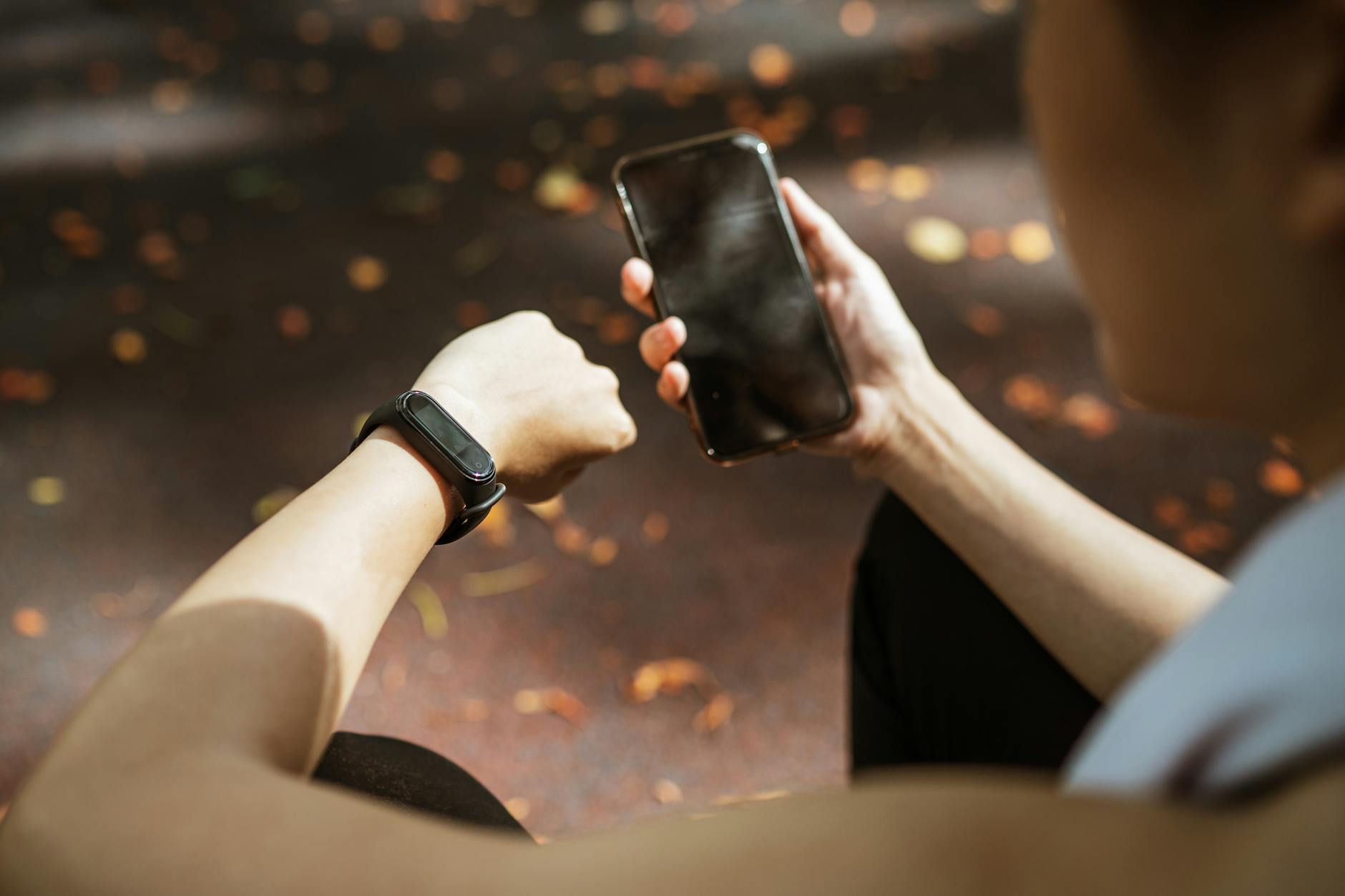
Photo by Ketut Subiyanto
If you are a serious athlete training by specific heart rate zones, a chest strap remains the gold standard. A chest strap monitors electrical signals directly from your heart, which provides near-instantaneous feedback. You can pair both watches with external Bluetooth heart rate monitors to get that level of precision. Using a strap during your hardest workouts while relying on the wrist sensor for daily monitoring is a common strategy among athletes who want the best of both worlds.
Price Point and Feature Value
Choosing between the Suunto Run vs Race S creates a classic dilemma between spending for versatility and sticking to what you actually need. Every dollar you put toward a multisport watch represents a trade-off. You might save enough for a new pair of shoes or a race entry fee, or you might end up paying for pixels and features that never see active use during your daily miles. The right choice depends on how much you rely on your watch as a daily companion versus a strict training tool.
When the cheaper watch is the smarter choice
The Suunto Run remains the more logical path if your training stays focused on consistency rather than complexity. Because the lower price point targets runners who prioritize essential metrics over extras, you save money by avoiding hardware you do not need. If you run for health, stress relief, or standard race prep, this model covers your needs without making you pay for advanced navigation or premium media storage.
Most runners find that a simple interface actually helps them train harder. You avoid the distraction of high-resolution menus when you just want to check your current pace. The value here is clear: you get a rugged, reliable sensor that captures your metrics accurately, saving your budget for things like professional coaching or high-quality running gear. You aren’t subsidizing the price of an expensive screen or specialized software that sits idle while you track a standard road run.
Choosing the base model feels right when you prioritize function over form. If you prefer a watch that disappears on your wrist and requires zero fiddling, the Suunto Run works perfectly. It is the smarter choice for the athlete who knows that data is a means to an end, not the end itself.
When paying more for Race S may be worth it
The higher cost of the Race S becomes easy to justify if you treat your running gear as an everyday tool. That premium price tag buys you an AMOLED display that changes how you interact with your data. The screen is vibrant, crisp, and incredibly easy to read in all conditions, which helps when you glance at your wrist during a fast interval or a dark morning jog.
You should consider the extra cost an investment in longevity and flexibility. The Race S includes a broader range of sport modes that support cross-training, hiking, and recovery tracking in a way that feels more refined. If you participate in triathlons or explore complex trail routes, the offline maps and extended battery life justify the jump in price.
Furthermore, the watch supports offline music playback, allowing you to load your own MP3 files directly to the device so you can leave your phone behind. With this level of offline music playback, you get a high-performance computer on your wrist that stays relevant longer as your training goals shift. It offers a more immersive experience for runners who appreciate technology that feels modern and fast.
Final Verdict and Technical Compatibility
Choosing between these two models comes down to how you spend your time on the road. When comparing the Suunto Run vs Race S, you do not need to overthink the technical specs or worry about which device has more features on paper.
Your training habits, your budget, and how much you value screen technology usually reveal the right choice before you even check the price tag. Both watches are fully compatible with third-party apps like Strava and TrainingPeaks, ensuring your data syncs seamlessly regardless of which model you choose.
Pick Suunto Run for a focused experience
This model is the right choice when your training stays consistent and you prefer a no-nonsense experience. If you are a dedicated runner who relies on the dedicated track running mode to keep your intervals precise, this is the tool for you. You want a device that logs your distance, pace, and time without asking for extra setup. Choosing this watch keeps your budget in check because you are not paying for advanced multisport modes you might not need.
The setup is straightforward. You get a device that is light, unobtrusive, and designed specifically for your daily training runs. It is a reliable partner that stays out of your way. Because you avoid the clutter of complex menus, you can stay focused on your form and your effort. This version is the better fit if you value simple operation, a lower cost, and a clear, functional interface that works every time you head out the door.
Pick Race S for a compact multisport companion
This watch is the right path if you want a more refined, versatile tool on your wrist. For endurance athletes who demand precision, the inclusion of dual-frequency GPS ensures accurate tracking even in challenging environments.
The sharper display makes it easy to utilize SuuntoPlus features, allowing you to follow structured workouts or guidance directly on your screen. If your training extends beyond simple road runs into cycling or trail adventures, the wider range of features keeps your options open.
You gain a premium physical design that includes a digital crown for quick navigation, making it a great everyday accessory. You should choose this model if you want a compact device that handles high-intensity training, detailed recovery features, and daily life with equal ease.
With the added benefit of offline maps for navigation, it is the more complete package for the athlete who wants a durable, high-performance tool that keeps pace with changing goals and diverse activities.
Ultimately, the choice relies on your relationship with your gear. If you see your watch as a simple training log, the Suunto Run is the answer. If you prefer a watch that serves as an all-in-one companion for your life, your athletic pursuits, and your recovery journey, the Race S is worth the investment. Pick the one that mirrors how you train, and you will never regret the decision.
Frequently Asked Questions
Which watch is better for beginners?
The Suunto Run is generally better for beginners because it provides a streamlined experience without the complexity of advanced multisport features. Its simple interface allows you to focus on your pace and distance without getting lost in crowded menus.
Does the Race S provide better GPS accuracy?
Yes, the Race S utilizes dual-frequency GPS, which provides more precise tracking in challenging environments like dense forests or areas with tall buildings. The Suunto Run uses standard satellite connectivity, which is highly reliable for most road running scenarios but may struggle more in complex signal environments.
Can I use my existing heart rate chest strap with these watches?
Absolutely, both the Suunto Run and the Race S support pairing with external Bluetooth heart rate monitors. This is highly recommended for athletes who want the precision of a chest strap during high-intensity interval training compared to wrist-based sensors.
Does the Suunto Run support route navigation?
The Suunto Run features breadcrumb navigation, which displays a simple path to follow on your screen. While it lacks the detailed offline maps found on the Race S, it is more than sufficient for staying on course during familiar runs or straightforward trail routes.
Conclusion
Deciding between the Suunto Run vs Race S ultimately comes down to your specific priorities on the road and trail. The Suunto Run offers a streamlined, lightweight experience that focuses entirely on pace and distance for the dedicated runner.
In contrast, the Race S provides a more versatile package, featuring a vibrant AMOLED display and advanced mapping tools, including precise elevation tracking, that cater perfectly to multisport athletes.
Both devices track your metrics with accuracy and reliability during your training sessions. You will receive the same core performance from the heart rate sensor and GPS regardless of the model you select. The primary difference is whether you want a device that stays out of your way or one that provides extra data and rich visual feedback.
Use this simple framework to decide. Pick the Suunto Run if you want a no-nonsense training tool that puts simplicity above all else. Choose the Race S if you want a premium watch that handles multiple sports and looks sharp during your daily life.


