

Suunto Run Specs: Everything You Need to Know
Every second counts when you chase a personal record on the track or the open road. Because small margins separate a breakthrough from another frustrating plateau, you need precise gear that tracks your exact output without guesswork.
Knowing the exact Suunto Run Specs helps you understand how GPS precision, battery longevity, and training load metrics translate into faster race splits. When you master these technical details, you stop leaving your progress to chance and start building a smarter path toward your next finish line.
Decoding Suunto Run Specs for Everyday Training
When you analyze Suunto Run Specs, you discover the vital data that separates a casual jogger from a disciplined athlete. Technical measurements dictate how well your gear performs when you push your limits on the track or navigate unpredictable trails. Therefore, examining these hardware details helps you choose tools that directly support your daily training habits and long-term endurance goals.
Display Quality and Outdoor Visibility
Screen size, resolution, and panel technology define how easily you read your metrics while moving at high speeds. When you sprint through a hard interval session under direct midday sunlight, a washed-out screen forces you to slow down just to check your pace. High-contrast displays solve this problem by bouncing ambient light away from the glass, so your current split remains crystal clear even on blindingly bright asphalt.
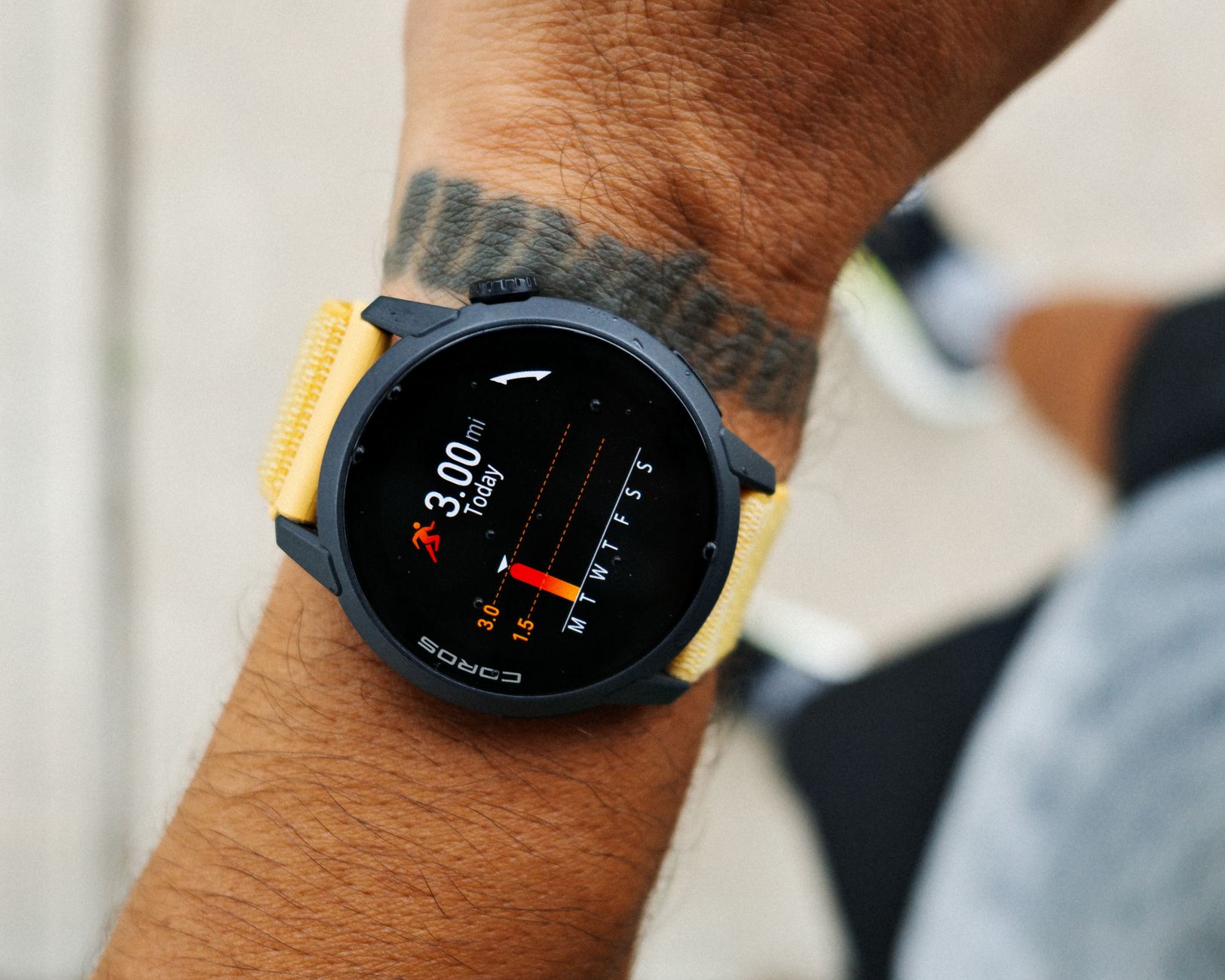
Photo by Eddie O.
Sharp resolution matters because complex data fields demand crisp typography. If you prefer a multi-sport layout showing heart rate, cadence, elapsed time, and distance simultaneously, tiny pixel density prevents numbers from bleeding together.
- Sapphire glass protection: Shields the display from accidental scrapes against rocks or track rails.
- Backlight brightness adjustment: Adapts instantly when you transition from open roads into shaded forest paths.
- Pixel layout efficiency: Maximizes contrast so quick glances give you immediate answers during tough tempo runs.
Battery Life and Power Management
GPS tracking hours dictate whether your watch survives a grueling marathon buildup or dies mid-long run. High-frequency satellite tracking demands substantial power, so manufacturers build customized battery modes to balance precision with longevity. Daily watch mode keeps your heart rate sensors and step counters active between workouts without draining the cell before your next session.
When you prepare for a marathon, low-battery anxiety ruins your focus. Power management settings let you dial down satellite polling intervals when you run familiar routes, saving precious charge for race day when every second of tracking accuracy matters. Intelligent power modes also warn you before a long effort begins, ensuring your gear matches your weekly mileage demands.
Navigating the Essential GPS and Mapping Features
When you push your limits on unfamiliar roads or steep mountain tracks, your hardware must do more than just record time. Evaluating the Suunto Run Specs reveals how advanced positioning technology keeps you oriented when weather turns or urban canyons block your signal. Reliable navigation transforms a stressful guessing game into an organized adventure where you focus entirely on your pacing and form.
Multi-Band Satellite Tracking Accuracy
Tall downtown skyscrapers and dense forest canopies often scramble standard GPS signals, creating erratic pace spikes on your summary screen. Dual-frequency reception solves this problem by communicating with multiple satellite constellations simultaneously across separate frequency bands. Because these signals approach your wrist from different angles, environmental interference rarely ruins your data integrity.
Your watch cross-references signals from GPS, GLONASS, Galileo, and Beidou networks at once. As a result, sudden turns on tight switchbacks register instantly instead of appearing smoothed out or delayed on your post-run map. This precision protects your real-time feedback, ensuring your current pace metric matches reality even when you run through challenging terrain.
Breadcrumb Trails and Offline Maps
Pre-loading a route before you step out the door removes the fear of taking a wrong turn in remote areas. Your watch displays a clear breadcrumb trail against a detailed offline map, so you always see your exact location relative to the planned path. If you stray off course, the system alerts you immediately with a subtle vibration and visual prompt.
- Download regional outdoor maps over Wi-Fi before you leave home to keep topographic lines visible without cellular service.
- Zoom in on upcoming junctions using the responsive touch screen or physical buttons when heavy gloves make swiping difficult.
- Use the back-track function to retrace your exact steps home if fatigue or worsening weather forces an early turnaround.
Studying these mapping tools before race day gives you total confidence on new courses. You stop worrying about missing a directional sign in the dark or getting turned around on unfamiliar training loops.
Tracking Performance Metrics and Training Load
Analyzing your physical output is the only way to turn hard work into predictable breakthroughs. When you monitor how your body reacts to daily mileage, you spot fatigue before it turns into an injury. Suunto Run Specs provide the raw numerical foundation required to balance hard track intervals with necessary recovery days.
Heart Rate Monitoring and Wrist Sensors
Optical heart rate sensors read blood flow changes beneath your skin using flashing green and red LEDs. While wrist measurements are convenient for daily activity tracking, rapid cadence shifts during interval training often cause optical lag.
Because arm swing and skin temperature affect sensor contact, serious runners pair their watch with an external chest strap for superior fidelity. Electrocardiogram chest straps capture electrical impulses directly from your heart, eliminating the delay common in wrist-based hardware during sudden surges.
Pace, Cadence, and Running Power
Maintaining an even split during a marathon requires constant vigilance against the temptation to start too fast. Wrist-based running power estimates your mechanical output in watts, revealing how much effort you expend against hills and headwinds regardless of your current speed. Cadence tracking counts your steps per minute, helping you maintain a quick, efficient turnover instead of overstriding. When you combine power data with stable cadence targets, you smooth out energy expenditure over rolling hills.
- Target power zones: Keep your watts within a predetermined threshold during the opening miles of a race.
- Cadence alerts: Set subtle vibrations to warn you if your step frequency drops below your optimal range during late-race fatigue.
- Real-time feedback: Adjust your stride length instantly when power spikes reveal you are pushing too hard up a steep grade.
Build Quality, Weight, and Comfort on the Run
When you log high mileage week after week, the physical interaction between your wrist and your watch matters just as much as internal satellite tracking. A heavy case bounces constantly against your radial bone, creating annoying friction during fast track intervals and long Sunday efforts. Examining the physical dimensions and materials helps you find a device that disappears on your arm while enduring harsh weather elements.
Materials and Durability Standards
Manufacturers build high-end running gear from fiber-reinforced polymer cases paired with stainless steel or titanium bezels. Titanium offers a superb strength-to-weight ratio, reducing overall mass without sacrificing structural integrity when you accidentally clip a rocky outcrop on a technical trail. Glass protection relies on mineral crystal or synthetic sapphire, where sapphire acts as an ultimate shield against deep scratches from jagged rocks or metal track rails.
Military durability testing subjects these watches to extreme temperature drops, shock impacts, and corrosive salt mist. Because rigorous drop tests prove the hardware survives sudden impacts, you can tackle rugged mountain adventures without constantly worrying about cracked screens or housing failures.
Weight and Ergonomics for Long Distances
During a marathon, every extra gram on your wrist requires subtle muscular exertion that accumulates over thousands of arm swings. Lightweight housing combined with breathable silicone or nylon straps prevents moisture buildup and skin irritation during hot, humid training blocks. A well-designed strap hugs your wrist securely, keeping the optical heart rate sensor firmly in place so your pulse readings stay accurate even when sweat pours down your arm.
Water resistance ratings of fifty meters or more protect internal electronics during torrential downpours and post-run recovery ice baths. When rain lashes sideways across your face, responsive physical buttons let you navigate data screens easily because wet touchscreen glass often fails to register finger swipes accurately. Choosing gear with ergonomic contours ensures that your watch remains comfortable from the starting gun to the final post-race stretch.
Comparing Suunto Run Specs to Other Running Watches
When you shop for a new training device, comparing Suunto run specs against rival brands reveals where engineers focus their attention. Garmin and Coros dominate much of the market, yet Suunto carves out a distinct path by prioritizing rugged outdoor durability and reliable mapping. You need to know how these hardware choices affect your daily mileage before you spend your money on a premium device.
Battery Longevity and Satellite Precision Rivalries
Battery efficiency determines whether your watch survives a full training block without constant recharging. Garmin models often pull ahead in sheer daily smartwatch longevity, but Suunto keeps pace during active GPS workouts by using aggressive power management profiles.
- Garmin watches rely on extensive smart features and contactless payment options that drain power faster during standby periods.
- Coros devices offer impressive battery longevity through lightweight builds and minimal software bloat.
- Suunto balances battery life with dual-frequency satellite tracking, meaning you get high accuracy without sacrificing all your power reserves.
Build Materials and Weight Comparisons
Titanium bezels and sapphire crystal screens come standard on high-end Suunto models, whereas competitors often charge extra for these premium materials on their base tier running watches. If you compare a standard Suunto watch to a Garmin Forerunner, you notice that Suunto builds heavier, more rugged casings designed to withstand accidental scrapes against rough canyon walls.
Plastics dominate the construction of many budget running watches to save weight, yet they crack easily during falls. Suunto avoids this trap by reinforcing its polymer cases with stainless steel or titanium, giving you structural integrity without adding excessive bulk to your wrist.
Software Ecosystem and Training Metrics
Hardware is only half the battle because your watch software interprets raw sensor data into actionable training advice. Polar and Amazfit offer deeply entrenched analytics platforms that generate automated running indexes and recovery scores immediately after a hard session. Suunto relies on its smartphone app and partner platforms like TrainingPeaks to deliver similar load calculations, keeping the watch interface clean and uncluttered.
You trade away flashy on-device widgets for a distraction-free screen that displays only your critical running metrics while you move. This design philosophy suits runners who prefer analyzing their workouts on a laptop later rather than tapping through endless menus mid-stride.
Conclusion
Mastering the Suunto Run Specs gives you a clear advantage when you want to stop guessing and start running faster. When you understand how battery longevity, satellite precision, and physical ergonomics interact, you can pick a device that supports your specific training volume.
Look at your upcoming race calendar and choose a watch that matches your exact performance goals.


