

Suunto Race S vs 9 Peak Pro: Which Fits Your Training Goals?
Choosing between the Suunto Race S vs 9 Peak Pro comes down to one simple question: which watch fits the way you train, race, and wear it every day? Both are premium GPS watches, but they’re built for slightly different runners, and the differences show up fast once you look past the spec sheet.
If you care about size, battery life, display quality, training tools, navigation, comfort, and price, this comparison will make the choice clearer. One may suit you better for hard workouts and race-day focus, while the other may feel better on your wrist from the track to the office.
Here’s how they stack up where it matters most.
The fast answer: which Suunto watch fits your running style?
Choosing the right device often comes down to your priorities on the road. While both watches track your metrics with accuracy, the user experience differs depending on whether you want a visual performance hub or a low-profile training partner. Comparing the Suunto Race S vs 9 Peak Pro reveals specific strengths that make one better suited for your personal training routine.
Build a Smarter Running Watch Setup
Compare the right watch, understand the training data that matters, and choose a model that fits your workouts, racing, recovery, and long-term goals.
More SUUNTO and Running Watch Guides
Choose the Race S if you want a bigger screen and more race-day focus
The Race S stands out if your training requires instant access to data. It features a bright AMOLED display that makes reading pace, heart rate, and navigation maps effortless during intense track sessions or long runs.
When you are pushing your threshold, you don’t want to squint at your wrist to check your splits. The screen clarity provides immediate feedback, which builds confidence when you are trying to hold a specific intensity.
This model targets runners who treat their workouts as serious training events. It offers high-resolution visuals that bring depth to your map views, making it easier to follow routes on trail runs without losing your way. The interface feels snappy, responding quickly when you swipe through screens mid-stride. If you find yourself frequently checking your watch for metrics during races, the increased screen size and clarity of the Race S provide a distinct advantage.
Choose the 9 Peak Pro if you want a slimmer watch with all-day comfort
The 9 Peak Pro excels for athletes who prefer a watch that disappears on their wrist. It carries a thin, understated profile that fits comfortably under a tight long-sleeve shirt or a sweater at the office. Many runners appreciate that it doesn’t look like a bulky piece of technology, yet it still packs powerful GPS and battery performance. It is a workhorse that values durability and simplicity over a flashy display.
If your training involves long days where you want to track recovery metrics without feeling weighed down, this watch is a top choice. The buttons and software interface are straightforward, allowing you to start your run with minimal friction. It balances a refined aesthetic with the rugged build quality Suunto is known for, making it a reliable companion for daily use, long commutes, and weekend adventures.
If you are torn, use your wrist size and training goals to decide
Deciding between these two options is usually a matter of fit and function. Use your own training habits to make the final call rather than just comparing technical specs.
- Prioritize the Race S if you focus on trail navigation, need a vibrant display for early morning or night runs, or prefer a watch that feels like a dedicated performance console.
- Choose the 9 Peak Pro if you have a smaller wrist, prefer a minimalist look that transitions well from the track to social settings, or simply value a lightweight feel for daily wear.
Think about the time you spend looking at your watch while moving. If you need maps, high-resolution data fields, and the brightness of an AMOLED screen, the Race S is your match. If you prefer a watch that stays out of the way, offers excellent battery life in a compact form, and prioritizes a classic look, you will likely find more satisfaction with the 9 Peak Pro. Your wrist size also plays a part, as the slimmer profile of the 9 Peak often sits better on smaller wrists during high-intensity intervals or speed work.
Suunto Race S vs 9 Peak Pro: the design and comfort differences that matter on the wrist
The physical presence of a watch dictates how it performs across your day. You might spend six hours on a trail or ten hours at a desk, and a device that feels right in one setting can become an annoyance in another. When you compare the Suunto Race S vs 9 Peak Pro, the choice isn’t just about technical features; it’s about how the casing interacts with your skin and your movement during long efforts.
How the case size changes the feel of each watch
The Suunto Race S occupies a larger footprint that caters to those who prioritize screen real estate. Because the case diameter is wider, it spreads the weight across a larger surface area of your wrist. This makes the watch feel substantial and secure, preventing it from sliding around during high-cadence arm swings.
The larger face ensures that map details and data fields are easy to read at a glance, reducing the time your eyes stay off the trail. However, this extra size comes with a cost for those with smaller wrists. If your wrist diameter is on the narrower side, the lugs of the Race S might extend close to the edges of your arm. This can create a gap under the strap, potentially making the watch feel more noticeable or cumbersome when you wear tight clothing.
In contrast, the 9 Peak Pro offers a compact, low-profile design that sits closer to the skin. It feels almost invisible after a few minutes, which makes it a preferred option for people who struggle with heavier watches interfering with their range of motion. The smaller casing tucks easily under shirt cuffs and rarely catches on gear or clothing. While you lose the expansive screen size found on the Race S, you gain a sense of agility that persists through an entire day.
Materials, durability, and the everyday scratch test
Both watches prioritize build quality, yet they utilize materials that respond differently to the environment. The 9 Peak Pro is built with a rugged, classic philosophy. It feels like a piece of jewelry that you could throw against a rock during a scramble and expect to survive.
The housing is resistant to the grit of a dusty trail and handles sweat buildup effectively. Because it lacks a large, curved AMOLED screen, the glass surface on the 9 Peak Pro is less prone to direct impacts against gym equipment or heavy bags.
The Race S, while also durable, features a display that demands a bit more care. The AMOLED screen is bright and clear, but its design makes it a larger target for accidental bumps. You will find that the bezel around the screen provides a decent level of protection for the glass, yet it remains more susceptible to scratches if you frequently brush your arm against rough surfaces.
| Feature | Suunto Race S | 9 Peak Pro |
|---|---|---|
| Primary Focus | Screen clarity & data | Compact comfort & longevity |
| Build Feel | Substantial & sporty | Minimalist & rugged |
| Best For | Trail navigation & racing | Daily wear & smaller wrists |
Choosing between these two models means balancing your need for high-end visibility against the desire for a watch that stays out of your way. If you train in environments where you bash your gear often, the 9 Peak Pro holds up as a tank. If your priority is seeing every detail clearly during a race, the Race S is built to provide that information despite its larger size.
Display and readability: which watch is easier to use while you are moving?
How you interact with your data defines your experience on the trail or road. When your heart rate hits the red zone, you need a screen that communicates essential metrics without requiring you to break your stride or focus. The Suunto Race S vs 9 Peak Pro present two distinct approaches to this problem, and your preference depends entirely on whether you value high-contrast, large-format visuals or a more subdued, functional aesthetic.
Screen size and clarity during workouts
The Race S uses an AMOLED display that sets a high bar for clarity. Colors pop, and the blacks are deep, which makes your pace, distance, and heart rate stand out with incredible sharpness even under harsh noon sunlight. Because the screen brightness adjusts automatically, you rarely find yourself shielding the face to read your splits.
The higher pixel density creates smooth lines for maps and data fields, which allows you to process information instantly. If you rely on map navigation to keep you on course during long runs, the added real estate on this model makes it far easier to see upcoming turns without stopping to adjust your grip.
The 9 Peak Pro chooses a different path with its memory-in-pixel display. This technology thrives in direct light, often appearing more readable as the sun gets brighter.
While it lacks the vibrant, high-definition contrast of the AMOLED screen, it is remarkably efficient. You can glance at your watch for hours and never worry about battery drain or screen glare. For runners who value simplicity, the display on the 9 Peak Pro offers a steady, reliable read that keeps your focus on the road ahead rather than the technology on your wrist.
Touchscreen use, buttons, and sweaty-finger reliability
Running conditions rarely stay perfect. You will encounter rain, humidity, and freezing temperatures that turn your touchscreens into a source of frustration.
Both the Suunto Race S and 9 Peak Pro account for these challenges by pairing touch functionality with physical buttons. This hybrid setup is essential, as it ensures you can lock the screen when the weather turns bad while still maintaining control over your workout data.
Buttons remain the gold standard for mid-run adjustments because they provide tactile feedback that you can feel through running gloves. If you are fumbling with a touchscreen in the middle of a winter tempo run, you know the value of a physical crown or button. The 9 Peak Pro uses a button layout that is particularly easy to navigate because of its spacing. You can start, stop, and mark laps without ever looking down.
The Race S includes a digital crown that makes scrolling through long menus or data screens feel snappy. Even if your hands are coated in sweat, this scrolling method is precise and satisfying.
While the touchscreen on both devices remains responsive in most conditions, you will find that a quick lock of the screen is your best friend when rain starts to fall. Between the two, the button layout on the 9 Peak Pro feels slightly more rugged, while the digital crown on the Race S provides a more refined, modern control experience.
Battery life, GPS modes, and charging habits for real training weeks
Managing power is part of the sport when you increase your weekly mileage. Whether you are prepping for a local 5K or training for a mountain ultramarathon, you need to know that your watch will stay active until the final mile. Both the Suunto Race S and the 9 Peak Pro offer enough juice for most training blocks, but their efficiency varies based on how you configure your GPS settings and display preferences.
How long each watch lasts in GPS use and smartwatch use
Battery life estimates change based on your daily activity. The 9 Peak Pro operates with a memory-in-pixel display that sips power, keeping it running for up to 21 days in standard smartwatch mode. If you use it for daily activity tracking and notification alerts, you can go weeks between plugging it in. When you switch to high-accuracy GPS for your runs, you get roughly 40 hours of continuous tracking. This efficiency makes it a reliable partner if you tend to forget your charging cable on trips.
The Suunto Race S features a bright AMOLED screen that uses more energy to keep colors vivid and deep. In daily smartwatch mode, it usually lasts about 9 days, which is less than the 9 Peak Pro but still plenty for standard training cycles. For GPS tracking, it provides around 30 hours of battery life in its most precise mode.
If you value that high-resolution display, you will find yourself charging the watch about once a week. Both devices allow you to adjust GPS accuracy settings, which extends the battery life significantly if you decide to go for a multi-day hike or a long trail run.
What battery life means for marathon and trail runners
Real training weeks bring unique pressures to your watch battery. On a Tuesday night tempo run, you might not worry about power, but a weekend long run or a back-to-back training block creates a different scenario.
Marathon runners often spend two or three hours on their long runs, and they rely on constant, accurate GPS data to hit specific pace targets. You don’t want your watch dying at mile eighteen because the screen brightness was maxed out for the entire duration.
Ultrarunners and trail athletes face even higher stakes. If you are out on the trails for six to ten hours, the power consumption of your device matters as much as your fueling strategy. You need a device that stays consistent when you are deep in the woods, especially if you use the watch for breadcrumb navigation. Using the Suunto Race S versus 9 Peak Pro requires you to weigh that trade-off between the beauty of the AMOLED screen and the endurance of the memory-in-pixel display.
Race day anxiety is a real factor. The night before a major event, you have enough to stress about without wondering if your watch is charged. If you are the type of runner who forgets to plug in your gear after a run, the 9 Peak Pro is more forgiving.
However, if you are disciplined with your charging habits, the Race S provides a clearer, more vibrant interface that helps you track splits in real time during the heat of a race. Most runners find that building a simple habit of charging the watch while they shower or prep their morning coffee eliminates the risk of a dead battery.
Training features that help you run smarter, not just more
The path to a personal best involves more than piling on weekly miles. It requires a balance between stress and rest, ensuring your body absorbs the work you put in. Both the Suunto Race S and 9 Peak Pro provide the data tools necessary to monitor your progress, helping you decide whether to push harder or take a recovery day.
Workout guidance, recovery, and training load insights
Running is a game of managing internal and external stress. These watches track your training load by analyzing the duration and intensity of your runs. They help you stay within your limits, preventing the common trap of overtraining. When you finish a workout, the watch shows you how much load you have accumulated, allowing you to gauge your readiness for the next session.
Recovery is the phase where your body actually improves. Both devices offer sleep tracking and HRV (Heart Rate Variability) monitoring to give you a clear picture of your nervous system state. If your HRV drops consistently, it might be time to swap that hard track session for an easy aerobic run. You get access to these metrics in the Suunto app, which offers a broader view of your training cycles over time.
- Load management: Keep an eye on your chronic load to avoid sudden spikes in volume.
- Sleep quality: Use the built-in tracking to see if your body is recovering after those big long runs.
- Recovery status: Check your suggested recovery time after each run to guide your training schedule.
Heart rate accuracy, intervals, and tempo workouts
Speed work and threshold sessions require precise feedback. When you are hitting 5K pace intervals, you need to know exactly how your body responds to the effort. Both watches use optical sensors to track heart rate, providing real-time data that helps you stay in the right zone. Because speed work is taxing, clear data allows you to adjust your intensity if your heart rate climbs too high too fast.
Marathon pace runs depend on consistency. These devices allow you to set alerts for heart rate or pace, keeping you honest when you feel like pushing too hard early in the workout.
The Race S displays these zones with exceptional clarity, while the 9 Peak Pro keeps things simple and reliable. Regardless of the watch you choose, you get the performance monitoring needed to execute structured sessions without guessing your intensity.
Daily readiness and long-term progress tracking
Consistency is the most important factor in long-term improvement. You want a watch that helps you spot trends, like a gradual increase in your aerobic base or a drop in your resting heart rate.
By syncing your workouts regularly, you can observe how your body adapts to specific training blocks over several months. This long-term view helps you avoid burnout by showing you when you are building fitness and when you need to stabilize.
The Suunto ecosystem tracks your progress by aggregating your activity history and recovery data into a cohesive story. You can see how your pace at a specific heart rate improves over time, which is a great indicator of your fitness growth. Instead of focusing on a single workout, use these watches to track your journey toward your next race. This way, you stay focused on the process, knowing that small, consistent gains lead to big results on race day.
Maps, navigation, and trail confidence when the route gets tricky
Getting lost happens to the best of us, especially when you trade familiar neighborhood pavement for the winding, unmarked trails of a new mountain range or a dense forest. Confidence on the move depends on more than just physical fitness; it requires a reliable visual reference that keeps you on track without forcing you to stop and fumble with your phone. Comparing the Suunto Race S vs 9 Peak Pro shows two distinct ways to handle the stress of navigating through the unknown.
Route planning and on-watch navigation
Both watches provide the tools you need to stay on your course, though the user experience shifts when you actually start moving. You can build routes in the Suunto app and sync them to your device, which then provides turn-by-turn guidance. This feature triggers a vibration or alert when you approach a junction, helping you keep your head up and your eyes on the trail.
The Race S provides a clearer map view because of its AMOLED display. The high resolution makes it simple to see the trail path against the background terrain, which is vital when you face multiple intersecting turns in a tight area. It feels like having a miniature, high-detail map strapped to your wrist.
In contrast, the 9 Peak Pro uses a memory-in-pixel display that relies on high-contrast lines to show your path. While it looks different, it performs well in bright sunlight where an AMOLED screen might struggle.
You still receive the same turn alerts and breadcrumb navigation, but you have less visual context of the surrounding area compared to the richer display of the Race S. Both watches include a breadcrumb feature that maps where you have traveled, making it easy to backtrack if you realize you made a wrong turn.
Why trail runners may care more about this section than road runners
Road runners typically follow well-marked paths, clear intersections, and high-visibility signs. Trail runners, however, face a different reality. You might spend six hours on a ridge line where every turn looks identical, or you could be racing through a forest where the trail fades under a blanket of fallen leaves. In these environments, relying on memory or instinct is a recipe for adding extra, unintended miles to your day.
Serious trail use demands the ability to identify your current position relative to your intended route quickly. When the weather turns and the fog rolls in, your watch becomes your primary safety tool. A clear, responsive navigation display allows you to confirm your direction in seconds.
Whether you are navigating a technical descent or trying to find the next aid station during a race, that peace of mind is worth the weight of the device on your wrist. While the Suunto Race S vs 9 Peak Pro debate often centers on screen brightness or battery life, the real difference is how they maintain your momentum when the path ahead becomes unclear. A watch that provides intuitive navigation keeps you moving forward, even when the terrain tests your resolve.
Price, value, and which watch gives you more for your money
Deciding between a new training partner often feels like balancing your checkbook against your ambition. You want the best data, the most reliable battery, and a device that keeps pace with your hardest efforts.
Comparing the Suunto Race S vs 9 Peak Pro involves looking at what you truly gain when you choose one over the other. Both watches offer deep functionality, but they serve different priorities. Finding the right fit requires honesty about how often you train and what metrics actually change your results.
Where the Race S offers more value
The Race S earns its price point by packing premium hardware into a frame that feels built for competition. You pay for the vibrant AMOLED display, which remains a massive asset for anyone who wants instant clarity during a frantic race or a dark, early morning tempo run.
Seeing your data in high definition reduces the time you spend squinting at your wrist, allowing you to stay focused on your breathing and form. This watch feels like a dedicated performance console rather than a simple accessory.
If you are a serious runner, you will appreciate how the interface prioritizes training intensity. The digital crown provides a tactile way to cycle through screens with sweaty hands, giving you control that buttons alone cannot match.
Navigation on the Race S also benefits from the sharper screen resolution, making trail map details pop when you need to confirm a turn in low light. You get a tool that handles the pressure of high-level racing, making it a better investment if your goals involve frequent competition or technical trail navigation.
Where the 9 Peak Pro still makes a strong case
The 9 Peak Pro provides immense value by refining the essentials into a package that disappears on your wrist. It is a smarter buy if you prioritize durability and an understated profile that transitions from the track to the rest of your life without drawing attention. You get the same Suunto GPS accuracy and robust software ecosystem found in their higher-end models, yet the price remains accessible for runners who do not need a flashy screen.
This watch is built for the marathoner or daily runner who wants a set-it-and-forget-it device. Because the memory-in-pixel display stays legible in direct sunlight and consumes far less power, you spend more time running and less time worrying about your charging cable.
It is a tool that favors longevity and reliability. For those who train consistently and want a lightweight companion that handles the rigors of daily wear, the 9 Peak Pro delivers exceptional utility for every dollar spent. It keeps your focus on the road, providing all the metrics you need without the added cost of a high-end display.
The little details that can make the final decision easier
Choosing a new watch involves more than just reading through a technical spec sheet. You spend much more time wearing your device outside of your structured workouts than you do actually running. Small factors like the strap material, how the watch sits under a jacket sleeve, or how quickly you can check a notification during a meeting often hold more weight in your daily satisfaction than the peak GPS accuracy.
Sleep tracking, daily wear, and life outside the run
Your watch needs to be a comfortable companion that doesn’t feel like a burden after you finish your miles. The 9 Peak Pro excels here because its thin, low-profile design sits flat against the wrist. You can wear it to sleep without the bulky case catching on your sheets or feeling intrusive while you toss and turn. It disappears under long-sleeve shirts or winter gear, which makes it a favorite for those who want their data tracking to stay discreet.
The Race S, while still comfortable, has a slightly larger footprint that makes it feel more like a dedicated piece of sports equipment. Its vibrant AMOLED screen is stunning, but it also means the watch face is a bit more prominent. If you enjoy a watch that makes a statement or if you prefer having that large, bright interface for reading daily health snapshots, this is a positive.
The silicon straps on both models are soft and breathable, but the 9 Peak Pro’s lighter build makes it easier to wear for 24 hours a day if your goal is strict recovery tracking.
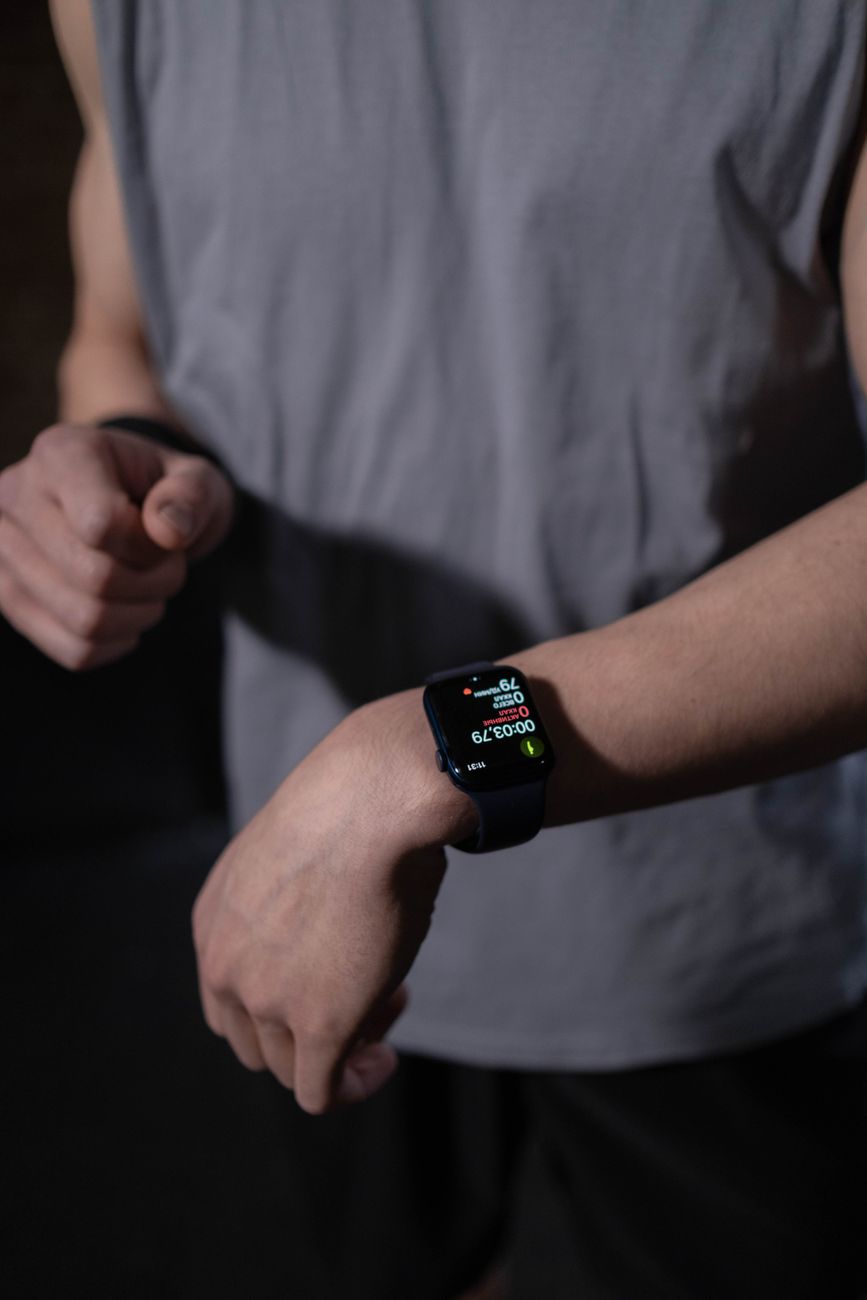
Photo by cottonbro studio
App experience, syncing, and how easy the data is to understand
The Suunto app acts as the brain behind both the Suunto Race S vs 9 Peak Pro. It is a straightforward platform that focuses on giving you the information you need without unnecessary clutter.
When you finish a workout, the watch syncs via Bluetooth, usually before you even make it to the shower. The dashboard presents your training load, recovery time, and sleep quality in a way that is simple to interpret. You don’t need a degree in data science to see when your body is trending toward fatigue.
Reviewing your long-term progress is intuitive within the app. You can tap on any specific run to see your heart rate zones, cadence, and pace distribution. The app aggregates this data to show how your fitness is building over weeks and months, which keeps you motivated to stay consistent.
If you are a Suunto member, you will appreciate how it integrates with third-party platforms like Strava or TrainingPeaks. The connection is stable, so your data moves seamlessly to those services immediately after your watch finishes the sync. Whether you are checking your morning readiness score or analyzing a week of speed work, the app provides a clean, clear view of your athletic life.
Conclusion
Your choice between the Suunto Race S vs 9 Peak Pro ultimately rests on what you need most when you step out the door. The Race S is the better pick for runners who want a larger, high-definition screen and a dedicated, race-ready experience that puts data front and center.
The 9 Peak Pro remains the stronger choice if you prioritize a slimmer, lighter watch that sits comfortably on your wrist through long training weeks. It offers the same reliable accuracy without the added bulk or screen brightness that comes with the larger model.
Pick the watch that matches your daily routine and specific performance goals. You will find that either device provides the tools necessary to track your progress and hit your next personal best.


