Suunto Race S Heart Rate Accuracy: How Reliable Is It?
Can you trust the Suunto Race S when heart rate matters? Its wrist-based sensor can provide useful readings for everyday training, but Suunto Race S heart rate accuracy changes with workout type, watch fit, skin contact, temperature, and movement.
Steady runs may produce cleaner data than intervals, strength sessions, or activities that flex the wrist, and a chest strap can still offer a useful comparison. This review examines real-world performance, chest-strap results, common problems, setup tips, and when an external sensor may be the better choice, starting with how the watch performs during typical workouts.
Suunto Race S Heart Rate Accuracy: What the Watch Can Really Measure
The Suunto Race S uses green optical LEDs on the back of the watch to detect changes in blood flow beneath your skin. Each heartbeat sends a small pulse of blood through the wrist, and the sensor turns those light changes into an estimated heart rate.
That approach differs from a chest strap. A chest strap detects the heart’s electrical activity through electrodes against your skin, so it usually responds faster when your heart rate rises or falls. The Race S measures blood flow at the wrist, which makes fit, movement, temperature, and skin contact part of the result.
Suunto says the best wrist-based readings can stay within 5% of a chest-measured heart rate for 90% of the time, but that guidance isn’t a guarantee for every workout or every user. Suunto’s wrist heart rate guidance also explains why optical readings can vary.
Why easy runs and daily heart rate readings are usually the strongest use case
Steady movement gives the Race S time to follow your pulse without constantly correcting for sharp changes. During an easy run, brisk walk, or relaxed bike ride, your wrist moves in a fairly regular pattern. If the watch sits snugly above the wrist bone, the sensor can maintain stable skin contact and produce a smoother heart rate trace.
Resting heart rate readings often benefit from the same conditions. Your arm is still, your muscles are relaxed, and your pulse changes slowly. Sleep tracking can also reveal useful patterns because the watch collects readings while you remain still for long periods. These numbers may be more consistent than a single reading taken after climbing stairs or drinking coffee.
All-day heart rate tracking has a different purpose from workout tracking. It helps show your usual range and changes across the day, while a workout reading shows how your body responds to effort. Average heart rate summarizes an entire session, but maximum heart rate captures only the highest detected point. A believable maximum can still be wrong if the sensor briefly loses contact.
For Suunto Race S heart rate accuracy, a trend across several days is usually more useful than one isolated number.
Why intervals, strength training, and fast pace changes are harder
Optical sensors struggle when effort changes faster than blood flow reaches the wrist. During a sprint or hill repeat, your heart rate may rise within seconds, while the watch takes longer to register the change. That delay can make the displayed number look low at the start of a hard interval.
Wrist movement creates another problem. Fast arm swings can confuse the sensor, and the watch may follow your running cadence instead of your pulse. This is called cadence lock. For example, a runner moving at 170 steps per minute might briefly see a heart rate near 170, even when the true value is lower.
Strength training adds different sources of error. A tight grip on a barbell, dumbbell, or rowing handle can flex the wrist and change contact with the sensor. Muscle tension may also restrict blood flow near the watch. Between sets, the reading can remain elevated or drop late because the sensor is catching up.
For precise interval pacing, repeated sprints, rowing, or lifting sessions, compare the Race S with a compatible chest strap. The watch remains useful for general fitness and endurance training, but medical decisions require a dedicated medical device and professional advice.
How Accurate Is the Suunto Race S During Different Types of Workouts?
The Suunto Race S tends to provide its most dependable workout data when your effort changes gradually and the watch stays firmly against your skin. Accuracy can vary during tempo runs, intervals, cycling, strength training, and cold-weather sessions because wrist movement and blood flow change the sensor’s view.
For a fair comparison, record the same workout with a trusted chest strap or another reliable reference. One unusual reading does not prove the watch is inaccurate, but repeated differences during the same type of activity deserve attention.
Steady running, walking, hiking, and everyday activity
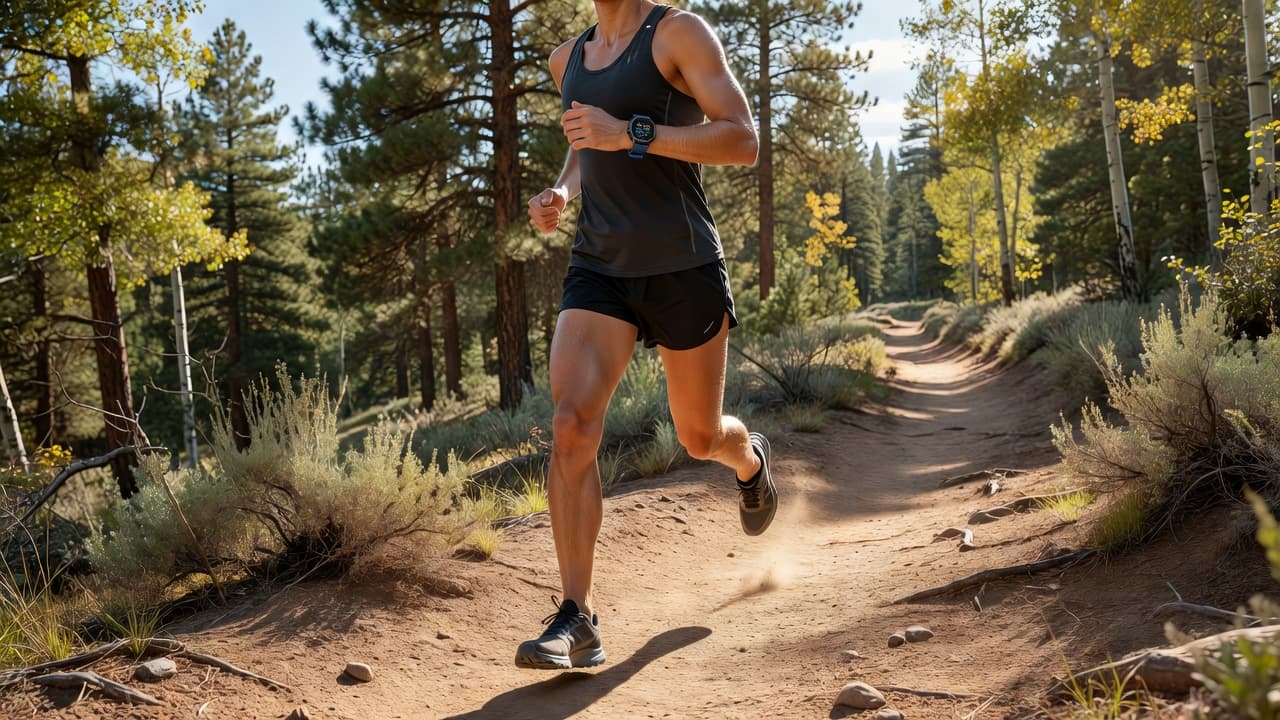
Easy aerobic work is usually the strongest use case for wrist-based heart rate. During a steady run or brisk walk, your arm follows a predictable rhythm, and your pulse generally rises at a measured pace. That gives the optical sensor time to maintain contact and follow the gradual change.
Hiking can produce similarly useful readings, especially on smooth trails and moderate climbs. However, rough terrain creates sharper arm movements. Trekking poles add another variable because gripping and swinging them can flex the wrist. Loose sleeves may also move between the watch and your skin, allowing small gaps that weaken the signal.
Everyday activity and long walks are less demanding, so brief changes matter less than the overall pattern. The Race S can help you judge whether an easy session stays within your intended effort zone, and it can reveal long-term trends across repeated workouts. For that purpose, a stable average and consistent zone pattern are often more useful than second-by-second precision.
Intervals, hills, and threshold training
Rapid effort changes expose the limits of an optical wrist sensor. When you begin a sprint or hill repeat, your heart rate can rise before the increased blood flow reaches the wrist. As a result, the Race S may display a lower value during the first part of an interval, then remain elevated briefly after you slow down.
That delay matters when you must stay inside a narrow heart rate target. A runner using heart rate to control a short threshold interval could finish the effort before the watch shows the true peak. Cadence lock can also create misleading numbers when fast arm swings resemble a runner’s step rate.
For hard sessions, use perceived effort alongside the watch. Breathing, pace, and how quickly you can speak often provide useful context. If exact interval timing matters, pair the Race S with a compatible chest strap. A recent Suunto heart rate update test also shows why performance can differ across workout types and software versions.
Cycling, gym sessions, and cold-weather training
Cycling can be harder for the Race S because your hands stay fixed on the handlebars. A tight grip, road vibration, and bent wrists can disturb sensor contact. During high-intensity rides, a compatible external heart rate sensor usually provides a cleaner response.
Weight training creates similar problems. Wrist flexion, gripping dumbbells, and bracing during a lift can shift the watch or restrict local blood flow. Between sets, the displayed rate may also take time to settle.
Cold weather adds another obstacle because reduced blood flow near the skin can weaken the optical signal. Wear the watch snugly, keep it under a sleeve when practical, and verify demanding sessions with a chest strap.
Suunto Race S Wrist Sensor vs. a Chest Strap: Which Reading Should You Trust?
The Suunto Race S wrist sensor is convenient and useful, but a chest strap is usually the stronger reference when heart rate changes quickly. The best choice depends on what you need the data to do. For daily trends and relaxed workouts, the watch may provide all the information you need. For strict zones, intervals, and rapid recovery checks, an external sensor can offer a clearer signal.
The Race S wrist sensor is a sensible choice if you mainly walk, hike, jog, or train at an easy pace. Those activities usually produce gradual heart rate changes, so the optical sensor has more time to follow your pulse. It can also help you stay within broad aerobic zones without adding another device to your routine.
Convenience matters. You can put on the watch and start moving without moistening electrodes, adjusting a band, or remembering to charge a second sensor. The watch also tracks heart rate throughout the day, which helps you see resting heart rate patterns and changes in your usual range.
For many users, that broad view matters more than perfect second-by-second timing. If your easy run generally stays comfortable and the graph looks stable, the Race S can provide useful training feedback. Suunto’s wrist heart rate guidance also recommends a snug fit and proper placement for better readings.
When an external heart rate monitor is worth buying
A Bluetooth chest strap is worth considering if you run intervals, cycle seriously, compete in triathlons, or follow narrow heart rate zones. Its electrodes sit close to the heart and usually react faster than a wrist sensor when effort rises or falls. That makes it a better reference for short repeats, hill sprints, threshold work, and recovery timing.
The Race S can pair with a compatible Bluetooth heart rate belt, and the watch should use that external source during the workout when the connection is active. Check the workout screen or sensor settings before starting, then confirm afterward that the recorded graph follows the strap rather than the wrist reading.
Choose a strap with a stable Bluetooth connection, replaceable or rechargeable power, and a comfortable adjustable band. Still, a chest strap isn’t perfect. Dry electrodes can miss beats, sweat can affect contact, low battery power can create gaps, and a loose or poorly positioned belt can produce spikes.
A chest strap is usually the better reference, but only when its electrodes stay connected to your skin.
How to compare readings fairly at home
Use a trusted chest strap and wear both devices correctly. Place the Race S snugly above the wrist bone, moisten the strap electrodes, and record the same workout from both sources.
Follow a repeatable test:
- Warm up easily for 10 minutes.
- Hold a steady pace for several minutes.
- Add a harder effort, then return to an easy pace.
- Repeat the test on another day.
Compare the graphs instead of one instant on the watch display. Look for lag at the start of hard efforts, missed peaks, unusual spikes, and delayed recovery after slowing down. If the same pattern appears across multiple sessions, trust the chest strap for demanding workouts and use the wrist sensor for convenience, daily trends, and broad training guidance.
What Can Make Suunto Race S Heart Rate Readings Look Wrong?
Before assuming a hardware fault, check the conditions around the reading. Suunto Race S heart rate accuracy depends on steady skin contact, clear blood flow, and movement the optical sensor can interpret. A small gap under the case can turn a smooth pulse signal into erratic spikes or flat sections.
Fit and placement mistakes that reduce sensor contact
Wear the watch snugly, usually one finger-width above the wrist bone. The sensor should rest flat against your skin without pinching, numbness, or discomfort. If the watch slides toward your hand during a run, tighten the band before starting the workout.
A looser fit may feel comfortable at rest but fail when your arm swings. For demanding sessions, use the next tighter setting, then loosen the band after training. Wipe the sensor window and the back of the watch regularly, since dried sweat, sunscreen, and skin oils can interfere with contact.
Give the watch a moment to settle before beginning intervals, hills, or another hard effort. Starting immediately after putting it on can produce a delayed or unstable reading while the sensor establishes contact.
Skin, weather, and body factors
The Race S optical sensor estimates heart rate by detecting blood flow beneath the skin. Anything that weakens or disturbs that signal can affect the result.
Cold weather is a common cause of poor readings because blood vessels near the wrist constrict. Wear the watch under a sleeve when practical and warm up before judging the data. Dry skin can also reduce contact, while heavy sweat may let the watch shift or create changing gaps.
Wrist hair and tattoos can make the optical signal harder to read for some users. Swelling changes can create the same problem. Your wrist may become larger during heat, long workouts, or certain strength sessions, then return to normal later. Adjust the band when needed rather than keeping one setting all day.
If the reading changes sharply after your wrist becomes wet, cold, swollen, or heavily flexed, the condition may explain the result better than a defective sensor. Suunto’s wrist heart rate guidance covers placement and contact practices that can improve readings.
Movement patterns and cadence lock
Cadence lock is a false heart rate reading that follows your arm or step rhythm instead of your heartbeat. It can appear during running because repeated arm swings create a pattern that resembles a pulse. A runner taking 170 steps per minute might briefly see a heart rate near 170, even when the true rate is lower.
First, adjust the fit and warm your wrist before testing again. Relax your shoulders and avoid an exaggerated arm swing. If the same error appears during several runs, compare the watch with a chest strap. A strap that follows effort more closely can confirm that the wrist sensor is locking onto cadence.
Software, sensor, and battery checks
Install available updates for both the Suunto app and the watch. Then restart the watch, sync it again, and confirm that you selected the correct sport mode before recording. Suunto’s optical heart rate troubleshooting guidance also recommends a reboot for certain sensor issues.
Inspect the sensor window and band for dirt, damage, or poor fit. Check battery condition too, especially if readings fail late in workouts or the watch behaves unusually. If errors continue across different activities, fit adjustments, and reference devices, contact Suunto support with example workout files and software details.
How to Improve Suunto Race S Heart Rate Accuracy Before Every Workout
Better Suunto Race S heart rate accuracy starts before you press the workout button. A short routine helps the optical sensor establish steady contact, gives your body time to warm up, and prevents a loose fit or missing chest strap from spoiling useful data.
Set up the watch for a clean signal
Wear the watch snugly above the wrist bone, rather than directly on the joint. The case should sit flat against your skin without sliding when you swing your arm. Normal daily wear can stay fairly loose, but exercise often calls for a small adjustment because arm movement creates more space between the sensor and your skin.
Before each session, wipe sweat, sunscreen, dust, and skin oil from the optical sensor. A clean sensor window gives the LEDs a clearer view of blood flow. If your wrist feels cold, start with an easy warm-up instead of judging the first reading immediately.
Use this quick setup routine:
- Place the Race S above the wrist bone and tighten the band one notch if it moves.
- Check that the sensor rests evenly against your skin.
- Clean the sensor and dry away excess moisture.
- Start with several minutes of easy movement.
- Wait for the heart rate display to settle before beginning hard work.
Your heart rate should rise in a believable way during the warm-up. If the number jumps sharply, stays unusually low, or changes without matching your effort, pause and adjust the watch before continuing. Suunto’s optical heart rate instructions provide the manufacturer’s placement guidance.
Use the right sensor for the right goal
The built-in sensor is usually practical for walking, hiking, easy running, and steady gym sessions. It keeps your setup simple and can show whether your effort stays within a broad target. Runners doing relaxed miles may not need another device.
A compatible Bluetooth chest strap is the better choice for short intervals, repeated hill efforts, intense cycling, rowing, or workouts built around narrow heart rate zones. The strap sits closer to the heart and generally responds faster when effort changes.
Pair the strap before starting the activity, then check the workout screen or sensor settings to confirm that the Race S sees it. A strap that is too dry may fail to detect your heartbeat, especially at the beginning of a workout. Moisten the electrode areas before putting it on, and keep the band firm enough to maintain contact without restricting your breathing.
Make one change at a time. For example, test a tighter fit during one run, then try a chest strap on another similar run. Changing the watch position, workout type, and sensor together makes it hard to know which adjustment helped.
Review the graph instead of chasing every number
After training, review the heart rate graph alongside pace, breathing, and perceived effort. A useful trace usually rises as the work becomes harder, levels off during steady efforts, and falls during recovery. A runner should also see a sensible relationship between easy breathing and lower heart rate, or heavy breathing and higher heart rate.
Cyclists can compare the graph with sustained climbs and steady sections. Hikers can check whether heart rate follows long uphill efforts. Gym users should focus on the broader pattern because wrist movement can make individual readings less dependable during lifts.
One strange spike doesn’t prove the watch failed. Look for the same mismatch across several similar workouts. If the Race S repeatedly misses hard efforts or shows values that disagree with your breathing and effort, use a compatible chest strap for those sessions and treat the wrist data as a general guide.
A Simple Accuracy Test for Your Suunto Race S
A repeatable field test can show how the Suunto Race S behaves during the workouts you actually perform. Use a compatible chest strap or trusted heart rate monitor as your reference, then compare both recordings under similar conditions.
The goal is not to create a medical diagnosis. It is to identify patterns, such as delayed responses during intervals or stable readings during easy runs, so you can choose the right sensor for each session.
Build a fair test with repeatable conditions
Test on two or three days with similar weather, routes, and effort. A flat running path works well because hills, traffic stops, and changing surfaces can make comparisons harder. Avoid comparing an easy trail hike with a fast interval workout, since each activity creates different challenges for a wrist sensor.
Wear the Race S snugly above the wrist bone, with the optical sensor flat against clean, dry skin. Place the chest strap firmly around your chest and moisten its electrode areas before starting. Record both devices during the same activity, and keep the sport mode, recording settings, and sensor connection consistent.
Use this simple sequence:
- Warm up easily for 10 minutes.
- Run or ride at a steady effort for five to 10 minutes.
- Complete several short hard efforts, with easy recovery between them.
- Continue moving easily until your heart rate begins to fall.
- Cool down for five to 10 minutes.
Write down the weather, activity, route, watch position, and how the band felt. Also record visible problems, such as a loose strap, a dirty sensor window, cold hands, or a connection drop. A Suunto community accuracy report can provide useful context, but your own repeated test matters more than another user’s experience.
What results count as a meaningful mismatch?
Small differences are normal, especially when your heart rate changes quickly. The Race S may react a few seconds after the chest strap during a sprint, then remain slightly high during recovery while wrist blood flow catches up.
Compare the recordings across several points:
- Average heart rate: Check whether both devices show a similar overall workload.
- Peak heart rate: See whether the watch captures the hardest efforts.
- Response time: Note how quickly each reading rises and falls.
- Dropouts: Look for blank sections, sudden spikes, or flat lines.
- Recovery: Compare how each device responds after you slow down.
A larger repeated gap deserves more testing when it appears during the same activity. Frequent unexplained spikes, flat readings, or missing hard efforts matter more than one odd number. However, there is no universal pass or fail threshold. A small delay may be acceptable for easy running, but frustrating when you pace short intervals by heart rate.
How to decide whether the watch meets your needs
Keep using the built-in sensor if it follows your effort and zones consistently during your usual activities. For steady runs, walks, and hikes, a reliable pattern may matter more than perfect second-by-second timing.
Choose a chest strap for precision-focused training if the wrist readings repeatedly lag, drift, or miss hard efforts. The test should guide that decision: use the Race S when its behavior matches your goals, and use an external monitor when timing and accuracy matter more than convenience.
The Bottom Line on Suunto Race S Heart Rate Performance
The Suunto Race S delivers useful heart rate data for everyday activity and steady endurance training, especially when you wear it correctly. Its wrist sensor can guide easy runs, hikes, walks, and broad training zones without requiring another device.
However, the watch has clear limits. Fast intervals, sudden pace changes, heavy wrist movement, cold conditions, and strict heart rate targets can expose delays or inaccurate peaks. For those workouts, a compatible chest strap remains the better choice.
Who can trust the Race S wrist sensor?
Casual fitness users will likely find the built-in sensor reliable enough for daily tracking. It can show resting heart rate patterns, help monitor general activity, and provide a useful picture of effort during relaxed workouts. If your training goal is to stay comfortable or build consistent aerobic habits, the convenience is hard to ignore.
Outdoor athletes who focus on hiking, walking, easy running, or steady cycling can also get meaningful data from the watch. The results become more dependable when the Race S sits snugly above the wrist bone, the sensor is clean, and your skin is warm. A steady effort gives the optical sensor more time to follow your pulse.
Independent testing has also found that Suunto improved the Race S optical heart rate performance compared with earlier results, particularly during running. DC Rainmaker’s Suunto Race S review provides useful context, while individual users still report different results based on fit and activity.
When should you use a chest strap?
Serious performance users should pair the watch with a compatible chest strap when heart rate timing matters. A chest strap is better suited to short intervals, hill repeats, threshold sessions, intense cycling, and workouts built around narrow zones.
The reason is practical. Wrist-based readings can lag behind a rapid change in effort, and arm movement can create spikes or cadence lock. A chest strap usually tracks those changes more directly, so it gives you a stronger reference for peak heart rate and recovery timing.
The Race S still has value in these sessions because it records pace, route, duration, and other training information. The external sensor simply supplies the heart rate data when the wrist reading becomes less dependable.
The Race S is a capable everyday monitor, but it shouldn’t be your only reference when a few seconds or beats per minute affect your workout.
Your buyer-style verdict is straightforward:
- Casual fitness users: The built-in sensor should meet your needs for daily tracking and easy workouts.
- Outdoor athletes: The Race S is a good fit for steady hikes, walks, and endurance sessions, provided you adjust the fit in cold or highly active conditions.
- Serious performance users: Buy or use a compatible chest strap for precise intervals, strict zones, and reliable peak readings.
Suunto Race S heart rate accuracy is best understood as activity-dependent. Use the wrist sensor for convenience and long-term patterns, then switch to a chest strap when precision becomes the priority.
Conclusion
Can you trust the Suunto Race S when heart rate matters? Yes, but only within the limits of wrist-based tracking. The watch provides useful data for daily monitoring, walking, hiking, easy runs, and steady endurance sessions. Its readings become less dependable when effort changes quickly, your wrist moves sharply, or cold and poor contact weaken the optical signal.
Wear the Race S snugly above the wrist bone, keep the sensor clean, and give it time to settle during your warm-up. When a reading looks strange, compare the same workout with a compatible chest strap instead of judging the watch from one isolated number. Repeated patterns across similar sessions offer a much clearer view of Suunto Race S heart rate accuracy.
For casual training and broad heart rate zones, the built-in sensor should be sufficient. If you rely on exact peaks, rapid interval response, strict zones, or recovery timing, use a chest strap. The right choice depends on your training goal, not on a single number displayed on your wrist.