

Suunto Race Accuracy Review: Can You Trust the Data?
If you’re training for a marathon, half marathon, or any race where pacing matters, Suunto Race accuracy can shape the quality of every workout. Small errors in GPS distance or wrist-based heart rate readings can throw off your splits, your effort, and your confidence on long runs.
Suunto has a strong reputation among endurance athletes, so the real question is how well the Race holds up when the route gets messy, the pace gets hard, and the watch has to keep up with you. That matters if you want training data you can trust, especially when you’re building toward a goal with a personalized marathon training app or reviewing workout trends after the run.
When your data is clean, your training decisions get cleaner too.
Let’s look at where the Suunto Race gets things right, where it can drift, and what that means for runners who care about precision.
Build a Smarter Running Watch Setup
Compare the right watch, understand the training data that matters, and choose a model that fits your workouts, racing, recovery, and long-term goals.
More SUUNTO and Running Watch Guides
Understanding the GPS Performance of the Suunto Race
Suunto Race accuracy starts with the watch’s GNSS setup, and that matters more than many runners realize. GPS data is only as useful as the track it draws, because every wobbly corner can add noise to distance, pace, and split readings.
For easy jogs, a small drift may not matter much. During marathon training, though, the numbers guide your effort every step of the way. If your watch says you ran 7:02 pace when you really sat at 6:50, that difference can change how you handle the rest of the workout.
Why Dual-Band GNSS Matters for Your Runs
Dual-band GNSS uses two signal frequencies instead of one, which gives the watch a better shot at separating the real satellite signal from reflected noise. In plain terms, it helps the Suunto Race cut through interference when buildings, trees, or other surfaces bounce signals around.
A single-band watch has fewer tools to correct for that interference, so it can drift a little more when the route gets messy. Dual-band tracking is stronger because it gives the watch more information to work with, which usually means cleaner pace and distance data over time. Garmin’s explanation of multi-band GPS gives a helpful technical frame for why this matters on the wrist.
That matters most when you’re following a structured plan and pace targets actually control the workout. If your marathon plan calls for steady tempo miles or long runs at a specific effort, unreliable GPS can turn a precise session into guesswork. A watch with better satellite tracking gives you a firmer read on whether you stayed honest with the pace, which is exactly why structured marathon training plans depend on dependable data.
Real-World Tracking in Difficult Terrain
The best test of any watch is what happens when the route stops being clean and open. Tall buildings create tunnels of reflection, tree cover can thin the signal, and urban routes often force the watch to keep correcting itself as you turn corners and pass through narrow streets.
The Suunto Race handles those situations well because dual-band GNSS gives it more room to recover when the signal gets messy. On city runs, that can mean fewer jagged lines on the map and less pace whiplash at stoplights, intersections, and between high-rises. Under heavy tree cover, it also helps the watch stay steadier instead of jumping around every few seconds.
For long runs, consistency matters more than one perfect mile split. A watch that stays steady over time gives you better pacing decisions when fatigue starts to creep in.
That steadiness is what runners need during training blocks. When you’re trying to hit goal paces across weeks of buildup, you want a watch that behaves the same way on the open road, in the park, and through downtown streets. A little drift can happen with any GPS watch, but the Suunto Race is built to keep that drift small enough that your training data still tells the truth.
Evaluating Heart Rate Monitoring Precision
Wrist-based optical sensors provide a convenient way to track your effort, yet they rely on light pulses reflecting off blood vessels beneath your skin. Because of this, Suunto Race accuracy depends on how well the watch maintains contact with your pulse.
When the sensor loses that steady connection, the data can drift away from reality. You want your watch to tell the truth, especially when you are working through a tough block of marathon endurance training where intensity zones dictate your physiological gains.
Maximizing Wrist-Based Heart Rate Readings
Getting the most out of your optical sensor requires a few simple adjustments before you step out the door. First, position the watch about two finger-widths above your wrist bone to keep it away from the joint where movement often breaks the light seal.
You want the strap snug enough that it doesn’t slide around during a sprint, but not so tight that it restricts blood flow. Skin temperature also plays a role, as cold hands often lead to constricted capillaries, which makes it harder for the sensor to pick up a clear signal.
If you struggle with consistent readings, try warming up your wrists before you begin your hard efforts. During interval work, where your heart rate spikes and drops rapidly, the optical sensor occasionally experiences a slight lag. This occurs because the hardware needs a moment to catch up to the physiological change in your blood volume.
- Keep the sensor clean and free of sweat buildup.
- Wear the watch higher up your forearm during high-intensity sessions.
- Use a silicone strap for a more secure, non-slip fit.
Serious runners who prioritize exact data for high-intensity work often pair the watch with a chest strap. A chest-mounted monitor tracks electrical heart activity directly, which eliminates the lag common in wrist-based measurements.
While the optical sensor on the Suunto Race serves most training needs well, a chest strap is the gold standard for anyone who needs perfect, real-time data for precise heart rate zone training. If you are testing your VO2 max or performing lactate threshold intervals, that direct electrical reading is the only way to ensure your numbers match your actual effort.
How Suunto Race Accuracy Impacts Your Training Results
Reliable data turns guesswork into progress. When your watch provides precise metrics, you stop wondering if your effort aligns with your goals and start training with intention.
Suunto Race accuracy influences how you view your physiological limits, helping you push harder when you are ready and pull back when you are overextending. High-quality data helps you monitor your recovery status and intensity zones so that every session serves a specific purpose in your marathon endurance training.
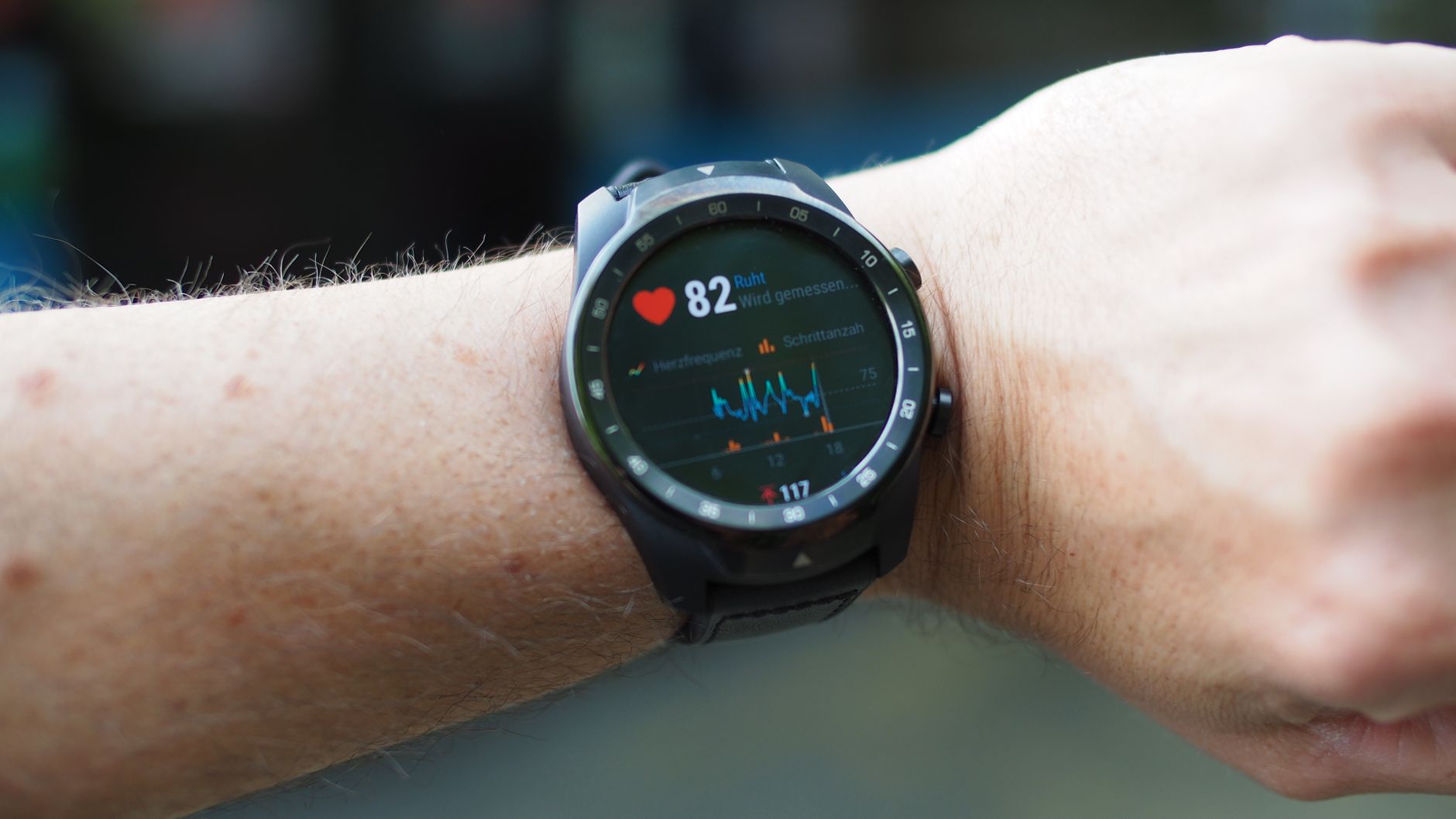
Photo by Jens Mahnke
Using Data to Fine-Tune Your Pacing Strategy
Precise distance and speed metrics are the foundation of a sound race-day strategy. When you trust your watch, you can practice goal-pace efforts with confidence, knowing the numbers on your screen reflect reality. This accuracy allows you to calibrate your internal speedometer during long, grueling workouts. If you consistently see accurate splits, you learn to feel the difference between an honest tempo effort and a wasted sprint.
Building confidence during high-mileage blocks requires proof that your fitness is climbing. Watching your pace stay stable at a specific heart rate or effort level confirms that your stamina is improving. When GPS data remains steady, you avoid the frustration of phantom pace fluctuations that often cause runners to doubt their readiness. Instead, you can focus on executing your strategy, whether that involves negative splits or holding a steady threshold effort across a hilly course.
Relying on consistent data also protects you from the common trap of running too fast on recovery days. If your GPS tracking is reliable, you can see if you are staying within the prescribed low-intensity zones that keep your legs fresh.
Accurate metrics provide the objective feedback needed to adjust your intensity mid-run, ensuring that hard days stay hard and recovery days truly allow your body to absorb the training stress. This balance is the primary driver of consistent, injury-free growth over the long term.
Comparing the Race Against Other Sports Watches
When you shop for a GPS watch, the sheer number of options often feels overwhelming. You want a device that matches your training intensity, but every brand promotes different proprietary sensors and software algorithms. The Suunto Race positions itself as a robust tool for endurance athletes who value battery life and navigation over flashy smart features.
Understanding where it sits in the market helps you decide if it fits your specific routine. While other major brands lean heavily into lifestyle connectivity or advanced gym metrics, Suunto focuses on the metrics that matter during long-distance efforts. If you are comparing running watches for marathon training, keep in mind that the best device is the one that stays out of your way while providing the data you actually use.
GPS Consistency Versus Competitor Models
Most modern mid-to-high-tier sports watches now offer dual-band GNSS, which significantly improves tracking near buildings and heavy tree cover. In direct side-by-side tests, the Suunto Race tracks remarkably close to Garmin and Coros models. You will notice that all of these devices experience a small degree of drift when you navigate switchbacks or dense urban environments.
The primary difference lies in how the watch displays that data on your wrist. Some competitors use aggressive smoothing algorithms to keep your pace numbers steady, which can sometimes mask sudden bursts of speed. Suunto tends to favor a more raw, immediate readout. This helps you identify exactly when your pace shifts, though it can feel jumpy if you are accustomed to highly filtered data.
Sensor Performance Under Pressure
Optical heart rate sensors are prone to the same physical limitations across the entire industry. Because they rely on light pulses, motion artifacts remain a challenge for every manufacturer. During steady-state runs, the Suunto Race performs just as well as its main rivals. It captures your effort consistently, provided the watch remains snug against the skin.
However, the hardware gap often narrows once you incorporate a chest strap for your toughest workouts. Once you bypass the wrist sensor for high-intensity intervals, the device becomes a screen for broadcasted data rather than a measuring tool. In this regard, the user experience becomes similar across the board. Choosing between these watches often comes down to:
- The battery life longevity during ultra-distance events.
- How you prefer the map navigation to display on the screen.
- Whether the companion software provides the insights you need for your marathon training plans.
If you prioritize a clean interface and reliable satellite locking, the Suunto Race holds its own against even the more expensive options. It doesn’t attempt to do everything, but it succeeds in delivering the core metrics that keep your training on track.
When you evaluate your next purchase, focus on whether the interface makes your daily logging easier. Accuracy is the baseline expectation, but your comfort with the device often dictates whether you actually use the data to improve your performance.
Practical Tips to Improve Your Device Performance
Getting the most out of your watch requires more than just strapping it to your wrist and running. Small habits, often overlooked, dictate the difference between clear, reliable data and a frustrating mess of jagged lines. When you prioritize these simple maintenance steps, you establish a more consistent connection with your satellite signal and optical sensor.
Establishing a Reliable Satellite Lock
Before you begin your run, your watch needs time to triangulate your position. Most runners rush out the door the moment they lace up, but waiting for a full GPS lock is essential for Suunto Race accuracy. Standing still for thirty seconds in an open area gives the watch the necessary window to communicate with satellites before your movement introduces noise.
If you start your workout immediately, the device might struggle to pin down your starting point, leading to erratic pace readings during that first half mile. Consistency in your routine helps the device maintain that initial lock throughout your session. Think of it as a brief warm-up for your technology that mirrors the physical warm-up your body needs.
Keeping Firmware and Software Updated
Syncing your watch with the Suunto app regularly does more than just upload your workout data. These syncs often download satellite ephemeris data, which provides the watch with updated information about where satellites are positioned in the sky. This file makes it much faster for your watch to acquire a signal when you step outside.
Manufacturers frequently release firmware updates to address bugs or improve how the internal algorithms filter incoming data. If you notice persistent issues, check the application to ensure your software is current. Maintaining your device this way ensures that the internal processing remains sharp, keeping your training data as precise as possible.
Maintaining Sensor Cleanliness
The optical heart rate sensor on the back of your watch sits against your skin, making it vulnerable to sweat, sunscreen, and dead skin buildup. Over time, these substances cloud the sensor lens, forcing the watch to work harder to read your pulse. A quick rinse with fresh water and a gentle wipe after every run prevents this residue from accumulating.
Keeping the device clean doesn’t take much effort, but it pays off in steady heart rate readings. When the sensor is free of debris, the light pulses penetrate the skin more effectively, reducing the chance of data drops during high-intensity intervals.
If you find your readings still drift during your marathon endurance training, verify that the strap remains tight enough to prevent outside light from interfering with the optical sensor. Proper care of your equipment ensures that every metric you review remains a true reflection of your hard work.
Conclusion
The Suunto Race provides a reliable baseline for endurance athletes who demand consistent data during high-mileage training.
While no sensor is immune to the occasional drift caused by urban environments or rapid pace changes, the watch offers a strong foundation for monitoring your daily output. Relying on its dual-band tracking gives you the confidence to trust your splits, which is a significant help as you work toward breaking through performance plateaus.
Focus your energy on training consistency rather than obsessing over minor fluctuations in your metrics. Your watch is a tool meant to support your progress, not a replacement for the work you put in on the road. Use the data to guide your intensity, stay present in your workouts, and keep moving toward your goals.


