

Suunto Race 2 vs Suunto 9 Peak Pro: Which Watch Fits Your Training?
The Suunto Race 2 vs Suunto 9 Peak Pro comparison matters because you’re choosing between two very different kinds of GPS watch, one built with race-day focus in mind, the other shaped as a lighter premium all-rounder.
If you run, hike, train at the gym, or want a durable watch that won’t waste your money, the details matter fast. Battery life, comfort, display quality, and training features can change how a watch feels day after day.
This guide breaks down those differences clearly so you can see which Suunto fits your routine, your wrist, and your budget.
What really changes between the Suunto Race 2 and the Suunto 9 Peak Pro?
The Suunto Race 2 vs Suunto 9 Peak Pro comparison comes down to personality as much as hardware. One watch feels built for people who train hard, want a bigger screen, and care about fast-read performance data. The other feels calmer, slimmer, and easier to wear all day without noticing it on your wrist.
Build a Smarter Running Watch Setup
Compare the right watch, understand the training data that matters, and choose a model that fits your workouts, racing, recovery, and long-term goals.
More SUUNTO and Running Watch Guides
A quick look at who each watch is built for
The Race 2 is the better fit if you want a watch that leans into training first. It suits runners, triathletes, and anyone who likes a bold display, quick glances at data, and a more modern sports-watch feel. If your week includes intervals, long runs, and structured workouts, this is the stronger match.
The 9 Peak Pro is for someone who wants a premium sports watch that stays discreet. It looks cleaner, sits lower on the wrist, and works well as an everyday watch that still handles workouts, hikes, and recovery tracking.
In plain terms:
- Race 2: for performance-minded users who want a more serious training tool
- 9 Peak Pro: for buyers who want a lighter, slimmer watch that blends into daily wear
If you care more about training visibility and battery confidence during longer sessions, the Race 2 pulls ahead. If you care more about comfort, style, and an easy all-day fit, the 9 Peak Pro has the edge.
Why this comparison matters for real-world use
Specs only matter when they change how the watch feels at 6 a.m. on a run, at work, or halfway through a long weekend workout. A brighter, larger display can make pacing and route checks easier, while a slimmer case can make the difference between a watch you forget and one you keep adjusting.
That is why this matchup matters for buying value too. You are not just choosing features, you are choosing how the watch fits into your routine. The right pick should feel natural on your wrist, hold up when training gets longer, and still make sense when you wear it outside the gym.
For many buyers, the best watch is the one that disappears into daily life until it’s time to train.
Design, comfort, and build quality you can feel on your wrist
The Suunto Race 2 vs Suunto 9 Peak Pro comparison gets personal fast once you wear both for a full day. On paper, the differences look simple. On your wrist, they shape everything from how easy it is to sleep with the watch to how often you notice it while typing, lifting, or reaching for a coffee.
Case size, weight, and how each watch wears all day
The Race 2 has a bigger, more assertive presence. That larger case gives it a stronger training-watch feel, and it helps the display stay easy to read at a glance. During runs, that can feel like a real advantage because you spend less time squinting and more time moving.
The 9 Peak Pro wears closer to the wrist and feels less obtrusive. That lower-profile fit matters at night, especially if you track sleep, because a slimmer watch is less likely to press into your wrist when you roll over. It also feels easier to ignore during desk work, where bulk can become annoying after a few hours.
For everyday comfort, the split is clear:
- Race 2: better if you want a larger screen and a stronger on-wrist presence
- 9 Peak Pro: better if you want a lighter, slimmer watch that fades into the background
Comfort is not just about weight, it is about how often the watch reminds you it is there.
Buttons, touchscreen, and ease of use in bad weather
Both watches are built for training, but the way you control them changes how confident they feel in rough conditions. The Race 2 gives you a more modern, screen-forward feel, while the 9 Peak Pro keeps things more compact and direct. In dry conditions, both are easy enough to learn. In rain or sweat, the difference becomes more practical.
A touchscreen is handy when you are browsing stats at rest, but wet fingers, cold weather, and gloves can make it less reliable mid-run. That is why physical buttons still matter so much on a sports watch. According to The 5K Runner’s Race 2 review, the Race 2 is built with premium materials and a strong multisport focus, which matches the feel you want when tapping through workout screens quickly.
The best control system is the one you trust without looking down twice. When your hands are cold or your sleeves are soaked, starting a workout, pausing a session, or scrolling data should feel automatic. Both watches aim for that, but the slimmer 9 Peak Pro feels a little more understated, while the Race 2 feels more like a command center on your wrist.
Durability, water resistance, and outdoor-ready materials
The material choices matter because they change the way each watch feels after a month of hard use. The Race 2 comes across as more rugged and performance-focused, while the 9 Peak Pro has a refined, premium finish that still feels tough enough for regular training and outdoor wear. Neither one should feel delicate.
Scratch resistance matters in everyday life, not just on trails. A watch knocks against a doorframe, brushes a dumbbell, or scrapes a backpack strap, and you notice quickly whether it feels built for that abuse. The better a watch handles those small hits, the more confidence you have wearing it everywhere.
That confidence is what makes a premium sports watch feel worth the money. The Race 2 feels like the one you can throw into hard sessions without babying it. The 9 Peak Pro feels like the one you can wear to work, to dinner, and onto the trail without changing your routine.
Battery life and GPS performance for long training days
Endurance matters most when a watch has to keep up with your real schedule, not a spec sheet. A short jog, a gym session, or a normal workday won’t stress these watches the same way a marathon build, a trail weekend, or a travel-heavy week will.
In the Suunto Race 2 vs Suunto 9 Peak Pro comparison, battery life and GPS quality shape the experience in a very practical way. One watch gives you more margin for long runs and longer GPS sessions, while the other stays efficient enough for most athletes without feeling oversized or overbuilt. That gap becomes clear the longer you stay outdoors.
Daily use and workout tracking drain a watch in very different ways. In smart mode, both watches can handle the basics, such as notifications, time, sleep tracking, and casual wear, without turning charging into a daily chore. Once you start long GPS workouts, however, the gap gets wider because the display, positioning, and sensors work much harder.
The Race 2 is the stronger choice if you want more confidence on training-heavy weeks. It is better suited to users who stack runs, hikes, and long outdoor sessions, because that extra battery headroom reduces the need to plan around the charger. The 9 Peak Pro still delivers solid endurance, but its slimmer build usually comes with less battery cushion for people who push GPS tracking often.
That difference matters most for:
- Runners who log long sessions several times a week
- Hikers who spend full days away from power
- Travelers who don’t want to pack another charger
- Multi-sport athletes who use GPS and training features often
The longer your sessions run, the more battery confidence starts to feel like a feature, not a spec.
If your routine is mostly short workouts and everyday wear, the 9 Peak Pro is usually enough. If your training days stretch longer, the Race 2 gives you more breathing room before the battery warning turns into a problem. For a closer look at how users talk about the battery advantage, the discussion around Suunto Race 2 battery performance is worth reading alongside hands-on reviews.
GPS accuracy and route tracking for runners and hikers
GPS performance is where both watches matter most for outdoor athletes. On roads, the watches should give you steady pace and distance tracking, while on trails they need to hold a clean route even when trees, rocks, or switchbacks interrupt the signal. That consistency is what makes a watch feel trustworthy after mile 10.
The Race 2 is the better fit if you care about clearer mapping and stronger route confidence on long outings. Runners get a more reliable view of pace changes, and hikers benefit from steadier tracking when terrain gets messy. The 9 Peak Pro is still dependable for most road runs and well-marked trails, but it feels better suited to straightforward routes than to all-day navigation.
A simple way to think about it:
| Situation | Suunto Race 2 | Suunto 9 Peak Pro |
|---|---|---|
| Road running | Strong pace and distance tracking | Reliable for steady runs |
| Trail running | Better route confidence over longer efforts | Good, but less forgiving in tricky terrain |
| Hiking | Stronger for extended GPS use | Solid for day hikes and lighter use |
| Mixed terrain | More comfortable for frequent checks | Works well if routes stay simple |
For runners, the key question is how much you trust the watch when pace changes suddenly. For hikers, it comes down to whether route lines stay clear when you are far from a road or trailhead. When that matters most, the Race 2 has the advantage, while the 9 Peak Pro still covers the basics well for many users.
What long events and travel days reveal about each watch
Long events reveal the truth fast. A marathon build, an ultra weekend, or a mountain day with lots of tracking asks more from a watch than a casual workout ever will. The model that leaves you with battery to spare usually feels calmer because you can focus on the session instead of the percentage left on the screen.
Marathon Prep
For marathon prep, the Race 2 gives you more comfort if you tend to run long warmups, track the whole session, and still want battery left for the rest of the day. On mountain days, that extra cushion matters even more because cold weather, constant GPS use, and route checking can drain a watch faster than expected. The 9 Peak Pro still works well for these outings, but it suits athletes who plan their sessions more tightly and charge on a regular schedule.
Travel days show another difference. If you’re hopping between cities, racing on a weekend, or leaving chargers behind on purpose, fewer charging stops make life easier. The Race 2 is the safer pick for people who want that kind of freedom. The 9 Peak Pro still offers enough battery for most athletes, though it feels more like a watch you keep in a normal charging rhythm.
That split is simple:
- Choose Race 2 if fewer charges matter to you
- Choose 9 Peak Pro if you want strong battery for most training routines
- Choose Race 2 if long GPS days are part of your week
- Choose 9 Peak Pro if your workouts are long only once in a while
For practical buying decisions, battery confidence is about less stress. The more often you train outdoors, the more the Race 2 starts to make sense. If your days are busy but your workouts are more moderate, the 9 Peak Pro still gives you enough endurance without asking for much from your wrist.
Health and training features that matter once the honeymoon is over
The first week with a new watch is easy. You stare at the screen, scroll through menus, and enjoy the fresh feel of a new gadget. After that, the useful features are the ones that help you train smarter, recover better, and avoid guessing.
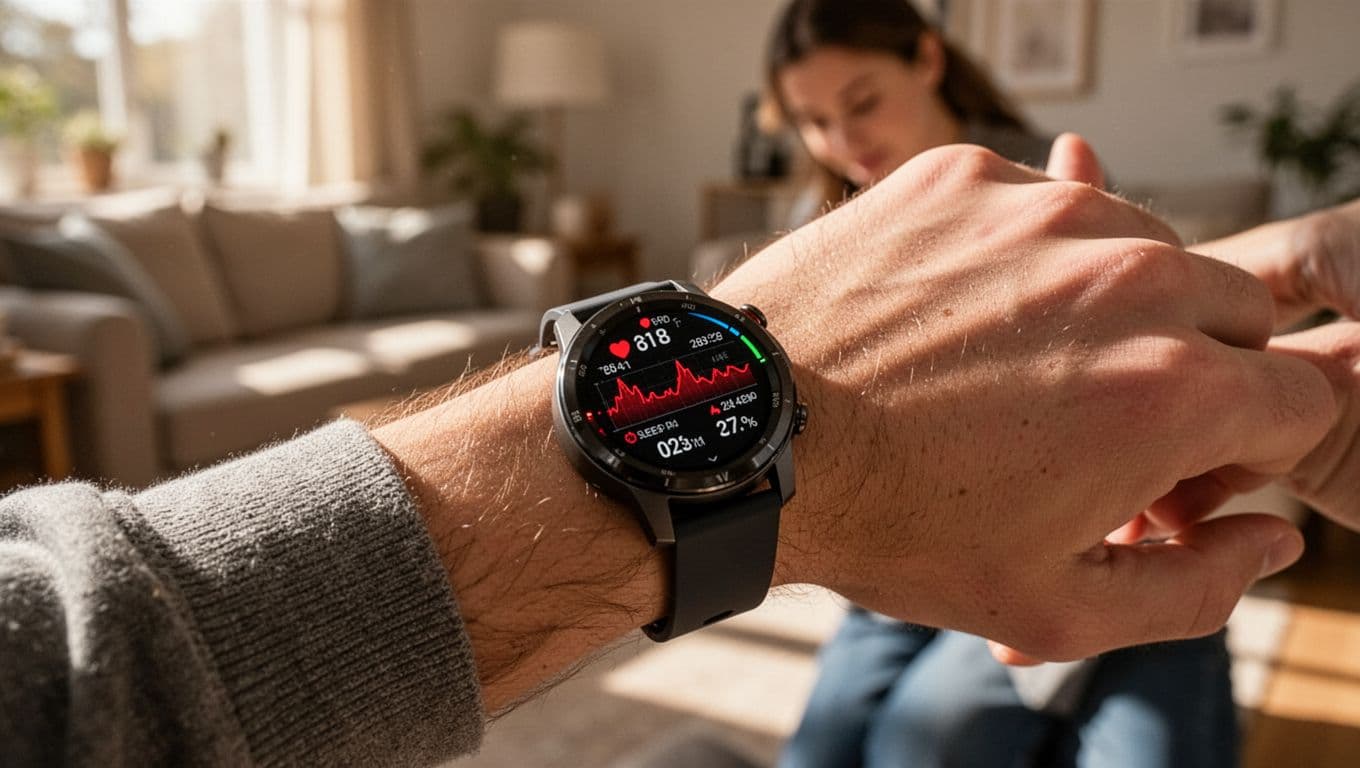 That is where the Suunto Race 2 vs Suunto 9 Peak Pro comparison gets more interesting. Both watches track the basics, but the way they present heart rate, sleep, recovery, and training data changes how useful they feel once the novelty wears off.
Heart rate, sleep, and recovery insights
Heart rate tracking matters because it helps you see effort in real time. If your watch shows you are working harder than expected, you can ease up before a run turns into a slog. If the number stays lower than usual, you may be fresher than you thought.
Sleep and recovery data matter for the same reason. They give you a rough picture of how ready your body feels before you lace up. The data is not magic, but it does help you spot patterns, like short sleep after a hard workout or a restless night before a slow day.
Suunto’s recovery-focused guidance leans on tools like HRV, and the company explains how that information can help you read stress and rest over time in its own HRV and recovery guide. That kind of context matters more than a single score on a screen.
The practical difference is simple. The Race 2 feels better if you want a more training-centered view, while the 9 Peak Pro is often enough if you mainly want a watch that keeps an eye on the basics without making recovery feel like homework. For many casual users, that is the sweet spot.
In plain English, the data helps you answer three questions:
- Did I push too hard today?
- Did I sleep well enough to train again?
- Should I keep this session easy or go for it?
Recovery scores are most useful when you look at them as a trend, not a verdict.
For runners and regular gym users, the message is clear. Heart rate helps pace effort, sleep shows whether your body had a real break, and recovery tools help you avoid stacking hard days too close together. If you only check them once in a while, the 9 Peak Pro is plenty. If you like to plan training around the numbers, the Race 2 gives you more to work with.
Training tools for runners, gym users, and multisport athletes
This is where deeper training support starts to matter. Intervals, structured workouts, and sport-specific modes help you train with purpose instead of just recording a session after it happens. That is useful if you run regularly, cross-train, or move between sports in the same week.
The Race 2 is the stronger fit for athletes who want more from their watch during the workout itself. It suits runners doing tempo work, interval sessions, and long runs with pace targets. It also makes more sense for multisport users who want a watch that keeps up with changing training demands.
The 9 Peak Pro still handles common training needs well. It is good for steady runs, strength sessions, hikes, and general fitness tracking. However, if you want deeper workout guidance and more room to build a serious training plan, the Race 2 feels more complete.
A simple way to separate them:
| Training need | Suunto Race 2 | Suunto 9 Peak Pro |
|---|---|---|
| Intervals and pace work | Stronger fit | Handles basics well |
| Structured workouts | Better for frequent use | Good for simpler plans |
| Gym sessions | Solid support | Solid support |
| Multisport training | Better choice | Better for lighter cross-training |
Runners will notice the biggest difference, since pace, interval timing, and workout structure matter most there. Gym users may care less about advanced training tools and more about a quick heart rate check and a clean workout log. Multisport athletes sit closer to the Race 2, because they usually want more detailed tracking across different activities.
Navigation, maps, and outdoor planning features
Navigation matters most when you are already tired. That is when a clear route and a simple way back to start can save energy and reduce mistakes. A watch that looks great at home but confuses you on a trail is not much help.
The Race 2 has the stronger case for outdoor planning because it feels more at home with bigger-screen route work and longer sessions away from the road. If you like checking a route before you leave, following it during the workout, and glancing down without slowing pace, that larger display is a real advantage. The 9 Peak Pro still gives you useful outdoor tools, but its slimmer size makes the experience feel more compact and less map-focused.
Breadcrumb-style guidance and back-to-start tools matter most when conditions get messy. If you are on a trail, in a new city, or closing in on the end of a long hike, those features help you avoid extra stops and second-guessing. They are the kind of tools you barely think about when things go right, then rely on when the legs get heavy.
The difference between the two watches comes down to comfort under pressure. The Race 2 gives you more confidence when route details matter. The 9 Peak Pro gives you enough support for many outdoor users without turning navigation into the main event.
If your outdoor time looks like this, the split is easy:
- Race 2 for longer route-based runs, hikes, and multisport use
- 9 Peak Pro for lighter planning, regular trails, and simple return paths
For tired legs and unfamiliar roads, the best navigation feature is the one you can read fast and trust without stopping. That is where the Race 2 has the edge, while the 9 Peak Pro still covers everyday outdoor use with less bulk on the wrist.
How the Suunto Race 2 and Suunto 9 Peak Pro fit different budgets
Price changes the story fast. The Suunto Race 2 asks you to pay for newer hardware, a longer support runway, and a more performance-focused experience, while the Suunto 9 Peak Pro makes a strong case as the better value when you want premium basics without paying for the newest release.
Is the newer model worth the extra cost?
The Race 2 feels worth the higher price when you care about daily use as much as workout use. Its newer hardware, larger display, and more modern feature set give you a watch that feels easier to live with during long runs, frequent training blocks, and heavy GPS use. That extra money buys comfort on the wrist and more confidence that the watch won’t feel dated too soon.
The support horizon matters too. A newer model usually gives you a better shot at future software updates, bug fixes, and feature refinements. If you keep a watch for years, that has real value. Paying more now can save you from replacing the watch earlier than planned.
Still, the upgrade only feels justified if you will use what the Race 2 does best. If you run often, care about route readability, or want the most capable option in this pair, the price jump is easier to defend. If your training is lighter, the extra cost can feel like buying a bigger engine for short city trips.
A quick way to judge the premium:
- Pay more if you want the newest hardware and longest useful life
- Pay more if you train outdoors often and value a better display
- Save money if your workouts are short and your needs are simple
When the Suunto 9 Peak Pro is the smarter buy
The Suunto 9 Peak Pro is the smarter purchase when you want a lighter premium watch and a lower price without giving up the core tools that matter most. It still covers GPS tracking, training logs, heart rate monitoring, sleep tracking, and everyday wear with confidence. For many buyers, that is enough.
Its slimmer profile also adds value in a way spec sheets miss. A watch you actually enjoy wearing all day often beats one with a longer feature list. If you want something understated for work, travel, and training, the 9 Peak Pro fits that life better than a bulkier model.
Discounts make it even more attractive. When you find the 9 Peak Pro at a strong sale price, the value gap widens fast, because you are still getting a capable sports watch for less money. If you want a closer look at how buyers compare the two on price and value, Versus has a direct comparison that shows where the newer model pulls ahead.
The 9 Peak Pro is the better buy if you:
- Want to spend less without dropping into a basic watch
- Prefer a lighter, more discreet watch for all-day wear
- Need solid training features, not every newest extra
- Care more about value than owning the latest release
For budget-minded buyers, that makes the decision simple. The Race 2 is the stronger pick if you want the best hardware and expect to keep the watch for years. The 9 Peak Pro is the sharper value if you want dependable performance at a lower cost, especially when it shows up on sale.
Which watch is best for your kind of training?
The best choice depends on how you move, not just how you shop. If your week is built around long runs, hard workouts, and outdoor sessions, the more performance-focused watch makes life easier. If you want something that feels lighter, quieter, and easier to wear everywhere, the slimmer option makes more sense.
The Suunto Race 2 vs Suunto 9 Peak Pro decision gets simpler when you match the watch to your routine. One is built for training confidence and bigger-screen clarity. The other is built for comfort, style, and everyday wear that still supports serious fitness.
Choose the Suunto Race 2 if you want the most performance-focused option
It also makes sense if you like seeing more data at a glance. During intervals, tempo runs, or long trail sessions, that bigger screen can save time and reduce distractions. You spend less time hunting for numbers and more time keeping your rhythm.
The Race 2 is the stronger fit if you want:
- Road and trail running support with better visibility during pace checks
- Long GPS sessions without worrying as much about battery life
- A more serious training watch that feels built for performance first
- A larger, clearer display for fast mid-workout reading
If you want one watch that feels ready for race day, hard training blocks, and long weekends outdoors, this is the one that leans in that direction. For a broader look at how sports watches are judged for training use, OutdoorGearLab’s GPS watch testing is a useful reference point.
If your workouts are long, frequent, and data-heavy, the Race 2 feels like the safer pick.
Choose the Suunto 9 Peak Pro if you want a lighter, sleeker daily companion
This is also the better pick if you value a watch that feels refined instead of aggressive. It handles workouts well, but it does so with a more understated presence. For many people, that is the difference between a watch they wear every day and one they only put on for exercise.
The 9 Peak Pro fits best if you want:
- A slimmer fit for smaller wrists or all-day comfort
- A cleaner design that works at the office and at the gym
- Strong value without paying for the newest model
- A capable everyday sports watch that does not feel oversized
If your training is regular but not extreme, this watch makes a lot of sense. It gives you the core tools you need, while keeping the overall package light and easy to live with.
Best pick by sport, wrist size, and lifestyle
The right watch becomes obvious once you match it to your routine. A runner training for races needs something different from someone who hikes on weekends or lifts weights after work. Wrist size and daily wear matter too, because a watch that feels good in the store should still feel good after a full week.
| Use case | Better choice | Why it fits |
|---|---|---|
| Road running | Suunto Race 2 | Bigger display, stronger training focus, better for frequent pace checks |
| Trail running | Suunto Race 2 | Better for long GPS sessions and route-heavy outings |
| Hiking | Suunto Race 2 | Stronger battery confidence and a more outdoor-ready feel |
| Casual fitness | Suunto 9 Peak Pro | Easier to wear daily, lighter on the wrist |
| Everyday work and wear | Suunto 9 Peak Pro | Cleaner look and less bulk under sleeves |
| Smaller wrists | Suunto 9 Peak Pro | Slimmer fit and lower profile |
| Multi-sport training | Suunto Race 2 | Better choice for structured, data-driven workouts |
If you want one watch for everything, start with your least forgiving day. If that day includes long runs, big training blocks, or outdoor navigation, the Race 2 is the better fit. If that day includes office hours, errands, and a short workout, the 9 Peak Pro usually feels more natural.
The cleanest shortcut is this: Race 2 for performance, 9 Peak Pro for comfort. That simple split covers most buyers and cuts through the noise fast.
Conclusion
The Suunto Race 2 vs Suunto 9 Peak Pro choice comes down to the kind of watch you want on your wrist every day. The Race 2 is the stronger pick if you want newer, performance-first hardware, a bigger screen, and more battery confidence for long training blocks. The 9 Peak Pro makes more sense if you value a slimmer fit, lighter feel, and a watch that slips into daily life with less effort.
If your training is getting longer, more structured, or more data-heavy, the Race 2 fits that pace well. If comfort, simplicity, and all-day wear matter more, the 9 Peak Pro still feels sharp and capable.
The right answer is the one that matches how you train now, and how you want the watch to feel after the novelty fades.


