

Suunto Race 2 Titanium Accessories: A Practical Buying Guide
A runner’s Suunto Race 2 Titanium has to handle long training runs, race-day surges, airport miles, and weather that can change before the workout ends. The right accessories help protect the watch, improve comfort, simplify charging, and add useful training data when your standard setup falls short.
Choosing those extras takes more thought than adding the first compatible product you find. A replacement band can change the fit during high-mileage weeks, screen protection can guard the display from scratches, and the right charging gear can keep your watch ready before an early start. Sensors may improve heart-rate or cycling data, while a bike mount can make navigation and workout metrics easier to read.
This guide covers Suunto Race 2 Titanium accessories, including bands, screen protectors, charging gear, sensors, bike mounts, fit, compatibility, and pricing. You’ll also learn how to build a practical accessory kit without paying for extras you won’t use. We’ll start with the accessories that affect daily comfort and protection.
What accessories does the Suunto Race 2 Titanium really need?
The best Suunto Race 2 Titanium accessories depend on how you use the watch. Daily wear, marathon training, trail running, cycling, swimming, travel, and outdoor adventure each create different problems to solve. Start with essentials that improve fit, protection, or charging, then add upgrades only when your training demands them.
Before ordering, confirm the exact watch model, case size, band attachment system, charging connection, and official compatibility. Accessories made for another Suunto watch may look similar yet use a different connector or mounting design.
The essentials for daily running and race training
A comfortable replacement band is the first practical upgrade for many runners. Choose a band that holds the watch firmly without creating pressure points. A secure fit helps the optical heart-rate sensor stay in consistent contact with your skin, especially during intervals, hill repeats, and finishing sprints. If the watch shifts while your arm moves quickly, readings can become less consistent and the case may rub your wrist.
The right tension matters overnight, too. A band that feels fine for a 30-minute run may feel irritating during sleep. Wear it snugly enough to prevent movement, but leave room for normal swelling after a hot workout. Soft, breathable materials work well for all-day use, while quick-drying options are better for runners who sweat heavily or train in frequent rain.
For round-the-clock wear, clean the band and the back of the watch after sweaty sessions. Rinse away salt and dirt with fresh water, then dry both surfaces before putting the watch back on. Never leave moisture trapped under a tight band for hours.
Basic screen protection is also sensible if you train on trails, travel often, or store the watch beside keys and other hard objects. A properly fitted film or glass protector can reduce scratches without adding much weight. Check that the protector matches the Race 2 Titanium display and doesn’t interfere with touch controls or the case edge.
Charging gear deserves equal attention. Keep a reliable cable at home, and consider a second one for your work bag or travel kit. Suunto’s Race 2 charging cable is listed for the Suunto Race 2 and uses a magnetic USB-C connection. Confirm the connector against your watch before purchase, then test the magnetic attachment before relying on it before race morning.
Useful upgrades for travel and outdoor training
A spare band earns its place when you travel to races or train in harsh conditions. Pack a dry backup for humid destinations, muddy trail weekends, or long days when the primary band stays damp. A compact charging cable also prevents a dead watch from disrupting navigation or workout recording.
A small protective pouch keeps the watch, cable, and spare band together in an airport bag or race suitcase. Add a microfiber cleaning cloth or compact care kit for sweat, sunscreen, dust, and grit. Snow and fine trail dirt can collect around contact points, so clean the watch before charging.
Keep the kit small. If an accessory doesn’t solve a clear problem, leave it home and protect the space for fuel, layers, or recovery gear.
Suunto Race 2 Titanium Accessories for Comfort, Protection, and Style
The best Suunto Race 2 Titanium accessories improve the way you wear and use the watch. Fit, secure attachment, sweat management, and exact model compatibility matter more than matching colors or a premium-looking finish.
Replacement watch bands: silicone, nylon, leather, and metal
A soft silicone or similar sport band is the safest choice for regular running. It handles sweat, rain, pool sessions, and quick rinsing without absorbing much moisture. Ventilation holes improve airflow around your wrist, while a quality buckle keeps the watch secure during intervals and technical trail sections. Silicone can feel warm during long wear, though, especially when the band has little ventilation.
Nylon bands are lighter and often more comfortable for long runs, travel, and sleep. Their flexible weave spreads pressure across the wrist, and many designs offer a wide adjustment range. The tradeoff is drying time. Nylon can hold sweat and water, so remove it after wet training and allow it to dry fully before wearing it again.
Leather bands suit office clothing, dinners, and casual travel. They usually look cleaner than sport materials, but sweat, rain, and repeated soaking can stain or stiffen the leather. Use leather for dry, everyday wear rather than long runs or open-water training. Metal bands offer the most formal appearance, although their added weight, limited ventilation, and slower drying make them less practical for workouts.
Check the band width and connector design before buying. The lug or quick-release connection must match the watch case exactly, and the band should sit flat without rubbing the sensor area. A narrow band may feel unstable on a larger watch, while an overly stiff connector can create pressure at the wrist. Examine the buckle, pin, adjustment holes, and clasp quality as carefully as the material.
A band that looks compatible can still fail if its connector leaves even a small amount of movement at the lugs.
For runners, a ventilated sport band is the strongest primary choice. A nylon or leather option can then provide a more comfortable or polished alternative for non-training hours.
Screen protectors and protective cases
Screen protectors fall into three practical categories. Tempered glass offers stronger impact and scratch protection, but it can add visible edges and may lift if the fit is poor.
Thin film adds little bulk and usually preserves touch response, although it provides less protection against a hard strike. Full-cover protectors shield more of the display surface, yet edge lifting becomes more likely when the protector does not match the case shape.
Installation quality affects the result as much as the protector itself. Clean the display carefully, align the protector before it touches the screen, and press out bubbles from the center. Check reviews for the exact Suunto Race screen protector listing, but confirm that the product names your Race 2 Titanium model before ordering.
Trail runners and outdoor athletes may also benefit from a slim case or bezel guard. It can protect the case from rock strikes, branches, and accidental drops. However, a bulky cover may interfere with buttons, charging contacts, sensors, or the watch’s fit. Avoid any case that presses against the optical sensor or prevents the charging cable from seating correctly.
Matching accessories to a runner’s style and routine
Use a durable, ventilated sport band for workouts, then switch to a cleaner-looking nylon, leather, or metal band for work and travel. Color adds personality, but secure attachment and easy cleaning should decide the purchase.
A practical two-band setup might pair a black silicone band for daily training with a gray nylon band for flights, office hours, and recovery days. That combination keeps sweat away from your everyday band while giving you a lighter option when the watch stays on your wrist all day. Before choosing either, confirm the connector, test the adjustment range, and make sure the band dries easily after your hardest sessions.
Charging, power, and travel gear for dependable training data
Your watch battery dies, and months of hard interval work vanish before the syncing finishes. Reliable training data demands respect for power sources, connectors, and daily habits. Therefore, proactive gear management keeps your metrics accurate when race morning arrives.
Choosing the correct charging cable or dock
Proprietary magnetic connectors require exact alignment, so generic charging cables rarely work. You must verify the pin layout, contact placement, cable length, and official model support before buying replacements. Third-party cables often feature weak magnets or incorrect spacing, leading to intermittent contact and failed overnight power transfers.
Keeping a backup cable at your office desk or inside your travel bag prevents emergencies. A stable electrical connection protects your lithium-ion battery from voltage fluctuations caused by loose pins. Pay attention to build quality because cheap clones can overheat your watch casing.
Portable power banks and race-week charging habits
A compact power bank saves your workout tracking during destination races, multi-day camping trips, and long travel itineraries. However, some portable batteries lack the low-draw threshold required by running watches, causing them to shut off automatically after a few minutes.
Establish a dependable race-week charging routine to avoid surprises.
- Charge your watch to full capacity the afternoon before traveling.
- Inspect the magnetic contacts on the rear case for accumulated salt or grime.
- Plug the USB cable into a verified power source and watch the screen icon to confirm active charging.
- Keep the charging contacts completely dry before initiating power transfer.
How to protect the watch while charging and traveling
Cable strain damages internal pins if the watch dangles precariously from a wall outlet or laptop port. Store your charging cable and watch inside a dedicated zippered pouch where heavy running shoes or recovery boots cannot crush them.
Never plug in a damp watch immediately after a torrential downpour or a sweaty track session. Moisture across the metal contact points creates microscopic corrosion over time. Wipe the back of the case completely dry with a microfiber cloth before bringing the magnetic pins anywhere near a live current.
Training sensors and mounts that can make the Suunto Race 2 Titanium more useful
Your wrist is a convenient place to check basic workout stats, but optical sensors struggle during high-intensity intervals and freezing temperatures. Adding external gear transforms your watch from a simple activity tracker into a precise training instrument. When you want reliable heart-rate trends, exact running dynamics, or clean cycling data, specialized hardware fills the performance gaps that wrist-based monitoring misses.
Chest straps and optical heart rate sensors
Optical wrist sensors track blood flow beneath the skin, yet rapid arm movements and cold weather often reduce their accuracy. A dedicated chest strap reads electrical impulses directly from your heart, providing immediate feedback during hard track intervals and heavy weightlifting sessions.
Runners facing freezing winter mornings or intense sprint repeats benefit greatly from this direct electrical measurement because skin perfusion drops when blood vessels constrict against the cold.
- Check your watch settings to verify Bluetooth or ANT+ pairing support before buying any external sensor.
- Moisten the electrode pads on the strap before your workout to secure an instant, drop-free connection.
- Wash the strap regularly to prevent salt buildup from blocking the transmission nodes.
Foot pods for pace and running dynamics
A foot pod attaches directly to your shoelace or shoe frame, measuring stride length, ground contact time, and instant pace without relying on GPS satellites. Dense city skyscrapers and thick forest canopies often block satellite signals, but a foot pod keeps your treadmill runs and tunnel intervals accurate.
Most runners train effectively using standard GPS data alone, yet data-driven athletes find foot pods useful for precise pacing on the track. Before you spend money on one, confirm device compatibility and check whether your watch software displays those specific running dynamics natively.
Bike mounts and multisport accessories
Cyclists and triathletes need workout metrics visible without twisting their wrists away from the handlebars. A sturdy bike mount holds your Suunto Race 2 Titanium securely in your direct line of sight over rough asphalt and gravel roads.
Secure attachment prevents the watch from vibrating loose during high-speed descents. Select a mount that leaves every side button accessible and keeps the charging contacts free from road spray. If you race in triathlons, confirm that the bracket allows quick transitions from handlebars to your wrist. Swimming introduces water pressure concerns, so always verify that any multisport accessory handles open-water immersion without failing.
How to choose compatible Suunto Race 2 Titanium accessories without wasting money
Building a dependable gear collection requires clear rules so you don’t spend money on items that fail to fit or break prematurely. Because watch manufacturers frequently update their hardware dimensions and sensor layouts, a careless online purchase often leads to returns or useless clutter. Therefore, checking exact technical specifications before you click buy protects your wallet and keeps your training on schedule.
Check the model, dimensions, connector, and attachment system first
Compatibility problems usually start with a small mismatch in case dimensions or pin placement. Older Suunto models or competing outdoor watches often feature similar round faces, but their strap widths or charging pins vary by millimeters.
To prevent costly ordering mistakes, use this compatibility checklist before purchasing any add-on:
- Confirm the exact watch name and release generation.
- Measure your case size in millimeters to match replacement bezels or screen films.
- Verify the band width at the lug attachment point.
- Inspect the connector style for quick-release pins or proprietary screws.
- Check charging contact placement and cutout shapes for side buttons.
- Review the water resistance rating to ensure swimming compatibility.
Always check Suunto’s official product page or user guide to verify these dimensions before ordering. A band that appears close in size may still fail to attach securely because tiny variations in lug shape prevent the locking pin from seating completely.
Official Suunto parts versus third-party accessories
Official Suunto parts offer guaranteed fit, seamless warranty support, and reliable materials, but they usually cost more than generic alternatives. Third-party options provide broader aesthetic choices and lower prices, yet they introduce hidden risks.
Poor adhesives on cheap screen protectors can slide across the display during sweaty workouts, while weak buckles can snap under the sudden tension of a race-day sprint. Inaccurate listings also frequently confuse the Race 2 Titanium with older models, leading to blocked optical sensors or misaligned charging pins.
Protect your investment by using reputable online sellers and reading recent customer feedback. Look for vendors with clear model support statements and straightforward return options so you can test the fit safely.
A simple value test for every accessory
Every prospective purchase should solve a distinct problem related to comfort, protection, data quality, convenience, or safety. Before adding items to your cart, ask how often you will actually use the accessory and whether it replaces an existing piece of gear that no longer works. Consider whether a cheap option creates more risk for your expensive watch than its low price justifies.
A durable silicone band and a dependable backup charging cable offer far more real-world value than a large collection of decorative add-ons you will rarely wear. Factor in warranty coverage, expected durability, and baseline pricing when evaluating any piece of equipment. Buying fewer, higher-quality items keeps your gear drawer organized and ensures your money directly supports your training goals.
Build the best Suunto Race 2 Titanium setup for your training goals
Your daily training requires gear that matches your specific athletic routine rather than a generic collection of add-ons. Building a purposeful accessory kit prevents wasted money and keeps your focus entirely on performance. Different disciplines demand distinct priorities, so match your equipment to your actual miles on the road, trail, or bike.
The practical setup for everyday runners
Beginner runners need simplicity, comfort, and reliability without unnecessary expenses. Start your setup with a breathable sport band, basic screen protection, and a dependable charging cable. This straightforward combination supports easy morning runs, intense interval workouts, daily recovery tracking, and continuous wear without adding financial strain.
Test your band and watch position during training before race day arrives. A proper fit stops the watch from bouncing and keeps optical heart-rate readings consistent during high-cadence strides.
The performance setup for marathon and speed training
Marathoners and speed-focused athletes monitor exertion closely, so precision data matters above all else. Add a reliable heart-rate chest strap, a spare charging cable, a backup band, and durable screen protection to your kit. Accurate metrics support precise pacing decisions during long tempo runs and track sessions.
Accessories never replace sound training programming, adequate recovery, proper fueling, or consistent execution. Hardware simply records the work you put into the pavement.
The rugged setup for trails, cycling, and adventure
Trail runners and cyclists face dust, mud, vibration, shifting weather, and long hours away from standard power outlets. Equip your watch with robust screen protection, a secure retention band, a portable charging backup, and a compatible bike or multisport mount.
Balance physical protection with easy access to side buttons, optical sensors, and the display. A rugged kit protects your hardware from rock strikes and low-hanging branches while keeping navigation maps clearly visible over rough terrain.
The lightweight setup for travel and race weekends
Traveling to destination races requires a minimalist packing strategy that protects your equipment without adding bulk to your bag. Pack a compact pouch, a spare band, a primary charging cable, and a small portable power source. Test every single item before leaving home to avoid race-morning equipment failures. Keep your charging routine simple during the final days before the starting gun fires.
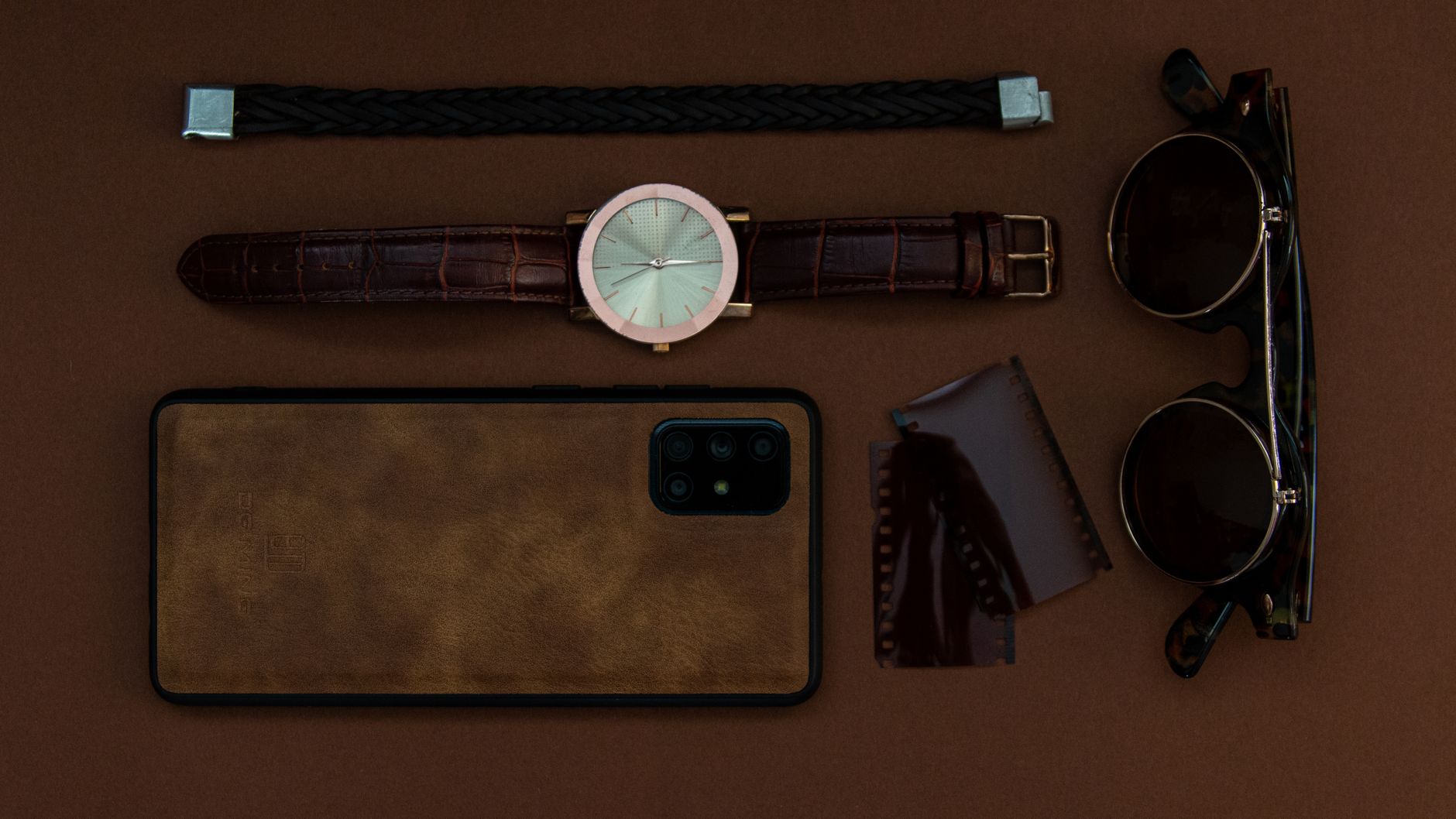
Photo by Aleks Magnusson
Common accessory mistakes, care tips, and final buying advice
Choosing extra gear for your Suunto Race 2 Titanium feels simple until a poorly fitting band causes erratic heart-rate data or a loose charging cable leaves your watch dead on race morning. Avoiding common pitfalls protects your investment and ensures your hardware performs when you need accurate metrics.
Mistakes that cause fit, data, and durability problems
Buying accessories without verifying exact model compatibility creates endless frustration. Many third-party items list vague compatibility that covers multiple generations, yet small differences in case dimensions prevent proper attachment.
Wearing your watch too loose also sabotages performance because excessive movement bounces the optical sensor away from your skin, leading to dropped heart-rate readings during hard intervals. Covering sensors with bulky third-party cases blocks vital airflow and distorts biometric tracking.
Using damaged charging cables can fry your battery through unstable power delivery. Applying screen protectors to a dusty display traps grit underneath, causing the glass to lift prematurely. Trusting unverified water-resistance claims on cheap aftermarket bands invites moisture damage during open-water swims.
Always test a new band, screen protector, or charging cable during an ordinary training day rather than the morning of a goal race. Real-world sweat and movement reveal hidden design flaws immediately.
Cleaning and replacing bands, protectors, and charging gear
Basic maintenance keeps your hardware functioning for years. Rinse sweat, salt, and sunscreen off your watch and band after hard workouts using fresh water. Dry both surfaces completely before sliding the watch back onto your wrist.
Clean charging contacts gently with a soft cloth or a dry cotton swab to prevent grime buildup from blocking electrical current. Inspect buckles, quick-release pins, and strap connectors regularly for hairline cracks or loosening mechanisms.
Replace parts immediately when they crack, peel, stretch out, or fail to charge consistently. Always follow Suunto’s current manual for specific water limits and maintenance protocols to protect your warranty.
A final checklist before you place an order
Making smart purchasing decisions requires a systematic evaluation of your actual training needs. Confirm the exact watch model, identify your primary performance goals, select a secure fit, verify charging compatibility, and check seller return policies.
- Confirm your exact Suunto model and case dimensions.
- Identify your main training need like trail durability or office wear.
- Select a secure band that stays comfortable during long efforts.
- Verify charging cable compatibility and pin alignment.
- Check seller quality and return guarantees.
- Avoid accessories that block optical sensors or side buttons.
Start with absolute essentials like a reliable charging cable and a comfortable sport band. Add performance tools only when they support a clear, measurable training goal.
Conclusion
The ideal Suunto Race 2 Titanium accessories setup is deeply personal. A daily runner might need only a comfortable replacement band, basic screen protection, and a dependable charging cable. However, a marathoner, cyclist, or trail athlete benefits more from a compatible heart-rate sensor, a sturdy handlebar mount, or added casing protection.
Always verify every item against current Suunto documentation and test your gear before race day arrives. Prioritize comfort, mechanical reliability, and useful data above all else.
Build your kit with intention, train with discipline, and let your equipment support every mile you log.


