

Suunto Core Review: Can This Classic Adventure Watch Still Compete?
You probably want a watch that does its job without needing a software update or a satellite lock every time you step outside. The Suunto Core remains a favorite for outdoor enthusiasts who value reliability over the endless notifications of modern smartwatches.
This rugged tool provides accurate data in the mountains without the distraction of a glowing screen full of apps. It offers an honest, durable solution for those who prefer to track their progress through altitude and barometric pressure alone.
Whether you are training for a marathon or an ultramarathon, having dependable gear matters. Here is a closer look at whether this classic timepiece deserves a spot on your wrist during your next long-distance effort.
Why the Suunto Core Still Matters for Modern Athletes
Technology often moves toward complexity. Smartwatches add color displays, notification pings, and daily charging requirements to our lives.
Build a Smarter Running Watch Setup
Compare the right watch, understand the training data that matters, and choose a model that fits your workouts, racing, recovery, and long-term goals.
More SUUNTO and Running Watch Guides
The Suunto Core rejects this trend. It remains relevant because it focuses on the essential metrics needed for wilderness navigation and outdoor endurance. Athletes who prioritize consistency and battery life find this watch a reliable partner for long days in the mountains.
Built for Reliability in Harsh Environments
Modern devices often struggle with battery drain when GPS tracking stays active for hours. The Suunto Core avoids this issue by utilizing highly accurate, non-GPS sensors. Its altimeter, barometer, and compass function independently of cellular signals or satellite locks. This means your data stays consistent even when you move through deep canyons or dense forests where connectivity disappears.
Focusing on running performance requires gear that removes barriers between you and your training. You do not want to worry about a dead battery halfway through a remote long run. This watch provides peace of mind because it uses standard, user-replaceable batteries that last for months. You gain a tool that functions as a silent, dependable observer of your effort.
Simplicity as a Training Advantage
Many athletes find that constant feedback from a connected watch changes their focus during training. The Suunto Core presents data in a clean, legible format that doesn’t demand your attention. You see your altitude, your direction, and the weather trends without sifting through menus. It keeps the focus on your movement and your connection to the terrain.
Choosing a tool based on its utility rather than its app compatibility often leads to better training habits. A reliable watch becomes an extension of your gear list, much like a pair of sturdy shoes. When you don’t spend time managing software updates or screen brightness, you save that energy for the trail. This classic design proves that the best watch is the one that stays out of your way while providing the information you actually need.
Deep Dive Into the Core Features
The true value of this device lies in its sensor suite. While modern athletes often rely on touchscreens and constant syncing, the Suunto Core maintains a traditional approach. It provides real-time atmospheric data that allows you to read the terrain as you move. Understanding how to calibrate and utilize these sensors turns the watch from a simple timekeeper into a vital navigation tool.
Mastering the Altimeter and Barometer
The altimeter and barometer are the heart of the experience. They work by measuring changes in air pressure, which is a clever way to track your vertical progress. As you climb a mountain, the pressure drops, and the watch calculates your elevation gain accordingly. Conversely, as a storm front approaches, the pressure shift triggers the storm alarm, giving you a heads-up before the weather turns.
Accuracy requires a bit of manual input from you. Since weather patterns naturally shift the air pressure throughout the day, the watch might confuse a barometric drop for an elevation gain. To keep your data precise, calibrate the altimeter at known elevations, such as trailheads or mountain passes.
- Find the official elevation marker at your starting point.
- Access the altimeter mode on your Suunto Core.
- Manually adjust the reference altitude to match the marker.
- Check the setting periodically if you spend multiple days in the backcountry.
Consistency during long-distance efforts starts with these small habits. If you are serious about improving your endurance, tracking your vertical gain with a calibrated sensor provides a clear picture of your physical effort without relying on battery-draining GPS.
Compass Accuracy in the Wilderness
A reliable compass remains the gold standard for wilderness navigation. While GPS watches are popular, they often lose their lock in deep valleys, narrow canyons, or under dense tree cover. The Suunto Core uses a digital compass that functions independently of satellite reception. This gives you peace of mind when the trail becomes faint or disappears entirely.
Using the compass effectively requires you to be mindful of your surroundings. Electronic interference from cell phones or metal gear can skew readings, so hold the watch level and clear of external magnetic sources. You can also set a bearing to follow a specific path across a ridge or through a forest, which simplifies navigation when visual landmarks are hidden by fog or darkness.
For runners who venture into remote terrain, this level of independence is a significant advantage. A device that works everywhere, regardless of the signal strength, keeps you moving forward safely. If you are developing a running strategy for mountain events, integrating manual navigation with a trusted, sensor-based watch ensures you stay on course when the digital world goes silent.
Durability for Tough Outdoor Conditions
The Suunto Core earns its reputation through pure, unadorned toughness. While modern touchscreens often crack under pressure or fail when moisture enters the casing, this watch handles abuse with steady indifference.
It feels substantial on the wrist, balancing a lightweight composite frame with a scratch-resistant mineral crystal lens. For athletes who demand gear that survives a tumble on sharp granite or a sudden deluge in the high alpine, this build quality offers a sense of security that expensive, delicate hardware often lacks.
Built to Withstand the Elements
This watch functions where others quit. Whether you are running through freezing rain or scrambling over jagged rock, the construction resists shock and water entry. The buttons are intentionally large and responsive, allowing you to cycle through modes even when you wear thick gloves. Because it relies on a simple, user-replaceable battery, you never face the anxiety of a charging port filled with grit or moisture.
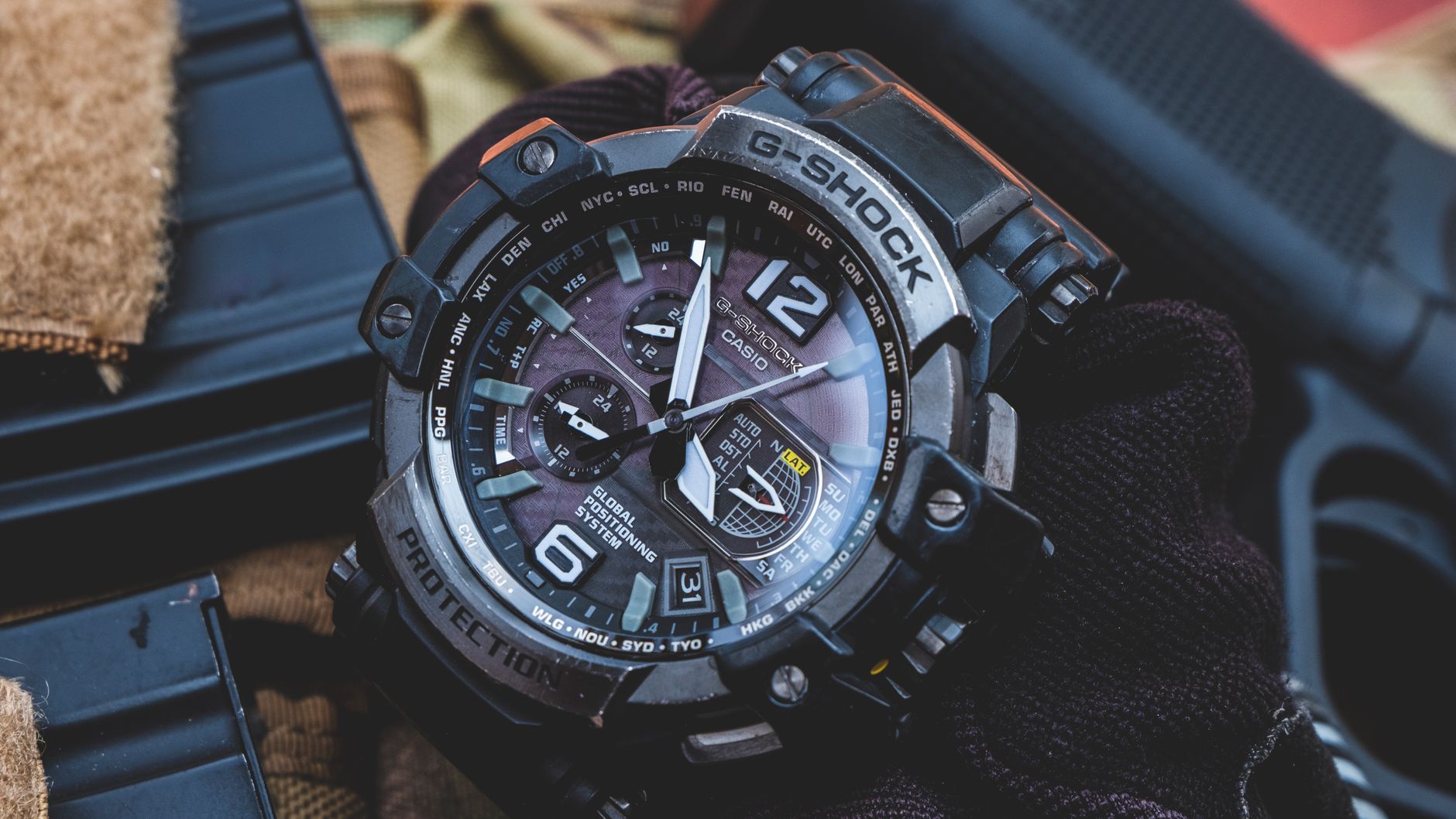
Photo by Thang Cao
Many runners prioritize gear that mirrors their own mental state during long efforts. When you commit to a challenging marathon training block, you learn that consistency matters more than flashiness. If your equipment fails in the middle of a remote mountain pass, your focus shifts immediately from performance to survival. The Suunto Core removes that vulnerability by providing a predictable, hardened exterior that expects nothing from you other than occasional use.
Why Tough Gear Matters for Performance
Mental toughness involves removing variables that lead to frustration. If you constantly worry about whether your watch screen will shatter or if the battery will die in the cold, you aren’t fully present in your run. The design of the Suunto Core reflects an understanding of the wilderness. It assumes that you will take risks, that you will fall, and that you will face weather that makes delicate electronics struggle.
By choosing a tool that prioritizes durability, you invest in your own peace of mind. You treat your gear as a silent partner rather than a complex system that requires maintenance. When the trail gets steep and the conditions turn sour, having a watch that matches your own endurance provides a quiet confidence that keeps you moving toward the finish line.
Comparing the Suunto Core to Modern GPS Watches
Selecting the right wrist-worn companion often hinges on your specific training environment. A Suunto Core review highlights a device built for the rugged isolation of the mountains, whereas modern GPS watches cater to those who require constant feedback on pace, heart rate, and mapped routes. Choosing between them depends on whether you value raw environmental data or granular performance metrics during your daily runs.
When to Prioritize the Suunto Core
The Suunto Core excels when you head into terrain where technology usually fails. Because it lacks a power-hungry GPS receiver, you gain a tool that functions for months on a single battery.
It remains the ideal choice for mountain athletes who prioritize survival and navigation over data logging. If you enjoy wilderness running or backcountry exploration, the independence of a non-GPS device protects you from the common pitfalls of dead batteries or lost satellite signals.
You should opt for the Suunto Core in these scenarios:
- You spend long periods in remote areas without access to charging infrastructure.
- You need accurate weather tracking and barometric altitude without the complexity of app-based setups.
- Your training philosophy favors internal feel and terrain navigation over digital pacing metrics.
- You prefer gear that operates silently without notification pings or distracting screen updates.
When to Choose a Modern GPS Monitor
High-end GPS watches serve as indispensable tools for runners following a structured training plan. These devices provide immediate access to cadence, pace zones, and heart rate variability, which are essential for athletes pushing toward specific time goals. If your success depends on hitting precise splits during speed work or tempo sessions, the real-time data from a modern watch provides a level of accountability that a classic field watch cannot match.
Modern smart devices offer advantages that significantly impact performance tracking:
- Precise pace and distance tracking for every mile run.
- Automated data syncing with training platforms to monitor long-term progress.
- Customizable screens that display only the metrics you care about during a session.
- Safety features like incident detection or live tracking that provide peace of mind to friends and family.
Most runners benefit from a hybrid approach. Many athletes utilize a sophisticated GPS watch for their daily sessions to track improvement, yet they transition to a robust, sensor-based watch like the Suunto Core during long wilderness adventures. This duality allows you to monitor your fitness gains while maintaining the rugged dependability required for untamed environments. Evaluate your immediate goals, then pick the tool that supports the specific needs of your upcoming run.
Practical Tips for Everyday Use
Learning your way around the Suunto Core interface is part of the charm of owning a non-GPS watch. You will quickly find that the menus follow a logical flow once you stop expecting a touchscreen. Mastering the basic operations turns the watch into an intuitive partner for your long-term running goals.
Managing Battery Life with Confidence
The CR2032 battery inside the Suunto Core typically lasts for about 12 months under normal conditions. You can extend this life by limiting your use of the backlight, which is the single biggest drain on power. Keep the illumination off during daylight hours and use it only when absolutely necessary during nighttime navigation.
If you find yourself deep in a marathon training block, try to avoid excessive use of the compass mode. The digital compass requires more processing power than the standard time or barometer functions. Switching the display back to the main time screen when you aren’t actively navigating helps the battery maintain its charge for months on end.
Navigating the Interface
The watch uses a four-button layout that handles every feature on the device. The top right button usually functions as the start or stop control for timers, while the bottom right button moves you through the primary views. You will find that the middle button on the right side opens the menu, where you can customize settings and set your reference altitude.
If you feel lost, the “View” button is your reset switch. Holding this button down for a second returns the display to the default home screen. Practice switching between the three main modes—Time, Alti/Baro, and Compass—while sitting on your couch. This builds muscle memory so you don’t fumble with the buttons when the wind picks up or you are pushing through a tough workout.
Consider these habits for keeping your device in top shape:
- Keep the button contacts clean and free of salt or dirt after every run to ensure responsiveness.
- Store the watch in a cool, dry place when not in use to maintain the internal seal integrity.
- Calibrate your compass away from metal objects or electronic devices to prevent interference.
- Check your reference altitude before any ascent to ensure the barometric pressure readings stay accurate.
By mastering these simple adjustments, you maintain the utility of your watch for years. It is a straightforward system designed for people who prefer to focus on the trail rather than the tech on their wrist.
Conclusion
The Suunto Core remains an exceptional choice for runners who demand equipment that functions without complexity.
You get a reliable tool that withstands harsh weather and difficult terrain, allowing you to focus on your effort rather than battery levels or software updates. This watch is the right partner for your wilderness running adventures where independence from satellite signals matters most.
While modern GPS devices offer valuable performance metrics for marathon training, they cannot match the long-term durability and simple utility of this classic timepiece. You should choose this model if you prioritize raw environmental data and a watch that stays out of your way on the trail. It is a proven, honest, and hardened instrument built for those who find their true progress in the mountains.


