

Suunto 9 Peak Review: Big Features, Slim Design
A premium GPS watch should feel light on your wrist and steady when the miles stack up, and that’s exactly why the Suunto 9 Peak still gets attention. This Suunto 9 Peak Review looks at whether it still makes sense in 2026 for runners, triathletes, hikers, and athletes who want long battery life without a bulky watch.
If you’re comparing options for training, racing, or all-day wear, the details matter: design, GPS accuracy, battery life, and the tools you’ll actually use when you’re tired. It also helps to know how it compares with other watches in the same lane, including the best GPS watches for running.
The goal here is simple, give you a clear answer on whether the Suunto 9 Peak is still worth your money, or if better choices have passed it by.
What the Suunto 9 Peak Is Built to Do
The Suunto 9 Peak is a pivot away from the bulky, wrist-heavy computers that defined earlier outdoor watches. By shrinking the hardware while keeping the performance metrics high, the designers created a tool that sits low on the wrist and doesn’t snag on layers during technical climbs or long runs. It occupies a space where raw utility meets everyday comfort, making it a versatile companion for people who expect their watch to perform on a peak and look appropriate in an office.
Build a Smarter Running Watch Setup
Compare the right watch, understand the training data that matters, and choose a model that fits your workouts, racing, recovery, and long-term goals.
More SUUNTO and Running Watch Guides
A quick look at the design philosophy
Suunto took a minimalist approach to this watch, focusing on reducing the physical footprint without compromising on the robust build quality the brand is known for.
It features a scratch-resistant sapphire glass lens and a stainless steel body that handles the bumps and scrapes of trail life. You notice immediately that it feels smaller and lighter than many other multisport watches, which is a major benefit when you are trying to keep your gear weight low.
The balance of size, material choice, and battery life defines this device. It is not just about making a watch that is physically smaller; it is about keeping the sensors, antenna, and battery performance consistent with what outdoor athletes require.
The Suunto 9 Peak design proves that you can have a watch that feels like a standard timepiece while housing a full suite of tracking tools for mountain endurance. It handles cold, wet, and high-impact conditions, yet it keeps a low profile that fits under a tight shirt cuff.
Who will like this watch most
This watch targets athletes who prioritize minimalism and weight-savings but refuse to sacrifice data depth. If you are a trail runner who is tired of heavy watches bouncing on your wrist during technical descents, this device offers a stable, lightweight alternative. It works well for hikers who spend long days in the mountains and want a reliable GPS signal without carrying a heavy, oversized device.
You might find this watch appealing if you fall into these categories:
- Minimalist runners: People who want accurate pace, heart rate, and distance data without feeling like they have a computer strapped to their arm.
- Trail and mountain athletes: Those who need a durable, thin watch that stays out of the way while moving through brush or maneuvering on rock.
- All-day users: Anyone who wants a watch that transitions from a morning mountain workout to a professional environment without looking overly aggressive or gadget-heavy.
While it suits those who value a sleek aesthetic, athletes who need a massive, hyper-bright display for quick glances at high speeds might prefer larger alternatives. If you prioritize the absolute longest battery life on the market over a compact size, you may want to look at more specialized, bulkier models.
However, for most, the Suunto 9 Peak provides a balance that makes it a solid all round fitness watch for daily training and outdoor pursuits. It fits perfectly for the runner who wants a reliable tool that is there when you need it, and forgotten when you don’t.
Design, build quality, and everyday comfort
The Suunto 9 Peak changes how a high-end GPS watch feels on the wrist. By moving away from the chunky, oversized designs common in endurance gear, this watch prioritizes a low profile that stays out of your way during movement.
How the slim case changes the wearing experience
A thinner watch makes a significant difference during intense activity. When you run, a heavy watch tends to bounce or shift, which creates an annoying distraction as fatigue sets in. The Suunto 9 Peak stays planted firmly against your skin, making it easy to forget you are even wearing a GPS device. Its slim architecture prevents it from catching on shirt cuffs or jacket sleeves, a common frustration with bulkier alternatives during winter training or technical mountain outings.
Beyond the physical benefits on the trail, the thin profile excels in everyday situations. Sleep tracking becomes much more comfortable, as the watch doesn’t dig into your wrist while you toss and turn. It transitions effortlessly from a sweaty training session to a professional setting. The Suunto 9 Peak Review highlights this versatility, as the minimalist aesthetic avoids the aggressive gadget-heavy look found in many specialized training tools.
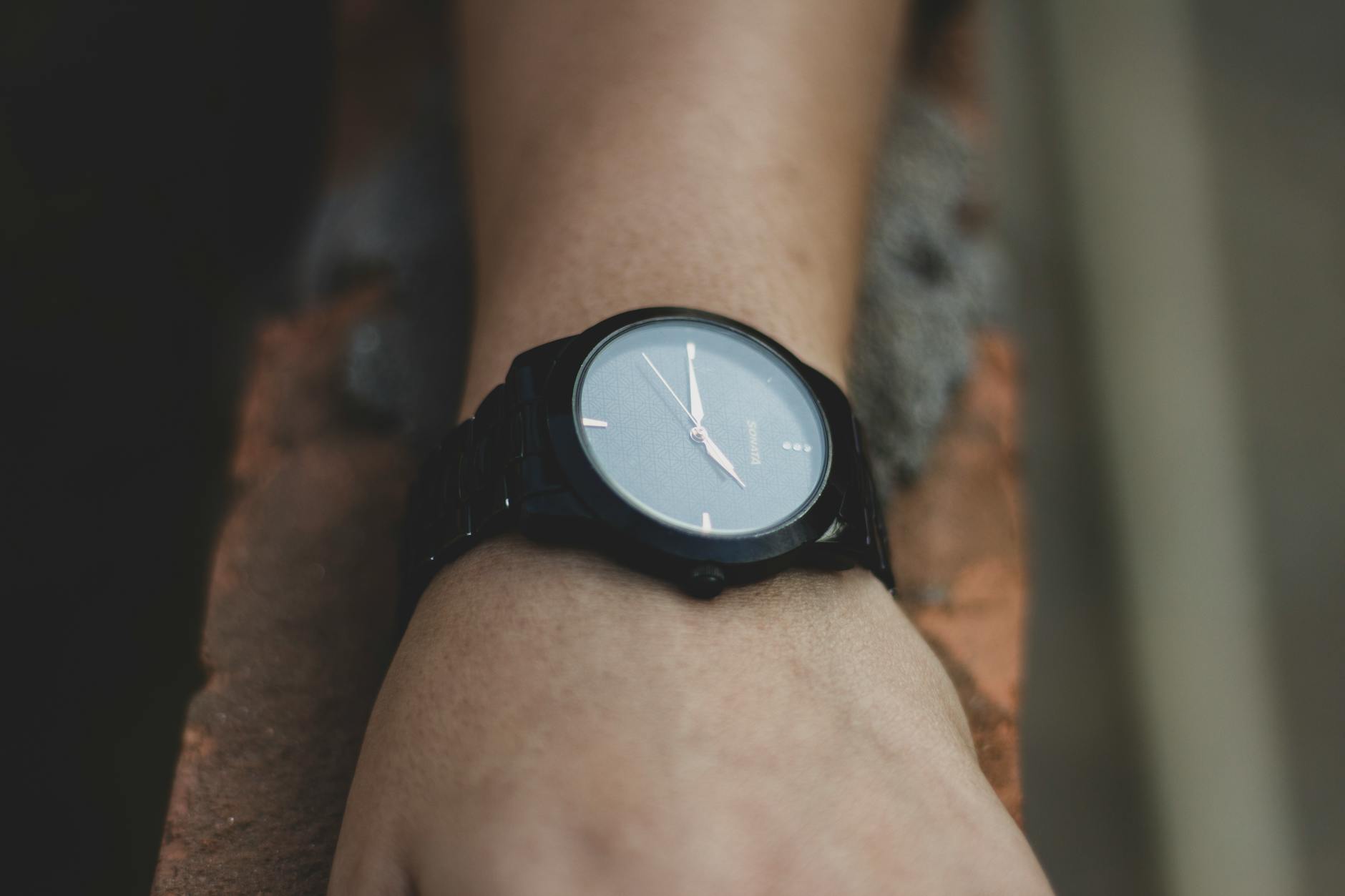
Photo by Pragyan Bezbaruah
Buttons, screen, and outdoor readability
Interaction with the watch happens through a simple, two-button layout paired with a responsive touch interface. The buttons provide a tactile click, which is helpful when you are wearing gloves or dealing with damp conditions. If you prefer navigating through menus using the screen, the touch response is predictable and works well even with light moisture.
The screen remains legible in direct sunlight, reflecting the practical nature of its design. It does not offer the vibrant, high-contrast colors found on modern AMOLED displays, but it provides a clean, clear view of your metrics without wasting battery. This choice keeps the focus on reliable data visualization rather than flashy graphics. If you need a device that prioritizes battery efficiency for long distance running, this display configuration is a logical trade-off.
Durability for training and adventure
Engineers built this watch to handle the realities of outdoor training. The stainless steel housing and sapphire crystal glass offer a high level of protection against the typical scrapes that occur on rocky trails or through thick brush. You do not have to baby this device. It stands up to heavy sweat during track workouts, torrential rain on long runs, and the grit of dusty mountain paths without showing signs of premature wear.
The strap material also plays a role in its overall toughness. It is flexible enough to maintain a snug fit for accurate heart rate readings yet robust enough to withstand daily abuse. While some may find the proprietary strap mechanism limiting, the included silicone bands are comfortable and secure during high-impact movement. The watch provides the reliable performance needed for building your running base in harsh conditions, ensuring that your equipment remains the least of your concerns when you head out the door.
GPS, heart rate, and workout tracking performance
Reliable data is the backbone of any training program. When you invest in a performance watch, you expect it to record your output with precision, whether you are crushing a track session or navigating a remote trail. The Suunto 9 Peak attempts to balance high-end tracking capabilities with its compact, lightweight design, and for many, it succeeds. Understanding how the hardware manages signal acquisition and biometrics helps you decide if it fits your specific athletic needs.
GPS accuracy in the real world
GPS performance on the Suunto 9 Peak is generally steady across a variety of terrains. In open areas with a clear view of the sky, the watch locks onto satellites quickly and tracks your path with high consistency. When you run along open roads or flat trails, the distance measurements remain accurate and mirror the data from other high-end devices.
Challenges arise when you move into dense tree cover or areas with tall, reflective buildings. In these environments, signal multipath errors occasionally occur, causing the track to drift slightly from the actual path. You might notice a few jagged lines on your map after a run through a heavily wooded canyon or a tight urban corridor. Despite these minor deviations, the overall distance remains reliable enough for most training purposes. If you often run in extreme environments, you might benefit from understanding how to properly monitor your training intensity even when GPS data feels slightly off due to overhead obstructions.

Photo by Jakub Zerdzicki
Heart rate tracking during runs and workouts
The wrist-based optical heart rate sensor provides convenient, round-the-clock monitoring. It works well for steady-state efforts, such as easy base runs or long, slow recovery days. You get a clear picture of your aerobic development without the need for a chest strap.
However, optical sensors have physical limitations when it comes to rapid spikes in intensity. During interval training or aggressive tempo runs, the wrist sensor may show a slight lag as it adjusts to your changing heart rate. Hot weather can further complicate readings because sweat can interfere with the light signals reaching the sensor. If you are a competitive athlete who relies on precise zones for high-intensity intervals, pairing the watch with a dedicated heart rate monitor strap remains the gold standard. A chest strap provides the responsiveness needed for improving your running speed during track sessions where every second counts.
Pace, laps, and training data you can trust
The Suunto 9 Peak excels at presenting training data in a format that makes sense during and after your run. You can customize the display screens to show exactly what you need, from current pace and lap time to heart rate zones and elevation gain. The interface is intuitive, allowing you to flip through data fields without breaking your stride.
After your workout, the summary screen provides a clean snapshot of your performance. Syncing to the companion app allows you to review your splits and identify where your pace fluctuated or where you pushed harder on a climb. This feedback loop is essential for building a consistent training routine. The device is not trying to be a smartwatch full of notifications; it is built specifically to handle the demands of runners who need to analyze their marathon race pace or track long-term progress. If you prioritize functional, actionable metrics over flashy social features, this watch delivers the data you need to reach your next milestone.
Battery life and charging, what runners should really expect
Battery longevity often decides whether a watch stays on your wrist or ends up in a desk drawer. The Suunto 9 Peak manages power in a way that respects the needs of endurance athletes who cannot afford a dead device mid-run. While it lacks the massive capacity of the heaviest outdoor models, it utilizes software efficiency to squeeze out every possible hour. You get a reliable partner for daily training and long efforts, provided you understand how to manage the modes available.
Battery modes that matter on long runs
Running a marathon or an ultramarathon requires confidence that your data will reach the finish line with you. The watch includes distinct battery modes that prioritize different aspects of performance, such as GPS polling frequency or screen brightness. Standard mode provides high-accuracy tracking for shorter workouts, but long-distance runners often need to swap to Power or Endurance settings to preserve juice over many hours.
These modes work by adjusting how often the watch pings satellites. In high-performance settings, the GPS updates every second, which creates the most accurate map of your route. If you move to a power-saving mode, the watch stretches the time between satellite samples. This adjustment is ideal for trail runners who spend six, twelve, or twenty hours in the mountains. You gain significant endurance while accepting a slightly less granular GPS track. For an ultrarunner, this trade-off is almost always worth the ability to track the entire effort without reaching for a portable charger.
Photo by cottonbro studio
Charging speed and day-to-day convenience
The physical charging process is just as important as the total capacity. The Suunto 9 Peak utilizes a magnetic cable that snaps onto the back of the case. It holds firmly, meaning you won’t wake up to find your watch sitting uncharged because of a loose connection. The charging speed is impressive, often taking the device from near-empty to full in roughly an hour. This rapid replenishment fits well into the routine of a busy athlete.
Most runners find they only need to plug the watch in once or twice per week, even with consistent training. If you wear it 24/7 for sleep and activity tracking, the power drain is predictable and manageable. It does not demand constant attention like some power-hungry smartwatches with bright AMOLED displays. While those newer screens look sharper, they often sacrifice the multi-day endurance that serious endurance runners require. This watch focuses on the essentials, ensuring that your running performance and coaching tools remain ready whenever you decide to head out the door. The convenience of a quick top-up before a long run is a major advantage for maintaining a consistent training routine without unnecessary downtime.
Training tools, sport modes, and recovery features
A fitness watch is only as useful as the information it provides when your lungs are burning and your legs feel heavy. The Suunto 9 Peak provides a suite of tools designed to keep you focused on your effort rather than fiddling with settings. It leans toward simplicity, avoiding the cluttered interfaces found on many competitors. For those who want clear, actionable data, this approach often feels like a breath of fresh air.
Running features that matter most
Runners demand precision when the watch needs to track pace and effort in real time. You can easily configure the display screens to prioritize the metrics that matter most to your current block of training. Whether you want to see your lap pace, heart rate zone, or current elevation gain, the data is just a glance away.
Interval support is straightforward and effective. You set your work and rest periods directly on the watch, and the device vibrates to signal each phase change. It removes the guesswork from track sessions, allowing you to hit your targets without looking at a phone or counting seconds manually. Post-run summaries are equally clean. Once you stop the recording, the watch displays a snapshot of your time, distance, and intensity. Syncing this data to your phone provides a historical record that helps you monitor your running progress over time.

Photo by www.kaboompics.com
Recovery, sleep, and readiness clues
Rest is as important as the miles you log. The Suunto 9 Peak monitors your sleep patterns and daily activity to provide a basic picture of your recovery state. It doesn’t claim to have a crystal ball for your physiology, which makes its insights feel more grounded and less like marketing fluff. By tracking your resting heart rate and activity levels, the watch offers a clue into how well your body is handling your current workload.
If your sleep quality dips or your daily stress markers remain high, the device reflects that through its training load metrics. It shows you when you might be pushing too hard or when your body is primed for a quality workout. While these features are not a replacement for professional coaching, they provide a simple feedback loop for runners learning to balance training and recovery. You see the data, you interpret how you feel, and you adjust your schedule accordingly.
Outdoor and multisport modes beyond running
While running is the primary focus for many, this watch adapts well to a broad range of activities. Whether you are cycling on winding backroads, hiking steep mountain trails, or swimming laps at the local pool, the dedicated sport modes capture the relevant metrics for each discipline. The transition between sports is intuitive, which is helpful for triathletes who need to capture a full race effort without pausing to navigate complex menus.
The barometer and altimeter sensors add value for mountain athletes, providing reliable elevation data during hikes and trail runs. These sensors work behind the scenes to ensure your climb stats remain accurate even when GPS signal fluctuates in deep valleys. By keeping the interface clean across all sports, the watch avoids the confusion often found in devices that try to do too much. It offers a balanced experience that works for the dedicated runner while remaining capable enough for anyone interested in improving their aerobic capacity through cross-training.
The Suunto app and how easy the watch is to live with
A high-performance watch proves its worth not just on the trail, but in how gracefully it integrates into your day-to-day life. The Suunto 9 Peak provides a clean, focused experience that prioritizes your data without cluttering your digital workspace. While some users might crave the expanded features of massive ecosystems, this device excels by keeping the essentials immediate and accessible.
Setup, syncing, and daily use
Getting started with the watch is a straightforward process. You download the companion app, enable Bluetooth, and pair your device in a matter of minutes. The software walks you through basic settings like time format, unit preferences, and notification triggers. You aren’t forced to endure endless firmware updates or convoluted account configurations before your first run. The hardware feels intuitive from the moment you strap it on. Navigating menus requires simple swipes and taps that mirror the feel of a modern smartphone.
Syncing your training logs happens quietly in the background as soon as you open the app after a workout. You won’t find yourself wrestling with stubborn connections or manual refreshes. The watch maintains a reliable link to your phone, ensuring your activity history is always waiting for you. It stays out of your way when you’re busy, yet it delivers data quickly the moment you decide to review your progress. This responsiveness makes the Suunto 9 Peak a reliable companion for athletes who prefer to focus on the road ahead rather than troubleshooting their technology.
App insights and training history
The companion app acts as a focused dashboard for your athletic history. When you dive into a post-workout summary, the app presents your metrics through clean, digestible visuals. You can track your heart rate trends over time, monitor your cumulative training load, and see how your pace evolves across different types of terrain. This historical data is vital if you are building your running base for a future race.
The app highlights long-term patterns by aggregating your efforts over weeks and months. You get a clear view of whether you are maintaining consistency or pushing yourself into a period of overtraining. It doesn’t bury you in abstract algorithms. Instead, the interface emphasizes actionable facts, such as total volume, average heart rate intensity, and elevation profiles. This approach helps you make informed decisions about your next training block. You can see when it’s time to sharpen your speed or when you need an extra rest day to ensure you reach the start line healthy.
Photo by Atlantic Ambience
Where Suunto feels simple, and where it feels limited
Simplicity is the defining trait of the Suunto 9 Peak. The designers stripped away the bloated features that often turn GPS watches into distractions. You get a sharp, responsive interface that puts your active data front and center. The clean design choices appeal to athletes who want a tool that does one thing very well without demanding constant maintenance.
However, power users might encounter limitations if they rely on extensive app stores or deep third-party integrations. You won’t find a vast library of downloadable widgets or complex smartwatch apps that expand the watch into a pocket-sized computer. The notification system is functional but lacks the deep interactivity offered by some competitors. If your goals revolve around advanced physiological metrics or deep integration with external lifestyle apps, you might find the software experience slightly constrained. This design philosophy favors the athlete who wants a reliable, dedicated performance tool over a generic smartwatch that tries to manage every facet of digital life. It is an honest, effective, and uncluttered experience for those who know exactly what they need from their gear.
How the Suunto 9 Peak compares with similar watches
Choosing a GPS watch often feels like balancing competing interests. Every manufacturer prioritizes different traits, such as display technology, software ecosystems, or hardware durability. While a Suunto 9 Peak Review reveals a watch built for those who value minimalism, other brands offer different compromises that might better suit your specific training style.
Compared with Garmin’s training watches
Garmin is the titan of the industry, and its watches offer an immense level of detail. If you want the deepest ecosystem available, Garmin often provides the edge. You gain access to extensive physiological metrics, daily suggested workouts, and broad compatibility with external sensors and third-party apps. Their interface is dense, packed with features that cater to athletes who enjoy analyzing every possible data point.
The trade-off is often physical. Many Garmin models occupy a larger, bulkier footprint on the wrist to accommodate their expansive feature set. In contrast, the Suunto 9 Peak feels cleaner and significantly lighter. It avoids the cluttered, industrial look of some multisport devices, opting instead for a profile that disappears under a shirt sleeve. If you prioritize a watch that feels like a standard timepiece while still delivering core performance metrics, Suunto remains a compelling choice. Garmin wins for those who want a laboratory on their wrist; Suunto wins for those who want a reliable, unobtrusive training partner.
Compared with COROS and Polar options
COROS and Polar fill a distinct niche, focusing heavily on battery efficiency and straightforward athlete training tools. COROS often provides incredible value, packing impressive hardware and battery life into a lightweight package that rivals the Suunto 9 Peak in terms of comfort. They are known for frequent software updates that expand functionality, making their watches feel fresh long after purchase. Polar excels in recovery tracking and heart rate accuracy, leveraging years of research into physiological monitoring to guide your intensity.
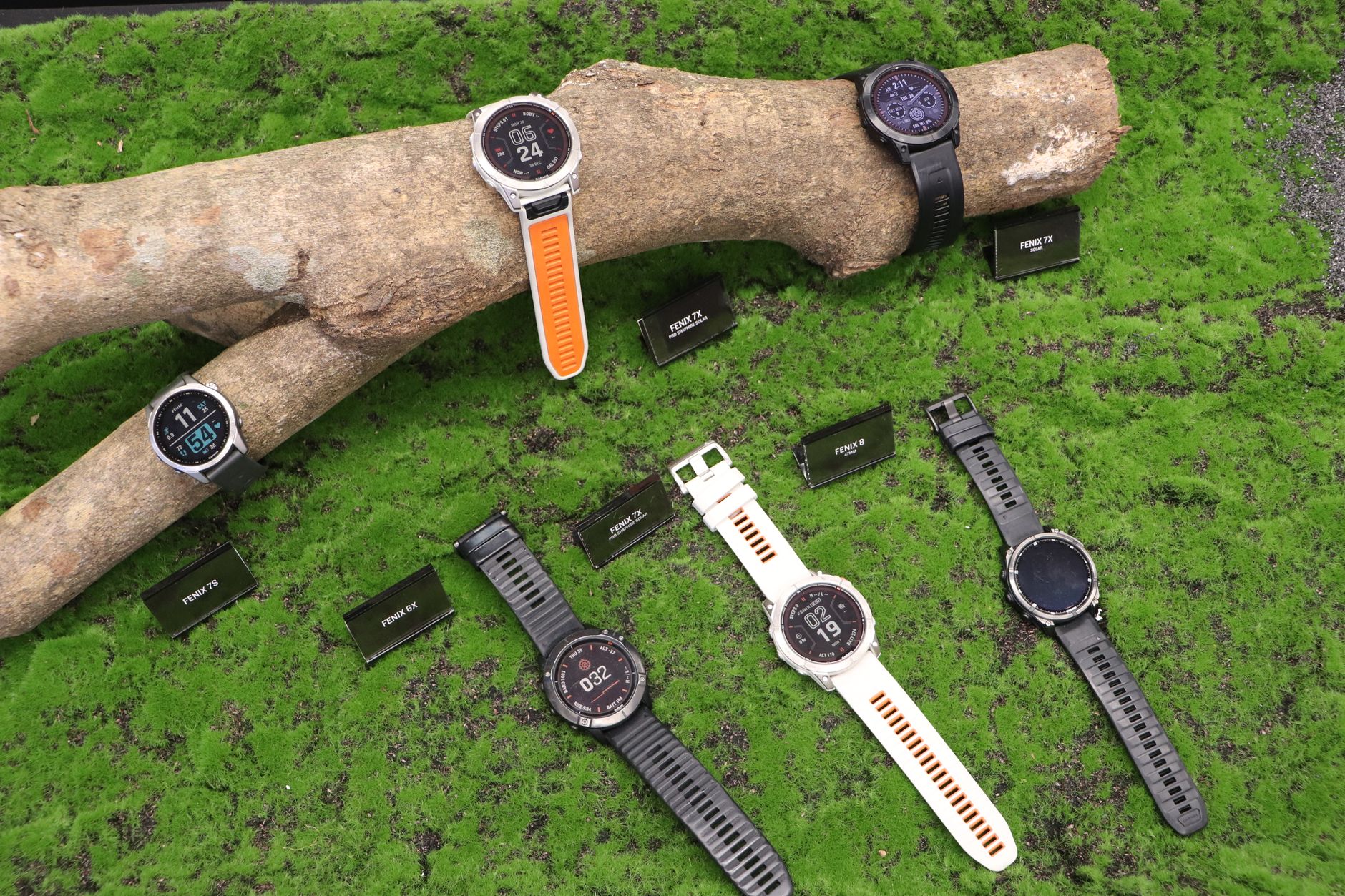
Photo by Thinh Pham
When you compare these options, the differences often come down to simplicity. Suunto keeps its interface streamlined and intentional. While COROS and Polar might offer more granular customization or specific recovery algorithms, Suunto focuses on delivering the data you need without the noise. If you prefer a device that stays out of your way and provides a clear picture of your effort, this simplicity is a major asset during your running base training.
When the Suunto 9 Peak makes more sense than newer models
Technology moves fast, and new watches arrive on the market every few months with brighter screens and longer battery claims. Yet, the newest model is not always the best fit for your life. The Suunto 9 Peak holds value because it nails the essentials of design and durability. Many newer, flashier watches use power-hungry AMOLED screens that require more frequent charging and can look distractingly bright in professional settings.
The Suunto 9 Peak remains a smarter choice if you value aesthetics and comfort above the latest tech trends. Its titanium and sapphire build provides a premium feel that holds up to years of abuse without looking dated. You might find this watch fits your needs better than a bulky, feature-packed successor if you want a reliable tool that looks good in the office and handles a mountain trek with equal ease. For athletes who value a consistent training routine and a watch that doesn’t demand your constant attention, the Suunto 9 Peak offers a level of refinement that newer, more complex devices often lose.
What stands out, what does not, and who should buy it
Every runner eventually hits a point where they need gear that serves a specific purpose without creating unnecessary noise. This watch focuses on a distinct set of priorities, and understanding them makes or breaks your experience.
The biggest reasons to like it
The Suunto 9 Peak earns its keep primarily through an uncompromising commitment to ergonomics. It is incredibly comfortable for all-day wear because of its slim, low-profile case, which rarely snags on sleeves or feels heavy during high-intensity intervals. You notice the build quality the moment you touch the stainless steel housing; it feels substantial yet refined.
Battery life remains another standout feature. Despite its smaller frame, the watch manages power efficiently enough for long weekend efforts, reducing the need for constant charging cables. Its understated style is a major win for those who want a piece of gear that fits in at the office just as well as it does on a mountain trail. It avoids the neon, plastic look of cheaper models, offering a polished aesthetic that holds up through years of daily use.
The main drawbacks to know before buying
While the hardware shines, the software and screen might leave you wanting more if you crave modern flair. The display is functional rather than flashy, lacking the vibrant, high-contrast pop of current AMOLED panels found on many rival devices. If you are accustomed to deep smartwatch ecosystems, you may find the app store and third-party integrations limited.
Value concerns occasionally arise depending on the current market price. Because the industry updates hardware quickly, you might find other watches at this price point that offer more internal storage or advanced sensor technology. It is a tool designed for performance, not for being a wrist-bound entertainment center, so those expecting a wide array of non-fitness apps will feel the constraints.
Best fit for runners and endurance athletes
If you prioritize simplicity, durability, and a lightweight feel, the Suunto 9 Peak is a top-tier choice. It is the perfect match for the mountain athlete who demands a reliable, “set it and forget it” tool that tracks stats without getting in the way of a technical climb or a long training block. If you are someone who prefers to monitor your heart rate zones and base metrics without the distraction of frequent notifications or complex menus, this device is built for you.
Conversely, skip this watch if you are a “data geek” who thrives on deep physiological insights, massive app libraries, or hyper-bright screens for nighttime runs. Those looking for a dedicated smartwatch first and a running tool second should look elsewhere. Ultimately, the best value here belongs to the consistent runner who needs a rugged, sleek companion that handles the basics with high-level precision and remains comfortable throughout the most grueling training weeks.
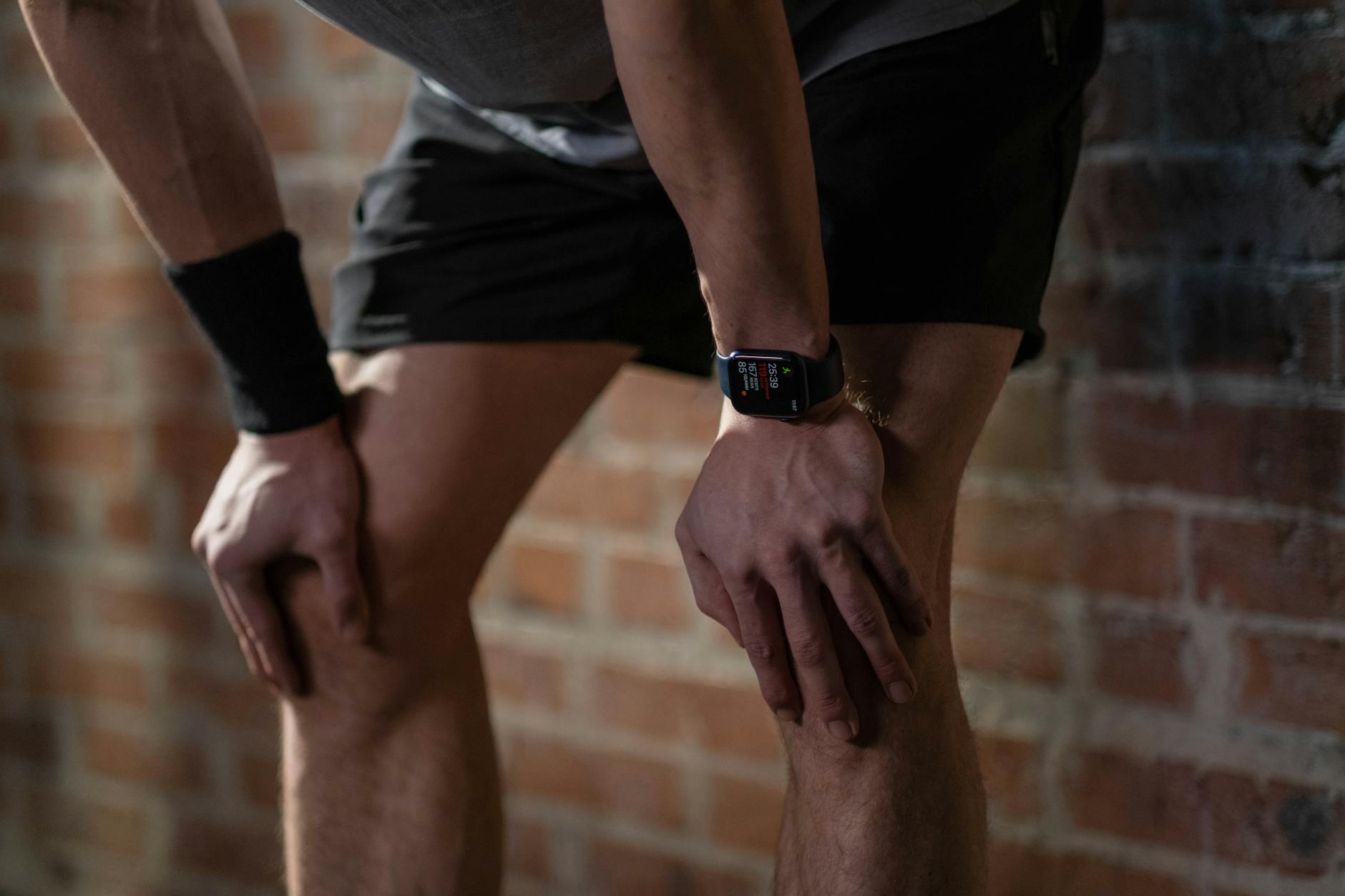
Photo by cottonbro studio
Conclusion
The Suunto 9 Peak is a clear choice for athletes who favor a lightweight, low-profile device that stays out of the way during training. Its durable build and long-lasting battery capacity prove that you don’t need a bulky gadget to track your performance reliably. If you prioritize comfort and simplicity, this watch fits perfectly into your routine.
It remains a top contender for those who want a premium tool that looks appropriate in a professional setting while handling mountain terrain. However, this device is not for shoppers who require the deepest feature sets or the flashiest, high-contrast screens on the market. If your training goals rely on constant, high-tech feedback or advanced smartwatch apps, you might prefer other options. This is a refined, functional piece of gear built for the runner who wants consistency without the weight.


