

Strava vs Nike Run Club: Which Running App Is Better?
Choosing between Strava vs Nike Run Club usually comes down to how you like to run, not which app has the flashier name. Both apps help you track workouts, stay accountable, and keep your training on a steady rhythm.
Strava pulls runners toward stronger social features, detailed stats, and a bigger community feel, while Nike Run Club keeps things simpler and puts more emphasis on guided runs and easy daily use. If you’re trying to pick the better fit without wasting time, the real questions are how much data you want, how much coaching you need, and whether cost matters.
If you’re comparing app features with a performance-first mindset, it also helps to look at running performance apps that serious runners use. The right choice depends on what keeps you consistent mile after mile.
What Strava and Nike Run Club actually do for runners
Strava and Nike Run Club both track your miles, pace, and routes, but they shape the whole run differently. One feels like a public training log with a crowd around it, while the other feels like a calm coach beside you on the road.
That difference matters. If you want more feedback, more community, and a little friendly pressure, Strava fits that rhythm. If you want structure, encouragement, and a cleaner path to follow, Nike Run Club feels more natural.
Strava’s social-first running experience
Strava makes running feel shared. Your activity shows up in a feed, friends can leave kudos, and your runs become part of a bigger conversation instead of staying hidden in your phone.
That social layer is a big reason runners stick with it. You can join clubs, compare efforts on segments, and see how your split times stack up on leaderboards. For runners who enjoy a little competition, that mix can feel like a race board hanging on the wall after every workout.
It also works well for people who like to keep tabs on their training without overcomplicating things. The app still tracks the basics, but the real draw is the sense that someone else is out there watching your progress, cheering you on, or chasing the same hill climb.
Strava often fits runners who want:
- Community: friends, clubs, and club events keep the app active
- Shared accountability: posting runs makes training feel more public
- Friendly competition: segments and leaderboards reward effort
- Training history: the feed turns your work into a visible record
Strava’s Nike Run Club sync info also shows how many runners treat it as the central place where workouts live, even when they use other apps to record them. That tells you a lot about its role, it is less of a coach and more of a running clubhouse with a scoreboard.
Nike Run Club’s guided, coach-like feel
Nike Run Club takes a different path. It feels calmer, cleaner, and more directed, which makes it easier for runners who want support without social noise. The app is built around audio-guided runs, training plans, and a simple layout that keeps your focus on the workout.
That setup helps if you like being told what to do next. Instead of scanning a feed or checking how you rank, you can press play and follow along with guidance that feels close to a coach in your pocket. For newer runners, that tone can matter a lot because it removes guesswork from the day-to-day routine.
Nike Run Club also works well for runners who want a steady plan without a lot of clutter. The experience feels more personal and less performative, which is useful when you care more about consistency than comparison. If you want more structure beyond the app itself, a running coaching and mentorship club can add another layer of support.
In simple terms, NRC is built for runners who want:
- Guided workouts that tell you what to do during the run
- Training plans that help keep your weeks organized
- Beginner-friendly support without social pressure
- A cleaner experience that stays focused on the run itself
For runners trying to stay on track, that can feel like having a steady hand on your shoulder. The app still records your effort, but it does so in service of the plan, not the spotlight.
Strava vs Nike Run Club: the features that matter most
When you compare Strava vs Nike Run Club on real training features, the difference shows up fast. Both apps record runs, but they do not present the same picture of your work, and they do not push you toward the same habits.
Strava feels like a training dashboard with a social pulse. Nike Run Club feels like a guided running companion that keeps the focus on the session in front of you. If you care about how the app fits into daily mileage, workout structure, and motivation, those differences matter more than any brand name.
Running stats and workout tracking
Both apps handle the basics well. You can record pace, distance, time, splits, and routes, and both give you a clear post-run summary. The difference is in how much detail they show and how that detail feels once the run is over.
Strava is usually the better fit for runners who want more numbers on the screen. It gives you a richer post-run view, with elevation, segment effort, split trends, and a stronger sense of how each workout fits into the bigger picture. That makes it feel more performance-oriented, especially if you like checking patterns after a tempo run or long effort.
Nike Run Club keeps things cleaner. The stats are easier to read at a glance, and that simplicity helps if you don’t want to sort through a pile of charts after every run. You still get the key information, but the presentation feels lighter and less cluttered.
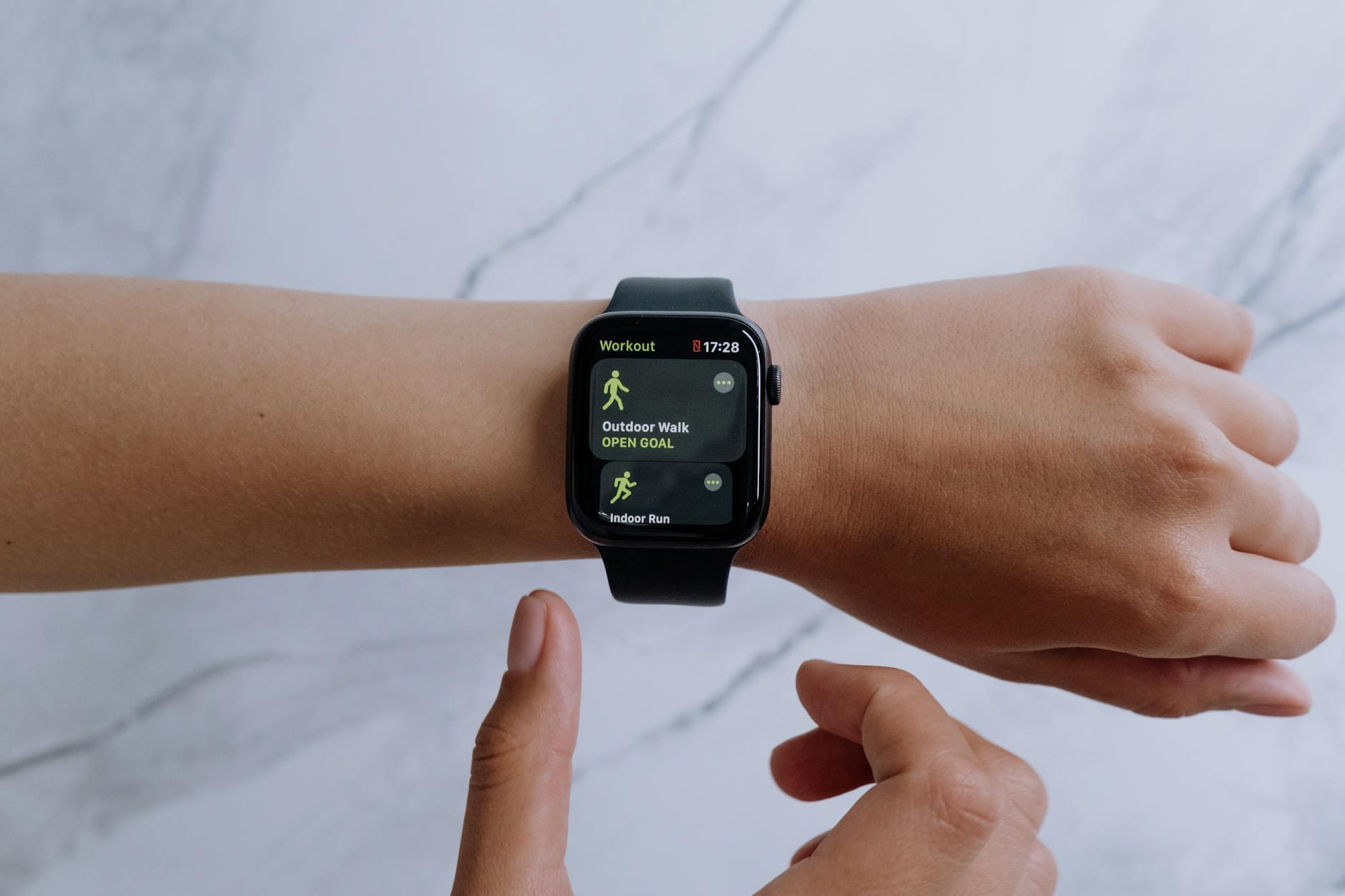
Photo by cottonbro studio
Heart rate support is another practical difference. Both apps can work with compatible devices, but runners who train by effort often prefer the deeper analysis that comes through Strava, especially when they want to review intensity after the run. If heart rate is a key part of your training, using intensity zones to improve marathon performance can help you understand why that data matters.
If you like seeing more context around a workout, Strava gives you more to inspect. If you want the numbers fast and clean, NRC keeps it simple.
Training plans and guided workouts
This is where the two apps start serving different types of runners. Nike Run Club is stronger for guided audio runs, structured support, and built-in plans that help you stay on track for 5K, 10K, half marathon, and marathon goals. The coaching cues make it easier to follow a session without staring at your phone.
That matters if you want real structure, not just a place to log miles. NRC gives you a more direct training feel, with workout guidance that helps newer runners and busy runners stay consistent. It works well when you want the app to tell you what comes next.
Strava takes a different route. It is better as a tracking layer that can sit on top of a plan you already trust. Many runners use it with outside coaching, a watch, or a written plan, then let Strava collect the data and display the results. If you already follow a more serious program, that setup can feel more flexible.
For runners building toward longer goals, a plan like this 16-week marathon training plan for advanced runners pairs well with a tracking-first app approach. Strava can hold the record of the work, while NRC can guide the run itself.
Social features, clubs, and motivation
Motivation looks different in each app, and that difference can shape whether you keep using it. Strava leans on community energy, challenges, comments, and leaderboards. NRC leans on encouragement, badges, and steady reinforcement.
Strava works well if you like a little outside pressure. A run gets posted, friends react, and the app keeps the momentum moving. Clubs add another layer, especially for runners who like seeing what others are doing during the week. That social push can be the nudge that gets you out the door.
Nike Run Club takes a softer approach. It rewards consistency, celebrates streaks and milestones, and keeps the tone supportive without turning every run into a comparison. If you prefer quiet progress over public competition, that style feels easier to live with.
The best fit usually comes down to personality:
- Choose Strava if you like community, competition, and a public training log
- Choose Nike Run Club if you want encouragement, structure, and less noise
- Choose both if you want motivation from one app and tracking from the other
Wearables, watches, and app integration
Integration matters more than most runners expect. If you already use a Garmin, Apple Watch, Coros, or another GPS watch, you want your app to sync without friction. Otherwise, you spend more time managing data than running.
Strava is often the easier hub for runners who use multiple tools. It connects well with a wide range of watches and platforms, so your workouts can flow into one central place. That makes it useful if you track on a watch, review on your phone, and want one clean history of your training.
Nike Run Club also works well, especially for runners who stay inside the Nike ecosystem or prefer simple phone-based tracking. It does the job, but it usually feels more self-contained. If your training already lives on a watch, you may find yourself using NRC more for guided runs and Strava more for the full archive.
For runners who want a smoother setup, integration becomes a quality-of-life issue. The easier the sync, the more likely you are to keep logging workouts without skipping steps or duplicating effort. That is especially helpful during marathon blocks, where consistency matters more than app hopping.
In practical terms, this is the simplest way to think about it:
| Feature area | Strava | Nike Run Club |
|---|---|---|
| Stats and analysis | More detailed and data-heavy | Cleaner and easier to scan |
| Training plans | Better with outside plans | Strong built-in guidance |
| Audio cues | Limited compared to NRC | One of its strongest features |
| Social motivation | Strong community and competition | More encouragement than comparison |
| Device integration | Broad and flexible | Good, but more self-contained |
If you want the app to act like a training log with depth, Strava fits better. If you want the app to feel like a coach that stays close during the run, Nike Run Club has the edge.
Which app is better for your kind of runner?
The better app depends on what keeps you showing up. If you run best with feedback, friendly pressure, and a clear record of your progress, Strava will probably feel natural. If you want a calmer setup with guided runs and steady encouragement, Nike Run Club is usually the better match.
A lot of runners make this choice too early based on features alone. The real question is simpler: do you want a running app that feels like a social logbook, or one that feels like a coach in your ear? That answer tells you more than any comparison chart.
Choose Strava if you want community and deeper data
Strava is the stronger pick for runners who like to share workouts, compare efforts, and track trends over time. It gives you more to look at after each run, which helps if you enjoy checking pace changes, elevation, splits, and segment results.
That extra detail matters for runners who train with intention. If you like numbers, leaderboards, and a little competition, Strava gives you a place to see how your work stacks up. It also works well for runners who stay motivated when friends can react to a workout or when a club keeps them connected between runs.
If you like your training to feel a little more competitive, Strava fits that mindset. It can turn an ordinary Tuesday run into something you review, compare, and improve next week. Runners who care about patterns over months, not just one workout, usually settle into it fast.
For runners who like variety in how they train, exploring different running styles can also help you get more value from Strava’s data. The app makes it easier to see how tempo runs, easy runs, long runs, and faster efforts actually affect your progress.
Choose Nike Run Club if you want structure and encouragement
Nike Run Club is the better choice for runners who want a quieter app that helps them stay consistent. It feels less crowded, less performance-driven, and more like a guide that keeps you moving in the right direction.
That makes NRC a strong fit for beginners, comeback runners, and anyone who needs structure without the noise. The guided workouts and training plans remove guesswork, which is helpful when you want to build a habit instead of obsessing over every split.
It also works well if you want running to feel more approachable. Some apps make every run feel like a test. NRC does the opposite. It gives you direction, encouragement, and a clean place to focus on the run itself.
If you’re building a routine, the app pairs well with how to train to be a runner, especially when you need simple steps and steady progress. That combination is useful when your main goal is consistency, not comparison.
Can you use both apps at the same time?
Yes, and plenty of runners do. One common setup is to use Nike Run Club for guided workouts and Strava for sharing, reviewing, and storing the bigger picture of training.
That setup makes sense when each app has a clear job. NRC can guide the run, while Strava can keep the record. For example, you might use NRC for an easy recovery run with audio cues, then let Strava handle the post-run analysis and social side.
Still, using both can feel redundant if they overlap too much. If you never look at the extra data or never care about social sharing, you may end up checking two apps for the same workout. That adds friction, and friction can break a running routine.
A simple split works best for most runners:
- Use NRC for guided runs, plans, and encouragement.
- Use Strava for analysis, community, and accountability.
- Pick one app to be your main home for training history.
That approach keeps things clean. You get the best parts of both apps without turning your phone into a traffic jam of duplicate workouts.
The simplest way to decide
If you are a runner who feeds off comparison, comments, and data, choose Strava. If you want calm structure and a bit of coaching, choose Nike Run Club.
For runners who want more targeted training support, a 5K training plan can also help you match the right app to the right season of training. The app should support your goal, not distract from it.
Cost, premium features, and what you really get for free
Price changes the conversation fast. A runner can love the feature list on paper, then feel differently once a monthly charge shows up. With Strava vs Nike Run Club, the value question is less about which app has more features and more about which features you will actually use often enough to justify paying for them.
The good news is that both apps give you real value without a subscription. The bigger question is whether premium features improve your training or just add another layer of data you may not check.
What the free versions give you
Both apps are usable for free, but they hand out value in different ways. Strava free gives you a solid running log with social energy. Nike Run Club free gives you a guided running experience with a lighter touch and very little friction.
On Strava, the free version covers the essentials: run tracking, pace, distance, route history, and a feed where you can see what friends are doing. That alone is enough for runners who want a clean record of their workouts and a bit of outside motivation. You may not get every advanced chart, but you still get the core loop, record the run, review it, share it, move on.
Nike Run Club stays free-first by design. You still get GPS tracking, run history, guided audio runs, and training plans that help structure your weeks. For many runners, that is the whole package they need. If your goal is consistency, NRC gives you a dependable setup without asking for a subscription before you can benefit from the app.
A simple way to think about it is this:
- Strava free is best if you want tracking plus community.
- Nike Run Club free is best if you want guidance plus simplicity.
- Both are enough for casual runners, new runners, and anyone building a habit.
If you are still figuring out what kind of runner you are, a free app is usually the smart starting point. A beginner-friendly running app setup can show you how far the free tier can take you before you spend a dollar.
When the paid version makes sense
Strava Premium starts making sense when you care about patterns, not just mileage. The paid tier opens deeper analysis, more detailed trend views, route tools, training insights, and better post-run context. That matters if you review your training often, use data to adjust workouts, or want a clearer picture of how your fitness changes over time.
For example, if you run a marathon block and want to compare weekly load, pace consistency, and effort trends, Strava Premium can be worth paying for. It gives you more ways to see whether your training is building in the right direction. That is useful for runners who already think like athletes, not just people who log miles.
Nike Run Club changes the buying decision because its core experience stays free. Since guided runs and plans already live in the free app, there is less pressure to upgrade just to access the useful stuff. In practical terms, that means NRC lowers the need to pay unless you are looking for a separate premium coaching tool elsewhere.
If you mostly want structure, Nike Run Club free may be enough. If you want more analysis and better training feedback, Strava Premium earns more of its keep.
For runners who want to compare the tradeoffs in a broader way, Strava Premium subscription benefits can help frame what the paid tier adds. Still, most runners should ask one blunt question first, will I use these extra insights every week?
If the answer is yes, paying for Strava can feel like buying a better dashboard. If the answer is no, free is probably the smarter move, and Nike Run Club keeps that decision easy.
The small details that can make one app feel better than the other
When runners compare Strava vs Nike Run Club, the big feature list only tells part of the story. The little things, like how fast the app opens, how clean the screens look, and whether you feel pulled back tomorrow, often decide which one wins in real use.
A training app can have excellent tracking and still feel annoying after a week. Another can be lighter on features but easier to live with every day. That comfort matters because running habits are built in small, repeated moments, not in one perfect workout.
App design and ease of use
Nike Run Club feels simpler the first time you open it, and that simplicity lasts. You can start a run with less hunting around the screen, follow guided sessions without much setup, and check your history without sorting through a crowded interface. For runners who want a clear path and fewer taps, that matters.
Strava is busier, but it also gives you more to work with. You see more data, more social activity, and more options, so the app can feel more powerful once you learn where everything lives. The tradeoff is obvious, it may take longer to get from opening the app to actually running.
That difference shows up after the workout too. NRC keeps the review process short and readable, so you can glance at the run and move on. Strava gives you more detail, which is great when you want to study a workout, but it also creates more noise if you only want the basics.
A simple way to compare the experience:
| Task | Nike Run Club | Strava |
|---|---|---|
| Start a run | Faster and more guided | More steps, more options |
| Log a workout | Clean and simple | Richer data and social context |
| Review a run | Easy to scan | More detailed, more to inspect |
For runners who care about app feel as much as app function, that difference is real. NRC is the easier shoe to slip on, while Strava is the more technical pair with extra features stitched in.
The app you open without hesitation is often the one you keep using.
For a deeper look at app-based training tools, this running app comparison guide helps show how design and structure affect day-to-day use.
How each app helps you stay consistent
Consistency is where small design choices start to matter most. Nike Run Club is built to make returning feel easy. The guided workouts, simple layout, and encouraging tone reduce decision fatigue, which means you spend less energy figuring out what to do and more energy actually running.
That lower friction helps habits stick. When an app feels calm and familiar, you are less likely to skip it on a tired day. NRC also supports routine through repeated cues, like training plans, streak-style reinforcement, and the sense that the app is ready whenever you are.
Strava motivates in a different way. It works best for runners who like accountability that comes from being seen. Posting a run, getting kudos, and watching your training stack up over time can pull you back into the app because the social loop keeps moving.
The important point is behavior, not feature count. One runner returns because the app feels easy. Another returns because the app makes the run feel shared. Both can build consistency, but they do it through different habits.
If you want to stay on track, ask yourself which app you will actually open on a busy Tuesday, after work, when motivation is low. That answer usually tells you more than a spec sheet ever will.
For runners who want more structure around habit and training, the RunDreamAchieve Performance System app can add another layer of support beyond simple logging.
Final verdict: Strava or Nike Run Club?
The better app depends on what keeps you training when life gets busy. Strava fits runners who want more data, more social pressure, and a public record of their work. Nike Run Club fits runners who want guided runs, less noise, and a smoother way to stay consistent.
If you care most about stats, segments, and a training log you can keep analyzing, Strava has the edge. If you want a calmer app that feels like a coach in your pocket, Nike Run Club is the stronger pick. For runners who are still comparing broader training tools, best marathon training apps can also help frame how app choice affects day-to-day consistency.
Strava is the better fit for runners who like data and community
Strava makes sense if you like seeing every run in context. The app gives you more to study after the workout, and that matters when you want to spot patterns, compare efforts, or stay motivated through friendly competition.
It also works well if you run better when someone else is watching your progress. Clubs, kudos, and segment battles can turn routine mileage into something more engaging. That social layer helps a lot when your motivation comes from accountability.
Nike Run Club is the better fit for runners who want guidance
Nike Run Club is the cleaner choice if you want the app to lead the way. The guided audio runs, simple layout, and training plans make it easier to show up and follow through without overthinking the session.
That matters for beginners, comeback runners, and anyone who wants consistency without comparison. NRC keeps the focus on the run itself, which helps if you want structure more than scoreboard energy.
The clearest way to choose
| If you want… | Choose… |
|---|---|
| More data, stats, and social motivation | Strava |
| Guided runs, simplicity, and encouragement | Nike Run Club |
| A public training log with competition | Strava |
| A coach-like app with less noise | Nike Run Club |
The simplest recommendation is this, pick Strava if you are a social, data-driven runner, and pick Nike Run Club if you want guided, motivation-first training. Choose the app that matches how you stay accountable, because the best running app is the one you keep opening on tired days, busy days, and the days you need the push most.


