

Spartan Race West Virginia: Top Races & Tips
Steep climbs pull at your legs, muddy trails slow your footing, and obstacles test more than running speed at a Spartan Race West Virginia event. Before signing up, you’ll want to know where the race is held, which distances are offered, what the course may demand, and how to prepare.
Those details can change from season to season. Snowshoe Mountain Resort has hosted Spartan events in West Virginia, but the current event listing is the place to confirm the venue, schedule, race options, and rules for your year.
With the key details confirmed, you can choose a suitable challenge and prepare for the terrain ahead for your spartan race. Be sure to check out the RunDreamAchieve YouTube channel for weekly running tips.
Key Takeaways
- Spartan Race West Virginia brings obstacle racing to rugged mountain terrain, where steep climbs and uneven trails can shape race-day effort.
- Choose a distance that matches your running base and obstacle experience; available formats can vary by event year.
- Build your training around hill running, strength, grip endurance, and steady movement over muddy or technical ground.
- Snowshoe Mountain Resort has hosted West Virginia events, but venue and course details may change between seasons.
- Before booking travel, check Spartan’s current race listings for the date, venue, distances, start times, and event rules.
What Makes Spartan Race West Virginia a Mountain Challenge?
A Spartan race in West Virginia draws its character from the mountain setting. The appeal goes beyond obstacles: runners face a landscape that can demand sustained effort before they reach each rig, carry, or wall. Snowshoe Mountain Resort has hosted Spartan events in the state, but the venue and event format can change by year.
The mountains shape the effort
On a mountain course, the terrain influences how you pace the entire race. A climb can raise your effort early, while uneven ground may require shorter steps and close attention to footing. Even runners who feel strong on flat roads can find that repeated elevation changes tax their legs differently.
Conditions can also shift the experience. Mud, rain, or slick ground may slow movement and make descents more demanding, depending on the weather and course setup that year. That uncertainty is part of the event’s appeal for runners who want more than a predictable road effort.
Obstacles meet rugged terrain
Spartan obstacles test strength and coordination, but the mountain setting affects how you approach them. After a steep section, grip-heavy obstacles can feel harder because your legs and breathing have already taken a toll. You need to manage effort across the full race, rather than spending all your energy on the first climb.
For runners, that combination makes West Virginia especially compelling: the challenge comes from both the obstacles and the ground between them. The exact course, obstacle placement, and race distances can vary, so past events are useful context, not a guarantee of what you’ll face next.
Check the current event details
Before making plans around a specific resort or race format, open Spartan’s official race listings. Confirm the West Virginia event’s current venue, dates, distances, and schedule there, since offerings can change between seasons.
That quick check helps you understand what the event includes before you choose a race or plan your preparation. Once the current listing is confirmed, you can assess the demands of that year’s event without relying on details from a previous season.
What to Expect From the West Virginia Spartan Course
A West Virginia Spartan course combines trail running with obstacles, so your pace will depend on more than distance alone. Exact mileage, elevation, and obstacle placement vary by event and year; use the current event details to guide your plans, not a past course map.
How Mountain Terrain Changes Your Race Pace
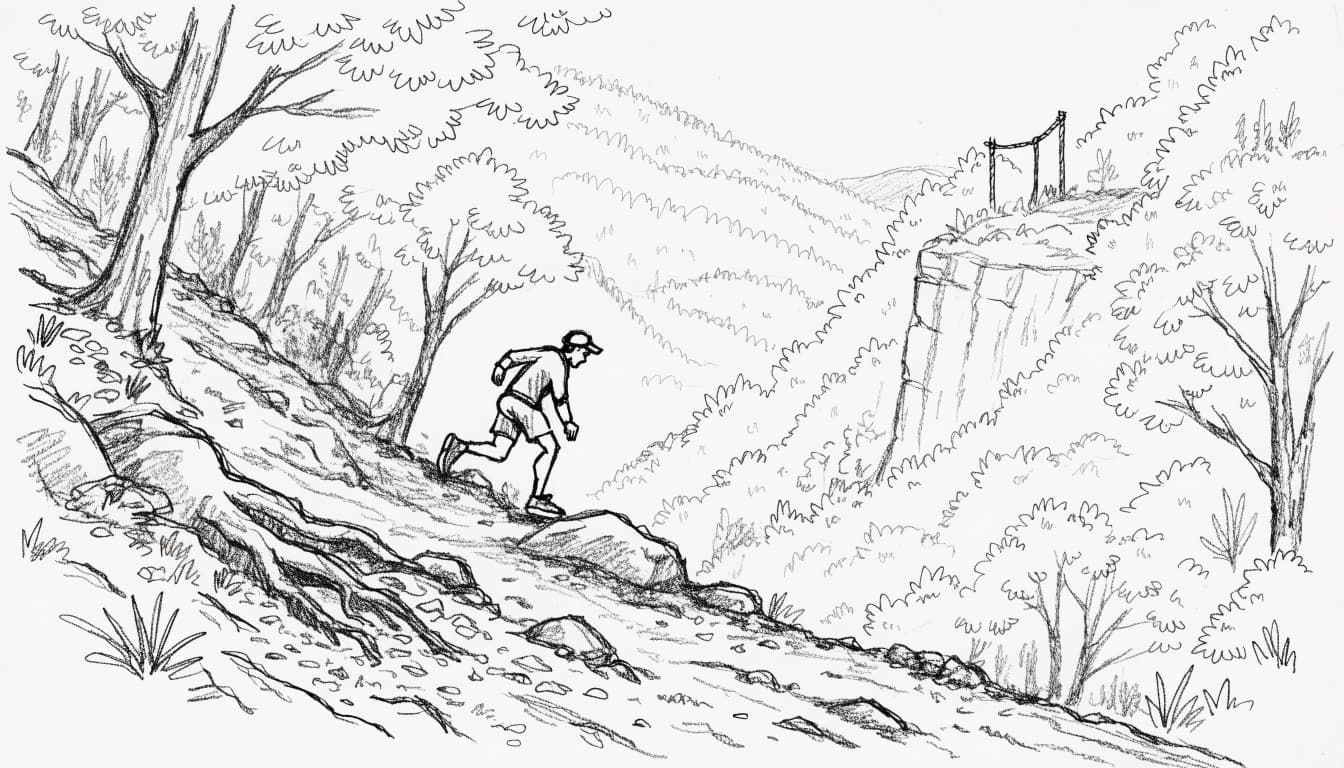
Steep climbs can raise your effort quickly, even when you shorten your stride. On descents, resist the urge to charge downhill: loose stones, roots, and mud can make footing unpredictable and increase the strain on your legs. Fatigue can make careful steps harder to maintain later in the race.
Pace by effort, not your flat-road split. A steep section may call for a slower jog or a brisk hike, and hiking is a smart way to manage effort, not a failure. Save enough energy to run safely when the trail levels out and to approach obstacles with control.
Obstacle Types and the Skills They Test
Spartan events may include carries, climbs, crawls, and grip challenges, but no category or obstacle is guaranteed on a specific West Virginia course. Check the current event information for confirmed details. Spartan’s obstacle overview describes examples and the demands they can place on racers.
Different obstacles draw on different abilities. Carries test strength under fatigue, while climbs and grip obstacles challenge upper-body endurance. Crawls require you to move efficiently close to the ground, and uneven approaches can test balance. Calm problem-solving helps, too: pause long enough to understand the task, then move with control rather than rushing a difficult attempt.
How Weather and Trail Conditions Can Affect the Day
Rain can turn dirt into slick mud, and wet rocks or roots may make both climbs and descents harder to manage. Cold weather can make wet clothing uncomfortable; heat can increase the strain of sustained uphill effort. Conditions may also change during the race, especially on exposed sections.
Check the forecast close to race day, then follow the event’s guidance on required gear and safety. The National Weather Service safety resources offer practical guidance for weather hazards. On course, adjust your pace to the ground beneath you, and leave extra time for slippery or steep sections.
Choose Your Distance, Duration and Goal Time
Make three quick selections and open the exact plan built for your race target.
Looking for a Fully Personalized Training Plan?
The training plans above are an excellent choice if they match your goal. However, if you’d rather train with a plan built specifically around your current fitness, goal race, preferred training days, weekly mileage, and target finish time, our RDA Custom Training Plans provide a personalized solution. We also have running courses available for runners seeking to run faster from the mile to the marathon.
Why Choose a Custom Training Plan?
| Standard Training Plan | RDA Custom Training Plan |
|---|---|
| Follows a fixed schedule | Built around your schedule |
| Standard weekly mileage | Peak mileage customized for you |
| Fixed workout days | Train on the days you choose |
| Same structure for everyone | Designed around your current fitness |
| Static plan | Updated as your fitness improves |
| One-time purchase | Ongoing personalized coaching and support |
What You’ll Receive
- A training plan built specifically for your goal
- Personalized training paces
- Long runs, tempo runs, threshold workouts, interval sessions, recovery runs, and easy runs
- Peak weekly mileage matched to your experience level
- Flexible training schedule that fits your life
- Ongoing plan adjustments as your fitness improves
Ready to Train Smarter?
Stop guessing and start following a plan built specifically for you, your schedule, and your racing goals.
Choose the Right Spartan Race Distance and Division
For Spartan Race West Virginia, choose a format that fits your current fitness and the kind of challenge you want. Mountain terrain can make a shorter race feel demanding, so base your decision on training and experience, not the distance label alone.
Compare Sprint, Super, Beast, and Ultra Formats
Spartan’s common formats increase in distance and endurance demands. The official Spartan race distance guide describes the range, but typical mileage is not a promise of the exact West Virginia course. Terrain, elevation, obstacles, and event offerings can vary.
- Sprint is typically around 5K. It can suit first-time racers and runners who want a shorter introduction to trail obstacles. Still, expect effort beyond a road 5K because climbs and obstacles interrupt your pace.
- Super is commonly around 10K. The added distance calls for a stronger aerobic base and enough strength to handle obstacles after sustained running.
- Beast is often around 21K. Prepare for a longer day on your feet, with endurance training, hill work, and practiced fueling becoming more important.
- Ultra is generally a 50K-class challenge. It requires a substantial endurance base, long-run preparation, fueling practice, and comfort managing fatigue over many hours.
If you’re new to obstacle racing, a Sprint may be a sensible starting point, especially if you have not trained on steep trails. Runners with a consistent endurance base may prefer the Super or Beast. Choose an Ultra only if your training history supports the time and distance involved. The current West Virginia event listing is the source for its actual distances and course details.
Decide Between Open, Competitive, and Team Racing
Division names and availability can differ by event, so check the current listing and rules before registering. Spartan describes competitive race options, while eligibility, age groups, and available heats depend on the event.
An Open heat generally suits participants who want to complete the course at their own pace. It’s a practical choice for first-timers, recreational runners, or anyone who values the experience more than placing. A competitive division is geared toward racers who want to follow specific rules and compare results. That choice may bring expectations around obstacle attempts, penalties, and race conduct, so review the rules before you commit.
Team racing adds a social reason to take on the course. Friends or family can share the build-up and encourage one another through steep sections, though each person should select a distance that matches their own ability. Before registering, confirm whether the event offers a team option, how the group must sign up, and whether everyone needs to choose the same heat or division.
How to Train for a Spartan Race in West Virginia
Prepare for a Spartan Race West Virginia event by building the fitness to keep moving over hills, then adding strength and obstacle practice without crowding out recovery. Adjust the volume to your chosen distance and current running base; a first-time Sprint racer needs less endurance work than someone preparing for a Beast.
Build Endurance for Hills, Trails, and Long Efforts
Start with steady runs at a conversational effort. When trails are available, practice on uneven ground so you can get used to roots, rocks, and changing footing. Add hill repeats that match your experience: beginners can walk briskly uphill or run short, gentle repetitions, while experienced runners may use longer climbs. On steep grades, controlled hiking helps conserve energy for the rest of the course.
Build time on your feet gradually. Extend one run or trail session at a time, and avoid increasing distance, hill intensity, and weekly frequency all at once. If soreness lingers or your usual pace feels unusually hard, hold steady or reduce the load before progressing. For longer race formats, include occasional extended outings, but keep most training manageable.
Train Grip, Carries, and Full-Body Strength
Strength work should support running, not leave you too tired to do it well. Farmer carries with manageable weights build grip and carrying capacity. Add squats, lunges, and core exercises, then progress toward pull-ups with assisted reps, rows, or short hangs from a secure bar. Beginners can use lighter loads, fewer repetitions, or supported variations while learning good form.
Practice smooth, controlled movement rather than chasing heavy weights or maximum repetitions. As fitness improves, increase one element at a time, such as carry distance or resistance. The CDC’s adult activity guidelines recommend muscle-strengthening activity that works all major muscle groups on at least two days a week. Your starting point and recovery needs should shape how you apply that guidance.
Practice Race-Day Pacing and Obstacle Transitions
During some training sessions, alternate an easy run with a brief strength or grip exercise, then return to running at a controlled effort. This helps you practice settling your breathing after an obstacle instead of sprinting each section and paying for it later. Keep your first efforts conservative, especially on climbs, and shorten your stride when the trail gets steep or uneven.
For longer formats, practice taking fluids and familiar fuel during extended workouts. Use products and timing that agree with you, rather than testing something new on race day. After demanding sessions, schedule easier running or rest so your legs and grip can recover. Spartan’s OCR training guide offers examples of grip and functional exercises to adapt to your current ability.
Plan Your West Virginia Spartan Race Trip
A smooth Spartan Race West Virginia weekend starts with checking current event details before booking travel. Dates, venues, schedules, and policies can change, so use the official event information for the year you plan to race.
Check the Date, Venue, Start Time, and Event Rules
Confirm the event date and exact venue address first. Then check your wave time, parking instructions, check-in window, age requirements, and rules for bags and gear. Review the details again before leaving, since registration information and event policies may change.
Use this quick checklist while planning:
- Confirm your race distance, division, and start time.
- Note when check-in opens and what identification or registration details you need.
- Check where racers should park and whether parking requires advance arrangements.
- Review age limits, bag restrictions, and allowed equipment in Spartan’s race FAQs.
Keep a screenshot or saved copy of the event information on your phone. That makes key details easier to find if cell service is limited near the venue.
Budget for Registration, Travel, and Race-Day Extras
Build your trip budget around more than the entry fee. Registration costs can vary by date, division, demand, and registration stage, while transportation and lodging depend on where you’re traveling from and how long you’ll stay.
Include fuel or airfare, a rental car if needed, lodging, meals, and parking. You may also want to set aside money for optional race photos or merchandise. Booking a room close to the confirmed venue can reduce early-morning travel, but compare cancellation terms before committing. If you’re traveling with others, agree on how you’ll split shared expenses before making reservations.
Pack for a Mountain Race Weekend
Pack trail shoes with dependable grip, plus moisture-managing layers suited to the forecast. Bring a full change of clothes, a towel, water for before and after the race, and comfortable footwear for the trip back. A dry bag or spare plastic bags can help keep muddy gear separate from clean items.
Mandatory items and allowed gear depend on the current event rules, so check those before packing. Also review the forecast close to race day and adjust your layers for expected conditions.
If Snowshoe Mountain Resort is the listed venue, account for its mountain setting when planning your drive and lodging. Check Snowshoe Mountain’s directions and travel information for route details and current area updates, then allow enough time to reach check-in and parking without rushing.
Make Race Day Safer, Smoother, and More Enjoyable
A little organization can make Spartan Race West Virginia feel more manageable before the first obstacle. Focus on the choices you control, follow event staff directions, and adjust your effort when your body or the course calls for it.
Arrive Ready for Check-In and Your Start Wave
Allow a generous buffer for parking, walking to the venue area, checking in, changing, and reaching your start corral. The route from the lot may take longer than expected, especially when other racers arrive at the same time. Check your event schedule beforehand and leave room for delays rather than aiming to arrive just before your wave.
Keep your registration confirmation and any required identification easy to access. Once you check in, take a moment to organize your gear and use the restroom, then head toward the start area with time to spare. Listen closely to the pre-race briefing, since staff may share course updates, safety instructions, or rules that affect your heat.
If the schedule changes or you feel unsure where to go, ask an event staff member instead of rushing or following the crowd. Starting calm gives you time to settle into your pace and make thoughtful decisions on course.
Fuel, Hydrate, and Recover After the Finish
Before the race, choose familiar food that has worked for you during training. Avoid experimenting with a new meal or supplement on race morning, and drink fluids sensibly rather than forcing a large amount at once. Your needs depend on the weather, race duration, and personal tolerance.
After the finish, keep moving gently for a few minutes if you feel steady, then get out of wet or muddy clothes and into dry layers. Sip water or another familiar recovery drink, and eat something you tolerate well. A brief walk and easy mobility can help you cool down without adding more strain.
Respect your limits during the race and afterward. Slow down, rest, or stop if you feel unwell; confusion, fainting, severe weakness, or worsening symptoms need prompt medical attention. Review the CDC’s guidance on heat-related illnesses so you know warning signs that call for help.
Frequently Asked Questions
A few practical details can affect your Spartan Race West Virginia plans after you choose a distance and begin training. Confirm the current event information before booking travel or making changes to your registration.
Where Is the Spartan Race in West Virginia Held?
Snowshoe Mountain Resort has hosted Spartan events in West Virginia, but the venue can vary by race year. Check Spartan’s current race listing for the confirmed location before booking lodging or planning your route.
When Does Spartan Race West Virginia Take Place?
Spartan announces event dates by season, and schedules can change. Use the current event calendar to confirm the race date, then check your registration for your specific start wave and arrival instructions.
Do I Need Trail Running Experience to Enter?
Trail experience helps, but it isn’t always required; your preparation and chosen distance matter, too. If you’re new to trail running, practice on varied terrain and build comfort on climbs and uneven ground before race day. Choose a division that fits your current fitness rather than relying on road-running pace alone.
Can I Race With Friends or Family?
You may be able to register for the same format or start wave, depending on event rules and availability. Check the registration options early, since preferred waves can fill. If your group has different fitness levels, agree on a distance and division that each person can complete comfortably.
What Should I Wear for a Spartan Race in West Virginia?
Wear comfortable clothing and trail shoes you’ve already tested on uneven ground. Check the forecast before packing, since mountain weather can change, and follow the event’s rules for required or restricted gear. Avoid debuting new shoes, socks, or layers on race day.
Can I Change My Race or Transfer My Registration?
Change and transfer options depend on Spartan’s current terms, deadlines, and event availability. Review the policy attached to your registration before making plans, and don’t assume you can switch distances, dates, or participants.
Conclusion
A strong Spartan Race West Virginia experience starts with choosing a distance that fits your fitness, preparing for hills and obstacles, and planning the race-day details early. Because dates, venue, course, and rules can change, confirm the information for your race year before you book or train around specific event details.
Pick a goal that feels challenging and manageable, then begin training for the terrain ahead.


