

Spartan Race Vermont: Mud, Mountains, Total Grit
A steep Vermont climb can turn a muddy trail into a test of grit as much as speed. Commonly held at Killington Mountain, Spartan Race Vermont challenges you to manage rugged terrain and obstacles, but the event date, race formats, and course details can change each year.
Choosing the right distance takes more than checking how far you can run on flat roads. You’ll want to prepare for sustained climbs, build the strength to tackle obstacles, and plan your weekend around the latest event details. Start by understanding what the mountain course can demand, then choose a spartan race and training approach that fit your goals. Be sure to check out the RunDreamAchieve YouTube channel for weekly running tips.
Key Takeaways
- Spartan Race Vermont at Killington is a mountain obstacle race, so expect sustained climbing and uneven terrain rather than a flat road-race effort.
- Choose a distance that matches your endurance and obstacle experience. The official Killington race page lists 5K, 21K, 50K, and Kids options.
- Build uphill fitness with hiking and hill repeats, then add strength work for carrying, climbing, and grip-demanding obstacles.
- Pace yourself on steep grades, since pushing too hard early can leave you short on energy for later climbs and obstacles.
- Check the current event schedule, course details, and gear guidance before traveling, because race formats and logistics can change each year.
Spartan Race Vermont: What to Expect at Killington
Killington turns a Spartan race into a mountain effort, where the terrain can shape your pace as much as the obstacles do. Expect sustained climbing, rough footing, and conditions that may change during the day. Exact routes and obstacles vary by event year, so use the current Killington Spartan Race details for the latest course information.
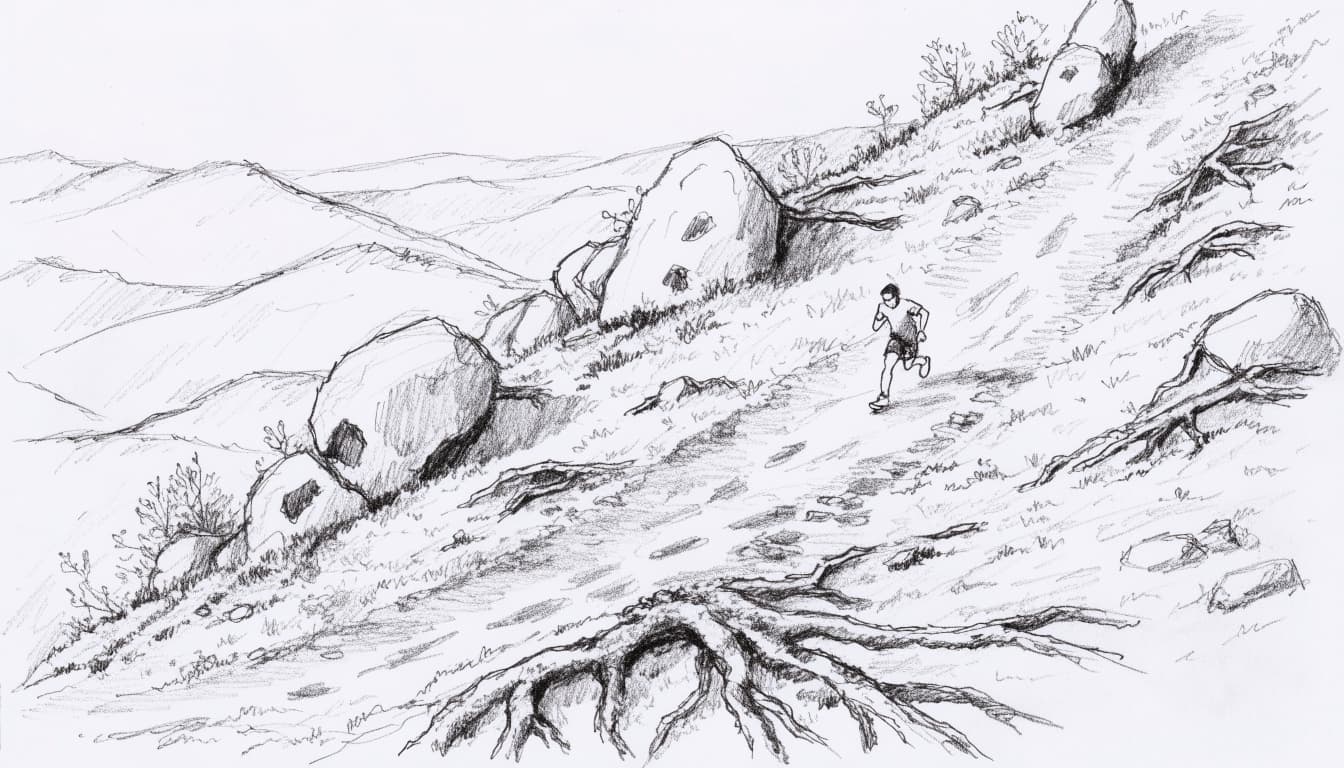
How Killington’s trails change the race
On a flat obstacle course, steady running may carry you between stations. At Killington, steep climbs can turn sections of the course into a hike, even for strong runners. That uphill work raises the effort required to cover each mile and can drain your legs before you reach an obstacle.
The surface adds another demand. Rocks, roots, mud, and uneven trail can shorten your stride and force you to watch every step. Descents may feel faster, but loose or slick ground calls for control, not reckless speed. A hard downhill push can fatigue your quads and affect balance later in the race.
As a result, pace matters less than managing effort. Save enough energy for carries, climbs, and grip-heavy obstacles, especially after a long ascent. If your breathing stays controlled on the hills, you’ll be better positioned to handle technical footing and obstacles without rushing through them.
Weather, scenery, and changing course conditions
The mountain scenery can be striking, but weather adds uncertainty to race day. A cool morning may give way to warmer conditions, while rain or wind can make exposed sections feel harsher. Muddy trails can also become more slippery after showers. No single forecast describes every part of a mountain course, so check the National Weather Service’s Vermont mountain forecasts close to race day.
Dress for conditions that may shift rather than relying on a fixed seasonal expectation. A light layer can help before the start or on a windy stretch, while breathable clothing helps manage warmth during hard climbs. Choose shoes with dependable trail grip, and expect wet or dirty conditions to affect traction.
Flexibility matters, too. If rain slows the course or the ground feels slick, shorten your stride and adjust your pace. Carrying extra layers or gear can add effort, so follow the current event guidance and choose practical essentials. Most importantly, prepare for changing footing and temperature, not a guaranteed weather scenario.
Choose the Spartan Race Vermont distance that fits your goals
The right Spartan Race Vermont distance depends on your current trail fitness, obstacle experience, and the kind of challenge you want. At Killington, even a shorter race can feel demanding because steep climbs and rough footing raise the effort of every mile. Check the current Killington race listing before you register, since formats, distances, obstacle counts, and schedules can change.
Sprint and Super for a first obstacle race
A Sprint is a practical starting point if you want to try obstacle racing without committing to a full day on the mountain. Spartan generally lists Sprint courses at 3 to 5 miles, while Super courses cover roughly 8 to 10 miles. Both still combine running with obstacles that test grip, coordination, and strength. See Spartan’s race format descriptions for how the formats compare.
The shorter option isn’t automatically easy at Killington. A steep ascent can slow your pace and tire your legs before you reach a carry or climbing obstacle. Meanwhile, mud and uneven ground demand attention even when you aren’t running fast. Choose a Sprint if you want a focused introduction or are still building endurance; consider a Super if you already handle longer trail outings and want more time on course.
Choose Your Distance, Duration and Goal Time
Make three quick selections and open the exact plan built for your race target.
Looking for a Fully Personalized Training Plan?
The training plans above are an excellent choice if they match your goal. However, if you’d rather train with a plan built specifically around your current fitness, goal race, preferred training days, weekly mileage, and target finish time, our RDA Custom Training Plans provide a personalized solution. We also have running courses available for runners seeking to run faster from the mile to the marathon.
Why Choose a Custom Training Plan?
| Standard Training Plan | RDA Custom Training Plan |
|---|---|
| Follows a fixed schedule | Built around your schedule |
| Standard weekly mileage | Peak mileage customized for you |
| Fixed workout days | Train on the days you choose |
| Same structure for everyone | Designed around your current fitness |
| Static plan | Updated as your fitness improves |
| One-time purchase | Ongoing personalized coaching and support |
What You’ll Receive
- A training plan built specifically for your goal
- Personalized training paces
- Long runs, tempo runs, threshold workouts, interval sessions, recovery runs, and easy runs
- Peak weekly mileage matched to your experience level
- Flexible training schedule that fits your life
- Ongoing plan adjustments as your fitness improves
Ready to Train Smarter?
Stop guessing and start following a plan built specifically for you, your schedule, and your racing goals.
Beast and Ultra for a bigger endurance test
A Beast or Ultra asks you to manage far more than distance. Longer time on your feet means more sustained climbing, greater energy needs, and repeated obstacles when your grip and legs are already tired. Spartan’s formats commonly place the Beast around 21K and the Ultra at 50K or more, but the exact course and event offerings can vary.
Training history matters more than ambition when choosing between them. If your longest efforts have been short runs, jumping straight to an Ultra leaves little room to adapt to hours of climbing, fueling, and fatigue.
Build toward longer trail sessions first, and practice eating and drinking during them. A Beast may fit runners with a solid endurance base who are ready for a substantial mountain day; an Ultra is better suited to athletes who have trained for prolonged efforts and know how their bodies respond to fueling.
Before committing, compare the current event details with your recent training. Spartan’s FAQ outlines the typical Sprint and Super distance ranges, but Killington’s listing is the place to confirm which races are available for your chosen weekend.
Train for the climbs, obstacles, and long hours on your feet
Prepare for Spartan Race Vermont with training that matches the course’s demands: sustained uphill work, uneven trails, obstacle strength, and time on your feet. Build these skills gradually, then adjust your longest sessions and recovery needs to the distance you choose.
Build hill strength and trail-running confidence
Start with steady uphill hikes or runs at a controlled effort. As your fitness improves, add short hill repeats, such as several uphill efforts of one to three minutes, with an easy walk or jog back down. Increase the number or duration of repeats over time, rather than adding more hard work all at once.
Trail runs help you get comfortable with roots, rocks, mud, and changing footing. On descents, shorten your stride and stay controlled instead of braking hard or charging downhill. This helps you practice balance while limiting unnecessary pounding on your legs.
Because mountain pace differs from road pace, judge effort by breathing and how well you can keep moving, not by your usual mile splits. A steep section may call for hiking, even if you run comfortably on flat ground. Practice switching between running and hiking so the choice feels natural on race day.
Practice the strength skills Spartan obstacles demand
Obstacle work should support your running, not leave you too sore to train consistently. Use simple exercises that build grip, pulling, pushing, carrying, and trunk strength. Dead hangs can develop grip endurance, while rows and push-ups train common pulling and pushing patterns. Farmer carries with manageable weights help prepare your hands and shoulders for loaded carries.
Add crawling drills and core exercises, such as planks or controlled dead bugs, to practice staying stable while your limbs work. Begin with sets you can complete with good form, then gradually add time, repetitions, or load. If your grip fails or your posture breaks down, stop the set and recover before trying again.
Safe technique matters more than copying an obstacle under fatigue. Use a secure bar for hangs, keep carries light enough to walk upright, and choose a clear, stable surface for crawling. If an exercise causes sharp pain, stop and reassess rather than pushing through it.
Plan recovery, fueling, and race-specific long sessions
Build long efforts in small steps. Extend a weekly trail run or hike gradually, and include some sessions that combine climbing with time on uneven ground. The right duration depends on your chosen race: a shorter event needs less long-session volume than a Beast or Ultra. Keep easy days easy, and schedule rest or lighter training after demanding sessions.
Use longer outings to test familiar foods and fluids you can tolerate while moving. Practice taking them at regular intervals, especially when sessions last several hours, and note what works in cool or warm conditions. The ACSM’s sports nutrition guidance stresses starting exercise well hydrated and replacing fluid during and after activity to balance losses.
Avoid trying new foods, supplements, or hydration strategies on race day. If you have a medical condition, take medication that affects exercise, or have concerns about fueling or fluids, ask a qualified health professional for individualized guidance.
Plan your Killington race weekend before you arrive
A well-planned Spartan Race Vermont weekend leaves more energy for the mountain and less stress at check-in. Confirm event logistics early, then organize travel, lodging, race gear, and recovery around the distance you choose.
Registration, race waves, and what to check first
Start with the current Killington Spartan Race details. Confirm the event date, your selected distance, and your assigned start wave. Registration costs, race formats, and policies can vary, so rely on the latest event information rather than details from a past year.
Before traveling, review check-in requirements and any age or waiver rules that apply to your race. Check the current parking instructions and spectator access, too. These details can affect when you leave, where your group meets, and whether friends or family can watch from designated areas.
Save the event information somewhere easy to reach, and note your start time along with any required check-in steps. If you’re racing with others, make sure everyone has their own registration and understands the plan. A few minutes of checking now can prevent a rushed morning or a missed requirement.
Where to stay and how to get ready for race morning
Book lodging around the Killington area early, especially if you want to stay close to the event. Once you know your start wave, estimate the drive and leave extra time for mountain roads, parking, and event traffic. A short distance on the map can still take longer than expected on a busy race morning.
The night before, set out your clothing and pack your gear so you aren’t searching for essentials before sunrise. Prepare breakfast and race-day snacks, fill your water bottles, and check the forecast. Keep your registration details and any required items together, then set an alarm that allows time for travel, parking, and check-in.
After the race, plan for a slower return to your routine. Bring a towel, dry clothes, and water for the trip back, and give yourself time to cool down before driving. A simple meal and relaxed walk can help you settle after hours on steep, uneven terrain.
Pack gear that handles mud, hills, and a long day
Killington’s trails can be muddy and rocky, so choose trail shoes with dependable grip and a secure fit. Wear moisture-managing clothes that allow you to move freely. Pack a spare dry layer, water, familiar snacks, sunscreen, and a complete change of clothes for after the finish.
Required gear depends on the race format and current event rules. Check the latest instructions before packing, particularly for a longer distance that may call for additional supplies. Avoid bringing equipment you haven’t tested, since unfamiliar shoes or clothing can cause discomfort over hours of climbing. A tidy gear check the evening before helps you start the day prepared and finish with dry clothes waiting.
Race smart when the mountain starts to wear you down
At Killington, your effort can rise quickly when the trail steepens, footing gets slick, or fatigue sets in. Keep your pace flexible, take care of the basics, and save enough strength for the obstacles still ahead.
Pace the climbs and protect your energy
The early hills can tempt you to chase faster runners, but a hard push now may leave your legs heavy later. Settle into an effort you can sustain, and switch to a purposeful hike when running makes your breathing ragged. On steep grades, short walk breaks can help you recover without stopping completely.
Keep moving at a pace that lets you regain control of your breathing. Once the slope eases, return to an easy jog rather than sprinting to make up time. This steady approach helps preserve energy for later climbs, carries, and grip-heavy obstacles.
Use the same judgment on descents. Shorten your stride on loose or muddy ground, and avoid charging downhill just to gain a few seconds. Controlled steps can spare your legs and reduce the chance of a slip.
Keep moving through obstacles and missed attempts
Arrive at each obstacle with enough composure to assess the safest way through it. Follow the posted instructions, use stable footholds, and avoid rushing into a grip or climb when your hands are wet or tired. If your first attempt fails, pause, reset your grip or approach, and try again when the event rules allow it.
Penalty procedures and retry rules can vary by obstacle and race format, so follow the instructions at the station and the current event guidance. A missed attempt can cost time, but dwelling on it costs attention too. Complete any required penalty, then return to your race plan.
Manage fluids, clothing, and your mindset
Take small, regular drinks at aid stations or from your own supply, especially during a long race or warm conditions. Don’t wait until you’re parched to think about fluids. The American College of Sports Medicine’s fluid-replacement guidance explains how hydration supports physical activity; your needs still depend on conditions, effort, and individual sweat losses.
Wear familiar clothing that lets you move freely and won’t chafe when wet. If the weather turns cooler or windy, use the layers you planned rather than letting discomfort distract you. When fatigue builds, focus on the next climb or obstacle instead of the entire course. A calm, practical decision at each stage can help you finish Spartan Race Vermont with energy to spare.
Frequently Asked Questions
Race-day questions often come down to logistics and expectations that can affect your plans. Since Spartan Race Vermont details may change by year, use the current event listing to confirm arrangements before traveling.
How long should I expect to be on the course?
Your finish time depends on the distance, trail conditions, climbing pace, and time spent at obstacles. At Killington, steep grades can slow even experienced runners, so road-race pace estimates may not apply. Build your schedule around a generous finish window, especially if you have travel or plans after the race.
Does every distance use the same course?
No. Each race format can have a different route, distance, and obstacle mix, and organizers may update course details between events. Check the current Killington race listing for the format you registered for, then review any event updates as race weekend approaches.
Can I change my distance after registering?
A distance change may depend on the event’s registration terms, availability, and timing. Before making travel plans around a different race, review the current listing and your registration account for the applicable process and any fees. Don’t assume a spot in another format will be available on race day.
Can friends and family watch the race?
Spectator access, viewing areas, and parking arrangements can vary by event. Check the current event information before inviting guests, and share the approved access details with them ahead of time. Mountain courses may limit where spectators can safely reach, so agree on a meeting point rather than expecting to follow you along the route.
What should I do if the weather changes before the start?
Check the event’s official updates and local forecast on race morning, then follow any instructions from race staff. Rain, wind, or temperature shifts can affect clothing choices and trail footing, but event-specific guidance takes priority. Keep a dry layer and post-race clothes available, and avoid adding unfamiliar gear at the last minute.
Where can I learn what Spartan obstacles involve?
Spartan’s obstacle overview describes common challenges, but it shouldn’t be treated as a guaranteed list for Killington. The obstacles on your course can depend on the distance and event year. Review the latest race information, then practice broad skills such as grip, carries, crawling, and controlled climbing.
Conclusion
Spartan Race Vermont rewards preparation as much as determination. Choose a distance that fits your experience, train for steep climbs and rugged trails, and plan the details early so race day feels more manageable.
Whether you’re lining up for your first Sprint or taking on a longer challenge, focus on steady progress rather than someone else’s pace. Smart preparation can make the miles more rewarding, and every climb you handle well is proof of how far you’ve come.


