

Spartan Race New Jersey: Mud, Grit, Garden State Glory
Wooded trails, steep climbs, muddy sections, and obstacles that demand more than running speed shape the challenge of a Spartan Race in New Jersey. The course can test your pacing and strength as much as your endurance, so choosing the right distance and arriving prepared can make race day more rewarding.
This spartan races guide will help you compare race options, plan training for hills and obstacles, and prepare for the practical details of race day. Venues, event offerings, and course conditions can change from year to year, so check the listing for your specific event as you plan. Be sure to check out the RunDreamAchieve YouTube channel for weekly running tips.
Key Takeaways
- A Spartan Race in New Jersey tests trail endurance, strength, grip, and obstacle skills, so prepare for more than steady road running.
- Choose a distance that fits your current fitness and training time; Spartan’s official race distance guide compares event formats.
- Build fitness on hills and uneven trails, then add carries, crawling, climbing, and grip work to prepare for common race demands.
- Practice pacing on tired legs, since obstacles and elevation can slow you more than the mileage alone suggests.
- Before race day, review your event details, confirm your gear and arrival plan, and save energy for the full course.
What to Expect at Spartan Race New Jersey
A Spartan Race in New Jersey can feel very different from a road race, even before you reach the obstacles. The venue, elevation, trail surface, and weather all shape the effort, so plan around the details for your specific event.
Where New Jersey Spartan races take place
Mountain Creek Resort in Vernon has hosted Spartan races in New Jersey. Its ski-area setting offers long slopes and forested terrain, so a course there may include sustained climbs, descents, and uneven trails. Those features can make even a shorter distance feel demanding when you’re already working through obstacles.
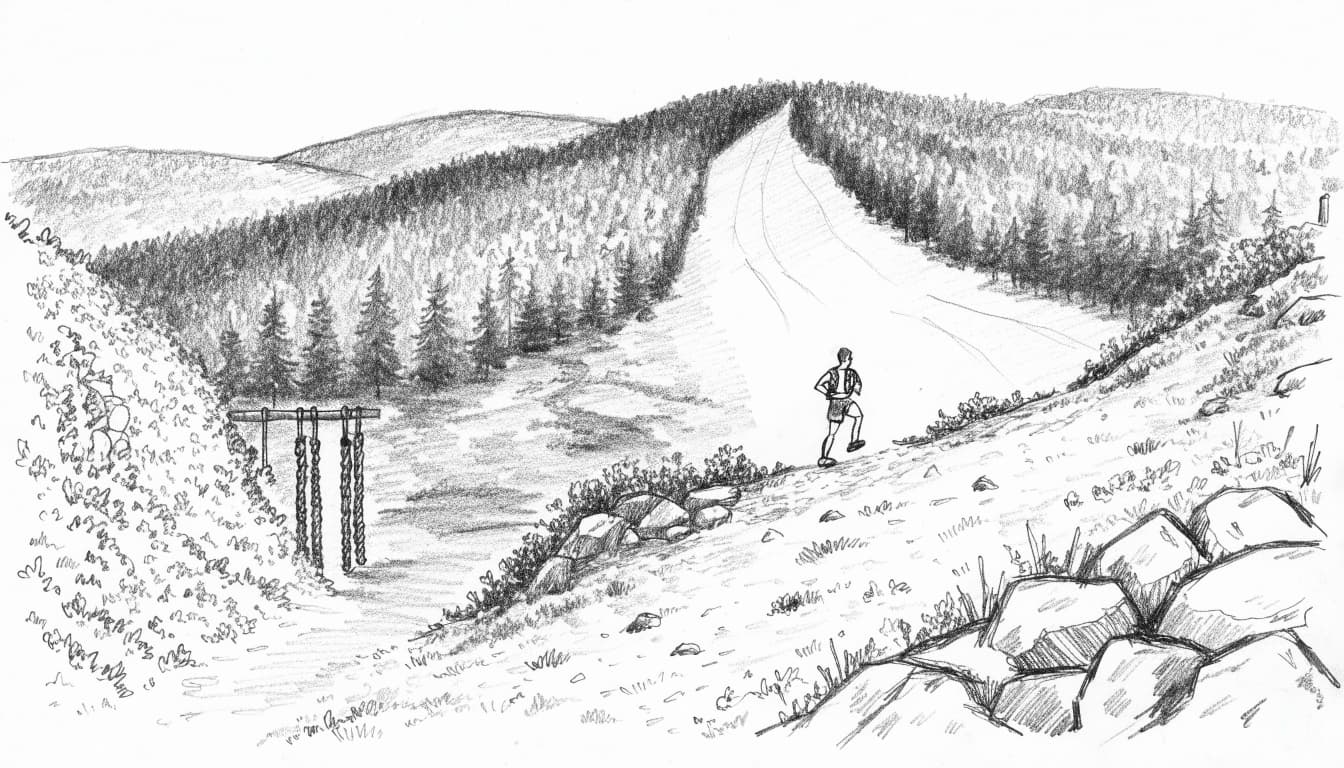
Venues and course layouts can change between event years. For example, Spartan’s New Jersey event listing names Mountain Creek Resort, but always use the location shown for your own race when arranging transportation and lodging. Check the event page again closer to race day for current venue details, parking information, and schedule updates.
How the hills, trails, and weather shape the course
Expect your pace to change as the ground shifts beneath you. A climb can raise your effort quickly, while loose dirt, rocks, roots, or mud may call for shorter steps and more careful footing. Descents can also tax your legs, especially after a long uphill section or a heavy carry.
Weather adds another variable. Rain can turn trails slick and make muddy sections slower to cross; warm conditions can increase fatigue, while cold or wet weather can make waiting at obstacles uncomfortable. Conditions differ by season and event, so a course may feel firm and dry one year, then soft or muddy the next. No single obstacle or terrain feature is guaranteed at every race.
Prepare for changing ground rather than expecting a steady road-running rhythm. Include hill work and trail runs in training, and practice adjusting your effort when footing gets rough. On race day, conserve energy on steep climbs, watch your footing on descents, and follow the event’s guidance for hydration and gear. A steady pace will help you handle the course even when the terrain slows you down.
Choose the Right Spartan Race Distance and Format
The right Spartan Race New Jersey format depends on your current fitness, obstacle-race experience, and how much training time you can commit. Distances, obstacle counts, and available formats vary by event, so use the listing for your race as the final guide.
Sprint, Super, Beast, and Ultra distances
The Sprint is the shortest adult format, usually about 5K. It can suit first-time racers who want a demanding day on the trails without committing to a long-distance course. The Super typically covers about 10K, while the Beast is around 21K. Both require more sustained endurance, especially when hills, mud, and obstacles interrupt your running pace.
At roughly 50K or longer, the Ultra is a major endurance commitment. It calls for extensive preparation, not just the ability to run the distance. Spartan’s race distance FAQ outlines the usual formats, but course lengths and obstacle counts can change. Check your New Jersey event listing before choosing.
Choose the shortest distance that still feels like a meaningful challenge. If you already run trails and train strength regularly, a longer format may fit. Otherwise, start with a Sprint and build experience before taking on more miles.
Open heats, competitive starts, and team entries
Open heats offer a recreational race experience. You can set your own pace, take time at obstacles, and often run alongside friends. Competitive starts are intended for racers who want to race for placement and follow stricter rules around obstacles and penalties. Exact expectations can vary, so review the rules for your specific event before selecting a start.
Racing with friends can make the day more social and help you stay motivated through tough sections. However, team and start-wave options differ by event, and group members may need to register for the same wave to start together. Check the registration choices before you pay.
Spartan Kids races and first-time options
Spartan Kids races introduce young runners to obstacle racing through shorter courses with age-appropriate challenges. Spartan lists Kids races for ages 4 to 14, with distances and course difficulty varying by age group and event. See the Spartan Kids race details for general information.
For families, review age requirements, course details, and registration options before signing up. Adults trying their first obstacle race can also begin with a Sprint or a recreational open heat. That gives you a chance to learn how the obstacles affect your pace before committing to a longer course.
Choose Your Distance, Duration and Goal Time
Make three quick selections and open the exact plan built for your race target.
Looking for a Fully Personalized Training Plan?
The training plans above are an excellent choice if they match your goal. However, if you’d rather train with a plan built specifically around your current fitness, goal race, preferred training days, weekly mileage, and target finish time, our RDA Custom Training Plans provide a personalized solution. We also have running courses available for runners seeking to run faster from the mile to the marathon.
Why Choose a Custom Training Plan?
| Standard Training Plan | RDA Custom Training Plan |
|---|---|
| Follows a fixed schedule | Built around your schedule |
| Standard weekly mileage | Peak mileage customized for you |
| Fixed workout days | Train on the days you choose |
| Same structure for everyone | Designed around your current fitness |
| Static plan | Updated as your fitness improves |
| One-time purchase | Ongoing personalized coaching and support |
What You’ll Receive
- A training plan built specifically for your goal
- Personalized training paces
- Long runs, tempo runs, threshold workouts, interval sessions, recovery runs, and easy runs
- Peak weekly mileage matched to your experience level
- Flexible training schedule that fits your life
- Ongoing plan adjustments as your fitness improves
Ready to Train Smarter?
Stop guessing and start following a plan built specifically for you, your schedule, and your racing goals.
Make a Smart Race-Day Plan from Check-In to the Finish
A smooth Spartan Race New Jersey race day starts before the first obstacle. Build in time for parking, check-in, and the walk to your start area, then follow the event’s current instructions. A little planning helps you focus on the course instead of rushing through the morning.
Check-in, start waves, and timing
Leave extra time for traffic, parking, and lines at check-in. Once you collect your race materials, you may still need to walk to the start area, so arriving just before your wave can add needless stress. Check your event instructions for the required identification, arrival window, start-wave details, and how timing works. Keep any required race materials accessible, and confirm that your timing device is secured as directed.
Before heading to the venue, check for schedule or parking updates. Then note your wave time and allow enough room to warm up without losing track of when your group starts. If you’re racing with friends, make sure you’ve registered for compatible waves rather than assuming you can enter the same start together.
Obstacles, missed attempts, and penalties
Expect a mix of physical demands, such as carries, climbs, crawls, and grip challenges. Each obstacle may have its own completion rule, and failing an attempt can trigger a penalty. The penalty may involve a required exercise or a designated loop, depending on the event and race format. Spartan’s doubles format and penalty guidance illustrates why racers should read the rules for their specific event instead of relying on assumptions.
Pay attention to instructions at each obstacle and ask staff if a rule isn’t clear. Competitive heats may enforce obstacle standards differently from recreational starts, so learn the current rules before race day. After the final obstacle, follow the finish-area directions for timing confirmation and any post-race procedures.
Pacing through a course that keeps changing
A hard sprint in the opening miles can leave you short on strength when the terrain gets steep or an obstacle demands a firm grip. Start at an effort you can sustain, then adjust as the course changes. On steep climbs, walking is often a sensible way to keep your breathing controlled and save energy for technical sections.
Mud, heat, and uneven trails can slow your pace, so judge effort by how you feel rather than by road-running splits. Shorten your stride when footing gets slippery, and ease up if conditions raise the strain. Keep moving steadily, take the obstacle penalties seriously, and finish with enough control to reach the final stretch safely.
Understand Registration Costs, Travel, and Event Logistics
A smooth Spartan Race New Jersey weekend starts with more than choosing a distance. Check the event’s current details before booking travel or inviting spectators, since prices, services, and venue rules can vary.
What registration may cost and what fees to expect
Ticket prices can change based on race type, demand, registration timing, and add-ons. An early purchase may cost less than a last-minute one, but the total can also include taxes or processing charges. Parking and spectator access may be separate, so don’t assume the ticket covers every race-day expense.
Before paying, review the checkout summary for your chosen event. Confirm the race format, start wave, included items, and any optional upgrades. Spartan’s race finder lists events and ticket options, but the final checkout details are the best guide to your total.
Getting to the venue and planning an overnight stay
Once you know the venue, check the drive time for your planned arrival window. Traffic, rural roads, and event-day arrival instructions can affect how early you need to leave. Read the parking guidance closely, including where to enter and whether parking requires a separate purchase. If you’re relying on public transit or a shuttle, confirm that the service is available for your specific event.
If the drive is long or your start wave is early, look for lodging nearby well in advance. Room availability and travel options differ by venue, and nearby hotels may fill quickly during busy event weekends. Check the cancellation terms before booking in case the schedule or your plans change.
Spectators, race photos, and what to do after finishing
Spectator access, viewing areas, and race-photo options depend on the event. Check the event page before family or friends make the trip, and confirm whether they need a pass or must follow specific venue rules. Spartan’s pass information notes that pass benefits can have limits, including parking exclusions, so read the terms before relying on a bundle.
After the finish, change out of wet or muddy clothes and have dry layers ready in your bag or vehicle. Eat a familiar snack or meal, drink fluids, and give yourself time to cool down before heading home. A towel, clean socks, and a simple recovery snack can make the trip back much more comfortable.
Train for New Jersey Hills, Trails, and Obstacles
A Spartan Race in New Jersey asks you to keep moving when the surface changes and your legs are already tired. Build endurance first, then add terrain practice and obstacle-focused strength in manageable steps. Your training should fit your chosen race distance, current fitness, and recovery needs.
Build a running base before adding hard efforts
Start with easy runs at a pace that lets you speak in full sentences. Aim for consistency before speed, and increase your weekly running time or distance gradually rather than making a large jump. If you’re new to running, begin with run-walk sessions and add running intervals as they become comfortable.
Once easy running feels routine, add one demanding session at a time, such as a short hill workout or a steady tempo effort. Runners preparing for a Sprint may need less weekly volume than those targeting a Beast or Ultra. Experienced runners can keep their usual endurance work, but should adapt some sessions to trails and obstacle fatigue.
Leave room for rest days or easy recovery movement. The CDC’s adult activity guidelines recommend aerobic activity and muscle strengthening, but your race plan should reflect your starting point and training history.
Practice hills, trails, and uneven footing
Use a moderate hill for repeats once you have a running base. Run uphill at a controlled effort, recover by walking or jogging downhill, and stop before your form breaks down. On trails, focus on short, deliberate steps and scanning the ground ahead. Practice descents at an easy pace so your legs learn to manage slopes without pounding or rushing.
Choose safe routes with stable footing, and increase technical difficulty gradually. Confidence on roots, rocks, and loose ground comes from controlled exposure, not from sprinting through unfamiliar terrain.
Add strength, grip, carries, and core work
Strength sessions help you handle obstacles without turning every workout into an all-out effort. Start with body-weight squats, lunges, step-ups, push-ups, and planks. Add farmer carries with manageable weights, then progress the load or distance only when you can maintain good form.
Grip work can include dead hangs, towel hangs, or controlled carries. Keep the effort brief at first, especially if grip training is new. Obstacle skills also improve through practice, so use a safe facility or supervised session when available. Aim for steady progress, not a single exhausting workout that disrupts your running.
Taper, recover, and arrive ready to race
In the final stretch before race day, reduce your overall training load so fatigue can fade. Keep light runs and familiar mobility work in your routine, but shorten sessions and skip hard efforts close to the event. The exact taper depends on your race distance and how your training has gone.
Prioritize sleep, drink fluids regularly, and stick with familiar meals and gear. Avoid testing new shoes, workouts, or obstacle techniques at the last minute. Arrive rested enough to handle the climbs, trails, and obstacles with control.
Pack the Right Gear for a Muddy, Hilly Race
A comfortable race kit helps you focus on footing, climbs, and obstacles instead of wet clothes or slipping shoes. For a Spartan Race in New Jersey, choose gear for the forecast and course conditions, then stick with items you’ve already tested in training.
Choose shoes and clothing that handle trail conditions
Wear trail shoes that fit securely, with reliable traction on wet dirt and uneven ground. A snug heel and secure lacing can help limit sliding inside the shoe, while aggressive tread can improve grip on muddy sections. Avoid shoes that feel tight or cause rubbing, especially if your feet swell during longer runs.
Choose comfortable, moisture-managing clothes that allow you to move freely. Cotton can hold water, feel heavy, and stay damp after rain or water obstacles. Instead, wear familiar synthetic or wool layers that dry more quickly. Check the forecast and bring a light layer if cool or wet weather is possible. In warmer conditions, choose breathable clothing and avoid overdressing.
Most importantly, test your shoes, socks, and outfit on training runs before race day. Try them on hills and trails, not only on pavement. If a seam rubs or a shoe slips during practice, it will likely bother you more over a full course. Prioritize well-tested gear over buying specialized equipment you haven’t worn.
Bring race-day essentials and leave valuables behind
Pack for both the course and the hours afterward. A small bag with practical basics can make the trip home much more comfortable:
- Bring a full change of clothes, including dry socks and shoes.
- Pack a towel and a bag that can contain muddy gear.
- Carry water and familiar snacks for before or after your race.
- Add a weather-appropriate layer for waiting or cooling down after the finish.
Hydration needs depend on your distance, conditions, and event guidance. Spartan’s race-day checklist discusses on-person hydration for longer races. Before packing a hydration vest, phone, or other personal item, check the rules for your specific event and race format. Don’t assume every item is allowed or practical on every course.
Keep valuables at home or secured safely, since mud and crowded staging areas can make them easy to lose or damage. A simple kit you know works is a better choice than extra gear you’ll have to manage on the trail.
Frequently Asked Questions
A few details can affect your plans after you’ve chosen a distance, especially event dates, registration rules, and start times. Check the instructions for your specific Spartan Race New Jersey event before making travel plans or finalizing your entry.
When is the next Spartan Race in New Jersey?
New Jersey race dates and venues vary by season and year, and event calendars can change. Check the current New Jersey Spartan event listing for the race you plan to enter, then confirm the date and location again as race day approaches.
How old do you have to be to enter a Spartan race?
Age requirements depend on the event and race format, with separate rules often applying to adult races and Kids races. Before registering, read the age terms for your chosen event and confirm that the participant meets its requirements.
Can I change my race date or transfer my entry?
Change, transfer, and cancellation options depend on the event’s current terms and deadlines. Review the Spartan terms and conditions before purchasing, since options may be limited or unavailable once a deadline passes.
What happens if I arrive after my assigned start time?
Event staff decide how to handle late arrivals, and their options can depend on capacity and race rules. If a delay seems likely, contact the event team through the support channel listed in your race information before race day.
Do I need obstacle-racing experience before I sign up?
You don’t always need prior obstacle-race experience, but choose a distance that matches your current fitness and preparation time. Beginners can build running fitness, practice basic strength, and start with a format that feels manageable.
Conclusion
A Spartan Race in New Jersey rewards steady preparation. Choose a distance that fits your fitness, train for hills and obstacles, and review the rules and conditions for your specific event before race day.
Set a clear goal, then build toward it one step at a time. With a suitable plan and realistic expectations, you can enjoy the challenge and reach the finish with confidence.


