

Spartan Race Montana: Conquer Epic Obstacles
Montana’s rugged mountains, open terrain, and wide-ranging views can make a Spartan race feel as demanding as it is rewarding. Spartan events may include formats such as the Sprint, Super, Beast, or Kids race, but the lineup depends on the season and the confirmed venue.
For the latest Spartan Race Montana dates, locations, distances, and event details, check Spartan’s current event calendar before making plans. Course conditions can vary with terrain, elevation, and weather, so choosing a suitable distance is only part of your preparation. You’ll also want to plan travel, review race-day logistics, and train for both running and obstacles.
The sections ahead will help you compare race options, prepare for Montana’s potential course challenges, and build a steady training plan for your Spartan races. Be sure to check out the RunDreamAchieve YouTube channel for weekly running tips.
Key Takeaways
- Spartan Race Montana events may offer different race formats and distances by season, so check Spartan’s race calendar before booking travel.
- Choose a distance that matches your current running base and obstacle experience, then build toward longer or more demanding events gradually.
- Montana terrain and weather can vary by venue and date, so prepare for uneven trails, elevation changes, and shifting conditions.
- Balance trail running with strength work and obstacle practice, especially grip, carries, crawling, and efficient movement over rough ground.
- Before race day, review event logistics and course details, then arrive prepared to pace yourself across both the running sections and obstacles.
Spartan Race Montana: What to Expect and Where to Find Events
Spartan events in Montana depend on the current season’s schedule, so don’t assume the state will host a race every year or that a past venue will return. Before booking travel or choosing a distance, confirm the event listing and plan for the course and conditions at that specific location.
How to check the Montana race calendar and event details
Start with Spartan’s official race calendar, then look for a Montana listing in the season you plan to race. The calendar can change, and details from an earlier event are not a promise about the next one. A venue, race lineup, or schedule may differ, and an event may not appear in Montana every year.
Once you find a listing, confirm the date, venue, and race formats offered. Spartan may offer different combinations of adult distances and Kids races at different events. Check the individual listing rather than assuming every format will be available.
Review the practical details before you commit. Confirm your start time and wave, age rules for the format you want, parking arrangements, and any posted course or spectator information. These details can affect travel timing, who can participate, and where friends or family can watch. Recheck the event page closer to race day in case organizers update instructions. If you’re comparing travel options, use the current venue address, not a location mentioned in a recap or an older race guide.
How Montana terrain can shape race day
Montana’s mountains and open country can make for striking race scenery, but the course itself determines what you’ll face. One venue may include sustained climbs or uneven trail; another could have more open, exposed ground. Mud, loose footing, and weather shifts are possibilities, not guarantees for every Spartan Race Montana event.
Look for course information in the official event listing and any race-week updates. Hills can change your pace and demand more effort, while rocks, ruts, or mud can make foot placement more important. Exposed sections may offer little shelter from sun or wind. Conditions also depend on the venue and date, so prepare for the forecast rather than relying on a description of a previous course.
Elevation deserves attention, too. If you usually train closer to sea level, running at a higher-elevation venue may feel more demanding than the same pace at home. Give yourself room to adjust your effort, especially early in the race, and avoid treating your usual flat-ground pace as a fixed target. For local climate and elevation context, consult the Montana Climate Office, then use the event’s current course details to guide your race-day plans.
Choose the Spartan Race Distance That Matches Your Goals
The right Spartan Race Montana distance depends on more than how far you can run. Consider your current fitness, comfort on trails, time available to train, and willingness to tackle obstacles when tired. The best choice is a format you can prepare for consistently, not simply the longest one on the schedule.
Sprint, Super, and Beast: compare the standard race formats
Spartan’s commonly advertised adult formats step up in both distance and obstacle count. The Sprint is about 5K with 20 obstacles, the Super is about 10K with 25, and the Beast is about 21K with 30. These figures are standard format guides, not a promise that every course will match them exactly. Check the official Spartan race format descriptions and the current event listing for details.
A Sprint can suit a first-timer who has a steady fitness base and wants to learn how running and obstacles fit together. However, a shorter race still demands grip, balance, and strength, especially when obstacles interrupt your running rhythm. If you have regular trail experience and can train across longer runs, the Super offers more time on course. The Beast calls for a stronger endurance base and more preparation for sustained effort over uneven ground.
Montana’s venue and course conditions matter, too. A hilly or technical route can feel harder than a similar distance on familiar, flat paths. Choose a format based on the training you can complete before race day, then build your running and obstacle skills gradually. The event may not offer every format, so compare the options on its current listing before you commit.
Choose Your Distance, Duration and Goal Time
Make three quick selections and open the exact plan built for your race target.
Looking for a Fully Personalized Training Plan?
The training plans above are an excellent choice if they match your goal. However, if you’d rather train with a plan built specifically around your current fitness, goal race, preferred training days, weekly mileage, and target finish time, our RDA Custom Training Plans provide a personalized solution. We also have running courses available for runners seeking to run faster from the mile to the marathon.
Why Choose a Custom Training Plan?
| Standard Training Plan | RDA Custom Training Plan |
|---|---|
| Follows a fixed schedule | Built around your schedule |
| Standard weekly mileage | Peak mileage customized for you |
| Fixed workout days | Train on the days you choose |
| Same structure for everyone | Designed around your current fitness |
| Static plan | Updated as your fitness improves |
| One-time purchase | Ongoing personalized coaching and support |
What You’ll Receive
- A training plan built specifically for your goal
- Personalized training paces
- Long runs, tempo runs, threshold workouts, interval sessions, recovery runs, and easy runs
- Peak weekly mileage matched to your experience level
- Flexible training schedule that fits your life
- Ongoing plan adjustments as your fitness improves
Ready to Train Smarter?
Stop guessing and start following a plan built specifically for you, your schedule, and your racing goals.
Is an Ultra, Kids race, or team entry right for you?
An Ultra is intended for racers ready for a much longer, more demanding day than the standard formats. Consider it only if you already have substantial endurance experience and enough time to prepare for extended running and repeated obstacles. If your training schedule is already tight, a shorter distance is a more realistic starting point.
Kids races give younger participants a chance to take on age-appropriate obstacles and a shorter course. Families should check the event listing for age limits, available formats, and participation rules, since these can differ by location and event.
Racing with friends can make the day more social, and teammates can encourage each other through difficult sections. Still, a team entry doesn’t reduce the course demands, so choose a distance everyone can prepare for safely. For first-timers, the best goal is a race that matches current fitness, trail experience, and available training time. You can always build toward a longer format later.
Know the Obstacles and Course Challenges Before You Race
A Spartan Race Montana course combines running with obstacles that interrupt your rhythm and test different skills. The exact layout depends on the venue and year, so prepare for common obstacle types without assuming every one will appear at your event. Check the current race details as race day approaches.
Expect carries, climbs, crawls, and grip tests
Obstacle stations challenge more than raw strength. Weighted carries demand steady legs and a braced core, while walls require power, balance, and efficient foot placement. Crawls keep you low to the ground and test stamina, especially when your breathing is already elevated.
Rope climbs call for grip and upper-body strength, but technique matters too. Grip obstacles, such as bars or rigs, place sustained demands on your hands and forearms. Spartan’s obstacle guide describes examples of the challenges racers may encounter, but the lineup can change between events.
In training, practice the underlying movements rather than trying to recreate an exact course. Add loaded carries, controlled wall step-ups, crawling drills, and hangs or rows to build strength and coordination. Keep the effort manageable at first, then practice these movements after a run so you learn to handle obstacles with tired legs.
Prepare for hills, footing, weather, and altitude
Build trail practice into your training, especially if most of your running happens on pavement. On rolling routes, alternate steady climbs with controlled descents; start with modest hills and increase the duration or grade gradually. Uneven ground also calls for shorter steps and deliberate foot placement, so practice on safe trails with rocks, roots, or packed dirt.
Montana conditions depend on the event location and date. Check the local forecast close to race day, then pack for the expected temperature, wind, and precipitation. Trail shoes with suitable traction can help on loose or uneven ground, though the best choice depends on the course and your comfort. Layers are useful when conditions may shift, but avoid wearing more than you can move in comfortably.
Elevation can make familiar efforts feel harder, particularly if you train near sea level. If you’re new to higher elevations, build effort gradually and avoid forcing your usual pace during the opening miles. The CDC’s guidance on high-altitude travel explains why time at elevation matters; use the event’s location and your own experience to plan conservatively. Before race morning, review the forecast and course information again, since conditions and footing can change.
Registration, Costs, and Travel Planning for a Montana Spartan Race
A smooth race day starts before you reach the course. Confirm the event details, compare the full registration cost, and plan your trip around the venue’s actual instructions.
What to review before buying a race entry
Spartan events may offer several ticket tiers, and prices can change as an event approaches. Compare the checkout total, including taxes and fees, rather than relying on an old price or a listing from another year. Terms can also vary by event, so read the current registration page before paying.
Check the age requirements for your chosen race format, then review the available start waves. Your preferred time may fill, and an assigned wave can affect when you need to arrive. Also read the transfer and refund rules carefully. Don’t assume you can get your money back or move your entry to another person or event.
Confirm what the entry includes, such as race participation and any listed event-day services or keepsakes. Optional add-ons may cost extra. Spartan’s race registration FAQ can help clarify common questions, but the terms on your specific event page should guide your decision.
Plan lodging, transport, parking, and race-day timing
Before booking a room or setting a departure time, confirm the venue address on the current event page. Then check the driving route, parking instructions, and any arrival window or check-in requirements. Rural roads and unfamiliar approaches can take longer than expected, so leave a buffer rather than planning to arrive just before your wave.
Look at lodging options only after the venue is confirmed. Compare locations by drive time and consider whether you’d rather stay nearby the night before or travel in on race morning. Services and availability vary by location, so don’t assume a particular hotel, restaurant, or shuttle will be close to the course.
On race day, allow time to park, check in, and organize your gear before your start. A little extra time can prevent a rushed warm-up or a last-minute search for required items. Recheck event updates before leaving, since organizers may post revised parking or arrival instructions.
Pack gear that can handle a muddy, changing course
Montana weather and course conditions depend on the venue and date. Pack for the forecast, and bring a backup layer in case temperatures or conditions shift. Keep your gear simple and familiar, since race morning isn’t the time to test new shoes or clothing.
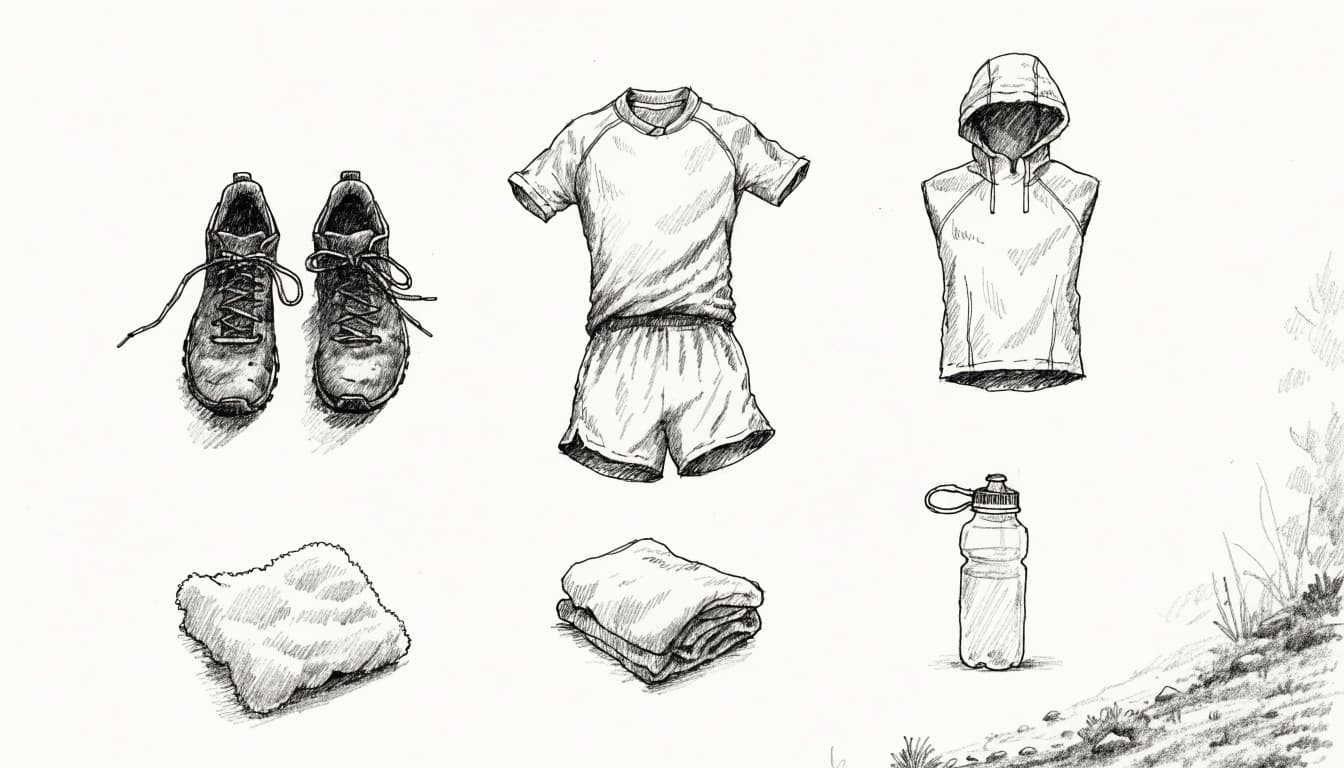
Use this compact list as a starting point:
- Broken-in trail shoes with traction suited to the course.
- Moisture-managing clothes and race-day layers that match the forecast.
- Water for the drive and time before the start.
- A towel and a clean change of clothes for after the race.
Finally, check the event rules for permitted gear and any restrictions. Pack what the race allows, and wear only equipment you’ve already tested during training.
Train for Spartan Race Montana With a Balanced Plan
A good Spartan Race Montana training plan prepares you for more than the distance. It builds the endurance to cover the course, the strength to handle obstacles, and the recovery habits that help you arrive ready. Match your training to your chosen race and current ability, then increase the challenge gradually instead of cramming in hard sessions.
Build trail and hill endurance for the distance you chose
Start with consistent, easy runs you can complete comfortably. As your fitness improves, extend one run at a time to build toward the distance you selected. Your long run should grow gradually, with easier days or rest between demanding sessions. If you’re new to running, walking breaks are a sound training tool. They let you build time on your feet without turning every outing into a race.
Trail running also asks for different skills than road running. Rocks, roots, loose dirt, and changing slopes make pace less predictable, so focus on steady effort and careful foot placement. Add trail routes when available, and practice hills that reflect the likely demands of your event. Begin with manageable climbs and controlled descents, then build duration or difficulty over time. You don’t need to copy a single weekly schedule; choose a rhythm that fits your experience, recovery, and available training time.
Add strength, grip, and obstacle skills to your week
Running alone won’t prepare your body for carries, walls, and grip obstacles. Add strength sessions that cover movements such as squats, lunges, step-ups, push-ups, and rows. Carries train your legs and trunk under load, while hangs can help build grip endurance. Start with body weight or light loads, use controlled technique, and increase resistance only when the movement feels solid.
If you have safe access to a climbing wall or suitable training structure, practice climbing with control rather than rushing through repetitions. You can also pair a few simple strength movements with an easy run to get used to working when your legs are tired.
The American College of Sports Medicine’s activity guidelines recommend muscle-strengthening activity at least two days per week for adults. Spartan’s Sprint training plan offers another reference for combining running, grip work, and functional strength. Adjust any plan to your race distance and starting point.
Taper, recover, and arrive ready to race
In the final days before the event, ease back on training so your body can recover. Keep movement light and familiar, such as an easy walk or short, relaxed run. Avoid last-minute hard workouts, which can leave you tired or sore without adding useful fitness.
Prioritize sleep, hydration, and meals you already know sit well. Race week isn’t the time to experiment with new foods, supplements, or gear. Before you travel, read the event briefing for current procedures, including arrival timing, parking, check-in, and any race-day instructions. If you want more structure, RunDreamAchieve offers training plans, custom plans, and one-on-one coaching to help you prepare around your ability and goal.
Frequently Asked Questions
A few practical details can shape your Spartan Race Montana plans as much as distance and training. Check the current event information before booking travel or choosing what to bring, since schedules, course rules, and venue policies can change.
Is there a Spartan Race in Montana this year?
Spartan’s event locations and dates can change each season, and Montana may not appear in every year’s lineup. Check the official Spartan calendar for a current Montana listing, then open the event page to confirm the date, venue, available race formats, and any updates. A past Montana race doesn’t guarantee the same location or schedule will return.
What Spartan Race distance should a beginner choose?
Choose a distance that fits your current running fitness and the training time you can realistically set aside. The Sprint is often the most approachable standard format, but it still combines running with obstacles that challenge grip, balance, and strength. If you’re new to both trail running and obstacle racing, build a steady base before race day rather than relying on the shorter distance alone.
Can I walk during a Spartan Race?
Participants can generally set their own pace, including walking when they need to recover or manage a steep section. However, course rules and cutoff times may apply, and event procedures can differ. Review the specific race guidance before race day so you know any timing limits and can plan your pace accordingly.
Do I need trail running experience for a Montana Spartan event?
Trail experience can help you handle hills, loose ground, and uneven footing, but it isn’t always required. Before the race, practice on safe trails or paths with manageable changes in surface and slope; focus on controlled steps rather than speed. When course information becomes available, use it to adjust your preparation to the terrain listed for that event.
What should I wear for a Spartan Race in Montana?
Wear comfortable clothing and shoes you’ve tested during training, with traction and coverage suited to the expected course and forecast. Montana weather can shift, so check conditions close to race day and consider a layer for before or after the event. Race rules may restrict certain gear, so review the event instructions before packing.
Can I bring friends or family to watch?
Spectator access depends on the venue and event, so don’t assume guests can enter every course area or watch from any point. Check the current event page for ticket requirements, designated viewing areas, parking details, and age or access rules. Sharing those instructions with your guests ahead of time can help everyone plan arrival and meet-up arrangements.
Conclusion
A Spartan Race Montana event rewards thoughtful preparation. Confirm the current event details before you plan travel, choose a distance that fits your experience, and build your training steadily around running, strength, and obstacle skills. Since terrain and weather can vary by venue and date, practice on hills and trails when you can, then adjust your effort to the conditions on race day.
Progress comes from consistent work, not from rushing toward the longest format. If a structured plan or personal guidance would help, explore RunDreamAchieve’s training plans, custom plans, or one-on-one coaching. With a suitable goal and steady preparation, you can arrive ready to meet the course at your own pace.


