

Spartan Race Massachusetts: Mud, Hills, Bragging Rights
Mud-slick trails, New England hills, and demanding obstacles give a Spartan Race in Massachusetts a challenge shaped by the terrain. The course and venue can change each year, so checking current event details is part of planning.
This spartan race guide helps you find where Massachusetts races are held, choose a format that fits your goals, register, and prepare for race day. First, get a clear picture of what to expect on the course. Be sure to check out the RunDreamAchieve YouTube channel for weekly running tips.
Key Takeaways
- Choose a Spartan Race Massachusetts distance that fits your current fitness and race goals. The Sprint offers a shorter obstacle-course test, while the Super demands more time and endurance.
- The New England event listing names Carter & Stevens Farm in Barre for June 26–27, 2027, with a Sprint 5K and Super 10K. Check the official event details before making plans.
- Expect uneven trails, hills, mud, and obstacles, so prepare for more than steady road running.
- Build race fitness with consistent running, hill work, and strength training for carries, climbs, and grip-heavy obstacles.
- Review event instructions before race day, then plan your travel, clothing, hydration, and arrival time.
What to Expect From a Spartan Race in Massachusetts
A Spartan Race in Massachusetts combines trail running with obstacles that interrupt your pace and test strength, grip, and balance. The setting can shape how the day feels, but each course changes with its venue and season. Carter & Stevens Farm in Barre is a familiar example: it has hosted Spartan events, and the current New England event listing identifies it as the venue for the 2027 weekend. Check the listing for the latest date, distance, and event details before you travel.
How trails, hills, and weather shape the course
Expect a different rhythm from road running. New England trails often include uneven ground, roots, rocks, and short climbs that make footing and effort less predictable. A farm venue such as Carter & Stevens may offer open fields alongside wooded paths, but the exact route and obstacles depend on the event.
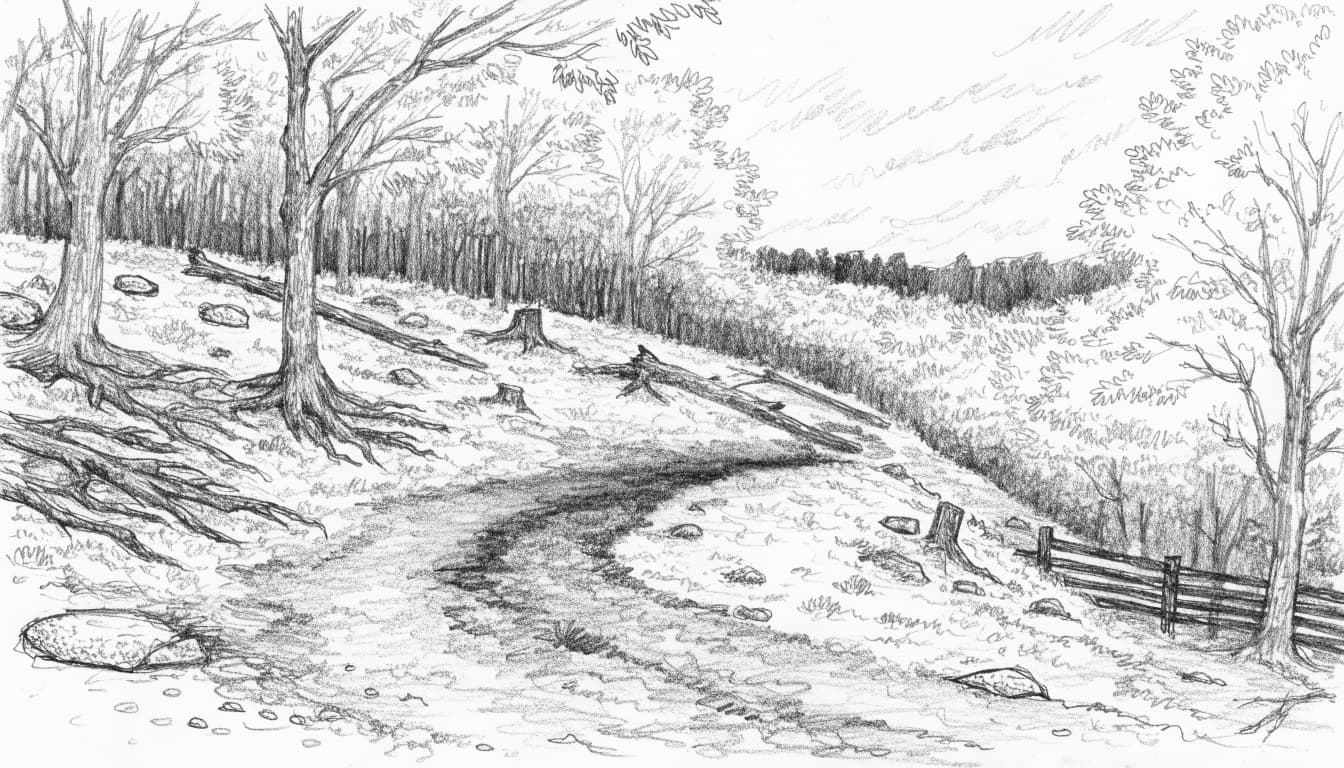
Rain can soften the ground and leave sections muddy or slick. Dry weather, however, can create dusty stretches, while a cool morning may warm up by midday. These are possible conditions, not guaranteed course features. Spartan can change the route, obstacle placement, and terrain from one season to the next, even at a returning venue.
Train on mixed surfaces when you can. Hill repeats build confidence on climbs, and easy trail runs help you practice choosing stable footing without staring at every step. On race day, shorten your stride on steep or slippery sections and save energy for obstacles that demand upper-body strength.
The atmosphere from the start line to the finish
The start corrals bring runners together in timed waves, with music, announcements, and nervous energy before each group heads onto the course. Once you’re moving, expect your effort to shift between running, walking steep sections, and tackling obstacles. Some challenges require grip or balance; others may ask you to carry, climb, or move through mud. The specific obstacles vary by race.
Volunteers help direct runners and support obstacle stations, though the level of assistance differs by location. Listen to instructions, give others room, and pace yourself rather than racing every early stretch. If an obstacle slows you down, take a breath, follow the posted directions, and continue when it’s safe.
At the finish, you’ll cross the line with the satisfaction of completing a course that asked more than steady running. Plan for practical needs, too: arrive with enough time to park, check in, and prepare, and review the event’s instructions for gear and race-day logistics. Conditions and on-site amenities can vary, so don’t assume every venue offers the same setup.
Choose the Spartan race distance and format that fits you
The right Spartan Race Massachusetts option depends on the event calendar, your current training, and how hard you want to push on race day. A shorter race can still demand plenty of effort when hills, mud, and obstacles break up your running.
Sprint, Super, and Beast: how the distances differ
Spartan’s common trail formats increase in distance and endurance demands. The Sprint is generally the shortest, often listed around 5K; the Super is commonly around 10K, while the Beast is a longer half-marathon-distance challenge. Obstacle counts also rise across formats. These figures are broad guides, not guarantees: course distance and obstacles can vary by venue and year. Check the official Spartan race format guide and the current Massachusetts event page for exact details.
A Sprint can suit a first-time racer who wants a full obstacle-course experience without committing to a long day on the trail. You still need running fitness and basic strength for climbs, carries, and grip-focused obstacles. The Super adds more time on your feet, so build endurance with longer runs and practice keeping a steady effort on hills.
The Beast calls for a bigger training commitment. Longer trail sessions, hill work, and strength training can help prepare you to keep moving when fatigue builds. A Stadion race, when offered, uses a stadium setting and a different course feel, often with stairs and repeated indoor or venue-based obstacles rather than a long trail route. Spartan’s Stadion obstacle overview can help you understand that format.
Massachusetts does not offer every format at every event. For example, the current New England listing names a Sprint and Super, so use the event page for Massachusetts-area race details before choosing. Beginners can start with the Sprint and aim for a longer distance later; experienced runners may prefer the Beast if their training supports the added time and terrain.
Choose Your Distance, Duration and Goal Time
Make three quick selections and open the exact plan built for your race target.
Looking for a Fully Personalized Training Plan?
The training plans above are an excellent choice if they match your goal. However, if you’d rather train with a plan built specifically around your current fitness, goal race, preferred training days, weekly mileage, and target finish time, our RDA Custom Training Plans provide a personalized solution. We also have running courses available for runners seeking to run faster from the mile to the marathon.
Why Choose a Custom Training Plan?
| Standard Training Plan | RDA Custom Training Plan |
|---|---|
| Follows a fixed schedule | Built around your schedule |
| Standard weekly mileage | Peak mileage customized for you |
| Fixed workout days | Train on the days you choose |
| Same structure for everyone | Designed around your current fitness |
| Static plan | Updated as your fitness improves |
| One-time purchase | Ongoing personalized coaching and support |
What You’ll Receive
- A training plan built specifically for your goal
- Personalized training paces
- Long runs, tempo runs, threshold workouts, interval sessions, recovery runs, and easy runs
- Peak weekly mileage matched to your experience level
- Flexible training schedule that fits your life
- Ongoing plan adjustments as your fitness improves
Ready to Train Smarter?
Stop guessing and start following a plan built specifically for you, your schedule, and your racing goals.
Open heats, competitive options, and team entries
Open heats give recreational racers room to focus on finishing, manage their pace, and enjoy the course with friends. They can be a practical choice for a first event, especially if your group has mixed fitness levels. However, follow the obstacle instructions and current race rules, since requirements can differ by event.
When offered, Age Group and Elite categories suit racers who want a more competitive experience. They use designated start waves and have stricter expectations around obstacle completion and race conduct. Review Spartan’s competitive racing categories before registering, especially if you plan to race for a result.
You can enter solo or coordinate with friends in an eligible Open format. Spartan’s Doubles team format details explain one available way to register together. Before booking, confirm age requirements, wave availability, and team rules for your chosen distance.
Registration, ticket costs, and what your entry includes
Once you’ve settled on a distance, compare the Massachusetts event date, venue, and available start times before registering. The listed New England weekend is June 26–27, 2027, at Carter & Stevens Farm in Barre, with Sprint and Super options; check the current New England event details for updates before booking.
How to book the right event and start time
Start by matching the event date and location to your travel plans. Then choose a format based on the distance you want to race and the time you can commit to training. If you’re weighing the Sprint against the Super, remember that the longer course calls for more time on your feet and a stronger endurance base.
Next, compare the available waves. An earlier or later start can affect your arrival plans and the conditions you encounter, while a competitive category may have specific rules and expectations. Open waves can work well for recreational racers and groups, but check whether your preferred time still has space before you build plans around it.
Before paying, read the current policies for age eligibility, transfers, and cancellations. These rules can differ by ticket type or event, and a transfer may come with deadlines or fees. Confirm the name and race details on the order, too. A small mistake is easier to correct before checkout than after your plans are set.
Budget for the full race-day experience
Ticket prices can change with demand, timing, ticket type, and add-ons. Early listings and later checkout totals may not match, so use the live event checkout for the current price and fees. Review the final amount before submitting payment, including any optional products you selected.
The entry details should spell out what your ticket covers, such as the selected race and wave. Check the checkout page and confirmation for the exact inclusions, rather than assuming every event offers the same package. Inclusions and fees vary by event, and terms may change between race seasons.
Also account for costs beyond registration. Travel, lodging, meals, and parking can add to the total, especially if you’re staying overnight or bringing a group. Check whether spectator access, race photos, or gear purchases are available and whether they carry separate costs; none should be assumed to be included or required. Build your budget around confirmed charges, then leave room for practical needs such as food and transportation on race day.
Train for Massachusetts terrain and Spartan obstacles
A strong Spartan Race Massachusetts training plan prepares you for more than running. Hills, uneven footing, grip-heavy obstacles, and changing weather all shape race day, so build fitness gradually across several areas. Your training should also match your chosen distance: a first-time Sprint racer needs a solid general base, while a longer event calls for more time on your feet.
Build trail fitness with hills and steady running
Start with the running you can handle consistently, then add trail sessions, hill repeats, and longer easy efforts over time. For a Sprint, focus on steady weekly runs and enough hill practice to manage climbs without burning through your energy early. If you’re preparing for a Super or longer race, extend your easy-run time gradually so your legs get used to staying active for longer.
On uneven ground, pace by effort rather than trying to match your road-running speed. Roots, rocks, mud, and steep grades can slow you down; shorten your stride and choose stable footing, especially on descents. Add mileage in small steps and ease back if soreness or fatigue lingers. The CDC advises inactive adults to start with lower-intensity activity and increase gradually, a sensible approach when building race fitness.
Practice strength, grip, and obstacle skills
Two short strength sessions each week can build useful capacity without crowding out your runs. Include carries, lunges, push-ups, rows or other pulling movements, and hangs scaled to your current ability. For example, begin with a light carry and brief hangs, then add weight or time only when your form stays controlled.
Obstacle practice is helpful, but it doesn’t require risky equipment or unsupervised climbing. Use a gym or facility designed for obstacle training if you want to rehearse specific skills, and follow its safety rules. Race obstacles and requirements vary, so train broad abilities rather than relying on a single obstacle drill. Spartan’s obstacle-course training guide includes examples of grip-focused work, such as carries and dead hangs.
Prepare for race-day weather and recovery
Massachusetts weather can change across a race weekend, so train in a reasonable range of conditions when it’s safe. Practice wearing the layers and shoes you expect to race in, and test your hydration and fueling during longer sessions. Avoid extreme heat or cold, and don’t try new foods or gear on race day.
Recovery belongs in the plan, too. Keep easy days easy, get consistent sleep, and take rest when fatigue or pain starts to affect your movement. In the final days before the race, reduce training volume and skip hard workouts that could leave you sore. A first-time Sprint racer can keep the taper simple; longer-distance racers should protect the endurance they’ve built by arriving rested.
If you want more structure, RunDreamAchieve training plans and coaching offer optional support for runners who prefer a guided schedule. Choose a plan that fits your current running, then adjust it for strength work and trail practice.
Plan your Massachusetts Spartan Race day with confidence
A smooth Spartan Race Massachusetts race day starts with the details that are easy to overlook: the correct venue address, parking plan, check-in requirements, and permitted gear. Use this checklist as a starting point, then follow the current event guide for final instructions because venue rules and allowed items can change.
Travel, parking, and arrival time
Before race weekend, read the athlete guide and event updates. Confirm the venue address, map your route, and review the event’s parking instructions. Don’t rely on an older event page or directions saved from a previous year, since race locations and access details can change.
Build extra time into your trip. Rural roads, event traffic, parking queues, or a longer walk from the lot can delay your arrival. Check the required arrival window and leave enough time to park, reach the festival area, and check in without rushing. Spartan’s race-day checklist also recommends bringing your ID, payment method, and directions to and from the venue.
What to wear and bring to the start
Choose secure trail shoes with dependable grip and clothes that feel comfortable when wet or muddy. Check the forecast before you leave, but avoid bringing extra gear to the start unless the event guide allows it. The permitted-items list can vary, so use the current guide rather than assuming a bag, hydration pack, or other accessory is acceptable.
Pack a separate bag for after the race and leave it where event rules permit. A clean change of clothes, towel, water, and a familiar snack can make the trip home more comfortable. Keep your race gear simple, and don’t test new shoes or clothing on event day.
Check-in, spectators, and finishing strong
Have your registration confirmation and any required identification ready before you reach check-in. Check the athlete guide for the check-in location, timing, and instructions for your race wave. If friends or family plan to watch, review spectator access rules and any ticket requirements in advance. The Spartan Race FAQ can answer general event questions, but the current race guide takes priority for venue-specific details.
Once you’re on course, start at a controlled pace and adjust for hills, mud, and obstacles. Follow staff directions and posted obstacle instructions, even when other racers move ahead. After finishing, drink water, change out of wet clothes, and take a few minutes to walk and cool down before heading home. Keep your parking and departure plan handy, especially if you’re meeting your group or traveling a long distance.
Frequently Asked Questions
A few race-day details depend on the specific event, so check your confirmation and athlete guide before you leave home. These answers cover common questions that may affect your plans.
What happens if I can’t complete an obstacle?
Spartan’s general FAQ says racers who fail to complete an obstacle must complete 30 burpees in the designated penalty zone before continuing. Follow the instructions at the obstacle, since event rules and procedures can vary by race format. Review the official Spartan Race FAQ before race day.
Can children participate in a Spartan event?
Spartan offers Kids races for children ages 4 to 14, with distances and difficulty levels suited to different age groups. However, a Kids race may not be available at every event weekend, so check the Massachusetts event listing before planning a family trip. See Spartan’s Kids race details for current age and format information.
Do I need to bring food or water on the course?
Your needs depend on the distance, conditions, and how long you expect to be on course. Check the athlete guide for aid station details and rules about personal hydration gear, then test any snacks or hydration setup during training. Avoid trying a new product for the first time on race day.
Can I change my race distance after registering?
A distance change may depend on the event’s transfer policy, ticket availability, and applicable deadlines or fees. Read the terms attached to your registration and contact Spartan support if the policy isn’t clear. Don’t assume you can switch distances at the venue.
What should I do if the weather turns severe?
Check your email and the event page for organizer updates before traveling and again on race morning. Weather can affect schedules or operations, but the response depends on conditions and event decisions. Follow official instructions rather than relying on old posts or other racers’ assumptions.
Can I wear a hydration pack or other gear?
Allowed gear varies by event, so confirm the permitted-items list in the current athlete guide. If a pack is allowed, train in it before race day to check the fit and make sure it doesn’t interfere with running or obstacles. Leave unapproved items at home or in your post-race bag.
Conclusion
A Spartan Race Massachusetts event combines trail running, hills, and obstacles, so choose a distance that matches your current fitness and the time you can commit to training. Then check the official event calendar for current dates, venue details, and available race formats before making plans.
With those details settled, build your fitness steadily through running, hill work, and strength training for carries and grip-heavy obstacles. Start by reviewing the event calendar or choosing a training plan that fits your race goal. A measured start gives you a stronger chance of reaching the finish ready for the course ahead.


