

Spartan Race Hawaii: Epic Obstacles & Race Tips
Hawaii’s green ridgelines and ocean views make a striking backdrop for a Spartan race, but the course demands more than stopping to take in the scenery. Expect uneven ground, climbs, and obstacles that test your strength and endurance.
If you’re searching for Spartan Race Hawaii details, you likely want to know where events happen, which distances might suit you, how to train, and what to plan for travel.
Venues and dates can change by season, and an event may not take place every year, so check the current Spartan race calendar before booking. Start with past and potential venues, and what a rugged island course can involve. Be sure to check out the RunDreamAchieve YouTube channel for weekly running tips.
Key Takeaways
- The Spartan Race Hawaii calendar currently lists an event for August 14-15, 2027; check the official event listing before booking.
- The weekend includes a Sprint 5K with 20 obstacles, a Super 10K with 25, and a Beast 21K with 30.
- Pick a distance that matches your current running fitness and obstacle experience, then build training around hills, uneven trails, and strength work.
- Hawaii’s climbs and warm conditions can add difficulty, so prepare with gradual hill sessions and practice managing effort on technical terrain.
- Book transportation and lodging early, and leave room in your travel schedule for race check-in, recovery, and changing event details.
Spartan Race Hawaii: Where It Happens and What to Expect
A Spartan Race is an obstacle-course event that combines running with physical challenges along the course. Instead of following smooth pavement, racers cover off-road terrain and tackle obstacles that test grip, strength, balance, and stamina.
Hawaii adds its own demands: steep climbs, exposed sections, and tropical weather can make pace and footing harder to manage. The island venue can also change, so check the current event listing before you book flights or lodging.
Hawaii race locations can change by year
Oahu has hosted Spartan events at more than one venue. Kualoa Ranch is a notable past location, with Spartan results pages recording events there in 2014, 2021, and 2022. The current listing names Dillingham Ranch in Waialua for the August 14-15, 2027 event. That change is a useful reminder that a past venue does not confirm where a future race will take place.
Check the official Spartan Hawaii event listing for the latest confirmed location, dates, and race options. You can also see Kualoa Ranch in Spartan’s past event results. Since schedules and event availability vary by year, confirm details again before making travel plans.
Expect an off-road course, not a road race
Hawaii’s Spartan course is built around natural terrain rather than a predictable paved route. Depending on the venue and course design, runners may cross open fields, dirt trails, groves, and hilly ground. Even a familiar distance can feel slower when the route includes climbs, uneven footing, and obstacles that interrupt your running rhythm.
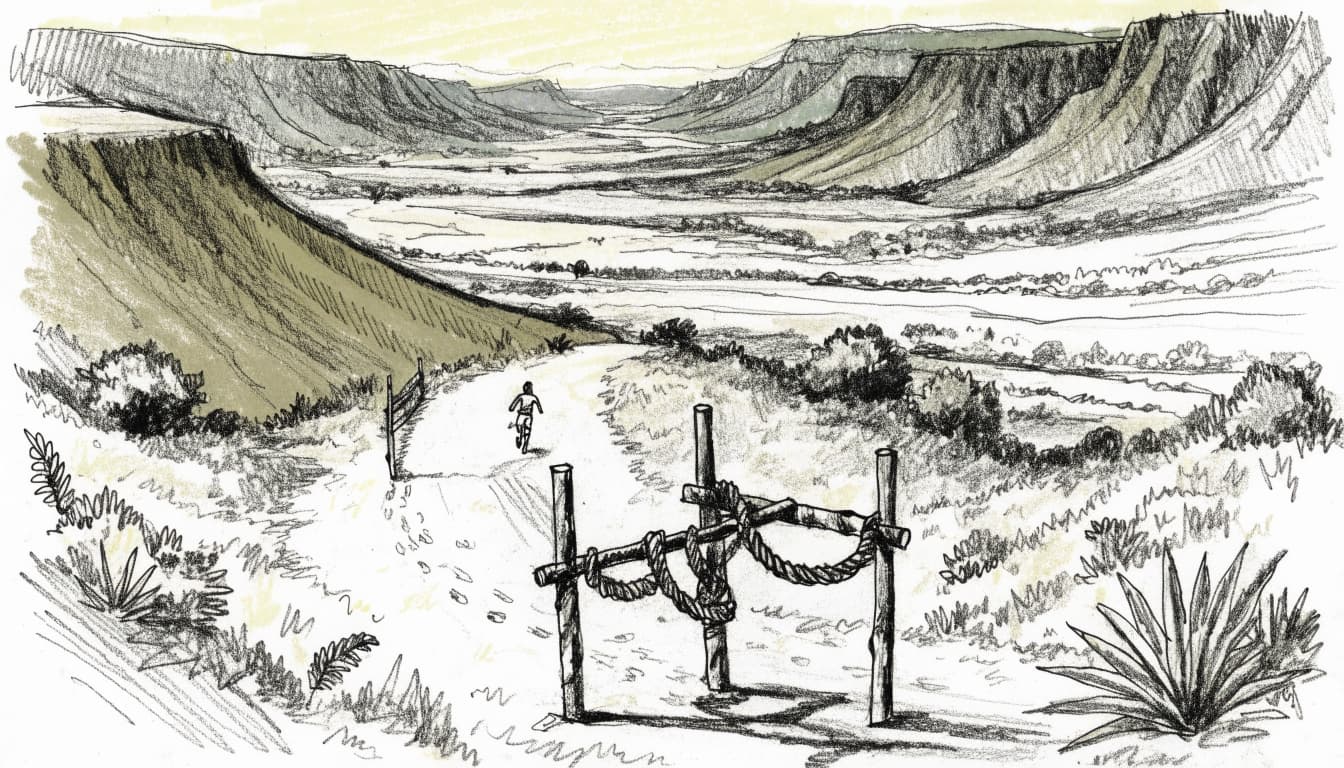
Conditions can shift across the course, so expect to adjust your effort rather than chase a road-race pace. Loose soil or muddy stretches can demand shorter steps and careful foot placement. Heat and humidity may also affect how quickly you tire, especially on exposed climbs. Train on hills and trails where possible, and practice returning to a steady run after strength work.
Plan for the full race-day experience
A rugged course rewards patience early. Start at a pace you can sustain through climbs and obstacles, and save energy for the latter part of the race. Shoes with dependable traction can help on dirt and uneven ground, while moisture-wicking clothes are more comfortable in warm, humid conditions.
Also allow time for check-in, parking, and the trip between your lodging and the venue. Oahu travel times can vary with traffic, so avoid building a tight schedule around race morning. Confirm the event’s current venue and race-day instructions before departure, then plan recovery time after the finish.
Choose a Spartan distance that matches your fitness and goals
Spartan formats range from a short obstacle-course race to an Ultra that can take much of the day. For Spartan Race Hawaii, the listed 2027 weekend includes a Sprint, Super, and Beast, but that lineup may change in future years. Choose by your current running base, available training time, and comfort on hills, not by which distance sounds most impressive.
Compare Spartan distances and effort
Spartan’s official race format guide outlines the broad differences between its common distances. Race-day terrain, obstacles, and event offerings can vary, so treat these figures as general guides rather than guarantees for every course.
- Sprint: About 5K, or 3.1 miles, with roughly 20 obstacles. It’s the shortest standard format, but steep climbs and repeated strength challenges can make it feel tougher than a typical road 5K.
- Super: About 10K, or 6.2 miles, with roughly 25 obstacles. The added distance calls for more time on your feet, while obstacles can break up your running rhythm.
- Beast: About 21K, or 13.1 miles, with roughly 30 obstacles. Expect a longer endurance effort, where pacing, fueling, and staying steady over hills matter more.
- Ultra: About 50K, or 31 miles, with roughly 60 obstacles. This is a major endurance commitment that requires substantial preparation and experience over long distances. It may not be offered at the Hawaii event.
The Hawaii event listing names 20 obstacles for the Sprint, 25 for the Super, and 30 for the Beast. Still, Spartan can adjust course layouts and obstacle counts, so check the current event details before planning around exact numbers.
Make your first race a realistic one
If you’re new to obstacle-course racing, the Sprint is often a practical starting point. It gives you a chance to learn how obstacles affect your pace without committing to a half marathon or ultra-distance day. However, a short course still demands preparation if you’re not used to running on trails or climbing hills.
Consider your recent training, not your best-ever fitness. If you can comfortably run several miles and have time to add hill work and basic strength training, a Sprint may fit. Choose a Super only if you can build the endurance for a longer off-road effort. The Beast calls for consistent long runs and enough preparation to handle extended time on your feet.
Hawaii’s terrain makes those choices more important. A distance that feels manageable on flat roads may become demanding when climbs, uneven footing, and carrying tasks slow your pace. Be honest about how much you can train before race day, especially if your schedule also includes travel.
If you’re unsure, start with the shorter distance and finish feeling prepared rather than selecting a tougher format to prove a point. You can build toward a Super or Beast after gaining experience with obstacles and hilly trails.
Course terrain and obstacles: prepare for more than running
A Spartan Race Hawaii course asks you to manage two efforts at once: moving across uneven ground and handling obstacles when they appear. Running fitness matters, but so do grip, strength, balance, and the ability to stay composed when your legs are tired.
Obstacles test more than strength
The exact obstacle lineup can differ by event and course. Spartan’s obstacle guide includes examples such as carries, walls, crawls, and climbing challenges, each asking for a different combination of effort and control.
A carry may tax your legs and trunk while making it harder to settle into a running rhythm afterward. Rope work and hanging obstacles challenge grip and upper-body strength. Crawls call for low, steady movement, while walls test coordination and confidence as much as power.
Balance matters on narrow or unstable features, too. You may need to judge where to place a foot, how to shift your weight, or whether to pause before moving. That quick decision-making is part of obstacle racing, especially when fatigue makes rushed choices more likely.
Choose Your Distance, Duration and Goal Time
Make three quick selections and open the exact plan built for your race target.
Looking for a Fully Personalized Training Plan?
The training plans above are an excellent choice if they match your goal. However, if you’d rather train with a plan built specifically around your current fitness, goal race, preferred training days, weekly mileage, and target finish time, our RDA Custom Training Plans provide a personalized solution. We also have running courses available for runners seeking to run faster from the mile to the marathon.
Why Choose a Custom Training Plan?
| Standard Training Plan | RDA Custom Training Plan |
|---|---|
| Follows a fixed schedule | Built around your schedule |
| Standard weekly mileage | Peak mileage customized for you |
| Fixed workout days | Train on the days you choose |
| Same structure for everyone | Designed around your current fitness |
| Static plan | Updated as your fitness improves |
| One-time purchase | Ongoing personalized coaching and support |
What You’ll Receive
- A training plan built specifically for your goal
- Personalized training paces
- Long runs, tempo runs, threshold workouts, interval sessions, recovery runs, and easy runs
- Peak weekly mileage matched to your experience level
- Flexible training schedule that fits your life
- Ongoing plan adjustments as your fitness improves
Ready to Train Smarter?
Stop guessing and start following a plan built specifically for you, your schedule, and your racing goals.
Pace the rolling ground with the next obstacle in mind
On rolling terrain, effort is a better guide than pace. A steep climb can slow even a strong runner, and uneven ground rewards shorter steps and careful footing. Push too hard early, and you may reach later obstacles with tired legs and less control.
Instead, settle into a pace you can maintain across changing terrain. Use climbs to manage effort, then regain a steady rhythm on safer, more runnable sections. As an obstacle approaches, focus on the task rather than sprinting toward it. Arriving composed gives you a better chance to assess the approach and attempt it safely.
That doesn’t mean easing off for every obstacle. It means avoiding a last-second surge that leaves you breathing hard or struggling to place your hands and feet with care.
Train the skills that running alone won’t cover
Keep building your running base, but add strength and movement practice that reflects the course. Hill repeats and trail runs help you adapt to changes in grade and footing. Strength sessions can include loaded carries, rows, pull-ups or assisted hangs, and step-ups. For crawls and walls, practice controlled low movement and safe climbing mechanics in a suitable training setting.
You don’t need to copy every obstacle before race day. Instead, prepare for the demands behind them: carrying weight, supporting your body, maintaining balance, and making calm decisions under fatigue. Pair short strength circuits with easy running so you learn to resume a steady pace after muscular work.
On race day, read each obstacle before committing. Check your footing, choose a controlled approach, and follow the event’s instructions. If a movement feels unsafe, stop and reassess rather than forcing a rushed attempt.
How to train for a Spartan race in Hawaii
Training for Spartan Race Hawaii means preparing for sustained running while building the strength to handle obstacles when fatigue sets in. A steady plan should account for the race distance, your starting fitness, and the hills and trails available near home.
Build your week around running and strength
Start with a repeatable weekly routine rather than a sudden jump in mileage. A useful framework includes two or three runs, two strength sessions, and at least one full rest or easy recovery day. Adjust the schedule to your experience and the time you have before race day.
Keep most runs comfortable, then add one focused session such as hill repeats, a longer trail run, or intervals. Strength work should support the demands of the course: practice loaded carries, step-ups, rows, push-ups, and hangs or assisted hangs. Spartan’s training center offers race-preparation workouts and guides that can help you choose complementary exercises.
Progress gradually and practice on varied ground
If you’re new to running or obstacle races, first build a comfortable running routine. Add time or distance in small steps, and keep strength sessions controlled while your body adapts. For a first Sprint, consistent easy runs and basic full-body strength are a better foundation than frequent all-out workouts.
Experienced runners can keep their aerobic base while adding terrain-specific work. Run hills at a controlled effort, practice footing on safe trails, and occasionally combine a run with a short strength circuit. This teaches you to resume running after muscular work without turning every session into a race simulation.
Where local trails are unavailable, use a treadmill incline, stairs, or a hill when practical. Rotate surfaces when you can, since training only on flat pavement won’t fully prepare you for uneven footing. Increase one training demand at a time, such as duration, climbing, or strength volume, rather than raising everything in the same week.
Make recovery part of the plan
Hard sessions create the training stimulus, but recovery lets you absorb it. Place easier days between demanding workouts, sleep consistently, and reduce training if soreness keeps changing your stride or daily movement. If pain persists or worsens, stop the aggravating activity and seek qualified medical guidance.
In the final stretch before the event, avoid trying to make up for missed training with extra mileage. Keep some short, familiar workouts, then ease off so you arrive rested. Beginners may benefit from a simple plan that lays out each week’s runs and strength work. More experienced runners may want coaching to balance race-specific sessions with an existing running schedule. At RunDreamAchieve, our training plans and coaching options offer structure for runners who want that guidance.
Registration, travel, and race-day planning for Hawaii
Turning a Spartan Race Hawaii listing into a workable trip takes more than choosing a distance. Confirm the event details first, then build your flight, lodging, and transportation plans around the race schedule. Island travel can make last-minute changes harder and more expensive, so leave room in your itinerary.
Register before locking in every travel detail
Start with the official Hawaii race listing. Check the date, venue, distance options, start times, registration deadlines, and any participant instructions. Event details can change, so revisit the page before booking nonrefundable travel and again as race weekend approaches.
Entry fees and available add-ons vary by event and booking date. Instead of relying on a price from an older listing, review the registration page for the current total, what the entry includes, and any optional extras. Also check the event’s policies for transfers, cancellations, parking, and check-in, since those details affect both your budget and your schedule.
Plan flights, lodging, and ground transportation together
For an Oahu race, compare flight times into Daniel K. Inouye International Airport with the event’s check-in and start schedule. A late arrival the night before can leave little room for flight delays, baggage pickup, or the drive to your lodging. When possible, arrive with enough time to settle in, collect race gear, and sleep before the event.
Choose lodging with the venue and transportation in mind, not only its nightly rate. A room closer to the race may reduce early-morning driving, while a stay elsewhere could suit a longer vacation but require more travel time. Confirm the route and expected drive before race day, then allow extra time for traffic and parking.
Oahu offers rental cars, shuttles, taxis, and public transportation, though each option fits different routes and schedules. Review Oahu transportation options before deciding. If you plan to rely on a shuttle or bus, check service times and whether the route works for an early start. For a rental car, confirm pickup hours, parking arrangements, and whether you need the vehicle for your full stay.
Pack for the course and protect your schedule
Pack familiar race clothes and shoes with reliable traction, plus any personal items you need for travel and recovery. Keep essential gear in your carry-on when possible, so a delayed checked bag doesn’t leave you scrambling before the start. Check the current athlete guide for rules on bags, hydration, and required items.
Build a small buffer into race morning. Set out your gear the night before, confirm how you’ll reach the venue, and check event updates before leaving. After the finish, leave time to clean up, eat, and recover before planning a long drive or a packed day of sightseeing. For an island race, a little flexibility can protect the trip when flight, traffic, or event timing changes.
Frequently Asked Questions
A few race-day details can affect your plans just as much as distance and training. Check the current event information before traveling, especially for rules or activities that depend on the specific venue.
Can I skip an obstacle if I can’t complete it?
You can move on after following the event’s penalty rules, but the penalty depends on the obstacle and race format. Spartan’s race FAQ says athletes who fail an obstacle must complete 30 burpees; check your event’s athlete guide for current instructions. If a movement feels unsafe, stop and ask a race official what to do.
Can I race alongside a friend?
You can register for the same event and distance, but your start times may differ, and each racer should be ready to complete the course independently. Spartan also offers a Doubles race format at select events, where partners race together under specific rules. Confirm whether the Hawaii event offers that option before choosing a registration category.
Are Spartan Kids races part of the Hawaii weekend?
That depends on the event schedule. Spartan Kids races are designed for children ages 4 to 14, but the Kids race information doesn’t confirm that a Kids event will run at every venue. Check the Hawaii listing for a separate Kids registration option before planning for a child to race.
Can friends and family watch the race?
Spectator access, viewing areas, and any ticket requirements can vary by venue and year. Check the current event page for spectator instructions, since a course may cover a large area and not every section will be easy to reach. Share your start time and a meeting point with your group before race morning.
Can I volunteer instead of racing?
Yes, Spartan lists volunteer roles that can include helping with event operations and obstacle rules. Some roles may come with race-related benefits, but availability and terms depend on the event. Review the Spartan volunteer information and confirm which opportunities are listed for the Hawaii weekend.
What should I do if weather disrupts my plans?
Keep an eye on official event updates as race weekend approaches, and follow any instructions about schedule or course changes. Build flexibility into your travel plans so a delay doesn’t leave you rushing to the venue or missing check-in. If conditions feel unsafe on race day, speak with event staff rather than relying on assumptions about whether the course will proceed.
Conclusion
A Spartan Race Hawaii event can be a memorable test of endurance, strength, and smart planning. The island setting adds a striking backdrop, while hills, uneven trails, and obstacles call for steady effort and preparation.
Before you book, confirm the current event details and choose a distance that fits your fitness and experience. Then train for both running and obstacles, with practice on hills and varied terrain.
Whether it’s your first race or another start line, a thoughtful plan can help you meet the course with confidence and enjoy the challenge.


