Sleep Schedule Marathon Training: Best Hours for Success
One runner I coached kept fading late in long runs, even though the workouts looked perfect on paper. Once she fixed her sleep, her legs stopped feeling flat, her recovery sped up, and race day felt far more controlled.
That change is common because sleep is easy to ignore when you’re focused on mileage, pace, and workouts. Still, your body does a lot of its repair work at night, and poor sleep can hurt recovery, raise injury risk, and leave you underpowered when it matters most.
The right sleep schedule marathon training setup gives you enough hours, the best timing, and a plan that shifts with heavy weeks, cutback weeks, and taper time. If you want a steadier routine that supports hard training, the Sleep And Recovery Suite can help you think about sleep in a more runner-focused way.
Follow this guide, and you’ll know how to build a sleep schedule that supports stronger workouts, better recovery, and better marathon success.
Why Sleep Powers Your Marathon Training More Than You Think
Sleep does a lot more than help you feel less tired. For marathon runners, it is part of the training plan itself. While you rest, your body repairs muscle damage, refills energy stores, and resets your nervous system so you can handle the next workout with more quality.
That matters because marathon training piles stress on your legs, lungs, and brain. A missed night here and there can leave your long run flat, your pace sloppy, and your patience thin. The Sleep And Recovery Suite can help you think about recovery in a more runner-friendly way, but the main point is simple, sleep is where a lot of the real work happens.
The Recovery Magic Happening While You Snooze
Deep sleep is when your body gets busy fixing the damage from training. Tiny tears in muscle fibers start to repair, and that repair process helps you come back stronger. Your body also releases more growth hormone during sleep, which supports tissue repair and recovery after hard mileage.
Sleep matters for energy too. Marathon training depends on glycogen, the stored carbohydrate your muscles use during long efforts. After carb-heavy training days and long runs, sleep helps refill those stores so you can handle the next big session with less drag. That is one reason runners often feel better after a full night than after an extra snack alone.
Poor sleep can push you toward overtraining syndrome. Recovery slows, soreness lingers, and even easy runs start to feel hard. For runners building toward 20-plus mile runs, that is a real problem. A marathon tapering schedule helps, but sleep is what lets the taper do its job.
Sleep is the repair shop. Training breaks you down, then rest puts the pieces back together.
A 2023 review on marathon and ultramarathon runners in Frontiers in Neurology found that sleep loss is common in endurance athletes and can affect recovery and performance. That fits what many runners feel in practice, heavy legs, slower bounce-back, and a harder time stacking workouts week after week.
How Sleep Sharpens Your Mind for Race Day
Marathon success is not only about strong legs. It also depends on clear thinking when fatigue starts to creep in. Good sleep improves focus, reaction time, and decision-making, which helps you hold pace, fuel on time, and avoid early mistakes.
When you are tired, effort feels higher than it should. That raised sense of strain can make a steady marathon pace feel harder than it really is. Sleep helps lower that perceived effort, so your goal pace feels more manageable and your brain stays calmer when the race gets uncomfortable.
This matters most late in the marathon. If you miss your fueling window or panic at mile 18, bonking gets more likely. Better sleep supports better judgment, which means you can stick to race strategy instead of chasing every wobble in your legs.
Research backs this up. A study in Medicine & Science in Sports & Exercise found that sleep parameters were linked with perceived recovery and aerobic performance in runners. In plain terms, when sleep improves, runners tend to feel better and perform better. A recent systematic review on ultra-endurance athletes also showed that sleep affects both physical and cognitive performance, which lines up with marathon demands on race day.
If you want better long runs, sharper pacing, and fewer late-race mistakes, protect your sleep like you protect your workouts.
Finding Your Ideal Sleep Hours as a Marathon Runner
Your ideal sleep target is not a single number carved in stone. It shifts with mileage, stress, age, and how hard your week feels. For most marathon runners, 7 to 9 hours is the right nightly range, with more sleep during heavy training blocks.
That is already different from the average adult, who is often advised to get at least 7 hours. Marathon training usually asks more from your body, so your sleep should reflect that demand. If you are logging bigger miles or stacking workouts, your body needs a wider recovery window.
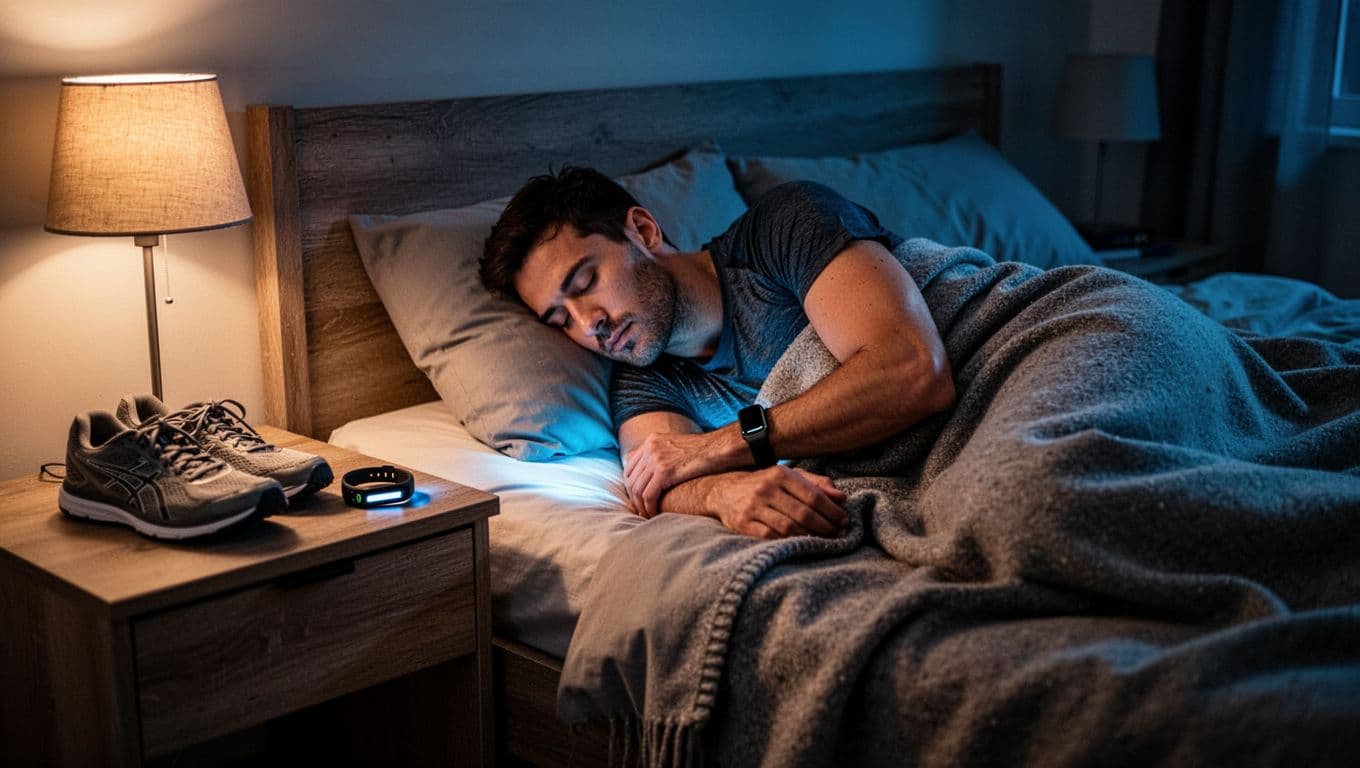
A simple way to think about sleep schedule marathon training is to match rest to the phase you are in. Base work needs steady sleep, peak weeks need extra time in bed, and taper weeks need quality sleep that leaves you fresh, not groggy.
Base Building Phase: Building a Strong Foundation
During base building, aim for 7 to 8 consistent hours each night. This phase is about gradual mileage gains, so your sleep should support steady repair without wild swings in bedtime or wake time. A regular rhythm helps your body absorb the work.
If your schedule allows, keep wake time close to the same every day. Then work backward to find a bedtime that gives you enough room to sleep well. That consistency helps your body clock settle in, which makes early runs and recovery days easier to handle.
If you are newer to marathon prep, sleep benefits in running performance are easy to miss until fatigue stacks up. In base building, sleep is one of the easiest ways to stay ahead of that fatigue.
Peak Training: Extra Rest for Heavy Weeks
When mileage climbs and workouts get sharper, move closer to 8 to 9+ hours. Long runs, speed work, and marathon-pace efforts create more muscle damage and more nervous system stress. Your sleep window should widen to match that load.
A useful reference looks like this:
| Training phase | Nightly sleep target | Why it matters |
|---|---|---|
| Base building | 7 to 8 hours | Supports gradual mileage increases |
| Peak training | 8 to 9+ hours | Helps recovery from long runs and speed work |
| Taper time | 7 to 8 hours | Keeps sleep quality high as energy builds |
During peak weeks, sleep banking can help, especially if work or family life cuts into your nights. If you want a deeper look at that strategy, how much sleep for taper phase is a useful place to start. Also, runners who train at high volume often do better when they protect sleep like they protect key workouts.
If your legs feel heavy for several days in a row, the fix is often more sleep, not more caffeine.
Taper Time: Quality Over Quantity
In taper, most runners still do well with 7 to 8 hours, but the focus shifts to sleep quality. Your body is carrying less training stress, so you want deeper, more stable rest that helps energy come back without restless nights.
Keep the same bedtime habits, even if your mileage drops. Late screens, heavy meals, and irregular sleep can still get in the way. The goal is simple, sleep well enough that you wake up feeling sharp and ready.
Age also matters. Older runners may need a little more time to recover, while younger runners sometimes need more sleep than they expect during hard training. Your training volume and daily stress count too. If life is hectic, your ideal number may sit near the top of the range.
A structured schedule for PRs only works when recovery keeps pace with the work. In other words, your best sleep hours are the ones that let you train hard, recover fully, and show up ready for the next session.
Timing Your Sleep to Match Marathon Training Demands
Your sleep timing matters as much as your sleep total. If your training plan asks for a 6 a.m. run, your bedtime has to move with it, or the workout starts to feel harder than it should. The goal is simple: line up your sleep schedule with your runs so you wake up ready, recover well, and keep your routine steady.
A strong sleep schedule marathon training plan works best when it matches your natural rhythm. That means using early light, protecting wake time, and keeping bedtime close to the same hour most nights. It also means adjusting for your run style, because morning runners and evening runners need different habits to sleep well.

Rise and Run: Schedules for Early Morning Workouts
If you run at 6 a.m., bedtime should usually land around 9 to 10 p.m. That gives you a real shot at 7 to 9 hours of sleep, which is the range most marathon runners need during hard training. A steady wake time matters too, because your body clock likes patterns, not surprises.
Morning runs work well for many marathoners because your cortisol naturally rises after waking. That morning surge helps you feel alert and ready to move, which is one reason early workouts often feel smoother once you get used to them. Research on the cortisol awakening response in endurance runners supports the idea that your body is already primed for action soon after you wake.
To make early runs easier, keep the evening simple:
- Eat dinner at a reasonable hour, then stop heavy snacking late.
- Cut caffeine early in the afternoon so it doesn’t hang around at bedtime.
- Prep clothes, shoes, and fuel before bed.
- Get up at the same time most days, even on easier weeks.
Early morning training works best when your bedtime protects it.
If you want extra support for that routine, running plans that build recovery in can help you match training load with sleep habits more cleanly. Consistency is the real win here, because one great night won’t fix a scattered week.
Evening Warriors: Balancing Late Runs with Wind-Down
Evening runs can fit marathon training well, especially if work or family time makes mornings tough. The key is protecting your post-run recovery so the workout doesn’t spill into your sleep. A hard run at 7 p.m. is fine for many runners, but a fast finish followed by bright screens and a rushed bedtime can leave your system too wired.
After a late run, start winding down right away. Cool down for 10 to 15 minutes, then stretch lightly, rehydrate, and get something easy to digest if needed. A small carb-and-protein snack can help recovery without sitting heavy in your stomach.
Keep this routine tight on late-training days:
- Finish the run with an easy jog or walk.
- Change out of sweaty clothes quickly.
- Take a warm shower to help your body settle.
- Dim lights and avoid late caffeine.
- Give yourself a buffer before bed.
For some runners, evening exercise does not disrupt sleep when the cooldown is solid and the workout ends with enough time to settle. That said, if your sleep gets lighter after late intervals or long runs, move those sessions earlier when you can. A marathon taper plan also helps here, since lighter weeks make nighttime recovery much easier.
Your best schedule is the one you can repeat. Protect the sleep window, trim late caffeine, and let your run time support the rest of your day instead of fighting it.
Sample Sleep Schedules That Delivered Marathon Wins
The best marathon sleep plans are the ones you can keep for weeks at a time. They do not need to look perfect, but they do need to match your mileage, your life, and your recovery needs.
Use the samples below as templates, then adjust the hours around work, family, and training peaks. The goal is steady sleep that supports hard weeks without making your routine feel brittle.
Beginner Marathoner’s Weekly Sleep Plan
If you are building toward your first marathon, keep the sleep plan simple. Aim for a consistent 10 p.m. to 6 a.m. window most nights, then hold that rhythm through moderate mileage weeks. That gives you a solid eight hours and keeps wake time stable, which helps your body recover on schedule.
For a beginner, consistency matters more than chasing a huge sleep total. If work runs late, shift bedtime by 30 minutes, not two hours. If life gets messy, protect wake time and trim the evening noise.
A practical weekly pattern looks like this:
| Day | Sleep target | Training note |
|---|---|---|
| Monday | 10 p.m. to 6 a.m. | Rest or very easy day |
| Tuesday | 10 p.m. to 6 a.m. | Short run, normal bedtime |
| Wednesday | 10:15 p.m. to 6 a.m. | Recovery focus |
| Thursday | 10 p.m. to 6 a.m. | Easy run or light workout |
| Friday | 10 p.m. to 6 a.m. | Set up the long run |
| Saturday | 9:30 p.m. to 6 a.m. | Long-run recovery night |
| Sunday | 10 p.m. to 6 a.m. | Reset for the week |
This works well for beginner marathon training plan rhythms because it keeps the week predictable. Keep the long run on the same day each week, and sleep starts to support the whole schedule instead of fighting it.
Pros
- Easy to repeat during a full work week
- Helps new runners avoid late-night drift
- Fits moderate mileage without overthinking
Cons
- Can feel tight when family plans run late
- Does not leave much room for irregular shifts
Advanced Runner’s High-Volume Sleep Strategy
When mileage climbs past 70 miles per week, sleep needs a wider margin. You still want a stable bedtime, but now you also need planned naps to absorb the load from doubles, long runs, and faster work. That extra daytime sleep is often what keeps high-volume training from turning into constant fatigue.
A strong version looks like 8 to 9 hours at night, plus a 20 to 30 minute nap after a hard morning session or long run day. Keep naps short so they refresh you without wrecking nighttime sleep. If your evening runs are late, move the nap earlier and keep the night routine calm.
For many advanced runners, the week shifts with training peaks:
- Peak long-run weeks call for more time in bed, not more caffeine.
- Double-run days work better with a short nap between sessions.
- Cutback weeks should still keep the same sleep window so recovery stays on track.
If your schedule is packed, use a flexible plan like marathon plan for busy schedules and match sleep to the hardest days first. That keeps the plan realistic when work or family needs change.
High mileage exposes weak sleep habits fast. A nap can fix a rough afternoon, but a steady bedtime still does most of the work.
One of the most useful examples comes from elite marathoners who sleep long hours and use naps to recover between sessions. Runner’s World has covered Eliud Kipchoge’s sleep habits, and the pattern is simple: more total rest, less guesswork.
Pros
- Supports heavy training blocks and doubles
- Helps recovery after long runs and workouts
- Gives you a buffer when training stress rises
Cons
- Harder to keep if your workday has no break
- Naps can backfire if they run too long or too late
Proven Habits to Lock In Better Sleep During Training
Good sleep during marathon training doesn’t happen by accident. It comes from repeatable habits that tell your body when to slow down and recover. The more consistent your evenings are, the easier it gets to fall asleep, stay asleep, and wake up ready to run.
A strong routine also helps after hard workouts. Your heart rate comes down, your mind settles, and your body gets the signal that training is over for the day. If you want sleep to support your mileage, the habits around bedtime matter almost as much as the hours in bed.
Evening Routines That Signal Sleep Time
Your wind-down should feel familiar every night. Start with light stretching after your last run or later in the evening, then move into a quiet activity like reading. That shift matters because it helps your body leave workout mode and enter rest mode.
Herbal tea can fit here too, especially chamomile or peppermint. Keep it simple, avoid heavy snacks, and give yourself enough time to settle before bed. A steady routine works best when it repeats, not when it changes every night. For more ideas on a runner-friendly nighttime rhythm, nightly routine tips for better sleep are a helpful reference.
A simple pattern can work well:
- Finish training and cool down fully.
- Stretch for 5 to 10 minutes.
- Read for a short block of time.
- Sip tea or water, then dim the lights.
- Keep screens out of the last part of the night.
That kind of routine acts like a runway. It gives your body time to land after the day.
Nutrition Tweaks for Deeper Nights
Food choices can make sleep smoother or more restless. Magnesium-rich foods like pumpkin seeds, almonds, spinach, and beans can support relaxation, especially when they show up often in your week. Runners who train hard also need enough total food, because under-eating often leads to lighter sleep and more wake-ups.
Dinner timing matters too. Eat too close to bed, and your body stays busy digesting instead of settling down. Aim to finish a larger meal a few hours before sleep, then keep late snacks small and easy to digest if you need them.
Carbs can help on tough training days, especially after long runs. They refill glycogen and can calm the stress response that keeps some runners wired at night. A balanced dinner with carbs, protein, and a moderate portion of fat usually works better than a huge late meal. If you use sleep tracking, keep it simple, because a tracker can show patterns, but your own energy and alertness matter more than any single number. More magnesium-focused food ideas are covered in magnesium benefits for runners.
Heavy meals late at night can turn a good bedtime into a restless one.
If your sleep still feels shaky, start with the basics: lighter evenings, earlier dinner, screens off, and a room that stays cool, dark, and quiet.
Overcoming Sleep Roadblocks in Your Marathon Prep
Even strong runners hit sleep problems during marathon training. Stress builds, travel throws off your clock, and aches can keep you awake after hard runs. The fix is rarely one magic trick. It usually comes from small changes that calm your system and protect your routine.
When sleep gets messy, treat it like any other training issue. Look at the cause, adjust fast, and keep moving forward. That mindset keeps one bad night from turning into a bad week.
Beating Race Anxiety That Steals Your Sleep
Race nerves can spike at bedtime, especially when the marathon feels close. Your mind starts replaying pace goals, weather, fueling, and the fear of going out too fast. That mental loop keeps your body on alert, which makes sleep feel far away.
Simple breathing work helps break that cycle. Try a slow inhale through the nose for four counts, then a longer exhale for six to eight counts. Longer exhales tell your body to settle, which can lower the edge off that wired feeling. If your thoughts keep racing, pair breathing with a short mental reset and a calm pre-sleep routine.
Visualization helps too. Picture the first mile settling in, the mid-race rhythm, and the final stretch where you stay controlled. Keep the scene calm and ordinary, not perfect. That gives your brain a familiar path to follow instead of a fear script. For more on calming pre-race nerves, breathing techniques for runners and race-day visualization practice are both useful starting points.
A few quick habits can make a real difference:
- Put your race plan on paper earlier in the day.
- Keep the last hour before bed quiet and simple.
- Use a short breathing set when you wake up at night.
- Remind yourself that nerves are a sign you care, not a sign you are unready.
The goal is not to erase nerves. The goal is to stop them from taking over your night.
Handling Jet Lag or Travel Disruptions
Destination marathons often come with broken sleep. New beds, late flights, noisy rooms, and time-zone shifts can all knock your schedule off track. If you are racing away from home, start adjusting before you leave.
Move your sleep and wake times by 30 to 60 minutes per day when the time change is small. For bigger shifts, get to the race city early if you can. Bright morning light, regular meal times, and a steady bedtime all help your body clock settle faster. Keep naps short, because long daytime sleep can make the next night harder.
Travel days also need simple habits. Drink water often, move around on the plane, and avoid stacking a hard workout on top of a long travel day. The marathon taper mistakes to avoid become even more important here, because travel stress can hide in plain sight and leave you feeling flat.
If shift work is part of your life, protect one anchor sleep window each day. Even if your hours change, a consistent pre-bed routine still gives your body a signal. And if pain from an injury keeps you awake, use the night to reduce irritation, not to test your limits. Ice, elevation, and a lower training load can help, but lasting sleep loss or sharp pain needs medical attention.
See a doctor if insomnia lasts more than a few weeks, if pain is severe, or if you snore loudly and wake unrefreshed. Those are signs the problem is bigger than marathon prep.
Conclusion
The runners who stay strongest through marathon training usually do one thing well, they protect sleep with the same discipline they give long runs. A solid sleep schedule marathon training plan keeps recovery moving, sharpens focus, and helps your body handle the next workout without dragging.
I saw that with a runner who kept fading late in long runs. Her mileage did not change much, but her bedtime did, and within a few weeks her recovery improved, her legs felt fresher, and her long runs stopped falling apart near the end.
Start building your schedule this week, then track it for a full month so you can see what actually helps. If you want a bigger training picture to match that routine, this sub-4 marathon training structure pairs well with a steady sleep plan.
Race day rewards the runners who show up rested, patient, and ready to hold their rhythm when fatigue rises. Keep your sleep consistent, and the miles are more likely to feel like progress instead of punishment.