

Singapore Marathon Route: Iconic Sights & Course Guide
Warm air settles over the city as lights glow above the start area and runners gather, checking their watches and finding their corrals. The Singapore Marathon Route changes by race edition, so the streets, start times, and finish setup can vary from year to year.
That means an old course map may not match your race. Use the current route details to plan for the landmarks, tropical conditions, and race-day logistics, then start with the key points every runner should know. Be sure to check out the RunDreamAchieve YouTube channel for weekly running tips. Looking for the best hotels near the Singapore Marathon? Make sure to reserve early to save money.
Key Takeaways
- The Singapore Marathon Route can change each year, so check the current official marathon course details before relying on an older map.
- For 2025, the marathon starts at the F1 Pit Building and passes Suntec City, the Esplanade, One Fullerton, and Anderson Bridge.
- Use the landmarks to orient yourself, but review the full course map for turns, aid stations, start arrangements, and the finish location.
- Singapore’s warm, humid conditions can affect pace and comfort. Start conservatively, follow your hydration plan, and account for race-day transport and arrival instructions.
How the Singapore Marathon Route Is Set Up
The Standard Chartered Singapore Marathon covers the full marathon distance of 42.195 kilometers. Its course links city streets with waterfront areas, but the route design can change with each edition. Organizers may adjust road access, race logistics, and course sections, so an older description should never replace the current map and race guide.
What the 42.195-Kilometer Course Includes
A marathon route must total 42.195 kilometers, but it doesn’t have to follow one continuous path through new streets. Depending on the edition, the course may include loops, out-and-back sections, or repeated stretches. These layouts help organizers fit the race into available roads while meeting the required distance.
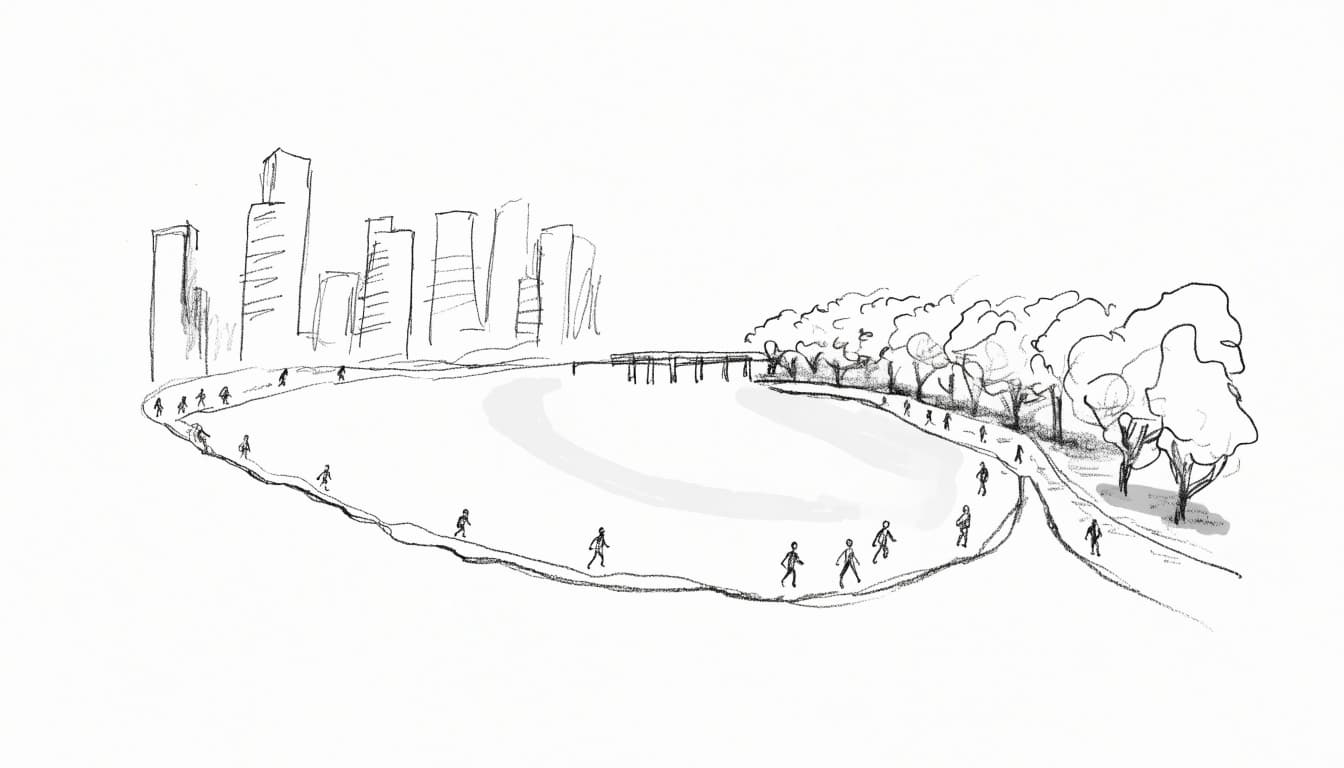
The overall experience often connects Singapore’s central areas with the waterfront, creating a mix of urban streets and open views. However, the exact streets, sequence, and amount of repeated mileage depend on the year. The event’s official 2025 route announcement shows why runners should treat each edition as its own course rather than assuming the route stays the same.
Landmarks You May See Along the Way
Marina Bay, Gardens by the Bay, and East Coast Park have featured in Singapore race routes. These familiar settings give runners useful visual reference points, while also showing how a course can move between the city center and coastal parkland.
Still, a landmark’s appearance in a past race doesn’t guarantee it will be on the next course. Its position in the route can change, too. Check the current map before using a landmark to estimate your progress or plan where friends will watch.
How to Read the Official Route Map
Review the map and race guide for your specific edition, then check again close to race day for updates. The official marathon FAQ confirms the full marathon distance; the route map provides the practical details you’ll need to follow the course.
Look closely at:
- Start and finish points, which may be in different locations.
- Kilometer markers, so you can match the map to your watch and pacing plan.
- Turnaround points and repeated sections, which clarify where the course doubles back or loops.
- Aid stations, including their locations along the route.
- Road closures and access notes for spectators, which can affect transport and meeting plans.
Because route details can shift, plan around the latest official information rather than a saved map or an old race recap. That small check can prevent confusion on race morning and help you focus on running the course in front of you.
What Each Part of the Singapore Marathon Course Feels Like
The Singapore Marathon Route can feel different from one edition to the next, so treat any course description as a guide, not a fixed script. The 2025 course, for example, starts at the F1 Pit Building and passes central landmarks such as the Esplanade and Anderson Bridge. Check the official marathon course details for the route in your race year, then prepare for the changing demands of a long day on your feet.
The Start: Find Your Rhythm in the Crowd
The opening minutes can feel crowded, even when runners have been assigned to start corrals. People settle into position, watches beep, and the pace around you may surge as soon as the start opens. Give yourself room, follow your corral’s instructions, and avoid weaving through runners to chase a gap.
Adrenaline can make goal pace feel easier than it is. Hold back during the early kilometers, especially if the crowd carries you faster than planned. Once the pack thins and you can run freely, ease toward your target effort instead of forcing the pace all at once. A controlled start leaves more energy for the middle and final miles.
The Middle Miles: Waterfront Views and Long Stretches
Waterfront and park sections can bring more space and broad views, depending on the current course. The change from busy streets to open paths may feel refreshing, but long, straight stretches can also make it harder to judge effort. With fewer turns and landmarks passing at a steady pace, the miles may seem to move slowly.
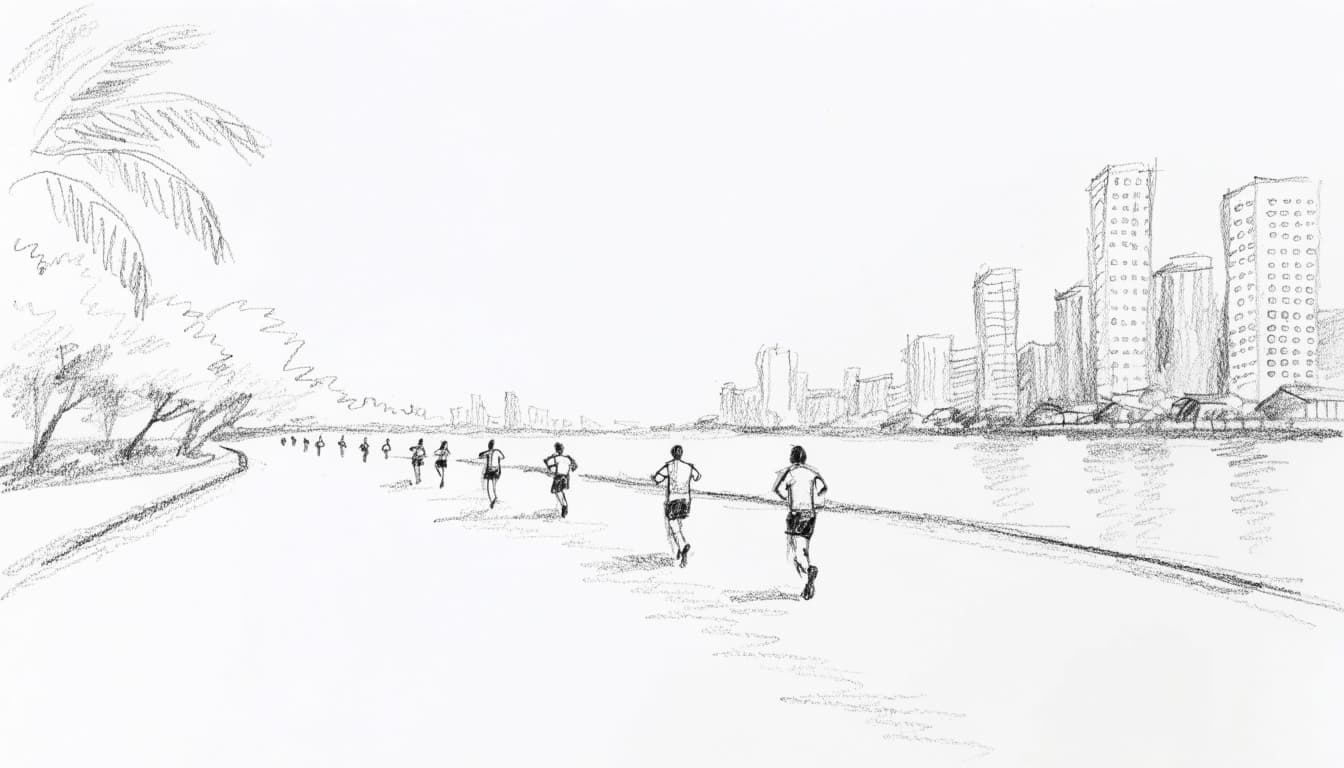
Stay relaxed through these sections. Let your shoulders drop, keep your stride comfortable, and use aid stations as natural checkpoints rather than trying to force a faster split. If the route includes a familiar landmark, use it to stay oriented, but rely on course markers and your plan to track progress. A steady effort matters more than making every open stretch feel quick.
The Final Miles: Keep Moving When the Course Gets Tough
Late in the race, fatigue can make small changes feel demanding. Singapore’s warmth and humidity may add to that strain, especially on exposed sections with little shade. Your pace may slow even when your effort stays high, so pay attention to how you feel rather than reacting to every watch split.
Keep your form simple: look ahead, relax your hands, and shorten your stride if your legs feel heavy. Break the remaining distance into manageable pieces, such as reaching the next marker or aid station, then set your next target. Take fluids according to your practiced plan, and avoid sudden pace surges. Consistent effort through the final kilometers gives you a better chance of finishing strongly.
Choose Your Distance, Duration and Goal Time
Make three quick selections and open the exact plan built for your race target.
Looking for a Fully Personalized Training Plan?
The training plans above are an excellent choice if they match your goal. However, if you’d rather train with a plan built specifically around your current fitness, goal race, preferred training days, weekly mileage, and target finish time, our RDA Custom Training Plans provide a personalized solution. We also have running courses available for runners seeking to run faster from the mile to the marathon.
Why Choose a Custom Training Plan?
| Standard Training Plan | RDA Custom Training Plan |
|---|---|
| Follows a fixed schedule | Built around your schedule |
| Standard weekly mileage | Peak mileage customized for you |
| Fixed workout days | Train on the days you choose |
| Same structure for everyone | Designed around your current fitness |
| Static plan | Updated as your fitness improves |
| One-time purchase | Ongoing personalized coaching and support |
What You’ll Receive
- A training plan built specifically for your goal
- Personalized training paces
- Long runs, tempo runs, threshold workouts, interval sessions, recovery runs, and easy runs
- Peak weekly mileage matched to your experience level
- Flexible training schedule that fits your life
- Ongoing plan adjustments as your fitness improves
Ready to Train Smarter?
Stop guessing and start following a plan built specifically for you, your schedule, and your racing goals.
Prepare for Singapore’s Heat, Humidity, and Road Conditions
Singapore’s tropical weather can make marathon effort feel harder than the same pace does in cool conditions. Heat and humidity affect well-trained runners, too, so plan around effort, practice your fueling, and expect possible rain or slick pavement. The current race guide should shape your final plan because aid stations and event arrangements can change.
Adjust Your Pace for the Weather
A pace that feels comfortable on a cool training morning may demand too much in Singapore’s warm, humid air. Start conservatively and judge your effort by breathing, form, and how controlled your stride feels. If your watch shows a slower split than expected, resist the urge to force the pace early.
Use training runs in warm conditions to learn how your body responds. When possible, build heat exposure gradually during regular runs rather than trying to make up for it with one punishing workout. Pay attention to effort at familiar paces, and adjust your race expectations based on what you’ve practiced. A measured start gives you room to respond as the day unfolds.
Plan Hydration and Fuel Before Race Day
Before traveling to the start, review the current aid-station schedule and check what fluids and fuel the event plans to provide. Station locations and offerings can vary by edition, so don’t rely on an old course map or another runner’s past experience.
Practice your hydration and fueling routine during long runs. Use products and amounts you’ve already tested, and plan how you’ll carry anything you need between stations. Then follow that practiced approach on race day instead of sampling an unfamiliar drink or gel. If you expect to use event-provided products, try them during training when available. Your plan should also account for the conditions and your own experience, rather than treating every aid station as a requirement to take something.
Choose Gear for Warm, Wet Conditions
Choose lightweight, breathable clothing that you’ve already worn on long runs. Humidity can make fabric feel clammy, while seams and straps may rub more once you’re sweaty. Apply anti-chafe products to areas you know are vulnerable, and avoid changing your outfit or accessories at the last minute.
Wear tested shoes with a fit and grip you trust. Rain can leave roads and paths slick, so take care on painted lines, metal covers, and tight turns. Keep your stride controlled through wet sections, especially when fatigue makes foot placement less precise. Most importantly, skip untested gear changes; race morning is a poor time to discover that new shoes, socks, or a hydration setup don’t work for you.
Plan Your Race Day Around the Route
A well-planned Singapore Marathon race day starts before you reach the course. Check the current race guide for confirmed times, venue details, transport access, and road closures, since these arrangements can change by edition. Then make a simple plan for the start, spectator access, and getting back to your lodging.
Reach Your Start Pen Without a Last-Minute Rush
Set your arrival time around the event’s instructions, not just your expected travel time. Leave room for transport delays, security checks, toilets, and the walk to your assigned start pen. The current runner information guide lists the edition-specific schedule and venue procedures.
Before leaving your lodging, check that you have your bib and any required gear-bag tag. Confirm where the event accepts bags and where you can collect them after finishing; the official bag-deposit FAQ describes the process, but check the current guide for exact locations and rules. Use the toilets before entering your corral, since queues may grow as start time approaches.
Keep this quick checklist handy:
- Confirm the start time, venue entrance, and your corral assignment.
- Pack your bib, timing chip if supplied separately, and permitted bag items.
- Check the nearest transit option and allow extra time for walking or queues.
- Use the restroom before heading to your start pen.
Help Spectators Choose a Good Viewing Spot
A familiar landmark may look convenient on a map, but road closures or access restrictions can make it difficult to reach on race morning. Ask friends or family to review the current course map and spectator access rules before choosing a spot. The event’s travel and road-closure information can help them plan a route that stays open during the race.
Choose a location with a clear landmark or entrance, then agree on how you’ll reconnect if crowds or phone service make communication difficult. Share a backup meeting point away from the finish area, too. That gives everyone a specific place to go if your first plan changes.
Know What Happens at the Finish
The finish line may not be near the start, and post-race routes can involve a longer walk than expected. Check the current map for the finish venue, recovery area, gear-bag collection, and exit route. Don’t assume last year’s setup or services will be repeated.
After finishing, take a moment to collect yourself before heading out. Keep a light layer or dry clothes in your bag if the forecast or your comfort calls for them, and agree on a meeting point with your group before the race begins. Finally, plan the trip back to your lodging using the edition’s transport notices. Road closures may affect pickup points and station access, so a backup route can save a tired runner an unnecessary detour.
Train for the Singapore Marathon Route, Not Just the Distance
A marathon plan should prepare you for more than 42.195 kilometers. The Singapore Marathon Route can include long open stretches, busy city sections, and warm, humid conditions, so practice holding a controlled effort while managing your comfort. Check the current course map, then use your training runs to rehearse the demands you can anticipate.
Practice Even Effort on Long Runs
Long runs build endurance, but they also teach you to pace patiently. Begin at a comfortable effort and keep it steady rather than turning every weekend run into a race. If you finish feeling in control, you’re more likely to practice the discipline needed when race-day excitement and the crowd make a faster pace tempting.
On race day, avoid chasing runners who surge ahead in the opening kilometers. Hold back until your breathing settles and the course opens up. Later, when fatigue builds, steady effort can matter more than hitting an exact split. For training, choose a pace you can sustain while speaking in short phrases, and adjust it for heat, hills, or accumulated fatigue.
When your schedule and experience allow, include some long runs on terrain similar to the course. A route with extended stretches helps you practice staying relaxed without frequent turns or visual changes. You don’t need to copy every street. Focus on time on your feet and the ability to maintain an even rhythm.
Rehearse Your Race-Day Fuel and Clothing
Use long runs to test the fuel, fluids, clothing, shoes, and carrying setup you plan to use. Notice what feels comfortable after an hour, then check again later in the run. A belt that bounces or a shirt seam that rubs can become distracting over distance, so make adjustments during training rather than on race morning.
Check the current event information for planned aid-station locations and offerings. Then practice taking fluids or fuel in a way that fits your routine. The 2025 course announcement described added cooling and hydration features, but race services can differ by edition. Build a plan around the current details and products your body tolerates.
Singapore’s heat deserves practice, too. When conditions allow, gradually include some runs in warmer weather, while avoiding sudden increases in heat exposure or training load. A review of heat-training guidance recommends repeated exercise in the heat over one to two weeks for acclimatization, but individual responses vary. Follow a plan suited to your experience and health, and seek medical advice if you have concerns about exercising in heat.
The goal is familiarity, not a guaranteed pace or outcome. By race week, you should know how your shoes feel over distance, how you carry your supplies, and what effort you can sustain in warm conditions. Research on training and competing in the heat offers additional context, but your training should still reflect your own fitness and health.
Frequently Asked Questions
The details runners need most often depend on the race edition. Use the current event information for your year, especially when planning transportation, pacing, or a spectator meeting point.
How long is the Singapore Marathon?
The full marathon is 42.195 kilometers, or 26.2 miles. The event also offers shorter race options, such as a half marathon and shorter-distance races, though the lineup can vary by edition. Check the official marathon race details for the distance and entry information in your year.
Does the Singapore Marathon Route change each year?
Course details can change between editions, including the streets runners follow and the sequence of landmarks. Before planning your pacing or spectator locations, use the official map for the year you’ll race rather than relying on an older route description.
Where does the Singapore Marathon start and finish?
The start and finish locations depend on the edition, and they may be in different parts of the city. Check the latest event guide before booking transportation or arranging a meetup, since venue access and exit routes can affect your plans.
Is the Singapore Marathon course flat?
The route is generally known for city streets and park roads rather than major climbs. However, bridges, ramps, turns, and course changes can still affect your effort, so review the edition-specific elevation profile and course details before setting a pace goal.
What time does the Singapore Marathon start?
Start times may vary by race category and edition, and runners may be assigned different waves. Follow the time and corral instructions given for your entry, then confirm the schedule in the current runner information guide before race day.
Can spectators watch the race along the route?
Spectator access depends on the event’s current guidance, road closures, and transportation conditions. Ask friends or family to choose accessible viewing points from the official guide, then agree on a clear meeting spot in case crowds or closures disrupt the plan.
Conclusion
The Singapore Marathon Route can change with each edition, so the current course map is your best guide to the streets, start and finish areas, and race-day logistics. Pair that knowledge with realistic pacing and practice in warm, humid conditions. Together, those steps help you prepare for the demands of the course without relying on outdated details.
As you train, remember that your goal is more than a finish time. The race is also a chance to experience Singapore on foot, with the city unfolding around you one kilometer at a time. Prepare well, stay flexible on race day, and enjoy the route you’ve worked toward.


