

Seattle Marathon Review and Race Tips
If you’re considering the Seattle Marathon, this review looks at the details that matter before committing to 26.2 miles: the course, race-day organization, crowd support, entry costs, transportation, start and finish logistics, and overall value. This context can help you compare the late-fall event with other races on your race calendar, whether you’re a first-time marathoner or a returning runner.
The event is a major road race in Washington state, but it won’t suit every runner. Traditionally held in late November, often around the Thanksgiving period, it offers a recognizable city race in Seattle, Washington. Verify the current date before making plans. Its city setting and regional profile may appeal to runners who want plenty to plan around, while those seeking a flatter course, smaller field, or simpler weekend setup may prefer another option.
Start and finish plans may include Seattle Center and Memorial Stadium, but verify both with the current organizer information. Course details, registration fees, policies, start times, and event services can change each year, so confirm the latest information before traveling or registering. Make sure to book your Seattle Marathon hotels early to save on higher prices later.
Key Takeaways
- The Seattle Marathon offers a major Pacific Northwest race experience, with a city course and plenty to consider before race day.
- Course demands, weather, crowd support, and overall atmosphere matter as much as the advertised distance.
- Build your budget around registration, travel, lodging, meals, parking, and possible gear or recovery costs.
- Plan transportation, bib pickup, start-line access, and post-race movement before arriving in Seattle.
- Check the official race information and current FAQ for updated dates, fees, policies, and logistics.
Seattle Marathon Review: The Overall Race Experience
The race feels like a substantial city marathon with a strong Pacific Northwest identity. You get the scale and structure of a major road event, but the experience still passes through local streets, neighborhood viewpoints, and community-supported sections rather than staying inside a generic downtown loop.
Build Your Complete Race-Day Setup
The right shoe helps, but faster racing comes from better training, pacing, recovery, fueling, and execution.
More Guides for This Shoe
What Makes the Seattle Marathon Stand Out
Seattle gives the race a setting that many destination events would struggle to replicate. The current marathon course includes Seattle Center and the Space Needle, Downtown Seattle, University of Washington, residential neighborhoods, and Lake Washington views. The route changes often enough to stay visually interesting, although the terrain can demand more attention than a flat urban marathon.
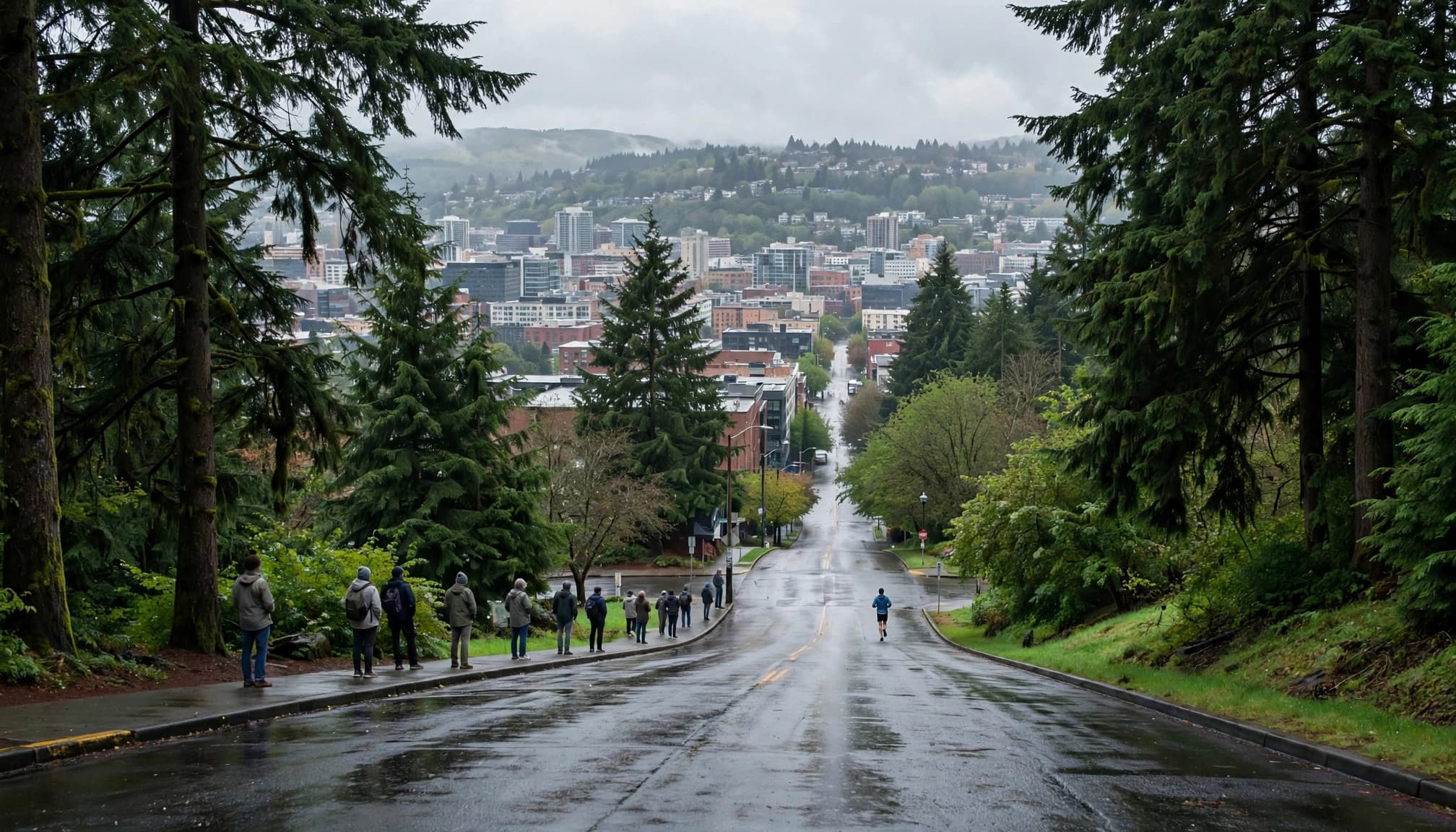
The event also has clear destination-race appeal. Visitors can build a full weekend around Seattle’s restaurants, museums, neighborhoods, and waterfront attractions. As a running event, it offers a strong connection to the host city rather than feeling like a traveling production with no local identity.
That balance matters. A first-time marathoner may appreciate the visible organization, aid stations, volunteers, and larger field. Experienced participants may value the same structure, but pay closer attention to hills, turns, weather, and crowd density when chasing a personal best.
Memorial Stadium serves as the start and finish area on the current race setup, which gives runners a recognizable venue and a central base. The course deserves a current check before every race. The organizer’s marathon and half marathon details provide the starting point, but route maps and neighborhood sections can change because of construction, permitting, or traffic planning. Don’t rely on an older GPS file or a previous runner’s race report when planning pacing.
The Main Strengths and Weak Spots at a Glance
Seattle’s strongest qualities are its setting, recognizable city character, and mix of organized support with local crowd energy. Cool weather can help many runners, while rain, wind, or slick pavement may add difficulty. The hills also make the race less predictable for runners who train mainly on flat roads.
Road closures create a safer course, but they can complicate hotel access, parking, rideshare drop-offs, and movement around downtown. Spectator support may feel lively in populated areas, then thin out on quieter stretches. Post-race logistics can also feel crowded, especially when many runners and supporters move through the same finish-area spaces.
For a first marathon, that combination can feel encouraging and demanding at once. Personal-best runners should study the elevation profile and current map before choosing a pacing strategy. Runners who care most about scenery and community will likely find more to enjoy than athletes seeking the simplest, fastest course.
The Seattle Marathon is best for participants who want a memorable city experience and are willing to plan around weather, hills, closures, and changing logistics.
How the Seattle Marathon Course Feels From Start to Finish
The marathon course changes character as the race moves through the city. Runners can expect urban streets, neighborhood roads, water views, bridges, turns, and exposed sections where wind or rain may affect comfort. That variety keeps the course interesting, but it also makes steady effort more important than blindly following a flat-course pace.
Scenery, Neighborhoods, and Crowd Support
Seattle offers more visual variety than a simple out-and-back course. From the Memorial Stadium start and finish area, runners may pass Downtown Seattle, the Space Needle, waterfront areas, residential streets, parks, bridges, and roads near the University of Washington. Depending on the route, views toward Lake Washington can also break up the long distance.
Crowd energy changes throughout the race. Busier city sections may bring more spectators, volunteers, and noise, while residential or exposed stretches can feel much quieter. Participants experience crowd density differently, so treat quieter miles as planned solo running time.
The course’s turns and changing surroundings require attention, especially when fatigue sets in. Sharp direction changes can interrupt rhythm, while bridges or open roads may expose runners to wind. Before race week, review the official Seattle Marathon course information and check recent runner reports for practical details about crowd density, road conditions, and route changes.
Choose Your Distance, Duration and Goal Time
Make three quick selections and open the exact plan built for your race target.
Looking for a Fully Personalized Training Plan?
The training plans above are an excellent choice if they match your goal. However, if you’d rather train with a plan built specifically around your current fitness, goal race, preferred training days, weekly mileage, and target finish time, our RDA Custom Training Plans provide a personalized solution. We also have running courses available for runners seeking to run faster from the mile to the marathon.
Why Choose a Custom Training Plan?
| Standard Training Plan | RDA Custom Training Plan |
|---|---|
| Follows a fixed schedule | Built around your schedule |
| Standard weekly mileage | Peak mileage customized for you |
| Fixed workout days | Train on the days you choose |
| Same structure for everyone | Designed around your current fitness |
| Static plan | Updated as your fitness improves |
| One-time purchase | Ongoing personalized coaching and support |
What You’ll Receive
- A training plan built specifically for your goal
- Personalized training paces
- Long runs, tempo runs, threshold workouts, interval sessions, recovery runs, and easy runs
- Peak weekly mileage matched to your experience level
- Flexible training schedule that fits your life
- Ongoing plan adjustments as your fitness improves
Ready to Train Smarter?
Stop guessing and start following a plan built specifically for you, your schedule, and your racing goals.
Hills, Weather, and Pacing Strategy
Seattle’s terrain can make the marathon feel harder than its distance suggests. Rolling roads, climbs, descents, bridges, and repeated turns each affect how much energy you spend. A pace that feels comfortable on a flat stretch may become too aggressive on an incline, even when your watch shows a slower number.
Run hills by effort instead of forcing your target pace. Shorten your stride on climbs, keep your breathing controlled, and let your pace return naturally after the crest. On descents, avoid charging downhill to regain every lost second. That can load your quads early and leave less strength for the final miles.
Weather adds another variable. Rain can make pavement slick and increase chafing, while cold temperatures may leave muscles feeling stiff before the start. Wind is more noticeable near Lake Washington and on open roads. An unexpectedly warm day can also raise fluid needs. Wear tested layers, apply anti-chafing protection, and build a weather-specific plan without assuming the forecast will match last year’s conditions.
A strong race plan uses effort as its anchor, while pace remains a reference point.
Practice hills during training, including both climbs and controlled descents. Also review the current course map and elevation information through the current course maps and elevation information before race day. The official profile can show where to conserve energy, but recent runner reports may reveal how weather, turns, and crowd support change the course’s feel in practice.
Race-Day Logistics, Organization, and Runner Support
The Seattle Marathon experience depends on more than the course itself. Registration details, packet pickup, transportation, start-line access, and finish-area organization can either reduce race-day stress or add to it. Policies and locations may change, so use the official Seattle Marathon information and current runner guide for final instructions.
Registration Costs, Race Options, and What You Get
There isn’t one fixed entry fee. The organizer typically uses early-bird, standard, and late pricing, with higher rates as race day approaches. Check the current dollar ranges before registering, and confirm whether processing fees, taxes, or charity fundraising requirements are separate.
The weekend may include the full marathon, half marathon, and other event options. Match the distance to your goals, then check what each entry includes. Look for:
- A finisher medal and participant shirt.
- Official timing, race results, and split information.
- Bib pickup details and expo access.
- Gear check, aid stations, medical support, and post-race food.
- Transfer or deferral options if an injury or travel problem prevents you from racing.
A cheaper entry may offer better value if it includes services you would otherwise pay for separately. A higher fee may not suit you if you need flexible cancellation or plan to skip the shirt and expo. Review the marathon and half marathon details before making a final comparison.
Getting to the Start and Managing Race Morning
Packet pickup may happen at a designated hotel or expo location, and race-day pickup may not be available. The organizer’s race FAQ and packet pickup guidance should be your first stop. If you’re traveling to Seattle, Washington, staying near the start or along a reliable transit route can save time.
Confirm whether the current guide directs runners to Seattle Center or Memorial Stadium for the start. Check the location again before traveling, since venue access and road closures can change. If the University of Washington or routes near Lake Washington affect transportation, allow extra time for detours.
Build a simple race-morning timeline before leaving your room:
- Check official updates, weather, road closures, and transportation changes.
- Allow time for transit, parking, or a longer-than-expected rideshare drop-off.
- Arrive early enough for bathrooms, gear check, warm-up, and corral access.
- Confirm your meeting point before the start, since family members may not reach the finish area easily.
Downtown Seattle traffic can become difficult when streets close. Avoid relying on last-minute parking or a precise curbside drop-off. Use the current course map to confirm access around Memorial Stadium, and keep a backup meeting plan if cell service is crowded.
Aid Stations, Finish-Line Services, and Post-Race Recovery
Review the support plan for water, sports drink, gels, medical tents, course markings, bathrooms, timing mats, and the locations of any gear check. Aid stations may offer enough for many runners, but athletes with allergies, sensitive stomachs, or specific fueling plans should carry backup nutrition they’ve already tested.
Medical volunteers and clearly marked course stations provide important support, yet they don’t replace personal preparation. Know where you can stop, what fluids you tolerate, and how you’ll respond if rain, cold, or fatigue changes your needs.
At the finish line, confirm whether the event provides medals, shirts, blankets, food, drinks, changing space, and a designated family meeting area. Finish-area movement can feel crowded when runners and spectators share narrow streets. The Seattle Marathon travel and traffic information can help you plan your route before the event, but verify every detail in the current guide because services and locations may change.
Is the Seattle Marathon Worth the Cost and Travel?
The event can be worth the expense when you want more than a fast course. It offers a recognizable city setting, organized race support, varied scenery, and a weekend filled with restaurants, museums, neighborhoods, and waterfront attractions. Downtown Seattle adds destination appeal, while the University of Washington offers another recognizable point of interest for visitors. However, total costs extend well beyond registration, especially for runners traveling from outside the region.
Your decision should match your main goal. A runner seeking a memorable destination race may value Seattle’s atmosphere over a flatter course or cheaper entry. Someone focused on a personal best may reach a different conclusion after considering the hills, weather, and travel disruption.
Compared With Flatter City Races
Compared with flatter destination marathons, this marathon course asks you to manage elevation changes and changing conditions. Climbs can slow your pace, while descents may place extra stress on your quads. Rain, wind, and cool temperatures can also affect comfort, particularly on exposed roads and bridges.
That makes the route a less predictable setting for a personal best. You may need to pace by effort instead of holding one exact pace from the starting line. Runners who train on rolling roads will usually feel better prepared than those who spend most of their long runs on flat paths.
The tradeoff is scenery. Depending on the route and visibility, views toward Lake Washington, evergreen-lined streets, urban neighborhoods, and waterfront areas can create a stronger sense of place than a repetitive flat course. The field may also feel substantial without creating the intensity of the largest international marathons. For a general reference point, Seattle Marathon course information can help you compare elevation, pacing, and race-day logistics before choosing your target event.
A slower course can still produce a better marathon experience. You may finish with a slower time but remember Lake Washington views, the city, and the feeling of completing a demanding route. If your goal includes travel and personal enjoyment, pace is only one part of the value.
Who Gets the Best Value From This Race
The event makes the most sense for local participants who can avoid hotel costs and travel stress. It also suits athletes who enjoy hills, want a scenic city course, or prefer a cool-weather race with a distinct Pacific Northwest character.
Visitors may find stronger value when they treat the event as a full weekend rather than a single morning. A memorable finish, local food, sightseeing, and time with family or friends can justify the added expense. Still, include lodging, meals, parking, transit, baggage fees, and possible extra nights in your budget.
You may be better served by another race if you need:
- A flat route designed for a personal-best attempt.
- Warmer or more predictable weather.
- A smaller field with fewer transportation challenges.
- A lower-cost event close to home.
For runners with those priorities, the entry fee, lodging rates, road closures, and demanding course may outweigh the scenic appeal. For others, the city setting and complete race-weekend experience make the event worth the cost.
How to Prepare for the Seattle Marathon
Preparing for the race means training for more than 26.2 miles. You need to handle rolling hills, cool or wet weather, changing road surfaces, race-day logistics, and the demands of a long weekend. Build your plan around steady progress, then adjust it to your experience, health, schedule, and goals.
Training for Seattle Hills and Changing Conditions
Start with a gradual training build that increases your long-run distance without making every week harder. Most long runs should feel controlled, conversational, and slower than marathon pace. A recovery week every few weeks can help you absorb the work instead of stacking fatigue until your training breaks down.
Add hill repeats in small doses, especially if your usual route is flat. Begin with shorter climbs, focus on consistent effort, and increase the total uphill time gradually. If the current course map includes shoreline or rolling roads near Lake Washington, use similar terrain for longer practice runs. Rolling long runs teach you to manage repeated climbs when your legs are already tired. Practice downhill control as well. Keep your stride compact, avoid braking sharply, and resist the urge to chase pace on every descent.
Strength work can support your running economy and control on uneven terrain. Include exercises that train the calves, glutes, hamstrings, and core, using a routine that fits your experience and does not interfere with key runs. The UCSF marathon training guide also emphasizes gradual preparation, hydration, and recovery as part of a sensible marathon plan.
Rain and cool temperatures deserve practice, but you don’t need to force poor conditions every week. Run outdoors in light rain when visibility, footing, and temperatures are safe, then change the route or use an indoor option during storms, icy conditions, or unsafe air quality. Wear tested layers and dry shoes afterward. Participants have different weather tolerances and fueling needs, so consistency matters more than proving you can complete every workout in miserable weather.
Fueling, Clothing, and Race-Day Pacing
Use long runs to test your breakfast, gels, sports drinks, water intake, socks, layers, and anti-chafing products. Try one change at a time so you know what caused a stomach problem, blister, or overheating issue. The Runner’s World marathon training guide offers additional guidance on practicing race nutrition during long runs.
On race morning, choose familiar food and arrive with a simple plan. Start the Seattle Marathon conservatively, especially if the first miles feel easy. Let your effort rise gradually, shorten your stride on climbs, and regain rhythm after each crest instead of forcing your usual flat-course pace. If rain, wind, or an unexpected temperature change arrives, adjust effort and clothing rather than defending a fixed split.
Begin tapering by reducing training volume before race day while keeping some light, familiar running. Use race week to confirm bib pickup, transportation, weather, clothing, breakfast timing, and meeting points. Most importantly, don’t introduce new nutrition, shoes, socks, or gear on race day. If pain, illness, or a health concern affects your plan, seek advice from a qualified medical or running professional.
Seattle Marathon Pros, Cons, and Final Verdict
The race earns its appeal through a strong sense of place, a well-supported city-race format, and a course that demands more than simply holding a steady pace. Its drawbacks are equally clear: hills, unpredictable weather, travel costs, road closures, and logistics that may feel excessive for runners focused only on speed.
The Biggest Reasons to Sign Up
Seattle gives you a marathon experience that feels connected to its host city. Depending on the current route, you may run through Downtown Seattle, waterfront areas, residential neighborhoods, and evergreen-lined roads. Some route versions also feature roads or views near Lake Washington, so check the latest course map before registering. Local spectators and volunteers add energy along the way, while a Memorial Stadium start and finish provide a recognizable venue identity.
The race also works well as a destination weekend in Seattle, Washington. Visitors can explore Seattle Center, the Space Needle, restaurants, museums, neighborhoods, and waterfront attractions. Local runners avoid airfare and hotel costs. Community support, organized aid stations, and a familiar city setting can make the event encouraging for participants completing a first marathon.
Experienced runners may appreciate the challenge itself. Hills require controlled pacing, and cool or wet conditions reward preparation. That makes Seattle a good choice if you want to train with purpose and test your ability to manage effort rather than chase a perfectly flat-course split.
The Reasons Some Runners May Choose Another Race
Seattle may be the wrong fit if your main goal is a personal best on the fastest possible route. A flatter marathon can make pacing simpler and reduce the cost of hills on tired legs. Warmer-weather runners may also prefer a race with more predictable conditions, while athletes sensitive to rain or cold should take the November setting seriously.
Travel demands can change the value calculation. Lodging, meals, parking, transportation, and extra nights can quickly exceed the entry fee. Road closures around Memorial Stadium may complicate hotel access and parking, especially for visitors unfamiliar with the area. A larger city event may also feel less relaxed than a small local race.
These points describe personal fit, not automatic flaws. Before registering, confirm the current course maps and elevation details, entry terms, race schedule, pickup rules, cutoff times, and runner guide. The official marathon and half marathon page is also useful for checking current race options and start information.
For first-time marathoners, Seattle is a strong choice if you train on hills and want a supported city experience. Experienced racers should choose it when the course challenge and setting matter more than a flat personal-best attempt. Local runners often get the best value, while visitors should plan the entire weekend budget. Overall, the Seattle Marathon is worth it for runners who value scenery, atmosphere, and a demanding route, but another race may serve you better if simplicity, warmth, low cost, or maximum speed comes first.
Frequently Asked Questions
The race rewards runners who prepare for details beyond mileage. These answers address common concerns that affect comfort, timing, and overall value.
Is the race a good choice for first-time marathoners?
It can be a good choice if you’ve built a solid training base and practiced on rolling terrain. Hills, cool weather, rain, and changing conditions may challenge runners who trained only on flat roads or indoors.
Volunteer support, aid stations, course markings, and fellow runners can make the experience feel manageable. Still, use a realistic pacing plan based on effort, not an aggressive flat-course goal. Start conservatively, especially on early climbs, and save energy for the final miles.
Is the course flat or hilly?
Runners should expect meaningful elevation changes and rolling sections rather than a completely flat city course. Depending on the race year, portions may run near Lake Washington, while late climbs can affect tired legs.
Review the official Seattle Marathon FAQ and current course map before race weekend. The route and elevation profile can change, so don’t base your pacing plan on an old GPS file or another runner’s experience.
What is the weather usually like during this event?
Conditions can be cool, wet, windy, or changeable. Rain may affect footing and chafing, while wind can feel stronger on open roads, bridges, and waterfront sections. A mild morning can also become warmer or wetter as the race progresses.
Prepare with layers, weather-tested shoes, comfortable socks, and anti-chafing protection. Pack clothing for several conditions, then adjust your pace by effort if the weather makes your target splits unrealistic.
How early should runners arrive for the race?
Follow the current arrival, transportation, and corral instructions from the organizer. Memorial Stadium or another named venue may serve as a staging area, so verify the location in the official guide.
Allow extra time for traffic, parking, transit delays, bathrooms, bag check, weather, and walking between drop-off points and corrals. Participants staying outside downtown should plan their route before race morning, since road closures can affect parking and rideshare access.
Can spectators easily watch the race?
Spectator access depends on the current route, road closures, public transportation, and viewing rules around the start or finish. Seattle Center and the Space Needle may help supporters navigate, but only if the current guide permits viewing nearby.
Supporters may have difficulty crossing the course or reaching multiple locations. Choose one or two planned viewing points instead of trying to follow the runner everywhere. Share an estimated arrival time, a clear meeting location, and a backup plan if cell service or transit becomes unreliable.
What should runners check before registration?
Before paying the entry fee, confirm the current:
- Race date, start time, course map, and elevation profile.
- Entry price, cancellation policy, transfer rules, and deferral options.
- Cutoff times, packet pickup schedule, and transportation instructions.
- Aid-station locations, available fluids, nutrition, medical support, and gear check.
- Whether a half marathon or other race distances are offered that weekend.
- Typical weather conditions and clothing requirements for the season.
Use the official race website for final policies, since fees, services, route details, named venues, and deadlines can change after older reviews are published.
Conclusion
The Seattle Marathon is a strong fit for runners seeking a scenic, challenging city race with a distinct Pacific Northwest identity. Its varied course, local atmosphere, and organized support create a memorable experience. However, hills, rain, wind, and changing road conditions require thoughtful training and flexible pacing.
Choose Seattle if you value the race setting as much as your finish time, especially if you train on rolling terrain. Plan carefully for transportation, lodging, and race-morning delays. First-time marathoners can enjoy the support, while experienced runners may appreciate the physical demands. Runners focused only on a flat personal best or the lowest travel cost may find better value elsewhere.
Before registering, review the current official race information for the date, course map, elevation profile, fees, policies, packet pickup, transportation, and race-day services. The final verdict is simple: choose the event for scenery, challenge, and atmosphere, but choose another race if speed, simplicity, or budget comes first.


