

Saucony Peregrine 16 Review: Trail Grip, Speed, and Fit
The Saucony Peregrine 16 looks built for runners who want quick turnover and confident trail grip on the same run. If you keep moving across dirt, rocks, and mixed ground, this review focuses on how well it handles speed, comfort, traction, and protection without feeling sluggish.
That balance matters because a trail shoe can feel sharp on paper and still fall short once the terrain changes. For runners comparing it with other options, the best trail running shoes for technical terrain often share the same goal, fast enough for steady pace work, but tough enough to stay stable when the trail gets messy.
The key question here is simple, does the Peregrine 16 still feel quick while giving you enough grip and underfoot security?
What stands out right away when you put on the Peregrine 16
The first thing you notice about the Saucony Peregrine 16 is how quickly it settles onto the foot. It feels secure right away, but it doesn’t wrap the foot in a thick, bulky shell. That matters on trail runs, because you want confidence when the ground turns uneven.
A shoe like this should feel ready as soon as you tie it, and the Peregrine 16 gets there fast. The fit is snug enough for pace changes, yet it still leaves room for natural foot movement. For a quick reference point, this Peregrine 16 review also describes a true-to-size fit with a locked-in heel and secure midfoot.
The fit feels locked in without feeling bulky
The heel holds well from the first steps, so your foot does not slide around when you pick up speed. In the midfoot, the upper grips in a way that feels stable, which helps when you are cutting across roots, rocks, or off-camber trails.
The forefoot has enough structure to keep the shoe controlled, but it does not feel stiff or clamped down. That balance makes the Peregrine 16 feel confident during fast movement, especially when your stride changes on uneven ground.
A few things stand out in the fit:
- Heel hold feels firm, with very little lift.
- Midfoot lockdown feels secure without a squeezed feeling.
- Forefoot room feels practical, not sloppy.
- Overall shape feels better for narrow to average feet, though some runners with wider feet may want more room.
The upper supports quick footwork well, which is exactly what you want in a trail shoe built for mixed terrain. It gives the impression of control without making the shoe feel heavy or overbuilt.
Upper comfort on short runs and longer efforts
The upper feels smooth against the foot, and the materials do a good job of keeping the shoe from rubbing in the wrong places. On short runs, that immediate comfort stands out because nothing feels fussy or overcomplicated. On longer runs, the shoe keeps that same secure feel without turning harsh.
Breathability is solid for a trail model, though the upper still feels protective enough for brush, dirt, and light debris. That tradeoff works well if you run in changing conditions, since the shoe protects more than a thin road-style upper would.
The Peregrine 16 feels secure before it feels soft, and that is a good sign for trail stability.
During testing, no major hot spots or pressure points showed up. The tongue and collar help keep the fit composed, so the shoe feels comfortable from the start and stays that way as the miles build.
How the Peregrine 16 handles trail grip on different surfaces
The Saucony Peregrine 16 feels strongest when the ground stays varied. Its outsole gives you a secure, direct feel on many trail surfaces, so you spend less time thinking about each step and more time running. On the right terrain, it feels sharp and confident. On slick ground, it asks for more caution.
Dry dirt and hardpacked trails feel fast and confident
On dry dirt, the Peregrine 16 gets into a nice groove fast. The lugs bite well enough to keep the shoe from feeling vague, but they do not feel so aggressive that they slow you down. That balance helps the shoe stay smooth when you settle into a steady pace.
As the speed rises, the outsole still feels composed. The shoe rolls forward cleanly, and the grip stays predictable on firm ground. If your local trails are mostly hardpack, the Peregrine 16 feels efficient and easy to trust.
A few traits stand out on these surfaces:
- Firm hold on dirt without a harsh or draggy feel
- Good forward flow when you pick up the pace
- Stable contact on packed trail and dry pathways
For runners who spend a lot of time on packed routes, this kind of traction matters a lot. It gives the shoe a lively feel that suits tempo-like trail runs and everyday miles. For more context on outsole design and lug behavior, RunRepeat’s outsole guide explains how lug shape changes grip on different ground.
Loose rock, gravel, and uneven terrain test the outsole
The Peregrine 16 handles loose rock and gravel well, especially when the trail stays open and dry. The outsole holds its line better than many lighter trail shoes, so it does not slide around with every small shift in footing. Edge hold is solid, and that helps the shoe stay controlled on uneven turns.
On broken terrain, the shoe feels steady rather than skittish. You still notice some movement underfoot on sharper rock edges, but the outsole keeps enough purchase to stop the ride from feeling loose. That makes a real difference when the trail tilts or the ground changes fast.
This is where the Peregrine 16 earns trust:
- Better control on gravel than on smoother, packed trail shoes
- Useful edge grip on angled surfaces
- Stable feel when footing changes without warning
The Peregrine 16 stays planted best when the surface is rough but dry.
If you want a point of comparison, the Brooks Divide 5 trail traction review shows a different kind of grip, one that also favors mixed terrain but feels less aggressive overall. The Peregrine 16 gives you a firmer, more confident response when the path gets messy.
Mud, wet roots, and slick patches show the limits
Wet trails are where the Peregrine 16 asks you to slow down. It can handle light moisture and short damp sections, but deeper mud and slick roots push it near its limit. The outsole still works, yet the grip loses some bite once the trail gets greasy.
On wet rock or root-covered singletrack, the shoe can feel less surefooted than it does on dry ground. You can run through those sections, but you need to stay deliberate. Shorter steps and better line choice matter more here than raw speed.
The traction is strongest when the surface has texture. It is weaker when the trail turns glossy or slushy. In practical terms, that means:
- Light mud is manageable if you keep moving.
- Wet roots need careful foot placement.
- Deep slick patches are best handled with caution.
The Peregrine 16 still offers decent all-around grip, but it is not the shoe for sloppy conditions where mud clogs the tread. On those trails, the outsole works better as a dependable helper than a magic fix. For runners who want a shoe built for sharper traction on softer, trickier ground, the ASICS Gel Trabuco Terra 3 outsole performance is a useful comparison point.
Does the Peregrine 16 still feel fast on trail runs?
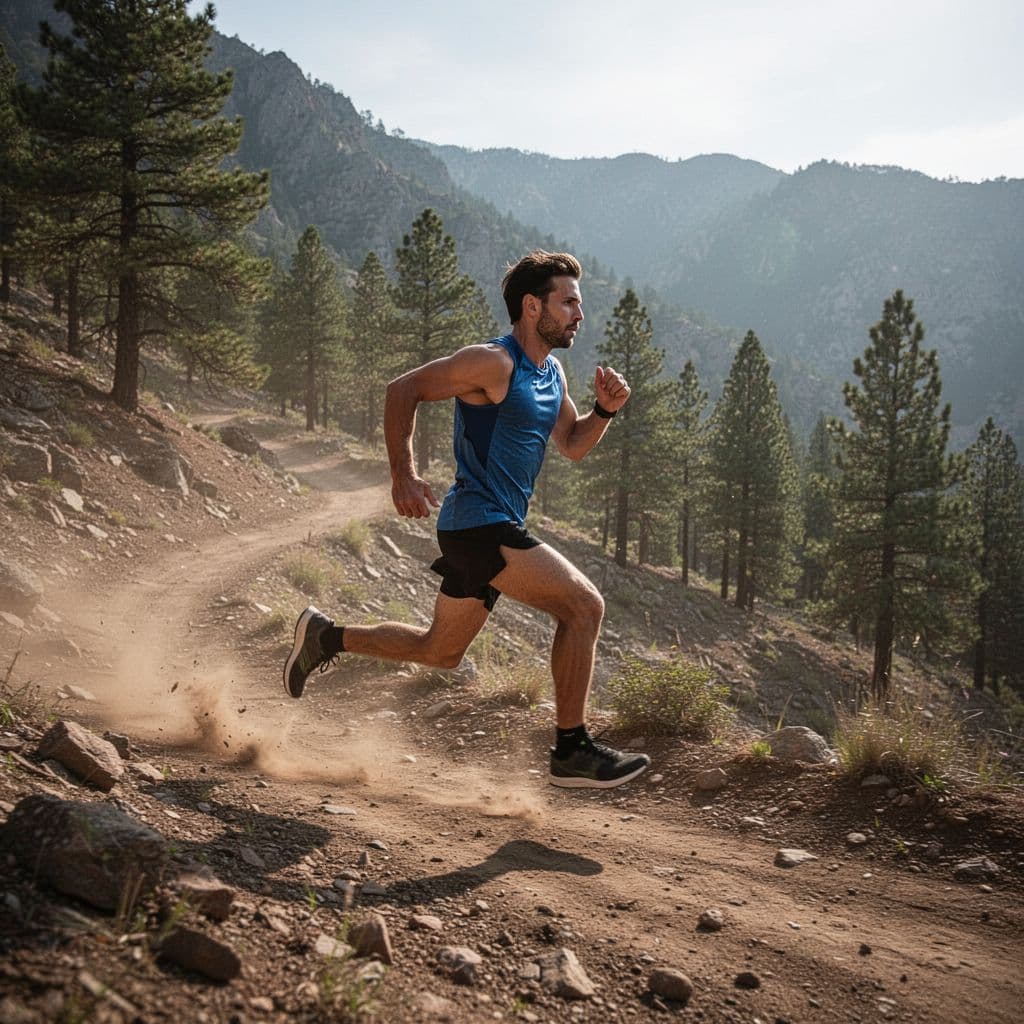
Yes, it still feels fast, but in a trail-shoe way. The Saucony Peregrine 16 is not trying to act like a road racer on dirt. Instead, it keeps a quick, controlled feel that works when the trail keeps changing under your feet.
That matters because speed on trails is more than raw bounce. You want a shoe that turns over smoothly, holds its line, and does not fight you when the pace changes. The Peregrine 16 does that well enough to stay in the conversation for runners who like sharp, efficient trail shoes.
Ride feel during steady runs
On easy to moderate runs, the Peregrine 16 feels smooth and direct. The shoe stays out of the way, which helps the mile stack up without a lot of mental noise. You notice the trail, not the shoe, and that is usually a good sign for daily use.
The ride has enough structure to feel efficient, but it does not come across as stiff or wooden. That gives you a steady rhythm on rolling dirt paths, packed singletrack, and short mixed-terrain sections. If your run stays controlled, the shoe feels light on its feet and easy to settle into.
For runners who do a lot of routine trail miles, that balance helps. It feels more nimble than a heavy protection-first model, yet it still has enough underfoot presence to stay confident when the ground gets rough. If you want more context on building that kind of trail rhythm, the trail running tips from Run Dream Achieve line up well with this kind of shoe choice.
How it responds when the pace picks up
When the pace rises, the Peregrine 16 responds better than many trail shoes in this category. It does not explode forward, but it gives you a clean, lively push that feels useful during pickups, tempo work, and short climbs. The ride has enough snap to encourage faster turnover without feeling unstable.
That said, the shoe feels best when speed comes from effort, not from the shoe doing all the work. On climbs, it stays planted and efficient. On downhills, it feels quick and controlled, which helps you stay relaxed instead of fighting the terrain.
Its biggest strength is that it does not feel like a brake. Some trail shoes get clunky when you push harder, especially on uneven ground. The Peregrine 16 stays more cooperative, so if you run with a faster cadence, it keeps up well.
The Peregrine 16 feels fast because it stays precise, not because it feels spring-loaded.
For a broader take on how runners build speed on trails, training tips for trail runners can help you match the shoe to the workout.
Best run types for this shoe
The Peregrine 16 makes the most sense when you want speed with control. It fits best in sessions where you want to move fast enough to feel sharp, but not so fast that the trail shoe starts working against you.
This is where it shines:
- Fast trail runs, where you want a quick, stable ride on mixed terrain
- Short to medium races, especially if the course has dirt, rock, and rolling climbs
- Tempo efforts on trails, when you want a steady push without a bulky feel
- Hill repeats, because the shoe holds well when effort rises and form starts to matter
- Everyday trail miles, if you like a shoe that feels lively instead of soft and sleepy
It is a strong fit for runners who like to mix workouts into trail days. If you are doing mostly smooth, easy miles, the speed benefits matter less. But if your routes include surges, turns, and repeated changes in pace, the Peregrine 16 feels right at home.
The shoe also suits runners who want one trail model that can handle more than one job. It is quick enough for sessions, yet still practical for regular training. That combination is what keeps the Saucony Peregrine 16 feeling fast, even when the run stops being simple.
Cushioning and protection on rough ground
The Saucony Peregrine 16 keeps its cushioning in a useful middle zone. It has enough foam to take the edge off rocky miles, but it still feels close to the trail. That balance matters when the ground keeps changing, because too much softness can feel sloppy while too little can beat up your feet.
Underfoot comfort over rocky miles
On rough terrain, the midsole does a solid job of softening repeated impact. You feel the rocks, but they do not punch through the shoe the way they can in a thinner trail model. That makes the Peregrine 16 easier to keep moving in when the trail turns choppy and the miles start to add up.
The stack feels moderate rather than tall, so the ride stays controlled. There is enough foam to keep the landing from feeling harsh, yet the shoe does not sink or wobble when you land on uneven edges. If you like a trail shoe that feels lively and stable at the same time, that combination works well.
It also holds up better over time on mixed surfaces than a bare-bones feel would. On repeated foot strikes, the cushioning stays consistent, which helps reduce that tired, bruised sensation that can build on rocky runs. For runners who want more background on how this kind of trail setup compares with other gear, trail running gear essentials is a useful place to start.
A few things stand out underfoot:
- Impact protection is good for a moderate-cushion trail shoe
- Stack feel stays low enough for quick foot placement
- Ride comfort stays steady on rock, gravel, and broken dirt
The Peregrine 16 cushions enough to keep rocky miles manageable, without turning the shoe into a soft platform.
Protection without losing too much trail feel
Protection is one of the Peregrine 16’s best traits, and it does that job without hiding the ground completely. The shoe blocks sharp terrain well enough to inspire confidence on roots and rocks, especially when you land awkwardly or clip an edge mid-stride. The forefoot protection is the part you notice most, since that is where sharp contact usually shows up first.
At the same time, the shoe keeps a strong sense of trail feedback. You can still read the ground, adjust your step, and react fast when the surface changes. That matters on technical trails, because too much padding can make every landing feel delayed. The Peregrine 16 avoids that problem by staying direct and responsive.
In plain terms, it feels protective without feeling padded up. That makes it a good fit for runners who want to stay nimble on uneven ground, not float above it. The feel is firm enough to stay precise, but not so firm that rocky miles start feeling punishing. As iRunFar’s Peregrine 16 review notes, the added foam gives more comfort on rocks while still keeping ground feel in the mix.
The result is a shoe that suits rough trails best when you want:
- Real rock protection on sharp, uneven terrain
- Enough ground feel to place your feet with confidence
- A firm ride that supports speed instead of dulling it
If your runs stay technical, the Peregrine 16 gives you a strong blend of cushion and defense. It keeps the trail under your feet, but it softens the harsh parts well enough to stay comfortable.
Stability, control, and how the shoe behaves on uneven terrain
The Saucony Peregrine 16 feels steady in the ways that matter most on trail. It stays close to the ground, turns cleanly, and gives you enough structure to stay composed when the footing changes fast. That makes it a strong pick for runners who want control more than plushness.
Its lower stack and fairly wide base help the shoe feel planted instead of tall or tippy. On technical trails, that kind of setup matters because you want the platform to work with your feet, not against them. The Peregrine 16 does a good job of staying calm when the trail gets awkward.
Cornering and downhill confidence
Cornering feels controlled because the shoe holds its shape well when you lean into a turn. The base gives enough support to keep the ride from feeling twitchy, and the low-to-the-ground feel helps you stay connected to the trail. You can shift direction with confidence, even when the surface is loose or uneven.
Downhill running is where that stability pays off most. The Peregrine 16 brakes well, so you can shorten your stride and manage speed without feeling like the shoe is sliding out from under you. That makes faster descents feel predictable, not sketchy.
A few traits stand out on steep or sharp terrain:
- Brake control feels solid when you need to slow down fast
- Turn-in response feels clean on bends and switchbacks
- Overall platform feels dependable on quick descents
- Stability under load stays better than you might expect from a fast trail shoe
For a closer look at how the geometry supports this kind of ride, Saucony Peregrine 16 review details point to a slightly wider base and a low stack that help with technical control. That matches the feel here, steady first, then fast.
How stable it feels for technical footwork
The Peregrine 16 handles quick steps well because it does not force you to fight the shoe. On rocky sections, off-camber ground, and narrow trail lines, it feels ready to move with you. The platform is low enough to keep body lean in check, which helps when balance gets tested.
That said, the shoe is not built like a bulky stability trainer. It gives you control through geometry and ground feel, not through a stiff, overbuilt frame. As a result, it feels more natural when you need to react fast to roots, rocks, and sudden drops in footing.
If your local trails demand constant adjustments, that matters a lot. You can place your feet quickly and trust the shoe to stay composed when landings get a little sloppy. It feels secure enough for technical trails, especially when you stay light and deliberate.
The best way to describe it is simple, the Peregrine 16 feels stable without feeling slow. That is why it works so well for runners who want confidence on uneven terrain and still care about pace. For runners comparing stability-focused options, choosing stable trail footwear is a useful next read.
Who should buy the Saucony Peregrine 16
The Saucony Peregrine 16 is a strong match if you want a trail shoe that feels quick, secure, and ready for uneven ground. It works best for runners who care about pace, grip, and control more than max cushion or a soft road-like ride.
It fits a very clear type of runner: someone who trains on dirt, rocks, roots, and mixed trail surfaces, and wants a shoe that stays lively when the run speeds up. If that sounds like you, the Peregrine 16 makes sense for everything from daily trail miles to shorter races on technical terrain. For a broader look at what trail shoes should offer, A Runner’s Guide to Choosing the Right Trail Shoes explains the main tradeoffs well.
Best for runners who want speed and grip
The Peregrine 16 fits trail runners who want a shoe that feels nimble on the move. It is a good pick for fast training runs, short to medium trail races, and hilly routes where quick foot placement matters.
This shoe also works well if your local trails change often. Dry dirt, packed singletrack, loose gravel, and rocky paths are all in its lane. The ride stays close to the ground, so you feel more connected to the trail, and the outsole gives enough bite to keep the shoe confident on rough terrain.
It is especially good for:
- Runners who like a firm, responsive feel
- Trail racers who want confidence on technical ground
- Daily runners who split time between training and faster efforts
- Anyone who wants one shoe for mixed trail conditions
If you want a trail shoe that feels more stable than soft, the Peregrine 16 is a smart choice. It gives you traction and control without slowing you down.
Who may want a different trail shoe
Some runners will be better off with a different model. If you want maximum cushioning, the Peregrine 16 may feel too direct over long distances or on very rocky runs. If you prefer a softer ride, there are trail shoes that feel gentler underfoot right away.
Runners with a very wide foot may also want more room in the toe box. The fit is secure, but it can feel snug if you like extra forefoot space. And if your routes are mostly smooth roads, gravel paths, or light trails, a more road-like hybrid shoe may feel better and waste less energy.
For runners who need a looser fit or a more beginner-friendly option, the best trail running shoes for beginners may be a better place to start. If your runs turn muddy often, a more mud-focused model may also be a smarter pick than the Peregrine 16.
The simple takeaway is this: buy the Saucony Peregrine 16 if you want a fast, grippy, technical trail shoe. Look elsewhere if cushion, width, or a smoother ride matters more than trail control.
Conclusion
The Saucony Peregrine 16 delivers exactly what a fast trail shoe should, strong grip on dry ground, a quick and controlled ride, and enough comfort to keep the miles moving. Its best traits show up on mixed terrain, where the fit feels secure and the shoe stays stable without feeling heavy.
The tradeoff is clear. It is not the best pick for deep mud, wet roots, or runners who want a softer, max-cushion feel. If your routes often turn sloppy, a more mud-focused option like these best trail running shoes for mud may fit better.
For runners who want one shoe that can handle speed, traction, and technical trails with confidence, the Peregrine 16 is a smart choice. It feels built for people who want to run the trail, not just survive it.


