

Saucony Echelon 10 vs Brooks Addiction GTS 16: Which Fits You Best?
If you’re comparing the Saucony Echelon 10 vs Brooks Addiction GTS 16, you’re probably after a shoe that can handle daily miles without feeling unstable or harsh. Both models are built for runners who want support, comfort, and dependable wear, but they go about that job in different ways.
The Echelon 10 leans into a roomy fit and a smooth, neutral feel with a stable base, which makes it a strong pick for runners who use orthotics or want extra space.
The Addiction GTS 16 takes a more structured approach, with firmer support that many runners like when they need a shoe that feels guided and secure. If you’re trying to decide between them, fit, support type, cushioning feel, weight, and width options matter more than the brand name on the side.
That’s where this comparison helps. You’ll get a clear look at which shoe feels better on foot, which one fits different foot shapes more easily, and which runner each model suits best, so you can narrow it down with less guesswork.
Build Your Complete Race-Day Setup
The right shoe helps, but faster racing comes from better training, pacing, recovery, fueling, and execution.
More Guides for This Shoe
What makes these two stability shoes worth comparing
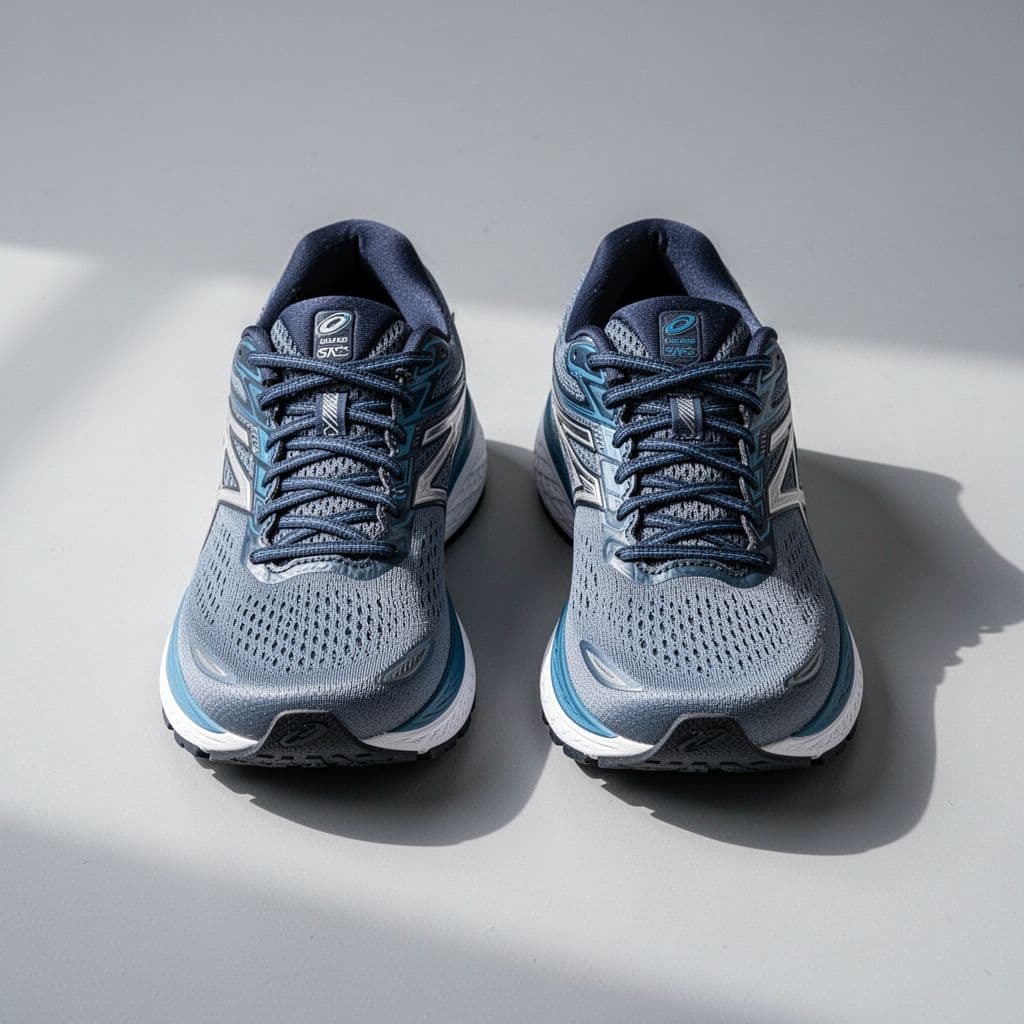 The Saucony Echelon 10 vs Brooks Addiction GTS 16 comparison makes sense because both shoes solve a similar problem. They give runners a stable, dependable platform for daily training, long walks, and all-day wear.
That said, they do it in different ways. One feels more like a roomy, neutral shoe with extra steadiness built in. The other is shaped around clearer support and a more guided ride. If you care about comfort but also want the shoe to help keep your stride steady, these two land near the same decision point.
For runners comparing brands, fit matters just as much as support. Brooks is known for guided stability models like the ASICS Gel Kayano 32 review and other structured shoes, while Saucony often appeals to people who want a softer, more forgiving feel underfoot. That difference is exactly why these two keep showing up in the same search.
The runner profile each shoe is built for
The Echelon 10 often fits runners who want more space, more cushion, and less pressure around the foot. It works well for people who wear orthotics, need a wide toe box, or prefer a shoe that feels stable without feeling stiff.
The Addiction GTS 16 usually fits runners who want a more traditional stability shoe. It suits people who like a firmer, more controlled feel and want the shoe to guide the foot in a clear way. If you’ve liked older support shoes before, this one will feel familiar.
How their support systems differ at a glance
Saucony takes a softer approach here. The Echelon 10 starts with a neutral-feeling base, then adds steadiness through its shape and platform. It feels balanced, roomy, and calm underfoot.
Brooks takes the more obvious support route. The Addiction GTS 16 uses its guide rail style system to help keep motion in line, so the support feels more direct. If you want a shoe that clearly says “stability” from the first step, this is the one that does it.
The biggest difference is simple, the Echelon 10 feels like a neutral shoe with stability built in, while the Addiction GTS 16 feels like a support shoe first.
For a wider look at how Brooks compares with Saucony across different models, this brand comparison guide helps put the fit differences in context.
Saucony Echelon 10: roomy comfort with a stable ride
The Saucony Echelon 10 is built for runners who want space first, but still need a shoe that feels calm and controlled. In the Saucony Echelon 10 vs Brooks Addiction GTS 16 comparison, this is the model that feels easier to live with day after day, especially if your feet need room to spread out.
It has a generous shape, a smooth platform, and a fit that stays practical instead of sloppy. That matters more than it sounds. When a shoe gives you enough room up front, the run feels less cramped, and the rest of the shoe can do its job without pinching or pressure.
The Echelon 10 stands out most in the forefoot and upper. The toe box gives your toes room to relax, which helps on longer runs when feet start to swell. It also makes the shoe friendlier for runners with bunions, wider forefeet, or custom inserts that need a little extra space.
Comfort
That roomy feel is one reason many runners see it as one of Saucony’s more accommodating models. The upper wraps the foot without squeezing it, so you get a secure hold without a tight, boxy feel.
If you want a better sense of how it fits in real use, our Saucony Echelon 10 review covers the shoe in more detail. You can also see that fit lines up with outside testing, where reviewers at Doctors of Running noted the comfortable, wider fit.
A roomy toe box is a comfort upgrade, but it also helps the shoe work better for swelling, orthotics, and long hours on foot.
For runners comparing the Saucony Echelon 10 vs Brooks Addiction GTS 16, the key difference is simple. The Echelon 10 gives you more natural space, while still holding the foot in place.
Cushioning feel and daily training comfort
Underfoot, the Echelon 10 feels soft enough for comfort, but not mushy. That balance matters because it lets the shoe handle walking, easy runs, and long miles without feeling flat or unstable. You get a steady ride that takes the edge off impact, yet still feels controlled when you land.
This is the kind of cushioning that works well when you just want to go out and move. It feels easy on the feet during daily wear, and it stays dependable when the miles add up. Runners who want plush comfort but do not want the shoe to feel loose will usually appreciate that middle ground.
The ride is smooth and predictable, which helps a lot if you like consistency over bounce. In other words, it does its job without asking for attention.
Best uses for the Echelon 10
The Echelon 10 makes the most sense in situations where comfort and stability matter more than speed. It is a strong choice for:
- Easy mileage, when you want a relaxed, dependable trainer
- Recovery runs, especially after harder workouts or long races
- Walking and standing all day, thanks to the roomy, stable base
- Orthotic use, since the platform and space work well with inserts
- Long runs at steady pace, where pressure and fit problems can add up
It also fits runners who just want one shoe that feels good for a lot of different low-key uses. If your priority is a stable, roomy daily trainer that stays comfortable for hours, the Echelon 10 fits that role well.
Brooks Addiction GTS 16: classic support with a guided feel
The Brooks Addiction GTS 16 is built for runners who want stability they can actually feel underfoot. It has a structured ride, a steady base, and a support system that helps the foot stay centered without feeling abrupt.
That matters if you like a shoe that gives clear guidance on each step. In the Saucony Echelon 10 vs Brooks Addiction GTS 16 matchup, this is the shoe for runners who want a more traditional stability experience and a dependable daily trainer that feels consistent mile after mile.
Brooks uses its GuideRails approach to help keep excess movement in check. Instead of forcing the foot into a rigid path, the shoe helps guide the stride back toward center. That gives you support without the hard, corrective feel some stability shoes can have.
For many runners, that balance is the appeal. You get a shoe that feels organized and supportive, but still familiar enough for everyday use. If you have worn Brooks stability shoes before, the Addiction line feels like home because it delivers that same steady, guided ride.
The support is easy to notice, which is a plus if you prefer a shoe that does more of the work for you. It gives the sense of being held in place, but not locked down. For runners looking for a straightforward stability trainer, that can be exactly right.
The Addiction GTS 16 feels like a support shoe first, but it still keeps the ride smooth enough for daily miles.
For runners comparing support styles, this guide to stability footwear is a helpful place to start.
Upper comfort, fit, and durability
The upper feels structured and secure, which matches the rest of the shoe. It wraps the foot in a way that gives confidence during long runs, walking, or standing for hours. You do not get a loose, stretchy fit here, and that is part of the point.
The overall shape feels dependable rather than flashy. It holds the foot well, and the shoe keeps its form across regular training. That makes it a strong pick if you want a pair that can handle repeat wear without feeling worn out too soon.
Durability is one of the reasons people keep coming back to this line. The Addiction GTS 16 has a reputation for lasting through a lot of daily use, which is useful if you want one shoe for frequent training and all-day wear. Brooks has built its stability models around consistency, and that shows here in the way the shoe keeps its supportive feel over time.
Where the Addiction GTS 16 shines
This shoe fits best when support and steadiness matter more than speed. It is a strong match for:
- Daily running, especially easy miles and steady-paced training
- Walking, when you want a stable shoe that stays comfortable
- Long shifts on your feet, because the support stays noticeable through the day
- Runners who want guided stability, not a soft neutral feel
- Anyone who likes predictable support, especially in a familiar Brooks fit
If you want a shoe that feels controlled from the first step and stays that way, the Addiction GTS 16 makes a strong case. It is dependable, stable, and built for runners who trust a shoe that keeps things centered without making a fuss.
Saucony Echelon 10 vs Brooks Addiction GTS 16: fit, support, and ride compared
If you want room and a softer, more open fit, the Echelon 10 is the easier match. If you want a more guided, supportive ride that feels steady right away, the Addiction GTS 16 makes a stronger case. The best choice depends on whether you want the shoe to disappear on foot or actively hold the stride in place.
Which shoe feels roomier on foot?
The Saucony Echelon 10 feels more accommodating overall. Its shape gives your foot more breathing room, especially in the forefoot, so it works well if you dislike a cramped front end. That extra space matters for broad feet, higher-volume feet, and runners who want room for orthotics or inserts.
The Brooks Addiction GTS 16 still offers a dependable fit, but it feels more structured through the upper and midfoot. It holds the foot more closely, which some runners like, but it does not feel as open or forgiving as the Saucony.
For readers who want a broader fit reference, Saucony Echelon 10 detailed review gives a closer look at how the shoe handles width and volume. You can also see the broader brand pattern in Saucony Versus Brooks: Which Running Shoe Brand Is Best for You?.
In practical terms:
- Echelon 10: better for wide feet, swelling, and orthotic use
- Addiction GTS 16: better if you want a firmer, more secure wrap
- Echelon 10: easier choice for runners who hate pressure at the toe box
If fit has been your biggest problem in stability shoes, the Echelon 10 is usually the safer starting point.
Support level, from subtle to more noticeable
Support is where the personality split becomes clear. The Echelon 10 gives you stability without shouting about it. It feels centered and calm, but the support stays in the background. That makes it a good option if you need a steady base and want the shoe to feel less corrective.
The Addiction GTS 16 feels more obviously supportive. Brooks uses its guidance system to help steer the foot, so the ride feels more controlled. If you like a shoe that gives you a firm hand on the wheel, this one fits that preference better.
The difference is simple. Saucony keeps things gentle, while Brooks gives you a more noticeable guide. Runners who want a lighter touch usually prefer the Echelon 10. Runners who want more structure, especially for daily support, usually feel more at home in the Addiction GTS 16.
That makes the Brooks pair a better fit for people who know they like traditional stability. The Saucony is better if you want support but do not want the shoe to feel strict.
Cushioning and underfoot feel on longer runs
Underfoot, the Echelon 10 feels smoother and more forgiving on easy miles. It has a soft, balanced ride that makes long walks, recovery runs, and all-day wear feel less harsh. Over time, that gentler feel can help reduce foot fatigue because the shoe does not press you into one fixed sensation.
The Addiction GTS 16 feels firmer and more traditional. It gives a steadier platform for long runs and daily miles, but it does not have the same relaxed, cushioned feel as the Saucony. That firmer setup can be a plus if you like more ground contact and a shoe that feels stable from heel to toe.
If your runs are mostly easy-paced, the Echelon 10 is likely the more comfortable choice. If you want a shoe that feels controlled for longer support-heavy days, the Addiction GTS 16 has the edge. For runners who spend hours on their feet, the Saucony often feels easier to live with because it has less of that firm, corrective pressure.
Weight, flexibility, and how natural each shoe feels
The Echelon 10 feels a little more modern and flexible in daily use. It moves in a way that feels smooth and natural, which helps when you want a shoe that works for running, walking, and general wear. It does not feel overly soft, but it does feel easier to roll through than a classic support shoe.
The Addiction GTS 16 feels more traditional and sturdy. That extra structure can make it feel a bit less nimble, yet it also gives the shoe a planted, dependable feel. If you like shoes that stay out of the way, the Saucony may feel friendlier. If you prefer a stable, built-up ride, the Brooks will probably feel better right away.
For a runner focused on a smooth stride, the Echelon 10 usually feels easier to adapt to. The Addiction GTS 16 is more about consistency and support than flexibility. Both shoes do the job, but they do it with a different rhythm, and that rhythm is what most runners will notice first.
Who should choose the Saucony Echelon 10, and who should choose the Brooks Addiction GTS 16?
If your main goal is comfort, fit, and steady support, the choice comes down to what your foot wants most. The Saucony Echelon 10 vs Brooks Addiction GTS 16 comparison is less about which shoe is “better” and more about which kind of support feels right on your foot.
Choose the Saucony Echelon 10 if your feet need room to breathe. It works well for wide feet, higher-volume feet, and runners who use orthotics or inserts, because the shape gives you more space without feeling sloppy. That roomy fit also helps if your feet swell during long runs or long days on your feet.
It’s a smart pick for walkers and easy-run runners who want comfort first and steady support second. The shoe feels stable, but it does not push a strong stability correction into every step. If you want a shoe that feels calm, forgiving, and easy to wear for hours, the Echelon 10 is the more relaxed option.
This shoe fits best for people who want:
- A wider toe box and less pressure across the forefoot
- A neutral-feeling ride with a stable base
- Room for orthotics or custom insoles
- A daily shoe for walking, recovery runs, or light mileage
For runners who want a broader buying framework, the running shoe buying advice page helps narrow down fit and support needs before you pick a model.
Pick the Addiction GTS 16 if you want dependable guidance
Choose the Brooks Addiction GTS 16 if you prefer a more traditional stability shoe. It gives you predictable support and a secure feeling underfoot, which many runners want for daily training. The ride feels more guided, so it suits people who like a shoe that helps keep the foot centered with less guesswork.
That makes it a strong fit for runners who want structure first and softness second. If you’ve worn classic stability shoes before and liked how they held the foot in place, this Brooks model will feel familiar right away. It is also a good option for daily miles when you want a firmer, more controlled platform.
The easiest way to choose is simple:
- Pick the Echelon 10 if you care most about room, comfort, and orthotic-friendly fit.
- Pick the Addiction GTS 16 if you want clear support and a locked-in feel.
If you’re still unsure about support style, Nike’s overview of stability vs motion-control shoes gives a helpful framework for understanding how different support levels feel.
Common questions runners ask before buying either shoe
Choosing between two capable trainers often comes down to specific needs rather than general performance. Many runners find themselves balancing the Saucony Echelon 10 vs Brooks Addiction GTS 16 when they require a reliable daily driver. To help you decide, here are answers to the most common questions regarding fit, versatility, and support.
Both models work well with orthotics, but the Saucony Echelon 10 is often the easier match. Because it features a naturally roomy platform and a more spacious upper, it accommodates various insert thicknesses without cramping your toes. You get the benefit of a stable base that acts as a secure foundation for your custom device, allowing the orthotic to perform its job without the shoe fighting back.
The Brooks Addiction GTS 16 also accepts orthotics, but its more structured, locked-in fit means you have slightly less interior volume to play with. If your orthotics are exceptionally bulky, you might find the fit feels snug or pressured across the midfoot. For those looking for the best running shoes for orthotics, the Echelon 10 is frequently a favorite for its forgiving interior shape.
Are these good shoes for walking as well as running?
These shoes excel for walking because they offer consistent support that keeps your stride steady throughout the day. If you work on your feet or spend hours walking, you will appreciate how they manage impact. The Echelon 10 provides a softer, more relaxed feel that helps prevent foot fatigue during long standing shifts.
The Addiction GTS 16 is better if you prefer a shoe that feels planted and rigid. Its structure helps keep your mechanics in check during long walks, which is helpful if you overpronate or notice your ankles rolling inward after a few hours of movement.
You might find that checking your natural gait is helpful when deciding which level of rigidity you prefer; for a quick look at why, check out this guide on signs you may benefit from stability shoes.
Which one is better for wide feet?
The Saucony Echelon 10 is the clear winner for wide feet. Its construction emphasizes a wider forefoot and a generous toe box, which gives your toes plenty of room to splay naturally as you run. It manages the common pressure points that often make other shoes feel tight or restrictive for wider foot shapes.
The Brooks Addiction GTS 16 is a solid contender, especially if you specifically look for its wide-width options. However, its design philosophy centers on a secure, snug wrap that keeps the foot centered. While it is certainly comfortable for many, it generally lacks the open, airy feeling found in the Echelon 10. If you prioritize space and want to avoid that classic “squeeze” in the forefoot, the Echelon 10 is the safer pick.
Conclusion
The choice between these two trainers depends on the specific feel you want underfoot. The Saucony Echelon 10 is the ideal partner if you value a spacious fit and a stable, neutral-like ride that stays comfortable for long hours. It accommodates orthotics well and works for anyone who dislikes pressure in the toe box.
The Brooks Addiction GTS 16 is the stronger choice if you prefer direct guidance and a firmer, more secure sensation. It excels for runners who need a traditional stability shoe to keep their gait centered and predictable during daily training. You can explore more stability shoe options if you still want to compare different support levels before you finalize your purchase.
Select the Echelon 10 if you prioritize a roomy, forgiving platform for your daily miles or recovery. Choose the Addiction GTS 16 if you want a reliable, structured trainer that offers clear, consistent support on every step. Your ideal match rests on whether you want your shoe to fade into the background or actively manage your stride.


