Saucony Echelon 10 Stability: Who It Fits Best
The Saucony Echelon 10 stability story starts with one simple idea: some runners want a shoe that feels steady without feeling stiff. That matters even more if your foot shape, gait, or support needs don’t fit a one-size-fits-all setup.
This model is built for runners who want a reliable ride day after day, whether they’re logging easy miles, walking for recovery, or looking for a roomier platform underfoot.
Still, stability can mean different things to different people, and that’s where the Echelon 10 gets interesting. If you want a comparison point, the New Balance Fresh Foam X 860 v15 stability features offer a useful contrast in how modern support shoes can feel.
In the sections below, you’ll see what stability means in this shoe, who it fits best, and how it feels once you start moving. You’ll also get a clearer picture of how it stacks up against other options, including shoes that bring a different kind of support.
Build Your Complete Race-Day Setup
The right shoe helps, but faster racing comes from better training, pacing, recovery, fueling, and execution.
More Guides for This Shoe
What Saucony means by stability in the Echelon 10
The Saucony Echelon 10 stability story is a little different from a classic stability shoe. Instead of adding firm posts or a stiff corrective feel, Saucony builds steadiness into the shape of the shoe itself. That matters if you want a smooth ride that feels secure but still natural.
In practice, this shoe gives you a neutral-trainer feel with a more planted base. The result is a shoe that helps your foot land in a centered position without forcing it there. If you want a broader look at the model, the Saucony Echelon 10 comprehensive review gives helpful context.
Why a wide base can feel more stable than added support posts
A wide base gives your foot more room to settle. When the landing area is broad, your foot does not feel like it is perching on a narrow edge, which can happen in softer or taller shoes.
That matters most on easy runs and long runs. As your legs get tired, a wider platform helps the shoe feel calm underfoot, almost like a chair with a wider seat. You still move naturally, but the shoe gives you a steadier place to land.
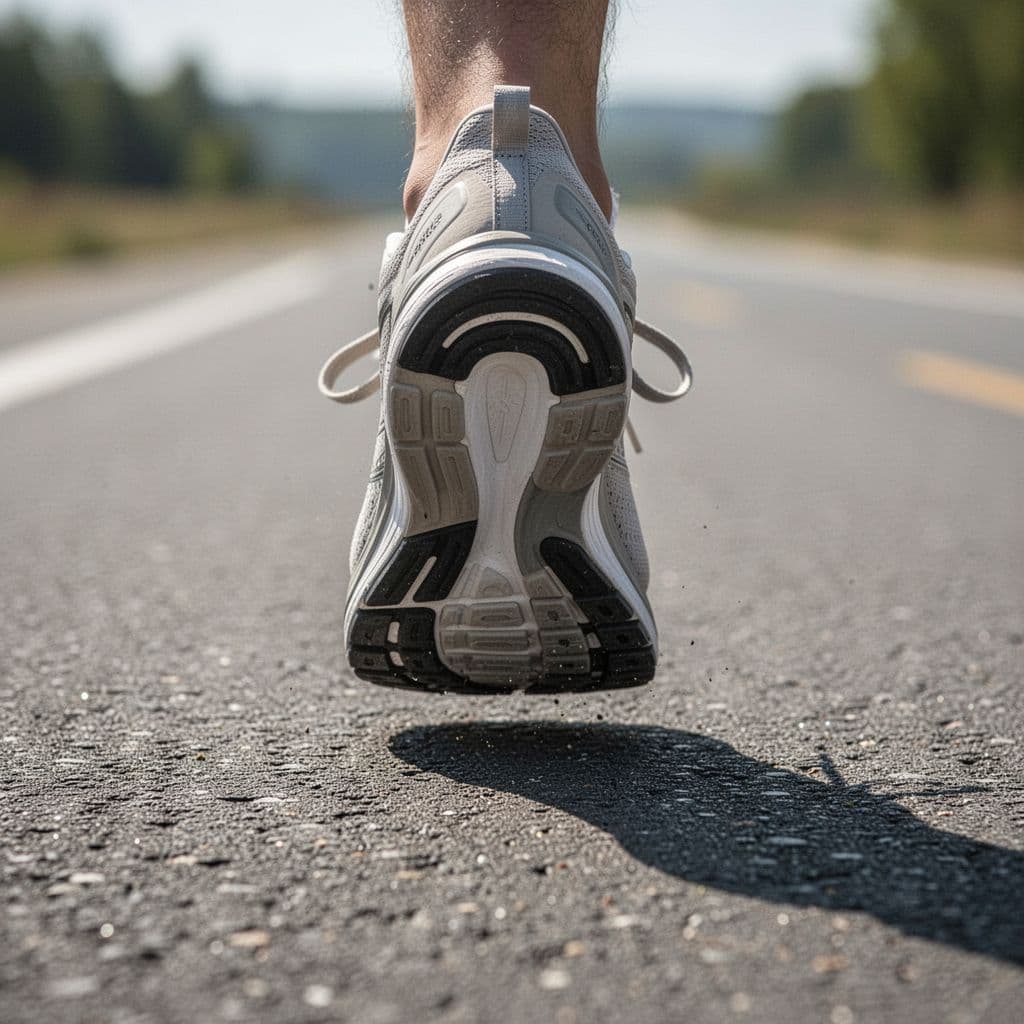 A traditional stability shoe often uses built-in support to guide motion. The Echelon 10 takes a softer route. It relies on platform width and balance, so the shoe feels steady without feeling corrective.
That can be a better fit for runners who want support without pressure. A shoe like this can feel more forgiving on easy miles, and it may also work well for walking or recovery days. For a general look at how stability shoes differ from neutral ones, Fleet Feet’s guide to neutral vs. stability shoes explains the basic idea clearly.
How the midsole shape helps keep each step steady
The midsole does a lot of the work here. In the Echelon 10, the foam has a shape that helps keep your foot centered, so each step feels smoother and less wobbly.
Sidewalls also help. They give the foot a more defined place to sit, which adds a little structure without making the shoe feel rigid. That setup can matter when you land a bit unevenly or start to lose form late in a run.
A few design pieces work together:
- Stack height: More foam underfoot can feel plush, but it also needs a stable shape to avoid a tippy ride.
- Platform width: A wider base helps spread your landing force and keeps the shoe feeling grounded.
- Midsole geometry: The contours of the foam help guide the foot into a more balanced position.
Stability in this shoe comes more from shape than from force.
That is why the Echelon 10 can feel secure without feeling restrictive. It gives you the steady, dependable ride many runners want, while still letting your foot move like it wants to.
Who will get the most out of the Saucony Echelon 10 stability features
The Saucony Echelon 10 stability setup fits runners who want steadiness without a harsh correction. It works best when the goal is support that feels calm, roomy, and easy to live with over long miles or long hours on your feet.
That makes it a strong option for more than one type of wearer. Some runners want extra confidence underfoot. Others need space for a wide foot or an insert. A few just want a daily trainer that feels reliable on runs, walks, and busy days.
A strong match for wide feet and orthotics
The Echelon 10 makes sense for runners who need more room in the forefoot and midfoot. A wider platform gives the foot space to settle, so you get less squeeze and fewer hot spots. That can matter a lot if narrow shoes usually create pressure on the outside of your foot or crowd your toes.
It also works well with orthotics because the shoe gives the insert a stable base. When the platform is broad and the upper has enough volume, the orthotic can sit more naturally inside the shoe. That can help with comfort and alignment, especially on longer runs where small pressure points tend to build up.
For a wider look at how roomy shoe shapes affect fit, RunRepeat’s toebox guide gives a clear breakdown of why toe space matters.
Good for runners who want support without a stiff feel
Some stability shoes feel like they are steering every step. The Echelon 10 takes a lighter touch. It gives gentle guidance through its shape and platform, so the ride feels steady instead of forceful.
That difference matters if you are a neutral runner who just wants more confidence. You may not need a strong motion-control setup, but you still want the shoe to feel planted when your form gets tired. In that case, the Echelon 10 offers a calmer ride that stays out of the way.
If you want a broader comparison point, the Saucony Echelon 10 performance review gives more context on how the shoe feels over daily mileage.
This kind of support often suits:
- Neutral runners who want a little more structure
- Easy-day runners who value comfort over speed
- People who prefer a steadier landing platform
- Walkers who want a shoe that feels balanced all day
For runners who dislike a hard corrective feel, that softer approach can be the sweet spot. You get more control underfoot, but the shoe still feels natural.
When this shoe may not be the best choice
The Echelon 10 is not the best pick for every runner. If you want a light, fast-feeling shoe, this one may feel too substantial. Its focus is on comfort and stability, not sharp turnover.
Runners who prefer a bouncy, highly cushioned ride may also want something different. The Echelon 10 feels controlled and steady, so it can seem more planted than playful. That is a plus for some people, but not for everyone.
It may also miss the mark if you want a race-day shoe or a snappy tempo trainer. In those cases, a lighter model with more pop will probably feel better.
If you want a shoe for long shifts, walking, or easy mileage, though, the Echelon 10 makes a lot of sense. It gives you support without making every step feel forced, and that balance is exactly what many runners need.
How the ride feels on easy runs, long runs, and daily mileage
The Saucony Echelon 10 stability setup feels most natural when you are not rushing. It is built for steady miles, so the ride makes sense on days when comfort, control, and repeatability matter more than speed.
That usually means easy runs, recovery jogs, and regular training days. The shoe feels calm underfoot, with enough structure to keep your stride organized without turning the run into a chore. If you want a daily trainer that stays predictable, this one fits that job well.
Comfort on slower days and recovery runs
On slower days, the shoe feels more forgiving because it does not ask much from your legs. You can settle into a relaxed pace, and the platform helps keep each landing centered. That matters when your form starts to fade, since tired legs often make shoes feel unstable fast.
The Echelon 10 handles that kind of mileage with a steady, protective feel. The cushioning stays consistent, so the shoe does not collapse into mush as you move. Instead, it gives you a firm enough base to stay in control while still soft enough for easy effort.
What the Echelon 10 does on longer outings
As the miles stack up, stability starts to matter even more. Early in a run, almost any shoe can feel fine. Later on, when your hips get loose and your foot strike gets sloppy, a stable platform can keep the ride from feeling messy.
The Echelon 10 stays composed over distance. Its broad base and secure upper help the foot feel held in place, which can reduce late-run wobble. That steady feel matters on long runs, where small shifts in form can turn into discomfort.
If you want a deeper look at how the shoe handles bigger efforts, the Saucony Echelon 10 marathon review gives more context on long-distance use. The short version is simple, it feels built for mileage first, not flash.
For runners who get tired feet or want a shoe that stays predictable late in the run, that kind of consistency is a big plus. As Runner’s World explains in its stability shoe guide, stability shoes are often chosen for added support when gait and foot control matter more.
How it compares to a softer, more flexible trainer
Compared with a softer, more flexible trainer, the Echelon 10 feels more grounded. A flexible shoe can feel a little springier and more nimble, but it may also twist more under fatigue. The Echelon 10 gives up some of that loose, bouncy feel in exchange for a steadier ride.
That difference is easy to notice at an easy pace. A softer trainer may feel like it disappears on foot, while the Echelon 10 feels more present and more controlled. It is still comfortable, but it does not try to feel playful.
For everyday training, that can be a better tradeoff if you want reliable support. The shoe feels stable enough for regular mileage, firm enough to stay composed, and smooth enough that you do not have to think about every step. In other words, it is the kind of trainer that lets you log miles without fuss.
Fit, upper comfort, and the details that affect stability
A stable midsole only does half the job. If the upper feels sloppy, your foot can slide around and the whole ride loses its calm, centered feel.
That is why fit matters so much in the Saucony Echelon 10 stability picture. The shoe needs to hold the foot securely without pinching it, especially around the midfoot, heel, and forefoot. When those parts work together, the shoe feels more controlled and more comfortable on long runs or all-day wear.
The upper does more than cover your foot. It keeps the foot centered over the platform, which helps the shoe feel stable with each step. If the upper locks down well, your heel stays put and your midfoot does not drift side to side.
That matters because even a good midsole can feel less stable when the upper is loose. Extra movement inside the shoe makes your foot work harder to stay balanced, and that can create rubbing, hot spots, or a vague feel underfoot.
A secure upper usually comes down to two things: midfoot hold and heel lockdown. Midfoot hold keeps the foot from sliding over the platform, while heel lockdown reduces lift at the back of the shoe. Together, they make the ride feel more connected and less sloppy.
The Echelon 10 does well when the lacing is snug but not over-tight. You want the shoe to hug the foot, not squeeze it. A good fit should feel like the shoe is following your movement, not fighting it.
A few fit points matter most here:
- Midfoot security keeps the foot centered on the base.
- Heel hold helps stop lift and rubbing.
- Upper comfort lowers the chance of pressure across the instep.
- Even lacing tension helps the shoe feel balanced from front to back.
For a closer look at fit basics, A Guide To The Importance of a Properly Fitted Running Shoe gives a simple breakdown of what a good running shoe fit should feel like.
Why toe box room matters for balance and comfort
Toe box space affects more than comfort. When the forefoot has enough room, your toes can spread naturally at landing, which helps you feel more stable and relaxed. That matters on easy runs, but it helps even more when fatigue starts to set in.
A cramped toe box can make the front of the shoe feel tense. Your toes may bunch, your forefoot may feel restricted, and toe-off can start to feel forced. With enough room, the transition from landing to push-off feels smoother and less awkward.
This is especially helpful for wider feet and people who use orthotics. Inserts often take up extra volume, so a roomy forefoot can keep the shoe from feeling tight or crowded. You still want a secure fit through the midfoot, but the front of the shoe should let your toes move without pressure.
The best fit usually feels balanced, not loose. Your toes should have space to lie flat, but your foot should not slide forward on descents or during faster turnover.
If you want a deeper look at how fit and structure work together, the PMC review on footwear construction explains how upper design can affect comfort and running mechanics.
Sizing and width choices to think about before buying
Sizing is where a lot of runners get the fit wrong. A shoe can look right on paper, but the real test is how it feels with the socks, inserts, and foot shape you actually use.
Wide sizes matter here. If your foot spills over the midsole, the shoe can feel less stable, even if the base itself is broad. On the other hand, too much volume can let the foot move around and reduce that secure, planted feel. The goal is a snug, balanced fit that leaves enough room for comfort.
Before you buy, try the shoe on with the socks you run in. If you wear orthotics or aftermarket insoles, test the shoe with those too. That small step can change the fit a lot, especially in the heel and forefoot.
A simple fit check helps:
- Lace the shoe the way you would for a run.
- Stand up and feel for heel movement.
- Walk a few steps and notice forefoot pressure.
- Make sure your toes have room to spread.
- Check that the midfoot feels held, not squeezed.
If the heel slips or the forefoot feels crowded, the shoe will not feel as stable on a run.
Runners with narrow feet may need to snug the laces more carefully, while wider feet often do better in a wide or extra-wide version. Orthotic users should pay close attention to volume, because the insert can change how the upper wraps the foot. When the fit is right, the Saucony Echelon 10 stability feel becomes much more noticeable, since the upper helps the midsole do its job instead of getting in the way.
Saucony Echelon 10 stability compared with other everyday trainers
The Saucony Echelon 10 stability profile sits in a useful middle ground. It feels more structured than a soft neutral trainer, but it does not push into firm, corrective territory like a true stability shoe. That makes it easy to place in the market if you know what kind of ride you want.
For many runners, the real question is simple: do you want a shoe that feels stable by design, or one that actively guides your foot? The Echelon 10 answers the first part with shape, width, and a steady platform. It gives you confidence without the hard edge that some support shoes bring.
Stability and Support
True stability shoes usually use firmer support systems to influence motion. That can mean posts, rails, or denser foam under the arch. The Echelon 10 takes a different path. It aims for stability through shape, base width, and centered geometry, not through aggressive correction.
That difference matters if you dislike a shoe that feels like it is steering your stride. The Echelon 10 gives you a calmer kind of support. It feels steady because the platform is broad and balanced, not because the shoe is trying to force your foot into a different pattern.
In practice, that creates a tradeoff:
- You get a smoother, less intrusive ride.
- You give up some of the firm guidance found in classic stability trainers.
- You keep more of a neutral-shoe feel, which many runners prefer for daily use.
If you want a deeper look at shoes built around firmer support, best running shoes for stability is a helpful comparison point. The Echelon 10 sits on the lighter side of that line, which is exactly why it works for runners who want structure without pressure.
How it stacks up against softer neutral trainers
Compared with a typical soft neutral trainer, the Echelon 10 feels more planted and more organized. Soft trainers often feel bouncy or plush right away, but they can also feel vague when you turn corners or land a little off-center. The Echelon 10 has less of that loose, playful feel.
Instead, it gives you a more grounded ride. The shoe feels more structured underfoot, especially at easy paces, and that can make it feel more trustworthy on long days. You may not get the same sink-in comfort as a marshmallow-soft trainer, but you gain a better sense of control.
That difference is easy to notice if you switch between shoes often. A softer neutral trainer may disappear on foot, while the Echelon 10 stays present. For runners who like a defined platform, that is a plus. For runners chasing a lively, springy feel, it may feel a little serious.
The Echelon 10 feels steady first, playful second.
That makes it a strong fit for easy mileage, walking, and all-day wear. It is less about speed and more about keeping your stride consistent, which is why it stands apart from many everyday trainers in the neutral category.
Which runner type should choose this shoe instead of a speed-focused model
If you want comfort, consistency, or support needs met first, the Echelon 10 makes more sense than a lighter speed trainer. Speed-focused shoes usually trade structure for quick turnover. That works well for workouts, but it can feel thin or unstable on regular training days.
Choose the Echelon 10 if you are a runner who:
- Wants a stable base for daily miles
- Uses orthotics or prefers more room
- Spends a lot of time on easy runs or walks
- Wants a dependable shoe for fatigue-heavy days
- Dislikes the unstable feel of soft, tall foam
A speed shoe can feel exciting for short efforts, but it often asks more from your legs and feet. The Echelon 10 asks less. It gives you a steady platform that supports repeat use, which is why it suits runners who care more about comfort than pace.
If your main goal is a shoe that stays calm mile after mile, the Echelon 10 is the better bet. If you want a faster, lighter feel, a performance model will do that job better. For a broader look at support options, Saucony Echelon 10 review and similar everyday trainer comparisons show the same pattern, the Echelon 10 is built for steadiness before speed.
Should you buy the Saucony Echelon 10 for stability?
Yes, if you want a shoe that feels steady, roomy, and easy to trust on regular miles. The Saucony Echelon 10 stability setup is a good fit for runners who care more about balance and comfort than speed or aggressive correction.
It works best for people who want a broad platform, a smooth landing, and enough space for wide feet or orthotics. If that sounds like your kind of shoe, the Echelon 10 makes a strong case.
The best buyer is a runner who wants steady support without a hard correction. If you like a shoe that feels planted on easy runs, long runs, and walking days, this one fits that need well.
It also makes sense if you often run in wider shoes or need room for inserts. The broad base and accommodating shape give your foot space to sit naturally, which can reduce pressure and improve comfort over time.
A good match usually looks like this:
- You want a stable daily trainer, not a speed shoe
- You prefer a more natural feel than a stiff stability model
- You need extra room for wide feet or orthotics
- You run easy miles, recovery miles, or walk a lot
- You want the shoe to feel dependable, not flashy
For that runner, the Echelon 10 feels like a steady workhorse. It does its job without drawing attention to itself.
Who should look elsewhere
If you want a light, springy shoe, this is probably not the one. The Echelon 10 leans toward control and comfort, so it can feel too grounded for runners who want a fast, lively ride.
It also may not be the best choice if you want strong guidance from a traditional stability shoe. Some runners need firmer support under the arch or a more corrective feel. This model keeps things calmer and less intrusive, which is a strength for some feet and a miss for others.
You may want a different shoe if:
- You want a tempo trainer or race-day option
- You prefer soft, bouncy cushioning over structure
- You need a more aggressive stability system
- You care most about a light and nimble feel
If your main goal is pace, the Echelon 10 will feel too sensible. It is built for consistency, not excitement.
Where it delivers the most value
The Echelon 10 delivers the most value when comfort, fit, and steadiness matter most. That makes it a smart pick for daily training, long walks, and runners who want a dependable shoe that does not fight their stride.
Its real strength is balance. The platform feels broad and secure, the fit can work well for roomy feet, and the ride stays calm when miles start to add up. Saucony’s own Echelon 10 product details describe it as a core shoe for runners and walkers who want comfort and protection, which lines up with how it performs on foot.
Buy it if you want stability that feels natural, not forced.
For many runners, that is the sweet spot. The shoe gives support where it matters and stays out of the way everywhere else.
Final buy-or-skip verdict
Buy the Saucony Echelon 10 if you want a stable daily trainer with a roomy fit and a calm ride. It is a strong choice for wide feet, orthotics, easy mileage, and long hours on your feet.
Skip it if you want speed, bounce, or a firm corrective stability feel. In short, this shoe is best for runners who value steady comfort first and want a platform they can trust mile after mile.
Conclusion
The Saucony Echelon 10 stability story is simple, and that is part of its appeal. It gives runners a steady platform, a roomy fit, and the kind of everyday comfort that makes easy miles feel more controlled.
That balance matters if you want support without a harsh correction. The shoe keeps your foot centered, feels calm over long runs, and gives wide-footed runners or orthotic users a shape they can trust. If you want a closer look at how a more protective stability shoe compares, the ASICS Gel Kayano 32 performance review is a useful point of reference.
For runners who care most about comfort, fit, and a stable ride, the Echelon 10 makes a clear case. It is a dependable daily option that does its best work when consistency matters more than speed.