

Saucony Echelon 10 Sizing Guide: True to Size or Not?
The right Saucony Echelon 10 sizing can make the difference between a shoe that feels easy from the first mile and one that nags you all day. This model already has a comfort-first fit, so the real question is whether you should stay true to size, size up, or use the extra room to your advantage if you wear orthotics or prefer a wider feel.
Your foot shape, width, sock choice, and how you plan to use the shoe all play a part. If you want a closer look at the shoe’s fit profile, this Saucony Echelon 10 review gives useful context before you decide.
How the Saucony Echelon 10 fits right out of the box
The Saucony Echelon 10 has a comfort-first fit that feels easy to understand as soon as you put it on. Length is fairly predictable, the forefoot has room to breathe, and the upper gives you a secure hold without feeling tight or fussy. If you want a quick first impression, it feels more forgiving than a standard trainer, especially in the front half of the shoe.
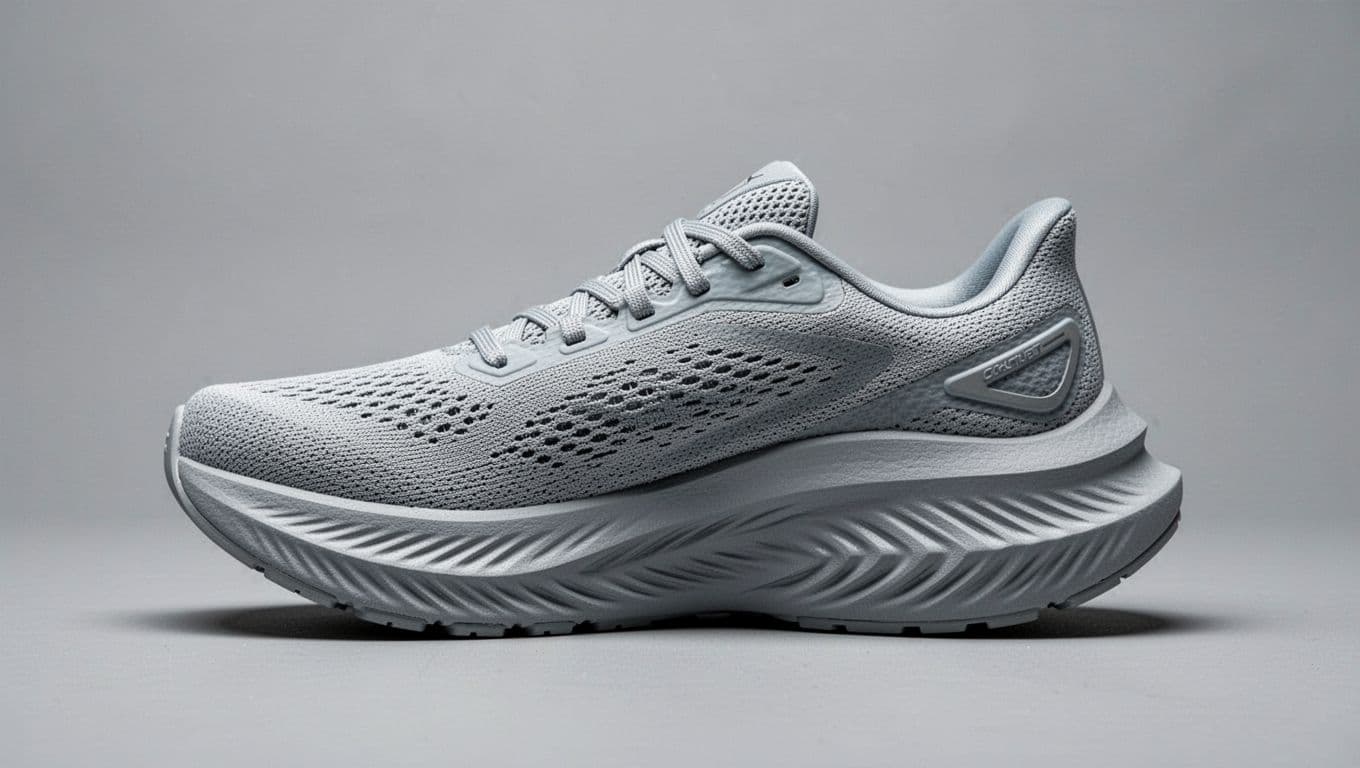 That makes the Echelon 10 a strong option for runners and walkers who want a little extra room, or who plan to use inserts. It also helps explain why the model works well for longer wear, since the fit does not feel cramped after the first few minutes.
Build Your Complete Race-Day Setup
The right shoe helps, but faster racing comes from better training, pacing, recovery, fueling, and execution.
More Guides for This Shoe
Does the Echelon 10 run true to size?
For most people, yes, the Echelon 10 runs true to size. If you usually know your size in running shoes and you like a normal amount of front-end room, starting there makes sense. The shoe does not feel short or squeezed in standard use, so you don’t need to size up just because it looks cushioned.
A half-size up can make sense if you prefer a little extra toe room, wear thicker socks, or plan to use an orthotic with more volume. A half-size down only makes sense if you usually swim in shoes and want a very close fit, but that is less common here.
If you’re comparing fit across models, the Saucony Echelon 10 detailed review gives more context on how the shoe behaves on the run.
If your usual running shoe already fits well, the Echelon 10 is the kind of model that often works best without size changes.
Toe box space, width, and overall shape
The toe box is generous rather than narrow, with a rounded shape that gives your toes room to spread. That helps on longer runs, because your forefoot can settle naturally instead of pressing against the sides. Wider-footed runners will usually notice this first, since the shoe feels less pinched than many everyday trainers.
A roomy platform also changes sizing decisions. When a shoe has more internal space, you may not need to chase a larger size just to get comfort. Instead, you can stay true to size and use the shoe’s shape to your advantage, especially if you want less crowding in the forefoot.
Heel lock and midfoot feel during wear
The heel holds well once laced, and slippage should stay low for most runners. The rear of the shoe feels stable enough to keep your foot planted, which helps when you’re walking, jogging, or logging steady miles. It does not feel loose or sloppy in the heel.
Through the midfoot, the upper wraps with a soft but structured feel. That balance matters, because it gives you a secure fit without creating pressure points. As a result, the shoe feels confident in your usual size, and you only need to adjust if you know you like an especially snug or relaxed fit.
Choosing the right Saucony Echelon 10 size for your foot type
The best Saucony Echelon 10 sizing choice depends less on the number on the box and more on how your foot fills the shoe. A runner with a narrow heel and average forefoot may stay true to size, while someone with a wide forefoot or a high-volume foot may need extra room. The goal is simple: keep your foot stable without pinching the front or squeezing the sides.
Best choice for narrow, average, and wide feet
The standard Echelon 10 fit works best for average-width feet and many slightly narrow feet. It has enough room in the forefoot to avoid a tight, cramped feel, but it still holds the foot well if you lace it properly. If your regular running shoes feel fine in standard width, this is usually the safest place to start.
For narrow feet, the standard version may still work if you want a relaxed fit or plan to wear thicker socks. However, if your heel often slips or your foot slides side to side, the extra room can feel a little loose. In that case, better lacing can help, but a snugger fit may be more comfortable.
For wide feet, the wide option is often the better pick. That matters because width affects more than comfort. Too little room can create rubbing, hot spots, and an unstable feeling underfoot. Too much room can cause the foot to drift, which makes the shoe feel less controlled. If your foot usually presses against the edges of standard shoes, go wide first instead of sizing up.
A simple fit guide helps narrow it down:
- Narrow feet: standard width, unless you prefer a close wrap
- Average feet: standard width is usually the best starting point
- Wide feet: wide sizing is often the safer choice
- Very wide or high-volume feet: try wide sizing before changing length
What to do if you wear orthotics or custom insoles
Orthotics change how the shoe fits because they take up space that the original insole once covered. Since the Echelon 10 has a removable insole, that helps, but the real question is volume. If your insert is thick or full-length, the shoe may feel shorter or tighter even when the printed size is correct.
A normal size often works if your orthotic is slim and your foot already fits the shoe well without pressure. In that case, removing the stock insole usually creates enough room. For a better overview of the difference between inserts and orthotics, this orthotics and insoles guide is useful background.
If your orthotic has a deep heel cup, a thick top layer, or a rigid arch, you may need more internal space. That can mean trying the wide version, or going up a half size if the front of the shoe feels crowded. The key is to check both length and volume, because a shoe can be long enough and still feel too tight across the top of the foot.
How foot length and toe shape change the fit
Foot length is only part of the puzzle. Toe shape can change how the Echelon 10 feels at the front, even when the size seems right on paper. A longer big toe, for example, may reach the front sooner than the rest of your toes, which can make the shoe feel short during push-off.
Square toes often need more front-end space, because the toes spread across more width. Bunions can do the same, especially if they sit near the big toe joint. In both cases, the shoe may feel fine when standing still, then press in the wrong spot once you walk or run.
That is why the front of the shoe matters as much as the overall length. You want a little space in front of the longest toe, but you also want room across the toe line. If the shoe feels tight in the forefoot, sizing up may help, but a wider size can be the better fix when the problem is width rather than length.
If the toe box feels right when you stand, check it again after a few minutes of walking. Toe shape often shows up once the foot starts to settle.
For runners whose feet swell or who prefer room to move, the Echelon 10 sizing tips for long efforts can help you think through that extra space before you order.
Saucony Echelon 10 sizing compared with other running shoes
The Saucony Echelon 10 sizing conversation gets easier once you compare it with shoes you already know. This model sits on the roomier side of the running shoe spectrum, so many runners who like comfort, width, or insert-friendly space will find it familiar. Still, the fit changes a little depending on what you wear now, and those differences matter.
Compared with older versions, the Echelon 10 keeps the same basic comfort-first feel, but the upper can feel a touch more refined and less bulky. The width story stays familiar, which is good news if you liked the room in previous models. Toe room also remains generous, so most repeat buyers can expect a similar fit through the front of the shoe.
The biggest change is usually felt by runners who pay close attention to upper shape and hold. If you came from an older Echelon and liked the roomy forefoot but wanted a cleaner wrap through the midfoot, this version may feel better. On the other hand, if you already thought earlier models ran large, the Echelon 10 will probably feel just as forgiving.
For a fuller side-by-side look at the prior version, the Saucony Echelon 9 review helps show where the fit stayed steady and where it shifted.
What to expect if you wear other Saucony trainers
If you already wear other Saucony road shoes, the Echelon 10 may fit a little differently from the brand’s slimmer daily trainers. Compared with lighter, sleeker models, it usually feels more open in the forefoot and less snug through the midfoot. That means you can often stay in the same length, but the overall fit may feel less close to the foot.
Here is the simple version:
| Saucony shoe type | What to expect in the Echelon 10 | Size change to consider |
|---|---|---|
| Sleek daily trainers | More room in the forefoot and a softer upper feel | Usually stay true to size |
| Wider or stability-friendly Saucony shoes | Similar comfort, with a familiar roomy base | Often stay in the same size |
| Narrower performance shoes | Noticeably more space and a less locked-in fit | You may prefer a snugger lace setup, not a smaller size |
If your current Saucony shoe already feels comfortable, start with the same size. If you usually wear a tighter racing-style fit, the Echelon 10 will feel much more relaxed, and that is the point. You do not need to size up just because it feels roomier than your usual Saucony trainer.
How the fit stacks up against other max-cushion shoes
Against other max-cushion shoes, the Echelon 10 feels like the safer pick for runners who want space without a sloppy ride. Some plush trainers feel soft but narrow, almost like a padded sock. The Echelon 10 gives you more structure, more toe room, and a steadier base.
That makes it easier to compare with common shoe styles:
- Roomier than sleek cushioned shoes: It gives your toes more freedom and feels less restrictive.
- More stable than some soft max-cushion models: The wide platform helps the shoe feel planted.
- Less snug than performance daily trainers: You get comfort first, speed second.
- More forgiving for inserts and swelling: Extra volume helps when your foot changes shape during longer wear.
If you like a cushioned shoe that still feels controlled, the Echelon 10 is easier to trust than many soft trainers.
For runners who know they need a generous fit, the Echelon 10 is often closer to a comfort shoe than a narrow mileage shoe. That difference matters when you compare it with models that feel smooth on the shelf but tight after a few miles. If your current max-cushion shoe feels a bit too sleek, the Echelon 10 may be the better match without forcing you into a larger size.
For a broader fit reference, Running Lab’s Echelon 10 review also notes the model’s wider, higher-volume shape.
When to size up, size down, or stay true to size
The safest approach to Saucony Echelon 10 sizing is to start with your usual running-shoe size, then adjust only if the fit tells you to. This shoe already gives you more room than many trainers, so the right move is based on feel, not guesswork. If the shoe matches your foot shape, stay true to size. If your toes feel boxed in or your foot shifts around, change the size only as much as the fit problem calls for.
A half size up makes sense when the shoe feels right at first, then starts to crowd your foot under movement. If your longest toe brushes the front when you stand, or if you feel pressure across the toe box after a few minutes, the extra length can help. That small change is often enough to stop the shoe from feeling short without making it loose.
Watch for these common clues at home:
- Toe pressure that shows up when you walk, not just when you stand still.
- Cramped forefoot space that makes your toes bunch together.
- Downhill pressure, where your foot slides forward and taps the front.
- Long-walk tightness, especially after 20 to 30 minutes.
- Sock compression marks near the toes or top of the foot after wear.
If the fit feels good in length but tight in width, a half size up may still help, but it’s not always the best fix. A wider size can solve the same problem without adding unnecessary room. For a helpful fit reference, REI’s running shoe fit guide gives a clear toe-space rule you can use at home.
Signs a half size down may work better
A half size down only makes sense when the shoe has too much movement for your foot. If your heel lifts with every step, or your midfoot feels loose even after you tighten the laces, the shoe may be a touch long or high-volume for you. In that case, sizing down can improve hold and keep the ride more controlled.
This is most useful if you have a narrow foot or you prefer a closer fit for walking and easy runs. If the shoe already feels secure through the toes, a smaller size should only happen when the extra room creates real slip. Otherwise, the Echelon 10 can start to feel cramped fast.
Fit checks to try at home before committing
A few simple checks can save you from the wrong size. Start by standing in the shoes with the socks you plan to wear most often. You want about a thumb’s width in front of the longest toe, and you want that space to stay there when you walk.
Then test the shoe in motion. Walk on a slight incline if you can, check whether your heel slides up and down, and notice whether the forefoot feels stable or pinched. If the shoe feels fine on flat ground but tight on a slope, that usually points to a size issue rather than a lacing issue.
A quick home test list makes the decision easier:
- Try the shoes with your regular running socks.
- Press your thumb at the front while standing upright.
- Walk across the room and then up a small incline.
- Pay attention to heel slip, toe pressure, and arch hold.
- Repeat the test later in the day, when your feet are slightly larger.
If the shoe passes these checks, stay true to size. If it fails in only one area, use that clue to decide whether you need more length, less volume, or a wider fit instead of just guessing your next size.
How the Echelon 10 should feel for running, walking, and all-day wear
The Saucony Echelon 10 should feel easy, steady, and roomy without feeling loose. That balance matters because a shoe can fit well on paper and still feel wrong after an hour on your feet. For running, you want space for movement. For walking and daily wear, you want comfort that holds up as the day goes on.
Sizing for easy runs and long miles
For easy runs, the Echelon 10 should feel smooth right away. Your toes need room to spread, your forefoot should sit flat, and your heel should stay put when you pick up the pace a little. That kind of fit helps the shoe disappear under you, which is what you want on daily miles.
Longer runs change the picture because feet often swell over time. A fit that feels fine at mile one can feel snug by mile six. That is why many runners like a little extra space in the toe box for longer efforts, especially if they run in warm weather or later in the day. Runner’s World explains why feet swell on long runs, and that swelling is one reason sizing feels different in motion than it does standing still.
A good long-run fit should give you:
- Toe room that stays comfortable when your foot spreads on landing
- Midfoot security so the shoe doesn’t twist or slide
- Heel hold that keeps the back of the shoe from rubbing
- Enough front space to avoid pressure on descents and late-mile swelling
If the shoe feels perfect while standing but cramped after a few minutes of walking, it may feel too small for long runs.
For that reason, the right size for mileage is often the one that leaves a touch more space than casual wear. You still want control, though. A roomy shoe that lets your foot drift around will feel sloppy, and that can wear you down just as fast as a tight one.
Sizing for walkers and daily wear
Walking puts a different kind of stress on the shoe. Your foot stays in contact with the ground longer, so small fit issues show up as pressure points more quickly. The Echelon 10 should feel cushioned underfoot, but also calm across the top of the foot and around the toes.
For all-day wear, comfort usually matters more than a snug running-style hold. If the shoe feels too close to the foot, your toes may start to press forward when you stand for long stretches. A slightly roomier fit can help with that, especially if you spend a lot of time on hard floors or you wear the shoe from morning to night.
A walking and lifestyle fit should feel:
- Soft under the heel and forefoot
- Stable enough that your foot doesn’t slide side to side
- Free of hot spots along the arch or toe joints
- Relaxed after several hours, not just during the first try-on
That said, too much room can create its own problems. If your foot shifts with every step, the shoe can start to feel tired and clunky. The best all-day fit is one that gives your foot space without letting it roam.
For many people, that means the Echelon 10 feels best at true size for walking, but some will prefer a little extra room if they deal with swelling, orthotics, or long shifts on their feet. In other words, comfort over time matters more than a perfect look on the shelf.
Choosing socks, lacing, and small fit fixes
Small changes can improve the fit without changing size. That is useful when the shoe feels close, but not quite dialed in. Socks and lacing are often enough to fine-tune the feel.
Try these quick fixes:
- Use thinner socks if the shoe feels snug across the top of the foot.
- Switch to thicker socks if the heel feels loose or the shoe feels a little long.
- Loosen the midfoot laces if you feel pressure on the instep.
- Tighten the forefoot slightly if your foot slides forward on longer walks.
- Use a runner’s knot if you want better heel lock without crushing the front of the shoe.
A runner’s knot can make a big difference when the shoe is the right length but the heel feels a bit loose. It pulls the rear of the shoe closer to the foot, which often solves slipping without changing the overall size.
If you want a little more control through the upper, keep the laces even and avoid over-tightening the lower eyelets. That keeps the Echelon 10 comfortable for both short sessions and long wear, which is where its fit really matters.
Conclusion
Finding the right saucony echelon 10 sizing is straightforward when you prioritize how the shoe feels in motion. Most runners will find that their standard size provides the ideal balance of space and security. If you have wider feet or plan to use thick orthotics, consider the wide version first instead of sizing up in length.
Always test the fit by walking and jogging for a few minutes. You should notice enough room for your toes to spread and a secure hold through the midfoot. If you feel pressure or find your foot sliding, adjust your lacing or try a different size before you commit to heavy mileage.
You can learn more about finding the perfect fit for your specific needs by checking out our comprehensive running shoe sizing tips. Trust your feet to tell you what works, and you will enjoy the comfort this model provides on every run.


