

Saucony Echelon 10 Durability: How Long Does It Last?
If you care about a shoe that can take a beating, saucony echelon 10 durability is one of the first things to look at. This model fits daily trainers, walkers, heavier runners, and anyone who wants a stable ride that lasts.
That long-term value depends on the outsole rubber, the midsole foam, the upper materials, and how the fit holds up after repeated miles. A closer look at the Saucony Echelon 10 review shows why so many runners treat it as a smart option for steady, consistent use.
What the Saucony Echelon 10 is built to handle
The Saucony Echelon 10 is made for runners and walkers who put in steady miles and want a shoe that can keep up. It is a max-cushion, neutral trainer with a broad, stable platform, so it works best when the goal is comfort, support, and repeat use over time.
That matters for durability. Shoes built for smooth daily mileage usually need more than soft foam, they need a shape that holds up, an outsole that wears evenly, and an upper that keeps its form after many repeats. The Echelon line has built a reputation on that kind of dependable use, and the 10th version keeps the focus on long-lasting performance instead of flashy speed.
Build Your Complete Race-Day Setup
The right shoe helps, but faster racing comes from better training, pacing, recovery, fueling, and execution.
More Guides for This Shoe
Who gets the most value from this shoe
The Echelon 10 fits best for people who log regular miles and want a shoe they can trust day after day. If you run easy runs, walk for fitness, or spend a lot of time on hard surfaces, this model makes sense because it is built for consistency rather than quick turnover.
It also works well for runners who need more room in the forefoot or prefer a relaxed fit. A roomy, stable shoe tends to stay useful longer for those users because it reduces the chance of pressure points, fit issues, and early wear from squeezing into a narrow shape.
If you rotate shoes, the Echelon 10 can also be your workhorse pair. It is the kind of shoe you grab when you want one reliable option for recovery runs, long walks, and everyday mileage. For runners comparing broader Saucony options, the Saucony running shoe buyer’s guide helps show where this model sits in the lineup.
How its design points to long-term use
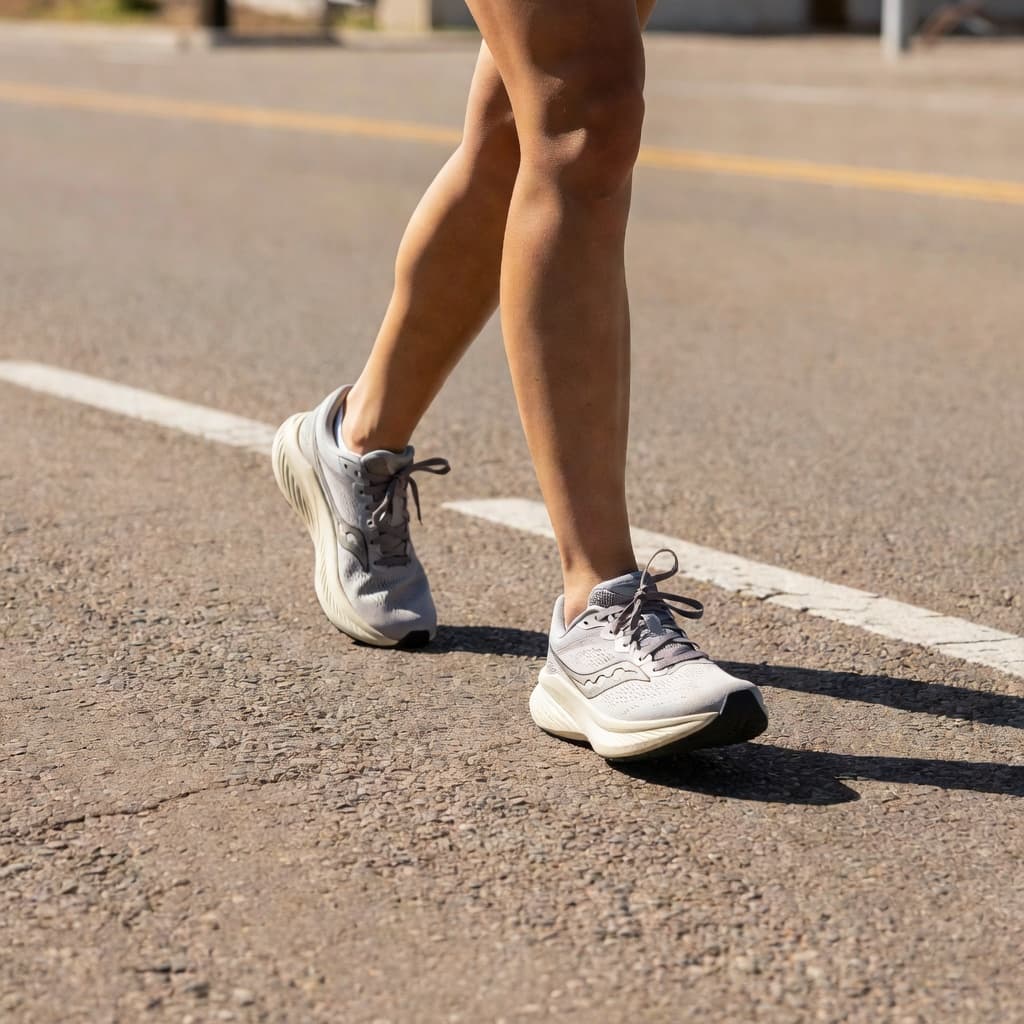
The Echelon 10 has a broad base, and that gives it a planted feel that suits steady training. A wider platform spreads pressure more evenly, which helps the shoe stay predictable as the miles add up. That kind of shape is a good match for people who do not want a shoe that twists or feels delicate.
Its built-up midsole also points toward durability. More cushioning gives the shoe more material to absorb daily impact, which matters if you use it for high mileage or long periods on concrete and asphalt. The goal is not just softness, it is keeping the ride stable and usable after repeated wear.
A shoe built for daily mileage has to hold its shape as well as its comfort.
In plain terms, the Echelon 10 is designed to take on the same grind many runners put on it. That is why its durability story is tied to the full package, not one part alone. The upper, foam, and outsole all need to work together if the shoe is going to stay useful for the long haul.
How the outsole holds up after many miles
The outsole is where durability gets tested first. It takes the scrape of pavement, the push-off at toe-off, and the repeated landing that comes with daily mileage. If that rubber stays intact, the shoe usually feels dependable for much longer.
Where rubber coverage helps the most
More rubber in the right spots slows down wear where your foot hits the ground most. The heel, forefoot, and outer edges take the most abuse, so added coverage there helps the shoe last through more miles without feeling flimsy.
That kind of layout matters even more for runners who land hard on the heel or push off strongly through the forefoot. When those high-contact zones have solid rubber, the shoe keeps traction longer and resists that rough, sanded-down look that shows up on cheaper outsoles.
A well-placed outsole also helps the shoe keep its shape under load. If the rubber protects the edges and landing zones, the midsole does not get exposed as quickly. That means the shoe stays more stable and predictable on long runs, which is a big part of what people want from everyday trainers.
For a shoe like this, the question is not just whether it has rubber, but where that rubber sits. A smart layout can make a shoe feel like a workhorse instead of a short-term option.
Rubber coverage in the high-wear zones usually matters more than a flashy tread pattern.
What wear patterns runners should watch for
Outsole wear does not happen all at once. It usually starts with smooth patches in the heel or forefoot, then spreads as the rubber thins. Road runners often see this faster because asphalt and concrete grind down the outsole more than softer surfaces do.
You may also notice uneven wear from side to side. That can happen if you pronate, supinate, or favor one side during turns. Once that pattern sets in, the shoe can start to feel less secure, especially on long runs or when you change pace.
A few signs are easy to spot during a quick check:
- Smooth heel patches that lose grip and texture
- Forefoot thinning near the big toe or outer push-off area
- Uneven edge wear that makes the shoe feel tilted
- Less security in turns when the outsole no longer bites into the ground
Treadmill runners often get a little more life out of the outsole because the surface is smoother and more controlled. Road miles are tougher, though, and that difference shows up fast in the wear pattern. If you want a simple way to judge when a shoe is fading, the running shoe replacement guide is a useful reference.
The big takeaway is simple: the Echelon 10 outsole looks built for regular mileage, not just a few short runs. If the rubber stays in the zones that matter most, the shoe should keep doing its job long after the first few weeks.
Why the midsole foam matters for Saucony Echelon 10 durability
The outsole gets most of the attention, but the midsole does a lot of the real work. If the foam breaks down, the shoe can still look fine on the outside and still feel tired underfoot.
That matters a lot with the Saucony Echelon 10. A durable trainer needs more than rubber that holds up, it also needs foam that keeps its shape, keeps its cushion, and keeps the ride steady after many miles.
Foam starts out bouncy and responsive, then slowly gets packed down with use. You may not notice it during the first few runs, but after enough miles the shoe can feel flatter, firmer, and less lively.
That change often happens before the upper looks worn or the outsole shows major damage. In other words, the shoe may still look serviceable, but your legs feel the difference. The step no longer feels as smooth, and the landing can feel a little harsher on longer runs.
For a shoe like the Echelon 10, that shift matters because it is built for steady daily use. Once the midsole loses some of its rebound, the shoe starts to feel more like a block of foam than a cushioned trainer. If you want a quick refresher on how foam breakdown shows up in real life, this running shoe replacement guide gives a simple way to spot a dead midsole.
A few signs usually show up first:
- The shoe feels less springy on toe-off
- Landings feel firmer on long runs or walks
- The same pace takes more effort than it used to
- The midsole looks creased or compressed in the same spots
When the foam flattens out, the shoe can still look new and still feel old.
Higher-mileage runners notice this fastest because they stack more loading cycles on the same shoe. Even a good foam eventually packs down, so the goal is not endless bounce. The goal is a midsole that keeps its feel long enough to match the outsole and upper.
Why stability and cushioning need to last together
The Echelon 10 works because it balances cushion with structure. If the foam stays stable, the shoe keeps its predictable ride, which is a big part of its appeal for daily training and walking.
Once the midsole softens unevenly, the shoe can get sloppy. One side may compress more than the other, or the platform may feel less centered under your foot. That is when a stable trainer starts to lose the easy, planted feel that made it useful in the first place.
A durable midsole should still help with:
- Even landings that don’t feel tilted or wobbly
- Consistent support during long runs, walks, and recovery days
- Smooth transitions when your pace changes a little
- Reliable comfort after the shoe has logged serious mileage
That balance is what separates a shoe that lasts on paper from one that still feels good in practice. The upper and outsole can stay in good shape, but if the foam loses its calm, stable ride, the whole shoe feels older.
For runners comparing longer-distance use cases, the Saucony Echelon 10 marathon guide is a useful next read because it shows how the shoe behaves when mileage really piles up.
The upper’s job is more than comfort
A running shoe upper does more than wrap your foot. It helps the shoe keep its shape, hold your foot in place, and stay useful after miles of bending, pulling, and sweat. With the Saucony Echelon 10 durability story, the upper matters just as much as the rubber underneath.
If the upper stretches too much, the shoe can feel loose before the outsole wears out. If it tears, the shoe loses support even if the foam still feels fine. That is why small details like mesh strength, stitching, overlays, and heel structure matter so much.
The mesh on a shoe upper needs a careful balance. It should flex with your foot, but it should also spring back into place after each run. When the mesh stays stable, the shoe keeps its shape and feels consistent from one mile to the next.
Too much stretch is a problem. Once the fabric starts to bag out around the forefoot or side panels, the fit gets sloppy and the upper stops doing its job. That can shorten the useful life of the shoe even if the outsole still has life left in it.
Look for mesh that feels supportive, not flimsy. Strong mesh usually holds its weave, resists puckering, and does not wrinkle badly after repeated use. If you want a simple comparison of upper features across shoe types, this running shoe guide from RunRepeat shows how different uppers are built for breathability, stiffness, and wear.
A few signs of a long-lasting upper are easy to spot:
- The mesh rebounds after you press it with your thumb
- The toe box keeps its shape instead of collapsing inward
- The side panels stay smooth instead of sagging
- The stitching looks tight after repeated wear
Heel hold and collar breakdown
The back of the shoe takes more abuse than many runners realize. Each time you slip the shoe on or off, the collar, heel counter, and lining take friction. Over time, that repeated motion can break down the padding and soften the hold around your heel.
When heel hold weakens, the shoe feels less secure. You may notice more slippage, more rubbing, or a sloppy fit on longer runs. That is especially common for runners who use the shoe every day or take it on and off often.
The good uppers keep the heel area firm without feeling harsh. A well-built collar holds the foot in place, while the lining and stitching keep the structure from collapsing early. If those parts start to fold, fray, or lose shape, the shoe can feel old long before the foam is fully done.
Watch for these wear signs:
- Flattened collar padding that no longer hugs the ankle
- Loose heel fit that lets your foot shift inside the shoe
- Frayed stitching near the rear seams
- Scuffed inner lining from repeated slipping in and out
A strong outsole can still hide a weak upper for a while, but only for a while. Once the heel starts to break down, the whole shoe feels less stable, and that cuts into real-world durability fast.
For runners who want a better sense of fit choices, Runners Need’s shoe fitting advice is a helpful reference. The main takeaway is simple, the upper should stay supportive, hold its shape, and resist early breakdown if the shoe is going to last.
Real-world durability depends on how you use the Echelon 10
The Saucony Echelon 10 can last a long time, but the number on the box never tells the whole story. A shoe that cruises through easy miles may hold up much longer than one that gets worn all day, pushed through bad weather, and cleaned too aggressively.
That is why durability depends on use, not just build quality. Your mileage, body size, running surface, and care routine all shape how fast the foam, rubber, and upper wear down.
Running mileage, walking, and everyday wear
A runner who uses the Echelon 10 for easy miles usually puts less stress on the shoe than someone who wears it from morning to night. Running still creates repeated impact, but walking and daily wear add hours of compression, bending, and friction that never let the shoe rest.
Easy runs are easier on the shoe because the pace is steady and the motion is more predictable. The same pair used for casual errands, standing at work, or long walks can break down faster in the heel and midsole because the foam stays loaded for longer periods.
Body weight also matters. Heavier runners and walkers compress the midsole more with every step, so the shoe can feel packed down sooner. That does not mean the Echelon 10 is weak, it just means the same shoe may age faster under higher load.
A simple way to think about it is this:
- Easy-mile use usually gives the shoe a longer useful life
- All-day wear adds extra compression and friction
- Heavier body weight can speed up foam fatigue
- Frequent on-and-off use can loosen the heel collar sooner
If you want a rough frame of reference for total lifespan, many runners hear the old 300 to 500 mile guideline, but real wear depends on use patterns. This running shoe lifespan guide breaks down the main factors in plain terms.
The same pair can feel fresh for one runner and tired for another at the same mileage.
That is why the Echelon 10 can be a great daily trainer for one person and a short-lived all-day shoe for another. If you use it mainly for recovery runs and easy pace work, you will usually get more life out of the full package.
Terrain, weather, and surface choice
Where you run changes how fast the shoe wears. Concrete is the toughest common surface, since it is hard, repetitive, and unforgiving. Asphalt is a little softer, but it still grinds down the outsole and packs out the midsole over time.
Wet ground adds another layer of wear. Moisture can get into the upper, break down the feel of the lining, and make dirt stick to the outsole. If you keep running in damp conditions, the shoe may lose its clean structure faster than a pair used mostly in dry weather.
Indoor treadmills are usually kinder to the outsole, especially compared with rough outdoor roads. The surface is smoother and more controlled, so you often see less abrasion on the bottom of the shoe. Still, treadmill miles can keep the foam compressed, so the midsole can age even when the outsole looks fine.
The main takeaway is simple, surface choice changes where the wear shows up. Outdoor runners usually see faster outsole damage, while treadmill runners may notice foam fatigue before the bottom of the shoe looks bad.
Simple habits that help shoes last longer
A few small habits can stretch the life of the Echelon 10 without much effort. Rotation is the easiest one. When you alternate between two pairs, each shoe gets time to decompress and dry out, which helps the midsole and upper recover between runs.
Letting the shoe dry fully matters too. Sweat and rain soften materials over time, so stuffing the shoe in a gym bag and wearing it again too soon can speed up odor, lining wear, and shape loss. Set it somewhere cool and open, then let it dry on its own.
Cleaning should stay gentle. Harsh scrubbing, strong detergents, and hot water can weaken glue, break down mesh, and make the upper age faster. A soft brush, mild soap, and a damp cloth are usually enough for road grime.
A few habits make a real difference:
- Rotate your shoes so one pair does not take every mile.
- Air-dry after wet runs instead of trapping moisture.
- Wipe dirt off early before it gets ground into the mesh.
- Avoid machine washing unless the care label clearly allows it.
- Store them out of heat so foam and glue do not break down faster.
Heel wear also drops faster when people yank the shoes on without loosening the laces. That pulls on the collar and can crush the padding near the back. Taking a few seconds to unlace them properly helps the upper keep its shape.
The Echelon 10 already has the kind of build that can handle steady use, but good habits still matter. If you treat it like a daily workhorse, not a throwaway pair, the shoe usually pays you back with more miles and better comfort.
Signs the Saucony Echelon 10 is still performing well
A shoe does not need to look fresh out of the box to still be useful. With the Saucony Echelon 10, the real test is how it feels underfoot. If it still lands smoothly, holds your foot in place, and stays comfortable on longer runs or walks, it probably has more life left.
What healthy wear looks like
Healthy wear is usually cosmetic. You may see light scuffing on the midsole, a little dirt in the mesh, or mild smoothing on the outsole tread. Those signs are normal, especially if you run on pavement or use the shoe for walking too.
A shoe can look used and still perform well. In fact, most daily trainers do. If the Echelon 10 still feels even underfoot and the upper holds its shape, small visual marks are not a problem.
A few signs of normal wear include:
- Light outsole smoothing in the heel or forefoot
- Small scuffs on the sidewalls or toe bumper
- Minor creases in the foam from regular flex
- A little mesh dulling from dirt and repeated use
The key is that the shoe still feels like itself. The platform should stay flat and predictable, not tilted or sloppy. The cushioning should still feel protective, and the upper should hug your foot without pressure points or loose spots.
A shoe can look tired and still run well. When the ride stays even, the shoe usually has life left.
If you want a quick way to compare good wear against tired wear, the fit and ride should match what you remember from earlier miles. A little cosmetic wear is fine. Loss of comfort is not.
When it is time to replace the shoe
Replacement time usually shows up in the way the shoe feels, not just how it looks. If the cushioning feels dead, the support changes, or your foot starts sliding around more than before, the shoe is nearing the end of its useful life.
Pain is another red flag. New aches in your feet, ankles, knees, or shins after runs can mean the midsole has packed down too far or the platform no longer feels stable. That is especially true if the discomfort appears in a shoe that used to feel fine.
Watch for these warning signs:
- Flattened foam that feels firm or dull instead of cushioned
- Uneven wear that makes one side of the shoe feel lower
- Upper damage such as tears, stretched mesh, or broken stitching
- Less secure fit with heel slip or more foot movement inside the shoe
- New soreness after runs that wasn’t there before
The outsole can also tell you a lot. If rubber is worn down to smooth patches or the tread has disappeared in high-contact areas, traction usually drops. At that point, the shoe may still work for short walks, but it often stops feeling trustworthy for regular mileage.
The Echelon 10 should still feel calm and planted when it’s in good shape. Once it starts feeling flat, loose, or uneven, it’s time to move on. For a closer look at how this model is built for long-term use, the Saucony Echelon 10 review is a helpful next stop.
Conclusion
The Saucony Echelon 10 looks built for long wear, and that comes through in the way the outsole, foam, and upper work together. When all three stay in shape, the shoe gives you the kind of steady ride that daily runners and walkers want.
That balance is what makes the saucony echelon 10 durability story strong. It is a better fit for runners who want a stable, high-mileage trainer than for people chasing speed or a super-soft feel.
If you want one shoe that can handle repeat use without feeling fragile, the Echelon 10 is an easy one to consider. For a broader look at how it fits into the brand’s lineup, the Saucony running shoes overview is a smart next stop.


