

Is the Saucony Echelon 10 Good for Beginners?
If you’re a Saucony Echelon 10 beginner, comfort and ease matter more than flashy features. This shoe is often praised as a stable, cushioned daily trainer, but that doesn’t automatically mean it’s the right pick for your first miles.
You still need to know how it fits, how supportive it feels, and whether the ride feels simple and smooth enough for everyday use. It also helps to see how it stacks up against other beginner-friendly shoes, like the options in this Saucony Echelon 10 detailed review, before you decide if the price makes sense.
The first thing to look at is fit, comfort, support, and the kind of running feel you can expect. From there, it gets easier to tell whether the Echelon 10 is a smart first trainer or a shoe that better suits a different kind of runner.
What makes the Saucony Echelon 10 stand out for new runners
The Saucony Echelon 10 beginner runner is often looking for three things: room, comfort, and a ride that feels easy to trust. This shoe checks those boxes without asking you to learn a lot of shoe jargon first.
Build Your Complete Race-Day Setup
The right shoe helps, but faster racing comes from better training, pacing, recovery, fueling, and execution.
More Guides for This Shoe
It feels built for runners who want a steady daily trainer rather than a flashy one. That matters when you are just getting started, because your first miles should feel calm and predictable, not awkward or unstable.
A roomy fit that helps new runners feel less cramped
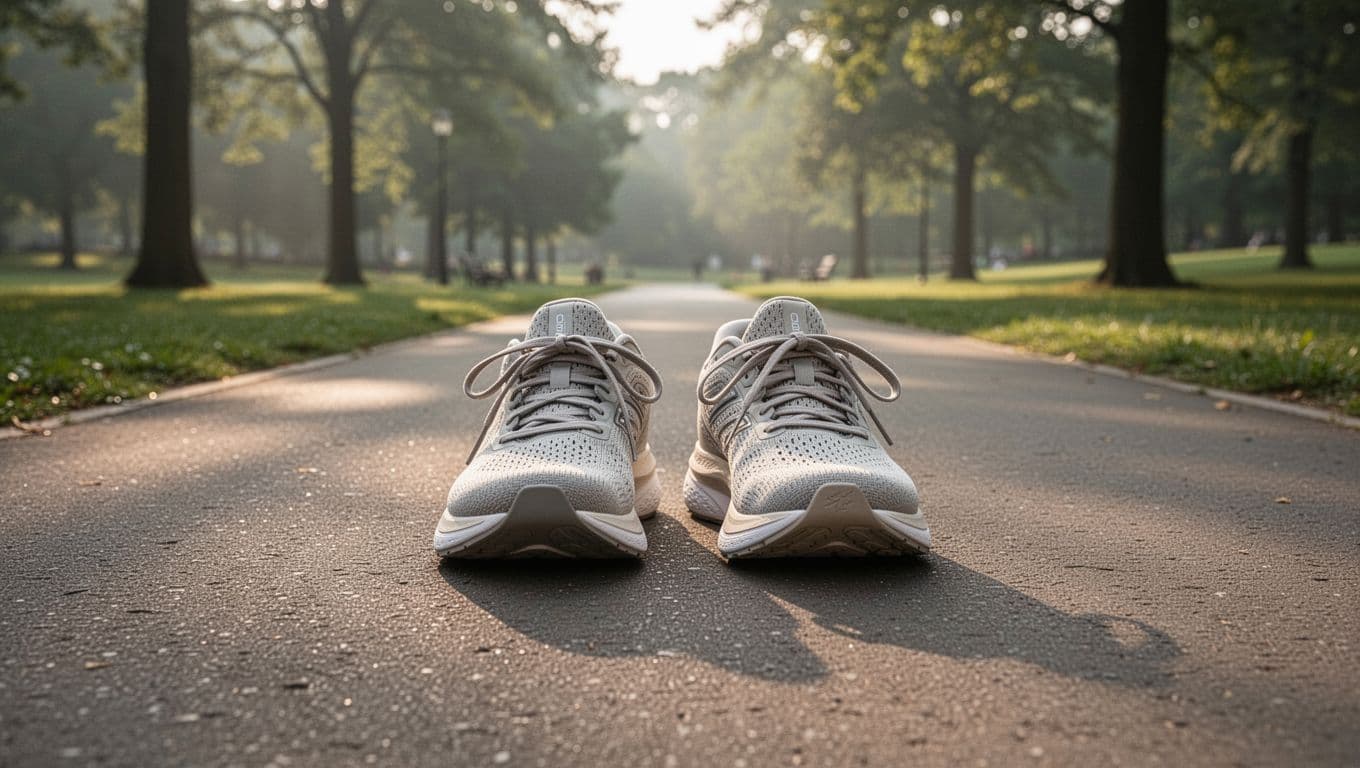
The Echelon 10 has a shape that gives your foot space to settle in. The toe box feels forgiving, so your toes are not squeezed together when your feet swell during a walk or run. That extra room can make a big difference if you are still learning what size feels right in a running shoe.
The midfoot also feels less restrictive than many standard trainers. Instead of holding your foot in a tight, narrow mold, it gives you a more relaxed wrap that can feel easier to wear for longer periods. If you are unsure about sizing, that kind of fit can take some pressure off the decision.
For beginners, a roomier shoe often means fewer distractions. You notice the run less and the discomfort less, which is exactly what you want early on. A shoe that allows natural toe spread can also feel more stable during easy walks, treadmill sessions, or short jogs, where comfort matters more than speed. For more background on why toe room can matter, this guide to wide toe box running shoes explains the basics well.
Cushioning that feels soft without being unstable
The cushioning in the Echelon 10 aims for comfort first, but it does not feel mushy. Underfoot, it gives you a soft landing while still keeping the shoe grounded. That balance helps if you are new to running and want protection without the feeling that your foot is sinking into a pillow.
A lot of beginners like this kind of ride because it feels predictable. You can land, roll through your step, and move on without fighting the shoe. That calm feeling can build confidence, especially on days when your form is still changing or your pace is slow.
A beginner-friendly shoe should feel kind to your feet, but still steady enough to trust on every step.
This mix of softness and support also works well if you split your time between walking and running. The shoe cushions impact, yet it stays controlled enough that you do not feel wobbly during simple daily use. If you want a closer look at how this model behaves over longer outings, the Saucony Echelon 10 in-depth review adds helpful detail.
Why the Echelon 10 works well as a simple daily trainer
The Echelon 10 fits neatly into a beginner routine because it does the basics well. You can wear it for easy runs, treadmill workouts, brisk walks, and recovery days without feeling like you picked the wrong tool for the job.
That matters when your training is still simple. Most new runners do not need a shoe built for speed drills or race-day effort. They need something they can lace up three or four times a week and trust to feel the same each time.
Here is where it makes sense in real use:
- Easy runs feel controlled and comfortable, which helps you focus on breathing and pacing.
- Walking days feel smooth because the shoe has enough cushioning for all-day wear.
- Treadmill sessions work well since the ride stays stable and predictable.
- Recovery days benefit from the soft, easy feel underfoot.
The Echelon 10 is also a good match if you want one shoe to handle most of your early miles. That kind of simplicity keeps your routine low-stress, which is helpful when you are still building consistency. A shoe that does a few things well is often better than one that tries to do everything at once.
If you are a new runner who wants a steady, no-drama daily trainer, this model makes a strong case. It gives you room, comfort, and support in a way that feels easy to understand from the first wear.
How the Echelon 10 feels on your first few runs
The first few runs in the Saucony Echelon 10 feel calm and easy to figure out. If you’re a saucony echelon 10 beginner, that matters because the shoe doesn’t demand a long break-in period or a lot of adjustment. You lace it up, start moving, and the ride makes sense fast.
The feel is more steady than exciting, which is a good thing for new runners. Your attention stays on your breathing, your pace, and your form, not on strange pressure points or a wobbly platform.
On your first run, the Echelon 10 lands with a soft but controlled feel. The cushioning takes the edge off the impact, then the shoe rolls forward in a smooth, even way. You do not get a bouncy, spring-loaded ride, and that can actually help if you’re still learning how to move efficiently.
The transition from landing to toe-off feels natural. Your foot settles, the midsole stays composed, and the push-off happens without much drama. That makes each stride feel easy to repeat, which is exactly what many beginners need.
A lot of new runners notice the same thing right away, the shoe feels like it stays with you rather than asking you to adapt to it. That steady behavior can make a short jog feel less awkward, especially if your pace changes a little during the run.
For a deeper look at how stable daily trainers compare, Runner’s World’s stability shoe roundup gives helpful context.
Why beginners may appreciate the stable platform
The Echelon 10 gives you a broad, grounded feel underfoot. That kind of platform can reduce the small side-to-side uncertainty that sometimes makes new runners feel off balance. You get the sense that the shoe is helping you stay centered without taking over the movement.
That support feels natural, not stiff or corrective. You are not forced into a rigid path, and the shoe does not feel like it is pushing your foot into a narrow lane. Instead, it simply creates a steady base that can help you relax.
That matters early on because confidence changes how a run feels. When you trust the shoe, you waste less energy thinking about your feet and more energy learning your rhythm.
A stable ride should calm you down, not fight your stride.
If you want a version of that support in a longer-distance setup, the Saucony Echelon 10 for marathon running article explains how the same platform helps over more miles.
What to expect on short runs, walks, and easy training days
The Echelon 10 feels best when the pace stays relaxed. On short runs, it gives you a clean, dependable ride that helps you settle in without feeling rushed. It is the kind of shoe that lets you keep things simple while you build consistency.
It also works well for walks and low-key training days. The cushioning feels comfortable on pavement, and the stable base makes it easy to wear for longer periods. If your routine mixes walking and running, that everyday comfort is a real plus.
Still, the shoe is not trying to be lively or fast. On quicker workouts, it can feel a little plain. You may notice that it protects well, but it does not add much pop when you want more energy from each step.
A beginner will probably appreciate it most in these situations:
- First jogs when you want a shoe that feels easy to trust.
- Walk-run sessions where comfort matters more than speed.
- Recovery days when your legs want softness and control.
- All-day wear if you want one shoe that handles running and walking.
That makes the Echelon 10 a strong option for easy mileage, but less interesting for faster training. If you want a broader look at the kind of runner who may like this setup, this guide to beginner-friendly running shoes is a useful comparison point.
If your first few outings are about feeling comfortable, stable, and in control, the Echelon 10 delivers that with very little fuss.
Saucony Echelon 10 fit, sizing, and comfort tips for beginners
Getting the fit right matters just as much as the shoe itself. A saucony echelon 10 beginner should feel secure without feeling squeezed, because comfort is what keeps early runs and walks from turning into a chore.
The good news is that this model gives you enough room and structure to make sizing easier. Still, a few simple checks can save you from common mistakes, especially if you are new to running shoes or unsure whether you need more width or length.
How to choose the right size without guessing
Start with the toe box. You want about a thumb’s width of space between your longest toe and the front of the shoe. That space helps when your feet swell during a run or long walk.
Then check the heel. It should feel snug, but not pinned down. A little lift can happen when you first try the shoe on, yet your heel should not slide around once you lace it properly.
Stand up and walk a few steps before deciding. The shoe should feel steady under your foot, with no pinching at the toes or pressure across the top of the foot. If it feels tight while standing still, it will probably feel worse once you move.
A simple way to check fit is to ask yourself:
- Your toes can wiggle freely without hitting the front.
- Your heel stays in place when you walk.
- The midfoot feels secure, but not squeezed.
- You don’t feel a hot spot after a few minutes.
For a step-by-step fit check, this running shoe size guide gives a clear place to start.
Wide and extra-wide options can make a big difference
Width matters more than many beginners expect. If your forefoot feels cramped in most shoes, a wider size can change everything. The right width can reduce rubbing, pressure points, and that tight feeling across the sides of the foot.
The Echelon 10 is especially helpful when you need room without losing structure. That matters for new runners and walkers, because a shoe that fits your shape well often feels easier to trust. When the width is right, the upper should rest against your foot, not press into it.
Broader feet, bunions, and feet that swell during activity often do better in wide or extra-wide options. You should not have to “break in” a shoe that feels painfully narrow on day one. A good fit feels calm right away.
If you are comparing fit habits across models, Fleet Feet’s fit process is a useful example of how serious shoe fitting works.
Break-in feel, socks, and first-run comfort
The first few wears should feel easy, not distracting. The Echelon 10 usually feels comfortable out of the box, but a short break-in period can still help the upper settle around your foot.
Socks make a difference here. Wear the same running socks you plan to use most often, because thickness changes fit. A sock that is too thin may make the shoe feel loose, while a thicker sock can create extra snugness in the toe box.
Small lacing tweaks can also improve comfort fast. If the top of the shoe feels tight, loosen the laces near the midfoot. If your heel slips, tighten the top eyelets a bit more. These small changes can turn a decent fit into a great one.
A beginner should expect the shoe to feel smoother after a few wears, as long as it was close to the right size from the start. Your goal is a secure but relaxed fit, the kind that disappears once you start moving. When that happens, you can focus on your pace instead of your feet.
Where this beginner-friendly shoe fits in your running routine
The Saucony Echelon 10 beginner runner will get the most value from this shoe when the goal is simple: build a routine without forcing the pace. It fits best into days where comfort, consistency, and steady support matter more than chasing splits.
That makes it a smart pick for people who are still learning how running feels. It also works well if you mix walking and jogging, or if you want one shoe that can handle most of your early training without feeling demanding.
If you are starting slowly, the Echelon 10 makes a lot of sense. Its stable base and cushioned feel work well when your session includes both walking and short jogs, because the shoe stays comfortable across different paces. You do not have to fight a stiff or overly lively ride just to finish a beginner workout.
That is especially helpful if you are following a run-walk plan. The shoe supports short bursts of effort, then feels easy again when you drop back to walking. For many new runners, that rhythm is easier to stick with than a pure running plan, and the run-walk method is a simple example of how that approach can build consistency.
You can fit the Echelon 10 into a plan like this:
- Walking days when you want cushion and support for a low-stress session.
- Run-walk workouts when you are building confidence and endurance.
- Easy treadmill sessions when you want a stable shoe that feels predictable.
- Short outdoor jogs when you want to test your pace without extra pressure.
Good for easy miles, not built for speed work
The Echelon 10 is built for relaxed running, and that is where it shines. It feels smooth on easy miles, but it does not have the light, springy feel many runners want for tempo runs, intervals, or race day.
If you are starting to add workouts with faster pace changes, you may notice the shoe feels a little heavy and plain. That does not make it a bad shoe. It just means its strengths sit on the comfort side, not the speed side.
Beginners who want a shoe for quicker sessions should look for something lighter and more responsive. A shoe with more snap underfoot can feel better once you start adding controlled efforts or testing faster turnover.
When support and comfort matter more than a fast feel
This shoe fits best on days when your body wants a break from impact. Recovery runs, long easy sessions, and daily wear are all strong use cases, especially if you value a calm ride over energy return. If you are coming back to running after time off, that kind of support can make the routine feel less intimidating.
It also helps on days when you are on your feet for hours. The soft, steady platform feels useful for errands, walking, and casual wear, so you can keep the same shoe on without thinking twice. If you want a second opinion on how it compares with other entry-level options, the Nike Journey Run review for beginners gives a helpful point of comparison.
For a beginner, the Echelon 10 is at its best when the plan is simple:
run easy, walk when needed, and keep showing up.
How the Echelon 10 compares to other beginner running shoes
The Saucony Echelon 10 beginner runner is not trying to be the lightest or most exciting shoe on the rack. Instead, it aims for comfort, room, and a steady feel, which puts it in a very specific spot among beginner shoes.
That matters because many first-time runners shop by cushion alone. In reality, fit, stability, and ride feel often matter more than softness. The Echelon 10 gives you a calmer, more supportive experience than many entry-level trainers, but it does so without feeling harsh or overly technical.
Compared with softer neutral shoes, the Echelon 10 often feels more structured and roomier. Some neutral trainers feel plush right away, but they can also feel a little loose or vague underfoot if you want more guidance. The Echelon 10 gives you cushion, yet it keeps the ride more grounded and controlled.
Comfort
That difference matters for comfort and confidence. A beginner usually wants a shoe that feels easy to trust, especially on uneven sidewalks, treadmill belts, or the first few miles of a new routine. The Echelon 10 helps your foot settle in without that overly soft, sink-in feeling some cushioned shoes create.
A softer neutral shoe may feel fun for short runs. Still, the Echelon 10 can feel better if you want a firmer base, a wider platform, and a more stable step from landing to toe-off. If you want a simple comparison of neutral and structured options, this guide on neutral vs stability running shoes gives a clear overview.
For beginners, that means less second-guessing. Your shoe should disappear under you, not keep reminding you it is there.
Compared with stability shoes
The Echelon 10 shares some traits with stability shoes, but it does not feel as corrective. Stability shoes often use firmer guidance to manage overpronation or add a stronger sense of control. The Echelon 10, on the other hand, gives you a steadier base without making the ride feel rigid.
That makes it a good middle ground if you want mild support. You get a secure, planted feel, but you do not get the noticeable correction some traditional stability shoes use. For many beginners, that is a plus, because a shoe that feels too forceful can be distracting.
If you need light support and a stable platform, the Echelon 10 may be enough. If you know you need a more traditional stability model, a shoe with stronger guidance may be the better match. The difference comes down to how much help your feet actually need, not just how much cushion feels good in the store.
The Echelon 10 is also easier to live with for walking and daily wear. It feels supportive without feeling bossy, which is a nice balance when you are building mileage slowly. In short, it is steadier than many neutral trainers, but less corrective than most stability shoes.
Compared with lighter speed-focused shoes
Lighter, speed-focused shoes can feel more energetic, especially when you pick up the pace. They often have a quicker feel and a more responsive ride, which some runners enjoy. The tradeoff is that they usually offer less room, less cushioning, and less forgiveness.
The Echelon 10 is the better fit if comfort comes first. Its fuller feel helps new runners ease into training without worrying as much about foot fatigue or pressure points. A beginner who is still learning pace control usually benefits more from that calm, protective setup than from a shoe that feels lively but less forgiving.
Benefits
Speed-oriented shoes can make short runs feel fun, but they may not be the best choice for long walks, easy miles, or first-time runners who want a steady landing. The Echelon 10 keeps the focus on consistency. It is the kind of shoe you notice less as the run goes on, which is often exactly what a beginner wants.
For longer easy sessions, that added comfort can matter even more. If you expect to use one shoe for training and distance days, the Echelon 10 fits that role better than a stripped-down lightweight trainer. A closer look at longer-run use is covered in this half marathon guide for the Echelon 10.
If you want a shoe that feels calm, roomy, and steady, the Echelon 10 makes more sense than a fast, stripped-down trainer.
The simple takeaway is this: choose the Echelon 10 if you want a beginner shoe that feels forgiving and stable. Choose a lighter shoe if you care more about speed and a snappier ride.
Who should buy the Saucony Echelon 10, and who should skip it
Deciding if a shoe is the right partner for your training depends on your specific needs. The Saucony Echelon 10 is a specialized tool that performs well for some runners but feels underwhelming for others. Understanding its unique personality helps you decide if it belongs in your closet or if you should keep looking for a better match.
Best for new runners who want comfort and room
If you are a beginner who prioritizes a secure, forgiving ride over speed, this shoe likely fits your needs. Many new runners deal with foot fatigue or soreness as they adapt to the impact of running, and this model provides the necessary cushioning to soak up that stress. Because it features a wide platform and a generous fit, it accommodates those who find narrow, tight shoes uncomfortable or distracting.
This shoe also excels if your training involves a mix of walking and running. The stable base prevents the wobbly feeling that comes with overly soft, squishy midsoles, making it a reliable choice for long walks or recovery days.
If you prefer a shoe that offers a consistent, predictable feel without forcing your foot into an aggressive position, you will appreciate this design. It is built to support your feet throughout the day, whether you are on a morning jog or running errands around town.
May not be the best fit for runners who want a snappy feel
Some runners enter the sport looking for an energetic, lively sensation underfoot. If you want a shoe that helps you pick up the pace, feels light on your feet during intervals, or offers a high return on energy, the Echelon 10 will likely disappoint. It focuses on stability and protection rather than responsiveness or speed.
Runners who want a thin, minimalist-style shoe or a racing flat will find this model too bulky and heavy. Because it prioritizes a grounded, firm connection with the pavement, it lacks the bounce that characterizes modern tempo trainers.
If your goal is to set personal records in 5K races or you enjoy doing fast, high-intensity workouts, you should look for lighter options that prioritize performance mechanics over comfort. The Echelon 10 is meant for steady miles, not for chasing personal bests on the track.
Signs this shoe matches your foot and training goals
Determining if a shoe is a smart buy comes down to a few simple questions about your goals. Use this guide to see if the Echelon 10 aligns with your current routine.
- Does your foot need extra room in the toe box or a wider fit to feel comfortable?
- Do you prefer a steady, predictable ride rather than a springy or fast feel?
- Is your main goal to build consistent, low-stress mileage and recovery comfort?
- Do you often switch between running and walking in the same workout?
If you answered yes to these points, you are likely an ideal candidate for this shoe. However, if you crave a lightweight, nimble trainer or you want your shoes to feel bouncy during speed drills, you should explore other models. Choosing the right gear from the Saucony Echelon 10 range ensures that your feet feel good as you build your endurance. Trust your feet and prioritize the features that help you enjoy your time outside.
Final Thoughts
The Saucony Echelon 10 is a comfort-first choice for any runner who prefers a steady, roomy fit. It performs well for daily walks, recovery sessions, and easy jogs where consistency matters more than raw speed. This model avoids the flashy, tight design of performance shoes to provide a grounded experience that helps your feet stay relaxed.
If you want a dependable trainer that offers enough space and structure for regular use, this is a top candidate. It stays out of your way and lets you focus on building your routine. Before you commit to your next pair, compare this model against other daily trainers in this Saucony running shoe guide to ensure the platform matches your needs.
Decide if you prioritize a calm, stable ride above all else. If you value comfort and need a reliable partner for those first few months of training, the Echelon 10 is ready to support every mile.


