

Is the Saucony Echelon 10 Good for 5K Racing?
Yes, you can race a 5K in the Saucony Echelon 10, but it’s not the shoe most runners would pick first. It’s built more like a steady daily trainer than a sharp race day option, so the real question is whether its weight, fit, ride feel, and stability still make sense when the pace picks up.
That answer depends on your runner type and what you want on race day. If you want a simple yes or no, this post will give you that, along with the details that matter most, from the shoe’s comfort to how it handles faster efforts, plus a quick look at my detailed Saucony Echelon 10 review.
What the Saucony Echelon 10 is built to do
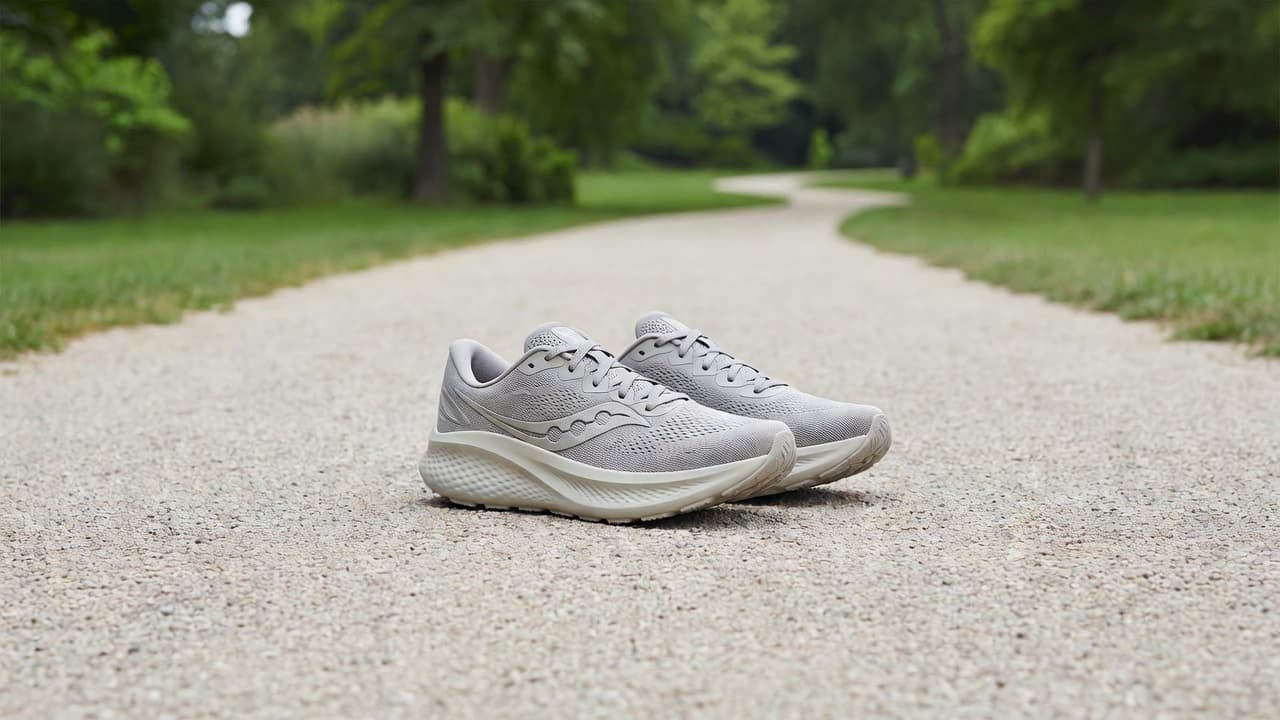
The Saucony Echelon 10 is built for runners and walkers who want comfort first and speed second. It has a max-cushion feel, a stable platform, and a roomy shape that works well for easy miles, recovery runs, and long hours on your feet.
That makes its job pretty clear. It is meant to feel steady, protective, and predictable, which is why it can be a good match for runners who want less stress on their legs. Saucony also describes the Echelon line as a core shoe for comfort and protection, with a broad, stable base that suits both runners and walkers.
Build Your Complete Race-Day Setup
The right shoe helps, but faster racing comes from better training, pacing, recovery, fueling, and execution.
More Guides for This Shoe
The kind of runner the Echelon 10 fits best
The Echelon 10 fits runners who want a forgiving ride more than a lively one. If you have wide feet, need extra room in the forefoot, or simply prefer a shoe that does not feel tight, this model makes a lot of sense. It also works well for heavier runners who want a base that feels planted under load.
Walkers and runners who spend a lot of time on their feet can benefit too. The shoe is built to keep things calm and comfortable, so it suits easy days, errands, travel, and work shifts as much as running miles.
In short, this is a shoe for people who value comfort, support, and consistency. If your main goal is a smooth, steady ride, the Echelon 10 fits that brief well. If you want a quick, race-day feel, this is not the first place to look.
For a closer look at fit and ride details, see this detailed look at the Saucony Echelon 10.
How its cushioning and platform affect ride feel
The cushioning in the Echelon 10 gives it a soft, protective feel, especially at relaxed paces. Combined with a broad base and stable geometry, the shoe feels smooth and controlled instead of twitchy or sharp.
That matters because the ride changes with pace. At easy speeds, it feels natural and comfortable, almost like the shoe settles underneath you and stays out of the way. As the pace picks up, though, the same traits can make it feel less responsive, since the shoe is built more for protection than snap.
The Echelon 10 is at its best when you want your run to feel calm, stable, and low-stress.
A helpful way to think about it is this:
- Easy runs feel smooth and protected.
- Recovery days feel especially forgiving.
- Long wear time feels more comfortable than many lighter shoes.
- Faster efforts can feel flat, because the shoe is not chasing speed.
That is why the Saucony Echelon 10 5K racing question is really about expectations. It can cover the distance, but its design is clearly aimed at comfort, not a hard, snappy push to the finish.
Why 5K racing asks for something different
A 5K puts different demands on a shoe than an easy run does. You are asking for pace, rhythm, and fast changes in turnover right away, so the shoe has to help instead of just feel comfortable.
That is why the Saucony Echelon 10 5K racing question is a little tricky. The shoe can feel great for steady miles, but a short race rewards a setup that feels lighter, snappier, and easier to push forward. Small changes in shoe feel matter more when you only have 3.1 miles to work with.
In a 5K, you want a shoe that feels easy to pick up at race pace. Quick turnover matters because every stride needs to land and launch without much drag. A lively foam can help the shoe feel like it is working with you, not sitting under you.
That is also why energy return gets more attention in shorter races. A shoe that gives a little bounce can make hard efforts feel smoother, especially when your legs start to tire. For a longer easy run, comfort may carry the day. In a 5K, that same shoe needs to feel ready to move now.
A good 5K shoe usually offers:
- Quick turnover that does not feel sluggish.
- Responsive foam that springs back fast.
- A secure fit so your foot stays stable at speed.
- Low drag through the midsole and upper.
If you want a broader look at what race-day shoes usually offer, this lightweight running shoe guide is a useful reference point.
In a 5K, comfort matters, but speed feel matters more.
Why weight matters more than many runners think
A heavier shoe can feel perfectly fine in training. At an easy pace, you may barely notice it. Once you start racing hard for 3.1 miles, though, extra weight can make each stride feel a little less sharp.
That difference shows up in simple ways. Your legs may feel like they have to work harder to keep pace, and the shoe may feel slower to lift off the ground. It does not have to be a huge problem, but in a short race, even a small amount of extra heft can matter.
That is why lighter shoes often show up in race-day conversations. They help reduce the feeling of drag and make fast running easier to sustain. A heavier trainer can still be useful for workouts and daily miles, but when the goal is a strong 5K, many runners want something that disappears a bit more underfoot.
The Echelon 10 brings comfort and stability, which are real strengths. Still, those strengths are aimed more at protection than quick race-day movement.
How the Saucony Echelon 10 performs at 5K pace
At 5K pace, the Saucony Echelon 10 feels more controlled than quick. That can work in your favor if you want a shoe that stays calm under pressure, but it also means you give up some speed feel that lighter race shoes deliver with less effort.
The best way to judge saucony echelon 10 5k racing is to ask a simple question: do you want a stable, secure ride more than a lively one? If yes, the shoe can handle a 5K better than many max-cushion trainers. If you want a shoe that helps you roll fast with minimal work, this one will feel like a step behind.
The Echelon 10 does a good job of keeping the foot planted when the pace rises. Its broad base gives you a stable platform, so the shoe does not feel wobbly when you push through turns or shift your stride late in the race.
That matters if you dislike narrow race shoes that feel twitchy. Runners with wider feet, orthotics, or a history of feeling unstable in lighter shoes may appreciate how calm this one stays. The fit also helps reduce foot movement inside the shoe, which can make fast running feel more controlled and less messy.
A stable racing shoe can be a real advantage if you want confidence more than aggressiveness. In that case, the Echelon 10 gives you a planted ride that feels predictable even when your breathing gets hard.
For runners who want a broader comparison point, Doctors of Running’s Echelon 10 review also points to its secure, stable shape.
Where it may feel flat or heavy on race day
Once you ask the Echelon 10 to run fast for a full 5K, its limits show up fast. The foam feels more protective than springy, so you have to create more of the speed yourself instead of getting help from the shoe.
That can make the pace feel harder to hold. Your legs may have to work a little more to keep turnover smooth, and the shoe does not give much of that quick, poppy response people want in a race flat. As a result, fast running can feel a bit muted, almost like the shoe is holding a steady line while your body does the extra work.
This is where lighter racing shoes usually pull ahead:
- They feel easier to pick up at goal pace.
- They help your stride turn over faster.
- They often create less drag on quick efforts.
- They feel more energetic during late-race surges.
If your main goal is an aggressive 5K, the Echelon 10 will do the job, but it will ask for more effort than a true race shoe.
So, can you race a 5K in it? Yes. Will it feel as smooth or fast as a lighter model? No. The Echelon 10 is the safer pick for comfort and stability, while faster race-day shoes are built to make pace feel easier.
Runner types who could race a 5K in the Echelon 10
The Saucony Echelon 10 makes the most sense for runners who want a 5K shoe that feels calm, roomy, and dependable. If you care more about comfort and control than shaving off every possible second, it can work better than a sharper race flat that feels fast but unforgiving.
That said, this shoe is not for every 5K runner. It fits a clear group of people who value a certain feel underfoot, and that matters just as much as pace on race day.
Newer runners often do better in a shoe that feels familiar and forgiving. A race day shoe that is too stiff, narrow, or aggressive can make the whole 5K feel tense, especially if you are still learning how to hold pace and manage nerves.
The Echelon 10 gives you a steadier, less intimidating ride. That can be a big deal when you are not chasing a podium spot, just trying to finish strong and feel good doing it. A comfortable shoe can also help you stay relaxed through the opening mile, which often matters more than a flashy setup.
If you are still building confidence at faster speeds, a stable trainer can feel like a safer bet. For many newer runners, that beats the pressure of a race shoe that asks for perfect form right away. A good beginner shoe guide, like this one for comfortable running shoes, can help you compare comfort-first options.
Wide-footed runners and runners who need more room
Fit can matter just as much as performance in a 5K. If your toes feel cramped in most race shoes, a roomier model can keep you from thinking about your feet the whole race.
The Echelon 10 gives wide-footed runners and orthotic users more breathing room than many lighter racers. That extra space can reduce hot spots, toe pressure, and that locked-in feeling some people hate when the pace gets hard.
A snug shoe may look faster on paper, but a painful shoe slows you down in real life. If you have ever lost focus because your forefoot felt squeezed, a more forgiving option can be the smarter race choice. For more on fit-first shopping, these beginner shoe tips are worth a look.
Runners who want control more than aggression
Some runners want to feel planted, smooth, and in charge from start to finish. They do not need a shoe that feels explosive. They need one that keeps their stride steady when the effort rises.
The Echelon 10 fits that mindset well. It gives you a controlled platform, which can help on race day if you run best when your shoes stay out of the way and your form stays relaxed. In that case, it becomes a good enough 5K option, even if it is not the fastest option in the drawer.
If you care more about a steady finish than a sharp launch, the Echelon 10 makes sense.
That is why some runners will still choose it for a 5K. They know they are giving up a little speed feel, but they are getting comfort, support, and a ride they can trust all the way to the line.
Better shoes for 5K racing if you want more speed
If your goal is a faster 5K, the Saucony Echelon 10 is usually better left in the training rotation. It gives you comfort and room, but a race shoe needs to feel lighter, quicker, and easier to push through the ground.
The gap shows up most when you compare it with shoes built for speed. Lighter trainers, tempo shoes, and true racers all try to cut wasted motion. They help your stride feel smoother when the pace gets hot, which matters a lot over 3.1 miles.
A better 5K shoe usually starts with low weight. Less shoe underfoot means less drag, and that can make fast turnover feel easier. A shoe with responsive foam also helps, because it returns energy faster than a soft, sink-in daily trainer.
Fit matters just as much. Your foot should feel locked in at the midfoot, with no sliding or sloppy movement. If the shoe wastes energy by letting your foot shift around, it can dull your pace and waste strength you need late in the race.
The best faster shoes tend to share a few traits:
- Light build that feels quick off the ground
- Responsive foam that snaps back fast
- Secure midfoot hold for stable racing
- Tight, efficient fit without extra movement
For a broader look at shoe categories, the Running Shoe Buying Guides page is a helpful starting point. If fit is a weak spot for you, the guide to choosing the right running shoe size can help you avoid a sloppy race-day fit.
When a dedicated race shoe is worth it
A dedicated race shoe makes the most sense when you’re chasing a time goal. If you care about a PR, a faster-feeling shoe can help you hold pace with less effort and keep your form sharper in the last mile.
It also makes sense if you race often. When you use a race shoe for key efforts and keep a separate trainer for daily miles, each pair can do its own job well. That usually gives you a better mix of comfort in training and speed on race day.
If you already have a comfortable daily trainer, like the Echelon 10, that setup works even better. You can save the cushioned shoe for easy runs and wear something lighter when the clock matters. A true race shoe or tempo shoe is then a tool for effort, while the Echelon 10 stays a tool for recovery and steady miles.
RunRepeat’s 5K and 10K shoe guide also shows how lighter, race-focused models are built for speed first.
How to decide if the Echelon 10 is right for your 5K goals
The Saucony Echelon 10 5K racing question gets easier once you match the shoe to your goal. If you want comfort, room, and a stable feel, it can be a smart pick. If you want the fastest possible time, it gives up too much speed feel to be your best race shoe.
A simple way to decide is to ask what matters most on race day: finish time, comfort, or confidence. For some runners, a shoe that feels calm and secure matters more than a few seconds on the clock. For others, the best race day choice is the lightest, snappiest shoe they can handle.
The Echelon 10 makes sense when you want a shoe that reduces stress on your feet and legs. That matters on a first 5K, a fun run, or any race where you want to feel steady from start to finish. Its roomy fit and stable base can keep your stride calmer when race-day nerves start to build.
It also works well if you dislike narrow, aggressive shoes. Some runners run better when they feel protected instead of pushed, and this shoe fits that need well. If your usual shoes leave your feet tired or cramped, the Echelon 10 can feel like a relief.
A runner in this camp often wants one thing: finish strong without beating up the body. For that person, the shoe is a solid fit, even if it is not the quickest option on the start line.
If you’re new to racing, these beginner running tips can help you set realistic expectations for your first 5K.
Skip it if you want your quickest possible 5K
If your goal is a PR, the Echelon 10 is usually the wrong tool. It feels dependable, but it doesn’t give you the lively snap that helps faster shoes feel almost effortless at race pace. Over 3.1 miles, that can matter a lot.
Runners chasing their best time usually want something lighter and more responsive. A faster shoe helps your turnover stay quick and makes pace feel easier to hold late in the race. In contrast, the Echelon 10 asks you to create more of the speed yourself.
A quick comparison makes the choice clear:
| Race priority | Echelon 10 fit | Better shoe type |
|---|---|---|
| Comfort and confidence | Strong | Stable daily trainer |
| First 5K or fun run | Strong | Comfortable, forgiving shoe |
| Goal race with no time pressure | Good | Cushioned trainer |
| Personal record attempt | Weak | Light, responsive race shoe |
That doesn’t make the Echelon 10 a bad shoe. It just means the shoe matches a different kind of race day. If the clock is your main target, a lighter model is the better call.
For a broader look at what faster shoes tend to offer, Runners Need’s shoe guide gives a useful side-by-side view of cushioning, weight, and race-day feel.
If your goal is confidence at the start line, the Echelon 10 can work. If your goal is your best possible 5K time, choose a lighter shoe.
Conclusion
The Saucony Echelon 10 can work for some 5K runners, especially if you want a roomy fit, a stable platform, and a calmer ride on race day. It does the job well for comfort-first racing, but it gives up too much snap for most runners chasing a fast time.
If your main goal is to feel secure, avoid foot pressure, and run a controlled 5K, the Echelon 10 makes sense. If you want your quickest possible result, a lighter and more responsive shoe is the better pick.
The best choice comes down to your goal, your fit needs, and how much comfort you want when the pace gets hard. For many runners, that answer points away from the Echelon 10, but for the right runner, it is a solid and dependable option.


