

Saskatchewan Marathon Race Review
Race morning in Saskatoon begins with the familiar mix of cool air, nervous energy, and runners checking their watches before the start. The race can be a strong goal, but the right fit depends on your distance, training, and what you want from race day.
This review looks at the course, the race-day experience, and practical planning details so you can decide whether the event matches your goals. You’ll also get a sense of who may enjoy this race most, whether you’re chasing a personal best or building experience at a new distance.
Routes, services, and dates can change, so check the organizer’s official information before making plans. First, let’s look at what the course may ask of you. Looking for the best hotels near the Saskatchewan Marathon? Make sure you are reserving your rooms early to save money.
Key Takeaways
- The Saskatchewan Marathon offers several race distances, so choose the event that fits your current training and goal, not just your biggest ambition.
- Review the official course maps before race day to check route details, water stations, and washrooms; routes can change.
- Plan transportation and arrival time in advance, and confirm the latest race-day schedule and participant information on the official event website.
- Treat the race as a test of pacing and preparation: train for your chosen distance, start conservatively, and adjust your expectations to race-day conditions.
Saskatchewan Marathon Review: The Race at a Glance
The Saskatchewan Marathon is a local road-running weekend in Saskatoon, with distances for newer runners and experienced racers alike. Its broad appeal is a plus, though your experience will depend on your chosen distance, course expectations, and preparation.
Saskatchewan Marathon event details to confirm
The official site lists May 31, 2026, as race day and Diefenbaker Park as the event location. Check the current location and schedule on the official maps. The listed venue may not identify every route’s start and finish.
The event offers the Kids’ MaraFun, 2.2K, 5K, 10K, half marathon, and marathon. That range makes it easier to choose a distance that fits your current training rather than treating the full marathon as the default goal. Check the official race distance and schedule details before booking travel or planning your arrival.
Who may enjoy this race
As a first impression, the race looks like a practical choice for runners who want a spring event with several participation options in one city. The shorter races can work for a first event or a measured fitness goal; the half marathon and marathon call for focused preparation and realistic pacing.
Saskatoon’s riverside setting gives the race a distinct local feel, while its distance choices make it accessible to a wide range of runners. Still, race-day logistics matter. Confirm registration availability, deadlines, and participant requirements through the official registration FAQ. Then review current course information, course support, and parking arrangements before you commit.
What the Saskatoon Course Feels Like Underfoot
A race course can change character as the miles add up. In Saskatoon, the South Saskatchewan River and the city’s riverbank paths give the event a memorable setting, but your experience depends on the route for your distance. Use the current Saskatchewan Marathon course maps to check the layout and verify current course support and route services before race day. The organizer notes that routes and details can change.
River views, city streets, and course scenery
The river setting offers a welcome visual break from watching the road. When the route brings you near the South Saskatchewan River, open water and green riverbank space can give your eyes somewhere else to land during a long stretch. That change of scenery can help break a marathon into smaller mental sections, especially when your legs begin to feel the miles.
The course also takes runners through the city, so expect an urban race setting rather than an uninterrupted trail experience. However, don’t assume every distance follows the same paths or passes the same landmarks. Check your race’s map, then use recognizable turns and surroundings as checkpoints instead of focusing only on your watch.
Hills, turns, and the feel of the surface
The course map is the best guide to route shape, but a map alone may not show how a road feels at pace. Review the listed route and elevation details before deciding how aggressively to run. Without reliable elevation information, it’s better not to label the course flat or hilly.
Pay attention to surface changes and sharper bends on your distance’s route. If the map doesn’t make the surface clear, ask the organizers or look for an official course update rather than relying on older descriptions. The image below offers a simple reminder: even a gentle curve can change your rhythm when you’re tired.
For shoes, choose a familiar road-running pair that matches your training and comfort. You don’t need a special model for modest turns or ordinary pavement, but race day isn’t the time to test new shoes. If your training includes paved paths and road running, you’ll have a better sense of how your shoes handle the surfaces shown on the current map.
How the route may affect your race plan
Start at a pace you can sustain, even if the opening miles feel easy. Early restraint gives you room to respond to turns, surface changes, or small rises without forcing your effort higher than planned. For the marathon, especially, a smooth first half matters more than banking time before the course has tested your legs.
Course familiarity can help you stay relaxed. Before race day, review the map for turns, aid stations, washrooms, road closures, and any route changes. Then decide where you’ll check your pace and take fuel. That simple preparation lets you focus on effort and form when the miles get demanding.
Race-Day Organization, Support, and Atmosphere
Race-day logistics can make a first event feel manageable or add stress before the start. For a race participant, check the current event schedule and instructions close to race weekend. Pickup hours, start locations, and course services can change, so older race reports may not match your year.
Choose Your Distance, Duration and Goal Time
Make three quick selections and open the exact plan built for your race target.
Looking for a Fully Personalized Training Plan?
The training plans above are an excellent choice if they match your goal. However, if you’d rather train with a plan built specifically around your current fitness, goal race, preferred training days, weekly mileage, and target finish time, our RDA Custom Training Plans provide a personalized solution. We also have running courses available for runners seeking to run faster from the mile to the marathon.
Why Choose a Custom Training Plan?
| Standard Training Plan | RDA Custom Training Plan |
|---|---|
| Follows a fixed schedule | Built around your schedule |
| Standard weekly mileage | Peak mileage customized for you |
| Fixed workout days | Train on the days you choose |
| Same structure for everyone | Designed around your current fitness |
| Static plan | Updated as your fitness improves |
| One-time purchase | Ongoing personalized coaching and support |
What You’ll Receive
- A training plan built specifically for your goal
- Personalized training paces
- Long runs, tempo runs, threshold workouts, interval sessions, recovery runs, and easy runs
- Peak weekly mileage matched to your experience level
- Flexible training schedule that fits your life
- Ongoing plan adjustments as your fitness improves
Ready to Train Smarter?
Stop guessing and start following a plan built specifically for you, your schedule, and your racing goals.
Packet pickup, start area, and event flow
For 2026, the official package pickup details list packet pickup at Hall B, Prairieland Park, 503 Ruth St. W. in Saskatoon, on Saturday, May 30, from 10 a.m. to 5 p.m. The listing says runners can collect their race bib and shirt there. Reconfirm the details before heading over, especially if you expect to arrive on race morning.
Next, review the official race-day information for your event’s start time, location, parking or transit guidance, and any gear or bib rules. Diefenbaker Park is listed as the 2026 event location, but confirm the start and finish for your distance. Allow time to find parking, use the restroom, and reach your start area.
Aid stations, volunteers, and finish-line support
The organizer’s course maps and route details show aid stations and washrooms. Check the map for your distance to review course support, then confirm what each station currently provides. Available information doesn’t confirm a full list of drinks, gels, medical services, or finish-area amenities, so don’t build your fueling plan around assumptions.
That matters whether you’re running your first 5K or targeting a marathon time. A newer runner may need to know where water is available and how to handle a missed station; a marathoner may need exact spacing and product details to match a practiced fueling plan. Carry familiar fuel if you rely on it, and use only options you’ve tested in training. Verify current course support details, including any confirmed volunteer or medical arrangements.
Crowds, community spirit, and the finish
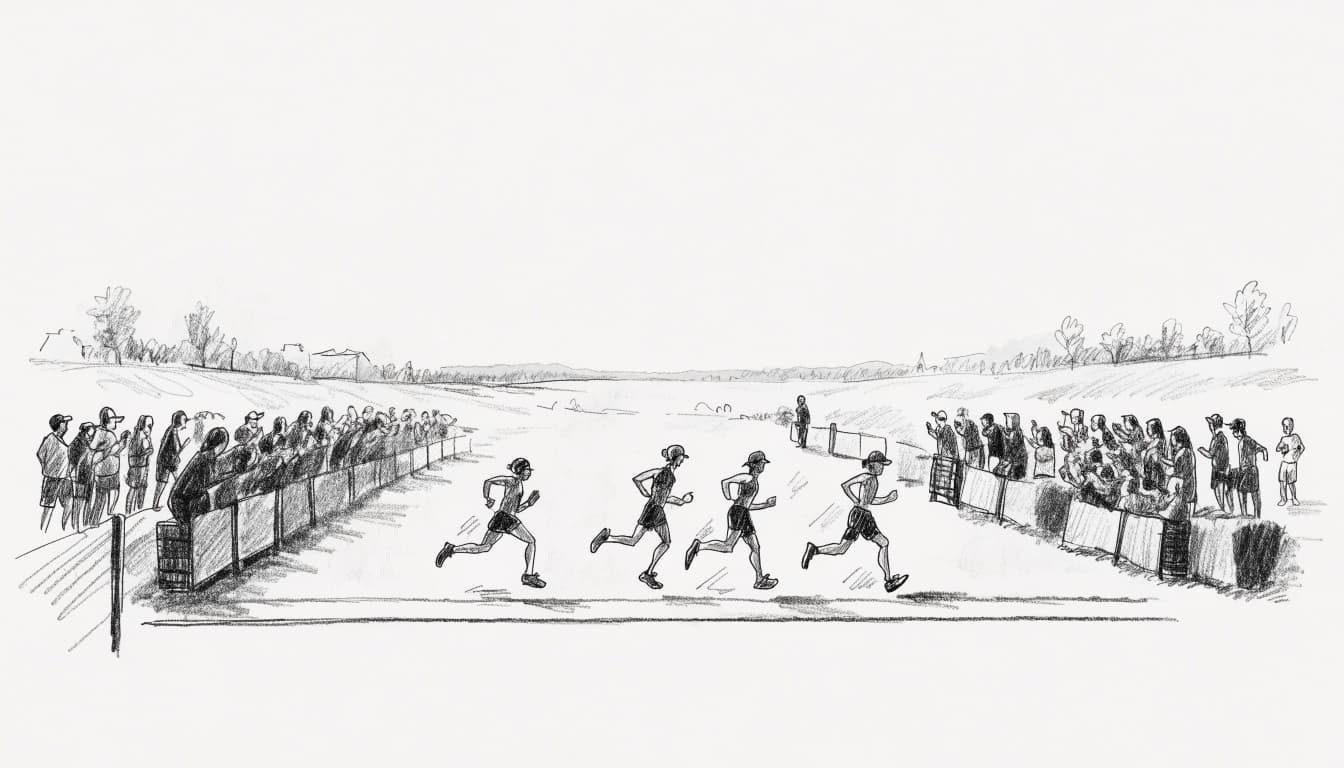
The event brings several distances together, which can create a shared community feel even when runners follow different routes. Crowd support and volunteer presence can vary by location and time, so check current event instructions for confirmed details. Shorter races may keep you near more participants, while marathon runners and those at a more relaxed pace can spend longer stretches with fewer runners nearby. Treat that variation as part of your pacing plan, not a promise of continuous cheering.
At the finish area, follow posted guidance for where to exit, reunite with family, and collect any available post-race items. Check official updates to confirm whether medals or other items are provided and who is eligible. If you’re meeting supporters, agree on a clear meeting point in advance. A little planning helps you enjoy the finish, whether you’re celebrating a first race or checking the clock after a goal effort.
Planning Your Race Weekend in Saskatoon
A smooth Saskatchewan Marathon weekend starts before race morning. Book a place to stay, map your route to the start, and check the event’s latest instructions close to race day. A few early decisions can protect your sleep and keep your warm-up from turning into a last-minute scramble.
Travel, lodging, and getting to the start
Reserve lodging early if you’re traveling to Saskatoon, especially if you want to stay near a particular part of the city. Before booking, compare the location with the start area and packet pickup. In Saskatoon, they may not be close, so plan how you’ll get between your hotel, packet pickup, and the start.
Driving? The event’s parking and road-restriction guidnce lists race-day access details, including parking at Prairieland Park and access via Ruth Street. Check the page again before leaving, since closures and access instructions can affect your route. If you’re considering transit or a Park & Ride, confirm service times and pickup points through current event updates rather than relying on last year’s schedule.
On race morning, allow extra time for travel, parking, walking to the start, and using the restroom. If someone is dropping you off, agree on a meeting point away from restricted roads. A backup route or nearby pickup location can help if traffic slows or parking access changes.
Weather, clothing, and race-morning preparation
Spring conditions can shift, so avoid choosing race clothes based on a long-range forecast. Check the local forecast in the days before the event, then check it again the evening before. Pack a light layer for waiting outside, and choose race-day clothing based on conditions you’ve tested during training.
Don’t use the race as a clothing experiment. Try your planned layers on a similar training run, including socks, shoes, and any hat or gloves you expect to wear. If rain or wind is in the forecast, adjust with familiar gear rather than adding an untested item.
The night before, lay out your bib, shoes, outfit, and personal supplies. Check the event schedule for your start time and packet pickup hours. Review the route and participant updates for last-minute changes. That leaves race morning for breakfast, travel, and a relaxed warm-up.
Fueling, hydration, and gear to bring
For the marathon or half marathon, follow a fueling plan you’ve practiced on long runs. Pack the gels, chews, or other familiar products you expect to use, and confirm what the Saskatchewan Marathon currently provides at aid stations. The official course maps can help you review station locations, but check current event notes to verify course support, drinks, and supplies.
For a 5K or 10K, most runners don’t need the same mid-race fueling plan as marathoners. Still, eat and drink in a way that has worked in training, and avoid trying unfamiliar foods on race morning. Bring your bib and any required timing or gear items listed in the participant instructions. Before bed, set everything by the door so you can leave on schedule.
Who Should Run It, and What Could Be Better?
The event may suit runners seeking a spring goal in a city setting, with distance options for different experience levels. The best fit depends on more than scenery: consider your route, support needs, and race-day priorities.
The runners who may enjoy this race most
First-time marathoners may appreciate having shorter distances alongside the full marathon. The half marathon and other options can also help friends or family take part at their own pace. If you’re preparing for 26.2 miles, choose that distance because your training supports it, not simply because it’s offered.
The event may appeal to runners looking for a spring target, local participants, and visitors who enjoy a city-and-river setting. Runners in Saskatoon may find travel simpler, while out-of-town participants can make the race part of a planned weekend. Before registering, confirm the time limit, course support, and aid-station details for your distance.
Potential drawbacks to weigh before registering
Travel can add cost and planning, especially if you need lodging, parking, or must coordinate packet pickup with race morning. Spring weather is also uncertain. Check the forecast close to race day, and use Canadian climate normals for background, not as a race-day prediction.
Course conditions deserve the same care. A route that feels manageable to one runner may not suit another, especially if turns, surfaces, or pacing demands conflict with their training. Spectator support can vary by location and time, too. If you rely on frequent crowd energy, consider whether quieter stretches would affect your focus. These factors can change by year, and runners value them differently.
How it compares with your personal race goals
For a personal-best attempt, confirm the current route, start logistics, and aid-station information before building your pacing plan. A course can look favorable on paper yet feel different on race day. Train for the conditions you can control, and avoid setting a target time based on unsupported claims that the route is fast or easy.
For a first marathon, prioritize steady preparation, clear logistics, and a pace you can hold after the early excitement fades. A shorter distance may be better if your training hasn’t prepared you for the full event. Runners seeking a relaxed experience can focus on finishing comfortably, enjoying the riverside setting, and treating the clock as secondary.
Review the Saskatchewan Marathon event details and current course map to see whether the route and race-day setup match your needs. Compare those details with your experience, preparation, and preferred atmosphere before committing.
Frequently Asked Questions
A few race-day details depend on the distance you choose and the event’s current policies. Confirm the latest instructions before making plans, especially if you need to change your registration or have a specific participation requirement.
What is the minimum age to participate?
The event’s registration information lists age 6 on race day as the minimum age for participants. The Kids’ MaraFun includes a 2.2K. Check the current rules for any distance-specific requirements.
What do participants receive in their race kit?
Kit contents can vary by year, so check the latest participant information for details. The event confirms that Kids’ MaraFun participants who complete their final 2.2K receive a T-shirt and finisher medals.
What are the registration fees for the Saskatchewan Marathon?
Current standard prices, distance-based fee ranges, and early-bird deadlines can change. I can’t verify reliable current figures here, so check the official registration information for the latest pricing before signing up.
Can I switch to a different distance after registering?
Don’t assume a distance change is automatic. Check the event’s current registration terms and contact the organizer before making plans, since changes may depend on deadlines, availability, and that year’s rules. If your training changes, confirm your options early rather than waiting until race weekend.
Can I transfer my entry or defer it to another year?
Transfer and deferral policies can vary by event and registration period. Read the current registration terms before purchasing, then contact the organizer if your circumstances change. Avoid giving your bib to another runner unless the event explicitly allows a formal transfer.
Is there a time limit for finishing?
Confirm the time limit for your specific distance in the current participant information. A cutoff can affect pacing, course access, or support, so it’s especially important if you expect to use run-walk intervals or finish at a relaxed pace. If you can’t find a clear limit, ask the organizers before registering.
Can I walk during the race?
If you plan to walk part or all of your distance, check the course cutoff and course-closure details first. These rules determine whether the course stays open long enough for your expected pace. Then choose a distance that fits your preparation and the time available.
What happens if the weather is poor on race day?
Check organizer updates for any weather-related changes, delays, or cancellation instructions. Don’t rely on the forecast alone to determine whether the event is proceeding. Keep your phone accessible on race morning and review the latest event communication before leaving for the start.


