Salomon Thundercross Review
So, I got my hands on the Salomon Thundercross, and figured it was time to see what all the fuss was about. These shoes are supposed to be pretty good for hitting the trails, offering a solid grip and some decent cushioning. I’ve put them through their paces on a bunch of different runs, from easy paths to some more challenging spots, just to get a real feel for them. Let’s break down if the Salomon Thundercross lives up to the hype.
Key Takeaways
- The Salomon Thundercross offers seriously good traction, especially on muddy or slippery surfaces, thanks to its aggressive 5mm lugs.
- These shoes are comfortable right out of the box with no break-in period needed, featuring ample cushioning for long runs.
- While great for moderate trails, the softer feel and less secure upper might not be ideal for highly technical terrain.
- Compared to the Speedcross, the Thundercross is more versatile and runnable on a wider variety of trails and surfaces.
- The QuickLace system is a bit of a mixed bag; some find it convenient, while others prefer traditional laces for a tighter, more comfortable fit.
Salomon Thundercross: An Overview
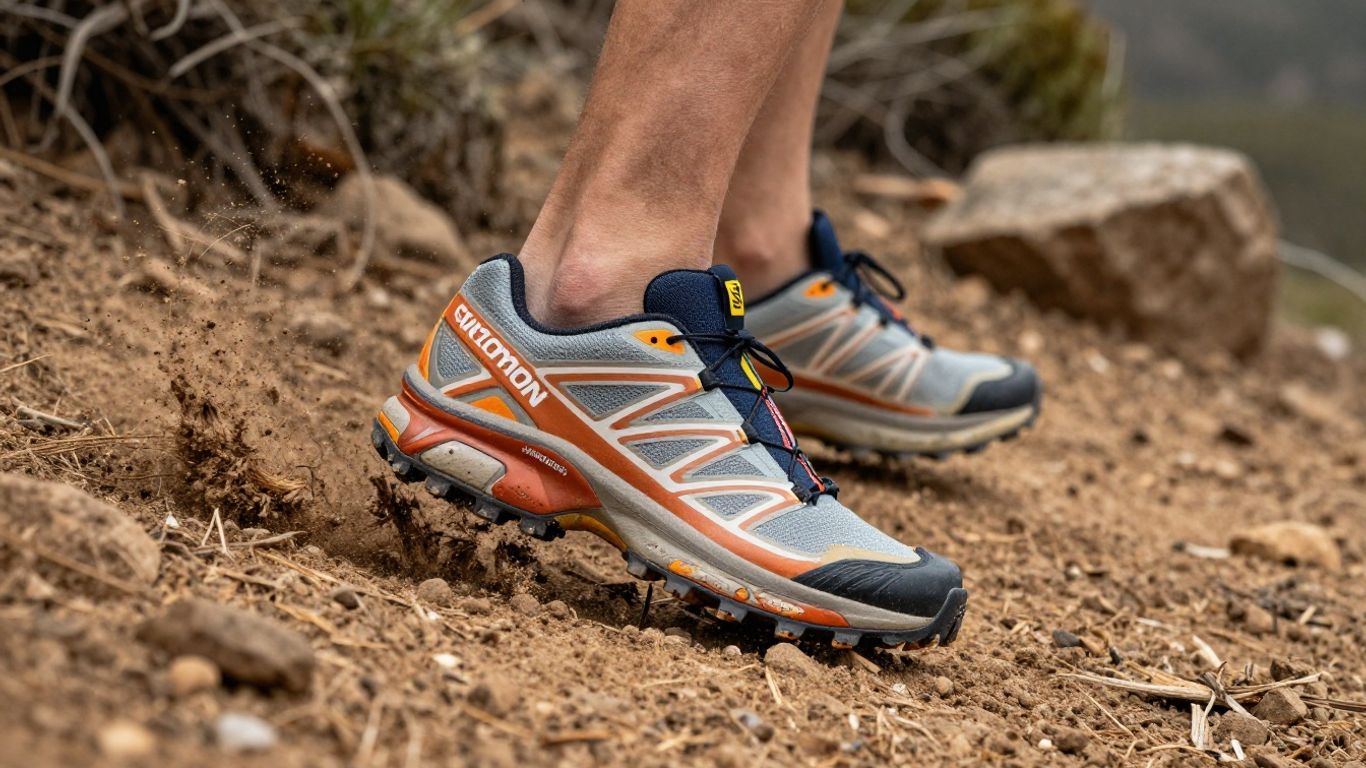
Salomon’s Thundercross is a trail running shoe that aims to blend aggressive traction with a comfortable, cushioned ride. It’s designed for runners who want a shoe that can handle a bit of everything the trail throws at them, from muddy paths to rocky ascents. This shoe is built to be a versatile workhorse for your off-road adventures.
Key Features and Specifications
The Thundercross comes with a few standout features that set it apart. It boasts Salomon’s Energy Foam midsole, which provides a soft yet responsive feel underfoot. The outsole features aggressive 5mm lugs, designed to dig into soft ground and offer serious grip. The stack height is pretty generous, with 31mm at the heel and 27mm at the forefoot, giving it a 4mm drop. This setup aims for comfort on longer runs without sacrificing too much ground feel.
Here’s a quick look at the specs:
- Drop: 4mm
- Stack Height: 31mm (heel) / 27mm (forefoot)
- Lug Depth: 5mm
- Midsole Foam: Energy Foam
- Outsole: Contagrip
- Weight: Approximately 9.69 oz (274g) for a US men’s size 9
Intended Use and Design Philosophy
Salomon designed the Thundercross with versatility in mind. It’s not just for deep mud like some of its ‘Cross’ family predecessors. Instead, it’s meant to be a more runnable option for varied terrain. Think of it as a shoe that can handle your daily trail runs, hikes, and even some door-to-trail efforts. The aggressive lugs are there for when you need them, but the overall geometry and cushioning make them surprisingly capable on harder surfaces too. It’s a shoe that tries to bridge the gap between a dedicated mud shoe and a more generalist trail runner, aiming to be a go-to for many different conditions.
The design philosophy seems to lean towards providing a comfortable, cushioned platform with exceptional grip, making it suitable for a wide range of trail conditions and runner preferences. It’s about offering confidence on the trail, whether you’re climbing, descending, or cruising on flats.
Price Point and Value Proposition
Retailing at $140, the Salomon Thundercross sits in a competitive segment of the trail running market. When you consider the features like the Energy Foam, the aggressive Contagrip outsole, and the overall build quality that Salomon is known for, the price feels justified. It’s positioned as a direct competitor to other popular all-terrain trail shoes, aiming to offer a strong balance of performance and durability for the cost. For runners looking for a reliable shoe that can handle a lot of different trail types without breaking the bank, the Thundercross presents a solid value proposition. You’re getting a shoe that’s ready to go right out of the box, with no real break-in period needed, which adds to its immediate value.
Performance On The Trail
Exceptional Traction and Grip
The Salomon Thundercross really shines when it comes to gripping the trail, especially on softer ground. Its aggressive 5mm lugs, spaced out nicely, dig into dirt and mud like nobody’s business. I found myself feeling pretty confident scrambling up steep, loose sections, and even on some off-trail adventures, the grip was outstanding. It’s a shoe that makes you feel connected to the ground, which is always a good thing when you’re out there.
However, it’s not all perfect. While the grip on dirt and mud is top-notch, I noticed that on wet, slick rock, it wasn’t quite as tenacious as some other shoes I’ve tested. It’s not a deal-breaker, but if you frequently run on wet, rocky terrain, you might want to keep that in mind. For most typical trail conditions, though, the traction is definitely a strong point.
Cushioning and Ride Comfort
When you first step into the Thundercross, you’ll notice a really plush, cushioned feel. The Energy Foam midsole provides a nice, forgiving ride that’s easy on the legs, especially on longer runs or hikes. It’s a comfortable shoe that makes you want to keep moving. It feels different from some other Salomon models, leaning more towards a soft, enjoyable ride than a super-responsive, firm feel. This makes it a great option if you prioritize comfort over a super-fast, snappy sensation.
The cushioning is definitely a highlight, making it a great choice for those who enjoy a softer underfoot experience. It handles moderate terrain with ease, offering a pleasant ride that doesn’t beat up your feet.
Handling Various Terrains and Gradients
So, how does the Thundercross handle different kinds of trails and hills? For the most part, it does a solid job. It’s great on singletrack with roots, fire roads where you can pick up the pace, and even moderate rocky sections. The shoe feels stable and provides good feedback from the ground. When climbing, those lugs really do their job, giving you that extra bit of bite to keep you moving forward. Descending is also pretty good, with the shoe feeling secure enough to let you run with confidence.
One thing to note is that while it handles a lot, it does have its limits. On extremely technical terrain, especially with sharp rocks, the upper might feel a bit less supportive than you’d want. But for the average trail runner looking for a versatile shoe that can handle a bit of everything, the Thundercross is a strong contender. It’s a shoe that offers a good balance for a wide range of trail running activities, from casual jogs to more demanding hikes. You can find a great deal on these shoes, representing a significant discount for a solid trail shoe.
Fit And Comfort
When you first slip on the Salomon Thundercross, the immediate impression is one of plushness. The shoe feels quite roomy, especially in the toe box, which is a nice change if you’re used to more snug, race-oriented trail shoes. However, this generous space can be a double-edged sword. While it’s comfortable for casual wear and less technical trails, some testers found they needed to really cinch down the laces to achieve a secure hold, particularly on uneven or rocky terrain. This can sometimes lead to pressure points on the top of the foot, and a bit of bunching under the tongue where the Quicklace system tucks away.
Out-Of-The-Box Comfort and Break-In Period
Most folks find the Thundercross pretty comfortable right away. There’s a good amount of padding around the collar and tongue, making it feel cozy. You probably won’t need a long break-in period, which is always a plus. However, if you have a narrower foot, you might find yourself wanting to wear thicker socks to take up some of that extra volume and get a more locked-in feel. It’s not a shoe that demands a lot of miles before it starts feeling good.
Upper Construction and Foot Hold
The upper is made from a soft, pliable mesh that breathes reasonably well, though it can get a bit warm in hotter weather. Salomon uses its SensiFit overlays to provide support, and these do a decent job of holding the midfoot. The heel counter is semi-rigid and well-padded, offering good heel lock for most situations. Still, the overall feel leans more towards comfort than aggressive, high-performance hold. If you’re tackling really technical trails at speed, you might wish for a bit more stability and a more precise fit throughout the foot.
Lacing System Considerations
Salomon’s signature Quicklace system is present here, designed for quick on-and-off. On the Thundercross, there’s a slightly different setup with an extra pocket intended for the laces. Some users found this a bit confusing, and the extra material can sometimes bunch up uncomfortably under the main laces when tightened. While it works, it’s not the most streamlined lacing experience Salomon has offered, and a more traditional lacing system might offer more customizable pressure distribution for those who need it.
While the Thundercross prioritizes a comfortable, cushioned ride, achieving a truly dialed-in fit for aggressive trail running might require some experimentation with sock thickness and lacing tension. It’s a shoe that feels good for a wide range of activities, but might not satisfy the most demanding technical runners looking for absolute precision.
Durability And Protection
When you’re out on the trail, especially when things get rough, you want to know your shoes can handle a beating. The Salomon Thundercross really steps up in this department, offering a solid build that feels like it can take on just about anything you throw at it. It’s built to last, mile after rugged mile.
Lug Durability and Outsole Performance
The outsole on the Thundercross features deep, aggressive lugs designed for serious grip. These lugs are made from a rubber compound that strikes a good balance – it’s tough enough to resist wear but still soft enough to bite into the trail. After putting several hundred miles on them, the wear on the lugs is minimal, showing just a slight indentation, which is pretty standard for a shoe this capable. The outsole itself is a decent thickness, providing a good base without feeling overly clunky.
Upper Protection and Rand
Salomon has wrapped the Thundercross in a protective package. The upper uses a tightly woven textile, which is surprisingly tough. What really stands out is the near 360-degree rand that goes around the shoe. This rubbery strip acts like armor, shielding your feet from rocks, roots, and any other trail debris that might try to sneak in and cause trouble. It’s a smart design choice that adds a lot of confidence when you’re moving fast over technical terrain.
Considerations for Rock Protection
While the Thundercross offers excellent protection against scrapes and general trail hazards thanks to its rand and sturdy upper, it doesn’t have a dedicated rock plate built into the midsole. This means that on extremely rocky, sharp terrain, you might feel the impact of larger, pointed rocks a bit more than you would in a shoe specifically designed with rock protection in mind. For most trails, though, the cushioning and the overall robust construction do a pretty good job of keeping your feet comfortable and safe.
The combination of a durable outsole and a well-protected upper makes the Thundercross a reliable choice for long-term use on varied trails. While it might not have a specific rock plate, its overall construction provides a good level of defense against common trail obstacles.
Salomon Thundercross Versus Competitors
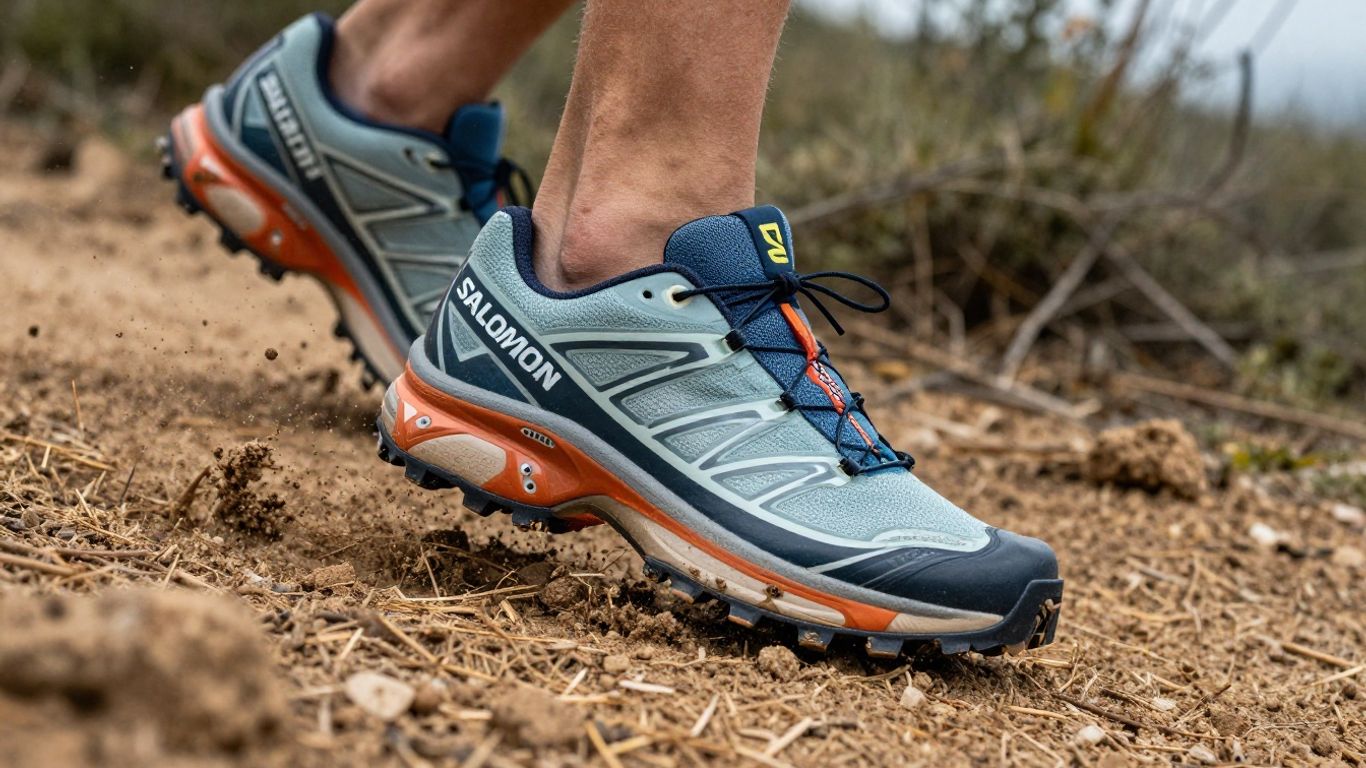
Comparison to HOKA Speedgoat
The Salomon Thundercross definitely feels like it’s aiming for the same runner who loves the HOKA Speedgoat. Both shoes are built for tackling a bit of everything the trail throws at you, with a decent amount of cushioning and a lower heel-to-toe drop. When I ran in them, the Thundercross felt a little narrower than the Speedgoat, which might be good for some folks wanting a more locked-in feel. The traction on the Thundercross, with its 5mm lugs, seemed a bit more aggressive and maybe better suited for really loose stuff compared to the Speedgoat’s tread. However, the Speedgoat might have a slight edge in breathability, especially when things heat up.
| Feature | Salomon Thundercross | HOKA Speedgoat 6 |
|---|---|---|
| Price (USD) | $140 | $160 |
| Weight (oz/US M9) | ~10.5 | ~10.3 |
| Drop (mm) | 4 | 4 |
| Lug Depth (mm) | 5 | 5 |
| Cushioning | Balanced, soft | Plush |
Comparison to Salomon Speedcross
This is where things get interesting, as the Thundercross shares the "Cross" name with the legendary Speedcross. But honestly, they’re quite different beasts. The Speedcross is known for its super aggressive, deep lugs, almost like a mud tire for your feet, and a firmer ride with a higher 10mm drop. It’s fantastic in deep mud or snow, but can feel a bit clunky on harder surfaces. The Thundercross, on the other hand, is lighter, has a lower 4mm drop, and a softer, more forgiving midsole. It’s way more versatile for everyday trail running, feeling much better on packed dirt, rocks, and even a bit of road. Think of the Speedcross as a specialized tool for gnarly conditions, and the Thundercross as your reliable all-rounder.
- Speedcross: Aggressive traction, firm ride, 10mm drop, best for mud/soft ground.
- Thundercross: Versatile traction, softer ride, 4mm drop, good for varied terrain.
Comparison to Salomon Sense Ride 5
The Sense Ride 5 is another popular shoe in Salomon’s lineup, but it sits in a different category. It’s more of a daily trainer, designed for comfort and a smoother ride on less technical trails. The Sense Ride 5 has less aggressive lugs and a more traditional feel, often with a slightly higher drop than the Thundercross. While the Sense Ride 5 is great for those who want a comfortable shoe for easier runs or even some road miles mixed in, the Thundercross steps it up when you need more serious grip and protection for rougher trails. The Thundercross feels more robust and ready for adventure.
The Thundercross really bridges a gap. It offers the aggressive grip you might expect from Salomon but pairs it with a softer, more forgiving ride that makes it suitable for longer efforts and a wider range of trail conditions than its more specialized siblings.
Pros And Cons Of The Salomon Thundercross
Strengths of the Salomon Thundercross
When you pull these shoes out of the box, you’ll notice a few things right away. First off, the aggressive 5mm lugs on the Contagrip outsole are seriously impressive. They’re designed to bite into just about anything, making them fantastic for muddy trails or slippery ascents where you need every bit of grip you can get. The traction on these is truly top-notch, often considered best-in-class. Another big win is that there’s virtually no break-in period needed. You can put them on and head out for a run without worrying about blisters or discomfort. The cushioning is also a major plus, offering a plush feel underfoot that absorbs impact well, especially on longer runs or harder surfaces. Plus, the protective rand that wraps around the forefoot and sides adds a good layer of defense against trail debris.
Weaknesses and Areas for Improvement
While the Thundercross are great, they aren’t perfect. One common point of contention is the QuickLace system. Some runners find it less comfortable than traditional laces, especially when you need to cinch them down tight for a secure fit. It can create pressure points. Also, the upper, while protective, isn’t the most breathable. This means your feet might get a bit warm, especially on hot days or during intense efforts. Drainage could also be a bit better. For those who tackle very rocky and technical terrain regularly, a rock plate might be missed, as the current cushioning, while ample, doesn’t offer that specific type of underfoot protection.
Overall Verdict on the Salomon Thundercross
The Salomon Thundercross really shines when you need serious grip and a comfortable, cushioned ride. They’re a solid choice for anyone who frequently encounters mud, wet conditions, or steep, loose trails. While the QuickLace system and breathability might not be for everyone, the overall performance, comfort straight out of the box, and excellent traction make them a compelling option in the trail running market. They offer good value for the price, especially if you prioritize grip and cushioning above all else.
Final Thoughts on the Salomon Thundercross
So, after putting the Salomon Thundercross through its paces, what’s the verdict? These shoes really shine when you need serious grip, especially on those muddy or slippery trails. They feel comfortable right out of the box, which is a big plus, and the cushioning is pretty generous for longer runs. While the QuickLace system might not be for everyone, and they could maybe use a bit more breathability, the overall package is solid. If you’re looking for a durable trail shoe that offers great traction and a comfortable ride, especially for less technical terrain, the Thundercross is definitely worth checking out. They’re a good option if you want a shoe that can handle a bit of everything without feeling too stiff or overly complicated.
Frequently Asked Questions
What makes the Salomon Thundercross good for tough trails?
The Salomon Thundercross has big, 5mm deep bumps on the bottom, called lugs. These give you amazing grip, like a tire, so you won’t slip on muddy or steep paths. They also have a soft cushion inside to make your feet feel comfy even on long runs.
Do I need to ‘break in’ these shoes before using them?
Nope! Most people find the Thundercross shoes feel great right out of the box. You can put them on and go for a run or hike without worrying about getting blisters or needing to wear them a few times first.
Are these shoes good for running on roads too?
While they work best on trails, the Thundercross can handle short bits of road. They have a smooth ride and don’t make annoying slapping noises on harder surfaces. However, they’re really built for dirt, mud, and rocks, not long road runs.
How do the Thundercross compare to Salomon’s Speedcross shoes?
Think of the Thundercross as a more comfortable and easier-to-run version of the Speedcross. The Thundercross has a softer cushion and a lower drop (the difference in height between the heel and toe), making them feel more natural. Both have great grip, but the Thundercross is better for everyday trail running.
What does ‘4mm drop’ mean for my feet?
A 4mm drop means the back of the shoe (the heel) is just a tiny bit higher than the front (the toe). This is considered a low drop, which many runners find feels more natural and closer to running barefoot. It helps your feet land more evenly.
Are these shoes good for wide feet?
The Thundercross generally runs a bit narrower, which is typical for Salomon shoes. While some find them comfortable, if you have very wide feet, they might feel a little snug. It’s a good idea to try them on if you can, or consider ordering a half size up if you’re unsure.