

Salomon Speedcross 7 Review: Ultimate Grip for Mud and Technical Terrain
If you run muddy trails, loose climbs, or slick downhill corners, the Salomon Speedcross 7 gets your attention fast. Its reputation comes from one thing runners care about most on rough ground, grip that holds when the trail gets ugly.
This review looks at whether it really delivers the control, traction, and secure feel trail runners need in wet, technical terrain. It’s for runners who want a shoe that bites into soft ground and stays stable when footing gets messy, especially if you’ve worn older Speedcross models like the Speedcross 5 breakdown and want to know what changed.
You’ll also get a clear read on who gets the most value from it, because this shoe won’t be the best fit for every trail. For runners who want to compare it with Salomon’s current trail lineup, the brand’s trail running shoes are a useful place to start.
What makes the Salomon Speedcross 7 different from earlier versions
The Salomon Speedcross 7 keeps the same muddy-trail focus that made the line popular, but it feels more refined than older versions. The biggest changes are in the way it grips soft ground, how it settles on the foot, and how it handles rough trail debris.
Build Your Complete Race-Day Setup
The right shoe helps, but faster racing comes from better training, pacing, recovery, fueling, and execution.
More Guides for This Shoe
If you’ve run in earlier Speedcross models, the feel is familiar, yet smoother in a few key spots. That matters because a shoe like this should do one job very well: stay locked in when the trail turns wet, loose, and messy.
A closer look at the outsole and deeper lugs
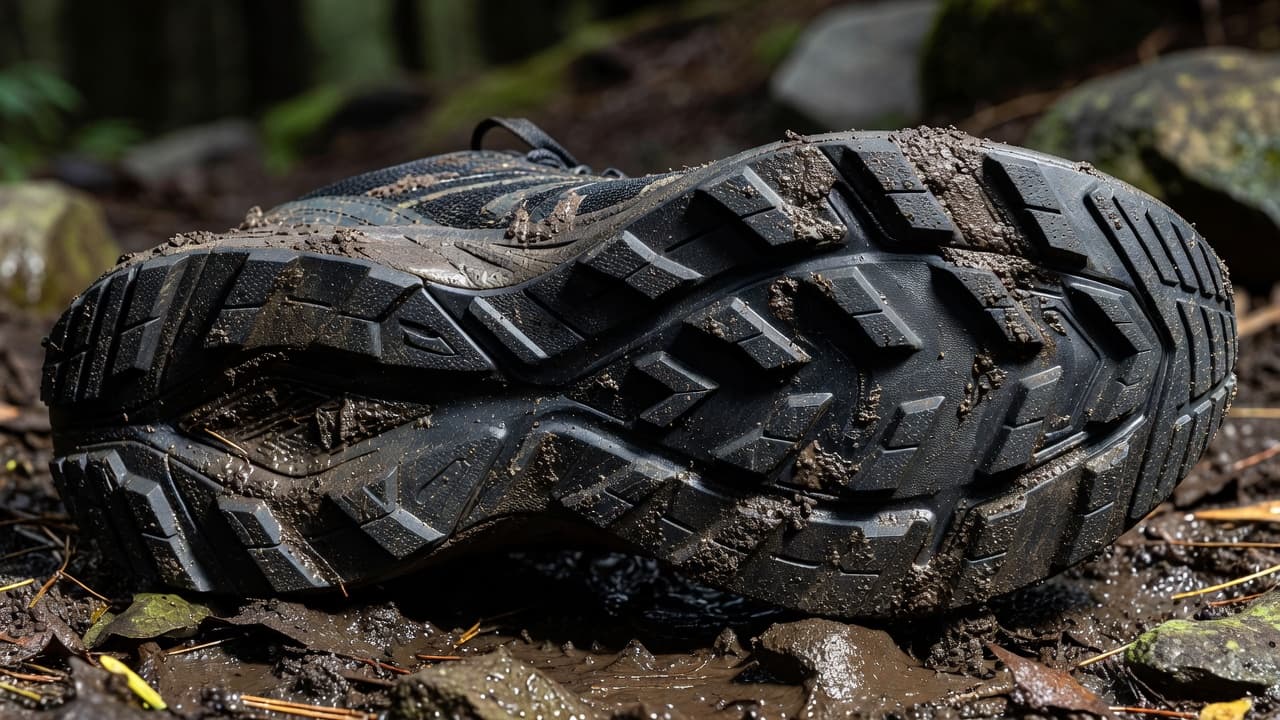
The outsole is where the Speedcross 7 makes its case. Its deep, aggressive lugs are built to dig into soft mud instead of skating across it, so you get a more secure bite on sloppy climbs and muddy descents.
That lug shape and spacing matter a lot. Wide gaps help mud shed faster, while the deep rubber pattern gives the shoe something to hold onto when the ground feels like soap.
Salomon also places the rubber in a way that helps the shoe stay effective on uneven dirt and wet singletrack. On packed forest trails, muddy switchbacks, and rainy race courses, that design can make a real difference. For a broader look at how the brand approaches trail grip, the Salomon trail shoe lineup gives helpful context.
Deep lugs only help if they can clear mud quickly. That’s what keeps traction useful after the first few messy miles.
Upper updates that help with comfort and debris control
The upper on the Salomon Speedcross 7 feels more secure and more trail-ready than older versions. It wraps the foot closely, which helps when you land on roots, rocks, or off-camber ground and need the shoe to move with you, not against you.
It also does a better job of keeping trail junk out. Mud, small sticks, and grit still get in on rough routes, but the shape of the upper helps reduce how much debris sneaks inside. That makes long runs more comfortable, especially when the trail stays wet for hours.
Breathability is decent for a shoe this protective. You are not getting a light, airy road-shoe feel, but you do get enough airflow for hard trail efforts. The material feels sturdy too, which matters if you run often on rough ground or train through bad weather.
For runners who want more background on how Salomon designs its trail shoes, Salomon’s official Speedcross history is a useful read. The Speedcross 7 keeps that same rugged identity, but with updates that make it feel more controlled and easier to trust when the trail gets slippery.
How the Salomon Speedcross 7 performs on mud, rocks, and steep terrain
The Salomon Speedcross 7 feels built for messy trail days. It comes alive when the surface turns soft, wet, and uneven, but it also has limits once the ground firms up or gets very rocky. That balance matters if you want a shoe that keeps you moving on ugly climbs without feeling out of control.
Grip on wet ground and muddy climbs
On deep mud, the Speedcross 7 grips the way you want a mud shoe to grip. The lugs bite into soft ground instead of sliding over the top, so each step feels more secure when the trail turns greasy. That helps most on steep climbs where a weak outsole can make you waste energy fighting for purchase.
Wet grass and slippery inclines are also a strong match for this shoe. The outsole clears mud fast, so traction stays more useful after a few turns through sloppy sections. On a rainy race course or a soggy forest climb, that can keep your pace more steady and your footing more confident.
Still, mud grip has a ceiling. On hard-packed dirt with a thin wet layer, the aggressive lugs can feel a little less settled than a lower-profile trail shoe. If the ground is slick but not soft, you may notice the shoe hunting for bite instead of locking in immediately.
If you want a broader look at how Salomon positions this kind of shoe, the Salomon Thundercross trail shoe comparison helps show why the Speedcross stays the more specialized mud option.
Control and confidence on technical singletrack
Technical singletrack asks a lot from a trail shoe. The path can narrow fast, then throw roots, loose stones, and off-camber turns at you in the same minute. The Speedcross 7 handles that best when you stay light on your feet and trust the shoe to hold a line.
The snug fit helps here. Your foot feels guided rather than loose inside the shoe, so foot placement feels more deliberate on awkward steps and quick direction changes. That close hold also helps on descents, where a wandering foot can make a sketchy trail feel worse.
At faster paces, the shoe feels secure, but not especially nimble. It wants to attack the trail more than dance across it. That works well on steep, rough ground, yet it can feel a bit much if the singletrack is smooth and you want a faster, more fluid ride.
The Speedcross 7 gives you confidence when the trail feels like a series of small decisions, not one clean path.
For runners comparing shoe feel on rough ground, REI’s trail-running shoe guide is a useful reference for understanding how lug depth and outsole shape affect traction.
How it handles rocky sections and harder ground
The Speedcross 7 is not only for mud, but mud is where it looks best. On rocky sections, it can still work well if the surface is mixed and the trail is changing often.
The grip stays dependable enough to manage roots, wet stone, and broken trail, especially when you are moving through them rather than standing on them for long.
Hard-packed trails tell a different story. The deep lugs feel more aggressive than many runners need on firm ground, and that can make the ride feel a little less smooth. You may also notice more pressure underfoot on stony paths, especially if the terrain stays dry and fast for most of the run.
That does not make the shoe a poor pick for mixed routes. It just means the Speedcross 7 makes the most sense when soft ground still plays a big role. If your runs lean toward packed dirt, dry rock, and long stretches of firm trail, a more balanced shoe will probably feel better.
The simple test is this, if mud, steep climbs, and sloppy footing are common, the Speedcross 7 fits the job. If firm trail makes up most of your route, you may want something less aggressive and more comfortable over distance.
Fit, comfort, and the feel on your foot
The Salomon Speedcross 7 feels built for runners who want a close, secure hold. It hugs the foot more than it cradles it, which is a big part of why it feels so stable on uneven ground. That same fit can feel perfect on technical trails, but less forgiving if you like extra space up front.
Who will like the snug Salomon feel
This shoe will appeal most to runners with narrow or average-width feet who want their trail shoe to feel locked in. The midfoot is especially secure, so your foot stays put when the terrain gets rough or off-camber.
If you have a wider foot, the fit may feel tight across the forefoot and midfoot. That does not make it unwearable, but it does make the shoe less friendly for runners who need room to spread out. For those runners, a roomier Salomon option like the Ultra Glide 3 is usually the better match.
The Speedcross 7 also suits runners who hate heel slip or side-to-side movement. The wrap feels precise, almost like the shoe is guiding your foot through the trail instead of just sitting under it. That confidence can matter a lot on steep, slippery routes.
If you like a bit of wiggle room, this fit may feel too exact. If you like control, it feels dialed in.
Cushioning and long-run comfort
The midsole leans more protective than plush. You get enough cushioning to soften sharp trail feedback, but not the soft, sink-in feel of a max-cushion shoe. That makes sense for a model focused on mud grip and stability.
Over longer runs, the ride stays firm and controlled. It helps keep the shoe responsive, but it also means you may feel more ground pressure than you would in a softer trainer. On technical trails, that firm feel can be useful because it keeps your foot connected to the terrain.
For many runners, that balance works well on medium to long runs in rough conditions. Still, if your priority is all-day comfort on mixed terrain, the Speedcross 7 is not the plushest choice. It feels like a shoe that protects you from the trail, not one that cushions every mile away.
For a broader look at how trail shoe stack and fit affect comfort, RunRepeat’s Salomon trail shoe guide gives a helpful comparison point.
Where the Speedcross 7 fits in your trail shoe rotation
The Salomon Speedcross 7 works best as your bad-weather specialist. It’s the shoe you reach for when the route is soft, sloppy, steep, or full of loose junk that punishes weaker traction. In a rotation, it fills the gap between a daily trail trainer and a more cushioned or faster all-rounder, which is why it makes sense for runners who see real mud on a regular basis.
A rotation works best when each shoe has a clear job. For a broader look at that idea, Runner’s World’s shoe rotation guide is a useful reference, and the same logic applies here. Keep the Speedcross 7 for the messiest days, then use other shoes when the trail gets firmer or the pace gets longer.
Best runs for this shoe, from muddy training days to trail races
The Speedcross 7 shines on rainy weekday runs, where puddles, slick grass, and churned-up dirt turn an ordinary loop into a traction test. It also makes sense on winter trails, especially when thawing snow leaves the ground soft and uneven.
It’s a strong pick for obstacle course races too, since the deep lugs help on mud pits, wet hills, and slippery exits. If your local race course has a steep muddy loop or a long forest climb after rain, this shoe feels right at home.
A few real-world examples make the fit obvious:
- Muddy recovery runs after a storm, when you want control more than speed
- Course-specific race days with soft ground and sharp climbs
- Technical hill repeats where traction matters more than cushioning
- Cold, wet morning trail sessions where the path is slick from start to finish
The Speedcross 7 is the shoe that saves your run when the trail gets ugly. If you want a second pair for faster or drier days, a lighter option like the Saucony Peregrine 16 performance review pairs well as the more versatile complement.
When another trail shoe may be a better choice
On dry roads, packed gravel, or long mixed-surface runs, the Speedcross 7 can feel too aggressive. The deep lugs and firm trail focus are great in mud, but they feel less smooth on pavement and hard-packed ground.
It also may not be the best pick if you want a softer, more cushioned ride for long miles. Runners who prefer a bit more underfoot comfort, or who spend more time on firm trail, will usually be happier in a more balanced trainer.
If your rotation includes one shoe for speed and another for everyday mileage, the Speedcross 7 fits in as the specialist. That way, you get its grip when you need it, without forcing it into runs where a smoother trail shoe makes more sense.
Salomon Speedcross 7 review: final verdict for mud-loving trail runners
The Salomon Speedcross 7 is an easy shoe to like if your runs often turn wet, soft, and messy. It gives you the kind of traction that feels almost unfair on mud, and it keeps that secure, locked-in feel when the trail gets rough.
Who should buy it
This shoe makes the most sense for runners who spend real time on mud, slick grass, steep climbs, and technical singletrack. It also fits obstacle course racers and trail runners who want one shoe that stays honest when the ground turns sloppy.
If your trails are usually firm, dry, or mixed with road miles, you’ll probably want something less aggressive. A more balanced model like the Salomon Thundercross 2 review may feel easier for everyday use.
Where it falls short
The Speedcross 7 does have clear limits. Its aggressive lugs feel overbuilt on hard-packed dirt, and the snug fit won’t suit every foot shape. Runners who want a softer ride or more room in the forefoot may find it too exact.
On rocky or dry terrain, it can also feel like a specialist wearing work boots to a fast run. It still performs, but it doesn’t disappear underfoot the way a more versatile trail shoe can.
Final verdict
For mud-first runners, the Salomon Speedcross 7 is a strong pick. It does what this line is known for, it grips hard, stays stable, and gives you confidence when the trail looks worse by the mile. If you want a true muddy-trail specialist, this shoe earns a close look.
For a broader comparison of top trail options, Outdoor Gear Lab’s trail shoe roundup is a useful reference.
Conclusion
The Salomon Speedcross 7 stays true to what this line does best, it grips hard and feels secure when the trail gets wet, steep, and messy. That close fit and aggressive outsole make it a strong choice for runners who want control on muddy, technical terrain.
If your routes often punish weaker traction, this shoe makes sense. For a broader comparison of trail shoe types, REI’s trail-running shoe guide is a solid reference.
For runners who want aggressive grip and a secure fit, the Speedcross 7 is built for the kind of ground that slows other shoes down.


