

Salomon Genesis 2 Review: Fit, Grip, and Trail Feel
The Salomon Genesis 2 is built for trail runners who want a secure, confident shoe for rocky, technical terrain in 2026. If you’re trying to figure out whether it feels comfortable on long runs, holds traction on steep climbs, fits your foot shape, and gives you real value for the price, you’re in the right place.
This shoe matters most if your routes mix loose dirt, roots, and uneven ground, where grip and control matter more than plush cushioning. For a fuller look at the line, the Salomon Genesis review helps set the stage, and if you’re planning longer efforts, smart sports nutrition matters too.
What the Salomon Genesis 2 is built to do on the trail
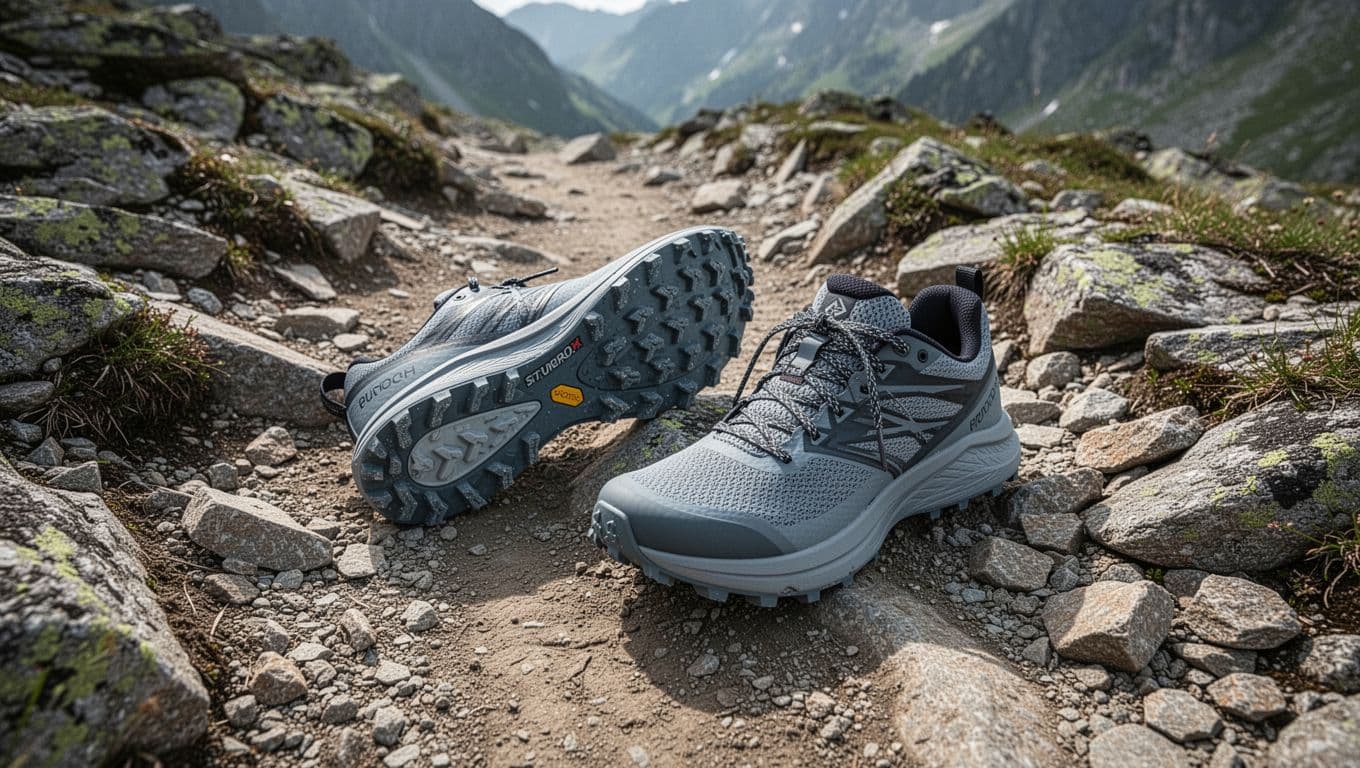
The Salomon Genesis 2 is built for runners who spend time on rough ground and want the shoe to stay calm when the trail gets messy. It points toward control, grip, and a secure feel underfoot, which matters a lot when roots, rocks, and off-camber sections show up all at once.
The kind of runner who will like it most
This shoe fits trail runners who want a locked-in ride on mixed terrain. If your runs include steep climbs, loose descents, and uneven singletrack, the Genesis 2 gives you the kind of confidence that helps you keep moving without second-guessing every step.
It also makes sense for longer outings where a shoe needs to stay stable after your legs start to fade. That kind of support can matter more than a soft, pillow-like ride, especially on technical routes where foot placement stays important mile after mile.
Runners who like a plush, highly cushioned feel may not connect with it as much. The Genesis 2 is more about control and trail feel than sinking into a soft platform. If you want a mellow road-shoe feel on dirt, this probably isn’t your best match.
For runners planning bigger efforts, it helps to pair the right shoe with the right fuel. A practical approach to sports nutrition can make those longer trail days feel a lot more manageable.
Where it fits in Salomon’s trail shoe lineup
In Salomon’s trail lineup, the Genesis 2 sits in the category of shoes built for real trail work, not just smooth dirt paths. It is the kind of shoe you reach for when the route demands more grip and structure than a light, fast shoe usually provides.
Compared with lighter speed-focused models, it gives you more support and a more planted feel. Compared with maximal trail shoes, it is usually the better choice if you want a lower, more connected ride that still handles rough terrain well.
In plain terms, it is made for runners who want a dependable trail shoe for technical ground, long miles, and changing conditions. It is not trying to be everything at once, and that focus is part of its appeal.
If your runs regularly include rocks, roots, and steep pitches, this is the kind of shoe that rewards careful footwork.
Fit, upper feel, and first impressions on foot
The Salomon Genesis 2 makes a strong first impression because it feels secure the moment you step in. The upper holds the foot with a firm, direct feel, and that can be reassuring when the trail gets rough fast.
That matters more than many runners expect. On steep climbs and uneven ground, a sloppy fit lets the foot slide around, which wastes energy and can throw off balance. A shoe that stays put gives you a cleaner step and more control when every landing counts.
How the shoe locks down the midfoot and heel
The midfoot fit feels snug and controlled, which helps the shoe stay steady when the terrain changes. Around the heel, the hold feels firm without feeling sloppy, so your foot does not shift much during quick direction changes.
That kind of lockdown matters on steep or uneven trails because your foot keeps meeting different angles. When the shoe stays connected to your foot, you can trust it more on sidehills, rocky steps, and loose descents.
It also helps reduce the little distractions that build up over a long run. You notice them less when the shoe feels like part of your foot instead of a loose shell around it.
Toe room and comfort for longer runs
Up front, the Salomon Genesis 2 gives enough room for most trail runs, but it still feels dialed in rather than roomy in a soft, wide way. That balance works well if you want precision, yet runners who like extra forefoot space may notice the fit feels more controlled than generous.
For longer efforts, the big question is how the shoe handles swelling. Feet usually expand a bit as miles pile up, so a forefoot that starts out too tight can feel worse late in the run. Here, the fit is comfortable for many trail runners, but it rewards people who prefer a close, performance-focused feel.
If you usually compare trail shoes by how they feel after hour two, this one leans toward secure and stable rather than relaxed. That is a plus if you want less movement inside the shoe, and a minus if you prefer a roomier toe box for all-day comfort.
For long outings, pairing the shoe with smart fueling helps too. A simple sports nutrition plan can make the late-run miles feel smoother, especially when your feet and legs start to fade.
Upper materials, breathability, and trail protection
The upper feels built for the trail first, with a tough outer layer that can handle brush, rocks, and repeated wear. It does a good job of protecting the foot from trail debris, which is useful when you keep clipping roots or brushing against sharp edges.
Airflow is decent, but this is not an ultra-light, airy upper made for hot-road comfort. Instead, Salomon leans toward a stronger build that gives you more confidence when the trail turns ugly. That tradeoff makes sense for technical running, where durability often matters more than max breathability.
A few quick takeaways stand out:
- Trail protection is strong for rocks, grit, and rough edges.
- Breathability is enough for most conditions, but not the main selling point.
- Durability feels priority one, which fits the shoe’s purpose.
The overall feel is simple: the upper protects well, holds the foot in place, and stays focused on trail use rather than soft, casual comfort.
How the Salomon Genesis 2 feels when the trail gets rough
The Salomon Genesis 2 feels most at home when the route stops being polite. On smooth ground, plenty of shoes feel fine, but this one starts to make sense once rocks, loose dirt, and awkward footing show up together.
That rough-trail feel comes from a mix of protection, control, and a firm connection to the ground. If you want a softer ride for mellow paths, this may feel a little serious. If you want a shoe that stays composed when the trail gets messy, the tradeoff starts to look smart.
Cushioning that supports, without feeling sluggish
The cushioning in the Salomon Genesis 2 feels protective first, but it still keeps enough life underfoot to avoid feeling dead. You get a stable platform that softens hard landings, especially on uneven rock and packed dirt, yet the shoe doesn’t sink in the way some max-cushion trail models do.
That matters on rough ground because too much softness can blur the trail feel. Here, the ride stays more controlled and direct, so you can place your feet with better timing. The result is a mix of comfort and responsiveness, with comfort taking the lead.
On longer runs, that balance helps your legs stay fresh without making the shoe feel heavy or slow. Runners who like a grounded, protective ride will probably appreciate that more than runners chasing a bouncy, lively feel. For bigger days out, pairing the shoe with smart fuel matters too, and a solid sports nutrition plan can help keep the miles from dragging.
Grip and traction on wet, loose, and rocky ground
Traction is where the Genesis 2 earns its place on rough trails. On dirt and gravel, the outsole bites well enough to keep the shoe feeling dependable, and on loose climbs it gives you a steady push instead of a skittish slip.
Mud and wet roots are trickier, as they are with almost any trail shoe. The Genesis 2 handles mixed conditions well, but it still depends on how sloppy the surface gets and how much pressure you can keep through each step. On wet rock, you want careful foot placement, because no outsole is magic on polished stone.
A simple way to think about it is this:
- Dirt and hardpack feel controlled and predictable.
- Loose gravel and small rock feel stable with solid bite.
- Roots and wet patches need a bit more caution.
- Mud is manageable, but not unbeatable.
If you want a broader look at how Salomon builds trail shoes for rugged terrain, the Salomon trail shoe lineup gives good context. The Genesis 2 fits that family well, with traction that aims for trust, not hype.
Stability on technical descents and side slopes
On steep downhills and side slopes, the Genesis 2 feels secure because the platform stays calm under pressure. The shoe helps keep the foot centered, which matters when your stride gets shorter and your landing angles get weird.
That kind of stability gives you more control on fast descents. Instead of fighting the shoe, you can focus on where you land and how you shift your weight. The heel hold and midfoot support also help reduce unwanted movement, so the shoe feels planted rather than loose.
Side slopes are where this becomes really useful. Many trail shoes start to feel vague when the ground tilts away from you, but the Genesis 2 keeps a more confident stance. For runners who spend time on technical mountain routes, that extra foot control can make downhill running feel less tense and more deliberate.
If rough trails are part of your regular loop, this is the kind of stability that keeps the shoe useful after the first mile.
What stands out about the Salomon Genesis 2 in daily use
The Salomon Genesis 2 stands out because it feels purpose-built for real trail miles, not just a test run on smooth dirt. It gives you a stable, secure ride, then stays consistent when the route gets rocky, rough, or just plain annoying.
That makes it easy to understand the shoe’s appeal in daily use. It is not trying to feel soft and casual first. It is trying to hold up, stay planted, and keep your foot centered when the terrain starts asking more from you.
Durability for regular trail miles
Durability is one of the strongest reasons to look at the Salomon Genesis 2. The upper feels tough enough for repeated contact with rocks, grit, and trail brush, and the outsole looks ready for regular abuse on abrasive ground.
That matters if you train often. A trail shoe can feel great on day one, then start breaking down fast once you put real miles on it. The Genesis 2 gives off a more reliable, workhorse feel, which is what you want if you run rocky loops every week.
The shoe should make sense for runners who want steady protection over time, especially on routes with sharp stones or rough footing. A durable build also helps the shoe keep its shape, so the fit and feel stay more consistent as the miles add up.
Comfort on long training runs and easy days
For long runs, the Genesis 2 feels supportive without getting overly soft. That is a good thing if you want a shoe that stays predictable late in the run, when tired legs can make every landing feel less clean.
Hot spots do not seem like a big concern if the fit matches your foot well, but the shoe still leans more toward a close, performance fit than a relaxed cruiser. If you like extra wiggle room in the forefoot, you may notice that it feels more precise than plush.
On easy days, the shoe can still work well if your usual routes include technical ground. It feels calm and stable, so recovery runs on rough trails do not have to feel sloppy. For bigger mileage blocks, smart fuel helps too, and a simple sports nutrition plan can make those longer sessions feel smoother.
If your long runs happen on technical trails, comfort comes from stability as much as cushioning.
Best uses, from daily training to race day
The Salomon Genesis 2 fits best as a daily trail trainer with race-day potential. It has enough grip and protection for regular training, yet it feels capable enough for tougher efforts when the course gets rocky or uneven.
It makes the most sense for these kinds of runs:
- Daily trail miles on mixed terrain, where grip and control matter.
- Long training runs on technical routes, where foot stability starts to matter more than a soft ride.
- Hilly workouts with climbs and descents, since the shoe stays composed under pressure.
- Race day on rugged courses, especially if the course rewards sure footing over pure speed.
Compared with lighter, more race-focused trail shoes, the Genesis 2 feels a little more grounded and durable. Compared with softer max-cushion options, it feels more direct and better connected to the trail. If you want a similar reference point in Salomon’s lineup, the Salomon Speedcross 5 review helps show how this family handles technical ground.
For many runners, that makes the Genesis 2 a strong do-it-all trail option. It is most convincing when your week includes a mix of training runs, long efforts, and race courses that demand trust underfoot.
Who should skip it and what to look for instead
The Salomon Genesis 2 is a strong trail shoe, but it is not the best fit for every runner. If you want a softer, roomier, or lighter ride, another model may suit you better and feel easier on your feet over time.
A good shoe should match the way you run, not just the terrain you run on. That means fit, cushioning, and weight all matter, especially if you spend long hours on your feet.
When another trail shoe may be a better match
If you want a softer ride, the Genesis 2 may feel too firm and controlled. Some runners prefer more cushion for recovery runs, long ultras, or days when they just want their legs to relax. In those cases, a max-cushion trail shoe makes more sense because it spreads impact in a gentler way.
If your feet need more room in the forefoot, the Genesis 2 can feel a little precise. Runners with wider feet, or anyone who gets toe swelling on long runs, may be happier in a roomier shoe with a more forgiving toe box.
If you care most about lightweight speed, this shoe may also feel like more shoe than you need. A faster, lower-profile option is usually better for short races, quick training days, or smooth singletrack where you want a snappier feel. The Saucony Peregrine 16 review is a smart place to start if speed matters more than a planted ride.
If your runs are mostly on soft dirt, rolling paths, or mild gravel, you might not need the level of protection the Genesis 2 brings. A lighter trail shoe can feel easier and less restrictive when the trail is predictable.
For runners who want to compare by feel, this helps:
- Need more cushion, look for a softer max-cushion trail shoe.
- Need more toe room, choose a wider or more relaxed fit.
- Want less weight, pick a lighter trail racer or daily trainer.
- Run mostly easy trails, choose a simpler shoe with less structure.
If the trail is mild, a simpler shoe often feels better than a rugged one.
How to decide if it matches your trail goals
Start with the trail itself. If your routes include rocks, roots, steep climbs, and off-camber turns, the Genesis 2 fits that job well. If your trails are smoother and less technical, you may not need this much grip and structure.
Next, think about distance. For shorter runs, the close fit and steady feel can work very well. For longer days, ask yourself whether you want support and control or a softer, more relaxed platform. A shoe that feels secure at mile three should still feel comfortable at mile thirteen.
Finally, look at comfort needs honestly. If you know you need more cushion, more room, or less bulk, pick the shoe that solves that first. The trail shoe guide from REI’s trail-running shoe buying guide is helpful if you want a simple way to compare outsole grip, cushioning, and fit.
A quick self-check makes the choice easier:
- Technical trail? The Genesis 2 is a strong candidate.
- Mostly smooth dirt? A lighter, simpler shoe may be enough.
- Want plush comfort? Look for more cushioning.
- Need a snug, stable feel? The Genesis 2 makes more sense.
If your trails are rough and you like a secure, grounded ride, the Genesis 2 stays in the conversation. If your priorities lean toward softness, extra room, or low weight, another shoe will probably feel better on day one and mile one hundred.
How to get the most from the shoe after you buy it
The Salomon Genesis 2 rewards a little setup. Once you dial in the fit, choose the right sock, and match the shoe with smart habits, it feels more secure and more comfortable on the trail. That matters because a trail shoe rarely feels its best straight out of the box, especially on longer runs.
A few small changes can make a real difference. Better lockdown reduces foot slide, and better recovery habits help your legs feel fresher the next time you lace up.
Lacing, socks, and fit tweaks that improve comfort
Start with the laces. If the midfoot feels too tight, loosen the lower section first, then snug the upper part in small steps. That gives you a firmer hold without squeezing the top of the foot.
Socks matter just as much. A thin, moisture-wicking trail sock usually works better than a thick cotton pair because it cuts down on rubbing and heat. If you get hot spots, try a sock with a slightly firmer heel pocket or a bit more padding under the forefoot.
A few simple fit tweaks can help right away:
- Loosen the forefoot if your toes feel crowded on descents.
- Tighten the heel area if your foot slides when you climb.
- Use a runner’s knot if you want extra heel hold on steeper trails.
- Test socks on short runs first before you take them on a long outing.
If you want a clear example of lace patterns that improve hold, ASICS’ guide to running shoe lacing gives a practical starting point. The same ideas apply here, even if your trail shoe uses a quick-lace system.
Small fit changes often fix the stuff that feels “off” on trail shoes.
Fueling and recovery for better trail sessions
Good trail runs start before you step outside. If you fuel well, your form stays cleaner, and your feet stay more controlled when the miles start to stack up. That helps the Salomon Genesis 2 do its job, because tired legs usually create sloppy foot placement.
For longer runs, keep your energy steady instead of waiting until you feel drained. A carb-focused snack before the run and regular fuel during harder efforts can make a big difference. Hydration matters too, especially on warm days or hilly routes where effort climbs fast.
Recovery counts after the run as well. A short walk, light stretching, and a good meal can help you bounce back faster. If you want a simple place to review practical fueling ideas, the sports nutrition guide is a useful companion for longer trail sessions.
The goal is simple: keep your legs fresher so the shoe feels more stable, more precise, and more comfortable on the next outing.
Conclusion
The Salomon Genesis 2 is a strong pick for trail runners who want control, grip, and a secure fit on rough ground. It feels most appealing when your runs include rocks, roots, steep climbs, and uneven descents, because that is where its stable ride makes the most sense.
If you want a shoe that feels planted and dependable instead of soft and loose, this one fits the bill. Runners who value trail feel, solid lockdown, and steady protection will get the most out of it, especially on technical miles where foot placement matters.
For longer efforts, the shoe also works better when your fuel is dialed in, so a smart sports nutrition plan can help you get more from those runs. The big takeaway is simple, the Genesis 2 is for runners who want confidence on hard trails, and that is its biggest selling point.


