

27 Minute 5K Training Plan: Build Speed, Strength and Endurance
Crossing the finish line in 27 minutes means holding a steady, purposeful rhythm while the clock moves toward 26:59. That goal requires an average pace of about 8:41 per mile, or 5:24 per kilometer, a challenging but realistic target for many runners with a basic running habit.
This 27 minute 5K training plan is built for runners who already run consistently and can handle regular training, not complete beginners starting from zero. Over eight weeks, you’ll work with clear pace targets, speed workouts, easy running, strength training, and planned recovery, then bring those pieces together with a practical race-day strategy.
Your progress will depend on your current fitness, consistency, health, and willingness to adjust when fatigue or life gets in the way. Follow the schedule with discipline, but treat smart changes as part of good training rather than a failure to stick to the plan. Start by checking the pace targets and assessing whether your current fitness matches the demands of the schedule.
Key Takeaways
- This eight-week 27 minute 5K training plan targets about 8:41 per mile, or 5:24 per kilometer.
- Build fitness with a mix of easy runs, controlled speed sessions, strength work, and recovery days.
- Keep most training comfortable so quality workouts remain purposeful and manageable.
- Adjust pace, distance, or rest when fatigue, illness, or life stress affects your training.
- Use a running pace calculator to refine training targets and arrive at race day ready to hold an even pace.
27 Minute 5K Training Plan for an Eight-Week Goal
Our eight-week 5k training plans use five to six running days per week, with optional strength or cross-training and at least one full rest day. The target race pace is approximately 8:41 per mile or 5:24 per kilometer, but effort matters more than forcing an exact number.
Keep easy runs conversational. Quality sessions should feel controlled, not like all-out sprints. If needed, move a workout by one day, but avoid stacking two hard sessions together.
How to use the weekly schedule
Run on four separate days, such as Tuesday, Thursday, Saturday, and Sunday. Add 20 to 30 minutes of strength training once or twice weekly, focusing on the calves, glutes, hamstrings, hips, and core.
Take at least one complete rest day. Easy cross-training, such as cycling or swimming, can replace an easy run when your legs need less impact. Before every workout, jog easily for 10 minutes and add a few relaxed drills or strides.
| Week | Workout 1 | Workout 2 | Workout 3 | Workout 4 |
|---|---|---|---|---|
| 1 | 3 miles easy | 6 x 1 minute hard, 2-minute jog recoveries | 3 miles easy | 5 miles easy |
| 2 | 3 miles easy | 6 x 400m at controlled 5K effort, 200m jogs | 3 miles easy plus 4 strides | 5 miles easy |
| 3 | 3.5 miles easy | 3 x не? 1 mile at strong tempo effort, 3-minute jogs | 3 miles easy | 5.5 miles easy |
| 4 | 3 miles easy | 8 x 400m near goal pace, 200m jogs | 3 miles easy plus 4 strides | 6 miles easy |
| 5 | 3.5 miles easy | 5 x 800m at 5K effort, 400m jogs | 3 miles easy | 6 miles easy |
| 6 | 3 miles easy | 2 x 1 mile at goal pace, 4-minute easy jog | 3 miles easy plus 6 strides | 6.5 miles easy |
| 7 | 3 miles easy | 6 x 400m slightly faster than goal pace, 200m jogs | 2.5 miles easy | 5 miles easy |
| 8 | 3 miles easy | 4 x 400m at goal pace, 200m jogs | 2 miles easy plus 4 strides | Race 5K |
The interval distances exclude warm-ups and cool-downs. After each quality workout, jog easily for 10 minutes. Keep recovery moving unless the session leaves you unable to maintain good form.
For reference, goal pace equals roughly 2:10 per 400 meters, 4:20 per 800 meters, and 13:03 per 1.5 miles. Use a 5K workout guide to compare interval structure, but adjust the pace when your current fitness or course conditions demand it.
Effort targets and recovery
Easy running should feel like a 3 or 4 out of 10. Tempo work should reach about 7 out of 10, where you can speak only in short phrases. Intervals may reach 8 out of 10, but you should finish the final repetition with controlled mechanics.
If soreness changes your stride, replace the workout with an easy run or rest. The goal is to arrive at race week healthy, confident, and ready to hold an even rhythm.
Set Your Training Paces Without Guesswork
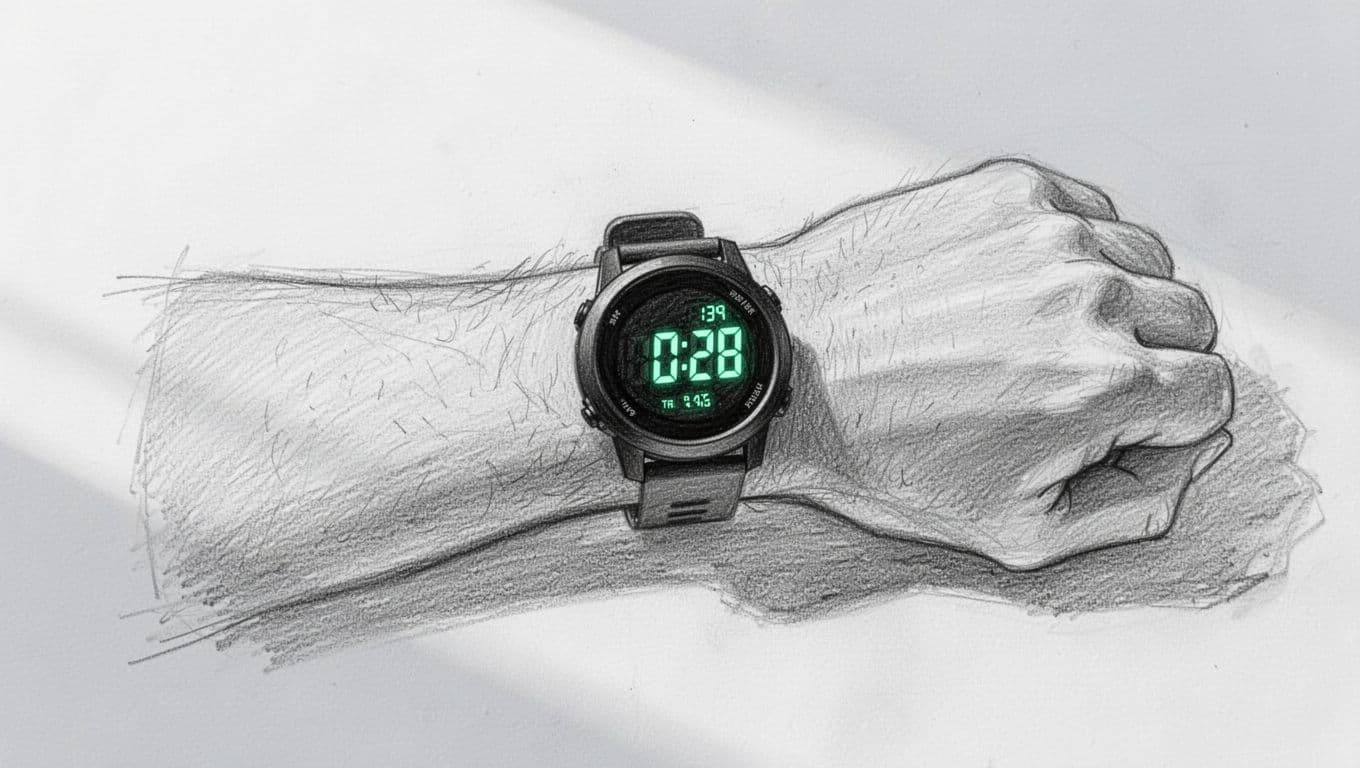
A 27-minute 5K requires an average pace of 8:41 per mile, or 5:24 per kilometer. That equals roughly 2:10 per 400 meters. Use those numbers as your anchor, not as rigid rules that force every workout to match the watch.
Training pace depends on your current fitness, terrain, weather, and fatigue. A hot, windy day can make goal pace feel much harder. Hills also change the effort, even when your watch shows a slower pace. Your goal is to train the intended energy system, not win a battle with one number.
Use pace ranges instead of one exact number
These ranges give you a practical starting point for the workouts in this 27 minute 5K training plan:
| Training type | Approximate pace range |
|---|---|
| Easy runs | 10:00-11:15 per mile, or 6:13-6:59 per kilometer |
| Long runs | 10:15-11:30 per mile, or 6:22-7:09 per kilometer |
| Tempo efforts | 9:00-9:20 per mile, or 5:35-5:48 per kilometer |
| Intervals | 8:10-8:35 per mile, or 5:05-5:20 per kilometer |
| Strides | Fast and relaxed for 15-25 seconds |
| Goal race pace | 8:41 per mile, or 5:24 per kilometer |
These are guidelines, not universal standards. Easy running should feel comfortable enough for conversation. During tempo work, you should speak in short phrases without gasping. Intervals can feel demanding, but you should maintain good posture and finish the final repetition under control.
Strides don’t need a fixed pace. Accelerate smoothly, reach a quick rhythm, then stop before your form tightens. They sharpen coordination without adding the stress of a full sprint.
Choose Your Distance, Duration and Goal Time
Make three quick selections and open the exact plan built for your race target.
Looking for a Fully Personalized Training Plan?
The training plans above are an excellent choice if they match your goal. However, if you’d rather train with a plan built specifically around your current fitness, goal race, preferred training days, weekly mileage, and target finish time, our RDA Custom Training Plans provide a personalized solution. We also have running courses available for runners seeking to run faster from the mile to the marathon.
Why Choose a Custom Training Plan?
| Standard Training Plan | RDA Custom Training Plan |
|---|---|
| Follows a fixed schedule | Built around your schedule |
| Standard weekly mileage | Peak mileage customized for you |
| Fixed workout days | Train on the days you choose |
| Same structure for everyone | Designed around your current fitness |
| Static plan | Updated as your fitness improves |
| One-time purchase | Ongoing personalized coaching and support |
What You’ll Receive
- A training plan built specifically for your goal
- Personalized training paces
- Long runs, tempo runs, threshold workouts, interval sessions, recovery runs, and easy runs
- Peak weekly mileage matched to your experience level
- Flexible training schedule that fits your life
- Ongoing plan adjustments as your fitness improves
Ready to Train Smarter?
Stop guessing and start following a plan built specifically for you, your schedule, and your racing goals.
Check your effort against real fitness
Your recent race results can reveal more than an optimistic goal. A recent 5K, 10K, or hard 1-mile effort helps show whether 8:41 pace matches your current ability. You can also use a controlled 1-mile or 2-mile time trial before starting the plan, then adjust your targets if the result suggests a different fitness level.
Heart rate offers another useful check, especially on easy and long runs. Watch for an unusually high heart rate at a familiar pace, since heat, poor sleep, dehydration, and accumulated fatigue can all affect it. A running pace calculator can help convert recent race performances into realistic training targets.
When conditions change, follow effort first. Slow down on a steep climb, shorten an interval slightly in extreme heat, or add recovery when your legs feel heavy. The right pace is the one that produces the intended workout while leaving you ready for the next training day.
The Workouts That Make a Faster 5K Possible
A faster 5K comes from combining different types of stress, not repeating hard workouts until your legs feel empty. Easy mileage builds the aerobic base, quality sessions improve speed and stamina, strength supports your stride, and recovery allows your body to absorb the work.
This balance is the engine behind the 27 minute 5K training plan. Each workout has a job, and the goal is to finish the week stronger rather than simply collect difficult sessions.
Intervals teach you to hold speed
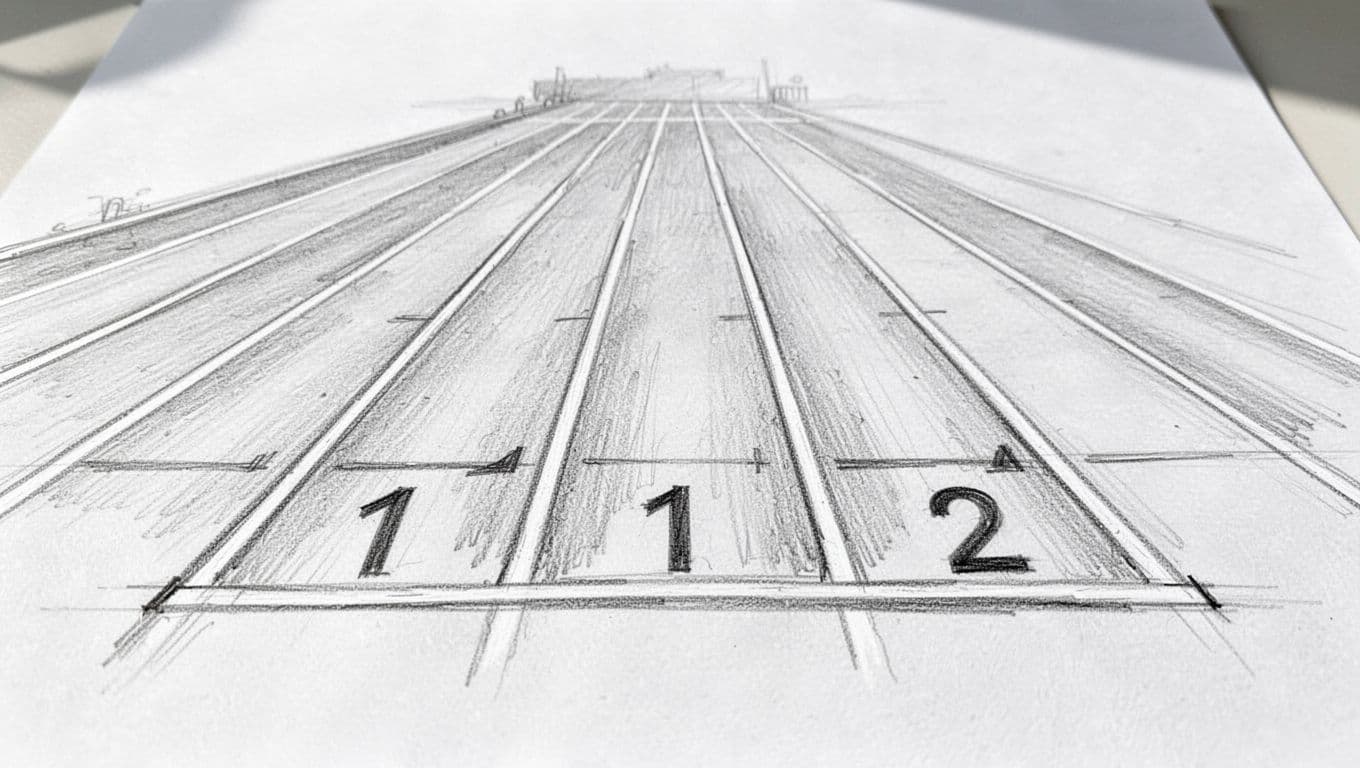
Intervals improve your ability to run quickly while maintaining efficient form. They also help goal pace feel familiar, so 8:41 per mile does not feel foreign on race day.
For example, complete 6 x 400 meters at a controlled 5K effort, with a 200-meter easy jog after each repetition. Include a 10-minute warm-up and cool-down. Early in the plan, you might run these repetitions close to goal pace. Later, you can run some slightly faster, provided your form stays relaxed.
A successful interval session should feel challenging by the final repetition, but never frantic. You should finish feeling that one more repetition was possible. If your shoulders tighten, your stride becomes choppy, or you sprint the final 100 meters, slow the workout down.
Longer repetitions build race-specific stamina. A session such as 5 x 800 meters at 5K effort, with 400-meter jog recoveries, teaches you to stay composed while fatigue builds.
Tempo runs strengthen your middle gear
Tempo running improves your ability to sustain a strong effort without crossing into an all-out race. That adaptation matters because a 5K requires more than a quick opening mile. You need to keep working when your breathing becomes heavier and your legs start to complain.
Try 3 x 1 mile at tempo effort, with three minutes of easy jogging between repetitions. At first, aim around 9:00 to 9:20 per mile, then adjust for hills, heat, or fatigue. You should speak in short phrases, but you shouldn’t gasp for every breath.
The right tempo session feels firm and controlled. You should concentrate, yet your stride should remain smooth. If you cannot complete the final repetition without slowing sharply, the pace was too aggressive.
Easy runs, long runs, and strength complete the plan
Easy runs give you aerobic volume without draining the nervous system. Keep the pace comfortable enough for a conversation, even when your watch suggests running faster. This lower-intensity work supports recovery and helps you handle the harder sessions that follow.
The weekly long run extends your endurance so a 5K pace effort feels less costly. Run it slowly and steadily, usually for five to 6.5 miles in this plan. You should finish tired but functional, not depleted.
Strength training reinforces the muscles that keep your stride stable. Two short sessions per week can include calf raises, split squats, glute bridges, step-ups, and planks. Use controlled movements and stop before soreness affects your next run.
A good training week leaves room for adaptation. Hard workouts provide the signal, but recovery is where your body makes the change.
Keep at least one full rest day each week. If fatigue changes your stride, replace a quality workout with easy running or rest. Consistency across eight weeks will help you more than one heroic session.
Strength, Recovery, and Injury Prevention for 27-Minute 5K Training
A strong 27 minute 5K training plan depends on more than hard workouts. Your muscles, tendons, nervous system, and energy stores need time to absorb each session. Support habits keep small aches from becoming missed weeks.
Use strength training to support your running
Strength work should improve stability and force production without leaving your legs too sore for intervals or long runs. Complete two brief sessions each week, ideally after an easy run or on a separate day before rest.
Perform two sets of the following exercises:
- 10 to 12 split squats per leg.
- 12 to 15 single-leg calf raises per leg.
- 10 to 12 step-ups per leg.
- 12 to 15 glute bridges.
- 8 to 10 single-leg Romanian deadlifts per leg.
- A 30 to 45-second front plank.
Move slowly and maintain control. Add resistance only when you can finish every repetition with steady alignment. Avoid training to failure, especially during weeks with demanding interval sessions.

A 2019 randomized study published in Sports Health examined a 12-week strength program for marathon runners and found that structured strength training may help reduce overuse injuries that prevent race completion. You can read the runner strength training study for its methods and findings.
Prioritize sleep, food, and hydration
Sleep is your first recovery tool. Keep a regular bedtime, especially before interval days, and give yourself enough time for a full night of rest. When sleep drops, pace often feels harder and coordination can suffer.
Fueling doesn’t need to be complicated. Eat regular meals containing carbohydrates, protein, fruits or vegetables, and healthy fats. A meal or snack with carbohydrates and protein within a few hours after training supports replenishment and muscle repair. Before a hard morning workout, try something simple such as toast with peanut butter, a banana, or yogurt with oats.
Drink regularly throughout the day, then adjust intake for heat and sweat loss. For runs lasting about an hour or less, water is usually enough for many runners. Longer or hotter sessions may require electrolytes and additional carbohydrates.
Recognize when training load is too high
Fatigue is normal, but your body should recover between key sessions. Watch for warning signs such as:
- Soreness that worsens during a run or changes your stride.
- Persistent tiredness, poor sleep, irritability, or a sudden loss of motivation.
- Declining performance across several workouts despite adequate effort.
- Pain that remains the same or worsens after easy running.
Reduce mileage, slow the pace, or replace a workout with rest when these signs appear. Sharp pain, chest pain, fainting, or symptoms that don’t improve require evaluation by a medical professional. The safest path to 27 minutes is consistent training, not forcing a workout your body cannot handle.
Race-Day Pacing for a Confident 27-Minute 5K
Race day turns your eight weeks of training into one controlled effort. To run 27 minutes, aim for about 8:41 per mile, or 5:24 per kilometer. The smartest approach is steady early pacing, relaxed focus through the middle, and a gradual push once the finish is close.
Warm up before the start
Arrive early enough to avoid rushing. About 25 to 35 minutes before the race, jog easily for 10 to 15 minutes. Follow that with a few dynamic movements, such as leg swings, walking lunges, and ankle rolls.
Next, run four short strides of 15 to 20 seconds. Build smoothly to your planned race rhythm, then jog or walk until your breathing settles. Finish your warm-up several minutes before the start so you can reach the line calm and ready.
Avoid turning the warm-up into a workout. You should feel warmer and more mobile, not tired.
Follow clear race checkpoints
The opening mile often feels easier than expected because adrenaline is high and your legs are fresh. That feeling can tempt you to sprint. However, starting well below 8:41 pace forces your body to rely on energy systems you need later. The cost usually appears during the final mile, when slowing down feels unavoidable.
Use these checkpoints as guides:
| Checkpoint | Mile target | Kilometer target |
|---|---|---|
| First mile or kilometer | 8:41 | 5:24 |
| Two miles or two kilometers | 17:22 | 10:48 |
| Three miles or three kilometers | 26:03 | 16:12 |
The kilometer figures are cumulative targets, not individual kilometer splits. After the two-mile mark, you have about 1.1 miles remaining. Begin a controlled push there, increasing effort before increasing speed. The final stretch should feel demanding, but you should still hold good posture and cadence.
A negative-split 5K strategy can help you ease into goal pace and finish with more control.
Read the course and adjust wisely
Check the course map before race morning. Note sharp turns, hills, exposed sections, and the location of the final mile. Run hills by effort rather than forcing your watch to show 8:41. Shorten your stride on the climb, then regain rhythm over the top.
If you are ahead of pace, settle down instead of chasing a faster split. A few seconds gained early can become a minute lost later. If you’re behind, avoid making up the entire gap at once. Return to strong form, increase your effort gradually, and reassess at the next marker.
Use simple mental cues throughout the race:
- “Relaxed shoulders” during the opening mile.
- “Smooth and steady” through the middle.
- “Quick feet” when fatigue rises.
- “Commit” during the final 400 meters.
Keep your eyes on the next runner, turn, or mile marker rather than the finish alone. When the final 200 meters begins, use the strength built through your 27 minute 5K training plan and run hard to the line.
Frequently Asked Questions
A focused eight-week schedule can answer most training needs, but real life rarely follows a perfect calendar. These answers cover common decisions that arise while following a 27 minute 5K training plan.
Can I follow this plan if my current 5K is slower than 27 minutes?
Yes, provided you already run consistently and can complete the weekly mileage without pain. Treat 27 minutes as a long-term target, then adjust interval and tempo paces to match your current fitness. A 5K training plan guide can help you compare training timelines and choose a more suitable starting point.
Progress matters more than forcing goal pace during the first weeks. If your current 5K is 30 minutes, for example, begin with controlled efforts near your present ability and gradually move toward 8:41-per-mile pace.
What should I do if I miss a workout?
Skip the missed session rather than trying to squeeze it into the next available day. Completing two hard workouts back-to-back can leave your legs too tired for quality training and raise injury risk.
If you miss an easy run, continue with the next planned workout. When you miss an interval or tempo session, resume the schedule if you feel recovered, or repeat the week if fatigue or illness caused the interruption.
Can I use a treadmill for this 27 minute 5K training plan?
A treadmill works well for easy runs, tempo sessions, and intervals when weather or safety makes outdoor running difficult. Set the incline near 1% for many steady efforts, then use perceived effort if the pace feels unusually hard.
For track-style workouts, convert the distance into time when needed. A 400-meter repetition may take about 2:10 at goal pace, but treadmill calibration varies, so focus on smooth effort rather than chasing an exact display.
Should I change the plan if my race course has hills?
Adjust your effort on hills instead of trying to hold the same pace on every section. Your watch may show a slower split uphill, but your breathing and form can still match the intended workout.
During the race, shorten your stride slightly on climbs and regain rhythm over the crest. If the course includes several steep hills, practice on similar terrain during at least one weekly easy run.
What if I feel ready to run faster before week eight?
Hold back from turning every workout into a test. Early improvement can make the target pace feel easier, but your tendons and connective tissues may need more time to adapt than your cardiovascular system.
You can add a small, controlled push to the final repetition of an interval session if your form remains relaxed. Save a true performance test for race day, when the full training cycle is complete.
Should I repeat the eight-week plan after finishing it?
Repeating the plan can work well if you finish healthy but miss 27 minutes by a small margin. Before starting again, take several easy days and review your pacing, recovery, and workout completion.
If you already break 27 minutes, set a new goal and adjust the training paces. A modest target, such as 26:30, gives the next cycle a clear purpose without forcing a dramatic jump.
Conclusion
A 27-minute 5K comes down to holding roughly 8:41 per mile, or 5:24 per kilometer, when race day arrives. This eight-week 27 minute 5K training plan builds that ability through controlled intervals, tempo work, easy mileage, strength training, and enough recovery to absorb each session. The strongest takeaway is simple: consistency beats forced intensity. Goal pace should guide your workouts, but it shouldn’t dictate every mile.
Start with the first week and give each run a clear purpose. Track your effort, pace, sleep, and consistency so you can recognize progress beyond a single race result.
If soreness changes your stride, fatigue lingers, or pain worsens, adjust the plan instead of pushing through a warning. Ordinary training days add up. Easy runs, focused workouts, patient pacing, strength, and recovery are what carry you toward 27 minutes.
