

7:15 100K Training Plan: A Proven Blueprint for 100K Success
The final miles of a 100K can feel like a negotiation with every step. Your legs are heavy, your fueling routine has been tested for hours, and the finish line still demands enough focus to keep your pace controlled. A 7:15 100K training plan targets a 7-hour, 15-minute finish, not a 7:15-per-mile pace, which requires an average of about 4:21 per kilometer, or 7:00 per mile.
Explore our 100K Training Plans for additional schedules, workouts, and race-preparation guidance.
That average is a guide, not a command. Hills, technical trails, aid stations, weather, and accumulated fatigue will change your actual pace, so experienced runners need a plan that builds endurance while teaching them when to push and when to protect their effort. Your current fitness, course difficulty, and injury history should shape the final workload rather than being treated as afterthoughts.
The sections ahead outline the training timeline, weekly structure, long runs, quality workouts, fueling, recovery, taper, and race strategy needed to pursue this goal with control. Start by establishing the fitness and pacing demands that will anchor the plan.
Key Takeaways
- A 7:15 100K training plan targets a 7-hour 15-minute finish, requiring disciplined pacing rather than an aggressive opening.
- Build weekly mileage gradually, then add long runs that prepare your legs for sustained effort and late-race fatigue.
- Practice fueling, hydration, hiking, and aid-station routines during training, not for the first time on race day.
- Use controlled quality sessions to improve speed without sacrificing endurance or recovery.
- A structured taper reduces fatigue while preserving fitness; review this 100K training plan guide for additional planning ideas.
What a 7:15 100K Training Plan Really Requires
A 7-hour, 15-minute 100K finish requires more than the ability to cover the distance. You need aerobic fitness that holds for hours, durable legs for climbing and descending, practiced fueling, and the judgment to stay calm when fatigue changes your perception of effort.
The basic math is clear: 7 hours 15 minutes equals 435 minutes. Across 100 kilometers, that averages about 4:21 per kilometer, or roughly 7:00 per mile, before accounting for aid-station stops, elevation, technical terrain, and weather. On a smooth road course, that pace has one meaning. On a mountain trail, it becomes a broad effort target.
Set a Realistic Goal From Your Current Fitness
A runner may be ready to pursue a 7:15 100K when training already shows consistent endurance. That usually includes:
- Several months of steady weekly mileage without repeated injury interruptions.
- A strong marathon base, with recent race fitness that supports sustained aerobic work.
- Long runs that extend beyond the typical marathon distance, preferably with time on tired legs.
- Experience with a marathon, 50K, or longer ultra and a clear understanding of personal fueling needs.
Recent race results provide a better starting point than wishful thinking. Use a race pace calculator or race equivalency tool to compare your marathon and shorter ultra performances. Then study the 100K course profile. A flat road race, rolling trail race, and technical mountain event may demand completely different pacing for the same finish time.
Your goals should also have layers. The A goal is the 7:15 finish when training, weather, and race conditions align. The B goal is a slower result that still reflects a strong, controlled race. A safe completion goal prioritizes reaching the finish without forcing pace when heat, injury, or severe fatigue changes the situation.
Turn the Finish-Time Goal Into Effort-Based Pacing
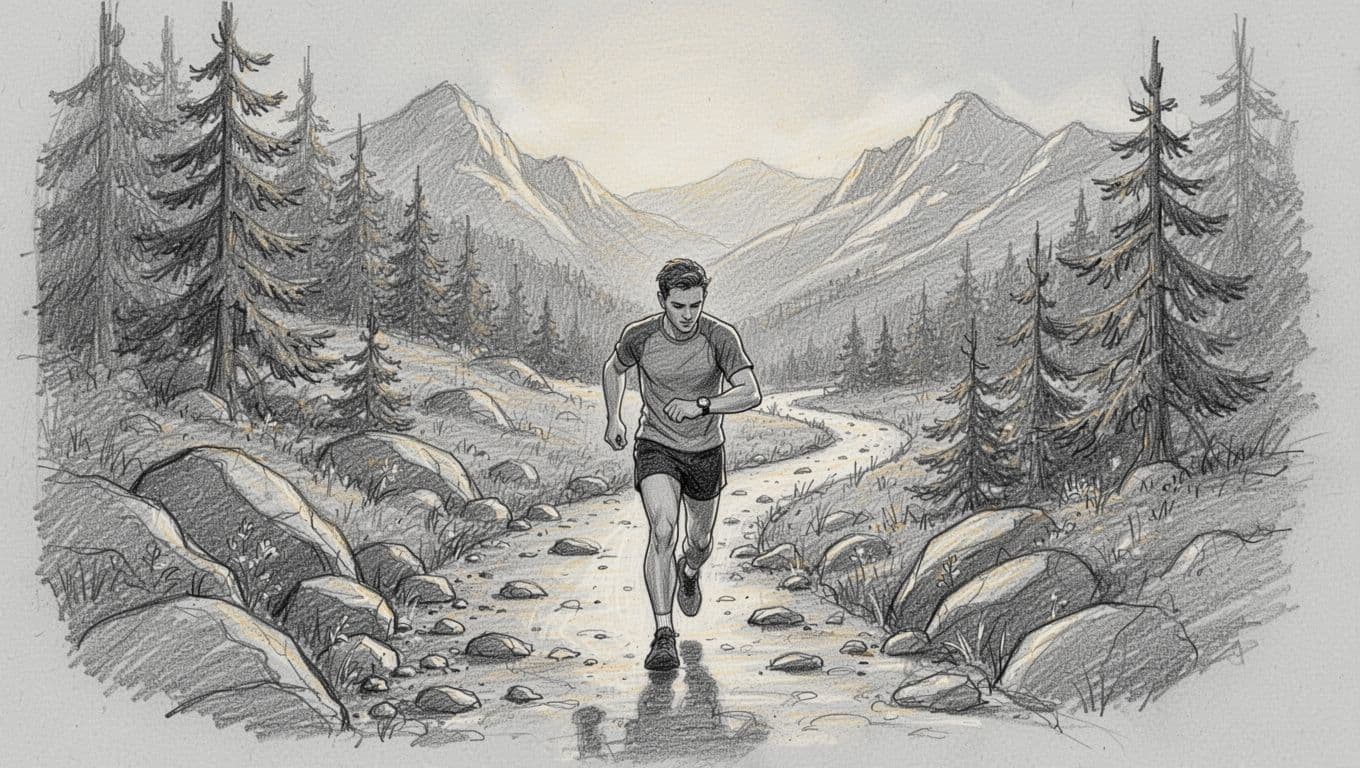
You cannot simply hold 4:21 per kilometer from the opening step. Aid stations consume time, steep climbs may be faster to hike, and aggressive early pacing can drain the legs before halfway. A 100K pace chart can help estimate splits, but your race plan must account for the course.
Start the first 30 to 50K at a pace that feels restrained. Keep easy sections genuinely easy, hike steep climbs with purpose, and descend smoothly rather than attacking every downhill. Protecting the first half gives you more options later.
After 70 to 80K, assess your breathing, coordination, fueling, and leg strength. If you still feel controlled, increase effort on runnable sections and shorten aid-station stops. When heat or elevation makes pace unreliable, use heart rate and perceived effort instead. The goal is steady output, not a perfect watch reading.
A 7:15 goal belongs to the course you entered, not to a flat pace number copied from another race.
Build the 16- to 24-Week Training Schedule
A strong 7:15 100K training plan builds endurance in layers. Runners with a smaller base should choose the full 24-week schedule, while experienced ultrarunners with consistent mileage may use 16 to 20 weeks. Divide the build into base preparation, development, peak-specific work, and tapering. A useful overview of these phases appears in this ultra training structure guide.
Base Phase: Build Consistency Before Chasing Distance
Use the first four to six weeks to make running routine. Most sessions should feel easy enough for relaxed conversation, while one moderate workout each week can include steady uphill running, controlled tempo work, or short intervals.
Add basic strength training twice weekly, with emphasis on the calves, glutes, hamstrings, hips, and trunk. Mobility work, sleep, and easy recovery days matter just as much. Increase the long run only when your legs recover well within the next 48 hours.
Starting with back-to-back 30-mile days creates more fatigue than fitness. Your muscles, connective tissue, and fueling habits need time to adapt. Build the foundation first, then ask your body to handle greater stress.
Development Phase: Add Volume, Hills, and Back-to-Back Runs
During the middle six to 10 weeks, add a medium-long run and gradually increase weekly volume. Hill sessions improve climbing strength and descending control, while trail time teaches you to manage uneven footing, turns, and changing effort.
Back-to-back runs introduce fatigue without requiring one enormous session. For an experienced runner, a 20-mile Saturday followed by 10 to 14 easy miles Sunday can work. A newer ultrarunner might start with 14 miles followed by 8 miles. Keep the second run controlled; the purpose is to practice moving on tired legs, not to race both days.
Schedule a cutback week every three or four weeks. Reduce mileage and long-run stress while keeping a little routine. Track time on feet, elevation, terrain, sleep, soreness, and fueling practice alongside mileage. A lower-mileage trail week may still create a large training load.
Peak Phase and Taper: Practice the Race Before You Race
Use the final three to five hard-training weeks for race-specific preparation. Plan one key weekend with extended time on feet, similar terrain, race shoes, your pack, and the fueling products you intend to use. Practice hiking steep grades, quick aid-station routines, and the effort you can sustain late in the event.
Then taper for two to three weeks. Cut volume while retaining short strides or controlled intervals so your legs stay responsive. Fitness is built before the taper, not during it. Arrive rested, familiar with your equipment, and confident in the pacing and fueling routine you have already rehearsed.
Choose Your Distance, Duration and Goal Time
Make three quick selections and open the exact plan built for your race target.
Looking for a Fully Personalized Training Plan?
The training plans above are an excellent choice if they match your goal. However, if you’d rather train with a plan built specifically around your current fitness, goal race, preferred training days, weekly mileage, and target finish time, our RDA Custom Training Plans provide a personalized solution. We also have running courses available for runners seeking to run faster from the mile to the marathon.
Why Choose a Custom Training Plan?
| Standard Training Plan | RDA Custom Training Plan |
|---|---|
| Follows a fixed schedule | Built around your schedule |
| Standard weekly mileage | Peak mileage customized for you |
| Fixed workout days | Train on the days you choose |
| Same structure for everyone | Designed around your current fitness |
| Static plan | Updated as your fitness improves |
| One-time purchase | Ongoing personalized coaching and support |
What You’ll Receive
- A training plan built specifically for your goal
- Personalized training paces
- Long runs, tempo runs, threshold workouts, interval sessions, recovery runs, and easy runs
- Peak weekly mileage matched to your experience level
- Flexible training schedule that fits your life
- Ongoing plan adjustments as your fitness improves
Ready to Train Smarter?
Stop guessing and start following a plan built specifically for you, your schedule, and your racing goals.
The Key Workouts for a Faster and Stronger 100K
A successful 7:15 100K training plan should look different from marathon preparation stretched across a longer distance. Most running stays easy, often 75 to 85 percent of total running time, while a few focused sessions build speed, strength, and fatigue resistance. Easy recovery runs protect that balance by keeping you moving without adding another hard effort.
Threshold and Steady Runs for Sustainable Speed
Controlled threshold work teaches you to hold a strong effort without burning through your energy stores. Run these sessions by feel, especially on trails. The effort should feel comfortably hard, with focused breathing and no sprint at the finish. You should finish knowing you could complete one more interval.
Try 3 x 10 minutes at comfortably hard effort, with 3 minutes of easy jogging between repetitions. Another option is a 40-minute steady run over rolling terrain. Keep the effort smooth over the rises, then settle back into an aerobic rhythm instead of chasing pace downhill.
These workouts improve your ability to run efficiently when fatigue builds late in the 100K. They also give you practice changing effort without turning every workout into a race. For more examples of controlled ultra-running sessions, review these key ultrarunner workouts.
Hill Training and Downhill Conditioning
Uphill repeats build strength through the calves, glutes, and hips while teaching you to maintain form under pressure. A practical session is 6 to 8 repeats of 3 minutes uphill at a firm, controlled effort. Jog or walk easily back down, then begin the next repetition with relaxed arms and a steady rhythm.
Downhill running needs equal attention. Descending places repeated braking stress on the quadriceps, which can become damaged and weak during the final third of a race. Begin with gentle downhill segments, then gradually add longer or steeper descents as your legs adapt. Never introduce aggressive downhill work during a high-fatigue week.
On technical terrain, use short steps, relaxed arms, and look several feet ahead. Hike steep climbs with a quick, purposeful stride rather than forcing a slow run. The goal is useful strength and control, not soreness that disrupts the next week.
Long Runs and Back-to-Back Weekends
Long runs teach pacing, fueling, equipment use, and mental control when the day stretches on. Progress by time on feet, not distance alone:
- Start with a 3- to 4-hour long run at an easy effort.
- Build toward 4 to 5 hours, practicing race shoes, nutrition, hydration, and gear.
- Peak with 5 to 6 hours, followed by 2 to 3 easy hours the next day.
You can finish selected long runs with 20 to 40 minutes at steady effort, but avoid racing the entire session. The longest training run doesn’t need to equal 100K. It should leave you tired enough to adapt, yet healthy enough to recover and train again. Never stack threshold work, hill repeats, and a hard long run on consecutive days.
Fueling, Hydration, and Recovery for 100K Training
A strong 7:15 100K training plan prepares your stomach and recovery system as carefully as it prepares your legs. Practice nutrition on key long runs, record what happens, and make race day a familiar routine rather than a long experiment.
Practice Your Race Fueling on Every Key Long Run
Use the exact gels, drink mix, soft flasks, aid-station foods, and caffeine plan you expect to use in the race. Test each item during long runs, including how products taste after several hours and whether your pack makes access easy. Carbohydrates support pace, concentration, and mood, which is why ultramarathon nutrition guidance places such emphasis on planned intake.
For a trained gut, start with roughly 60 to 90 grams of carbohydrate per hour, then adjust for body size, pace, heat, product choice, and tolerance. Begin eating early, usually within the first 30 minutes, and continue at regular intervals. Waiting until hunger arrives often means you are already trying to recover a deficit.
Gels can provide the base, while sports drink adds fluid and carbohydrates. Chews offer variety, and small portions of potatoes, bananas, pretzels, or other aid-station foods can make a long race more manageable. Caffeine may help later, but practice the timing and dose in training. Never introduce a new caffeinated product at 80K.
Keep a simple log after every key run. Record:
- Carbohydrate grams and products used.
- Fluid intake, weather, and temperature.
- Sodium intake and how heavily you sweated.
- Stomach comfort, energy, and any nausea.
Drink according to thirst and conditions instead of forcing a fixed amount. In hot weather or during heavy sweating, plan sodium as well as fluids, then test that plan before race day. Late-race nausea often follows an early pace that was too fast, a long gap without food, or products your gut has never practiced.
A sample hour might include one gel, steady sips of sports drink, and a few chews later in the hour. Adjust the combination until it feels repeatable and comfortable.
Strength, Sleep, and Rest Days Are Part of the Plan
During much of the build, schedule two weekly strength sessions after easy runs or on separate days. Split squats, step-ups, deadlifts, calf raises, hamstring work, and core-stability exercises build the support needed for climbing, descending, and maintaining form late in the race.
Reduce strength volume during peak weeks, especially when long-run fatigue is high. Sleep, rest days, and easy movement allow the training to take hold. After a long run, replace carbohydrates, eat a protein-rich meal, drink to thirst, and take a gentle walk later if your body feels ready.
Pain deserves attention when it changes your stride, posture, or ability to load one leg. Act early by reducing stress and seeking qualified guidance before a small problem becomes a missed block of training.
Race-Day Strategy for a 7:15 100K Finish
A 7:15 finish is usually won through restraint in the opening hours and consistent movement late in the race. Treat 4:21 per kilometer as a broad average, not a pace you must force across every climb, turn, and aid station. The course, weather, and terrain should shape your effort.
Before the start, check your shoes, socks, clothing, anti-chafing areas, lighting, and fuel access. If the course includes darkness, carry a tested headlamp and spare batteries or a backup light. Pack enough carbohydrates and fluids to reach the next aid station without relying on perfect station timing.
Use the First Half to Save Your Best Running
Start the first 20 to 30 kilometers at an effort that feels almost too easy. You should breathe calmly, hold relaxed posture, and resist matching runners who surge ahead. Small pace errors compound over 100K. Running only slightly too hard early can increase heat, carbohydrate use, and muscle damage long before fatigue feels serious.
Walk steep climbs with purpose, even when running still seems possible. A brisk hike can preserve your calves and lower your heart rate without damaging your overall goal. Use the same approach at aid stations, where a brief planned walk helps you eat and drink without rushing.
At regular checkpoints, scan your body:
- Is your posture tall, with relaxed shoulders and hands?
- Is your breathing controlled rather than strained?
- Are you eating and drinking before hunger or thirst becomes urgent?
- Are your calves, hips, or jaw holding unnecessary tension?
Use 25K, 50K, and 75K as effort markers, not rigid split targets. At 25K, you should feel patient. At 50K, you should still have useful running available. By 75K, focus on maintaining form and forward progress. This even-pacing approach matches ultra race pacing guidance, which favors lower early intensity and steadier effort.
Manage Aid Stations Without Losing Time or Focus
Arrive knowing what you need, then follow the same short routine:
- Refill bottles and take the planned food.
- Check your feet, socks, clothing, and chafing.
- Replace or add lighting if darkness is approaching.
- Confirm the fuel needed for the next section.
- Leave before you become comfortable.
Separate planned stops from emergency stops. A written checklist on your crew bag can prevent missed fuel, ignored hot spots, or a forgotten jacket when weather changes. A few extra minutes at every station can remove a large portion of your time margin, but rushing can create stomach trouble or blisters that cost much more later.
Stay Calm When the Race Gets Hard After 70K
Heavy legs, slower pace, and doubt are normal after 70K. Narrow your attention to the next aid station, then use short walk-run blocks if continuous running becomes inefficient. Repeat one cue, such as “relaxed and forward,” while solving only the next problem.
A side stitch may improve when you slow, deepen your breathing, and ease your effort. For stomach upset, reduce intensity, take small sips, and pause solid food briefly. Address cramping by slowing and checking hydration, fueling, and muscle fatigue. Stop for a hot spot before it becomes a blister, and take extra fuel when low energy persists.
Confusion, chest pain, severe dizziness, faintness, or an inability to keep fluids down are medical warning signs. Stop, alert race staff, and seek medical help. At 90K, focus on safe, steady movement and protect the final kilometer for the finish.
Adjust the Plan, Avoid Common Mistakes, and Know When to Back Off
A 7:15 100K training plan must fit your actual life, not an ideal calendar. Work demands, family responsibilities, heat, illness, and minor setbacks can change a week. Adjusting early protects your fitness better than forcing a workout that leaves you injured.
How to Modify a Missed Week Without Cramming
Never double the following week’s mileage to repay a missed week. That sudden jump adds fatigue without restoring the adaptation you missed. Instead, return with easy running, keep the next long run moderate, and rebuild over several sessions.
Use this simple rule:
- If you’re healthy and recovered, keep one key workout or the long run, not both if the week feels crowded.
- Reduce the preserved session by shortening the duration or removing hard finishes.
- Fill the rest of the week with easy runs, rest, or low-impact cross-training.
- Return to normal volume only after your legs feel stable for several days.
If illness caused the interruption, wait until normal daily activity feels easy before running. Replace a hard workout with 30 to 50 minutes of relaxed running when sleep, energy, or weather is poor. Missing one session rarely changes your race outcome. Cramming can change it quickly.
Also avoid common training errors, including rapid mileage increases, too many intense workouts, ignored elevation, skipped strength work, underfueling, untested gear, and treating every long run as a time trial. Your longest runs should build confidence and durability, not require a week of recovery.
Signs You Are Training Too Hard
One poor workout is not a crisis. A pattern deserves attention, especially when easy effort begins to feel unusually difficult. Warning signs include:
- Soreness that persists or worsens between sessions.
- Declining pace or power despite normal effort.
- Poor sleep, unusual irritability, or a noticeable loss of motivation.
- An elevated resting heart rate across several mornings.
- Repeated colds, infections, or other illness.
- Pain that changes your stride, posture, or foot strike.
First, protect sleep, eat enough carbohydrate and protein, and reduce training load. Take rest days instead of trying to prove toughness. The clinical guide to overtraining syndrome describes increased perceived effort at a familiar workload as an early warning sign.
Stop running and seek medical advice for sharp or worsening pain, chest symptoms, faintness, severe dizziness, or symptoms that don’t improve. A coach or qualified medical professional can help you decide whether to modify training or pause completely.
A Final Race-Week Checklist
During the final seven days, reduce training and protect the fitness you already built. Confirm travel, packet pickup, start time, cutoff rules, and course details. Review the weather, then prepare clothing for heat, rain, wind, or cold.
Use this quick checklist:
- Prepare familiar fuel and plan aid-station needs.
- Charge your watch, phone, headlamp, and other devices.
- Inspect your shoes, socks, pack, and required gear.
- Pack layers, anti-chafing supplies, and backup essentials.
- Protect sleep, especially during the final two nights.
Don’t introduce a new workout, supplement, shoe, or food during race week. Familiar routines reduce surprises, leaving you free to focus on steady effort and smart decisions.
Frequently Asked Questions
A 7:15 100K training plan depends on more than weekly mileage. Your pacing, fueling, terrain skills, recovery, and ability to adjust under pressure all influence the final result.
How fast is a 7:15 100K pace?
A 7-hour, 15-minute finish averages about 4:21 per kilometer, or roughly 7:00 per mile, before stops and changes in terrain. That number describes the total race average, not the pace you must hold on every section.
Moving time, aid-station stops, elevation, weather, and trail conditions all affect your watch. Run smooth sections by controlled effort, hike steep climbs, and keep aid-station stops purposeful instead of chasing one rigid pace.
How many weeks do I need to train for a 100K?
Most runners with an established endurance base need 16 to 24 weeks for focused 100K preparation. Choose the longer range if you need to build weekly volume, improve climbing strength, or gain experience with long time on feet.
Newer ultrarunners may need more preparation, especially if they lack marathon or 50K experience. Experienced runners who are healthy and already handling high volume may complete a shorter build, but a compressed schedule leaves less room for missed training or injury.
Do I need to run 100 kilometers in training?
No. Most runners gain better preparation from a peak weekend with a long run followed by a shorter back-to-back run. That combination builds fatigue resistance and race-day confidence without creating the recovery cost of a full-distance effort.
A peak session of five to six hours, followed by two to three easy hours the next day, can teach you more than one exhausting 100K simulation.
What should I eat during a 100K?
Use tested carbohydrate sources such as gels, drink mix, chews, bananas, potatoes, pretzels, or other suitable real foods. Many runners begin near 60 grams of carbohydrate per hour, then adjust intake based on body size, intensity, heat, and gut tolerance.
The best choices are the foods you have practiced, can digest, and can access on the course. Start eating early and take small amounts regularly, rather than waiting until hunger or low energy appears.
Can I walk during a 7:15 100K attempt?
Yes. Planned walking is often a smart part of a 7:15 100K strategy, especially on steep climbs and through aid stations. Purposeful hiking can lower effort and preserve your legs for runnable sections later.
Your goal is steady forward movement, not proving that every section must be run. Practice walk-run changes during long training sessions so they feel deliberate rather than like an emergency response to fatigue.
What should I do if the course is hotter or harder than expected?
Switch from strict pace targets to effort as soon as conditions make your planned splits unsafe. Pay closer attention to cooling, fluid intake, electrolytes, and early signs of heat illness, while shortening run segments when necessary.
You may also need to lower the finish goal or stop if safety requires it. A healthy finish matters more than forcing a time in dangerous heat, severe weather, or unexpectedly technical terrain.
Conclusion
A 7:15 100K finish is built through months of patient work, not one heroic long run. Consistent easy volume creates the aerobic base, while specific long runs teach your body to handle extended time on feet, hills, fatigue, and race-day gear. Strength supports efficient climbing and descending, and regular fueling practice keeps your energy steady when the course begins to feel endless.
Recovery gives each session room to work. Smart pacing then protects the fitness you brought to the start, especially during the first half of the race. Still, no training plan can predict every hill, weather change, stomach issue, or late-race setback. Flexibility matters because adjusting effort and expectations can preserve both your health and your chance of finishing well.
Before starting this 7:15 100K training plan, assess your current fitness and choose a realistic training window. Map the course, identify its elevation and terrain demands, then begin building one controlled week at a time. Patient preparation turns a demanding finish-time goal into a race you can approach with confidence, discipline, and sound judgment.
