

Running Trails in the USA: Epic Routes Worth the Miles
Leaving pavement for a pine-needle path, a desert canyon rim, or a mountain meadow changes the rhythm of a run. Across the United States, running trails offer a wide range of scenery and difficulty, but the best route for you depends on your experience, fitness, and the ground beneath your feet.
A scenic name doesn’t guarantee an easy run. Elevation, rough footing, weather, water access, and local rules can all shape your day, so a little planning helps you choose a route you can enjoy safely.
Use this running trails guide to find standout trail destinations, match a route to your goals, prepare for the conditions, and care for the places you run. Be sure to check out the RunDreamAchieve YouTube channel for weekly running tips. Also, you can review our trail races by state post for more helpful details regarding running trails and races in your state.
Key Takeaways
- U.S. running trails range from forest paths and coastal routes to high-altitude mountain tracks, each with different terrain and demands.
- Choose a route that fits your current fitness and trail experience, then check its distance, elevation gain, and footing before you go.
- Weather, water access, daylight, and seasonal closures can change a run, so check local conditions and trail rules before setting out.
- Carry essentials suited to the route, and use the National Park Service’s trail safety guidance when planning runs in national parks.
- Start with manageable routes, build distance or difficulty gradually, and leave trails as you found them.
Where to Find Memorable Running Trails in the USA
The best running trails offer a clear sense of place, whether you’re following a canyon rim, weaving through hardwood forest, or crossing a flat wetland. Across the country, famous routes often include very different surfaces and demands, so choose a manageable section and check current access rules before you head out.
Run among red rocks and canyon views in the Southwest
The Grand Canyon Rim Trail offers a dramatic setting without requiring every runner to tackle a steep descent into the canyon. Its segments vary in length and surface, and shuttle stops make it easier to plan a shorter out-and-back or point-to-point outing. Review the National Park Service’s current trail conditions before you go, since closures and water availability can change.
Even near the rim, exposure and elevation can make a run harder than the scenery suggests. Hot sun, dry air, and limited shade raise the need for water and an early start. Stay on permitted paths, respect closures, and don’t assume that a route is safe simply because it looks wide or easy from a viewpoint. Canyon views can accompany difficult footing and serious exposure.
Explore forest paths and rugged routes in the East
Sections of the Appalachian Trail and trails in Shenandoah National Park bring runners beneath a leafy canopy, where rocky ridgelines and rolling climbs break up the miles. In spring and fall, changing temperatures can shift quickly, while rain leaves roots and stones slick underfoot.
Trail pace often falls below road pace here. Roots, rocks, and short, steep climbs demand careful foot placement, so plan by effort and terrain rather than by your usual road splits. If you’re new to technical trails, pick a short, well-marked section and check the Appalachian Trail’s interactive map for access points and route details. A modest outing on familiar footing is a better introduction than committing to a long, remote stretch.
Find mountain views and open space in the West
Near Boulder, Colorado, the Mesa Trail pairs foothill views with a rocky, rolling route that suits runners who enjoy varied terrain. Further west, selected sections of the Pacific Crest Trail offer big mountain scenery and quieter miles, but the full trail is a long-distance route, not a casual running outing.
Altitude can make familiar efforts feel harder, while steep grades and exposed stretches add physical demands. Weather can also shift with elevation, so carry layers and enough water for the specific segment. Choose a route with a distance and climb that match your experience, then check local access rules and conditions before setting out. A scenic trail is most enjoyable when you have time and energy to take it in.
Trade hills for wetlands and flat paths in the Southeast
Sections of the Florida Trail show how varied trail running can be without mountain climbs. Routes may pass through pine flatwoods, wetlands, and shaded forest, with terrain that feels level but can still slow a runner down. Sand shifts underfoot, muddy stretches appear after rain, and some paths hold standing water.
Seasonal heat and insects can also shape the day. Check recent trail conditions before leaving, and adjust your route if rain, flooding, or heat makes footing or access uncertain. For runners who prefer a gentler grade, these trails offer a different challenge: steady movement across soft or wet ground, with attention to weather and footing instead of elevation.
How to Choose Running Trails That Fit Your Goals
The right running trail fits more than your mileage target. Your experience, current fitness, available time, and reason for running all matter. A short route with steep climbs and loose rocks can demand more than a longer, smooth path, so compare the full route before heading out.
Match trail difficulty to your current fitness
Distance is only one part of trail difficulty. A three-mile run may feel manageable on packed dirt, yet take much longer over rocky footing or repeated climbs. Consider these factors separately:
- Distance: Choose a length that fits your current training and the time you have. Leave room for slower trail pace, breaks, and route-finding.
- Elevation gain: A route that climbs steadily can tax your legs even when the grade feels moderate. Check the total gain, not just the highest point.
- Steep climbs: Short, sharp ascents can raise effort quickly. They may call for hiking, especially if you want to finish with energy.
- Technical footing: Roots, rocks, loose gravel, and uneven ground require more attention than a smooth path. They can slow you down and increase the chance of a misstep.
If you’re new to trail running, start with a short, well-marked route on familiar terrain. Use a run-walk approach if needed, and build distance or difficulty gradually. Road pace rarely translates directly to the trail, so judge the outing by effort and conditions rather than your usual splits.
Choose Your Distance, Duration and Goal Time
Make three quick selections and open the exact plan built for your race target.
Looking for a Fully Personalized Training Plan?
The training plans above are an excellent choice if they match your goal. However, if you’d rather train with a plan built specifically around your current fitness, goal race, preferred training days, weekly mileage, and target finish time, our RDA Custom Training Plans provide a personalized solution. We also have running courses available for runners seeking to run faster from the mile to the marathon.
Why Choose a Custom Training Plan?
| Standard Training Plan | RDA Custom Training Plan |
|---|---|
| Follows a fixed schedule | Built around your schedule |
| Standard weekly mileage | Peak mileage customized for you |
| Fixed workout days | Train on the days you choose |
| Same structure for everyone | Designed around your current fitness |
| Static plan | Updated as your fitness improves |
| One-time purchase | Ongoing personalized coaching and support |
What You’ll Receive
- A training plan built specifically for your goal
- Personalized training paces
- Long runs, tempo runs, threshold workouts, interval sessions, recovery runs, and easy runs
- Peak weekly mileage matched to your experience level
- Flexible training schedule that fits your life
- Ongoing plan adjustments as your fitness improves
Ready to Train Smarter?
Stop guessing and start following a plan built specifically for you, your schedule, and your racing goals.
Choose a surface and setting you will enjoy
Surface changes how a run feels. Dirt paths are often forgiving and easy to follow, while gravel tends to feel firmer but can shift underfoot. Rocky singletrack requires careful steps, and sand can make each stride more demanding. Paved multiuse paths offer predictable footing, though they may feel closer to a road run than a backcountry route.
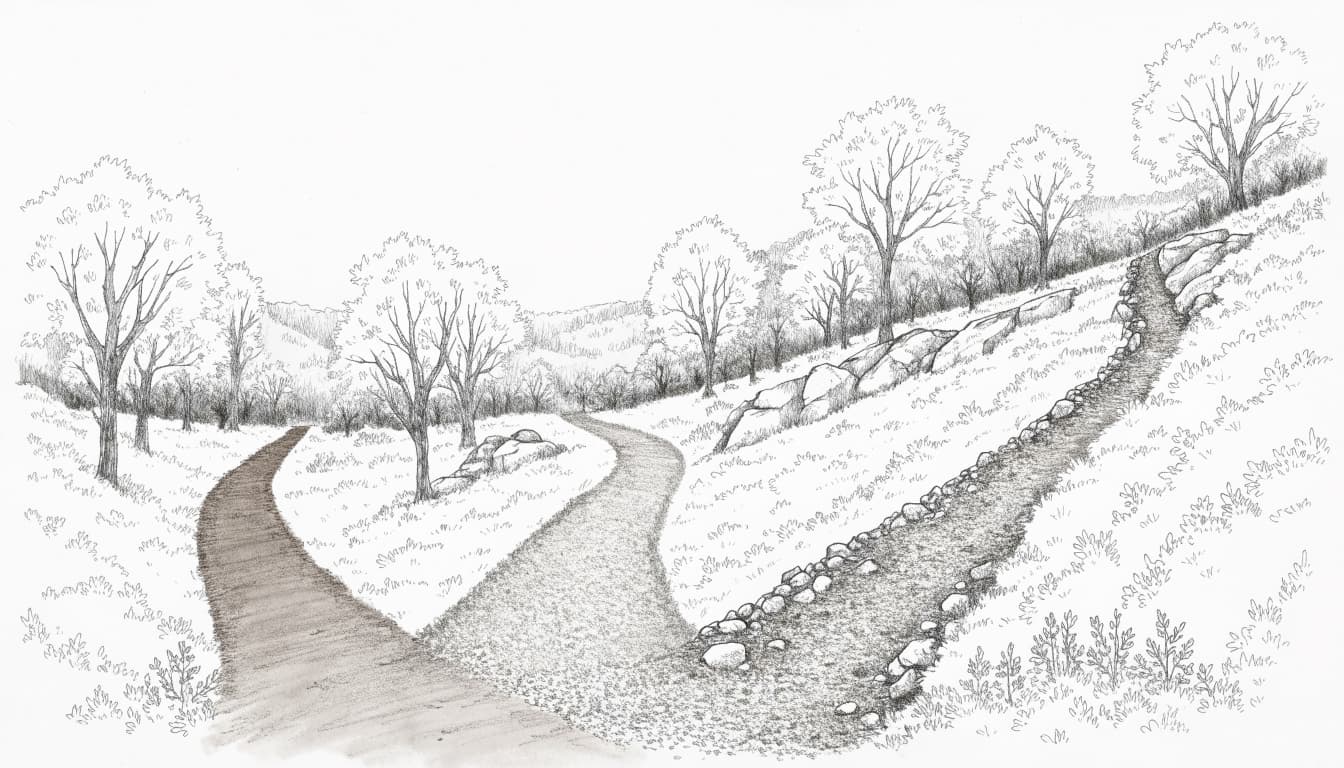
The setting matters, too. Shade can make a warm-weather run more comfortable, while exposed trails may bring stronger sun and wind. Scenic overlooks can add enjoyment, but a busy path may require frequent pauses or careful passing. Before choosing, decide what you want from the outing: an easy nature run, a focused hill workout, or a technical challenge that sharpens your footing.
Check distance, elevation, and route details before you go
A route name or mileage label won’t tell you where the trail branches, whether the loop closes, or how easily you can turn back. Review a map and elevation profile before leaving. Note junctions, the total loop distance, any out-and-back options, and where the steepest sections occur.
The USGS National Map trail routing tool can help you explore mapped trail routes. For current access details, pair map research with information from the local park or land manager. Look for water access, trail closures, permitted uses, and likely exit points, especially if the route is unfamiliar.
Available time should shape your choice as much as fitness. A loop with several junctions may take longer than expected, while an out-and-back lets you shorten the run by turning around. Pick a route with a clear return plan, and leave enough daylight to finish without rushing.
Prepare for a Trail Run with the Right Gear and Plan
A good trail-run plan accounts for the surface, weather, distance, and how far you’ll be from help or water. You don’t need a full set of specialized gear for every easy path, but a few thoughtful choices can make unfamiliar terrain more comfortable and safer.
Pick shoes and clothing for the ground and weather
Trail shoes can help on loose dirt, muddy sections, or rocky routes because their tread often grips uneven ground better than a road shoe. Some also add protection underfoot. On smooth, packed paths, however, a familiar road shoe may work well. For an easy trail close to home, wear what feels comfortable and secure.
Clothing should match the forecast and the effort you expect. Wear layers you can adjust if the temperature changes, and choose breathable fabrics that won’t stay heavy when damp. On exposed routes, use sun protection such as a brimmed cap, sunglasses, and sunscreen. If rain, wind, or a cool return trip is possible, carry a light layer rather than relying on the forecast staying perfect.
Carry water, food, and simple safety essentials
Bring enough water for the route, pace, and conditions. A short shaded loop near a reliable refill point calls for less than a long, hot run with no access to water. Heat, distance, and remoteness all change what you need, so plan for the actual outing instead of relying on a one-size-fits-all amount.
For a longer run, pack a small snack you already know sits well while running. Also carry a charged phone and a few basic first-aid items, such as adhesive bandages and blister care. A small light helps if a run may extend toward dusk; an emergency layer can matter on exposed routes or in changeable weather. The National Park Service’s Ten Essentials list offers a useful reference for trips where conditions or distance raise the stakes.
Use maps and weather checks to stay on course
Review a current map before leaving, even if the route looks straightforward. Save an offline map or carry a paper version when cell service may be limited. Check the forecast shortly before your run, and pay attention to conditions that affect the trail, such as heat, storms, or recent rain. The National Weather Service’s outdoor safety guidance can help you consider weather risks before heading out.
If you’re running somewhere remote, tell someone your planned route and expected return time. For a first outing on unfamiliar trails, keep the plan simple and note a clear place to turn around. A quick pre-run check can help you leave prepared:
- Shoes and layers suit the trail surface and forecast.
- Water, phone, and route map are packed.
- A snack or safety item is included when the outing calls for it.
- Someone knows your route and return time if you’ll be far from help.
During the run, reassess as conditions change. Turn back if weather worsens, your energy drops, or the route feels less safe than expected.
Share the Trail and Respect the Places You Run
A good trail run leaves room for other people and protects the landscape that makes the route worth visiting. Before setting out, learn the local rules, then adjust your pace and behavior to the conditions around you.
Follow local access rules and trail signs
Access can change with the season, weather, maintenance, or wildlife activity. Some routes close temporarily, limit use during certain months, require permits, or restrict running, dogs, and group sizes. Rules also differ between national parks, forests, state lands, and locally managed trails.
Before traveling, check current guidance from the park or land manager, or the local trail group responsible for the route. Read signs at trailheads and junctions, and follow posted closures even when a path looks open. A mapped route may show where a trail runs, but it may not reflect a recent closure or seasonal restriction. When rules are unclear, ask the managing agency rather than assuming the route permits running.
Give hikers, cyclists, and horses room to pass
Stay alert, especially on narrow paths, blind corners, and shared-use trails. Keep headphones low enough to hear approaching people, bikes, or wildlife. When you catch up to someone, offer a calm greeting and wait for a safe place to pass. Avoid squeezing by on a steep edge or forcing another trail user off the path.
Yield according to posted signs and local guidance, since right-of-way rules can differ. The National Park Service’s hiking etiquette guidance recommends giving others space and stepping aside when needed. On a crowded or narrow section, slow down or stop until the path clears. If a group approaches, move to the side where the footing is stable, and let them pass without blocking the route.
Leave the trail cleaner and quieter than you found it
Stay on marked paths, even when a shortcut looks tempting. Cutting corners widens trails and can damage plants or expose fragile ground to erosion. Pack out wrappers, tissues, and any other waste you bring in. Leave flowers, rocks, and other natural objects where they are, so the next runner sees the same landscape.
Wildlife needs space to feed, rest, and move away from people. Keep a safe distance, never approach or feed animals, and give them room to leave the trail. If an animal blocks your route, pause and follow local guidance rather than trying to pass close by. These habits protect both runners and wildlife, and help keep trails open and enjoyable. The National Park Service’s Leave No Trace guidance offers practical principles for minimizing your impact outdoors.
Frequently Asked Questions
A little advance checking can prevent a scenic run from turning into a frustrating one. These answers cover access, permits, pets, phone service, and finding running trails near home.
Can you run on hiking trails?
Many hiking trails welcome runners, but access depends on the land manager and the route. Some paths are reserved for hikers, closed during certain seasons, or shared with bikes and horses. Check the specific trail’s rules before you go, and follow any signs posted at the trailhead or along the route. If the rules don’t clearly allow running, contact the managing agency before setting out.
Do I need a permit to run on a U.S. trail?
Many trails allow day use without a permit, but rules vary by park and activity. Some protected areas require permits for certain routes, while organized races and group events may need separate approval. For example, Petrified Forest National Park’s hiking information explains its day-hiking permit rules. Check current guidance for the exact trail or event, since requirements can change.
Are dogs allowed on running trails in national parks?
Dog access varies widely, and many national park trails restrict pets to protect wildlife and sensitive areas. Before bringing your dog, check the park’s current pet rules and identify which trails, if any, allow dogs. The National Park Service’s pet guidance explains common restrictions; where dogs are allowed, follow leash requirements and keep your pet under control.
Will my phone work on a remote trail?
Cell service can be weak or absent in remote areas, even when a trail appears close to town on a map. Save an offline map before leaving, carry a paper map when the route is unfamiliar, and share your route and return time with someone. The NPS App includes maps and information for national parks, but don’t rely on a signal to reach them.
How can I find a trail near me?
Start with local park, forest, and land-management websites, then check regional trail groups and current mapping resources. Compare distance, elevation, surface, permitted uses, and access points before choosing a route. Recent reports can flag closures, mud, or storm damage that an older map may miss. A dramatic photo or appealing trail name can’t tell you whether the route fits your time, fitness, and experience.
Conclusion
Running trails across the USA offer a change of pace, with routes for different fitness levels, interests, and experience. The best choice is one that fits your ability and available time. Check the terrain and conditions before you go, bring what the route requires, and respect trail rules and other users.
A great trail run doesn’t have to be long or remote. Start with a nearby path, enjoy the miles you can manage, and build confidence one run at a time.


