

Best Running Shoes for Supination Men: Cushioned Neutral Picks
Wondering what are the best running shoes for supination men? Finding the right running shoes when you supinate can feel like a treasure hunt. Supination, also known as underpronation, means your foot tends to roll outward when you run. This can put extra stress on the outer edges of your feet and ankles.
But don’t worry, there are plenty of great running shoes for men with supination out there. We’ve checked out some top contenders for 2025 that offer the cushioning and support you need to keep those miles comfortable and injury-free. Let’s find your perfect fit.
Running Shoes for Supination Men Post Takeaways
- Supination, or underpronation, is when your foot rolls outward during your stride, putting more pressure on the outer edge.
- Shoes with ample cushioning, especially in the heel, are important for supinators to absorb impact.
- A wider toe box can help your foot spread naturally, which is beneficial for supination.
- Neutral running shoes are generally recommended for supinators, rather than those with specific motion control features.
- Always try shoes on and consider your personal comfort and running style when making a choice.
1. Brooks Ghost 16
The Brooks Ghost 16 is a solid choice for runners who supinate, meaning their feet tend to roll outward. It’s known for being a reliable daily trainer that offers a good mix of cushioning and support without being overly controlling. This shoe is designed to be comfortable for a wide range of runners, including those who land on their heel or midfoot.
It provides a balanced ride that feels smooth from step to step. The updated midsole uses lighter foam, making the Ghost 16 feel a bit lighter than its predecessor. This shoe also features a segmented crash pad, which helps with softer landings and smoother transitions as you run.
Build Your Complete Race-Day Setup
The right shoe helps, but faster racing comes from better training, pacing, recovery, fueling, and execution.
More Guides for This Shoe
Here’s a quick look at some specs:
- Weight: Around 9.1 oz (259 g) for men’s sizes
- Drop: 12 mm (heel-to-toe difference)
- Cushioning: Balanced
- Best for: Daily training, road running
The engineered mesh upper is designed to keep your feet cool and secure, which is a nice touch, especially on longer runs. It’s not a flashy shoe, but it gets the job done reliably, day after day. It’s a shoe that many runners come back to year after year because it just works.
While it doesn’t have a super-energetic feel, its strength lies in its consistent comfort and neutral support, making it a great option for those who need a dependable shoe that won’t interfere with their natural stride.
2. Asics Gel Nimbus 26
If you’re looking for a shoe that feels like running on clouds, the Asics Gel Nimbus 26 might be your next favorite pair. This shoe is really built for those long runs where comfort is king. It’s got this great cushioning that really soaks up the impact, which is a big plus if your feet tend to roll outward when you run (that’s supination, by the way).
The Gel Nimbus 26 is a solid choice for supinators who log a lot of miles. It balances that plush feel with enough responsiveness to keep you moving forward without feeling sluggish. The upper is designed to be breathable, so your feet shouldn’t get too hot, even on longer efforts. Plus, the way it locks your foot down feels pretty secure, which is important for stability.
Here’s a quick look at what makes it stand out:
- Ample Cushioning: Designed to absorb shock, making long runs easier on your joints.
- Breathable Upper: Helps keep your feet cool and comfortable.
- Secure Fit: Good foot lockdown provides a stable feel.
- Durable Construction: Built to handle frequent use and long distances.
While it’s fantastic for cushioning and comfort, some runners might find the grip isn’t the absolute best, especially in wet conditions. Also, it’s on the pricier side, so keep that in mind if you’re watching your budget.
It’s a neutral shoe, meaning it doesn’t have a lot of built-in support to correct pronation, which is exactly what supinators need. The weight-to-comfort ratio is pretty good, too, so you get all that cushioning without feeling like you’re lugging around bricks.
3. Nike Air Zoom Pegasus 41

The Nike Air Zoom Pegasus 41 is a solid choice for runners who supinate, offering a good balance of cushioning and responsiveness. It uses Nike’s React midsole foam, which gives it a bit more bounce compared to some other neutral shoes out there. It’s not trying to be a super shoe, but it’s a reliable everyday trainer that works well for a lot of people.
One of the things I like about the Pegasus 41 is its accessible 10 mm drop. This makes it feel pretty natural underfoot, whether you’re going for a short jog or a longer run. Plus, it has two Nike Air Zoom units, one in the forefoot and one under the heel. These are designed to help with smoother transitions from landing to push-off, giving you a little extra pop.
Key Features:
- Comfortable and Stable Ride: Provides a smooth experience mile after mile.
- Versatile Traction: The rubber outsole grips well on roads and can handle light trails too.
- Durable Construction: Built to last, even with regular use.
- Breathable Upper: The Flyknit material offers support and breathability, keeping your feet comfortable.
This shoe is often recommended for runners looking for a neutral feel, which is exactly what supinators need. It avoids adding unnecessary support that could interfere with a natural stride. The shoe’s design is pretty straightforward, making it a good option for both newer runners and those with more experience. It’s a shoe that just works, without a lot of fuss.
The Pegasus 41 is a great all-arounder. It’s comfortable enough for daily miles and versatile enough to take on different surfaces. If you’re looking for a dependable shoe that won’t break the bank, this is definitely worth checking out. It’s a shoe that can handle a lot of what you throw at it.
When it comes to durability, the Pegasus 41 holds up well for its weight. You get a lot of shoe for your money here, which is always a plus. It’s a shoe that’s been around for a while for a reason – it’s consistently good. You can find out more about shoes for supination and how they can help your running.
4. New Balance Fresh Foam 1080 v13
The New Balance Fresh Foam 1080 v13 is a solid choice if you’re looking for a neutral shoe that offers a good amount of cushioning without being too mushy. It’s been around for a while, and this latest version keeps things pretty consistent, which is good news for fans. This shoe really shines when it comes to comfort for everyday miles.
What’s nice about the 1080 v13 is how it feels underfoot. It uses New Balance’s Fresh Foam X, which gives you a soft, springy ride. It’s not a shoe designed for speed, but for those long runs or just general training, it feels great. It handles different surfaces pretty well too, so you don’t have to worry too much if you hit a bit of a rough patch on the road or even a light trail. Plus, they’ve made sure it works for a lot of different foot shapes, including wider feet, which is a big plus for many runners.
Here’s a quick look at what makes it stand out:
- Plush Cushioning: The Fresh Foam X midsole provides excellent shock absorption, making your runs more comfortable.
- Versatile Fit: Designed to accommodate various foot widths, offering a secure and comfortable lockdown.
- Durable Construction: Built to last, these shoes can handle hundreds of miles of training.
- Smooth Ride: The shoe promotes a natural gait, which is beneficial for runners who supinate.
While it’s a fantastic shoe for daily training and racking up mileage, don’t expect it to be your go-to for race day. It’s built for comfort and durability, not for shaving seconds off your personal best. If you need a shoe that feels good mile after mile and supports your natural stride, the 1080 v13 is definitely worth checking out. It’s a reliable option for neutral runners who need that extra bit of comfort.
It’s also worth noting that while the upper is breathable, some runners find the sizing can run a little small, so trying them on if possible is always a good idea.
5. Hoka Tecton X 3
Alright, let’s talk about the Hoka Tecton X 3. If you’re someone who tends to supinate, meaning your foot rolls outward when you run, you might find that shoes with a bit more structure and cushioning can really help keep things comfortable. The Tecton X 3 is one of those shoes that people seem to like for its balanced approach.
This shoe is designed to be a versatile option, handling everything from easy jogs to slightly faster efforts. It’s not exactly a speed demon, but it doesn’t feel sluggish either. For supinators, the key here is often how the shoe guides your foot. While it’s a neutral shoe, the way the midsole is constructed can offer a subtle stability that many find beneficial.
Here’s a quick look at what makes it stand out:
- Midsole Foam: It uses a combination of foams, often a softer one on top for comfort and a firmer one below for a bit of responsiveness and support. This dual-layer approach can help absorb impact without feeling mushy.
- Plate Technology: Unlike some shoes that use a stiff carbon plate, the Tecton X 3 often features a Pebax plate. This gives you a bit of a propulsive feel, helping your foot roll forward, but it’s generally more flexible and forgiving than a full carbon plate, which can be a good thing for supinators who don’t need extreme rigidity.
- Upper Comfort: Hoka usually does a pretty good job with their uppers, and the Tecton X 3 is no exception. It’s designed to be breathable and secure, holding your foot in place without feeling constricting. This is important because a secure fit can help prevent excessive foot movement.
When you supinate, your foot doesn’t absorb shock as effectively on the inside edge. Shoes that offer good cushioning and a stable, yet flexible, platform can help compensate for this by providing a more even distribution of pressure across the foot during your stride. The Tecton X 3 aims to strike that balance.
It’s worth noting that while this shoe is great for many, shoe choice is super personal. What works for one person might not be the perfect fit for another. If you’re looking for a shoe that feels comfortable, offers a smooth ride, and provides a bit of that helpful guidance for your stride, the Hoka Tecton X 3 is definitely worth checking out.
6. Adidas Supernova Rise
The Adidas Supernova Rise is a solid choice if you’re looking for a running shoe that won’t break the bank but still offers a good experience, especially for those who supinate. It packs a decent amount of Adidas’s signature BOOST foam, giving you a comfortable amount of cushioning underfoot. They actually tweaked the second version to make the heel and tongue a bit softer than the first, which is a nice touch.
This shoe leans towards the neutral category, but it’s got this firmer EVA foam frame on the sides that adds a bit of stability without feeling intrusive. For about $140, you get a versatile shoe that works well on different surfaces. The cushioning is soft and flexible, which is great if you have higher arches. Plus, with a 10mm drop and a medium stack height, it’s pretty approachable for newer runners too.
Here’s a quick look at what it offers:
- Soft and responsive feel
- Breathable upper
- Decent support
- Grip that holds up in various weather conditions
While the tongue might slip a bit for some runners according to reviews, the overall value and comfort make the Supernova Rise a strong contender for budget-conscious supinators. It’s a shoe that balances comfort and a bit of support without feeling overly controlling.
It’s a great option for everyday runs where comfort and a smooth ride are key.
7. Saucony Ride 16
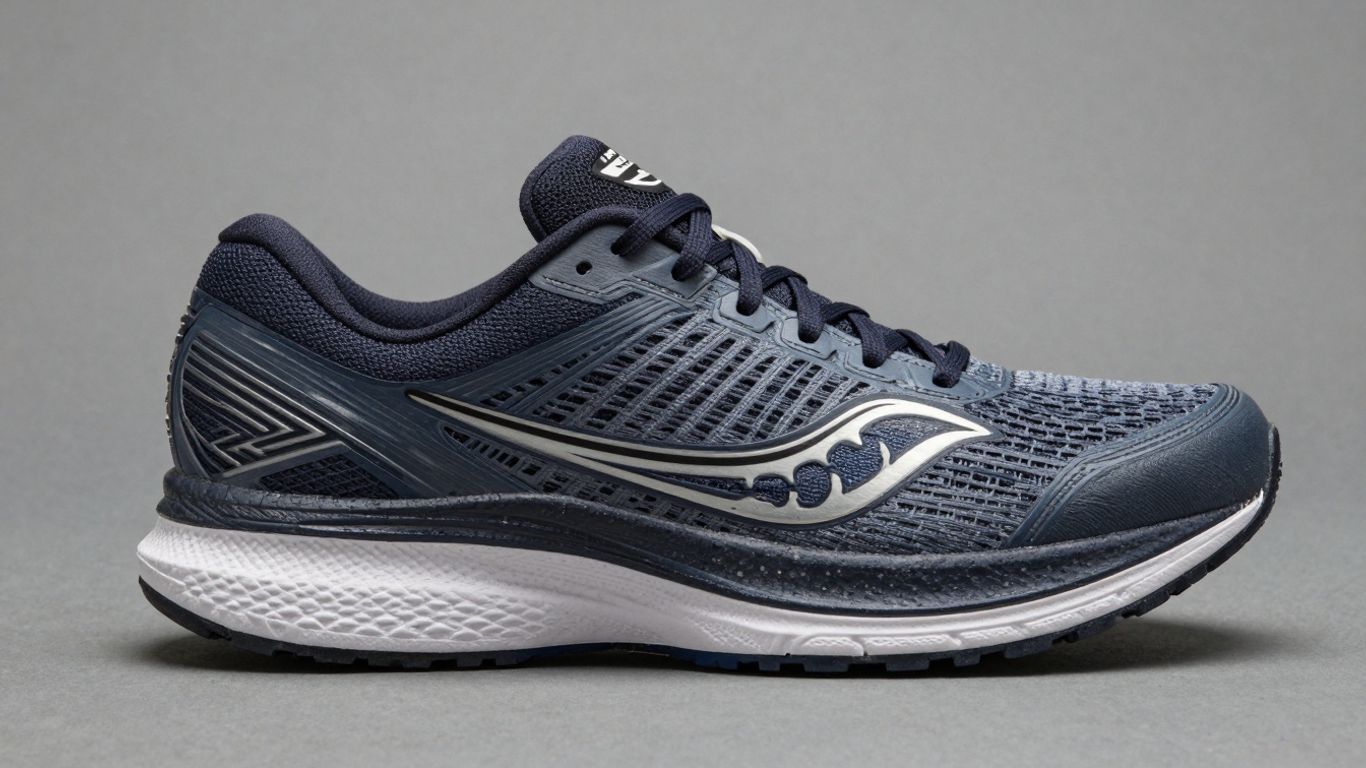
The Saucony Ride 16 is a solid choice if you’re looking for a reliable daily trainer that doesn’t break the bank. It’s a neutral shoe, meaning it doesn’t have a lot of fancy stability features, which is often good for supinators who tend to roll outward. This shoe focuses on providing a comfortable and balanced ride, making it suitable for a variety of runs, from easy jogs to longer efforts.
It’s a shoe that just gets the job done without any fuss. The PWRRUN foam in the midsole offers a good mix of softness and responsiveness. It’s not going to feel super fast or springy like some of the more specialized shoes out there, but it provides enough cushioning to keep your feet happy mile after mile. Plus, the flared midsole design can offer a subtle bit of stability, which is a nice bonus for those who need it.
Here’s a quick look at what makes the Ride 16 a good option:
- Balanced Cushioning: Enough to absorb impact without feeling mushy.
- Versatile Performance: Works for easy runs, long runs, and even some slightly quicker paces.
- Durable Construction: Built to handle regular mileage.
- Good Value: Often available at a reasonable price point, especially as newer models come out.
While it’s not designed for speed work or racing, the Saucony Ride 16 excels as an everyday workhorse. Its straightforward design and comfortable feel make it a dependable partner for your training. If you’re looking for a shoe that can handle a lot of your running without demanding too much attention, this is definitely worth considering. You can find out more about the Saucony Ride 16 and its capabilities.
8. Adidas Ultra Boost 5
The Adidas Ultra Boost 5 is a solid choice if you’re looking for a shoe that offers a good blend of comfort and support, especially if you tend to overpronate. While it’s not specifically designed for supination, its stable cushioning can help provide a more balanced ride. The Boost foam is known for its energy return, giving you a bit of a spring in your step without feeling overly stiff. It’s a shoe that feels pretty good right out of the box, and the upper usually wraps your foot nicely, offering a secure feel.
When it comes to cushioning, the Ultra Boost 5 doesn’t skimp. You get a good amount of that signature Boost material underfoot, which makes longer runs feel more manageable. It’s not the lightest shoe on the market, but that extra bit of substance can contribute to a more stable experience.
Here’s a quick look at what makes it stand out:
- Responsive Cushioning: The Boost midsole provides a soft yet energetic feel.
- Comfortable Fit: The Primeknit upper often adapts well to the foot.
- Durable Outsole: Typically features Continental rubber for good traction.
It’s worth noting that while the Ultra Boost 5 is a great all-around performer, it might not be the absolute best for someone with severe supination who needs very specific motion control. However, for many runners, its balanced cushioning and supportive feel make it a reliable option for daily training. You can often find these shoes available for purchase online at RunningXpert. It’s a shoe that can handle a variety of runs, from shorter jogs to longer efforts, making it a versatile addition to your running gear.
9. Saucony Triumph 22
The Saucony Triumph 22 is a real standout if you’re looking for a shoe that feels like running on clouds, especially if you tend to supinate. It’s built with a generous amount of PWRRUN+ cushioning, which gives you that plush, soft feel underfoot without feeling mushy. This shoe is designed as a neutral runner, meaning it doesn’t have any specific features to correct pronation, which is exactly what supinators need.
The max cushioning here is a big win for supinators because it helps absorb impact that your foot might not be handling as efficiently on its own. It has a pretty substantial stack height, so you get a lot of protection on longer runs. Even with all that cushioning, it manages to feel surprisingly light and offers a decent amount of energy return, so you don’t feel like you’re just sinking into the foam. The upper is made of a breathable mesh that does a good job of holding your foot securely, which is important for stability when your foot rolls outward.
Here’s a quick look at what makes it a good choice:
- Max Cushioning: The PWRRUN+ foam provides a soft, protective ride.
- Neutral Support: No added stability features that could interfere with supination.
- Energy Return: Helps keep your stride feeling lively despite the plushness.
- Secure Upper: Locks your foot down for a more stable feel.
While the Triumph 22 offers a fantastic cushioned experience, some runners have mentioned that the laces can be a bit short. It’s a minor point, but something to keep in mind if you prefer a bit more slack for tying.
Overall, if you prioritize comfort and impact absorption for your runs, and you supinate, the Saucony Triumph 22 is definitely worth checking out. It’s a shoe that can handle a lot of miles while keeping your feet happy.
10. Hoka Bondi 9
The Hoka Bondi 9 is a shoe that really leans into its maximalist cushioning. If you’re someone who spends a lot of time on your feet, whether that’s for long walks, standing at work, or just everyday life, these offer a serious amount of comfort. They feel really plush right out of the box, so you don’t have to worry about breaking them in.
These are built for comfort above all else. While they can handle running, especially at a relaxed pace, they aren’t really designed for speedwork. The sheer amount of foam underfoot means they can feel a bit clunky when you try to pick up the pace. It’s like driving a comfortable, plush sofa – it gets you there, but it’s not winning any races.
Here’s a quick look at what makes them stand out:
- Maximal Cushioning: Expect a super soft ride that absorbs a lot of impact.
- Wide Footbed: This provides a stable base, which can be helpful for supinators looking for a bit more support without feeling restricted.
- Versatile Use: Great for walking, standing for long periods, and easy runs.
While the Bondi 8 is a fantastic option for comfort and support, especially for those with supination who need that extra bit of stability, it’s important to know they are on the heavier side. If your main goal is to shave seconds off your personal best, you might want to look elsewhere. These are more about enjoying the journey in comfort.
If you’re looking for a shoe that feels like you’re running on clouds and can handle a lot of miles without your feet complaining, the Bondi 8 is definitely worth considering. Just don’t expect it to feel like a racing flat.
Conclusion
So, finding the right running shoes when you supinate might seem a bit tricky at first, but it’s totally doable. Remember, you’re looking for shoes that offer good cushioning to help absorb impact, and a comfortable fit that doesn’t feel too tight or too loose.
We’ve gone over some solid options that many runners with supination have found helpful, from the well-cushioned Asics Gel Nimbus to trail-ready choices like the Hoka Tecton X 3. Don’t forget to pay attention to how the shoes feel on your feet – comfort is key! Trying them on and even going for a short jog in the store can make a big difference. With the right pair, you can keep enjoying your runs without worrying too much about that outward foot roll.
I hpe this post on what are the best running shoes for supination men has been helpful to you.
Frequently Asked Questions
What exactly is supination when running?
Supination, also called underpronation, is when your foot rolls outward a bit too much when you run. Instead of your foot landing evenly, most of the pressure lands on the outer edge of your foot and shoe. This is common for people with high arches because their feet don’t absorb shock as well.
How can I tell if I supinate?
You can check by looking at your running shoes. If the outer edges of the soles are worn down more than the rest of the shoe, it’s a sign you might supinate. Another simple test is the ‘wet test’: wet your feet, step on paper, and see if your footprint shows very little of your arch. This usually means your foot is rigid and rolls outward.
What kind of support do shoes for supination need?
Shoes for supination should have plenty of cushioning, especially in the heel, to help absorb shock since your high arches don’t do it as well. They should also have a roomy toe box so your toes can spread out naturally. While some people like arch support, it’s not always necessary and can sometimes make supination worse if it pushes your foot out too much.
Are motion control shoes good for supination?
Actually, motion control shoes are designed for overpronation (when the foot rolls inward too much). Studies show they don’t help people who supinate and can even be uncomfortable. Neutral shoes with good cushioning are generally the best choice for supinators.
Can I fix supination with exercises?
Yes, you can! Practicing good running form, like trying to land more on the ball of your foot and rolling smoothly from heel to toe, can help. Certain stretches and exercises, like an Achilles stretch, can also help improve your foot’s flexibility and how it moves when you run. It’s a good idea to work with a physical therapist if your supination is severe.
How often should I replace my running shoes if I supinate?
You should replace your running shoes when they start to show significant wear, especially on the outer edges, or when they just don’t feel comfortable or supportive anymore. For supinators, worn-out shoes can increase the risk of injuries because the cushioning and support are gone. A good rule of thumb is to replace them every 300-500 miles, but always pay attention to how they feel and look.


