

Best Running Shoes for Narrow Feet Women: Top Comfortable Picks
Seeking more details regarding what are the best running shoes for narrow feet women? Finding the right running shoes when you have narrow feet can feel like a treasure hunt. So many shoes just feel too roomy, even when they’re technically the right size. This can lead to all sorts of problems, from blisters to feeling unstable on your runs.
But don’t worry, 2026 is looking good for us narrow-footed runners! We’ve looked into some of the top running shoes for narrow feet women, and found options that offer that secure, locked-in feel without being too tight. Whether you need a specific narrow width or a brand that just runs a bit more snug, we’ve got you covered. Let’s get you into a pair that feels just right.
Running Shoes for Narrow Feet Women Post Takeaways
- Some brands, like ASICS and Nike, tend to have a more narrow fit even in their standard widths, which can work well for narrow feet.
- Look for specific narrow widths (often labeled ‘A’ or ‘AA’ for women) if standard shoes still feel too loose.
- Lacing techniques like the runner’s loop can help create a more secure fit in shoes that feel a bit too wide.
- If you’re unsure about your foot width or need, visiting a specialty running store for a professional fitting is highly recommended.
- Even with narrow feet, ensure there’s enough room in the toe box for your feet to swell during a run.
1. Brooks Ghost 16
Okay, so let’s talk about the Brooks Ghost 16. You might think, ‘Wait, Brooks Ghost? Isn’t that known for being a bit roomy?’ And yeah, sometimes it can be. But here’s the cool part: they actually offer it in a narrow width (specifically, a 2A size for women).
This is a big deal if your feet tend to slide around in standard shoes. It means you can get that snug, secure feeling without sacrificing the cushioning Brooks is famous for.
Build Your Complete Race-Day Setup
The right shoe helps, but faster racing comes from better training, pacing, recovery, fueling, and execution.
More Guides for This Shoe
This shoe is basically your reliable daily driver. It’s great for just about anything, your easy jogs, long walks, or even just wearing them all day. The latest version has this DNA Loft v3 midsole, which feels a little softer underfoot than before. And the engineered mesh upper? It’s super breathable, so your feet stay comfy, even on longer runs.
Here’s a quick look at some specs:
- Price: $150
- Release Date: May 2025
- Weight: 10.1 oz
- Drop: 10 mm
What’s really nice about the Ghost 16, especially in the narrow width, is how it feels secure without being constricting. You get that snug fit around the heel and midfoot, but the toe box still has enough space so your toes aren’t crammed together. It’s a good balance, honestly.
It’s a neutral shoe, meaning it doesn’t have a lot of extra support built in to correct your stride. If you have a pretty standard foot strike, you’ll probably love it. It just feels good, mile after mile.
2. ASICS Gel Nimbus
ASICS has a reputation for making shoes that fit a bit on the narrower side, and the Gel Nimbus line is a prime example of this. If you’ve got slender feet, you might find that many running shoes feel a bit too roomy, especially around the midfoot and heel. The ASICS Gel Nimbus, however, often provides that snug, secure feeling without needing to cinch down the laces excessively.
This shoe is known for its serious cushioning. We’re talking about a lot of soft material underfoot, which is fantastic for absorbing impact on longer runs or during recovery days.
But here’s the cool part: even with all that cushioning, it doesn’t feel like you’re running on marshmallows. It manages to stay surprisingly stable and responsive, so you don’t feel like your foot is sinking in too much. It’s a great option if you want that plush feel but still need your shoe to work with you, not against you.
Here’s a quick look at what makes the Gel Nimbus a contender:
- Max Cushioning: Plenty of soft foam to protect your feet on long miles.
- Responsive Ride: Despite the softness, it offers a bit of bounce.
- Secure Fit: Often a good choice for those with narrower feet.
- Versatile Use: Works well for easy runs, long runs, and recovery.
While some max-cushioned shoes can feel bulky, the ASICS Gel Nimbus often strikes a good balance, offering substantial comfort without feeling overly wide or sloppy on narrower feet. It’s a shoe that can make those longer efforts feel a lot more comfortable.
3. New Balance Fresh Foam X 1080v14
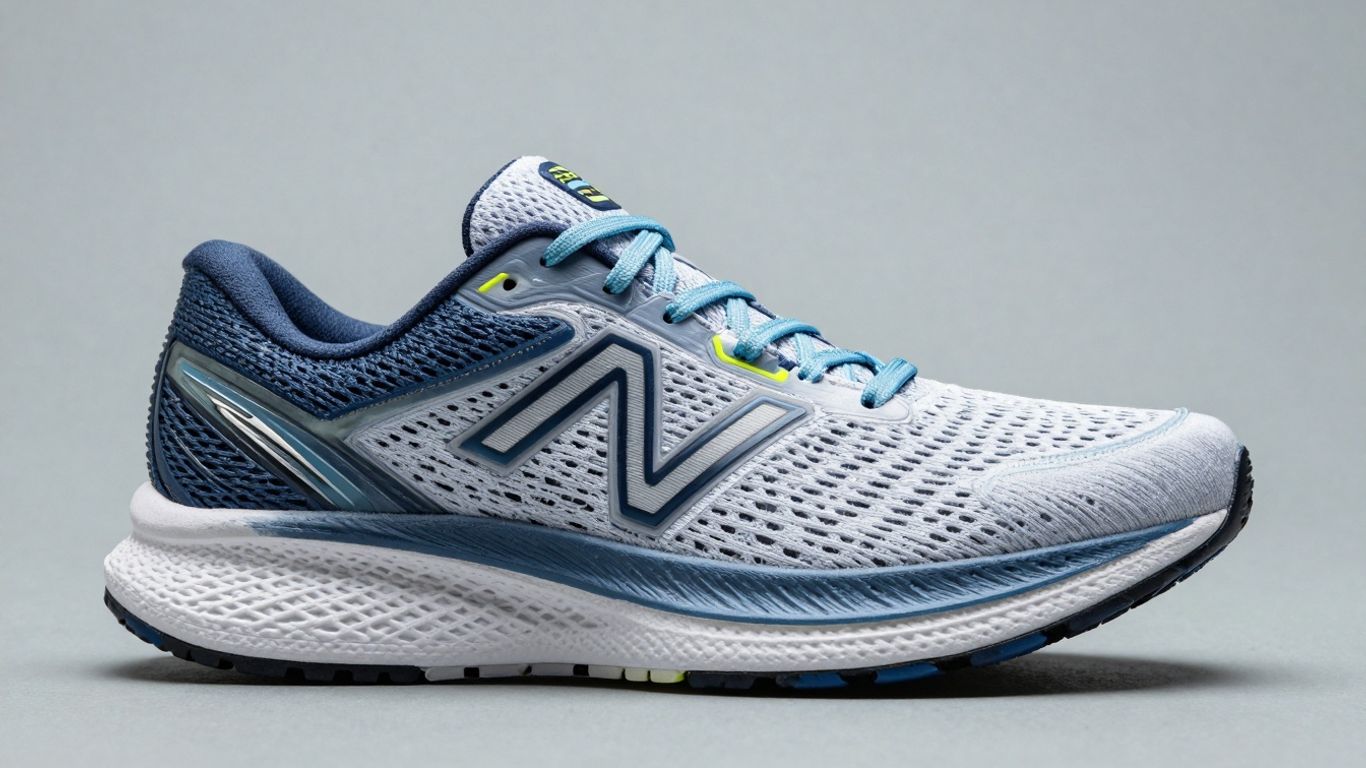
New Balance really knows how to cater to different foot shapes, and the Fresh Foam X 1080v14 is a prime example of one of the best running shoes for narrow feet women. If you’ve got narrower feet, you’ll appreciate that this shoe comes in specific narrow widths, including a 2A for women. This means you can actually get a snug fit without your foot sliding around inside the shoe, which is a game-changer for comfort and preventing blisters.
The Fresh Foam X cushioning is seriously dreamy underfoot, making these shoes feel like you’re running on clouds. It’s a really soft and bouncy ride, perfect for those easy recovery runs or just for logging miles on your feet all day.
Even though it’s a neutral shoe, it offers decent arch support, which is nice. The upper is made of a breathable mesh that feels like a second skin, and the rubber sole gives you a bit of stiffness for a good toe-off. It’s a great all-around cushioned shoe that works well for both running and walking.
Here’s a quick look at some specs:
- Weight: Around 8.3 oz for women’s
- Heel Drop: 6mm
- Usage: Daily trainer, walking shoe
- Widths Available: Extra Narrow (2A), Medium (B), Wide (D), Extra Wide (2E) for women
While these shoes are wonderfully cushioned, some runners find they feel a bit heavy, especially on longer runs. If you’re planning on doing a lot of super long distances, you might notice the weight after a while. They tend to shine more for shorter easy runs or everyday wear.
4. Hoka Mach 6
When you think Hoka, you might picture those super thick, cushioned shoes, right? Well, the Hoka Mach 6 is a bit different. Compared to other Hoka models, this one is built with a tighter fit, especially around the upper.
This snugger feel is actually a good thing if your feet tend to be on the narrower side. It helps make sure your foot is really connected to the shoe, which means when you push off, more of that energy goes into moving you forward.
I found the Mach 6 to be a really fun shoe for daily runs, but it truly shines when you want to pick up the pace. Think tempo runs or even some faster-paced workouts.
The midsole feels springy, giving you a nice little boost with each step, and that secure fit means you don’t have to worry about your foot sliding around. There’s also a neat channel down the middle of the outsole that helps keep you running in a straight line, which is a nice touch.
| Key Spec | Detail |
|---|---|
| Size Run | Women’s 5-11, Men’s 7-14 |
| Widths Available | Women’s Medium (B), Wide (D); Men’s Medium (D), Wide (2E) |
| Best For | Tempo runs, Daily runs |
While it’s a great daily trainer, the Mach 6 really comes alive when you’re looking to run faster. The secure, tighter fit is a big plus for narrow feet, making sure you get the most out of that responsive cushioning.
5. Adidas Adizero SL2
The Adidas Adizero SL2 is a solid choice of being the best running shoes for narrow feet women if you’re looking for a shoe that feels light and comfortable without breaking the bank. It’s a good all-arounder, suitable for both those quick morning jogs and longer weekend runs.
While it doesn’t officially come in narrow widths, many runners with narrower feet find that it fits snugly through the midfoot and heel, offering a secure feel. Just a heads-up, though: these tend to run a bit large, so you might want to consider sizing down a half-size from your usual.
I found the Lightstrike Pro midsole to be quite responsive, giving a nice little bounce to my step. The mesh upper is pretty breathable, which is always a plus, and it makes it easy to cinch down the laces for that extra secure fit. The 9mm heel-to-toe drop is pretty standard, and the rubber outsole provides decent grip. It’s a shoe that just works, and for the price, it’s definitely worth adding to your rotation.
Here’s a quick look at some specs:
- Price: Starting around $130
- Weight: Lightweight (specific weight varies by size)
- Drop: 9mm heel-to-toe
- Best for: Daily training, short to long distances
This shoe offers a good balance of cushioning and responsiveness, making it a versatile option for various types of runs. The snugger fit in the midfoot and heel can be a real advantage for those with narrower feet, provided you account for the sizing.
It’s a shoe that doesn’t try to be too fancy, but it gets the job done well. If you’re after a reliable daily trainer that won’t cost a fortune, the Adizero SL2 is definitely worth a look.
6. Salomon Trail Running Shoes
When you’re hitting the trails, especially if you have narrower feet, a secure fit is super important. You don’t want your foot sliding around inside the shoe when you’re going over roots or rocks. Salomon trail running shoes really gets this. They’re known for a fit that hugs the foot, which is great news for us.
Their trail shoes often feature a snugger upper and a lacing system, like their Quicklace system, that lets you really cinch them down. This means you can get a locked-in feel without a lot of extra space. This precision fit is key for maintaining stability on uneven ground.
Salomon’s aggressive lug patterns on the outsoles are also a big plus making theme one of the best running shoes for narrow feet women. They dig into the dirt and mud, giving you confidence on tricky ascents and descents. If you’re looking for a shoe that feels like an extension of your foot when you’re out in nature, Salomon is definitely worth checking out.
They have models that are particularly good for technical terrain where that secure feel really pays off. You might find their Ultra Glide 2 a good option for longer runs where comfort and a secure fit are paramount.
Here’s a quick look at what makes some Salomon trail shoes stand out:
- Secure Upper: Designed to hold the foot firmly, reducing internal movement.
- Aggressive Traction: Lugs that grip well on various trail surfaces.
- Adjustable Lacing: Systems like Quicklace allow for a customized, tight fit.
- Durability: Built to withstand the demands of off-road running.
For runners with narrower feet, the snug, precise fit of Salomon trail shoes can make a significant difference in confidence and performance when tackling challenging terrain. It’s about feeling connected to the trail, not fighting your shoes.
7. Nike Running Shoes
When it comes to running shoes, Nike often gets a reputation for having a narrower fit, which can be a good thing if your feet lean that way. While they don’t always offer specific “narrow” width options across their entire line, many of their models naturally run a bit more snug, especially in the midfoot and heel. This can provide that secure feeling many narrow-footed runners look for.
One of the standout models for a more streamlined fit is the Nike Vaporfly series. These are designed for racing, so they’re built for speed and a close-to-foot feel.
The Vaporfly 4, for instance, features a lighter build with a refined upper and a midsole designed for propulsion. It’s a shoe that hugs your foot, which is often what narrow feet need to avoid slipping around inside the shoe during faster efforts.
Here’s a quick look at some specs for the Vaporfly 4:
| Feature | Specification |
|---|---|
| Price | $270 |
| Release Date | March 2025 |
| Stack Height | 35 mm (heel), 29 mm (forefoot) |
| Drop | 6 mm |
| Weight | 6.5 oz |
While the Vaporfly is a top-tier racing shoe, Nike’s daily trainers, like the Pegasus, can also offer a narrower profile compared to some other brands. It’s worth checking out their latest releases and paying attention to reviews that mention the fit. Sometimes, a simple lacing technique can make a big difference in securing a shoe that feels a bit too wide.
For runners with narrow feet, the key is often finding a shoe that offers a secure midfoot wrap and a heel that doesn’t allow for excessive movement. Nike’s focus on performance and a streamlined design often aligns well with these needs, even if a dedicated narrow width isn’t always advertised.
8. Saucony Running Shoes
Saucony often gets overlooked when people are specifically hunting for narrow-fit running shoes, but they really shouldn’t be. Some of their models, especially those geared towards speed, tend to run a bit smaller, which can be a good thing if your feet are on the narrower side.
The Saucony Endorphin Speed 4, for instance, is frequently mentioned as having a fit that works well for narrower feet. It’s built for going fast, with a responsive midsole and a plate that helps propel you forward. The upper is usually pretty breathable too, and the laces can often be pulled quite snug.
Another Saucony shoe that might surprise you is the Tempus. It’s a bit of a hybrid, offering some stability without feeling clunky, and it uses a superfoam midsole for cushioning.
The rocker shape in the sole helps with forward momentum, making it feel pretty quick. While not explicitly marketed as a narrow shoe, its design can provide a secure feel for those who need it.
Here’s a quick look at how some Saucony models might fit:
- Endorphin Speed 4: Often runs a bit small, which can be beneficial for narrow feet. Great for tempo runs and racing.
- Tempus: Offers a blend of stability and cushioning. The secure fit can work for narrower feet, especially during faster efforts.
It’s worth noting that while some Saucony models have a naturally narrower profile, the availability of specific narrow width options can vary. Always check the width specifications for the particular model you’re interested in.
9. How To Tell If You Have Narrow Feet
So, how do you know if your feet are on the narrower side of the spectrum? It’s not always super obvious, but there are some pretty good clues. One of the biggest signs is if your current shoes consistently feel too roomy, even when you cinch up the laces as tight as they go. You might find your foot sliding around inside the shoe, which can be really annoying and lead to other problems.
Another tell-tale sign is getting blisters, especially on the sides of your feet. If there’s too much extra space, your foot can rub against the shoe material, creating friction points.
Of course, sometimes it’s just your socks, but if it’s a recurring issue, your shoe width might be the culprit. You might also notice that you’re constantly adjusting your shoes or feeling like you don’t have a secure connection to the ground.
Here are a few ways to get a better idea:
- The “Loose Shoe” Test: If you can easily slip your foot into a shoe without unlacing it, or if your heel lifts significantly when you walk, your shoes are likely too wide.
- Blister Patrol: Keep an eye on where you typically get blisters. Side blisters are often a sign of a shoe that’s too wide.
- The “Wiggle Room” Check: When you’re standing, can you wiggle your toes freely without them hitting the front? That’s good. But can you also slide your finger easily between the side of your foot and the shoe’s upper? If so, you might have too much space.
Measuring your foot width and comparing it to a standard shoe width chart can also be helpful, though remember that sizing can vary quite a bit between brands.
Sometimes, just going to a dedicated running store and having an expert take a look can clear things up quickly. They can often spot subtle fit issues you might miss. If you’re struggling to find shoes that feel snug and supportive, it’s worth investigating if you need a narrower fit. This is especially important for preventing issues like foot pain.
Sometimes, even if a shoe isn’t specifically labeled as ‘narrow,’ certain brands tend to run a bit more snug in their standard width. It’s all about finding that sweet spot where your foot feels held securely without being squeezed.
10. Do You Need Narrow Width Shoes?
So, you’ve figured out you probably have narrow feet. That’s a great first step! But does that automatically mean you need to buy shoes specifically labeled as ‘narrow width’? Not always. Sometimes, a standard width shoe from a brand that tends to run a bit more snug might fit just fine. Our feet also tend to swell a bit when we run, so having a little extra room can actually be a good thing.
Think about it this way:
- Brands vary: Some brands naturally have a narrower profile, even in their regular sizes. You might find that a standard width from ASICS or Nike feels more secure than a standard width from another company.
- Lacing tricks: You can often adjust the fit of a standard shoe using different lacing techniques. A runner’s loop, for example, can help cinch the shoe down around your heel and midfoot, reducing that feeling of sliding around.
- Comfort is key: Ultimately, the best shoe is the one that feels good on your feet. If a standard width shoe feels comfortable and secure during your runs, and your feet aren’t spilling over the sides [17dd], then it’s likely a good fit for you.
If you’re unsure, the best advice is always to get professionally fitted at a running store. They can assess your foot shape, watch your gait, and recommend options that might surprise you. It’s way better than guessing!
Don’t get too hung up on the label. If you’re experiencing issues like blisters or excessive foot movement, then exploring narrow-specific options is definitely worthwhile. But if a standard shoe works, embrace it!
Finding Your Perfect Pair
So, finding the right running shoes for narrow feet might seem a bit tricky, but it’s totally doable. Remember, not everyone with narrow feet needs a shoe specifically labeled ‘narrow.’
Sometimes, a standard width from a brand that runs a bit snug, or even just a different way of lacing your shoes, can make all the difference. If you’re still unsure, a trip to a running store for a professional fitting is always a smart move. Getting that secure, comfortable fit means you can focus on your run, not on your feet sliding around.
Frequently Asked Questions
How can I tell if my feet are narrow?
If your shoes always feel too big, even when you tighten the laces all the way, you might have narrow feet. You might also get blisters on the sides of your feet because they slide around too much. You can also measure your foot’s width and compare it to a shoe size chart to see if it’s considered narrow.
Do I really need shoes made specifically for narrow feet?
Not always! Sometimes, a regular-width shoe from a brand that tends to run a bit smaller will fit just fine. Also, you can try different ways of tying your shoelaces to make a standard shoe fit more snugly. If you’re not sure, it’s best to visit a running store and have a professional check your feet.
What are some good brands for narrow running shoes?
Several brands often make shoes that fit narrower, even in their regular sizes. Brooks, Nike, ASICS, and New Balance are known for this. Salomon also makes shoes that tend to hug your feet closely.
Can I make my current running shoes fit better if they feel too wide?
Yes! You can try using a different lacing method, like the ‘runner’s loop’ or ‘parallel lacing,’ to get a more secure feel. Some brands, like ASICS and Nike, naturally have a narrower fit, so choosing those might help even if they don’t offer a specific ‘narrow’ size.
Can wearing shoes that are too wide hurt my feet?
While it’s more common for shoes that are too tight to cause problems, shoes that are too wide can also lead to issues. These can include painful blisters, a higher chance of twisting your ankle because your foot moves around, and uneven wear on your shoes that can affect how you run.
Are there special running shoes for women with narrow feet?
Yes, many companies make running shoes in narrow widths specifically for women, often marked as ‘2A’. Models like the Brooks Ghost, ASICS Gel Nimbus, and New Balance 1080 are sometimes available in these narrower sizes. Since women’s feet are often narrower than men’s, these can offer a much better fit.


