

10 Best Running Shoes for Flat Feet Men
Finding the right running shoes for flat feet men can feel like a real chore. You want something that feels good, supports your stride, and doesn’t make your feet ache after a few miles. We get it. That’s why we’ve put together this list of running shoes for flat feet men that actually work. Whether you’re hitting the pavement daily or just starting out, these picks should help keep you comfortable and moving.
Best Running Shoes for Flat Feet Men Post Takeaways
- The Nike Pegasus 41 offers a game-changing ReactX foam midsole for enhanced comfort and energy return, making it a top choice for overall performance.
- Brooks Adrenaline GTS 24 features the GuideRails system, providing excellent stability and support for flat-footed runners prone to overpronation.
- Asics GT-2000 13 is a solid value option, combining responsive cushioning with a 3D Guidance System to manage foot movement effectively.
- On Cloudrunner 2 provides a plush experience with added heel and arch support, making everyday runs more enjoyable.
- Altra Lone Peak 9 is a standout for trail running, offering a wide toe box and neutral support that works well for flat feet on varied terrain.
1. Nike Pegasus 41
The Nike Pegasus line has been around forever, and for good reason. It’s like the reliable friend of running shoes. For 2025, the Pegasus 41 is getting a pretty big update with a full-length ReactX foam midsole. This is a big deal because Nike says it gives you more energy return than the old React foam, which is always a plus when you’re trying to get through those longer runs or just want a bit more pep in your step.
What’s also cool is the new mesh upper. It feels lighter and gives your toes a bit more room to spread out, which can make a difference on longer distances. They also tweaked the lacing system a bit to help keep your midfoot feeling more secure.
For runners with flat feet, this latest model might just be the best yet. It offers a good blend of comfort and support without feeling overly stiff.
Recommended Next StepsBuild Your Running Performance System
Move from research to action with training, recovery, nutrition, pacing, and performance tools built for runners.
Runner Match Best for runners ready to connect training, recovery, nutrition, and race execution into one smarter system.Recommended Pace Range Use this guide to support smarter pacing, workout structure, and race-specific preparation.Ideal Use Cases Training consistency, recovery support, race preparation, and long-term performance development.Recommended System Pair smarter training with recovery, strength, nutrition, and pacing tools to get more from every week.More Guides for This Runner Goal
It’s a solid choice if you’re looking for a shoe that can handle a lot of different types of runs, from easy jogs to faster efforts. It’s not a super specialized shoe, but that’s kind of its strength – it just works for a lot of people and a lot of situations. The Pegasus 41 continues its legacy as a go-to for many runners, and the updates this year make it a strong contender for those needing a bit more support.
2. Brooks Adrenaline GTS 24
The Brooks Adrenaline GTS 24 is a solid choice if you’re looking for a shoe that offers a good amount of structure and support, especially if your flat feet tend to roll inward when you run. Brooks is known for its quality, and the Adrenaline GTS 24 really shows that off with its GuideRails system. This tech works like little bumpers on both sides of your heel and up through the middle of the shoe, helping to keep your foot from moving too much side-to-side. It’s not the softest shoe out there, but it provides a balanced feel that many runners with flat feet appreciate.
Here’s a quick look at what makes it stand out:
- GuideRails Support System: This is the main feature for stability, guiding your foot naturally without feeling overly restrictive.
- Balanced Cushioning: It offers a good mix of softness and responsiveness, so you get comfort without feeling like you’re sinking into the shoe.
- Durability: Brooks shoes are generally built to last, and the Adrenaline GTS 24 is no exception, making it a reliable option for many miles.
This shoe feels more structured than some of the plusher options, which can be a real plus for runners who need that extra bit of guidance. It’s a shoe that feels dependable, mile after mile, and it’s available in wide widths too, which is always a good thing for comfort.
While it might not have the super-soft, cloud-like feel of some other shoes, the Adrenaline GTS 24 provides a more grounded and supportive experience. This can be really beneficial for managing the stress that flat feet can sometimes put on your body during runs.
3. Asics GT-2000 13
The Asics GT-2000 13 is a solid choice if you’re looking for a shoe that can handle both your daily runs and your walking commutes. It strikes a nice balance, offering enough support for flat feet without feeling overly stiff or restrictive. This shoe uses Asics’ 3D Guidance System, which is designed to help keep your foot centered and prevent excessive inward rolling, a common issue for those with flat feet.
It’s a versatile option that doesn’t sacrifice comfort for stability. The cushioning has been updated to be a bit firmer than in previous versions, which actually makes it feel more responsive and energetic underfoot. This means you get a good energy return with each step, making your runs feel a little easier.
Here’s a quick look at what makes it stand out:
- Support System: Features the 3D Guidance System for subtle medial control.
- Cushioning: Updated FF Blast+ foam offers a responsive and energetic feel.
- Stability: Sole flare and side walls help keep your foot centered during your stride.
- Versatility: Works well for both running and walking activities.
This shoe is a great pick if you need mild to moderate stability and want a shoe that performs well across different types of activities. It’s not the plushest shoe out there, but the firmer cushioning provides a stable platform that many runners with flat feet appreciate. You can find more details on how the GT-2000 helps support flat feet here.
Overall, the GT-2000 13 is a reliable workhorse. It’s built to last and provides that dependable support you need when your arches tend to fall inward. It’s a shoe that just gets the job done, day in and day out.
4. On Cloudrunner 2
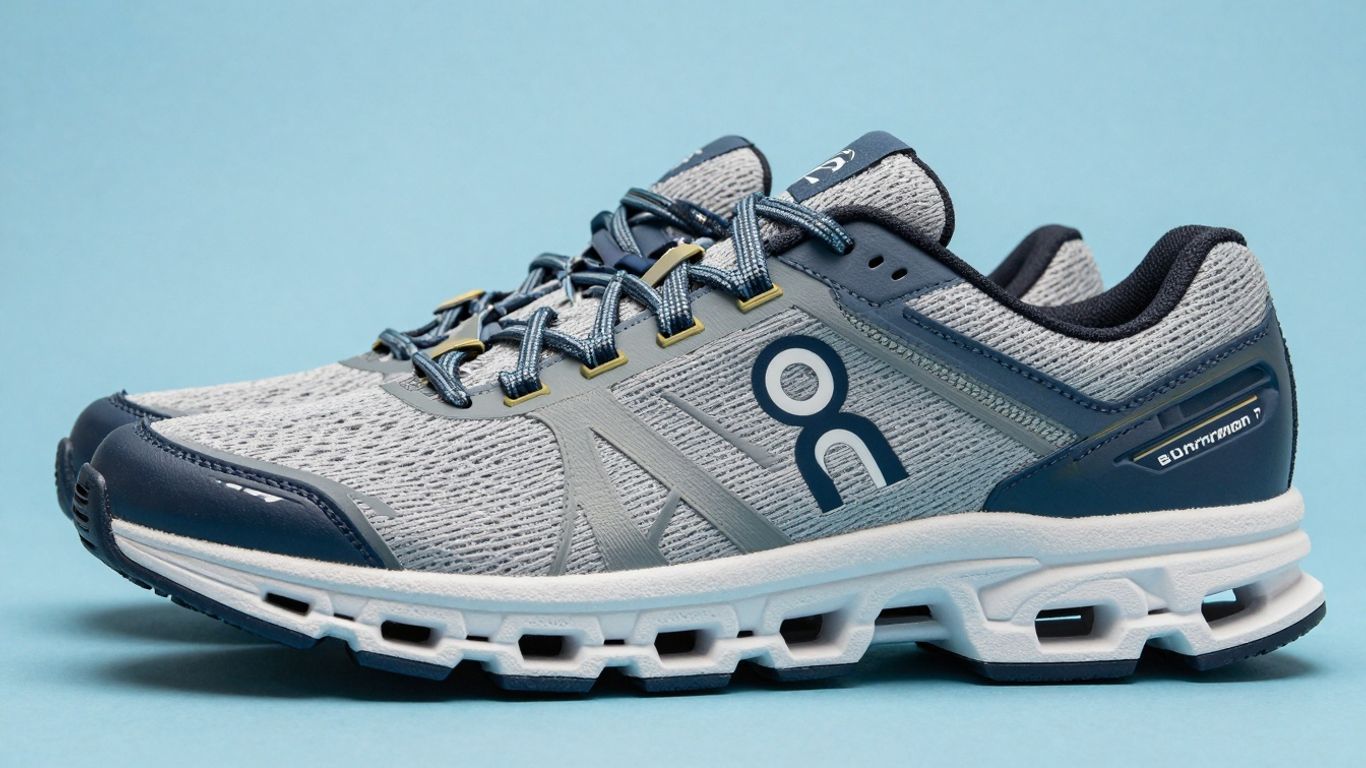
The On Cloudrunner 2 is a solid choice if you’re looking for a shoe that feels good right out of the box, especially if you have flat feet. It’s designed to give you a comfortable ride without being overly complicated. This shoe really shines when it comes to everyday training runs and just general comfort. It’s not trying to be a super-fast racing shoe, but that’s okay because most of us aren’t racing every day, right?
What On has done here is blend their signature CloudTec cushioning with a bit more structure. For folks with flat feet, this means you get a smoother transition from heel to toe, which can make a big difference in reducing fatigue over longer distances. It’s got a nice amount of cushioning that feels soft but still responsive enough to keep your legs feeling fresh.
Here’s a quick look at what makes it work:
- Supportive Midsole: Features a dual-density foam setup that offers a softer feel in the heel and a slightly firmer forefoot for a more balanced ride.
- Heel and Arch Comfort: Added support around the heel and through the arch area helps keep your foot stable.
- Smooth Transitions: The overall design promotes a natural rolling motion, which is great for reducing strain.
While it’s not the lightest shoe on the market, the Cloudrunner 2 prioritizes comfort and support for daily miles. It’s a shoe that makes running feel more accessible and enjoyable, even if you’re not a seasoned marathoner.
If you’re looking for a dependable shoe for your daily miles that offers a good balance of cushioning and support, the On Cloudrunner 2 is definitely worth checking out. It’s a great option for walking or standing all day and provides a pleasant experience for many runners.
5. Altra Lone Peak 9
The Altra Lone Peak 9 is a real standout in the trail running world, and it’s also a solid pick if you have flat feet. It’s Altra’s main trail shoe, and they’ve been refining it for years, building up a pretty loyal fan base. What makes it good for flat feet is its naturally wide toe box, which Altra is known for. This gives your toes plenty of room to spread out, which can help with comfort and stability. It’s also a neutral shoe, meaning it doesn’t try to force your foot into a specific position.
This latest version has their lightest midsole foam yet. It manages to be both soft and responsive, giving you a comfortable feel underfoot without making you feel disconnected from the trail. This balance is pretty great for anyone with flat feet who wants a smooth ride but still needs to feel what the ground is doing.
Here’s a quick look at what makes it a good option:
- Wide Toe Box: Allows for natural foot splay, reducing pressure points.
- Neutral Support: Accommodates various foot strikes without correction.
- Balanced Cushioning: Offers comfort for long miles while maintaining ground feel.
- Lightweight Midsole: Reduces fatigue on longer runs.
The Altra Lone Peak 9 really hits a sweet spot for trail runners who need a bit more room and a natural feel. It’s not trying to overcorrect your foot; instead, it provides a stable, comfortable platform that lets your foot do its thing, especially on uneven terrain. It’s a shoe that feels good right out of the box for many people.
While it’s built for trails, many runners find its comfort and roomy fit make it a versatile option for everyday wear too. If you’re looking for a trail shoe that doesn’t skimp on comfort and works well with a flatter foot shape, the Lone Peak 9 is definitely worth checking out.
6. Mount to Coast R1
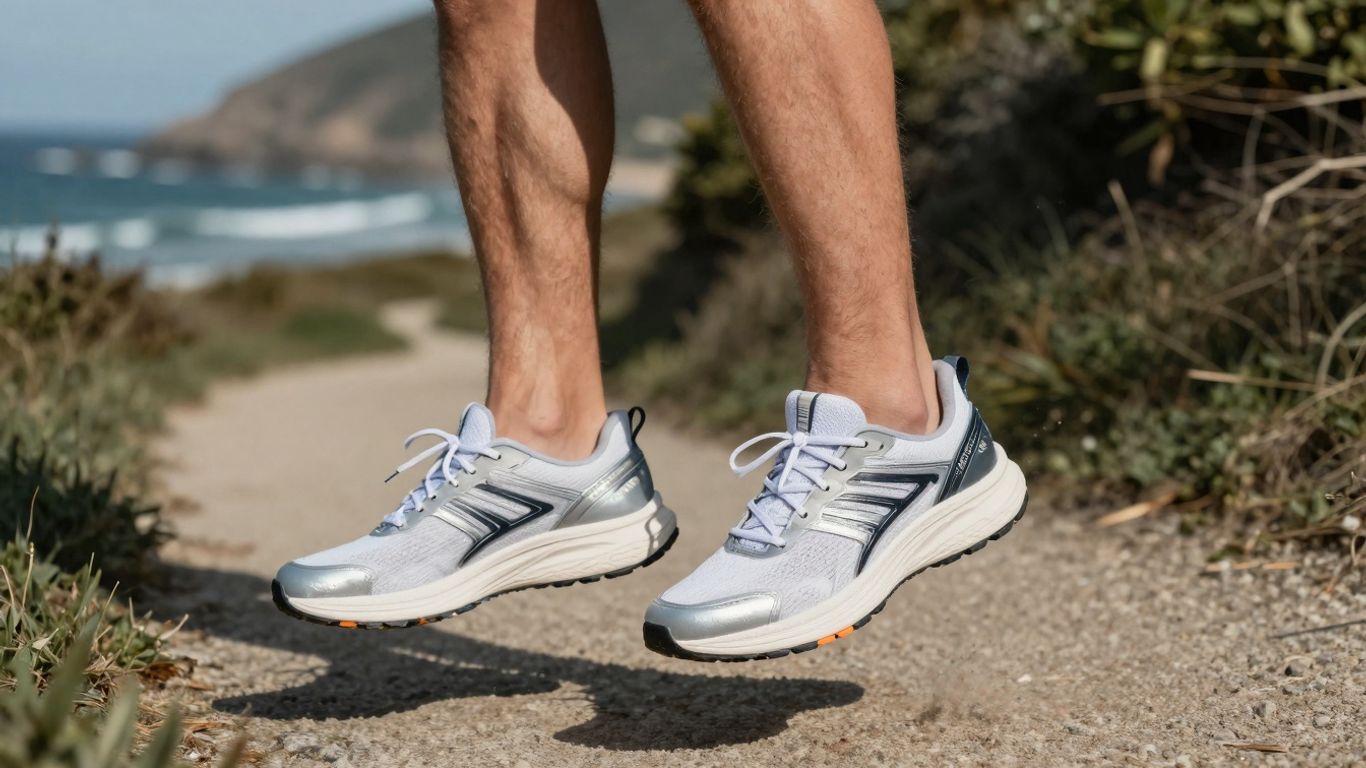
Alright, let’s talk about the Mount to Coast R1. This shoe is a bit of a dark horse, but it’s seriously worth checking out if you’ve got flat feet. It’s built for those long hauls, whether that’s your first marathon or just a really, really long training run.
The real magic here is in their proprietary LightCell midsole. It’s lighter than your typical EVA foam, which is nice, but what really stands out is how much energy it gives back with each step. Think of it like a spring, but a really comfortable one. Plus, they’ve put in some solid arch support right where you need it. It feels natural, not forced.
Here’s a quick look at what makes it tick:
- LightCell Midsole: Super light and responsive, making those miles feel a little easier.
- Built-in Arch Support: Designed to give your arch a helping hand without feeling intrusive.
- Durable Outsole: Ready to handle whatever the road (or trail) throws at it.
- Comfortable Upper: A good fit that keeps your foot secure without feeling restrictive.
I’ve heard stories of people tackling insane distances in these, like the JOGLE, which is basically running the entire length of the UK. One runner even broke a record wearing just a pair of R1s. That’s some serious endorsement, right?
This shoe is a solid choice for anyone looking for a blend of comfort and performance, especially for longer distances. It doesn’t try to be something it’s not; it’s just a reliable workhorse.
7. New Balance Fresh Foam X 860v14
The New Balance Fresh Foam X 860v14 is a solid choice if you’re looking for a shoe that offers a good blend of support and cushioning, especially if you tend to overpronate. It’s not the softest shoe out there, but that’s actually a good thing for some runners with flat feet. This shoe provides a firmer, more structured feel that helps keep your foot aligned.
What really sets the 860v14 apart is its built-in medial wedge. Think of it as a little ramp under the arch on the inner side of the shoe. This design gently tilts your foot outward, which can take some of the pressure off your arch and help with issues like posterior tibial tendonitis or plantar fasciitis that often go hand-in-hand with flat feet. It’s a smart way to add stability without making the shoe feel clunky.
Cushioning is handled by New Balance’s well-regarded Fresh Foam X, which offers a comfortable ride without being overly squishy. This means you get a good balance of shock absorption and responsiveness. The shoe also features a subtle rocker bottom, which helps your foot roll forward more smoothly during your stride, encouraging better form.
Here’s a quick look at what makes it stand out:
- Medial Wedge Support: Specifically designed to help counter pronation and offload stress from the arch.
- Fresh Foam X Cushioning: Provides a comfortable yet supportive feel for daily miles.
- Multiple Widths: Available in standard, wide, and extra-wide, making it easier to find a good fit.
- Structured Upper: Offers a secure lockdown without feeling restrictive.
While the medial wedge is a big plus for many, if you’ve had issues with ankle instability in the past, it’s worth trying these on to see how they feel. Sometimes, that extra tilt can be a bit much for certain ankle mechanics.
Overall, the 860v14 is a dependable daily trainer that offers targeted support for runners who need a bit more help keeping their feet stable and aligned.
8. Saucony Tempus 2
When you’ve got flat feet, finding a shoe that offers both speed and stability can feel like a real challenge. That’s where the Saucony Tempus 2 really shines. It’s a bit of a hybrid, designed to give you that responsive feel you want for faster runs, but with the added support that flat-footed runners often need.
This shoe uses Saucony’s PWRRUN PB foam, which is pretty light and bouncy, but they’ve also built in a supportive frame. This frame helps guide your foot through a more natural motion, which is super helpful if your arches tend to fall. It’s not a super rigid shoe, though; it still has a good amount of give.
Here’s a quick look at what makes it stand out:
- Responsive Cushioning: The PWRRUN PB foam provides a lively ride without feeling mushy.
- Guidance System: The internal frame offers support to help keep your stride steady.
- Lightweight Feel: Despite the support features, it doesn’t feel heavy on your feet.
The Tempus 2 is a solid choice if you’re looking for a shoe that can handle both daily training and even some faster efforts without sacrificing comfort. It’s a good example of how brands are creating shoes that cater to specific needs, like those of runners with flat feet who also want a bit of pep in their step. You can find out more about Saucony’s approach to stability shoes on their website.
This shoe strikes a nice balance. It’s not overly controlling, but it gives you enough structure to feel confident with each step. It’s a shoe that feels good whether you’re just jogging or picking up the pace a bit.
9. Hoka Bondi 8
The Hoka Bondi 9 is a shoe that really leans into its reputation for maximum cushioning. If you’re someone who needs a serious amount of padding underfoot, especially if you have flat feet, this one is definitely worth a look. It’s designed to be super plush, almost like running on clouds, which can be a game-changer for long runs or just for everyday comfort.
What makes the Bondi 8 stand out is its generous stack height. This means there’s a lot of foam between your foot and the ground, providing excellent shock absorption. For folks with flat feet, this extra cushioning can help reduce the impact on your joints, which is pretty important. It’s not a super lightweight shoe, but that’s kind of the point – it’s built for comfort and support, not speed.
Here’s a quick look at some of its features:
- Maximal Cushioning: The signature Hoka foam midsole is thick and soft.
- Supportive Fit: While not a traditional stability shoe, the wider base and higher sidewalls offer a stable platform.
- Smooth Ride: The rocker geometry helps encourage a smoother transition from heel to toe.
This shoe is a solid choice for anyone prioritizing comfort and impact protection. It’s particularly good for those who spend a lot of time on their feet or are looking for a forgiving ride.
While it might feel a bit bulky to some, the Bondi 8 really delivers on its promise of a cushioned experience. It’s a popular pick for a reason, and many runners with flat feet find it provides the relief they need. If you’re curious about Hoka’s approach to comfort, checking out the Hoka walking shoes can give you a better idea of their philosophy.
10. Adidas AdiZero Boston 12
The Adidas AdiZero Boston 12 is a shoe that really tries to hit that sweet spot between a daily trainer and something a bit more performance-oriented. For guys with flat feet, this one brings some interesting tech to the table. Adidas has been playing around with their cushioning, and the Boston 12 uses a combination of Lightstrike Pro and the newer Lightstrike 2.0 EVA. This blend is supposed to give you a good amount of energy return without feeling too mushy, which is key when you need a stable platform.
What’s cool is that Adidas has built in a stability system here. It’s not an aggressive post or anything, but it’s designed to help guide your foot and keep things from rolling inward too much. This can make a big difference for flat-footed runners who might overpronate. The shoe feels pretty responsive, so you can pick up the pace if you want to, but it’s also got enough cushioning to handle longer runs without beating up your legs too much.
The combination of different foams and the integrated stability features aims to provide a balanced ride that supports the foot through the gait cycle, making it a solid choice for those who need a little extra help with their stride.
It’s not the softest shoe out there, and some might find it a bit firm, but that firmness often translates to better ground feel and a more efficient toe-off. If you’re looking for a shoe that can do a bit of everything – from tempo runs to longer weekend efforts – and offers a stable ride for flat feet, the Boston 12 is definitely worth a look. It’s a good example of how brands are trying to offer support without making the shoe feel clunky or overly controlling.
Conclusion
So, finding the right running shoes when you have flat feet doesn’t have to be a huge headache. We’ve looked at some solid options that offer that extra bit of support and comfort, whether you’re just starting out or logging serious miles. Remember, the goal is to keep your feet happy and help you enjoy your runs without any unnecessary pain. It’s all about picking a shoe that feels good on your feet and lets you focus on the road ahead. I hope this post on the best running shoes for flat feet men has been helpful.
Frequently Asked Questions
What makes a running shoe good for flat feet?
Shoes for flat feet usually have extra support on the inside part of the sole to stop your foot from rolling too much inward. They also have good cushioning to soak up shock and a solid heel to keep your foot steady. Some shoes might have special guides or firmer foam to help your foot stay in a better position while you run.
Do I really need special shoes if I have flat feet?
Not everyone with flat feet needs special shoes, but if you feel pain or discomfort when you run or walk, then yes, getting shoes designed for flat feet can make a big difference. They help your feet work better and can prevent aches and pains.
Can I use the same shoes for running and everyday walking?
Many running shoes for flat feet are actually great for everyday walking too! Shoes that offer a good mix of soft cushioning and steady support are usually comfortable for both activities. Just check if the shoe feels good for both running and just walking around.
Are shoes with lots of cushioning always better for flat feet?
While cushioning is important for shock absorption, it’s not the only thing. For flat feet, a shoe also needs good stability to keep your foot from rolling inward too much. A balance of cushioning and support is usually best, rather than just focusing on softness.
What does ‘overpronation’ mean for someone with flat feet?
Overpronation is when your foot rolls inward more than it should, especially when you land. People with flat feet often overpronate because their arch doesn’t provide enough natural support. Running shoes with stability features help control this extra inward rolling.
How often should I replace my running shoes if I have flat feet?
You should generally replace running shoes every 300 to 500 miles, or when you notice the cushioning feels flat or the support isn’t as good. For flat feet, it’s especially important to keep an eye on the shoe’s support features, as they can wear down over time.


