

Running Recovery Tools That Actually Work for Faster Recovery
Long runs leave a mark, and marathoners feel it in their legs, sleep, and next workout. The best running recovery tools are the ones they actually reach for again, because comfort, price, portability, and pain relief all matter when you’re dragging through a training block.
This ranking leans on what runners value most after hard efforts, not what looks good on a shelf. Some tools help with sore calves, some make downtime easier, and some pay off only when you use them often, so the real test is whether they earn a place in your routine, along with smart habits like hydration for endurance recovery.
If you’re trying to bounce back faster after a marathon, a tempo run, or a high-mileage week, the shortlist below will help you see which recovery tools are worth your money and space. For runners who want a fuller picture of recovery and fatigue, the RDA Runner Readiness Suite for marathon training fits that same mindset.
What marathoners actually want from running recovery tools
After a hard marathon block, runners want relief that feels real, not just polished marketing. The best tools target the aches that show up after long miles, fit into a crowded training week, and get used without a fight.
Build Your Running Performance System
Move from research to action with training, recovery, nutrition, pacing, and performance tools built for runners.
More Guides for This Runner Goal
The recovery problems runners try to fix after long miles
Long runs leave different kinds of damage on different parts of the body. Calves tighten first for many runners, quads feel beaten up after hills or speed work, and feet can feel like they have been pressed flat after hour after hour on pavement.
Heavy legs are another common complaint. They can make an easy jog feel like work, which is why many runners start looking for best recovery methods for runners that help them move better the next day.
Stiffness matters too. After back-to-back workouts, some runners feel like their joints need oil before they can loosen up. That is when recovery tools earn attention, because they aim to calm soreness, reduce that dragged-down feeling, and make the next run less of a grind.
A few of the most common problems runners want to fix include:
- Tight calves after pace work, hills, or long runs
- Sore quads that feel tender on stairs or during easy strides
- Heavy legs that slow turnover and make warm-ups drag
- Foot fatigue from pounding, shoe pressure, or long time on your feet
- General stiffness that makes the body feel locked up the next morning
These are the exact pain points that shape buying decisions. If a tool helps the legs feel lighter, the feet feel less beaten up, or the body move with less resistance, runners pay attention. For hydration support that pairs well with post-run care, this endurance hydration guide fits into the same recovery conversation.
How marathoners judge a tool before they buy it
Marathoners rarely buy recovery tools for their shelf appeal. They look at price first, because a tool has to earn its keep across a whole training cycle, not just one sore weekend.
Size matters too. A small massage ball or compact roller gets used more often than a bulky device that needs its own corner of the room. Noise can matter just as much, especially if someone wants to use a massage gun at night without waking the house.
Speed is another deciding factor. If a tool helps legs feel looser in five to ten minutes, it has a better shot at becoming a habit. If it takes too long, many runners skip it after a hard session when they are already tired.
Ease of use usually beats flashy claims. A runner who is sore, hungry, and short on time wants something simple, not a gadget that needs a manual and a charging schedule. That is why tools that feel good right away often win, even if they look plain.
A quick way marathoners compare options is by asking:
| What matters | What runners want |
|---|---|
| Price | Fair cost for frequent use |
| Size | Easy to store and carry |
| Noise | Quiet enough for home use |
| Speed | Relief without a long routine |
| Feel | Comfortable on sore, tired legs |
In practice, the best choice is often the one that gets used on the worst days. A tool can have great specs, but if it feels annoying after mile 18, it ends up sitting in a drawer.
The best running recovery tools, ranked by real marathoners
The best recovery gear earns its place by doing one simple job well, helping tired runners feel human again. Marathoners tend to favor tools that bring fast relief, fit into a real routine, and work on the muscles that take the most abuse after long miles.
That usually means the same few categories rise to the top. Some tools calm tight legs. Others take pressure off sore feet or make it easier to sit still after a hard block. A few cost less than a race entry, which matters when you’re already spending money on shoes, gels, and travel.
Most runners also pair these tools with the basics that still matter most, like sleep, food, and hydration for endurance recovery. The gear helps, but it works best when the rest of the routine is in place.
Foam rollers, the classic choice that still earns its spot
Foam rollers stay near the top because they are simple, cheap, and easy to use anywhere. Marathoners keep coming back to them for quads, hamstrings, glutes, and calves, especially after long runs that leave the legs feeling thick and stiff.
The appeal is plain. You can roll for a few minutes, find the tight spots, and work them out without needing batteries or a charger. That makes a foam roller one of the most practical running recovery tools for daily use.
Still, the tradeoff is clear. When muscles are very tight, a foam roller can feel like punishment. Some runners love that pressure, while others back off fast and use it only when their legs are already warm.
If you want a recovery tool that lasts for years and works on almost every major lower-body muscle, this is usually the first one to buy.
Massage guns for fast, targeted relief
Massage guns rank high with marathoners who want quick relief on specific sore spots. A few minutes on calves, glutes, or the outside of the quad can feel like hitting a reset button after speed work or race day.
They are popular because they save time. You can sit on the couch, target one cranky area, and move on with your night. For runners who hate long recovery routines, that kind of speed matters.
The downside is just as real. Battery life can fade at the wrong time, some models are loud, and cheaper versions can feel weak or rattly. They also work best as a tool, not a cure, because they won’t fix poor sleep, bad pacing, or too many hard days in a row.
When used well, a massage gun is more like a spotlight than a full-body solution. It helps you focus on the sore spot that keeps showing up after training.
Compression boots and sleeves for heavy-leg days
Compression gear gets a lot of love after long runs, race day, and brutal workout blocks. Many marathoners use boots or sleeves when their legs feel swollen, beat up, or slower than usual to bounce back.
The main draw is passive recovery. You can sit down, put the boots on, and let the pressure do the work while you eat, watch TV, or stretch. That ease makes compression feel like a luxury that still has a purpose.
Runners often notice two things most:
- Less swelling in the lower legs after long efforts
- A lighter feeling when they get up and walk around afterward
Compression sleeves are cheaper and easier to travel with, while boots feel more like a full recovery session at home. Either way, the draw is the same, less effort from you and less heaviness in the legs.
For runners who spend a lot of time on their feet, compression gear can become part of the post-run rhythm. It is not flashy, but it fits real life.
Recovery sandals and shoes for everyday wear
Cushioned recovery footwear matters more than most runners think. After a long run or race, the wrong pair of flip-flops or flat shoes can make sore feet feel even more beaten down.
Recovery sandals and shoes help runners shift off tired feet without losing support. Good arch support, soft cushioning, and pressure relief matter because the foot has already taken thousands of impacts. The goal is simple, reduce stress while you walk around the house, run errands, or stand in line for coffee.
Many runners wear them after hard workouts because the comfort is immediate. It feels like changing from a hard bench to a padded chair. That small relief can make a long training day easier to get through.
This kind of footwear also helps if your calves and arches tighten up fast. The less strain you put on your feet between runs, the better your odds of showing up fresh the next day.
Cold plunge tubs and ice baths for the most brutal sessions
Cold water recovery has a loyal following among marathoners who train hard and recover hard. After peak mileage, a long race, or a brutal tempo block, some runners swear that an ice bath helps them feel less wrecked the next day.
The draw is easy to understand. Cold water can make the legs feel calmer, reduce the sense of pounding, and give you a clean break after a hard effort. For some runners, that shock to the system feels like a reset.
At the same time, this tool is not for everyone. Ice baths are intense, and they are not easy to set up at home unless you already have a tub, a plunge setup, or serious patience. Many runners skip them because the hassle is too high for everyday use.
A cold plunge works best when you actually have access to it and can recover in peace afterward. If the setup feels like a chore, most runners end up choosing something easier.
Mobility tools that help you move better, not just hurt less
Mobility tools often get less attention than big recovery gadgets, but marathoners use them for a reason. Resistance bands, lacrosse balls, stretching straps, and yoga wheels all help with stiffness, range of motion, and the small maintenance work between runs.
These tools are useful because they do more than calm soreness. A resistance band can wake up weak hips, a lacrosse ball can dig into the foot or glute, and a stretching strap can help you hold a hamstring stretch without forcing it. Meanwhile, a yoga wheel can open the chest and spine after hours in a tight running posture.
For runners who feel stiff more than sore, mobility tools often matter more than fancy devices. They help you move better, which can make the next run feel smoother before the legs even get tired again.
The best part is that most of them are compact and cheap. That makes them easy to keep by the bed, near the couch, or in a gym bag, which helps them get used instead of forgotten.
Which recovery tool works best for each kind of runner?
The best recovery tool depends on how you run, how much you spend, and how fast you want relief. A marathoner who wants a five-minute reset after intervals needs something different from a runner who wakes up stiff three days a week.
The right pick usually matches the pain point, not the hype. Some runners need cheap tools they can use every night. Others want something that feels good the second they sit down. A few need stronger support because soreness keeps coming back.
Best picks for runners on a budget
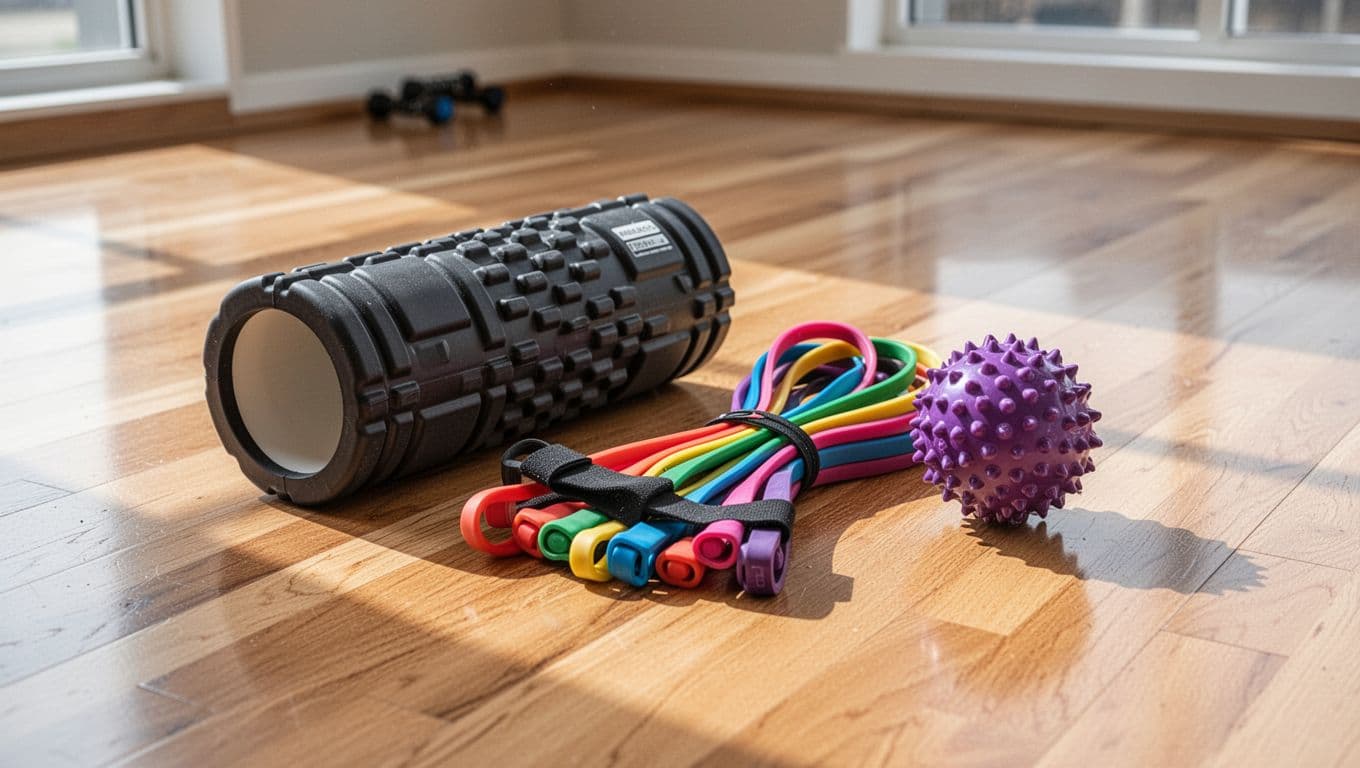
If you want strong value, start simple. A foam roller, resistance bands, and a small mobility ball cost far less than high-end gear, yet they still solve real problems after training.
Cheap does not have to mean weak. A firm foam roller can break up tight quads and calves, bands can wake up sleepy hips, and a lacrosse-style ball can dig into the foot or glute better than many pricey gadgets. For runners who use them often, these tools may matter more than anything with a battery.
A budget-friendly kit works well for runners who want to keep recovery steady without draining their race budget. It also pairs well with good basics like sleep, easy days, and hydration for endurance recovery.
The best low-cost setup usually looks like this:
- Foam roller for large muscle groups like calves, hamstrings, and quads
- Resistance bands for hip work and light mobility
- Mobility ball for feet, glutes, and hard-to-reach tight spots
For most runners, this trio covers the biggest gaps at the lowest cost. If you need a place to start, this is the smartest one.
Best picks for runners who want the fastest relief
When time is tight, the best tool is the one you’ll actually use. That is why massage guns, compression boots, and recovery sandals stay popular with busy runners.
Massage guns give fast, targeted relief. Compression boots feel effortless because you sit still while they do the work. Recovery sandals help right after a run, especially when sore feet want padding and support instead of another hard shoe.
Speed and convenience matter because they build consistency. A tool that takes ten seconds to grab gets used more often than one that feels like a project. After a hard workout, that difference is huge.
Runners who want quick comfort often choose one of these:
- Massage gun for calves, quads, and glutes
- Compression boots for heavy-leg days at home
- Recovery sandals for immediate foot relief
If a recovery tool feels easy to reach for, it usually gets better results in real life than a “better” tool that stays in the closet.
Best picks for runners dealing with frequent soreness or injury history
If soreness keeps coming back, or past injuries still flare up, the recovery tool needs to support careful, steady work. Foam rollers, massage guns, compression gear, and mobility tools can all help, but none of them replace medical care when pain is sharp, persistent, or getting worse.
For this kind of runner, a softer approach often works best. Bands help with hip and glute activation, which can reduce extra load on the knees or calves. A massage gun can ease a stubborn spot, while compression gear may help tired legs feel less beat up after a long run. Mobility balls are useful too, especially for the feet and deep hip muscles that get ignored until they start complaining.
Still, recovery tools should stay in their lane. If pain changes your stride, lasts for days, or returns every week, that needs a medical check. Tools help with comfort and support, but they do not fix the root problem.
Runners in this group usually do best with a small, balanced setup:
- Compression sleeves or boots for lower-leg fatigue
- Massage gun for short, controlled treatment on sore spots
- Bands and mobility balls for daily maintenance work
That mix gives you options without turning recovery into guesswork.
How to build a simple recovery routine that you will actually follow
The best recovery routine is the one that fits your real life. If it takes too long, needs too much gear, or feels like homework, you won’t stick with it when you’re tired and hungry after a run.
Keep it simple. Give your body a short reset, then move on with your day. A small routine done often beats a perfect routine you skip.
A basic post-run routine for busy marathoners
Start with five to 10 minutes of easy walking. That helps your heart rate come down and gives your legs a chance to stop feeling like pistons after the run.
Next, drink water right away. If the run was long or hot, add electrolytes and keep sipping while you change clothes or make food. A tired runner usually needs fluids before they need another gadget.
Then spend a few minutes on light mobility. Focus on what feels tight, not on forcing a full stretch session. Calves, hips, and quads usually need the most attention after marathon training.
Finish with one recovery tool, not three. A foam roller, massage gun, or compression sleeves can fit into a short routine without making it feel heavy. The point is to make recovery feel as automatic as brushing your teeth.
A simple order works best:
- Walk for a few minutes
- Refill fluids
- Do light mobility
- Use one recovery tool
- Eat a real meal soon after
A routine you can repeat on your worst day is better than a perfect plan for your best day.
If you want a deeper plan for the days between workouts, how to recover faster between runs fits this same no-fuss approach.
When to use recovery tools, and when to rest instead
More recovery gear is not always better. If you stack tool after tool, you can turn recovery into another workout. That usually helps less than people expect.
Use tools when they solve a clear problem. A massage gun can help a tight calf, compression boots can take the edge off heavy legs, and a roller can loosen the spots that feel locked up. On the other hand, if you just feel generally worn out, sleep and an easy day often do more than any device.
Rest still matters most. Good food, enough sleep, and lighter running days do the heavy lifting. Tools support that process, but they don’t replace it.
A simple rule helps:
- Use tools when a specific area feels tight, sore, or stubborn
- Rest more when fatigue is general and your whole body feels flat
- Skip extra gear when the routine starts feeling like a chore
Recovery should leave you fresher, not busier. If you need a simple guide for keeping training and recovery in balance, this running recovery balance guide fits that mindset well.
How hydration and fueling support every recovery tool
Every recovery tool works better when your body has fuel and fluids to use. A foam roller may loosen a calf, but it won’t refill glycogen. A massage gun may ease soreness, but it won’t repair muscle without food.
That is why hydration and fueling sit at the center of recovery. After hard miles, your body needs water, sodium, carbs, and protein to keep repair moving. If you wait too long, you start the next day already behind.
The basics matter more than any gadget. Drink soon after the run, eat a meal with carbs and protein, and keep meals steady through the rest of the day. For a closer look at why fluids matter so much for endurance athletes, this hydration guide for runners ties the bigger picture together.
A good recovery stack looks like this:
- Fluids first, so your body can start rebalancing
- Food soon after, so muscle repair has what it needs
- Recovery tools next, so sore spots calm down and movement feels easier
When those pieces work together, your tools stop feeling random. They become part of a routine that helps you show up ready for the next run.
Frequently asked questions about running recovery tools
Recovery gear gets easier to use once you know what it can and cannot do. The questions below cover the most common sticking points marathoners run into, from daily use to buying the right tool for sore legs and tired feet.
Do you need to use running recovery tools every day?
No, and for most runners, that would be too much. The best results usually come from using recovery tools when your body gives you a clear reason, such as tight calves after hills, sore quads after intervals, or heavy legs after a long run.
Daily use can make sense for light mobility work or a quick roll-out session. Still, you don’t need a long routine every day to recover well. In many cases, a few focused minutes after hard training do more than a big session done once a week.
The real goal is consistency, not volume. If you keep the routine simple, you’ll use it more often, and that matters more than chasing a perfect schedule.
What is the best recovery tool for sore legs?
That depends on where the soreness sits and how much time you have. Foam rollers work well for broad muscle groups like quads and calves, while massage guns are better when you want to hit one stubborn spot fast.
Compression boots help when your legs feel heavy rather than tight. Recovery sandals can also help if the problem starts in your feet or arches. If you’re unsure, start with the tool that matches your main pain point instead of buying the most expensive option.
A simple way to narrow it down:
- Tight muscles usually respond well to a foam roller or massage gun
- Heavy legs often feel better in compression boots or sleeves
- Sore feet usually need recovery sandals or a mobility ball
If soreness keeps showing up in the same place, pay attention to the pattern. That can point to a training issue, a shoe problem, or a recovery gap that needs more than one tool.
Are expensive recovery tools worth it?
Sometimes, but not always. A high price does not guarantee better recovery, and many runners get more value from basic tools they actually use.
Foam rollers, bands, and mobility balls cost less and cover a lot of ground. On the other hand, massage guns and compression boots can be worth the money if you train often, recover at home, and like fast relief. The best buy is the one that fits your routine, your budget, and your space.
Before spending more, ask yourself one simple question: will you use it three times a week? If the answer is no, a cheaper tool may be the smarter choice.
How do hydration and fueling affect recovery?
They affect it more than most gadgets do. A massage gun may ease soreness, but your body still needs water, carbs, sodium, and protein to repair muscle and refill energy stores.
That is why hydration comes first after hard runs. If you want a deeper look at how fluids fit into endurance recovery, this hydration guide for runners breaks down the basics in plain language.
Fuel matters just as much. A post-run snack or meal with carbs and protein helps your body bounce back faster, especially after long efforts or marathon pace work. Recovery tools work best when they sit on top of that foundation, not in place of it.
Can recovery tools prevent injuries?
They can help reduce stress and improve how your body feels, but they do not prevent every injury. Think of them as support, not a shield.
A foam roller can loosen tight tissue. Mobility tools can improve range of motion. Compression gear can make heavy legs feel less beat up. Those benefits matter, because better movement and less soreness often help runners train more comfortably.
Still, pain that changes your stride, keeps coming back, or lasts more than a few days needs attention. No recovery tool can fix bad mechanics, poor load management, or an injury that already needs care.
What should you buy first if you’re new to recovery gear?
Start with the tool that solves the most common problem in your weekly training. For many runners, that’s a foam roller. It is affordable, easy to store, and useful for the biggest lower-body muscle groups.
If you already know your feet or calves are the issue, a mobility ball or recovery sandals may be a better first buy. Runners who want a faster, more targeted option often choose a massage gun next. The key is to buy one tool, use it often, and see what changes before adding more.
That keeps your setup simple and your recovery routine realistic. When the tool fits your life, you are more likely to stick with it after the hard runs that matter most.
Conclusion
The best running recovery tools are the ones marathoners keep using after the shine wears off. Foam rollers, massage guns, compression gear, and recovery footwear all earned their place because they solve real post-run problems, not because they look impressive on a shelf.
If you want the smartest place to start, choose one or two tools that match your biggest issue, your budget, and the space you actually have. Pair them with steady sleep, food, and hydration for endurance recovery, because the body still needs the basics before any tool can do its job.
Recovery is part of training, not an afterthought. When you treat it that way, your next run starts on better legs.


