Running Readiness Score: Are You Ready to Train Today?
A running readiness score can tell you a lot before you lace up, and it can save you from turning a tired day into a hard one. That number is a quick read on how well your body may handle stress today, which is why runners check it before workouts, long runs, and race days.
Still, the score is not a verdict. Sleep, recovery, training load, soreness, stress at work, travel, and even poor hydration can all nudge it up or down. If you want a better sense of how your body responds, what your runner readiness score reveals is a useful place to start.
The real value comes from treating the score as guidance, not a command. A low reading doesn’t always mean you should skip the run, and a high one doesn’t mean you can charge ahead without thought. It works best when you pair it with how you feel in the first few minutes of movement, plus the basics like sleep, food, and fluids. Hydration matters more than many runners admit, and this guide on endurance hydration shows why it can shape how you recover and perform.
Once you understand what the number is telling you, you can use it to make smarter training calls without second-guessing every run.
Build Your Running Performance System
Move from research to action with training, recovery, nutrition, pacing, and performance tools built for runners.
More Guides for This Runner Goal
Running Readiness Score: The Simple Meaning Behind the Number
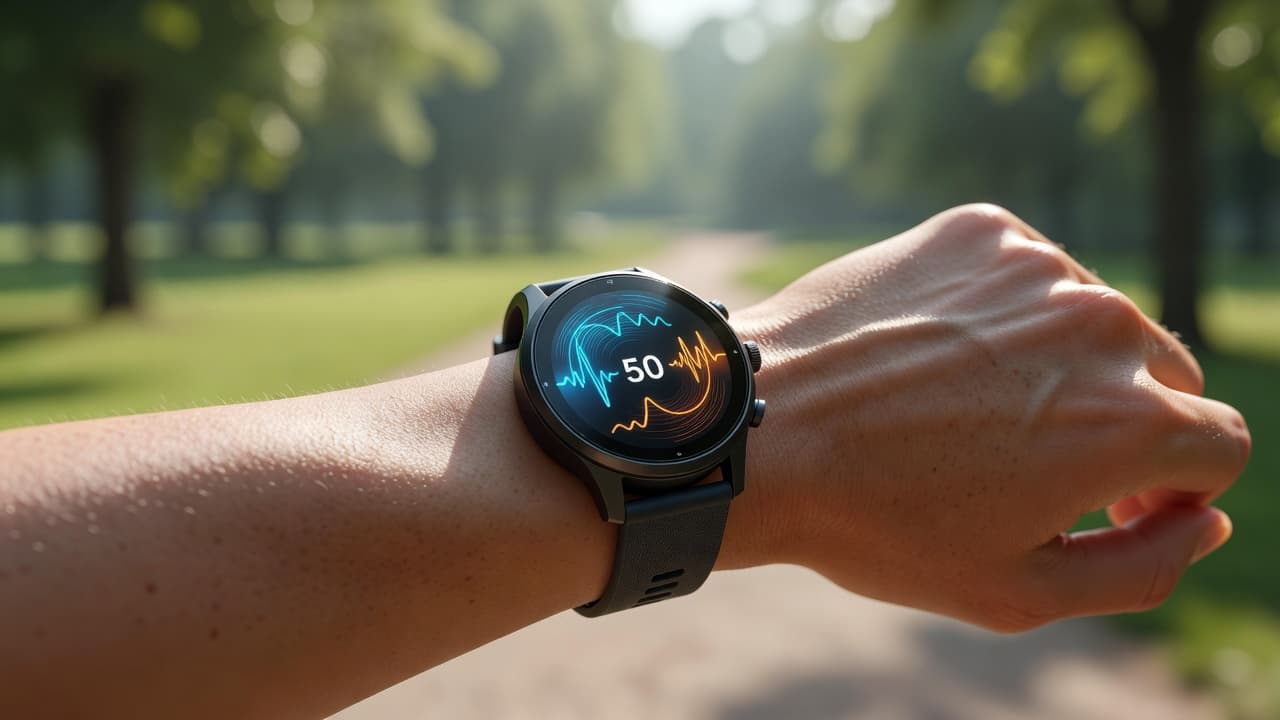
A running readiness score gives you a quick read on how prepared your body is for training today. It pulls together signs like sleep, recovery, recent load, and stress, then turns them into one number you can use before a workout.
That number works best as a snapshot. On its own, it can’t tell the full story, but it can point you toward the right kind of run, or warn you when your legs are still carrying yesterday’s work.
What the score is trying to predict
At its core, the running readiness score tries to predict one thing, how well you can handle training stress right now. A higher score usually suggests you recovered well and can take on more work. A lower score often means fatigue is still hanging around.
That matters because training is a balance. You want enough stress to improve, but not so much that you keep stacking tired days on tired days. The score tries to catch that tipping point before your body forces the issue.
Think of it as a pressure check on your system. It is looking for signs that your body can absorb another session without sinking too far into fatigue. If you want a deeper look at how hydration shapes that balance, this guide on endurance hydration connects the dots well.
The number matters most when it helps you avoid one bad decision after another.
Why different devices may show different scores
Not every running readiness score is built the same way. Brands use different formulas, sensors, and data inputs, so the same runner can see different numbers on different devices.
One watch may lean heavily on heart rate variability and sleep. Another may weigh recent workouts, rest time, and movement more heavily. Some also use skin temperature, respiration, or other recovery signals, which changes the result again.
That is why the exact number should never be treated like a universal truth. A Garmin score, for example, may line up with your fatigue on one day and feel off on another, while a different platform may read the same morning in a different way. The better move is to watch the pattern over time, not chase perfect agreement between devices. For more context, Garmin’s overview of training readiness shows how one brand frames the idea.
Why the score is useful, even if it is not perfect
The real value of a running readiness score is simple, it helps you notice trends before they turn into problems. If your number keeps dropping after hard weeks, that pattern can point to recovery debt, poor sleep, or too much load.
It also helps with daily choices. Maybe you shorten an easy run, keep a workout lighter, or move a hard session to tomorrow. Those small calls often matter more than one dramatic reading.
Used well, the score keeps you from overreacting. One low number does not mean your training is broken, and one high number does not mean you are invincible. It is a signal, not a verdict, and that makes it useful on both good days and rough ones.
A practical way to use it is to pair the number with how you feel during the first 10 minutes of movement:
- If your body feels loose and the score is high, a normal workout usually makes sense.
- If the score is low and your legs feel flat, easy mileage often fits better.
- If the number looks off but your body feels strong, adjust with caution instead of panic.
That blend of data and self-awareness gives you a better read than either one alone.
The main signals that affect your readiness score
A running readiness score changes for a reason. It rises when your body has recovered well, and it drops when fatigue, stress, or poor rest build up. The number is useful because it pulls several clues together, so you can see the shape of your day before you head out the door.
The score does not react to one thing alone. Instead, it reflects a mix of sleep, recent workouts, life stress, and body signals such as heart rate trends.
That is why a runner can feel “fine” and still show a low score, especially after a rough night or a hard training block. For a closer look at the bigger picture, how to monitor training readiness can help you connect the dots between stress and recovery.
Sleep quality and sleep length
Sleep is one of the strongest signals behind a running readiness score. Short sleep, broken sleep, or restless sleep can leave your body less ready for effort the next day. Even if you can get through the run, the cost often shows up later in the workout, or later in the week.
One bad night can matter more than runners expect. A single rough night can raise fatigue, slow reaction time, and make easy paces feel harder than they should. If that sleep loss stacks with a hard session or a busy week, the score often drops for good reason.
A low score after poor sleep is not random noise. It is your body asking for less stress.
Sleep quality matters as much as sleep length. You may spend enough time in bed, but if you wake often or sleep lightly, recovery still suffers. That is why a runner readiness score often tracks sleep so closely, and why one rough night can shift the next morning’s plan.
Recent training load and workout strain
Your recent training load has a direct effect on readiness. Hard runs, long runs, speed sessions, and hill work all create strain, and that strain does not vanish after a shower and a meal. Your legs may still carry the weight of yesterday’s effort when the next workout arrives.
Back-to-back training days can also lower the score, even when each session feels manageable on its own. The body needs time to repair muscle tissue, refill energy stores, and settle the nervous system. When those demands pile up, your readiness score often drops before your pace does.
This is where training data can help. Training readiness metrics give runners a clearer view of how workload affects recovery, especially after intervals or long runs. A lower score after a tough block does not mean you are losing fitness, it usually means your body is still paying for the work.
Recovery, stress, and lifestyle pressure
Readiness is not shaped by running alone. Work stress, travel, family demands, soreness, heat, and low hydration all affect how ready you feel and how ready your body is. A long workday with little movement can leave you flatter than an easy run.
Travel is a common culprit. Changes in sleep, time zones, meals, and routine can unsettle recovery fast. Heat does the same thing in another way, because your body works harder to keep cool, and that extra load can drag your score down the next morning.
Hydration matters here as well. Low fluid intake can make your heart work harder and leave you feeling drained sooner. For a helpful refresher on that piece, endurance hydration basics explain why fluids matter before, during, and after running. In plain terms, a tired body from life stress is still a tired body, even if the mileage was light.
Heart rate, heart rate variability, and resting trends
Heart rate data gives you clues, not a diagnosis. A higher resting heart rate, a lower-than-usual heart rate variability reading, or a trend that stays off for several days can show that your body is under strain. Those numbers help explain why a readiness score changes, but they do not tell the full medical story.
HRV, or heart rate variability, is about how your heart responds between beats. When the body is recovering well, that pattern often looks different than it does after hard training, poor sleep, or stress. A useful overview from research on heart rate variability in endurance training shows how morning and night readings can shift with training load.
The key is to watch the trend, not obsess over one reading. A single odd day can happen for many reasons, but a pattern across several mornings deserves more attention. If your resting numbers stay high and your HRV stays low, your running readiness score is probably telling you to ease up and give recovery more room.
These metrics are clues, not labels. They help you adjust training, they do not define your fitness.
When you look at the full picture, the pattern becomes easier to read. Poor sleep, hard workouts, life stress, and body signals all pull on the score at the same time. The more you notice those links, the better you can match the day’s run to what your body can actually handle.
How to use your readiness score in training without overthinking it
A running readiness score works best when it keeps you honest, not anxious. Use it like a headlamp on a dark trail, it helps you see the next step clearly, but it does not run the workout for you.
The goal is simple. Let the number shape the session, then move on. If you treat every reading like a puzzle, you waste energy before the run even starts.
When a high score can support a harder workout
A strong running readiness score can point you toward a harder day, especially if your plan already calls for quality work. Intervals, tempo runs, and long-run pickups often fit well when the number is high and your body feels awake.
That said, the score is a green light, not a command to hammer every rep. If your warm-up feels clunky, your stride feels heavy, or your breathing is off, adjust before the workout snowballs. A high number can support a hard session, but common sense still drives the pace.
For example, a runner with a strong score and steady legs might keep the planned tempo run. Another runner with the same score but a tight calf may switch to a shorter workout or move the session by a day. The number opens the door, yet your body tells you whether to walk through it.
Garmin’s training readiness guidance explains how sleep, stress, and strain feed into the score, which is why a good reading often lines up with quality work. Even so, the best call is usually the one that fits both the data and the day.
What to do when the score is low
A low score does not force you to skip training, but it does call for a lighter touch. Start by asking one question, what gets the most value with the least strain?
Often, the answer is one of these:
- Shorten the run if you still want movement but need less load.
- Slow the pace so the effort stays easy and controlled.
- Swap in easy running if the workout was meant to be moderate.
- Take a rest day when fatigue feels heavy or sleep was rough.
That kind of adjustment keeps training moving without pushing a tired body too far. A low reading after poor hydration can also point to a simple fix, so fluids matter more than many runners expect. This hydration guide for endurance runners is a useful reminder when the score looks off and your body feels flat.
A low score can be useful because it stops you from forcing a bad session. You still train, but you protect the bigger week instead of chasing one workout that was never going to go well.
Why your plan should still lead the way
Your readiness score should guide training, not replace the plan. If your schedule calls for a recovery run, do not turn it into a race just because the number looks good. If the plan calls for intervals, do not cancel them out of habit because the score dipped a little.
Coach advice matters here too. A training plan already accounts for load, recovery, and race goals across days and weeks, while the score only shows one morning. That means the number is helpful, but it does not hold the whole picture.
How you feel physically still matters just as much. Sore legs, poor coordination, low energy, or a restless warm-up can all change the right decision, even when the score looks promising. When the plan, the score, and your body line up, keep going. When they do not, choose the option that protects the next few workouts, not just today’s run.
For more context on the bigger recovery picture, daily training readiness explained can help you see how the score fits into the full training week.
A better way to read the number over time
A running readiness score makes more sense when you stop staring at one morning and start watching the pattern. The day-to-day bounce can be noisy, but the trend tells you far more about recovery, fatigue, and how your training is landing.
That shift matters because fitness rarely changes in a straight line. Some days the score dips for a simple reason, while longer drops can point to a stack of stress you need to address. The goal is to read the number like a weather map, not a single raindrop.
Look for trends, not one-day panic
A single low reading can happen for plenty of reasons. Poor sleep, a late meal, travel, heat, or a hard workout the day before can all pull the number down.
What matters more is what happens next. If your score rebounds the next day, you probably dealt with a short-lived stress spike. If it stays low for a week or more, your body may be asking for more recovery, less intensity, or a lighter week.
That is why it helps to think in blocks instead of snapshots. One reading is a frame. A week is a scene. A month tells the story.
A useful habit is to compare today with your own baseline, not someone else’s. If your normal range sits in the 70s and the score lives in the 50s for several days, that shift deserves attention. On the other hand, a one-day dip after a long run is often just part of the training cycle.
For a more structured way to track those shifts, how to track running progress can help you pair the score with the rest of your log.
One low score is a blip. Several low scores in a row are a message.
Compare the score with how you feel
The number works best when you cross-check it against real body signals. Your energy level, soreness, mood, and motivation often explain why the score looks the way it does.
Ask yourself a few plain questions before you run:
- Do your legs feel heavy or springy?
- Did you wake up rested or flat?
- Are you eager to train, or do you feel drained?
- Does the warm-up feel smooth, or does everything feel sticky?
Those answers matter because they show what the score cannot. A low number with good energy may still allow for an easy run or shortened workout. A high number with poor mood, deep soreness, or sluggish legs can call for a softer approach.
Hydration also changes how you feel, and that can affect the number too. If you want a simple refresher on how fluids shape recovery and effort, this hydration guide for endurance runners is a solid reference.
The best read comes from agreement between the data and your body. When both point in the same direction, the decision gets easier. When they clash, let the body have a voice.
Use the score around key training phases
The running readiness score becomes especially useful during heavy blocks, taper weeks, and race prep. Those are the stretches where small mistakes build fast, and where recovery can decide whether fitness shows up on race day.
During a hard training block, a steady drop can warn you that load is piling up faster than you can absorb it. That does not mean you panic. It means you may need more sleep, an easier recovery day, or a cutback before fatigue buries the quality work.
Taper weeks are different. In that phase, the score often starts to climb as fatigue clears. If the number rebounds and your legs feel sharper, that is a good sign that the work is soaking in.
Race prep is where the score can calm your nerves. It gives you a check on whether the final weeks are helping you freshen up or leaving you dull. If the score stays low right before a goal race, you still have time to adjust your sleep, food, fluids, and last workouts.
A tool built for this kind of pattern watching, like the Runner Readiness Suite, can help you spot fatigue before it spills into race week. The real win is simple, you stop guessing and start seeing how your training is settling into your body.
When you read the number across time, the picture gets clearer. You stop reacting to every dip, you start spotting real fatigue sooner, and you make better calls when training matters most.
Common mistakes runners make with readiness scores
A running readiness score can be a sharp tool, but it cuts both ways. If you read it wrong, it can push you into unnecessary caution or unnecessary strain. The score works best when you use it with context, then make a choice that fits the workout and the week.
Treating the score like a command instead of a clue
The biggest mistake is obeying the number without thinking. A readiness score can point you in the right direction, but it should never replace the purpose of the run. A low reading before an easy jog does not always mean you need to skip it, and a high one does not mean you should force a hard workout.
Training has context. A recovery run, a workout, and a long run do not carry the same load, so they should not get the same reaction from the score. If the day calls for light movement, a modest score may still fit. If the day calls for intervals and your warm-up feels flat, the number alone should not talk you into pushing through.
A better approach is to ask what the session is supposed to do. If the goal is aerobic work, a shorter or slower run may still hit the mark. If the goal is quality speed, you may want to wait until your body feels more responsive. That balance matters more than chasing the number itself.
For a clearer way to read those signals, how to interpret your training readiness score can help you match the data to the day.
Letting one bad reading ruin the whole week
Readiness scores move around. Sleep changes, stress changes, travel changes, and so does the number. One low reading can come from a late meal, a restless night, or a tough workout that still needs time to settle.
The problem starts when runners turn one reading into a story. They see a bad score and assume the week is off track. That kind of overreaction creates more stress than the score itself, and it can lead to panic decisions that make training worse, not better.
A single dip should make you curious, not alarmed. Did you sleep poorly? Did you miss a recovery meal? Did yesterday’s run leave your legs heavier than expected? Those answers matter far more than the number on its own.
One reading is only useful when you compare it with the next few days.
If the score drops once and rebounds, you probably saw normal fluctuation. If it stays low across several mornings, then you have a pattern worth respecting. That is when it makes sense to adjust the week, cut volume, or swap a hard run for easy mileage. A steady trend tells a much clearer story than a one-day blip.
Ignoring hydration, nutrition, and rest
Basic recovery habits can move a readiness score more than many runners expect. Poor sleep, a missed meal, or low fluid intake can leave you feeling flat before the run even starts. The body does not care if the workout looked simple on paper, it still needs fuel and water to handle stress.
Hydration matters here because even mild dehydration can make your effort feel harder. The same is true for nutrition. If you train on empty too often, your score may reflect that strain the next morning. A runner who skips dinner after a hard session often wakes up with less bounce in the legs and a lower reading to match.
Rest is just as important. You can stack workouts, errands, work stress, and short sleep for only so long before the score starts to show it. That is why easy days and proper meals are not extras, they are part of the training plan. For a useful refresher on that piece, this guide to endurance hydration shows why fluids matter before, during, and after running.
A few habits protect your score more than fancy gear ever will:
- Eat a real recovery meal after hard runs.
- Drink enough water through the day, not just at the start of a workout.
- Protect sleep on the nights that matter most.
- Keep easy days easy, so your body can absorb the work.
When those basics slip, the score often drops for a simple reason. Your body is asking for the support it needs before it takes on more stress.
Reading the number in isolation
Another common mistake is looking at the score without checking the rest of the picture. A readiness score means more when you compare it with how your legs feel, how hard yesterday was, and what the week already contains. Without that context, the number can send you in the wrong direction.
One easy way to avoid this is to look for agreement between the score and your body. If the score is low and you feel drained, an easy run makes sense. If the score is high but your warm-up feels clunky, that matters too. Your body should get a vote.
A simple check before you head out can keep you grounded:
- Look at the score.
- Notice how your body feels in the first few minutes.
- Compare both with the workout planned for the day.
That quick review stops you from making emotional decisions. It also keeps you from treating the score like a single truth when it is really one piece of a bigger pattern. The best runners use the number to sharpen judgment, not replace it.
Chasing perfection instead of consistency
Some runners want every score to look good before they train well. That mindset creates pressure fast. Fitness does not move in a neat line, and your readiness score will not stay high every day.
Consistency matters more than perfect readings. If you wait for ideal numbers all the time, you may end up missing useful training days. On the other hand, if you ignore a long stretch of low scores, you can drift into burnout. The middle path is smarter, because it respects both the data and the demands of training.
The goal is simple, keep the system honest. Use the score to make small adjustments, then keep moving. That might mean swapping a hard session for an easy one, cutting a few miles, or taking an extra rest day when your body clearly needs it. Small corrections often protect the next good week, which matters far more than one perfect workout.
Frequently asked questions about running readiness score
A running readiness score raises a lot of practical questions, especially when your training plan gets serious. The number can be helpful, but it also needs context. These common questions clear up how to use it without turning every morning into a test.
How often should I check my running readiness score?
Most runners check it once a day, usually in the morning. That gives you the cleanest snapshot of how your body recovered overnight, before the day adds extra noise.
Checking it too often can make you overreact to normal swings. One reading is enough if you also pay attention to sleep, soreness, and how you feel during your warm-up.
A daily habit works best when you use it the same way each time. Look at the score, compare it with your plan, then move on with a clear decision.
What is a good running readiness score?
A “good” score depends on your device and your own baseline. One runner may feel ready in the 60s, while another needs a number in the 80s to feel the same.
That is why the trend matters more than a fixed target. If your normal range sits around the mid-70s and you wake up at 82, that may be a strong day. If you usually sit near 85 and fall to 68, that drop may be worth respecting.
Use the score as a range, not a badge. The best number is the one that matches your body, your training load, and the workout you planned.
Should I skip a run if my score is low?
Not always. A low score often means you should reduce stress, but that does not always require a full rest day.
If the run is easy, you might shorten it or keep the pace relaxed. If the session is hard, moving it to another day may be the smarter choice. A tired body can still benefit from light movement, especially if the goal is recovery.
Pay attention to the full picture before you decide. Poor sleep, heavy legs, low energy, and a low score together usually call for a lighter session. If hydration is part of the problem, this guide to endurance hydration is worth a look before your next run.
Why does my score change so much from day to day?
Daily changes happen because recovery is not steady. Sleep shifts, training load changes, work stress builds, and hydration can swing from one day to the next.
Wearables also use different formulas. One device may weigh heart rate variability more heavily, while another may focus on sleep and recent strain. That means the same body can get different scores on different platforms.
The best way to read those swings is to watch for patterns. A single dip is common. A long stretch of low scores tells a clearer story, and that is when you should adjust training, rest more, or dial back intensity.
Can I trust a running readiness score for race day?
Yes, but only as one piece of the picture. Race week often brings strange sleep, nerves, and small routine changes, so the score can move around more than usual.
If the number is strong and your legs feel fresh, that usually supports confidence. If it looks low, the next step is not panic. Check your warm-up, your sleep, and how your body feels after a few minutes of easy movement.
Race day is where restraint matters. A readiness score can keep you from forcing a bad start, but your pacing plan and body cues still matter most. The goal is a smart race, not a perfect number.
Conclusion
A running readiness score gives you a clear starting point before you train, but it works best when you keep it in context. The number matters most when it helps you match the day with your plan, your legs, and your recovery, instead of pushing you into guesswork.
When the score is high, it can support a solid workout. When it drops, it can keep you honest about fatigue, sleep, and strain. The best runners use that feedback with calm judgment, not blind trust. If you want a deeper look at how the number connects to performance, how readiness scores affect running performance is a helpful next read.
Keep the basics steady too. Sleep well, fuel well, and stay on top of fluids, especially on hard training days. Endurance hydration matters more than many runners give it credit for, and it can shape how ready you feel before the first mile.
A running readiness score works best as a decision aid, not a boss. Use it well, and training feels clearer, steadier, and more under your control.