

Best Running Jacket Waterproof Women for 2026
Have you been looking for the best running jacket waterproof women? Heading out for a run when the weather looks iffy? It’s a common dilemma for runners. You want to get your miles in, but the thought of getting soaked is a real drag. Looking for the best running hydration vest women? Finding the right running jacket waterproof women’s models can be tricky.
You need something that keeps the rain out but doesn’t make you feel like you’re in a sauna. Plus, it should let you move freely. This guide will help you sort through the tech and features to find a jacket that works for you, so you can stay dry and comfortable, no matter what the sky decides to do.
Key Takeaways
- When looking for a running jacket waterproof women’s options, understand the difference between water-resistant and truly waterproof. Wondering what is the best running jacket for rain? Waterproof jackets offer better protection in heavy rain.
- Breathability is key. Look for jackets with permeable membranes and vents to let sweat vapor escape, preventing that clammy feeling.
- Features like adjustable hoods and cuffs, along with secure pockets, make a big difference in comfort and practicality during your run.
- Consider how the jacket fits and feels. It should allow for a full range of motion and be comfortable for layering over your running clothes.
- Don’t forget safety. Reflective details are important for visibility, especially if you run in low-light conditions.
Understanding Waterproof Running Jacket Technology
When you’re out for a run, especially when the weather’s not cooperating, the jacket you wear makes a huge difference. It’s not just about keeping the rain off; it’s about staying comfortable and dry from the inside out. Let’s break down what makes a running jacket truly waterproof and how that technology works.
Water-Resistant vs. Waterproof
It’s easy to get these two terms mixed up, but they mean very different things for your run. A water-resistant jacket might shrug off a light drizzle or some mist, thanks to a special coating on the fabric. Think of it like a quick spray of water on a car windshield – it beads up and rolls off. However, if you’re caught in a steady rain or a downpour, that protection won’t last long. These jackets are often lighter and more breathable, which is great for cool, breezy days.
Build Your Running Performance System
Move from research to action with training, recovery, nutrition, pacing, and performance tools built for runners.
More Guides for This Runner Goal
On the other hand, a waterproof jacket is built to withstand serious wetness. These jackets use specialized materials and construction techniques, like taped seams, to create a barrier against water. This means you’ll stay dry even when the heavens open up. While they offer superior protection, some older waterproof designs could feel a bit like wearing a plastic bag, leading to sweat buildup. Modern advancements, however, have changed that game.
The Role of Permeable Membranes
This is where things get really interesting. The magic behind many modern waterproof jackets lies in their permeable membranes. Imagine a fabric so finely woven that it has microscopic holes. These holes are too small for liquid water droplets (like rain) to pass through from the outside. But, they’re large enough for water vapor (like the sweat you produce while running) to escape from the inside. This is what we call breathability.
This two-way action is key: it keeps the external rain out while letting your internal moisture vapor escape. It’s a delicate balance that prevents you from getting soaked by sweat, which can be just as uncomfortable as rain.
Some jackets use a 2.5-layer construction, where the membrane is bonded to the outer fabric and has a protective pattern on the inside. Others use a 3-layer construction, which sandwiches the membrane between an inner and outer fabric layer. This 3-layer approach generally offers the most robust waterproofing and breathability, making it ideal for tough conditions. You can often find jackets with specific ratings for their waterproof and breathable qualities, helping you choose the right level of protection.
Advanced Fabric Construction
Beyond the membrane, the overall construction of a jacket plays a big part. Look for features like fully taped seams. This means that every single stitch line, where water could potentially sneak in, is covered with a waterproof tape. It’s a sign of a well-made, truly waterproof garment.
Other construction details include:
- Durable Water Repellent (DWR) finish: This is a coating applied to the outer fabric that helps water bead up and roll off, preventing the fabric from getting saturated. It’s the first line of defense.
- Zipper technology: High-quality, water-resistant zippers, like those with YKK AquaGuard® coatings, are used on pockets and main closures to prevent water from seeping through.
- Ventilation: Even the best waterproof jackets benefit from strategic vents, often under the arms or on the back, to help release heat and moisture during high-intensity efforts.
Understanding these technologies helps you pick a jacket that will keep you dry and comfortable, no matter the weather. For more on choosing the right gear, check out waterproof jacket options.
Key Features for Your Waterproof Running Jacket
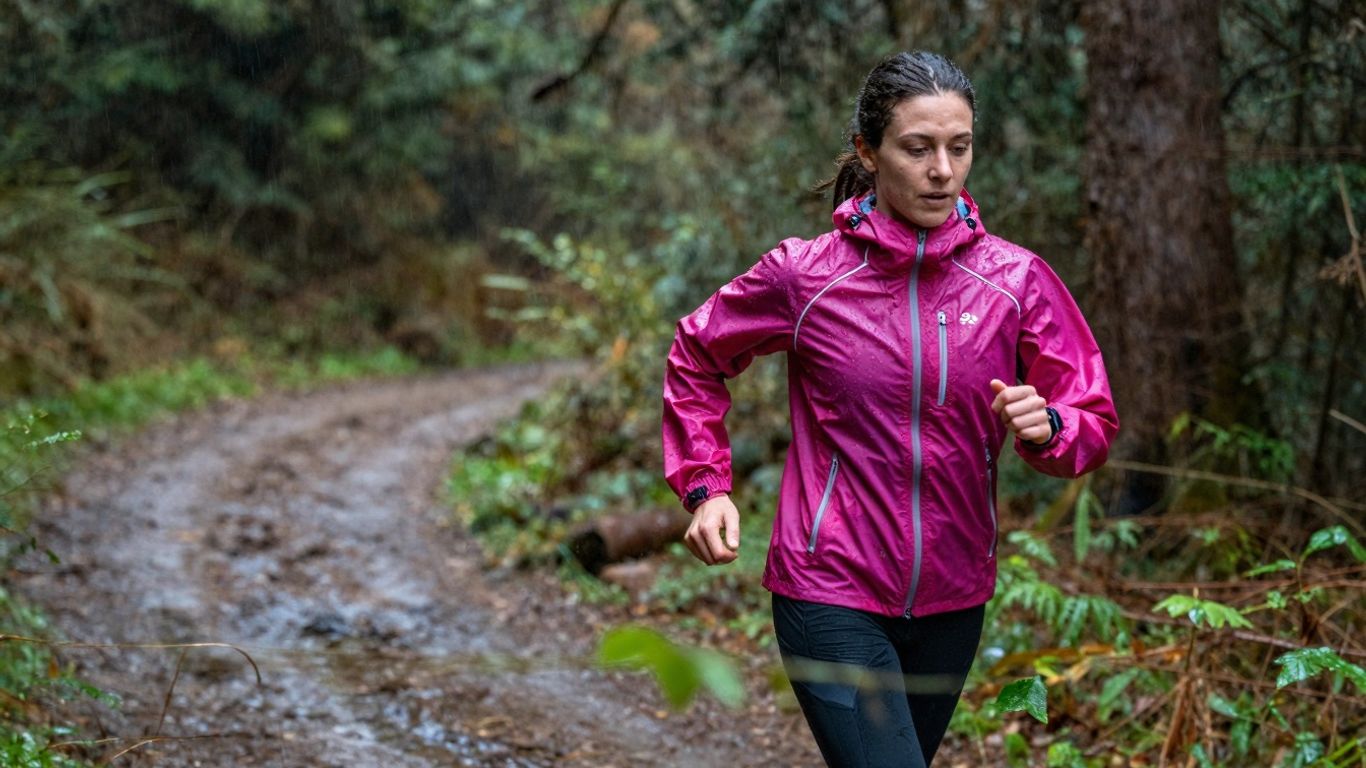
When you’re out for a run, especially when the weather’s not cooperating, a good jacket makes all the difference. It’s not just about keeping the rain off; it’s about staying comfortable and safe. Let’s break down what really matters in a waterproof running jacket.
Breathability and Ventilation
This is a big one. A jacket that’s completely sealed off might keep the rain out, but it’ll also trap your sweat inside, leaving you feeling clammy and overheated. Look for jackets with breathable fabrics, often featuring a permeable membrane. Some jackets even have mesh panels or small vents, usually under the arms or on the back, that let air circulate. This helps manage your temperature, so you don’t feel like you’re running in a plastic bag. It’s a balancing act: keeping water out while letting your body’s heat and moisture escape.
Adjustable Hoods and Cuffs
Having a hood that actually stays put is a game-changer. You want one that’s adjustable, so you can cinch it down when the wind picks up or rain starts coming at you sideways. A hood that’s too loose will just flap around and annoy you, or worse, let water drip down your neck. Similarly, adjustable cuffs are great for sealing out drafts and keeping the sleeves from riding up. Some jackets have thumbholes in the cuffs, which is a nice touch for extra hand warmth and coverage.
Secure and Accessible Pockets
Where do you put your keys, your phone, or that energy gel you might need later? Zippered pockets are a must for keeping your essentials safe and dry. You don’t want your phone or keys bouncing around or, worse, falling out. Look for pockets that are easy to access, even when you’re in motion.
Some jackets have chest pockets that are large enough for a phone, while others have smaller, internal pockets for valuables. It’s all about having a convenient spot for your necessities without disrupting your stride. A jacket with waterproof taped seams, like the Janji Rainrunner, adds an extra layer of protection for anything you store inside waterproof membrane.
Here’s a quick rundown of pocket types to consider:
- Zippered Hand Pockets: Good for general storage and keeping hands warm.
- Chest Pockets: Often larger, suitable for phones or navigation devices.
- Internal Pockets: Ideal for very small, valuable items like keys or an ID.
- Back Pockets: Less common, but can be useful for stashing a hat or gloves if you warm up.
Selecting the Ideal Running Jacket Waterproof Women
So, you’re on the hunt for that perfect waterproof running jacket. It’s not just about grabbing the first one you see, though. There are a few things to really think about to make sure you get a jacket that works for you, not against you, when you’re out there pounding the pavement or hitting the trails.
Assessing Weather Resistance Levels
First off, let’s talk about what “waterproof” actually means. You’ll see terms like water-resistant, water-repellent, and waterproof. They sound similar, but they’re pretty different. Water-resistant is like a light shower guard – it’ll handle a sprinkle but not a downpour.
Water-repellent means water beads up and rolls off, which is better, but still not full rain protection. Truly waterproof jackets have special membranes or coatings that stop water from getting in, period. For serious rain, you want waterproof. If you mostly run in light drizzle or just want protection from wind and a bit of moisture, water-repellent might be enough.
Here’s a quick breakdown:
- Water-Resistant: Good for light rain or wind. Think of it as a shield against a brief shower.
- Water-Repellent: Better than resistant. Water beads up and rolls off. Handles moderate rain for a while.
- Waterproof: The highest level of protection. Designed to keep you dry even in heavy, prolonged rain.
Prioritizing Lightweight Design
Nobody wants to feel like they’re running in a plastic bag, right? A good waterproof jacket should feel light on your shoulders. You’re already carrying your own body weight, after all. Look for jackets made from modern, thin fabrics. These materials can offer great protection without weighing you down, which is a big deal when you’re trying to maintain your pace. The best jackets feel like a second skin, not a burden.
Considering Packability for Convenience
Weather can change in a heartbeat, especially if you’re out for a longer run. That’s where packability comes in. You want a jacket that you can easily stuff into a small pouch, a pocket, or your running belt when the sun decides to show up. This way, you’re not stuck carrying a bulky jacket you don’t need. It’s all about being prepared without being weighed down.
Having a jacket that packs down small means you can always have it with you, just in case. It’s that peace of mind for unpredictable days.
Think about how small it folds. Some jackets can shrink down to the size of a fist, which is pretty amazing. Others might be a bit bulkier. If you’re a minimalist runner who carries only the essentials, a super-packable jacket is a must-have.
Performance and Comfort on the Run
Freedom of Movement
When you’re out for a run, the last thing you want is a jacket that feels stiff or restrictive. A good waterproof running jacket should feel like a second skin, allowing you to move naturally. We’re talking about being able to swing your arms freely, twist your torso without feeling pulled, and generally just forget you’re even wearing a jacket.
Fabrics with a bit of stretch, like those found in the Salomon Bonatti Cross Wind, make a big difference here. They let you focus on your stride and the trail ahead, not on fighting your gear. Some jackets are cut a little looser, which also helps with mobility, giving you that easy, unhindered feeling.
Moisture Management
Staying dry isn’t just about keeping the rain out; it’s also about letting your sweat escape. This is where breathability comes in. Even on a cool day, you can work up a serious sweat, and if that moisture can’t get out, you’ll end up feeling clammy and cold. Look for jackets that actively wick moisture away from your body. The best jackets manage this balance perfectly, keeping external water out while allowing internal vapor to escape. It’s a bit like magic, but it’s really just smart fabric technology at work.
Protection from the Elements
This is the main event, right? A waterproof jacket needs to shield you from wind and rain. But it’s not just about being a barrier. A jacket that flaps around excessively in the wind can be annoying and even slow you down. Similarly, a hood that constantly needs adjusting or falls over your eyes is a distraction. We like hoods that have a bit of structure, maybe a small brim, and cinch cords so you can get a snug fit that stays put, even when it’s gusty. It’s about feeling secure and protected, no matter what the weather decides to throw at you.
Visibility and Safety Features
Reflective Details for Low Light
When you’re out for a run before the sun comes up or after it’s gone down, being seen is just as important as staying dry. That’s where reflective details come in. Think of them as your personal spotlight, bouncing back light from car headlights or streetlamps so drivers can spot you from a distance. Many jackets now come with these built-in, often as strips or patterns on the sleeves, back, or chest. The more reflective surfaces you have, the better. It’s not just about looking cool; it’s about making sure you’re visible to others, especially on roads where traffic is a concern.
Enhanced Visibility on the Road
Beyond just reflective bits, some jackets go the extra mile with brighter colors or even full reflective materials. These aren’t just for nighttime, either. A bright jacket can make you more noticeable during gloomy, overcast days when visibility is generally poor. Some brands even use special fabrics that have a subtle sheen, catching light in ways that make you stand out. It’s a simple feature, but it makes a big difference in how safe you feel when running in less-than-ideal light conditions. Always check where the reflective elements are placed – you want them on the front, back, and sides if possible.
- Front and Back Coverage: Aim for reflectivity on both the front and back of the jacket.
- Sleeve Details: Reflective elements on the sleeves add visibility from the sides.
- Integrated Patterns: Some jackets have reflective patterns woven into the fabric for a more subtle look but still effective visibility.
Don’t rely solely on the jacket’s reflectivity. Consider adding a clip-on light or wearing a headlamp for extra peace of mind during those really dark runs. It’s always better to be overprepared when it comes to being seen.
Choosing the Right Fit and Style
Layering Considerations
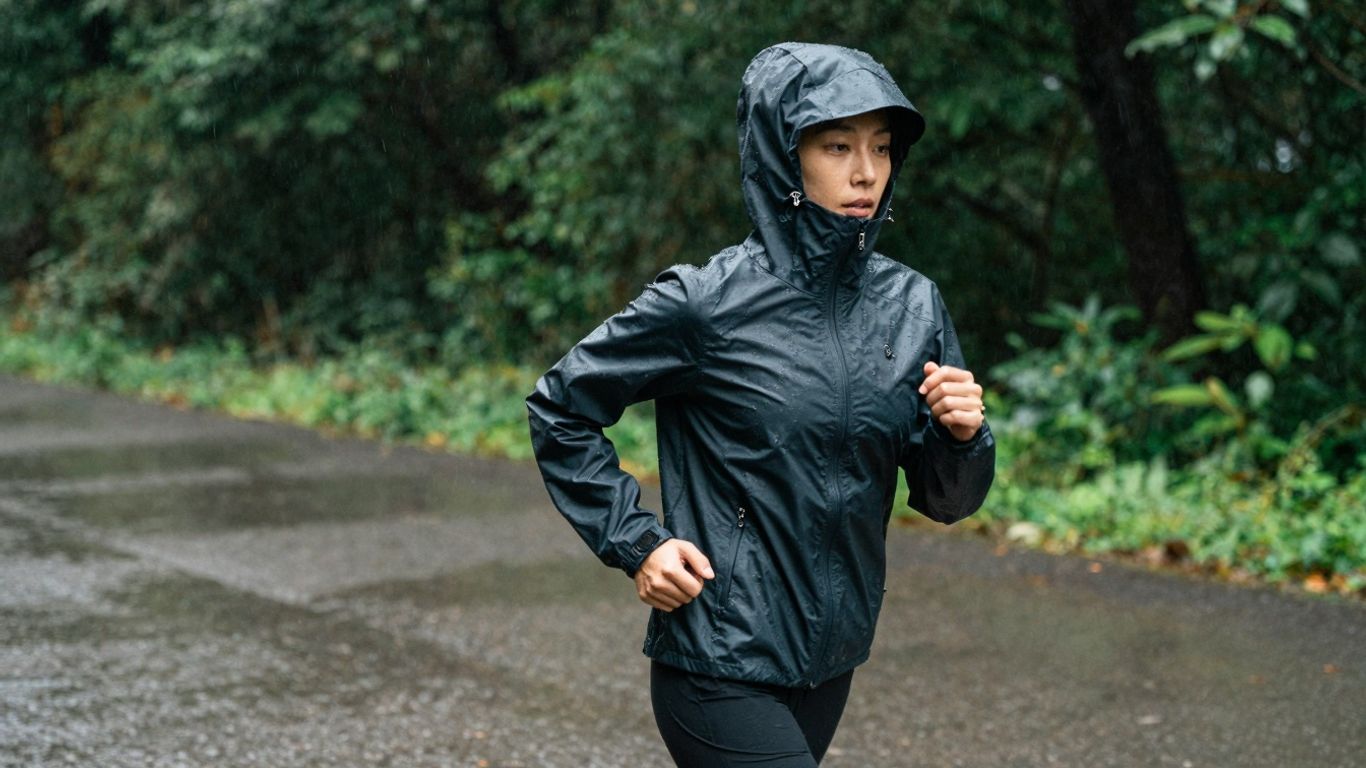
When you’re picking out a waterproof running jacket, think about what you’ll be wearing underneath. If you tend to run in cooler weather and like to layer up with a fleece or a thicker base layer, you’ll want a jacket with a bit more room. A slim-fit jacket might feel restrictive if you’re trying to squeeze in extra warmth. On the other hand, if you mostly run in milder conditions or prefer a more streamlined feel, a regular or athletic fit could be just right. It’s all about finding that sweet spot between freedom of movement and adequate space for your preferred layers.
Tailored Designs for Women
Many brands now offer running jackets specifically designed for a woman’s body shape. This means they often have a more contoured fit through the torso and shoulders, avoiding that boxy, “borrowed from the boys” look. These designs can offer a more comfortable and flattering silhouette, allowing for better mobility without feeling baggy. Look for jackets that mention a women’s specific cut or athletic fit, as these are usually a good bet for a comfortable and functional wear.
Finding Your Perfect Jacket
Ultimately, the best jacket is the one that feels right for you and your running routine. Consider these points:
- Activity Type: Are you hitting the trails, pounding the pavement, or doing track work? Trail runners might want a bit more coverage, while road runners might prefer something sleeker.
- Climate: Where do you typically run? A jacket that’s perfect for a damp, cool spring morning might be too much for a breezy summer evening.
- Personal Preference: Do you like a snug fit or something a bit looser? How important are pockets to you? These personal choices really matter.
Don’t underestimate the small details. Things like the stretchiness of the cuffs, the adjustability of the hood, and the placement of pockets can make a big difference in your overall comfort and convenience during a run. It’s worth taking the time to try a few on or read detailed reviews to get a feel for these features before you buy.
Keep Running, Rain or Shine
. Finding the right waterproof running jacket means you don’t have to let a little (or a lot of) rain stop you. We looked at jackets that keep the water out, let you breathe, and don’t feel like a plastic bag. Whether you need something super light to stuff in your pocket or a more robust shield for serious downpours, there’s a jacket out there for you. Getting the right gear just makes running in bad weather way more doable, and honestly, kind of fun. Don’t let the clouds win – get out there and enjoy your run, no matter what the sky is doing.
Frequently Asked Questions
What’s the difference between a water-resistant and a waterproof jacket?
Think of water-resistant like an umbrella for a light drizzle – it can handle a little bit of water for a short time. A waterproof jacket is like a full rain suit; it’s made to keep you totally dry even in heavy rain or storms.
How do waterproof jackets let air in so I don’t get too hot?
Many waterproof jackets use special materials called ‘membranes.’ These membranes have tiny holes that are too small for water drops to get through from the outside, but they’re big enough for sweat to escape as vapor from the inside. It’s like a one-way street for moisture!
What should I look for in a running jacket for bad weather?
You’ll want a jacket that’s truly waterproof, has a hood that fits well, and adjustable cuffs to keep water out. Good ventilation, like mesh panels or zippers, is also key so you don’t overheat from sweat.
Why is breathability important in a waterproof jacket?
Even though you want to stay dry from the rain, you also sweat when you run. A breathable jacket lets that sweat vapor escape, so you don’t end up feeling wet and sticky from the inside. It helps keep you more comfortable.
How important are reflective details on a running jacket?
Super important, especially if you run when it’s dark or cloudy! Reflective parts on the jacket help drivers and others see you easily, making your run much safer.
Should I buy a jacket that fits tightly or loosely?
It depends on how you like to layer. If you plan to wear a thick shirt underneath, you might want a slightly looser fit. Most running jackets are designed to let you move freely, so a comfortable fit that isn’t too tight or too baggy is usually best.


