
Trail Running Gear Essentials
Back to RunDreamAchieve Courses
The thrill of the trail is full of surprises, from rocky drops to muddy corners and steep climbs. The right gear makes those moments feel safer and a lot more fun. Here, we break down the essentials you’ll want for every outing and why they matter, under the umbrella of trail running gear essentials.
First up, your footwear. Lightweight cushioned shoes with solid grip are a 2026 must have for comfort and confidence on varied terrain. Look for models that balance protection with a responsive ride, so you can stay nimble on roots and rocks. If you’re shopping for waterproof options or testing for beginners, check out our guide to waterproof trail running shoes and beginner friendly picks to find a good starting point. 10 Essential Waterproof Trail Running Shoes Men
Layering your clothing is about staying ready for shifting weather without weighing you down. Pack a lightweight jacket that folds into a pocket and moisture wicking base layers to keep you dry as you heat up on climbs. Lightweight, packable options are especially popular in 2026 and often outperform older bulky layers when the rain starts or the wind picks up. For gear that fits your style and climate, our clothing guidance helps you sort through the options with ease.
Hydration and carrying options tie everything together. A well balanced vest or belt system keeps water, snacks, and an extra layer secure without bouncing. If you’re new to trail running, start with a simple setup and upgrade as you log miles. Our internal guide to popular hydration packs and trail belts highlights what to look for in fit, capacity, and accessibility.
Finally, safety and practical add ons round out the list. A reliable headlamp for dusk runs, a compact first aid kit, and gloves or lightweight protection can make the difference on rugged days. For lots of quick ideas and product comparisons, our trail running gear essentials resource points you toward trusted options that balance performance with value. For shoes that travelers and beginners love, see our beginner friendly trail shoe recommendations. Best Trail Running Shoes for Beginners
As you assemble your setup, remember that the best gear serves you, not the other way around. It should feel like a natural extension of your stride, helping you stay out longer and enjoy more miles on the trail.
Trail Running Gear Essentials: Shoes, Layers, Hydration and Safety (2026)
Choosing the right shoes is the single most powerful move you can make for trail running. They set the pace, cushion the impact, and grip the ground so you stay upright on rough and wet surfaces. In this section we spotlight the best options for grip and comfort across different terrains, so you can pick a pair that suits your miles, weather, and style. Below you’ll find three focused sub-sections that cover light, all-day comfort, and mud-ready grip.
Lightweight Heroes for Speedy Runs
When you’re chasing fast times on technical terrain, every gram counts. The top picks in this category blend a truly light feel with responsive cushioning and solid protection. Salomon S/Lab Pulsar 4 leads the pack as a best overall on technical terrain, delivering a featherweight profile that doesn’t skimp on stability. Weighing under 9-10 ounces in most sizes, the Pulsar 4 uses a layered EnergyFoam setup that feels like a glove on the foot—agile on climbs, confident on descents, and surprisingly protective for a race-oriented shoe.
Traction comes from Contagrip with well-spaced lugs that bite rocks, roots, and loose ground without packing mud into the outsole. Testers consistently note the balance between a snug lock-in fit and a surprisingly forgiving ride; one tester described the experience as “feels like an extension of your foot,” a reliable signal that precision and comfort can coexist at speed.
On the broader performance spectrum, the Brooks Cascadia line offers a more versatile fast-pace alternative for technical days. The Cascadia 19 in particular remains a robust option for longer technical outings, with a midsole that blends protection and energy return while preserving a predictable ride. For readers who want a current-gen option that travels well across mixed terrain, Cascadia 19 sits as a strong all-rounder at a reasonable price, making it a favorite for tempo sections and mixed terrain workouts. If you want to compare the Cascadia’s lineage, you can explore the Brooks Cascadia 16 page for context and ongoing updates on stability tech and grip. Brooks Cascadia 16 trail shoe highlights
Tester feedback across these two families highlights a clear pattern: a light, race-focused shoe like the Pulsar 4 thrives on technical routes where ground feel matters, while a rugged all-terrain trainer like the Cascadia family shines on longer runs with undulating surfaces. If you often run on granite ledges, scree, and damp forest floors, aim for models that keep your forefoot protected without sacrificing that nimble feel. The Pulsar 4 and Cascadia 19 both exemplify that balance, giving you confidence to push hard without your feet turning to mush after mile 20.
Key takeaways
- Light weight (roughly 8.9-9.5 oz for typical men’s sizes) boosts efficiency on long distances.
- A stable, low-to-mid stack with a responsive midsole supports fast miles without compromising protection.
- Traction is mission-critical; look for grippy Contagrip-style outsoles and lug patterns that shed mud rather than trap it.
Cushioned Picks for All-Day Comfort
For long days on the trail, cushion matters as much as grip. You want a shoe that absorbs sharp rocks, softens rocky descents, and still feels lively through the miles. The New Balance Fresh Foam X Hierro V9 offers a balanced, all-day ride. It cushions well without making you feel like you’re walking on a mattress; testers often note that Hierro’s midsole foam provides a confident wall of support that remains responsive as you heat up on climbs. The Hierro line has historically prioritized durability and protection, with a rugged outsole pattern that bites into mixed surfaces and keeps you feeling stable on uneven ground.
Another strong option in this category is the Hoka Mafate X, which many runners describe as “cloud-like” underfoot. It excels on longer outings where you want a plush, forgiving ride yet still need reliable footing on roots and rocks. The Mafate X trades some weight for a softer landing that can help blunt fatigue on multi-hour efforts, making it a favorite for ultras and high-mileage days.
Balancing cushion with ground feel is essential. The best cushioned picks still give you a sense of the trail so you can react to quick changes in terrain, but they provide enough underfoot comfort to extend those steep climbs and long descents. The Hierro and Mafate X sit on opposite ends of the customization spectrum—Hierro leaning toward a steadier, cushioned daily trainer vibe, Mafate X toward a cloud-like ride for long distances. If you’re choosing between these two, ask yourself: do I want a softer, more forgiving feel on longer runs, or a slightly firmer, more stable platform that still cushions well on rough terrain?
Practical advice
- Try on with socks you actually wear on runs; even small differences in fit can change comfort after 2 hours on the trail.
- If you value stability on technical descents, prioritize a shoe with a broader base and a rock plate’s protection, even if it adds a touch more weight.
- For winter or icy conditions, consider a model with a solid snow-trraction setup like added lugs or a winterized outsole.
Internal link note: for a deeper dive into Cascadia’s evolution and fit specifics, explore the Brooks Cascadia 16 page to compare stability tech, fit, and on-trail feel across generations.
Grip Masters for Mud and Rocks
Mud and rock demand traction that goes beyond tread patterns. The Salomon Speedcross 6 continues the mud king tradition with an aggressive lug design that clears mud quickly while maintaining reliable grip in wet, loose ground. The deeper, multidirectional lugs combined with Contagrip rubber deliver confident footing on slick surfaces, making it a top choice when you know conditions will be wet or muddy.
Saucony Peregrine 15 is a strong option for runners who want stable grip with a lighter touch. It typically balances responsiveness with strong traction through a lug pattern that remains dependable across a range of off-road surfaces. For budget-conscious buyers who still need solid grip, the Brooks Divide 5 offers a saucy mix of traction and value. It’s not as aggressive as the top mud kings, but it provides steady footing on slippery trails and rough gravel without breaking the bank.
Budget-conscious and beginner-friendly options matter too. The Brooks Divide 5 serves as a practical entry point into serious trail grip, delivering consistent traction on a variety of surfaces while keeping the price accessible. If you’re just starting out and want a reliable grip without a large investment, this is a sensible pick to test on your favorite muddy loops.
Takeaways for grip focused days
- For pure mud and frequent streaming sections, favor a shoe with deep, aggressive lugs and a mud-shedding sole like the Speedcross lineage.
- For mixed conditions with occasional mud, Peregrine 15 offers steady grip with a lighter, more adaptable feel.
- If budget is a priority, Divide 5 provides dependable traction without a premium price tag.
Internal link note: for a broader look at mud-focused options, you can explore internal reviews such as the Salomon Speedcross 5 and Speedcross 4 pages to see how lugs and outsole compounds have evolved, and how testers weighed grip versus weight.
In summary, the best trail running shoes for you hinge on your typical terrain and your goals. If you chase speed on technical ground, lean toward a lightweight racer with confident traction. If you log long miles, a cushioned ride that still preserves ground feel will keep you comfortable from start to finish. And for the days you know will be muddy or rocky, go with a grip master you can trust to keep you upright. The right pair makes every trail feel a little safer, a little more exciting, and a lot more enjoyable.
Layer Up with Moisture-Wicking Clothing That Stays Dry
Trail running demands gear that pulls sweat away from your skin while letting heat escape so you stay comfortable from warm sun to sudden switchbacks. The goal is simple: dry, breathable layers that adapt to changing conditions without weighing you down. Think fast-drying fabrics, smart layering, and pieces that blend performance with comfort.
Fabrics that keep you dry and odor-free
For 2026, the emphasis is on lightweight, breathable fabrics that wick moisture quickly and stay fresh on long days. Merino wool blends offer warmth when damp and natural odor control, making them a versatile choice for cool mornings and post-sun runs. Synthetics like Polartec Power Dry or Phasic LT polyester excel at moving sweat away and drying fast, often using recycled materials and odor-reducing treatments. Polyester blends provide sun protection and are ideal for hot, humid days, but choose lighter weights for speed-focused outings.
- Merino base layers for cool to mild days, layered under lighter tops when it’s hot.
- Synthetic wicks for layering pieces that work across a wide temperature range.
- Odor control treatments in tights and tops keep gear feeling fresh run after run.
Essential pieces that form a versatile kit
A streamlined setup helps you adjust on the fly without fumbling for layers. Start with a moisture-wicking base layer that sits directly on your skin. Add a breathable mid-layer for insulation, and top with a lightweight, water-repellent shell for wind and rain. For heads and hands, choose a packable hat and gloves that work in a wide range of temps.
- Shirts: choose tops with mesh vents and flat seams to minimize chafing.
- Shorts or tights: look for quick-dry fabrics and a secure waistband that won’t ride up.
- Base layers: merino or synthetic midweights that layer well under demand-driven outerwear.
- Hats and gloves: packable options that protect you in changing conditions.
Ready-to-wear options you can trust include a long sleeve running top and a lightweight hoodie, both designed to wick and dry quickly. See examples like the Ladies Long Sleeve Running Top for female runners and the Run Hoodie for cool or transitional days. These pieces are built to layer smoothly with minimal bulk and maximum comfort. Explore these options here: Ladies Long Sleeve Running Top, Run Hoodie Benefits and Perks – RunDreamAchieve.
Layering strategy for hot and cold runs
Smart layering keeps you dry whether you’re chasing shade on a sunny climb or nesting in a sheltered spot after a downpour. In hot weather, wear a single moisture-wicking top with breathable panels and light shorts. When the air cools, add a breathable fleece or a light shell, then shed layers as you warm up. For wet days, a water-resistant outer layer helps you stay dry without trapping sweat inside.
- Hot days: one moisture-wicking layer, light colors, sun protection.
- Cold days: base layer + light mid-layer + wind shell; vent as you heat up.
- Transitions: remove outer layers first, then mid-layer, keeping a compact pack or belt within reach.
Quick care for peak performance
To maintain drying power, wash fabrics with products designed for technical gear and avoid fabric softeners, which can reduce wicking. Drying speeds benefit from air flow and a little breeze, so avoid cramming items into tight spaces after a soggy run. With the right fabrics and layering mindset, your trail gear stays comfortable mile after mile, outlasting your fatigue and keeping you dry when the miles get muddy.
Carry Water and Snacks Easily with Top Hydration Packs
On long days on the trail, hydration and quick access to nutrition can make or break your rhythm. The right hydration pack or vest should feel like a natural extension of your body, distributing weight evenly so you move with confidence. This section breaks down practical choices, what to look for, and how to pair hydration with snacks for smooth, uninterrupted miles.
Lightweight, fast-access options for quick outings
If you’re chasing speed and lightness, you want a pack that hugs your torso and minimizes bounce. Look for profiles around 5 to 8 liters of capacity, with soft flasks or a compact bladder and strategically placed pockets. A compact vest like the 12-liter designs balances enough water with room for a couple of gels or energy chews, while keeping movement unrestricted. For those new to packs, start with a minimalist model and upgrade as you log miles. For model ideas and real-world fit notes, see our evolving gear discussions on hydration packs.
When choosing water carrying methods, soft flasks in elastic pockets let you squeeze accessibly without stopping. A vest that keeps the water close to your center of gravity helps you stay balanced on rough terrain. If you want a quick reference to 2026 favorites, our realtime pack insights highlight hands-free systems and well-fitting designs that sit comfortably on the shoulders and chest.
All-day endurance packs that handle longer runs
For ultramarathons or back-to-back long efforts, you’ll want more storage without heavy bulk. A 10–12 liter vest paired with a 1.5–2 liter bladder strikes a practical balance. Look for packs with breathable back panels, accessible front pockets for snacks, and pole attachments if you use trekking poles on steep sections. In addition to water, dedicate space for nutrition pouches, electrolyte chews, and a lightweight shell layer. These features help you maintain energy and pace without constant pit stops.
Brands are leaning toward lighter, more ergonomic silhouettes, while preserving room for essentials. Nutrition placement matters; keep gels or chews in front pockets within easy reach so you don’t interrupt cadence. For reference on current top models, our ongoing pack reviews capture how outfits like these perform in a variety of conditions.
Practical safety and setup tips
- Distribute weight evenly and secure the chest strap to reduce bounce on technical trails.
- Use front pockets for snacks and a small map or phone, keeping core items within easy reach.
- Pair hydration with electrolyte capsules or powders to optimize absorption on hot days.
- Consider reflective details for early morning or dusk runs, and verify that hoses or soft flasks are secured to avoid snags.
Internal links for deeper gear exploration:
- Hydro Flask limited edition bottle review: https://rundreamachieve.com/hydro-flask-limited-edition/
- Ladies Long Sleeve Running Top: https://rundreamachieve.com/ladies-long-sleeve-running-top/
- Run Hoodie: https://rundreamachieve.com/run-hoodie/
Pack Safety Must-Haves to Run Without Worry
When you slip on your trail shoes and hit the singletrack, safety gear should feel like a natural part of the kit, not an afterthought. These essentials help you handle mishaps, find your bearings, and keep you going even when conditions get tougher than expected. Here’s a compact guide to the must-haves that make remote days safer and more enjoyable.
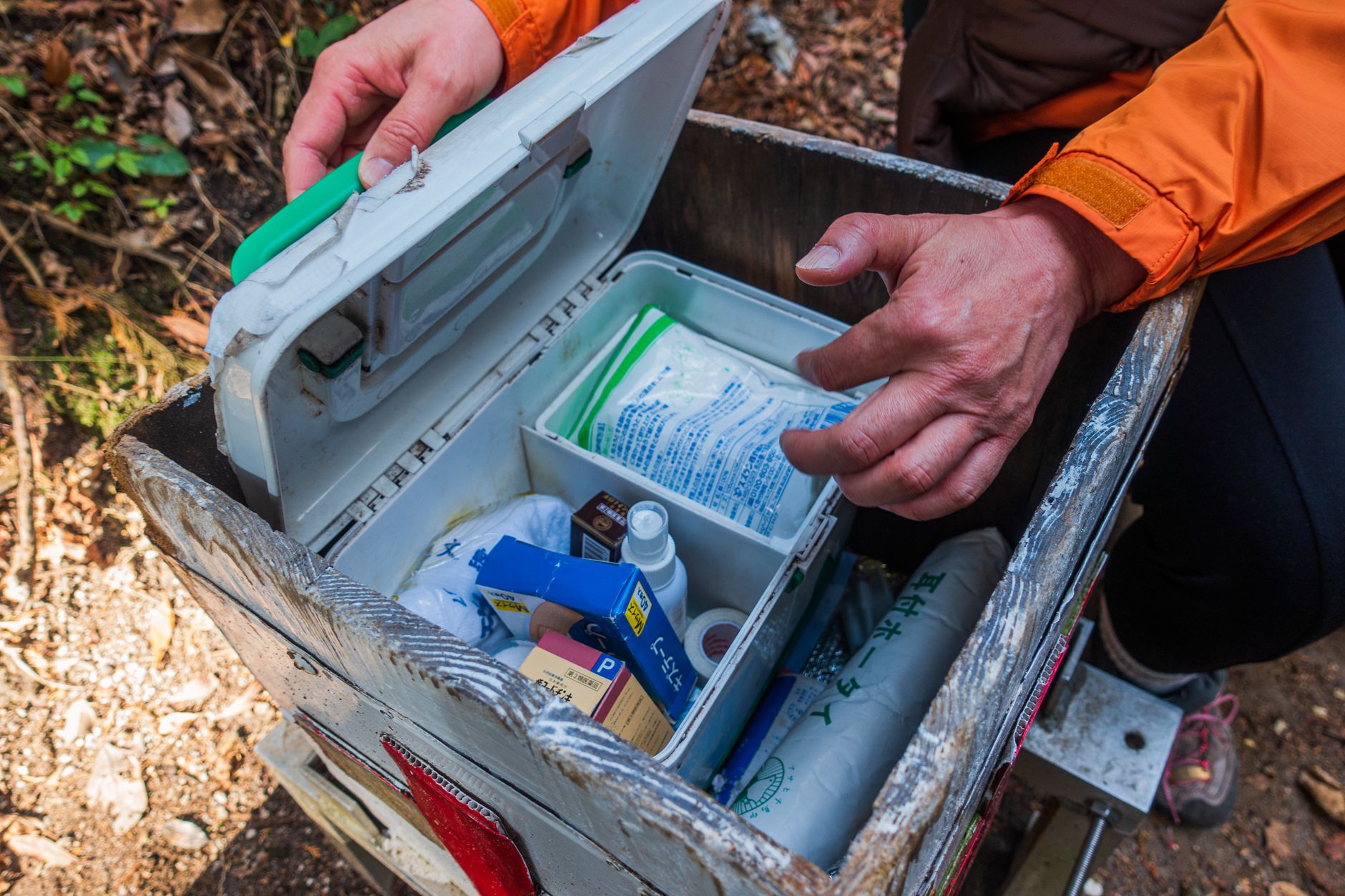 Photo by Jan Bouken
Whistle and signaling devices
A loud whistle is essential if you need to attract attention without shouting. It should be easy to reach and distinct from other gear sounds. Some packs include a built-in whistle; if not, attach a small, high-pitched whistle to your strap. In emergencies, signaling can be quicker than a shout and easier for nearby hikers or split-second responders to hear.
First aid kit that travels light
Carry a compact, waterproof kit with basics: adhesive bandages, antiseptic wipes, blister care, and a small amount of pain relief. Keep it in an easily accessible pocket or compartment so you can grab it without digging. Regularly refresh contents after long trips and re-stock when you return home.
Headlamp for dusk and night runs
A bright, reliable headlamp is non-negotiable for low light or changing weather. Look for models with a solid beam, long battery life, and a safety red night mode to keep wildlife disruption low. Be sure to pack spare batteries or a USB rechargeable option.
Phone with GPS and a backup navigation plan
Your phone is a crucial safety tool for maps, location sharing, and calling for help if needed. Keep it in a waterproof case and fully charged. Pair it with a GPS watch as a backup for offline tracking and heart rate data.
Emergency blanket and multi-tool
An ultra-light emergency blanket reflects body heat and can help prevent hypothermia if you’re stranded. A compact multi-tool covers gear fixes, small cuts, and quick repairs on the trail. Both items are small but mighty when you need quick shelter or a field repair.
Hydration and a compact kit in one
Distribute these items in a hydration vest or belt so your hands stay free. A small, organized system helps you access snacks, a map, and a compact first aid kit without breaking your rhythm.
Internal links to explore further:
- Best-trail-safety accessories and gear overviews to match your pack setup.
- Ladies Long Sleeve Running Top for layering compatibility with safety gear.
- Run Hoodie for fast-drying, packable outer layers that keep you comfortable on long days.
Match Your Gear to Your Trail Type and Budget
Your gear should feel like a natural extension of your feet and your miles, not a weight you push through. This section breaks down how to pick gear that matches the terrain you live for, the distance you chase, and the budget you’re comfortable with. The goal is to help you walk away with confidence each time you tie your laces.
 Photo by Tường Chopper
Terrain first: muddy, dry, or rocky days
Terrain should drive shoe selection first. If you run mostly in mud, look for deep, aggressive lugs and a sole that sheds mud easily. For dry, dusty trails, comfort and grip matter more than extreme lug depth. On rocky, technical terrain, protection and stability win. A lightweight racer with solid grip can feel fast on slick roots, but you still want enough cushion to protect your feet over hour after hour. If you’re unsure where most of your miles land, a versatile all-terrain model is a smart starting point, then you can add specialized pairs as your priorities sharpen. Budget tip: start with a reliable, supportive model and add a dedicated mud or rock-focused shoe later. For quick reads on specific models, see our reviews of budget-friendly and rugged options such as Asics Gel Venture 6 or La Sportiva Jackal to understand how different outsole patterns behave on mixed surfaces. (Internal reference: Asics Gel Venture 6 trail shoe review, La Sportiva Jackal trail running shoe review)
Distance and weather dictate your system
Short daily runs demand lightweight, minimalist setups that you can slip on and go. Long weekend adventures or ultras require packs that distribute weight evenly, with easy access to snacks and a spare layer. Weather adds another layer of decision making: a light shell and a breathable mid-layer can cover you from a sudden squall, while a heavy pack with extra water and nutrition is essential for backcountry days. When you’re choosing, think about the longest outing you foresee this season and scale up gradually. If you’re unsure where to start, take cues from our hot weather and cold weather guides to balance breathability with protection. For deeper dives into hot weather shoe design, see our Best Shoes for Hot Weather Running guide.
Budget smart choices: layering up without breaking the bank
A smart budget approach starts with the basics you’ll wear on every run: trail shoes, a moisture-wicking base layer, and a light shell. From there, build gradually. Focus on shoe quality first because it has the biggest impact on comfort, safety, and injury prevention. Next, add a packable layer and a dependable headlamp. If you’re on a tight budget, consider a single multi-purpose piece, like a breathable shell that can act as wind protection and light rain cover. You can find solid, affordable options in our budget-friendly shoe and gear roundups, including practical picks like budget trail shoes and value packs for hydration. For further context on value buys and model-specific recommendations, explore our reviews on beginner-friendly trail shoes and hot-weather performance pairs. (Internal reference: Best Trail Running Shoes for Beginners, Best Shoes for Hot Weather Running)
Takeaways for match and money
- Start with the right shoe for your dominant terrain to maximize grip and protection.
- Pick a versatile pack system that scales with miles and seasons.
- Invest gradually: shoes first, then layers, then safety and hydration gear as needed.
Conclusion
Trail running gear essentials start with shoes that grip, protect, and respond to the ground under you. Choose a model that matches your typical terrain and miles, because the right shoe sets the pace and keeps you stable through roots, rocks, and mud. For a quick reference on standout options, consider the Salomon Speedcross family and La Sportiva Jackal as reliable all-around and mountain-focused choices. La Sportiva Jackal Trail Running Shoe Review and you can also explore related footwear insights here: Salomon Speedcross 5 GTX waterproof trail shoe review.
Clothing follows a simple rule: layer light, dry quickly, and stay adaptable. A breathable base layer, a light mid-layer, and a compact shell keep you comfortable across changing conditions. Don’t overlook sun and wind protection, or the right socks to prevent blisters. When you’re ready to upgrade, our clothing guides point you toward practical, proven pieces that work in real-world trails. For layering ideas, check the Run Hoodie page and the Ladies Long Sleeve Running Top for feminine-fit options you can pair with safety gear and packs. Run Hoodie | Ladies Long Sleeve Running Top
Hydration and safety go hand in hand. A compact pack or belt keeps water, gels, and a light layer within easy reach, while a headlamp, basic first aid, and signaling tools keep you prepared for the unexpected. Start with a simple setup and add on as you log miles. If you’re unsure where to begin, fit and budget should drive your choices first, then expand as your runs grow longer.
Back to Running Essentials and Gear
