

Best Road Running Shoes for Women
Finding the right pair of road running shoes for women can feel like a quest, especially with so many options out there. It’s not just about looks; it’s about comfort, support, and how the shoe feels on your foot mile after mile. Whether you’re a seasoned marathoner or just starting out, the right shoes make a huge difference. We’ve checked out some top contenders for 2025 to help you find that perfect fit, focusing on what really matters for women’s feet.
Road Running Shoes for Women Post Takeaways
- The Asics Novablast 5 offers a responsive and energetic ride, great for daily training and longer runs.
- For maximum cushioning and comfort on long distances, the Hoka Bondi 9 is a solid choice.
- The Brooks Glycerin Max provides a plush feel with plenty of foam for a comfortable experience.
- The Saucony Endorphin Elite 2 is designed for speed and racing, offering a lighter feel.
- Under Armour Sonic 7 is a good option for value, providing a reliable performance for everyday runs.
1. Asics Novablast 5
The Asics Novablast 5 is a shoe that really surprised me. It’s become a go-to for my daily runs, and honestly, it feels pretty good on my feet. The upper is made of this engineered jacquard mesh, which sounds fancy, but it basically means it’s super breathable. I haven’t had any issues with my feet getting too hot, even on warmer days. The tongue is designed to stay put, which is a nice touch to avoid any rubbing.
What really makes this shoe stand out is the cushioning. Asics calls it FF Blast Max, and it gives a really energetic ride without feeling too soft or mushy. It’s like there’s a little bit of bounce with every step, which makes longer runs feel a bit easier. The outsole is inspired by trampolines, which sounds a bit wild, but it does give you a nice responsive feel. Plus, they added some reflective bits, which is great for those early morning or late evening runs when visibility is low. This shoe strikes a great balance between comfort and responsiveness, making it a solid choice for everyday training.
I’ve put a good number of miles on these, and they’ve held up well. They feel comfortable for a variety of runs, from short jogs to longer efforts. If you’re looking for a shoe that feels lively and supportive, the Novablast 5 is definitely worth checking out. It’s a shoe that makes you actually look forward to getting out there for a run. You can find more details about its comfort for long periods of standing or running.
Build Your Complete Race-Day Setup
The right shoe helps, but faster racing comes from better training, pacing, recovery, fueling, and execution.
More Guides for This Shoe
2. Hoka Bondi 9
The Hoka Bondi 9 is a shoe that really leans into its reputation for serious cushioning. If you’re someone who prioritizes a plush, comfortable ride above all else, this one’s definitely worth a look. It feels like you’re running on clouds, which is pretty neat, especially on those longer runs or when you’re just out for a walk and want to give your feet a break.
It’s got this new foam in the midsole that feels really fresh and soft underfoot. Plus, the upper part of the shoe, with its 3D-molded collar and knit material, gives you a nice, secure hug without being too tight. They even put this tough rubber on the parts that usually wear out fast, which is smart.
Here’s a quick look at what it offers:
- Maximum Cushioning: Perfect for absorbing impact.
- Plush Ride: Makes long distances feel easier.
- Durable Outsole: Built to last on the road.
- Comfortable Upper: Provides a secure and cozy fit.
While it’s built for comfort, some runners might find it a bit too soft if they’re looking for a shoe with more responsiveness or a firmer feel. It’s definitely more of a cruiser than a speedster, but that’s exactly what many people want.
Honestly, it’s a solid choice for everyday miles and just general walking around. It feels good right out of the box, and you don’t have to worry about breaking it in. It’s a shoe that just works for a lot of people, day in and day out.
3. Brooks Glycerin Max
The Brooks Glycerin Max is a shoe that really aims to give you a plush ride without feeling like you’re running on marshmallows. It uses a dual-density DNA Tuned foam, which is pretty neat. The idea is that the bigger foam cells in the heel give you a soft landing, and then the smaller ones up front help you push off. It’s designed for road running, and if you’re someone who likes a lot of cushioning, this could be a good fit. They even use some recycled materials in the upper, which is a nice touch.
This shoe is built for those long runs where comfort is king. It aims to provide a smooth transition from your heel to your toe, making each step feel a bit easier. Some runners find that the combination of cushioning and responsiveness works well for them, especially if they tend to land hard on their feet. It’s a shoe that tries to balance that soft feel with a bit of energy return, so you don’t feel totally dead after a few miles.
Here’s a quick look at some specs:
- Best For: Long runs, maximizing mileage
- Support: Neutral to supportive
- Cushioning: Maximum
- Drop: 6mm
- Weight: 9.5 oz.
While the Glycerin Max is designed for comfort, some runners have noted a distinct smell when first unboxing the shoe. This usually fades with time, but it’s something to be aware of if you’re sensitive to odors. Just give them some air before your first run.
It’s interesting how different shoes feel to different people. Some testers have reported that the Glycerin Max provides a really comfortable experience, with no aches or blisters, even after logging a lot of miles. The design seems to help some runners feel like they’re getting a little extra push with each stride. If you’re looking for a shoe that feels good mile after mile, the Brooks Glycerin Max is definitely worth checking out for your next long run.
4. Saucony Endorphin Elite 2
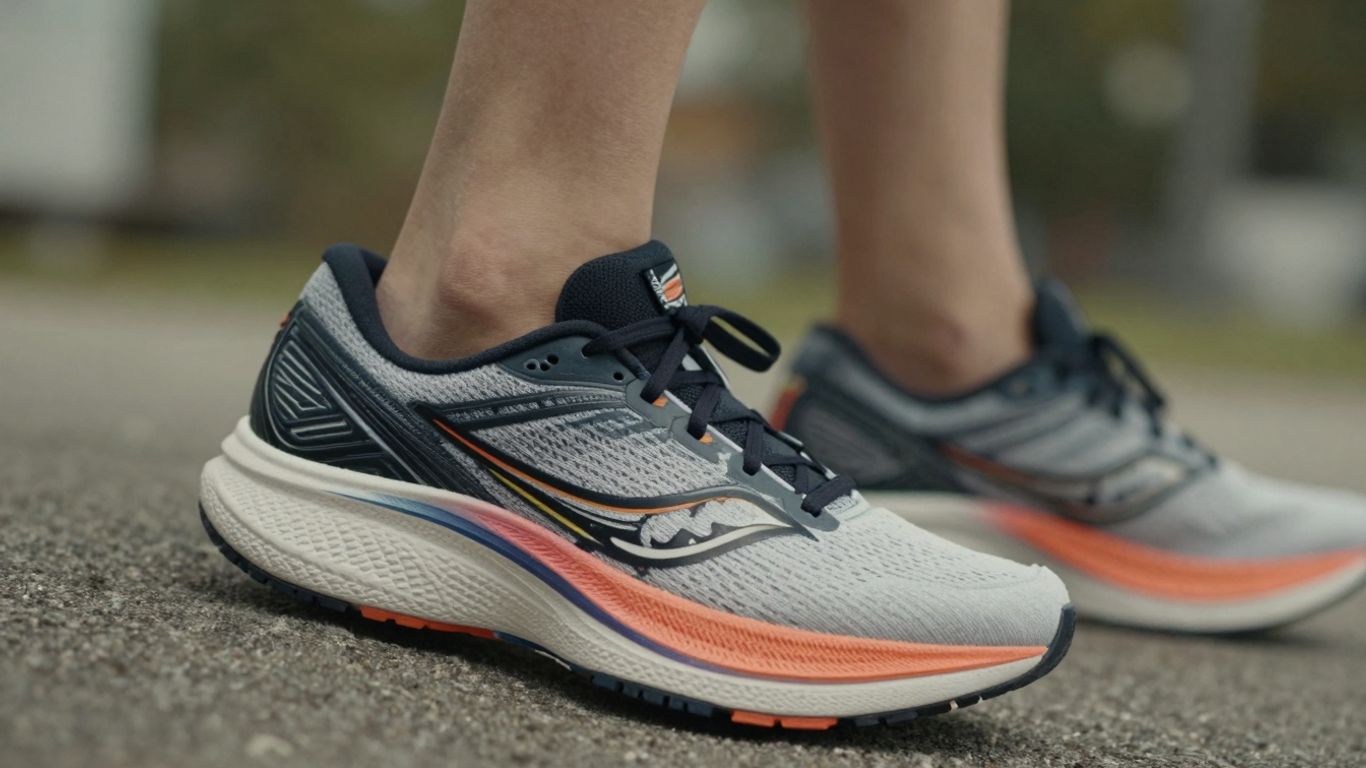
Alright, let’s talk about the Saucony Endorphin Elite 2. If you’re looking for a shoe that feels like it’s actively trying to help you run faster, this might be it. It’s built for speed, and you can tell from the moment you lace them up.
The real magic happens with Saucony’s IncrediRUN foam. It’s this special material that gives you a really bouncy, responsive ride. It feels almost like you’re getting a little push-off with every step, which is pretty cool when you’re trying to hit a new personal best or just want to feel zippy on your run. To make sure you don’t go flying off course with all that bounce, they’ve added a Pwrtrac outsole. This gives you a solid grip, even when you’re taking corners or heading downhill.
Here’s a quick look at what makes it tick:
- Foam: IncrediRUN (TPEE-based) for that signature bouncy feel.
- Outsole: Pwrtrac for reliable traction.
- Plate: Full-length, slotted carbon-fiber plate to help with smooth transitions and that propulsive sensation.
- Upper: A lightweight knit and mesh that aims to keep your feet cool and dry, especially important on longer efforts.
This shoe is definitely geared towards race day or those really fast training sessions. It’s not the shoe you’d pick for a super relaxed recovery jog, but if you want to feel fast and efficient, the Endorphin Elite 2 delivers. It’s surprisingly light, too, which always helps when you’re trying to pick up the pace. The women’s version comes in at around 6.4 ounces, and it has an 8mm drop, which is a pretty standard feel for many runners.
Some runners might find the super responsive foam a bit much for everyday miles, but for those seeking that extra edge on race day, it’s a serious contender. It strikes a good balance between feeling cushioned and still letting you feel connected to the road, which is key for stability when you’re moving quickly.
5. Under Armour Sonic 7
Alright, let’s talk about the Under Armour Sonic 7. This shoe is a bit of a hidden gem, especially if you’re trying to keep your wallet happy without sacrificing too much in the way of performance. It’s a solid choice for everyday miles, and honestly, it feels pretty good underfoot. They’ve ditched the “Hovr” name, but the tech is still there, offering a reliable ride for your consistent training.
What’s cool about the Sonic 7 is that it manages to feel both light and cushioned. The midsole has been updated to be softer and lighter than previous versions, which is a nice touch. It also has a lower stack height compared to many shoes out there right now, which gives it a different feel, more grounded, maybe? Some testers found it a little on the narrow side, but if you have slimmer feet, this could actually be a good thing, helping to prevent those annoying hot spots and blisters.
Here’s a quick look at what it offers:
- Support: Neutral
- Cushioning: Bouncy and plush
- Drop: 8mm
- Weight: 7.5 oz.
It’s a pretty versatile shoe, too. You can use it for your easy warm-ups, longer runs, or even some faster fartlek sessions. It’s like that dependable friend who’s always there for you. For anyone starting out or just looking for a good, affordable trainer, the Sonic 7 is definitely worth checking out. It’s a rare find at its price point, offering a quality experience that doesn’t feel cheap. You can find these reliable trainers at a good price if you look around.
This shoe is a great option for new runners or anyone on a budget who still wants a quality, lightweight shoe. It feels comfortable and offers a bit of bounce, making those miles feel less like a chore.
6. Best Lightweight Running Shoes
When you want to feel fast and free, lightweight running shoes are the way to go. These shoes shed unnecessary weight, letting your feet move more naturally and quickly. They’re perfect for speedwork, tempo runs, or just when you want that “barely there” feeling on your daily miles.
The key is finding a shoe that balances lightness with enough cushioning and support for your needs. Too light and you might feel every pebble; too much cushioning and you lose that speedy sensation. It’s a delicate balance, but when you find it, it’s pure magic.
Here’s what to look for:
- Weight: Generally under 8 ounces for women’s models. Lighter is usually better for speed.
- Cushioning: Enough to protect your feet, but not so much that it feels mushy or slow.
- Upper: Breathable and snug, providing a secure fit without adding bulk.
- Flexibility: Shoes that allow your foot to move naturally through the stride.
While many shoes aim for lightness, some really stand out. For instance, the Brooks Hyperion GTS 2 offers a great blend of being lightweight while still providing some stability, which is a nice bonus if you sometimes feel your ankles need a little extra help.
Choosing a lightweight shoe often means a slightly shorter lifespan compared to your everyday trainers. You’re trading some durability for that nimble feel. Keep an eye on the mileage, and don’t be afraid to swap them out when they start to feel less responsive. It’s better to replace them a bit early than to push through on worn-out foam and risk an injury.
7. Best Cushioned Running Shoes
When your runs get long or the pavement feels particularly unforgiving, cushioning is your best friend. It’s all about protecting your feet and joints from the constant impact, letting you focus on the miles ahead. We’re talking about shoes that feel like clouds underfoot, absorbing shock so you don’t have to.
The goal here is maximum comfort without sacrificing too much responsiveness. You still want a shoe that feels like it’s helping you move forward, not just sinking into a plush abyss. It’s a delicate balance, but when brands get it right, it’s pure magic for your legs.
Here are a few standouts that really nail the cushioned experience:
- Brooks Glycerin Max: This shoe is a prime example of how to blend plush comfort with a smooth, energetic ride. It’s designed for those long runs where you want to feel protected mile after mile. The cushioning feels substantial but not mushy, and it offers a nice transition from heel to toe.
- Hoka Bondi 9: Known for its maximalist cushioning, the Bondi 9 is a go-to for runners seeking serious shock absorption. It’s like running on pillows, making it ideal for recovery runs or days when your legs need a break. Despite the thick sole, it manages to feel surprisingly stable.
- Asics Novablast 5: While also a great daily trainer, the Novablast 5 offers a generous amount of cushioning that feels both soft and bouncy. The FF Blast Max foam provides a lively feel that helps propel you forward, making even longer efforts feel less taxing.
Choosing the right amount of cushioning can make a huge difference in your running experience. Too little, and you risk discomfort and fatigue. Too much, and you might feel disconnected from the ground or lose some of that forward momentum. It’s about finding that sweet spot that works for your body and your running style.
8. Best Stability Shoes
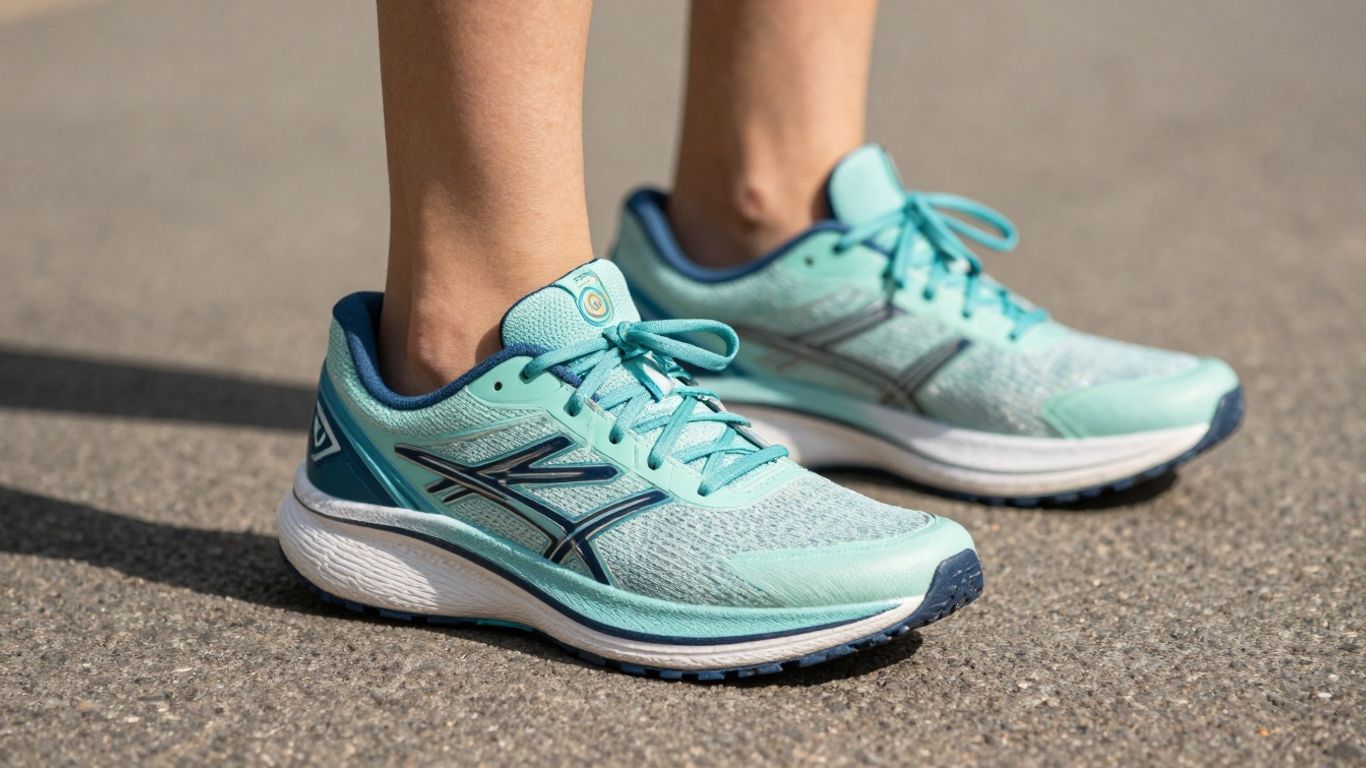
When your feet need a little extra help staying aligned, stability shoes are the way to go. These aren’t just about cushioning; they’re designed with specific features to guide your foot through a more neutral motion, especially if you tend to overpronate (where your foot rolls inward too much after landing). Think of them as having built-in support systems.
What makes a shoe stable? Often, it’s a combination of things. Many stability shoes incorporate what’s called a ‘medial post’, a firmer piece of foam on the inside edge of the shoe. Others use guide rails that run along the sides of the shoe to keep your foot from rolling too far inward. You might also notice a wider base, especially in the heel, which provides a more solid landing platform. Some shoes even have a plastic heel counter that wraps around the back of your foot for added security.
Here’s what to look for:
- Supportive Midsole: Look for shoes with a firmer foam on the inside edge or guide rails to help control pronation.
- Wider Base: A broader sole, particularly in the heel, offers a more stable landing.
- Structured Upper: A well-fitting upper can help lock your foot in place, preventing excessive movement.
- Heel Counter: A firm heel counter can provide extra stability and a secure fit.
Finding the right stability shoe means looking for that sweet spot between support and comfort. You don’t want a shoe that feels overly stiff or restrictive. It should feel like it’s helping you run more efficiently, not fighting against your natural stride. Pay attention to how the shoe feels underfoot during your run – does it feel balanced? Does it help reduce any discomfort you might typically experience?
Choosing a stability shoe is a personal journey. What works for one runner might not be ideal for another. It’s often best to try a few different models and see which one feels most natural and supportive for your specific foot mechanics and running style. Don’t be afraid to ask for advice at your local running store; they can often help you figure out what type of support you might need.
9. Best Trail Shoes
When you’re ready to leave the pavement behind and hit the dirt, you’ll want a shoe that can handle whatever the trail throws at you. Trail running shoes are built differently than their road counterparts. They usually have more aggressive outsoles with deep lugs for grip on uneven surfaces, tougher uppers to protect your feet from rocks and roots, and sometimes a bit more cushioning for those longer efforts.
The Altra Lone Peak 9+ stands out as a top choice for women venturing off-road. It offers a fantastic balance of comfort and protection, making it suitable for a variety of trail conditions. Testers really liked the wide toe box, which gives your feet room to spread out naturally, and the overall feel was described as having a “perfect balance of cushioning.” But where this shoe truly shines is its outsole. The Vibram Megagrip is seriously impressive, providing confidence-inspiring traction whether you’re climbing steep hills or descending rocky paths. It just feels secure underfoot.
Here’s a quick look at what makes a good trail shoe:
- Outsole Grip: Look for deep, multi-directional lugs. The spacing and shape matter too – wider spacing is better for mud, while deeper lugs are for technical terrain.
- Protection: A reinforced toe bumper and durable upper materials help shield your feet from trail hazards.
- Fit: A secure heel lock is important to prevent slipping, but you also want enough room in the forefoot for your toes to splay.
- Cushioning: This varies depending on the trail type and your preference, but enough cushioning can help reduce fatigue on longer runs.
Choosing the right trail shoe is all about matching the shoe’s features to the terrain you’ll be running on. A shoe designed for muddy, technical trails might feel overkill on a smooth, packed dirt path, and vice versa. Pay attention to the lug depth and pattern, as well as the overall stability of the shoe.
10. Road Running Shoes
So, you’re looking for shoes specifically for pounding the pavement? That’s where road running shoes come in. These are your go-to for anything from city sidewalks and asphalt paths to packed gravel trails. Unlike their trail-running cousins, road shoes don’t have those aggressive lugs on the bottom. Instead, they feature flatter, smoother outsoles designed for maximum contact and grip on hard, predictable surfaces.
Think of them as the workhorses for your everyday miles. They’re built to handle the repetitive impact of running on hard ground, offering a balance of cushioning and responsiveness. You’ll find a huge variety within this category, too. Some are super plush for long, easy runs, while others are lighter and more nimble for picking up the pace.
When you’re picking out a pair, consider what kind of runs you do most often:
- Daily Trainers: These are the most common type. They’re durable, comfortable, and great for everything from short jogs to long weekend runs. They usually have a good amount of cushioning.
- Tempo Shoes: If you like to mix in some faster workouts, tempo shoes are lighter and feel more responsive. They’re not quite as cushioned as daily trainers but offer a snappier ride.
- Race Shoes: These are the speed demons. They’re the lightest and most responsive, designed for race day only. Don’t expect them to last for hundreds of miles, though!
The key is finding a shoe that feels good on your feet and matches your running style. Don’t be afraid to try a few different brands and models. What works for one runner might not be the best fit for another. It’s all about that personal connection between you, your shoe, and the road ahead.
Closing Thoughts
. Finding the right running shoes can feel like a big deal, but it doesn’t have to be complicated. We’ve looked at some great options designed specifically for women, keeping in mind that our feet are built a little differently. Whether you’re aiming for speed, comfort on long miles, or just a solid everyday trainer, there’s a shoe out there for you. Remember to think about how you run, what feels good on your feet, and don’t be afraid to try a few pairs.
Frequently Asked Questions
How do I know when it’s time to get new running shoes?
It’s time for new shoes when you’ve run about 350 to 500 miles in them. If you don’t track your miles, try to replace them twice a year. If you use them for racing, think about new ones after two or three races.
Can I wash my running shoes in the washing machine?
Yes, you can wash them on a cold setting with some detergent. But, never put them in the dryer because the heat can melt the glue and ruin the shoes.
What’s the difference between men’s and women’s running shoes?
Women’s feet are shaped a bit differently than men’s. Brands are now making shoes with features designed for women, like a wider toe area or a more secure heel, instead of just making smaller, pink versions of men’s shoes.
How much space should I leave at the front of my running shoes?
You should have about a thumb’s width of space between your longest toe and the end of the shoe. This is because your feet can swell up when you run.
What should I consider when choosing running shoes?
Think about where you’ll be running (roads or trails), what kind of running you do (easy jogs, speedwork, races), the shape of your feet, and most importantly, how comfortable they feel.
Are trail running shoes different from road running shoes?
Yes! Trail shoes have special treads called lugs on the bottom for better grip on uneven surfaces like dirt and rocks. They also often have tougher material on top to protect your feet.


