

Resting Heart Rate for Runners: Morning Check That Matters
Most runners track their mileage, weekly pace, and workout intensity with precision, yet they ignore the simplest biological signal sitting on their wrist. Your morning resting heart rate is a quiet, powerful indicator of how your body handles training stress. It often spikes before you feel physical symptoms of illness, burnout, or poor recovery.
Monitoring this number helps you spot fatigue long before your legs feel heavy on a long run. By keeping an eye on these subtle shifts, you can adjust your training plans to avoid injury and train smarter. You don’t need complex data to make better decisions; you just need to listen to what your heart says the moment you wake up.
What morning resting heart rate really tells runners
Your heart rate when you wake up provides a window into your internal state. It reflects how well your body recovered from yesterday and how it prepares for the challenges ahead.
Many runners find that this number shifts based on the stresses of daily life, not just their training load. Understanding why these fluctuations occur helps you make better decisions about when to push your limits and when to prioritize rest.
Build Your Running Performance System
Move from research to action with training, recovery, nutrition, pacing, and performance tools built for runners.
More Guides for This Runner Goal
Why the number changes from day to day
A stable resting heart rate is a sign of a body that adapts well to exercise. However, external factors often cause this number to bounce around. If you notice a spike, look back at the previous 24 hours for obvious triggers.
Hard workouts are a common cause of elevated morning numbers. Your heart works harder to repair muscle tissue and replenish energy stores after a strenuous session. Similarly, poor sleep or even a mild case of dehydration forces your heart to beat more frequently to maintain efficiency.
External environmental factors also play a massive role. Consider these common triggers for a higher reading:
- Heat exposure: Your body redirects blood to the skin to cool off, which places extra demand on your cardiovascular system.
- Alcohol intake: Even one glass of wine can disrupt your sleep architecture and keep your heart rate elevated for hours.
- Illness onset: Your immune system begins working hard to fight off viruses before you feel any physical symptoms.
- Heavy muscle fatigue: Soreness in your legs after a long run often mirrors the internal stress that drives your heart rate upward.
Checking this number in the morning is important because it provides a baseline. Later in the day, factors like caffeine, stress, and physical movement distort your results. You need a quiet, undisturbed measurement to see the true impact of your training.
Why trends beat single readings
Many runners panic when they see a single high reading on their watch. You might assume your fitness is fading or that you are instantly becoming sick. In reality, one outlier is rarely a cause for concern. Your body is complex, and many minor factors influence your heart rate from one night to the next.
Focusing on patterns provides a much more accurate view of your health. When you track your heart rate over a full week, you start to see what constitutes your personal normal. If your numbers climb steadily over three or four days, your body is likely struggling to manage its current training load.
Consistency matters far more than perfection. By keeping a simple log, you can identify signs of overtraining or impending burnout before they derail your progress.
If your resting heart rate remains elevated despite an easy recovery day, consider taking an extra day off. Listening to these signals prevents minor fatigue from turning into a long-term injury or a period of total exhaustion. Always remember that your goal is long-term growth, not chasing a perfect number every single morning.
How to measure resting heart rate the same way every morning
Accuracy starts with your environment and your immediate actions upon waking. You gain the most clarity by removing external variables that alter your cardiovascular state before you even stand up.
The best time and setup for an accurate reading
To get a reliable number, measure your heart rate before you shift your position or engage your brain in daily tasks. The ideal window is the first sixty seconds after you open your eyes, while your body remains in a relaxed, waking state. Avoid sitting up, checking your phone, or reaching for coffee. Any physical movement or mental spike from reading emails forces your heart to work harder, which skews your data.
Consistency is more important than the specific tool you use for the measurement. Whether you prefer a chest strap, a wrist-based optical sensor, or manually checking your pulse at the carotid artery, stick to the same method daily. If you use a wearable device, ensure it stays snug on your wrist throughout the night or place it there immediately upon waking without getting out of bed. By controlling your surroundings, you ensure the resting heart rate for runners you record reflects your true physiological state.
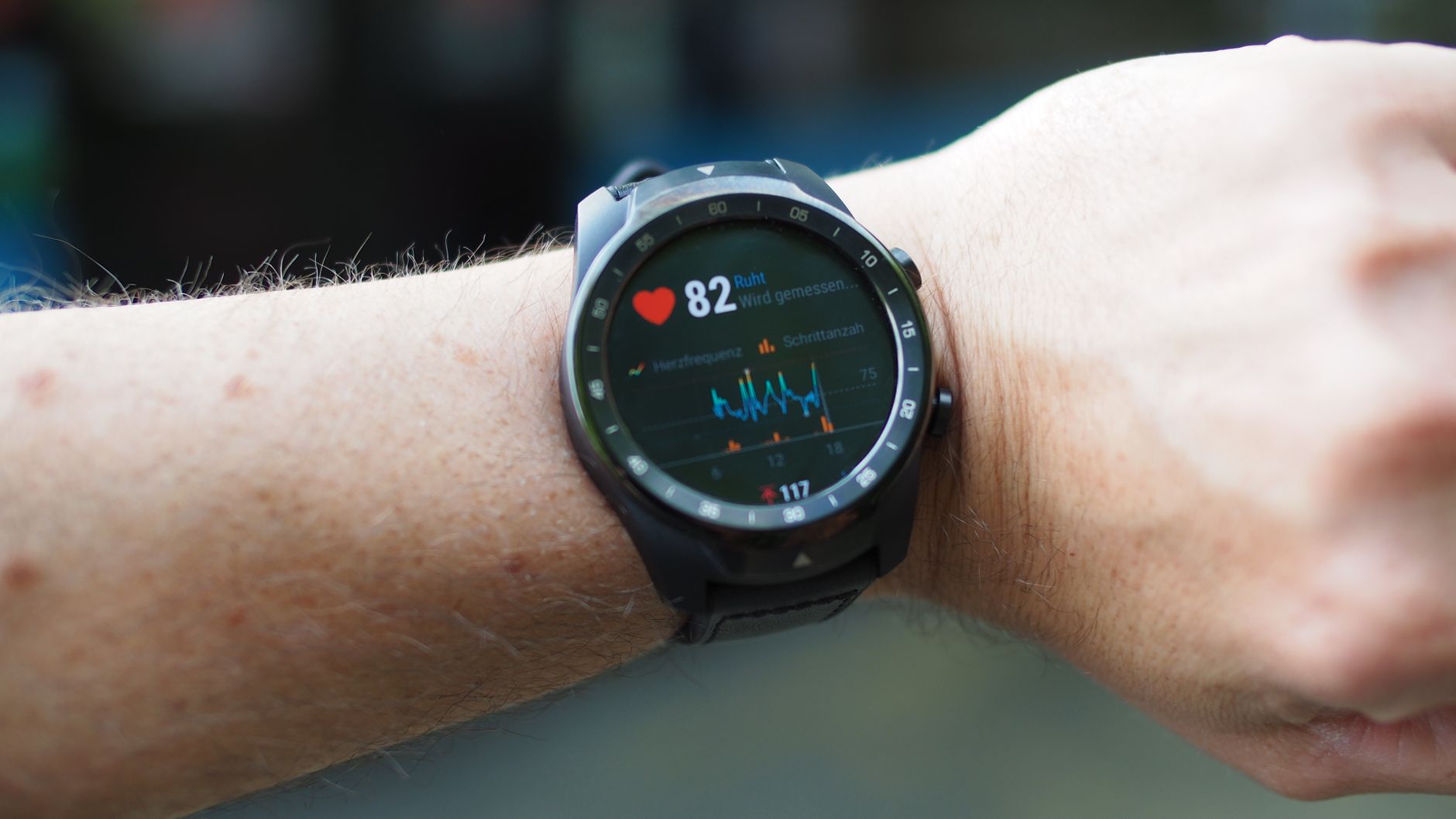
Photo by Jens Mahnke
How to build a useful baseline
A single reading tells you very little about your overall health. Instead, you need a collection of data points over several weeks to establish what is normal for your unique physiology.
Your baseline should reflect your actual lifestyle, including standard work stress, family commitments, and your current training phase. Do not try to manufacture a perfect week to capture an ideal number; that approach misses the point of monitoring your recovery.
Keep a simple journal or use a mobile app to log your daily morning heart rate. Note other variables like sleep quality, stress levels, and the intensity of your previous day’s workout.
When you see your heart rate drift above your established range for three or more days, it is often a sign to adjust your running mechanics or decrease training volume. Over time, these trends become a personal map of your fitness and recovery. Use this map to guide your decisions rather than reacting to minor, daily fluctuations.
What a higher or lower resting heart rate can mean
Your heart rate when you wake up acts as a direct communication line from your nervous system. By learning to interpret these daily numbers, you gain insight into how your body manages physical and emotional stress. This information allows you to distinguish between normal fluctuations and genuine signals that you need to adjust your training intensity.
When a higher reading is a red flag
A spike in your morning heart rate often sounds an alarm that your body is working overtime to maintain balance. While a single elevated reading can stem from a late dinner or a hot room, a trend of higher numbers suggests you are not fully recovering.
When your heart rate remains high for several consecutive mornings, your autonomic nervous system is signaling that the cumulative load exceeds your current capacity.
Heavy training, poor sleep, and excessive mental stress all drive these readings upward. Dehydration also plays a major role because your blood volume decreases, forcing your heart to beat faster to move oxygen throughout your system. Heat stress acts similarly, as your body diverts blood flow to your skin to keep you cool.
Do not panic if you see a slight bump after a particularly hard effort or a stressful day. Look for consistency in your trends instead. If you notice sustained increases, prioritize extra sleep, hydration, and lower intensity movement. Taking a day of rest now prevents the fatigue from accumulating into a major setback or injury.
When a lower reading can be helpful
A gradual decline in your resting heart rate over weeks and months is usually a positive sign of improved cardiovascular efficiency.
As you get fitter, your heart muscle becomes stronger and pumps more blood with each beat. This adaptation results in a lower heart rate because your body meets its oxygen demands with less effort. When you feel strong and energetic, a downward trend validates that your current training is working well.
However, use caution if your heart rate drops significantly below your normal range while you simultaneously feel unusually lethargic.
Extremely low readings that accompany feelings of dizziness, brain fog, or persistent poor performance can indicate an overtrained state or other physiological issues. Your body might be struggling to mobilize energy, or it could be a sign of deeper hormonal or metabolic fatigue. Trust your internal experience as much as the number on your device.
How much change actually matters
Most runners worry about small, daily variations, yet these are often just noise. Your baseline is not a static number, but rather a dynamic range that shifts slightly based on your life cycle and training phases. Instead of obsessing over a single beat per minute, focus on meaningful deviations from your own personal average.
A jump of three to five beats per minute might be standard variation for one person but a distinct outlier for another. Start by tracking your numbers for two to three weeks to establish what is normal for you.
Once you have this baseline, look for sustained patterns rather than individual spikes. If your heart rate stays above your established range for three or more days, consider it a clear sign to pull back. By staying consistent with your measurements and observing these relative changes, you move from guessing about your recovery to making informed, data-backed decisions.
How smart runners use morning resting heart rate in training decisions
Your morning heart rate offers a direct line to your internal recovery status. It serves as a dashboard for your body, letting you know if you are ready to hammer a track session or if your system needs a break. By observing these numbers daily, you gain the confidence to make quick adjustments that keep you healthy and moving toward your goals.
When to push, when to hold back, and when to rest
A simple, effective way to manage your training is to compare your morning reading against your established baseline. When your resting heart rate is within your normal range, your body is likely primed for your scheduled intensity. If you feel good, proceed with your planned workout as intended.
However, life and training stress occasionally cause unexpected spikes. Use this three-tier system to decide your next move:
- The Green Light: Your heart rate is at or slightly below your normal average, and you feel mentally sharp. This is your cue to hit your target paces or tackle a long run with confidence.
- The Yellow Light: Your numbers are five to ten beats higher than usual, or you feel lingering fatigue. It is wise to swap a high-intensity interval session for an easy recovery run. Keep the effort aerobic and light to maintain consistency without adding unnecessary strain.
- The Red Light: Your heart rate is significantly elevated, or you feel heavy and sluggish upon waking. Prioritize a complete rest day. Your body clearly needs time to repair, and an extra 24 hours of recovery often prevents an injury that would otherwise force weeks of downtime.
Always view this data alongside your perceived level of effort. If your watch shows a normal heart rate but your legs feel like lead, trust your physical sensation and take it easy. Your heart rate is one piece of the puzzle, not the entire picture.
How it helps during hard training blocks and race prep
During peak marathon training or intense speed phases, fatigue accumulates in ways you cannot always feel immediately. Your cardiovascular system often detects this creeping exhaustion before your brain does. Monitoring your resting heart rate ensures you stay on the edge of adaptation rather than sliding into overtraining.
Taper weeks are another critical time where this metric shines. It is common for runners to feel restless or anxious as race day approaches, often leading to unplanned intensity. A steady or slightly dropping heart rate during your taper confirms your body is successfully shedding fatigue and building sharpness. If you see a sudden rise during your final taper week, it is a sign to stop any extra activity and prioritize sleep above all else.
Consistent tracking helps you protect your fitness. It prevents you from forcing a hard workout on a day when your body is clearly struggling to manage its current load. By making small, intelligent shifts in your schedule, you ensure that you arrive at your race start line fully recovered and ready to perform at your best.
Common mistakes runners make with resting heart rate
Monitoring your cardiovascular health often feels like a quest for the perfect number. Many athletes become fixated on hitting a specific target, believing a lower reading automatically equals superior fitness. However, the obsession with the digits on your wrist can easily obscure the true purpose of tracking your recovery. Data is only useful if it helps you balance your life and your training, rather than adding unnecessary stress to your mornings.
Chasing a lower number instead of better recovery
The temptation to treat your heart rate as a leaderboard score is high. You might find yourself avoiding caffeine or changing your evening routine just to see a single digit drop the next morning. This approach misses the core message of your physiology. A low resting heart rate is a byproduct of consistent, smart training, not a goal you should force through behavioral manipulation.
True fitness is built on the foundation of adequate rest, high-quality nutrition, and productive training sessions. If you sacrifice sleep to hit a lower heart rate number, you defeat the purpose of the measurement.
Your body thrives when you treat the morning check as a diagnostic tool rather than a competition. Focus on how you feel during your runs and throughout the day. When your nutrition and training quality align with your body’s needs, your resting heart rate will naturally reach its efficient level.
Ignoring sleep, stress, and soreness
Relying solely on your heart rate monitor often creates a blind spot. You might see a normal reading and assume your body is ready for a hard interval session, even if you only slept four hours. Similarly, you might feel discouraged by a slightly elevated reading while ignoring the fact that you traveled across time zones or dealt with a high-pressure deadline at work.
A high number often reflects the cumulative impact of your daily life. Emotional stress, travel fatigue, and even deep muscle soreness from a previous session influence your cardiovascular state. These factors are just as significant as your weekly running mileage. Instead of staring at the screen, scan your recent history.
If you are sore, stressed, or exhausted, your heart rate is telling you to prioritize recovery regardless of what the data says. A healthy runner acknowledges the entire context of their life, not just the single beat-per-minute value on their watch.
Comparing your number to someone else’s
Comparing your resting heart rate to a friend’s or a famous athlete’s is a common trap. Biology is unique to each individual, and your resting heart rate depends on factors like genetics, age, and your own history of activity. What qualifies as an elite number for one runner might be completely irrelevant for your physiology.
Focus exclusively on your own trends over time. If your heartbeat is usually 50 and it jumps to 55, that change matters for you. It does not matter that your running partner sits at 42.
You need to identify your own baseline and monitor how that range shifts based on your specific life circumstances. By keeping your eyes on your own progress, you gain the clarity needed to adjust your training effectively. Let your own data be the only guide for your path forward.
A simple morning routine that makes the metric useful
Turning your morning check into a calm ritual removes the guesswork from your training. You don’t need a complex system or expensive gear to understand your body. Instead, focus on a quick, consistent sequence that happens before you even step out of bed. Keep a small notebook or a dedicated app open on your phone, and spend less than a minute documenting your status. This practice transforms a raw number into a reliable compass for your daily training decisions.
The three things to note with your reading
Your heart rate is just one piece of the puzzle. To make this data work for you, record three specific details alongside the pulse measurement. First, jot down the number itself. Next, write a single word about how your body feels, such as “fresh,” “heavy,” or “alert.” Finally, note any obvious outside factors from the previous day that might skew your results.
Keep this note simple and direct. For example, your entry might look like: “52 bpm, legs feel heavy, late dinner.” Including context is key because it separates normal fluctuations from genuine signs of fatigue.
If you had a hard workout, traveled, or enjoyed a few drinks, your heart rate naturally climbs. Acknowledging these triggers saves you from overreacting to a temporary spike in your resting heart rate for runners data.
How this fits into a bigger recovery picture
Your morning heart rate is a messenger, not a boss. It offers a signal, but your overall recovery depends on many factors working together. Pay attention to your mood, your energy levels, and the quality of your recent sleep. If your heart rate is steady but you feel mentally drained or your legs are persistently sore, honor those physical cues.
When you use other metrics like heart rate variability, treat them as supplementary data points. No single number should run your entire schedule.
If your workout quality is suffering despite a normal heart rate, it is perfectly fine to choose an easy run over a high-intensity session. The goal is to build a habit of checking in with yourself honestly. By balancing these inputs, you make informed choices that keep your training sustainable and enjoyable for the long haul.
Conclusion
Your morning routine is the ideal moment to connect with your body. Before the day begins and external pressures mount, your resting heart rate provides a quiet, honest signal about your state of recovery. While it is not a magic solution that replaces your own physical awareness, it is one of the simplest ways to detect stress before it turns into a setback.
By tracking these numbers over time, you build a clear picture of your personal trends. You move away from guessing and start making decisions based on data that belongs only to you. Runners who monitor their resting heart rate runners often develop a keener sense of when to push their limits and when to prioritize rest.
This habit keeps you healthier, prevents injury, and ensures you arrive at the starting line of your next race with more energy left in the tank. Keep your tracking consistent, trust the patterns you uncover, and stay focused on the long-term progress of your running career.


