

Recovery Tracking for Serious Runners: The Metrics That Matter Most
A serious runner’s recovery shows up in more than a rest day, it’s in how you sleep, how your legs feel on the stairs, how steady your heart rate stays, and whether your mood matches the work you’ve been putting in. When you guess at it, flat workouts, nagging aches, and stalled progress usually follow.
Recovery Tracking gives you a cleaner read on what your body can handle, so you can push hard without running yourself into the ground. Small details matter here, and simple habits like tracking soreness, sleep, training stress, and hydration can make that picture much clearer, especially when paired with smart hydration for endurance runners.
The goal is simple, train with more control, recover with more purpose, and keep your progress moving forward.
What recovery tracking means for serious runners
Recovery tracking gives you the second half of the training picture. Your splits can show speed, but your body tells the truth about whether that speed is sustainable. When you watch both, you stop guessing and start making better calls about hard days, easy days, and rest.
Build Your Running Performance System
Move from research to action with training, recovery, nutrition, pacing, and performance tools built for runners.
More Guides for This Runner Goal
The difference between training data and recovery data
Training data tells you what you did. Pace, distance, splits, elevation, and workout time show the work on paper. That matters, because you need a record of load and progress.
Recovery data tells you what that work cost you. Soreness, sleep quality, resting heart rate, mood, and energy reveal how well your system is bouncing back. A fast interval session may look sharp, but if your sleep is poor and your legs feel dead the next morning, the story changes fast.
A runner who only tracks workouts sees the output. A runner who tracks recovery sees readiness. That gap matters on the days when your plan says “go hard,” but your body says “not today.”
Training data shows the stress you applied. Recovery data shows whether you absorbed it.
That is why Recovery Tracking gives a fuller picture. It helps you spot when a workout was productive and when it simply piled more fatigue onto an already stressed body. If you want a deeper look at the balance between hard work and rest, monitor your training readiness.
Why runners who train hard need recovery more than ever
The harder you train, the more recovery matters. Mileage builds stress over time, intervals drain the nervous system, and race blocks often stack both together. Add long runs, hill repeats, and tempo work, and your body has less room to hide fatigue.
That is where many serious runners run into trouble. The engine keeps revving, but the tank never fills. Workouts start feeling flat, and progress slows even when effort stays high.
Ignoring recovery can lead to:
- Overtraining that leaves you tired before you even lace up
- Poor workout quality because your legs never feel fresh
- Longer injury recovery after small aches turn into bigger problems
- Mental drain that makes training feel heavy instead of focused
Hydration also plays a part here, because poor fluid intake can make fatigue feel worse and recovery feel slower. If that piece has been slipping, smart hydration for endurance runners is worth a closer look.
Serious runners do not need more blind effort. They need better feedback. When recovery drops, the safest move is often a lighter day, not a bigger push. That choice protects the next workout, and the one after that.
The main signs your body is not bouncing back
The early signs are usually simple, and they show up before a full crash. Heavy legs are one of the clearest signals. If easy miles suddenly feel like uphill work, your body is carrying more fatigue than usual.
Sleep often changes too. You may fall asleep late, wake up often, or get plenty of hours without feeling restored. Resting heart rate can climb as well, especially if you measure it under the same conditions each morning. A small bump is normal now and then, but a steady rise often points to stress.
Low motivation matters just as much as body fatigue. If you keep putting off workouts, dread the warm-up, or lose interest in runs you normally enjoy, your system may be asking for relief. Persistent soreness also tells a clear story, especially when it lingers after easy runs or light sessions.
Watch for these signs together, not in isolation:
- Heavy legs that do not loosen up
- Poor or broken sleep
- Resting heart rate that stays elevated
- Low drive to train
- Soreness that hangs around longer than usual
When several of these show up at once, training load and recovery are out of balance. That is your cue to ease off, not pile on more work.
The recovery metrics worth paying attention to
Recovery gets clearer when you focus on a few signals that repeat. A single rough morning can come from stress, heat, poor sleep, or a hard workout yesterday. A pattern tells a better story.
The best recovery metrics are the ones that show how your body is handling load, not just how hard you trained. That means paying attention to heart data, sleep, soreness, and day-to-day energy. Used together, they give you a simple read on readiness.
Resting heart rate and heart rate variability
Resting heart rate and heart rate variability, or HRV, can reveal how much stress your body is carrying. A higher-than-normal resting heart rate often means you are under-recovered, dehydrated, or fighting extra strain. HRV can point the same way, since lower HRV often shows the nervous system is under pressure.
One bad reading does not mean much by itself. A short sleep, a late meal, or a tough workout can tilt the numbers for a day. The real value comes from trends across several mornings.
Your baseline matters more than someone else’s perfect score.
That is why personal data beats comparison. A runner with a resting heart rate of 42 and another at 58 are not in the same body. Your own normal range is the one that matters. If your numbers stay off for several days, recovery needs attention.
Sleep quality, sleep duration, and sleep consistency
Sleep is one of the strongest recovery clues because it touches almost everything else. It affects muscle repair, hormone balance, mood, and the way your legs feel the next morning. Good sleep often shows up as steady energy, while bad sleep leaves you flat before the run even starts.
Look at more than hours in bed. Broken sleep, late bedtimes, and big swings in wake time can all slow recovery. If you wake up often, feel groggy, or need too much caffeine just to feel normal, your body is waving a small red flag.
A few simple signs of poor sleep are easy to spot:
- Waking up multiple times during the night
- Feeling heavy or foggy in the morning
- Struggling to get moving without caffeine
- Needing naps to get through the day
Hydration also affects sleep and recovery more than many runners realize. If that piece has been shaky, smart hydration for endurance runners can help connect the dots.
Soreness, muscle stiffness, and joint pain
Normal post-workout soreness usually feels broad, dull, and even on both sides of the body. It often fades within a day or two, especially after easy movement or warm-up miles. Pain that stays sharp, local, or keeps getting worse deserves more caution.
Location matters here. Tight quads after intervals are common, but pain in one Achilles, one knee, or one hip is a different story. So is discomfort that changes your stride, shortens your step, or makes you favor one leg.
Pay attention to three things, because they help separate routine soreness from a real problem:
- Where it hurts, since a single joint or tendon is more concerning than general muscle fatigue
- How long it lasts, because soreness that lingers too long may mean you need more rest
- How it changes your movement, since altered form can turn a small issue into a bigger one
If soreness starts affecting your gait, back off early. That small adjustment can protect weeks of training. For more on this, best recovery methods for runners gives useful context.
Energy, mood, and motivation during the day
Your body talks long before your legs do. A runner who feels unusually flat, irritable, or unmotivated may be carrying more fatigue than a training plan can hide. These signals can show up at work, at home, or during the walk to the kitchen.
Low drive matters because it often comes before a bad workout. You may not feel injured, but the warm-up feels like a chore, and every pace feels heavier than it should. That kind of fatigue is often a sign to ease up before it turns into a bigger slump.
Watch for the small shifts that feel out of place:
- You feel annoyed by normal things
- Easy runs feel mentally heavy
- You keep putting off workouts
- Afternoon fatigue hits harder than usual
When several of these show up together, your recovery is probably lagging behind your training load. A lighter day, better sleep, or a shorter run may help more than forcing another hard session. If that pattern keeps repeating, how to balance training and recovery running is the next place to look.
How to build a recovery tracking routine that actually sticks
A recovery routine only works when it fits into your normal day. If it feels fussy, you’ll skip it when training gets hard, which is usually when you need it most. The best version is quick, repeatable, and easy to read at a glance.
The goal is not to build a second job around your training. It’s to create a small system that shows when your body is steady, when it’s stressed, and when you need to pull back. Once that habit clicks, Recovery Tracking becomes part of the rhythm of running, not another task on your list.
Choose a simple place to record your data
Pick one place and keep it there. A training app, wearable, spreadsheet, notebook, or phone notes can all work, but each one has tradeoffs. The right choice is the one you’ll actually open every day.
A training app is handy if you want quick charts, reminders, and automatic syncing. It can also get crowded fast, especially if it pushes too many metrics at you. A wearable is useful for heart rate, sleep, and resting trends, but the numbers can feel distant unless you review them with intent.
A spreadsheet gives you control and clean comparisons over time. The downside is that it takes more effort, so it only works if you like structure. A notebook is simple, fast, and low pressure, which makes it easy to keep up. Still, it can be harder to spot patterns unless you review old entries. Phone notes sit in the middle, since they’re always nearby and easy to use, but they can get messy if you don’t keep them organized.
Here’s a simple way to choose:
- Pick the tool you already check often.
- Use the same format every day.
- Avoid adding extra fields you won’t review.
The best tracking system is the one you don’t have to think about.
If hydration is part of your recovery check, keep that note in the same place too. A simple reminder can go a long way, and smart hydration for endurance runners is a useful reference if that piece needs work.
Track the same few signals every day
Daily tracking works best when it stays short. You want a quick check-in, not a full medical report. The point is to notice patterns, so the same signals should show up again and again.
A solid daily routine can include:
- Sleep, including how long you slept and how rested you feel
- Soreness, especially in the legs, feet, and joints
- Mood, since stress and fatigue often show up there first
- Resting heart rate, if you measure it under the same conditions
- Workout feel, even if the run was short or easy
Keep the scale simple. A 1 to 5 rating works well because it’s fast and easy to compare. For example, a 5 might mean you feel fresh and sharp, while a 1 might mean you feel drained and stiff.
Consistency matters more than precision. One vague entry won’t ruin the picture, but skipping half your notes will. You’re looking for signals that repeat, not perfect numbers every day.
A good daily check-in takes less than a minute. That makes it easier to stick with on busy mornings, after hard workouts, and during race blocks when fatigue is highest.
Use weekly check-ins to catch trends
A single hard day can fool you. A week of data rarely does. That’s why weekly review matters more than reacting to one rough workout or one sleepy morning.
Set aside a few minutes once a week and look at the bigger picture. Did your resting heart rate stay high for several days? Did soreness linger longer than usual? Did sleep improve while workout feel got stronger? Those patterns tell you whether your body is adapting or waving a warning flag.
Weekly check-ins can show three useful things at once. First, they can reveal accumulating fatigue before it turns into a flat stretch of training. Second, they can show improving fitness, since better sleep, lower soreness, and steadier energy often come with good adaptation. Third, they can point to plan adjustments, such as cutting volume, shifting a workout, or taking an extra easy day.
A simple review works best. Ask yourself:
- Did most days feel normal, heavy, or better than last week?
- Did one metric stay off for several days?
- Did training feel harder than the numbers suggested?
That short review gives your routine a pulse. It also keeps you from overreacting to one bad day or missing a quiet slide into fatigue. Over time, that habit makes recovery feel less like guesswork and more like a steady read on where your body stands.
Turning recovery tracking into smarter training decisions
Recovery data only matters when it changes what you do next. A number on a screen means little if your training plan stays the same, so the real value comes from reading the signals and adjusting with purpose.
That might mean easing off for a day, swapping intervals for easy miles, or cutting a long run short before it turns into a grind. It also means knowing when fatigue is normal and when it has started to stack up into a real problem.
When to push through and when to ease up
Some tiredness is part of training. A long run, a hard tempo, or a windy day can leave your legs flat without pointing to a bigger issue. If your sleep was solid, your mood is steady, and the soreness fades after warm-up, that is usually a green light to keep going.
A yellow light looks different. Maybe your resting heart rate is up a bit, your legs feel heavy, and the workout feels harder than expected. In that case, you can still train, but it makes sense to trim the volume, slow the pace, or keep the effort controlled.
A red light shows up when the signs pile up. Poor sleep, elevated resting heart rate, nagging soreness, and low motivation all in the same stretch are hard to ignore. If pain changes your stride or fatigue keeps getting worse from day to day, the safer move is rest or very light running.
Tired is not always a stop sign. Repeated poor recovery signs are.
That is where recovery tracking pays off. It helps you separate one rough morning from a body that keeps asking for relief. Hydration can also shift those signals, so if your energy keeps sagging, smart hydration for endurance runners is worth reviewing.
How recovery data shapes easy days, long runs, and workouts
Recovery data should change the shape of your week. If your body feels ready, you can run the session as planned. If it feels flat, the same session can become something smaller and smarter.
On easy days, a poor recovery read may mean you keep the pace even slower than usual or cut the run short. On long-run days, you might protect the effort by dropping the pace, trimming the distance, or skipping fast finish work. During workout days, a runner can shorten the main set, extend the warm-up, or swap intensity for easy mileage.
A few real training choices make the difference:
- Keep the run but reduce the load when you feel slightly off.
- Replace intensity with easy mileage when you need movement without strain.
- Take extra rest when several recovery markers stay poor for more than a day or two.
That kind of adjustment protects fitness instead of chasing one more hard rep. It also helps you stay healthy enough to keep training next week. If you want a useful next step, recovery week schedule for runners gives a clear example of how to back off without losing rhythm.
How to spot the line between normal fatigue and overreaching
Normal fatigue fades when training stress settles down. Overreaching starts when the stress keeps climbing faster than your body can absorb it. At first, the difference can feel small, since both can leave you tired and sluggish.
A short bad patch often follows a hard block, a bad night of sleep, travel, or heat. The body usually rebounds once the load drops and recovery improves. A bigger problem starts when the bad patch does not clear, and each run feels a little worse than the one before.
Watch for the pattern, not just the moment. If your easy pace drifts slower, your heart rate stays high, and your mood keeps sinking, the load may be too heavy. Add in persistent soreness or a loss of pop in your workouts, and the warning is sharper.
Overreaching often feels like running with wet shoes, every step takes more work than it should. When that happens, back off before the fatigue hardens into a longer slump. The goal is to catch the slide early, while a few easy days can still fix it.
Used well, Recovery Tracking gives you a clear decision point. You stop guessing, train with more control, and keep your best work for the days when your body is ready to use it.
Tools that make recovery tracking easier without overcomplicating it
The best recovery tools do one thing well, they help you see patterns without turning your day into a data project. Serious runners need enough information to make good calls, but too much detail can get noisy fast. Simplicity keeps the habit alive, and consistency makes the data useful.
A good setup usually mixes a few objective markers with one honest human input, how you feel. That balance keeps you from chasing a number that looks good on paper while your body feels cooked. It also helps you stay practical during heavy training blocks, when your recovery picture changes day by day.
Wearables, apps, and training logs
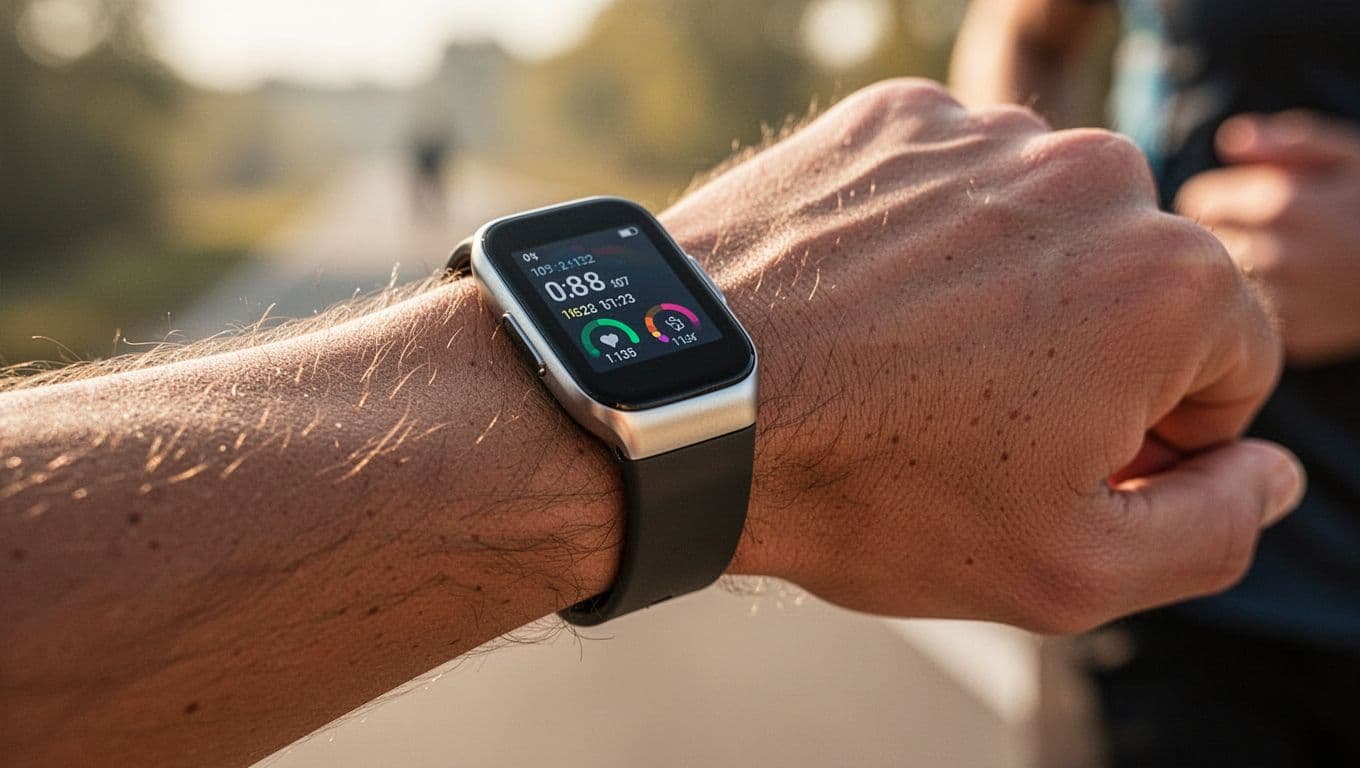
Wearables are useful because they collect sleep, heart rate, and load data without much effort. A watch can catch resting heart rate trends, overnight sleep patterns, and workout stress in the background, which is helpful when you want a quick read before your next session.
The downside is that the numbers can pile up fast, and that can blur the big picture if you check every metric too often.
Apps make the data easier to scan. Many let you view trends, tag workouts, and add notes after a run, so you can connect a poor night of sleep with a flat interval session the next day. Some even help you link recovery, fuel, and training load, which is handy when your schedule gets busy.
If hydration plays a part in your fatigue, keep an eye on it too, since even small misses can show up in your energy and recovery. Smart hydration for endurance runners fits well into that kind of tracking.
Training logs are slower, but they often give the clearest picture. You can write down sleep, soreness, mood, and how a workout felt in plain language, which is sometimes more useful than a stack of charts. A note like “legs felt dead until mile 3” tells you more than a perfect-looking score.
A simple comparison helps:
| Tool | Best for | Main limit |
|---|---|---|
| Wearable | Sleep, heart rate, load | Too much data if you check everything |
| App | Trends and quick review | Can feel crowded or distracting |
| Training log | Notes and context | Takes more discipline to keep up |
The strongest setup uses all three in a light way. Objective data shows the pattern, and your own feedback explains what the pattern means. If you want a more structured option, the Runner Readiness Suite can support that kind of day-to-day decision making.
Simple recovery scores and readiness checks
Readiness scores can help when they stay simple. They give you a fast snapshot of how prepared you might be for hard work, steady mileage, or rest. That can save you from forcing a workout on a day when your body is clearly not there yet.
The catch is that scores are only as good as the inputs. A wearable can miss stress that a runner feels in the legs, and a low score can come from a bad night, travel, heat, or plain fatigue. A high score can also miss a brewing issue if you are getting sick, under-fueled, or carrying a small injury.
Use the score as a guide, not a command. If the number says you are ready, but your warm-up feels stiff and your mood is off, trust the fuller picture. Your judgment should stay in charge.
A readiness score is a check, not a verdict.
That is why scores work best when they support your routine instead of replacing it. They help you spot trends, but they should not make decisions for you. A runner who knows their own normal can use a score as one more piece of feedback, like a dashboard light instead of a steering wheel.
Why a plain notebook can still work well
A notebook is low-tech, but it can still be powerful because it forces you to keep things clear. You do not need a perfect graph to know when your sleep has been off for three days or your legs feel heavy after every easy run. You just need a record you can trust.
Consistency matters more than polish. If you write in the same place every day, patterns start to show themselves. Over time, a few short lines can reveal more than a fancy app you forget to open.
Quick notes work best when they are almost too easy to skip. Try one of these in under a minute:
- Sleep: “7 hours, woke twice, felt groggy”
- Legs: “Stiff early, loosened after warm-up”
- Mood: “Flat in the morning, better by afternoon”
- Workout feel: “Tempo felt harder than pace suggests”
- Fuel or fluid: “Drank poorly yesterday, low energy today”
Those short notes are enough to build a pattern. They also help you catch the quiet stuff, like a run that felt off before your watch showed anything unusual. For many runners, that kind of note-taking is the most honest form of Recovery Tracking, because it keeps the focus on how training feels in real life.
A plain notebook also keeps you from overreacting to every alert and chart. When the data gets noisy, the notebook stays calm. That calm is useful, especially during race blocks when your schedule is tight and your body needs clear, simple feedback.
Frequently Asked Questions about recovery tracking for serious runners
Recovery tracking gets easier once you know what matters and what can be ignored. Most runners do not need more numbers, they need better questions, clearer patterns, and a few steady habits that reveal how the body is handling load.
What is the most important recovery metric for runners?
There is no single metric that wins every time, because recovery shows up in more than one place. Sleep, resting heart rate, soreness, mood, and workout feel all matter, but sleep quality and how you feel on the run often tell the fastest truth.
If you only watch one number, start with the one you can measure the same way each morning. That might be resting heart rate, HRV, or a simple 1 to 5 readiness score. For many runners, the best answer is a short daily check that pairs a number with a plain note, like “legs felt flat” or “slept well, felt sharp.”
The key is to compare today with your own normal. A single reading rarely means much on its own, but a pattern across several days can show real fatigue. If you want a practical way to spot that pattern, how to track running fatigue is a useful next step.
How do I know if I am under-recovered or just a little tired?
A little tired is normal after hard work. Under-recovered usually feels heavier and sticks around longer. The difference often shows up when several signals line up at once, not when one metric looks off.
Look for a mix of these signs:
- Sleep feels broken, short, or unrefreshing
- Resting heart rate stays higher than usual
- Legs feel heavy even on easy runs
- Mood feels flat, edgy, or unmotivated
- Workout pace feels harder than it should
If one of these shows up for a day, you may just need a lighter morning. If three or more show up together, your body is probably asking for more recovery. That is the point where backing off helps more than pushing through.
Hydration can also blur the picture. Poor fluid intake can make fatigue look worse than it is, so keep an eye on that piece too. A clear breakdown of that topic is in smart hydration for endurance runners.
How often should I review my recovery data?
Daily check-ins work best, because they catch small shifts before they grow. Still, the real value comes from weekly review. One bad night can come from stress, travel, heat, or a late meal, while a full week shows whether your body is adapting or falling behind.
A simple rhythm works well:
- Check your sleep, soreness, mood, and resting heart rate each morning.
- Make a short note after workouts, especially hard sessions and long runs.
- Review the week once every seven days and look for patterns.
That weekly review helps you decide whether to keep the plan, trim the load, or add recovery. It also keeps you from chasing every small dip in the data. If you want a more structured way to think about fatigue patterns, daily running recovery checks can give you a cleaner framework.
A good recovery log does not need to be fancy. It just needs to stay honest, stay consistent, and give you enough information to train smarter the next day.
Conclusion
Serious runners do not just train well, they recover on purpose. When you track sleep, soreness, mood, and readiness with care, you protect consistency and give your body a better chance to absorb the work.
That kind of Recovery Tracking keeps small problems from piling up. It also helps reduce injury risk and sets up stronger race-day performance over time, because you can adjust before fatigue turns into a long setback. If sleep is one of your weak spots, the RDA Sleep and Recovery Suite can help bring more structure to that part of the process.
The best part is that this does not need to be complicated. A few steady habits, a clear look at how you feel, and attention to basics like hydration can lead to smarter training and stronger running, one day at a time.


