

How to Recover Faster Between Runs: Science-Based Tips
I used to think the answer was simple: finish one run, rest a little, then do it again. Then I started stringing together hard days, and my legs told a different story, flat strides, heavy quads, and that dead feeling that makes even easy miles feel like work. Once I learned how to recover faster between runs, my training changed fast, because I stopped treating recovery like wasted time and started treating it like part of the workout.
That shift makes sense once you look at the science. Running breaks muscle down in small ways, and the repair process is where you actually get stronger. Protein synthesis rises after a run, often peaking around 24 to 48 hours, which means your body is busy rebuilding long after you’ve stopped sweating. If you keep piling on stress without helping that repair process, you can end up sore, stale, or stuck on the edge of injury.
I’ve learned that the biggest gains usually come from the basics done well. Timing my post-run nutrition helps me refill fuel and support repair sooner, and sleep gives my body the best shot at doing its job overnight. Active recovery matters too, because easy movement can help me loosen up without adding more strain. For runners like me, those small habits are what turn rough back-to-back sessions into steady progress instead of constant fatigue. If you want a deeper look at how to tell whether your body is ready for another workout, I also like using these signs you’re recovered from a run as a quick reality check.
That’s why I’m focused on the science-based habits that make the biggest difference, from what I eat after a run to how I sleep, move, and manage the next day. These are the same tools I use to keep soreness down, protect my legs, and stay sharp enough to chase PRs without digging a hole I can’t climb out of. In the next section, I’ll break down the recovery steps that help me bounce back faster and train with more confidence.
Grasp the Science of What Happens to Your Body After a Run
After a run, my body does a lot more than cool down. Muscle fibers start repairing tiny tears, glycogen stores drop, and my nervous system needs time to settle. Once I understood that, I stopped treating recovery like an afterthought and started planning for it the same way I plan workouts.
I also learned that the damage from running is mostly normal, especially after hills, speed work, or hard long runs. Eccentric loading, the braking force that hits when my foot lands, creates more stress on muscle tissue. Research in the Journal of Applied Physiology shows that this kind of damage also affects glycogen refill, which means hard sessions can drain both my legs and my fuel tank.
A few simple visuals can make this easier to understand:
- A diagram of muscle micro-tears and repair after a run
- A fuel tank graphic showing glycogen depletion and refill
- A timeline chart for recovery, from the first hour to day three
How Muscle Repair and Protein Synthesis Drive Your Recovery
Protein synthesis rises after a run, and the first 24 to 48 hours matter most. That lines up with findings in the American Journal of Physiology, which show muscle protein synthesis stays elevated after exercise as the body repairs and adapts. For me, that means timing protein well is not random, it supports the repair window when my muscles are most ready to rebuild.
I now try to get protein soon after harder runs, then keep meals steady through the day. My muscles act like rubber bands, they stretch, snap back, and get stronger only if I give them time and material to recover. If I skip that step, soreness lingers and the next workout feels heavier than it should. For better post-run fuel ideas, I also use my guide on what to eat after a long run.
Why CNS Fatigue Sneaks Up on Hard-Training Runners
My legs can feel fine while my central nervous system is still cooked. That hidden fatigue often shows up after intense sessions, and studies on hard efforts suggest recovery can take 48 to 72 hours, especially when the workout is demanding or the week is already full. When I ignore that, I notice slower reaction time, flat pace changes, poor focus, and a run that feels hard too soon.
That kind of fatigue can stack up fast. If I keep pushing through it, I stop absorbing training and start flirting with overtraining syndrome, where performance drops and tiredness hangs around. A smart recovery plan helps me stay out of that hole, which is why I also track sleep, soreness, and readiness with tools like the sleep and recovery suite for runners.
Time Your Post-Run Nutrition to Rebuild Stronger
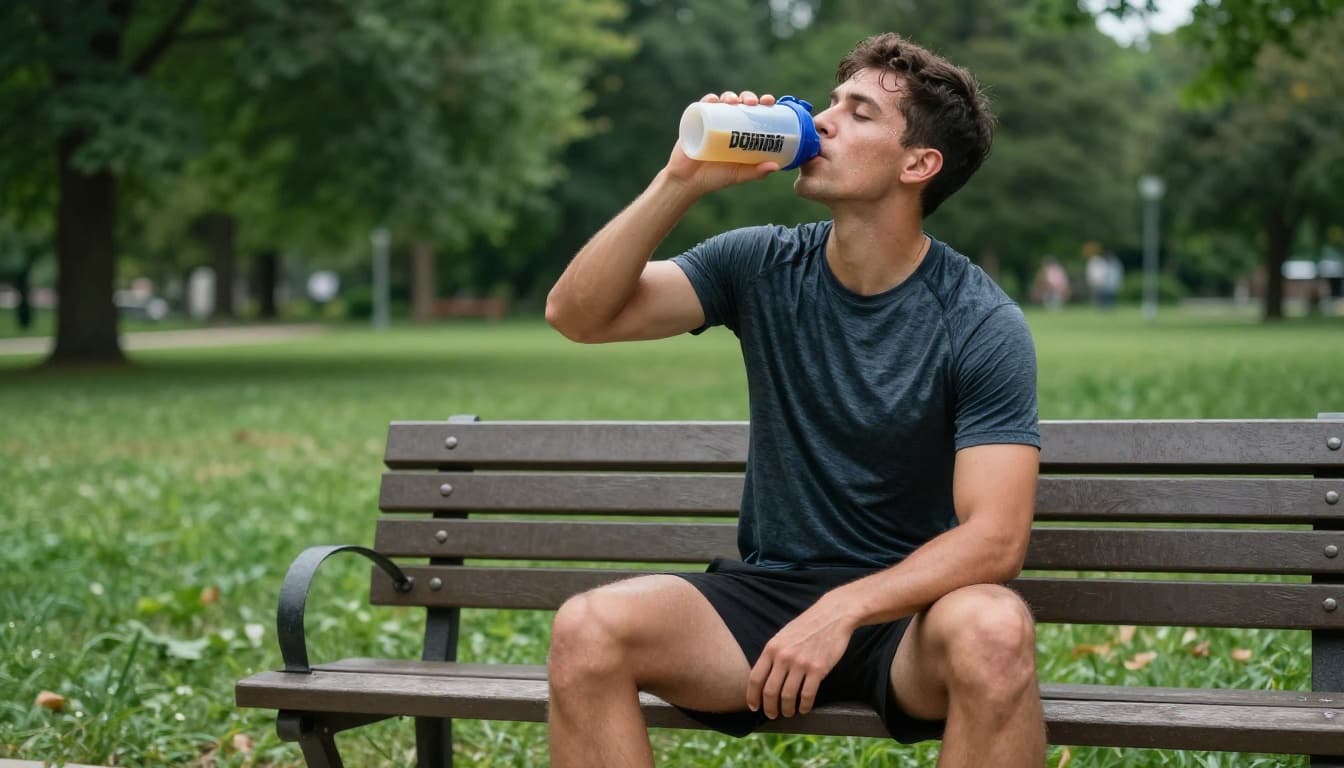
The clock matters after I finish a run, because my body is ready to soak up fuel and start repair work. I aim to eat within 30 to 60 minutes, since the International Society of Sports Nutrition supports early refueling after exercise, especially when I need to recover faster between runs. That first bite or sip sets the tone for glycogen refill and muscle repair.
I keep the first post-run meal simple: carbs plus protein, usually in a 3:1 or 4:1 ratio. That balance helps me refill muscle fuel faster, and studies on glycogen recovery show that combined carbohydrate feeding can restore stores much faster than waiting too long. When I get this right, my next run feels smoother and my legs bounce back with less drag.
Best Protein Choices to Kickstart Muscle Repair
I usually go for 20 to 40 grams of protein after a run, because that range gives my muscles enough building material without feeling heavy. Whey works well for speed, casein digests more slowly, and plant blends can work too when they contain enough leucine and total essential amino acids. Recent research shows that plant proteins can support muscle protein synthesis, especially when the blend is built well or boosted with leucine.
For me, the easiest options are a whey shake, a Greek yogurt bowl, or a soy-pea blend smoothie. On days when I want real food, I lean on post-run recovery meals for runners so I can get protein and carbs in one shot.
Carbs That Refuel Your Tank Fastest
After harder runs, I want carbs that move fast. Simple carbs work best right away, while complex carbs help later in the day. I like to mix both, because that gives me quick energy now and steadier fuel later.
Glucose and fructose together can refill glycogen more efficiently than glucose alone, so fruit, sports drinks, white rice, potatoes, or a recovery shake all make sense after training. I often use a banana, oats, and yogurt, or a shake with fruit and milk when I need something easy. If I want a quick reference for snack ideas, I look at good snacks after running.
Extra Nutrients That Fight Oxidative Stress
Hard running increases oxidative stress, so I like to add foods that calm that response. Tart cherry juice is one of my favorites, and studies have linked it to less soreness after tough efforts. I also use vitamin C-rich foods like berries, citrus, and kiwi, especially when I want a lighter recovery meal.
I do not treat antioxidants like a magic fix, but they help round out recovery when my legs are beat up. A cherry smoothie, fruit with yogurt, or a meal with berries on the side gives me a simple way to support repair without overthinking it. For a deeper drink option, I also keep best post-run recovery drinks in my routine.
Unlock Sleep’s Power to Supercharge Recovery Between Runs
Sleep does more for me than rest my legs. It helps my body rebuild, refill fuel, and reset my nervous system so the next run feels smoother. When I want to recover faster between runs, I treat sleep like training, not an afterthought.
A runner study in Medicine & Science in Sports & Exercise linked better sleep quality with better perceived recovery and aerobic performance, and athletes who consistently sleep in the 7 to 9 hour range tend to bounce back better than short sleepers. I also see the difference in my own training.
A solid night leaves me with less heaviness, steadier pace, and fewer early warning signs of fatigue the next day. For a deeper look at the basics, I keep sleep for runners benefit in mind as part of my weekly routine.
Ideal Sleep Amount and Timing for Runners
I aim for 7 to 9 hours most nights, and I try to keep my sleep and wake times steady. That matters because my circadian rhythm works best on a rhythm, not random hours. If I go to bed and wake up at similar times, I usually fall asleep faster and wake up with less grogginess.
During hard training blocks, I sometimes need more. A short nap can help if the night runs short, especially when I feel flat after an early workout or a long run. Even a 20-minute nap can take the edge off without wrecking my bedtime later. Research also shows deep sleep is when growth hormone surges, which supports tissue repair and recovery after training growth hormone and sleep research.
Consistent sleep timing helps my body recover on schedule. Late nights and random wake times make that process messier.
Proven Habits to Fall Asleep Faster and Deeper
I keep my room dark, cool, and quiet, because light and noise make sleep shallower. I also shut down screens before bed, since scrolling keeps my brain too alert for rest. A simple wind-down works best for me: dim lights, light stretching, water nearby, and a set bedtime I actually protect.
Magnesium glycinate can also help if I use it well. Research on magnesium and sleep points to better sleep quality, especially when low magnesium may be part of the problem. I prefer it in the evening because it fits my routine and feels easy on the stomach, unlike some other forms. I also like sleep strategies for long run training when my week gets heavy, because long-run recovery starts the night before.
A few habits make the biggest difference for me:
- Dark room: I block out light so my brain gets the signal to wind down.
- No screens: I stop using my phone at least 30 to 60 minutes before bed.
- Consistent routine: I repeat the same steps each night so sleep comes easier.
- Magnesium glycinate: I use it only when it fits my recovery plan and I’ve checked that it agrees with me.
When I keep these habits tight, I fall asleep faster, sleep more deeply, and wake up more ready to train again.
Active Recovery Techniques That Cut Soreness Time in Half
When my legs feel beat up, I reach for movement before I reach for the couch. A full stop sounds appealing, but passive rest alone often leaves me stiff, flat, and more sore the next day. Light activity helps me keep blood moving, and that steady circulation brings oxygen and nutrients to tired tissue while helping clear the byproducts of hard work.
The sweet spot is easy to find. I keep it truly easy, because once the effort starts to feel like training, I’ve gone too far. For me, that usually means a short walk, a relaxed spin, or an easy jog that feels almost too gentle.
If I want less soreness, I need movement that supports recovery, not another workout in disguise.
Easy Light Sessions to Flush Out Waste
On sore days, I use 20 to 30 minutes of easy running or walking. The goal is simple, I want blood flow without added stress. Research on active recovery shows that low-intensity movement can reduce soreness and help me feel looser faster, and I notice that most after hard intervals or long runs. A light jog at conversational pace works well, and so does brisk walking when my legs feel extra heavy. I also keep the pace soft enough that I finish feeling better than when I started. That’s the point. If I need a simple recovery structure, I use the same idea behind weekly plans mixing training with active recovery.
Foam Rolling and Self-Massage for Quick Relief
I use foam rolling when my calves, quads, or glutes feel packed tight. Studies show it can trim soreness and help recovery, and one review in The Journal of Athletic Training found it improved delayed-onset muscle soreness and movement performance.
I usually spend 30 to 60 seconds per area, then pause on tight spots without grinding into pain. A tennis ball or massage stick works too when I need more target work. For my lower body, I like foam rolling lower back pain and foam rolling tight calves post-run because those spots often hold the most tension.
Stretching and Mobility Flows That Actually Help
I keep stretching simple, because more isn’t always better. Dynamic mobility works best before movement, while static stretching feels more useful after a run or later in the day when my body is already warm. A short flow with leg swings, walking lunges, calf drops, and hip openers helps me move better without forcing anything.
Gentle yoga poses like downward dog, low lunge, and pigeon can also ease stiffness and improve range of motion. I treat stretching as a reset, not a test. When I stay consistent with mobility drills for resilient runners, my legs feel less jammed up and I’m ready to train again sooner.
Smart Ways to Tame Inflammation and DOMS After Tough Runs
After a hard run, I pay close attention to the difference between normal soreness and a real injury. DOMS usually shows up a day later, feels dull or stiff on both sides, and eases as I move around. Injury pain is more likely to be sharp, one-sided, or tied to a specific spot that gets worse when I run. That split matters, because I can treat soreness at home, but I should take lingering or stabbing pain more seriously. If I want a quick refresher on the broader picture, I also use these tips for easing post-workout soreness and my notes on why calves hurt after running.
Cold Therapy Methods That Science Backs
When I want to calm sore legs fast, cold therapy is one of the first tools I reach for. Ice baths are the most studied option, and the research is fairly clear. A recent meta-analysis found that cold-water immersion can improve soreness and some inflammation markers, especially when I use the right dose.
For me, that usually means 10 to 15 minutes at 10 to 15 C. I keep it short, because longer is not better for recovery. Contrast showers also help on days when I don’t have a tub. I alternate warm and cold water for a few rounds, and the change in temperature seems to wake my legs up without beating them down.
I use cold therapy to reduce soreness, not to punish myself.
I also keep an eye on frequency. Too much cold exposure can get in the way of adaptation, so I save it for the hardest sessions. If I want a deeper look at my timing, I check my cold bath schedule for soreness control. For background on the research, I like this systematic review on cold-water immersion and muscle soreness.
Compression Gear and Elevation for Swelling Control
Compression gear helps when my legs feel puffy, heavy, or beat up after hills and intervals. Studies on runners show that compression can reduce muscle oscillation, which means less tiny bounce in the calves and quads with each step. That small change can ease strain during the run and help me feel less beat up afterward.
I get the best results from snug, graduated compression, not from anything that feels tight enough to cut off circulation. For a closer look at fit and use, I keep my compression sock guide for runners nearby.
Elevation matters too. When I put my feet above heart level, fluid drains better and swelling settles faster. I usually pair that with compression socks after a tough workout, then stay off my feet for a bit. If I need a more targeted option for my lower legs, calf sleeves for recovery also work well.
I also keep food support simple. Turmeric and curcumin have shown promise for soreness and inflammation, especially after hard efforts, so I sometimes add them through food or a supplement when my training load climbs. Research has also looked at curcumin after races, which makes it worth a spot in my recovery toolbox. The image below shows the recovery setup I use most often.
Hydrate Right and Listen to Your Body’s Signals
I pay close attention to hydration because even mild fluid loss can make my next run feel harder than it should. Water matters, but it only works well when I match it to my sweat loss and replace the minerals I burn through on longer efforts.
Just as important, I watch the signals my body gives me. A dry mouth, unusual thirst, heavy legs, rising morning pulse, or a low-energy mood can all tell me I need to back off and recover smarter.
Precise Hydration Strategies Beyond Just Drinking Water
On long or sweaty runs, I do more than sip water and hope for the best. I use the weigh-in method before and after key runs to estimate sweat loss, then I adjust my fluid and sodium intake from there. That gives me a real number instead of a guess, which is a big help on hot days.
For me, the simplest rule is this, if I lose more than I replace, I need to rebuild that gap after the run. I also add sodium after hard or long sessions, because plain water alone can leave me feeling flat.
A good starting point is to replace fluids gradually and pair them with sodium-rich foods or an electrolyte drink, especially when I finish drenched. The electrolyte calculator for runners can help me narrow that down, and why runners need electrolytes explains why sodium matters so much.
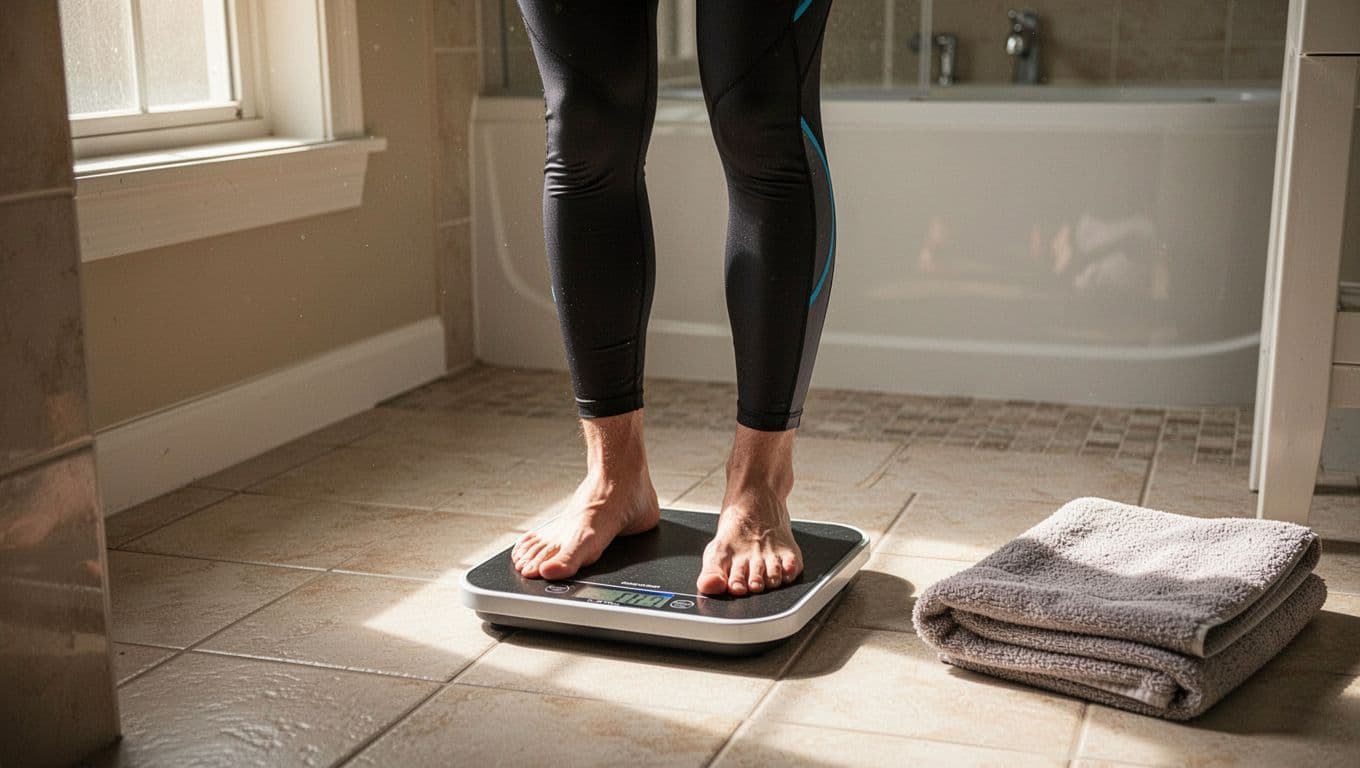
I also pay attention to post-run rehydration after especially hot sessions. If my weight is down and my mouth feels dry, I know I need water plus electrolytes, not just a big bottle of plain water. That matters most when I want to recover faster between runs and stay ready for the next workout.
Track Recovery Metrics to Avoid Burnout
Hydration is only part of the picture, so I also track how my body is responding day to day. My morning heart rate is one of the first things I notice, because a jump from my normal baseline often means I am carrying extra fatigue. I like that simple check because it takes seconds and gives me honest feedback.
I also use subjective scales. I rate my soreness, energy, sleep, and motivation on a 1 to 5 scale, then I look for trends instead of one bad day. When several markers dip at once, I treat that as a warning sign and ease up before burnout builds.
A few red flags tell me to pull back:
- Morning heart rate is up: My body may still be stressed from the last workout.
- Sleep feels off: Poor sleep usually shows up in my training fast.
- Motivation drops hard: If I dread every run, I need to reassess.
- Soreness lingers too long: Heavy legs for days usually mean I need more recovery.
When I want a fuller view, I check HRV in my recovery app and compare it with my resting pulse. That helps me spot strain early, especially when I’m tempted to push through fatigue. Tools like track fatigue and heart rate trends and burnout detection for runners make those patterns easier to catch before they turn into a bigger problem.
Conclusion
What I keep coming back to is simple, the fastest way to recover faster between runs is to treat recovery like part of the plan, not a reward after the plan. When I eat soon after hard work, sleep enough, and keep easy movement in the mix, my next run feels smoother and my pace comes back sooner.
The science matches what I feel in training. Muscles need time to repair, glycogen needs to refill, and fatigue builds when I ignore the signals my body sends. That is why I rely on a few basics, then repeat them with consistency instead of chasing random fixes.
If I had to narrow it down to the biggest wins, I would keep post-run fuel, solid sleep, and smart active recovery at the top of the list. I also like keeping a simple recovery checklist, so I can spot what I did well and what I missed before the next workout. That kind of steady routine helps me train harder without feeling wrecked all the time, and it keeps running enjoyable while I keep building toward better results.


