

Quebec City Marathon Race Review
The Beneva Quebec City Marathon is a destination running event, with historic streets lined by centuries-old architecture. Views of the St. Lawrence River bring the city into focus. That setting makes the Quebec City Marathon appealing, but scenery alone doesn’t determine whether a race fits your goals.
This review looks at the course, race-day experience, and logistics, then considers which runners are most likely to enjoy the event. Course details, dates, and services can change from year to year, so confirm current information with the official race organizer before you plan your trip. From there, you can judge whether this marathon suits your training and race-day priorities.
Make sure to book your Quebec City Marathon hotels early to save on high prices later.
Key Takeaways
- The Quebec City Marathon pairs a historic city setting and waterfront views with the demands of a full-distance road race.
- Scenic surroundings can make the experience memorable, but review the course profile and race-day conditions before setting a pace or personal-record goal.
- The event offers several race distances, including the 42.2-kilometer marathon. Check the official race options and details before registering.
- Plan travel and race logistics early, then confirm current dates, services, and course information with the organizer.
- This race may suit runners who value a destination experience as much as a fast, familiar course.
Quebec City Marathon Race Review: Is It Worth Running?
The Quebec City Marathon is worth considering if you want a destination race with a strong sense of place. Its historic streets and river views give the event a different feel from a course built mainly around a large downtown loop. The trade-off is that atmosphere alone can’t tell you whether the route suits your pace goals or travel plans.
What makes this race stand out
Quebec City gives the race a visual identity that stays present throughout the weekend. Historic architecture and distinct neighborhoods make the scenery part of the experience, while the St. Lawrence River adds a memorable backdrop. Rather than running through a generic grid of office towers, you get a closer look at the city’s character.
The event also offers several distances, so marathon weekend can include participants with different goals and experience levels. The organizer’s current information describes routes through multiple neighborhoods, but course details can change between editions. Check the official race options and course details before booking travel or building a pacing strategy.
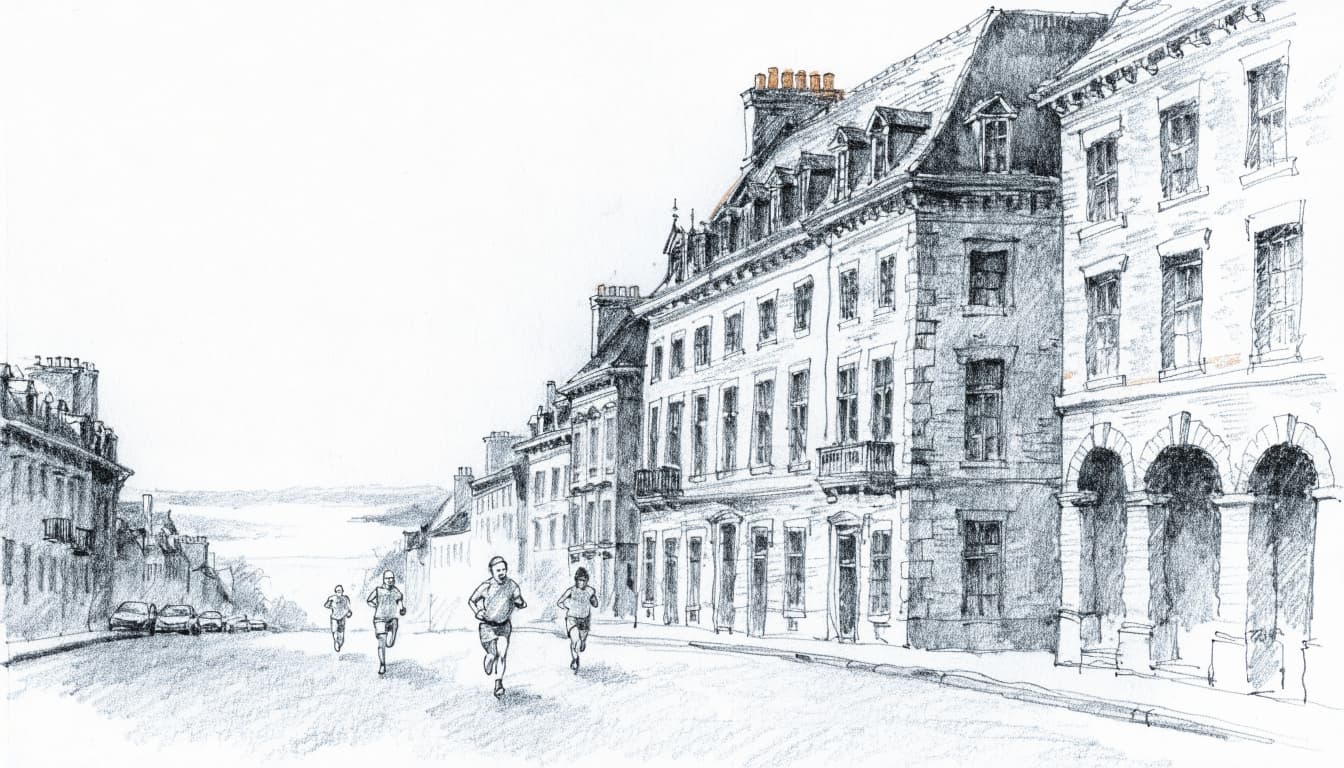
The crowd experience is another part of the appeal. In an established city setting, spectators can connect with the race at accessible points and bring energy to the streets. Still, support may vary along the route, so runners who rely on constant, high-volume crowds should review the course and race-day setup rather than assume every stretch will feel packed.
The biggest strengths and trade-offs
The strongest reason to choose this marathon is the combination of a destination trip and a full-distance race. First-time marathoners may enjoy having a compelling setting to focus on when the miles feel long. Experienced runners can also find value in racing somewhere distinctive, especially if the event experience matters as much as a personal record.
However, the course deserves a close look before you set a time goal. Study the current route map, elevation profile, turns, and aid-station information. A scenic course isn’t automatically a fast course, and any changes to the route can affect how well your training and pacing plan fit.
Travel is the other practical consideration. A destination marathon requires more planning than a local race: arrange lodging near convenient transportation, allow time to pick up your bib, and avoid a tight arrival schedule. If you’re traveling from the United States, account for border crossing and currency needs as well.
My verdict: the Quebec City Marathon is a strong choice for runners who value atmosphere, scenery, and a race-weekend experience. If your main goal is a predictable personal-record attempt, compare the current course demands with flatter options before registering.
What the Quebec City Marathon Course Is Really Like
The Quebec City Marathon offers more than a scenic backdrop, but runners should assess the route as a full-day pacing challenge, not a sightseeing jog. The course crosses three boroughs and nine neighborhoods, including Limoilou, so the scenery and feel change as the race moves through the city. Use the current official course information and 2025 runner guide to check the route and elevation profile; verify any measurement or certification details with Athletics Canada and against international standards.
Scenery, neighborhoods, and memorable course sections
The historic streets and St. Lawrence River views give the race a strong sense of place. Early views of the older city can help draw your attention away from the effort, while the river offers a welcome visual change as the route moves through its neighborhoods. The official course description emphasizes a postcard-style route, and its reach across nine neighborhoods means the setting changes rather than staying confined to one downtown stretch.
Scenery won’t guarantee constant crowd support or a view at every mile. Long stretches through residential or less prominent areas can feel quieter, especially late in the race, when fatigue makes each kilometer feel longer. Review the route map before race day and pick out landmarks or neighborhood transitions you can use as mental checkpoints.
Hills, turns, and pacing challenges
Check the official elevation profile before settling on a goal pace. The route has elevation changes, so forcing the same pace uphill that you hold on level ground can cost more effort than it saves. Instead, keep your breathing and perceived effort steady on climbs, then let pace improve naturally on descents without overstriding.
The map also matters for pacing. Turns and changes in direction can interrupt rhythm, while repeated course features may make it harder to judge how much distance remains. Study the current map, note the major turns and any sustained climbs, and save your hardest push for the closing miles. A pace plan built around effort is more adaptable than one that assumes an uninterrupted, flat route.
How the marathon compares with the other race distances
The event offers shorter races alongside the 42.2-kilometer marathon. The official race options and distances include the half marathon, 10K, 5K, and kids race. Confirm the lineup and route details for your edition, since event offerings can change.
Shorter distances provide a way for participants to share race weekend without taking on the marathon’s full time on course or cumulative fatigue. They may also follow different routes, so don’t assume a shorter race includes the same neighborhoods or river views. For marathoners, the key distinction is sustained effort: attractive scenery can lift your focus, but it doesn’t replace disciplined pacing over the full distance.
Choose Your Distance, Duration and Goal Time
Make three quick selections and open the exact plan built for your race target.
Looking for a Fully Personalized Training Plan?
The training plans above are an excellent choice if they match your goal. However, if you’d rather train with a plan built specifically around your current fitness, goal race, preferred training days, weekly mileage, and target finish time, our RDA Custom Training Plans provide a personalized solution. We also have running courses available for runners seeking to run faster from the mile to the marathon.
Why Choose a Custom Training Plan?
| Standard Training Plan | RDA Custom Training Plan |
|---|---|
| Follows a fixed schedule | Built around your schedule |
| Standard weekly mileage | Peak mileage customized for you |
| Fixed workout days | Train on the days you choose |
| Same structure for everyone | Designed around your current fitness |
| Static plan | Updated as your fitness improves |
| One-time purchase | Ongoing personalized coaching and support |
What You’ll Receive
- A training plan built specifically for your goal
- Personalized training paces
- Long runs, tempo runs, threshold workouts, interval sessions, recovery runs, and easy runs
- Peak weekly mileage matched to your experience level
- Flexible training schedule that fits your life
- Ongoing plan adjustments as your fitness improves
Ready to Train Smarter?
Stop guessing and start following a plan built specifically for you, your schedule, and your racing goals.
Race-Day Atmosphere, Organization, and Runner Support
The Quebec City Marathon experience depends on more than the course itself. A clear race-morning plan can save energy for the miles ahead, while crowd support and finish-area services shape how the day feels after you cross the line. Check the organizer’s current race-day information and runner guide before traveling, since schedules and services can change by edition. If certification matters to you, check current information for any relevant Athletics Canada certification and applicable international standards.
Start-line setup and course logistics
Bib pickup and the race schedule can vary by year, so don’t rely on an old itinerary. The organizer posts pickup details and event timing on its schedule page. Check your assigned corral in your Race Roster dashboard, then plan your arrival around the current start time, bag-drop instructions, and any access restrictions.
Give yourself enough time to reach the starting line, use the restroom, and get settled without rushing. If you’re staying outside the immediate area, confirm transportation options and travel time for race morning rather than assuming your usual route will be open. Pack only what the bag-drop rules allow, and keep essentials such as your bib and safety pins easy to reach.
Crowds, volunteers, and aid stations
Subjective assessment: The city setting gives spectators plenty of places to connect with the race, but crowd volume can shift between neighborhoods. Expect some stretches to feel more animated than others, especially later in the race when fatigue makes familiar encouragement feel welcome. Volunteers help participants keep moving through turns, aid stations, and other busy points.
The official runner guide is the place to verify aid-station spacing and available supplies for your edition. Review it before race day, then make your fueling plan around what the event actually provides. If you depend on a particular gel, drink mix, or electrolyte product, carry your own familiar supply rather than counting on finding it on course. Follow the posted course markings and marshal directions, especially where the route changes direction.
Finish-line experience and recovery options
The organizer lists lockers at the finish site at Place Jean-Béliveau, with collection available until 3 p.m. Confirm the current rules, hours, and whether a finisher medal is included before packing a change of clothes. After crossing the finish line, move through the recovery area at a comfortable pace, drink fluids, and eat something you know sits well. Dry clothes can help you stay comfortable if the weather turns cool.
Agree on a meeting point with family or friends before the race. Phone service and movement around a busy finish area can make last-minute coordination frustrating, so choose a specific landmark outside the main flow and share it in advance.
Weather, travel, and where to stay in Quebec City
A smooth Quebec City Marathon weekend starts before race morning. Weather, street access, and your hotel location can all affect how rested and relaxed you feel at the start, so plan these details alongside your training.
What race-weekend weather can mean for your plan
Quebec City weather can vary, so prepare for a range of conditions rather than building your plan around a seasonal average. A cool morning may call for disposable layers before the start, while warmer conditions can make early pacing and hydration more important. Rain can affect footing and chafe risk; wind may feel more exposed on open sections of the route.
Check the forecast in the days before the race, then review it again the evening before. Adjust clothing and fluid plans to the conditions, and remember that race-day effort matters more than sticking to a pace that no longer fits the weather. If it looks cold or wet, bring dry clothing for after you finish.
Most importantly, test your race-day kit in training. Wear the shoes, socks, and layers you plan to race in, and practice carrying any fuel or weather gear. A forecast is useful, but familiar clothing is less likely to surprise you at mile 18.
Getting to the start and moving around town
Race routes and event sites can affect access well beyond the start area. Before booking transportation, review current road closures, transit changes, parking restrictions, and the organizer’s instructions for reaching the start. The official race-day information lists closure details and other access updates; check it again close to race weekend.
If you plan to use a bus, confirm the route and schedule rather than relying on your normal travel time. Québec City’s transit guidance notes that weather, roadwork, and traffic can affect service, so check public transportation options before heading out. Arrive early enough to reach the start, use the restroom, and get settled without rushing. That buffer is especially helpful if you need to walk from a drop-off point or navigate unfamiliar streets.
Choosing a hotel and making a short trip of it
Staying near race services can simplify bib pickup and race morning, especially if you want to avoid depending on a car. However, convenient locations may cost more, and rooms near busy streets or event areas can be noisy. Compare the walking distance to race services with your need for quiet and rest, then book early and read the cancellation terms before confirming.
Once you’ve recovered, enjoy the city at an easy pace. Choose a relaxed meal featuring Québécois dishes, or take a short walk through Old Quebec’s historic streets. If you have more time, consider a separate visit to levis. Keep the outing flexible: after a marathon, a nearby café and a quiet afternoon may feel better than a packed sightseeing schedule.
Who Should Run the Quebec City Marathon, and How Should You Prepare?
The Quebec City Marathon can suit participants who are first-time marathoners, experienced runners chasing a personal best, or travelers seeking a race with a strong sense of place. The right fit depends on your goals, marathon experience, and preparation for the current course and race-week logistics.
Is it a good choice for a first marathon or a personal best?
For a first marathon, Quebec City may be a rewarding choice if you’ve built a consistent running base and want the scenery and city atmosphere to be part of your day. Still, a memorable setting can’t replace preparation. You’ll need to manage the full distance, stay patient early, and account for changes in effort across the course.
Runners targeting a personal best should study the official course profile before committing to a pace goal. Elevation, turns, weather, and crowd support can all influence how a race feels.
If you’re pursuing a broader time goal, such as qualifying for the Boston Marathon, remember that a qualifying result isn’t guaranteed by the course. Check current course measurement or certification details against Athletics Canada guidance and relevant international standards. The event’s race-day information lists a six-hour limit for the 42.2-kilometer marathon; confirm the current rules and schedule before registering.
Training for the terrain and conditions
Build gradually and consistently, with weekly running that supports your experience level and recovery. Include long runs, practice at your intended marathon effort, and strength work for your hips, legs, and core. Research on marathon preparation has also linked higher weekly training volume and long endurance runs with better performance, though your training load should match your background and health.
If the current elevation profile includes meaningful climbs, add hill sessions or rolling routes to prepare your legs. Practice holding steady effort uphill instead of forcing your goal pace. Rehearse fueling and pacing during long runs, too, so race day feels familiar. A coach can help if you’re new to marathon training, returning from injury, or balancing a time goal with limited experience.
Fueling, gear, and race-week decisions
Use race nutrition you’ve already tested in training, including gels, drinks, and any personal supplies you plan to carry. Wear familiar shoes, socks, and clothing, and check that they remain comfortable over long efforts. Weather can change what you need to wear, so review the forecast near race day and bring practical layers for before and after the start.
During race week, reduce training volume while keeping your routine relaxed and familiar. Avoid cramming in missed workouts, changing your diet, or trying new products in the final days. Before traveling, confirm bib pickup, start logistics, transport, and lodging details with the organizer. A simple checklist for your bib, shoes, fuel, clothing, and travel plans can keep small oversights from taking up your attention.
How the Quebec City Marathon stacks up, and what to know before registering
The Quebec City Marathon can be a strong destination choice, but the right comparison depends on what you want from race weekend. A personal-record attempt, a first marathon, and a trip built around scenery call for different priorities. Compare the same distance and race year, then weigh the full cost and logistics, not just the course photos.
What to compare with other destination races
Start with course difficulty. Review elevation profiles, road surfaces, turns, and any long climbs for each race. The Quebec City route crosses several neighborhoods, so compare its current profile with other routes, including the Boston Marathon, using verified course details. Don’t assume this race is a qualifying course. The official race page is the best place to check current distance and course information.
If measurement or certification matters, look for official documentation and consult Athletics Canada or Athletisme Quebec where relevant. Don’t assume a course meets international standards without confirmation.
Weather deserves the same care. Compare typical conditions for each event’s race date, then check the forecast closer to travel. Temperature, rain, and wind can affect pacing, clothing, and fluid needs, especially if you’re chasing a time goal.
Also look at field size and crowd support. A larger race may offer more runners around you and busier spectator zones, while support can still vary along any route. Check recent event information and course maps rather than relying on general reputation. Review official results for course records, and verify whether prize money is offered.
Finally, estimate the whole trip: travel time, lodging rates, local transportation, and the cost of arriving early enough to collect your bib without rushing. Compare the start location, transit or parking access, road closures, and how far your lodging is from race services. For a destination race, a cheaper entry fee may not mean a lower overall cost.
Registration details and questions to check first
Before paying, confirm the event date in the current race calendar and check the official registration page. Registration fees can vary by tier or entry window, and prices may rise as entries fill. The Québec City tourism event listing can help with destination planning, but use the race organizer for exact fees and binding registration details.
Read the rules for cutoff times, bib transfers, cancellations, and deferrals. Fees, cutoff times, and other limits are event-specific, so check the current official rules for exact figures and deadlines. Don’t assume another marathon’s policy applies here.
Check accessibility information and included services before registering, too. Confirm details for start and finish access, bag drop, aid stations, medical support, and any services you rely on. If a detail is unclear, contact the organizer before booking nonrefundable travel. A few minutes spent checking the current rules can prevent an expensive surprise later.
Frequently Asked Questions
A few race-weekend details can affect your plans even after you’ve reviewed the course and travel options. Confirm edition-specific information before you book, pack, or set a race goal.
When is the Quebec City Marathon held?
The date can change by edition. The 2026 event is scheduled for October 2 to 4, but check the official race page for the current schedule before booking travel.
Is the Quebec City Marathon a good race for beginners?
It can be a good first marathon if you’ve trained consistently and are ready for the distance, course profile, and race-day time limit. First-time participants should consider the full trip, too: a destination race adds travel, unfamiliar streets, and pre-race logistics. If those demands feel manageable, the city setting can make race weekend especially rewarding.
Is the Quebec City Marathon course hilly?
The official elevation profile is the best guide, since a single label can hide how the climbs and descents are arranged. Review the total climbing alongside where the elevation changes occur, then compare that layout with the routes you’ve trained on. A few sustained climbs may affect pacing more than frequent short rollers, even when total gain looks similar.
How do runners get to the start line?
Start access, transit, parking, and road closures can change each year, so use the organizer’s latest race-day guidance rather than an old map or travel plan. Check where you can park, which streets will close, and whether transit runs normally on race morning. Build in extra time for walking and security or access checks.
What should I pack for race weekend in Quebec City?
Bring shoes and clothing you’ve tested on long runs, plus familiar fuel and any personal recovery items you rely on. Check the forecast close to race day and pack layers for changing conditions, along with dry clothes to change into after crossing the finish line. Avoid trying new gear or nutrition during the race.
Where can I find the current course map and race rules?
Use the official event website and runner guide for the latest course map, rules, aid-station details, and schedule. If certification or measurement is mentioned, verify the claim with reliable sources, including Athletics Canada, and check whether it meets applicable international standards. Check the guide for your specific edition, since route information and race procedures can change from year to year.
Conclusion
The Quebec City Marathon blends a distinctive city setting with the demands of a full marathon. Its historic streets and river views can make race day memorable, but they don’t replace smart pacing, consistent training, or careful travel planning. The strongest fit is a runner who values the experience and is ready to prepare for the course itself.
Before registering, check the organizer’s current course map, race rules, schedule, and runner services. Then match your training plan to your own goal, whether that’s finishing confidently or pursuing a personal best. A clear plan makes it easier to enjoy the scenery without losing sight of the work ahead.
Start by reviewing the official course map and building a realistic training plan around its demands.


