

Puma Softride Symmetry Review:
The Puma Softride Symmetry looks like a smart pick if you want an affordable shoe for easy runs, casual jogs, and gym days. Even at a lower price, you still need a shoe that fits well, feels comfortable, and holds up after regular use.
This review breaks down the ride feel, build quality, best uses, and where it falls short, so you can tell if it fits your routine. It also covers who should buy it and who should skip it, because a cheap running shoe only matters if it works for how you move.
What the Puma Softride Symmetry is designed to do
The Puma Softride Symmetry is built for runners who want a simple, affordable shoe for steady everyday use. It is not trying to be a race-day option or a max-cushion premium trainer. Instead, it fits the middle ground where most people actually spend their time, easy runs, casual workouts, walking, and regular wear.
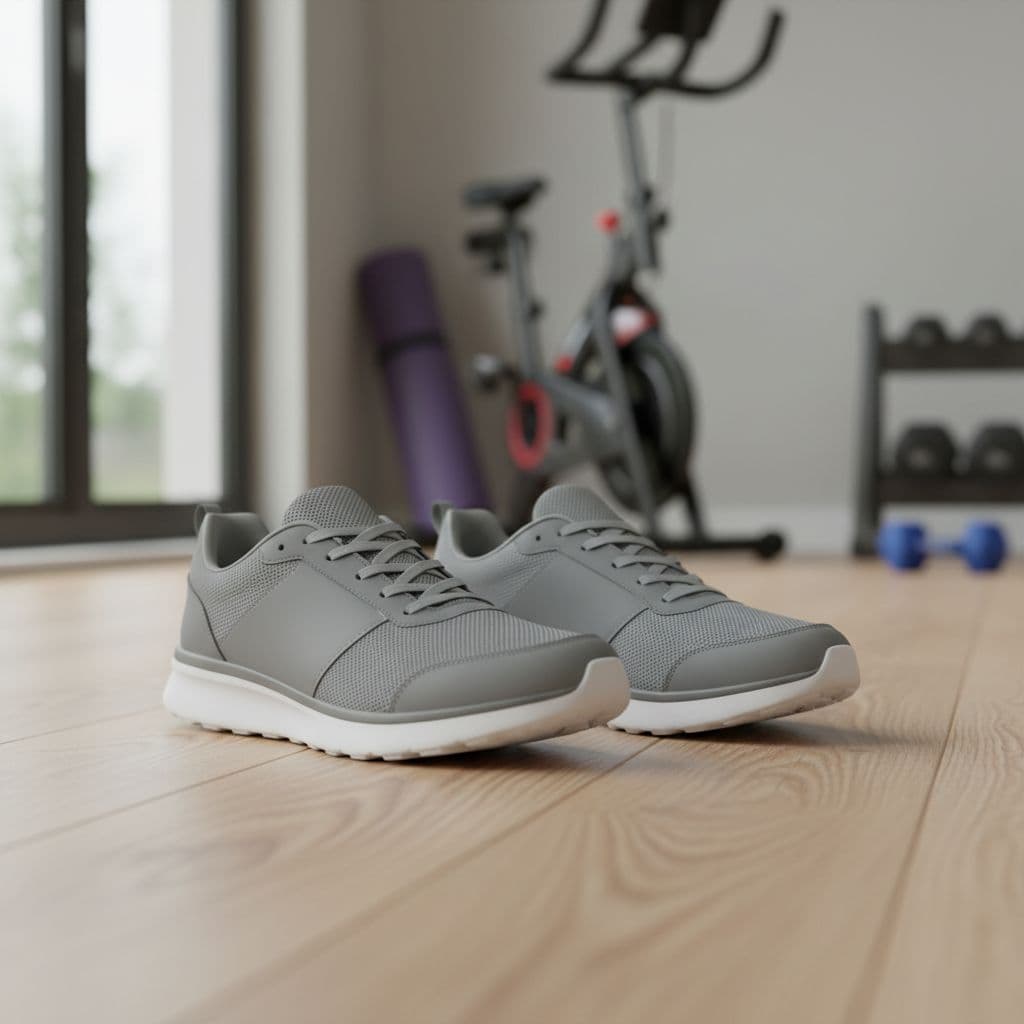
That matters because a lot of runners do not need a shoe with a long feature list. They need something that feels good, costs less, and does its job without much thought. If you want a simple daily trainer that fits an everyday routine, the Puma Softride Symmetry is aimed right at that use case.
Why budget running shoes matter for everyday runners
Most people shopping in this price range want one thing, a dependable shoe without a premium price tag. That could mean a first pair for starting out, a backup shoe for rotation, or a low-stress option for walking and light training.
Budget shoes can still make sense for a lot of routines. A beginner may not need the same setup as a marathon runner, and a walker may care more about comfort than pace. In the same way, someone rotating two pairs often wants a simpler shoe that fills the easy-day slot.
A shoe like this is also useful because it keeps expectations clear. You are buying a workhorse, not a trophy shoe. For readers comparing affordable options, it sits in the same lane as other entry-level trainers like the ASICS Patriot 14 review and Nike Quest 6 breakdown, where value and everyday function matter more than big performance claims.
Who is most likely to enjoy the Symmetry
The Puma Softride Symmetry makes the most sense for easy-mile runners, treadmill users, walkers, and casual fitness buyers. It suits short runs, light gym sessions, errands, and days when you just want one shoe that can handle a bit of everything.
This is the kind of shoe for someone who values comfort and simplicity. If your weekly routine is built around relaxed paces and low-pressure miles, it fits that pattern well.
A few clear examples help set the expectation:
- Beginner runners who want an easy shoe for short training runs
- Treadmill users who need a comfortable option for steady indoor sessions
- Walkers who spend more time on their feet than chasing speed
- Casual wearers who want one shoe for workouts and daily errands
The Symmetry is about making everyday movement easier, not making you faster.
For a shoe in this lane, that is the right goal. If you want a more detailed look at how Puma’s cushioning idea shows up in the line, Puma’s Softride page gives a useful sense of the brand’s comfort-first approach.
First impressions of the upper and overall build
The Puma Softride Symmetry makes a solid first impression if you expect a budget trainer to keep things simple. The upper looks clean, the shape is easy on the eye, and the build feels practical rather than flashy.
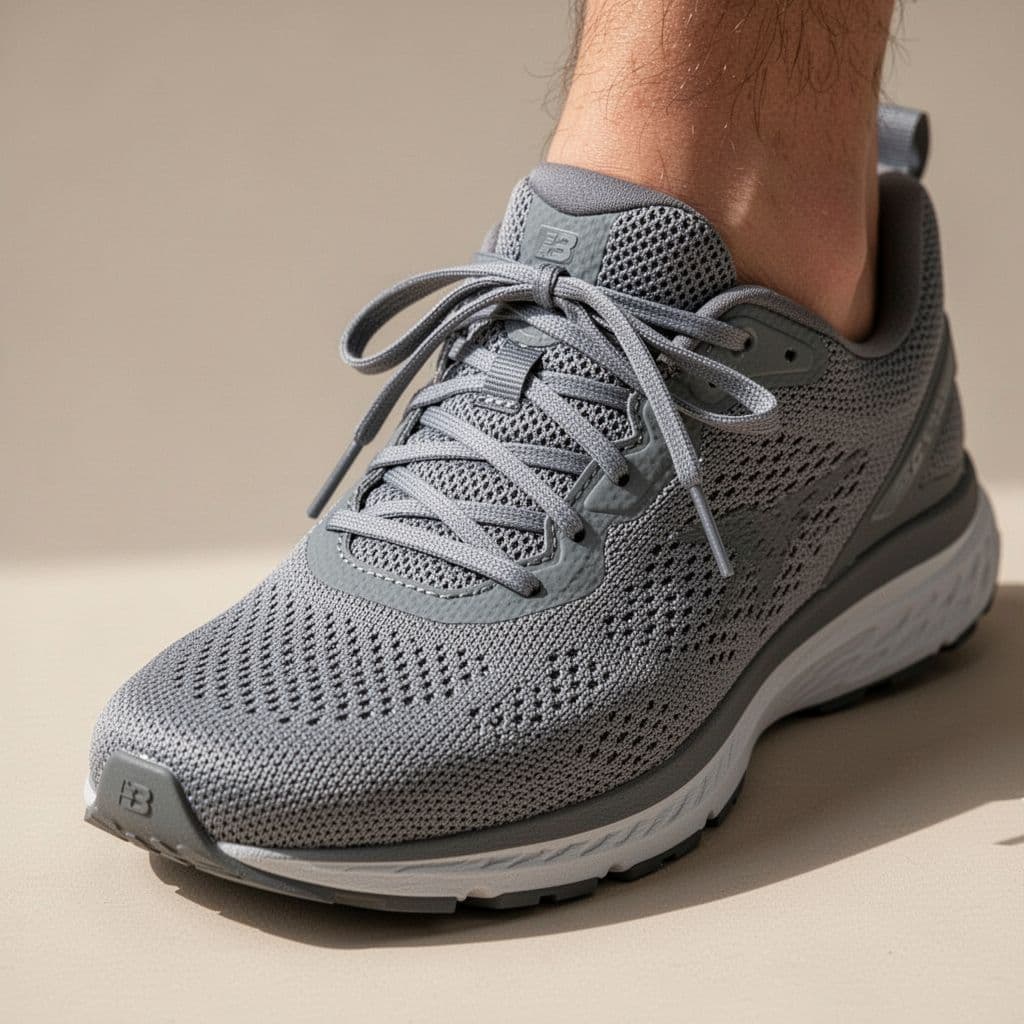
It does not feel premium in the hand, and that’s fine. What matters here is whether the shoe feels comfortable, wears well, and gives you enough structure for daily use. On that front, the Symmetry gets a lot right for the price.
How the fit feels right out of the box
Out of the box, the fit feels close to true to size for most feet. The toe box gives you enough room for natural toe spread, but it does not feel oversized or sloppy. That balance works well for easy runs and long walks.
The heel hold feels secure enough for a casual trainer, although it may not lock down as tightly as more expensive shoes. If you prefer a very snug rearfoot fit, you may notice a little extra give at first. The lacing system helps tighten the midfoot, but it feels basic rather than highly tuned.
For most runners, that means easy, straightforward comfort. Still, wider feet may appreciate the room, while very narrow feet could want a firmer wrap through the middle.
If you like a roomy toe area and a no-fuss fit, the Symmetry is easy to get along with.
Material quality and breathability in daily use
The upper uses a simple mesh-style build that feels light and airy enough for regular wear. Airflow is good for easy runs, treadmill sessions, and warm-weather walks, so the shoe does not trap heat the way heavier budget models sometimes do.
Softness is decent, but you can feel the cost-saving choices. The upper has enough structure to hold shape, yet it does not have the layered, plush feel you get from pricier trainers. For a closer look at how this kind of upper is described in other budget reviews, Shoeexpert’s Symmetry Fuzion review highlights the same easygoing, breathable approach.
That said, the build is still serviceable. The materials feel like they were chosen for everyday use, not for luxury. In practical terms, that means it should handle commuting, workouts, and light mileage without feeling flimsy right away.
Style and versatility beyond running
Visually, the Puma Softride Symmetry works better as a casual sneaker than many budget runners do. Its smooth lines and low-key shape make it easy to wear with shorts, joggers, or even simple jeans.
That versatility matters if you want one shoe for more than just training. It looks natural at the gym, fine for errands, and comfortable enough for travel days. If your rotation needs an easygoing pair that does not scream “running shoe,” this one fits that role well.
The style is understated, which helps. It does not try too hard, and that makes it more wearable in daily life. If you also care about how Puma builds fit and support in other models, this Puma daily trainer review is a useful comparison point for a more structured option.
For everyday use, that balance is the appeal. The Symmetry looks good enough to wear often, feels simple on foot, and keeps the upper and build focused on comfort first.
How the cushioning and ride feel on the run
The Puma Softride Symmetry keeps the ride simple, which is exactly what many budget daily trainers should do. It gives you enough cushioning for easy miles and walking, but it doesn’t try to feel plush or spring-loaded. That makes the shoe easy to understand on foot, and for relaxed use, that can be a good thing.
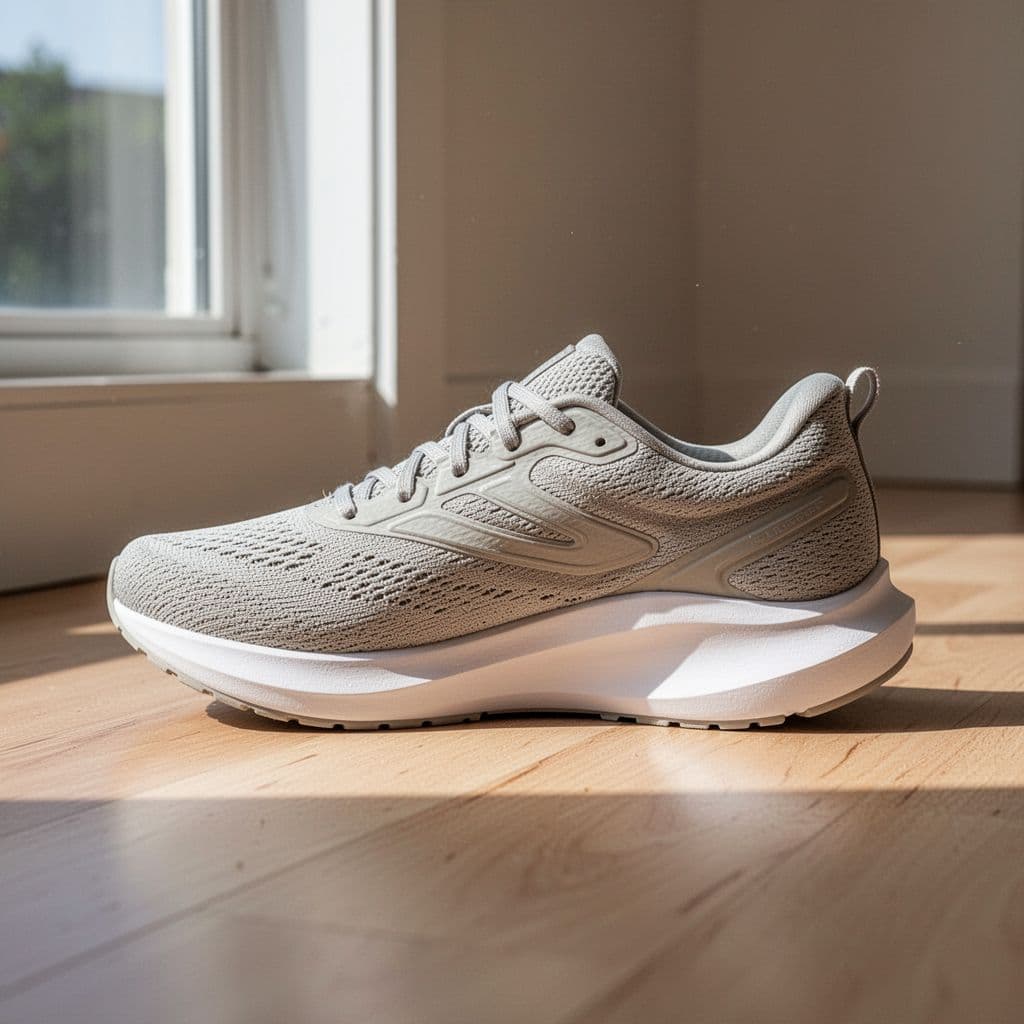
The midsole feels more basic and balanced than soft and deeply cushioned. You get a decent layer of protection under the heel and midfoot, so short runs and daily wear stay comfortable, but this isn’t the kind of foam that disappears under you. If you want a feel that is closer to a dependable everyday trainer than a soft recovery shoe, that is the right expectation.
Does the Softride foam feel soft enough for easy miles
The foam under the Puma Softride Symmetry feels soft enough for short, easy runs, but it doesn’t sink in much. Under the heel, the landing feels gentle without feeling mushy. Through the midfoot, the cushioning stays even, so the shoe keeps a steady feel instead of collapsing under pressure.
That matters because many runners expect affordable trainers to feel forgiving right away. This one does that job, but in a straightforward way. It takes the edge off the road, which helps on easy miles, standing around, and casual walking. Still, if you want a shoe that feels cloud-like or deeply padded, this one will probably feel a little plain.
For runners who like a familiar EVA-style ride, that is not a bad thing. Understanding running shoe foams gives a helpful look at why budget foam often feels dependable but not especially bouncy.
Stability and support during walking and jogging
The platform feels steady at relaxed speeds, and that helps the Symmetry work well for walking and straight-line jogging. The base does enough to keep your foot from feeling wobbly, so everyday use feels secure and easy. If you’re on your feet a lot, that steady feel matters more than flashy softness.
Support, however, is limited to the basics. The shoe gives light guidance through the heel and midfoot, but it doesn’t act like a true stability shoe. Runners who need strong arch control or a more structured ride may want something more supportive.
The ride is steady first, cushy second, which suits easy pacing and casual wear well.
That balance makes it a decent choice for neutral runners who just want a calm, predictable step. It is less convincing if you depend on built-in support to manage overpronation or tired form.
What the ride feels like at different paces
At slow paces, the shoe feels smooth and easy to place. The cushioning is enough to soften each step, and the ride stays controlled enough for treadmill walking or recovery jogs. When you keep the pace relaxed, the Symmetry feels exactly like the kind of affordable trainer most people expect, comfortable, dependable, and not distracting.
At moderate jogs, the foam still feels fine, but the shoe shows its limits. The ride does not add much energy return, so you get comfort more than pop. That is normal for this price range, and it keeps the shoe honest about what it is built for.
When the pace picks up, the ride feels flatter. Faster efforts expose the lack of bounce, and the shoe doesn’t encourage quick turnover the way a livelier trainer would. If you want a simple comparison, a shoe like the ASICS Gel Excite 10 daily trainer offers a similarly easygoing feel, while something like the Adidas Pureboost 24 daily miles gives a softer, more forgiving ride for longer comfort.
A quick pace breakdown looks like this:
- Walking: Comfortable, steady, and easy on the feet
- Slow runs: Best use case, with simple cushioning and smooth landings
- Treadmill workouts: Fine for basic steady sessions
- Faster efforts: Usable, but not lively or especially rewarding
That is the key takeaway. The Puma Softride Symmetry is built for easy miles, not speed days, and it feels most natural when you keep things calm.
Where the Puma Softride Symmetry makes the most sense
The Puma Softride Symmetry fits best when you want one shoe to handle simple, low-stress use. It makes sense for easy mileage, daily walking, short gym sessions, and casual wear, especially if you want to keep spending under control.

That is the real appeal here. The shoe is easy to live with, easy to wear, and easy to justify if your routine stays relaxed. If you want a broader look at other good options in this category, the top daily trainer running shoes article is a useful compare-and-contrast point.
Best use cases for this shoe
The Puma Softride Symmetry is strongest for beginner training, short daily jogs, walking, and casual wear. Those are the situations where its simple cushioning and steady feel work in your favor. You get enough comfort to get through the day without paying for extra performance you probably do not need.
For beginners, that matters because early running often looks a lot like easy jogging and walking with breaks. This shoe keeps the experience comfortable without asking you to manage a lot of foam or aggressive geometry. For short runs, it does the job cleanly and stays out of the way.
It also makes sense as a travel shoe. If you want one pair that handles airport days, hotel gym work, and long walks, the Symmetry is practical. The same goes for gym sessions where you do basic cardio, light circuits, or treadmill work.
A few clear wins stand out:
- Beginner running with short, relaxed outings
- Walking when you want comfort over speed
- Travel when you need one easy all-purpose shoe
- Casual wear for errands and everyday use
- Light gym work where you stay mostly on flat ground
This shoe works best when your routine stays simple, steady, and low-pressure.
It also fits the role of a backup pair in a rotation. If you already own a better running shoe for longer sessions, the Symmetry can take over the easy days and save the pricier pair for more focused runs.
Who should probably choose something else
Runners who want speed, bounce, or a more locked-in ride should look elsewhere. The Puma Softride Symmetry is fine for relaxed paces, but it does not have the snap you want for tempo work or faster training. If your weekly plan includes workouts, intervals, or longer progressive runs, a livelier shoe will feel better underfoot.
Heavier runners who want more cushioning may also want a different model. The Symmetry is comfortable, but it does not have the plush, protective feel that many high-cushion trainers offer. Softer foam can also feel less stable for some runners, and that can matter if you have had ankle or support issues before. Cushy shoes and stability concerns are worth understanding before you buy a softer model.
Runners with specific fit needs should be careful too. If you need strong arch support, a firmer heel hold, or a more structured midfoot, this shoe may feel too basic. In that case, a more supportive daily trainer is the safer pick.
For runners who need more cushioning and a more protective ride, something like the Mizuno Wave Sky 9 review may make more sense. The Symmetry is a budget-friendly easy-day shoe, but it is not the best choice if your runs demand extra support or long-haul comfort.
How it compares with other affordable running shoes
The Puma Softride Symmetry fits neatly into the budget daily trainer group, but it doesn’t lead that group in every area. It gives you easy comfort, simple styling, and a friendly ride for low-key mileage. At the same time, other affordable shoes may offer more cushion, a firmer hold, or a more durable finish.
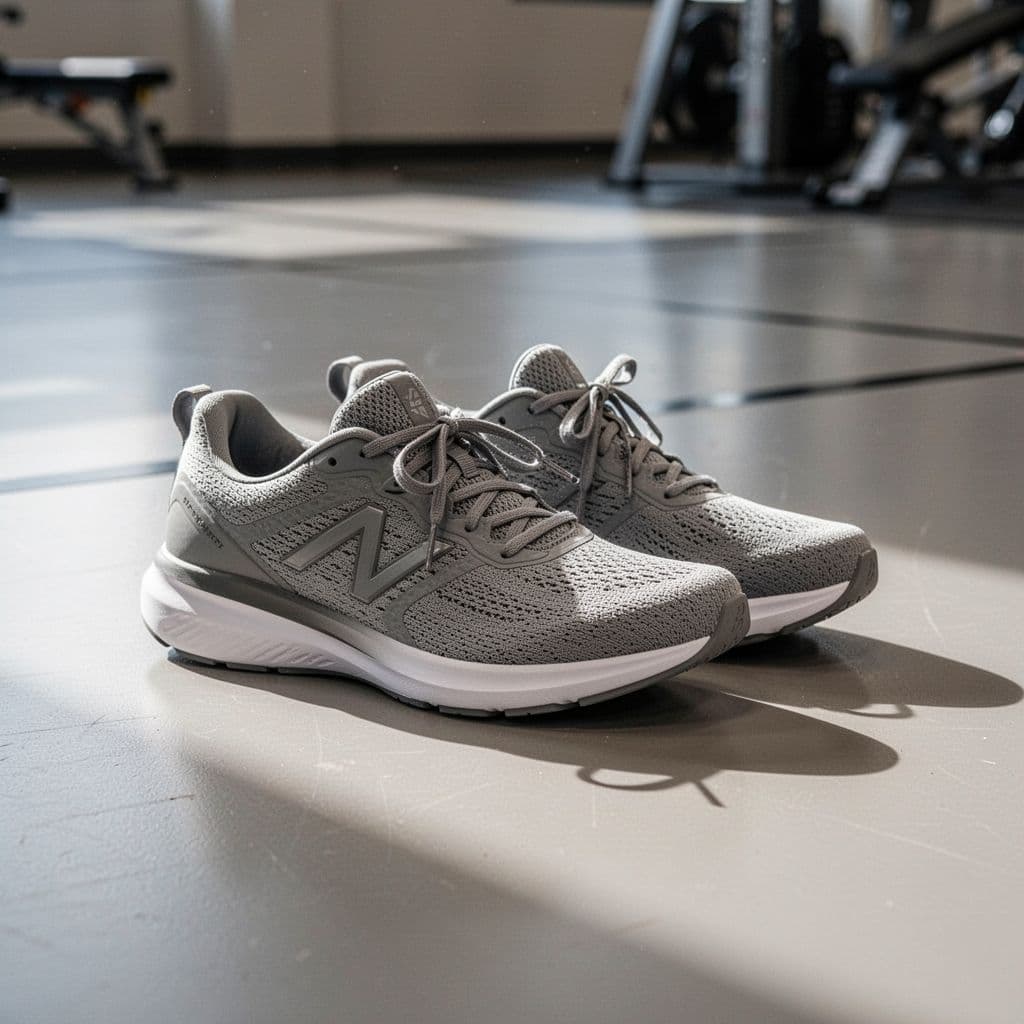
That makes this shoe easier to judge. If you want a cheap trainer that feels comfortable right away and looks good outside the track, it makes sense. If you want the strongest performance value in the price range, the competition still has a case.
What it does better than many cheap trainers
The biggest surprise with the Puma Softride Symmetry is how easy it is to wear. Some budget shoes feel stiff or clunky at first, but this one feels more approachable. It has enough cushioning for daily walking and short runs, and the upper keeps things simple without feeling harsh.
It also looks better than a lot of low-cost trainers. That matters if you wear your running shoes all day, not just during workouts. A shoe that blends into errands, travel, and gym use gets more time on your feet, and this one handles that job well.
A few areas stand out:
- Comfort out of the box feels easy and low-fuss.
- Style is clean enough for casual wear.
- Versatility works for walking, light training, and daily use.
- Ride feel stays predictable, which helps if you want a no-drama shoe.
For many runners, that is enough. If you are comparing it with other budget-friendly lightweight trainers, the Saucony Outpace 2 review is a useful example of how another entry-level shoe can approach the same price point with a different feel.
The Symmetry does not try to do too much, and that is part of its appeal.
Where other budget shoes may still win
Other affordable running shoes can still beat the Symmetry in a few important ways. Some budget models use softer foam that feels better on longer runs. Others lock the foot down more securely, which helps if you want a snugger fit or plan to move at a quicker pace.
Durability is another area to watch. A cheaper shoe can look solid at first, then lose shape faster than you expected. Some rivals also give you a firmer midfoot or more structure through the heel, which may feel better if you want extra support.
If you compare it side by side with similar entry-level options, the trade-offs become clear. One shoe may feel more responsive, while another may last longer under regular use. The Puma Softride Symmetry lands in the middle, which makes it a safe pick, but not always the most exciting one.
The main question is simple: what do you need most?
- More softness for longer easy miles
- A tighter fit for secure road runs
- Better durability for frequent weekly use
- More support if you like a structured feel
If your answer leans toward any of those, another budget trainer may suit you better. If you want an easygoing shoe for everyday wear and short runs, the Symmetry still holds its own without asking much from your wallet.
Final verdict on value, comfort, and daily use
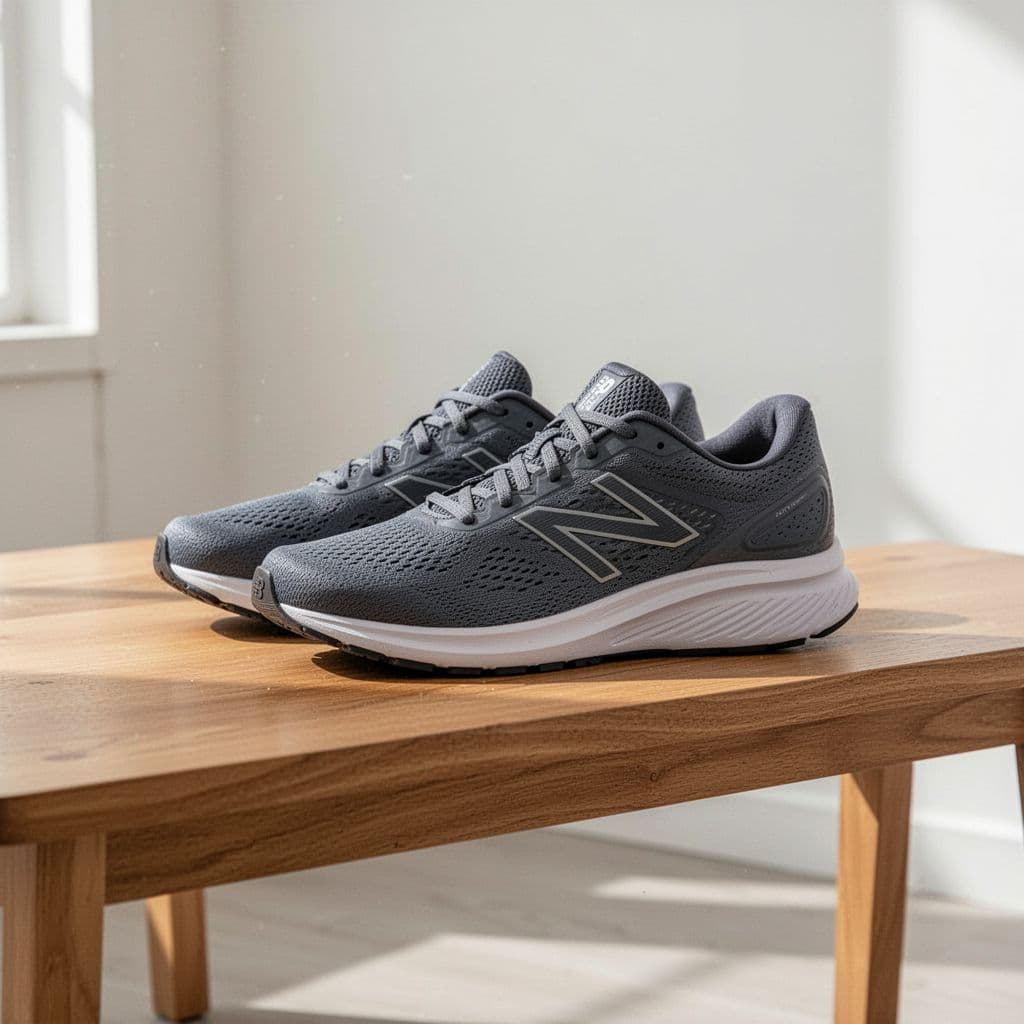
The Puma Softride Symmetry makes a strong case for itself if you want a budget shoe that stays easy to wear. It delivers the basics well, with simple cushioning, a friendly fit, and enough versatility for everyday use. That combo gives it real value, even if it never feels especially exciting.
Why the value makes sense
The Symmetry earns its place because it does what a low-cost daily trainer should do. It feels comfortable right away, works for easy miles, and looks normal enough for errands or casual wear. If you want a shoe that can pull double duty without pushing into premium pricing, that matters a lot.
It also avoids the common budget-shoe problem of feeling awkward or cheap on foot. Instead, it gives you a steady ride that fits beginners, walkers, and relaxed runners. For readers comparing similar entry-level options, the Nike Winflo 12 daily mileage review is a useful point of reference for a slightly different take on affordable comfort.
The comfort story in daily use
Comfort is where the Puma Softride Symmetry does most of its work. The upper feels easy, the cushioning stays smooth at relaxed speeds, and the shoe does not ask much from your feet. That makes it a good pick for short runs, long walks, and all-day wear.
Still, comfort here is practical, not plush. You get enough softness for daily movement, but not the rich, layered feel of a higher-end trainer. For some runners, that is perfect because it keeps the shoe light and simple. For others, it may feel a little plain after longer sessions.
The biggest trade-offs
The trade-offs are clear, and they should be. The shoe is not built for speed, extra bounce, or strong support. It also does not give you the kind of cushioned ride that makes long runs feel easy on tired legs.
The main limits are:
- Ride energy is modest, so faster paces feel flat.
- Support is basic, which may not suit runners who need structure.
- Cushioning depth is fine for easy use, but not luxurious.
- Performance range stays narrow, which is normal at this price.
In other words, you get a shoe that does one job well instead of many jobs halfway.
Who should buy it
The Puma Softride Symmetry is best for runners and walkers who want a low-cost shoe for easy miles and everyday wear. It fits beginners, casual joggers, treadmill users, and anyone who needs a simple pair for light training and daily movement.
It is also a smart buy if you want a backup shoe for rotation. A shoe like this works well on recovery days, on short outings, or when you just want to save your better pair for harder runs. If that sounds like your routine, the Symmetry makes sense.
Final judgment
The Puma Softride Symmetry is worth the money if you know what you want from it. It is a comfortable, easygoing daily trainer with real everyday value, and it does not pretend to be more than that. If your goal is a cheap shoe for easy miles, walking, and casual use, this is a solid recommendation.
Conclusion
The Puma Softride Symmetry keeps its promise simple, and that is why it works. It gives you comfortable daily wear, basic running performance, and solid value without asking for a bigger budget.
If you want a better sense of where it fits in Puma’s lineup, the Puma running shoes guide can help with the bigger picture. For this shoe, the main takeaway is clear, it is a practical pick for easy miles and everyday use.
Choose it for your own routine, not because it sounds impressive on paper. If your runs stay relaxed and your budget matters, the Puma Softride Symmetry makes an honest case.


