

Puma MagMax Nitro 2 Review: Is This the Ultimate Max-Cushion Trainer?
The Puma MagMax Nitro 2 is getting attention because it aims to give you max-cushion comfort without feeling like a sloppy recovery shoe. If you want a daily trainer that can handle easy miles, long runs, and steady effort runs, this one deserves a close look.
That matters because a lot of cushioned shoes feel great for a few steps, then lose their edge once the miles pile up. This review looks at how the MagMax Nitro 2 fits into a running rotation, where it stands next to a more balanced daily option like the Puma Velocity Nitro 3, and whether it gives you enough support to stay comfortable day after day.
What the Puma MagMax Nitro 2 is designed to do
The Puma MagMax Nitro 2 is built for runners who want a lot of cushion underfoot without turning every run into a slow, mushy slog. It’s meant to make easy miles feel smoother, long runs feel less punishing, and recovery days feel more relaxed.
That makes it a clear max-cushion daily trainer. You can use it for regular training, but it is not built to be a race-day shoe. The focus is comfort, protection, and a stable, easygoing ride that keeps your legs fresher when the miles add up.
Build Your Complete Race-Day Setup
The right shoe helps, but faster racing comes from better training, pacing, recovery, fueling, and execution.
More Guides for This Shoe
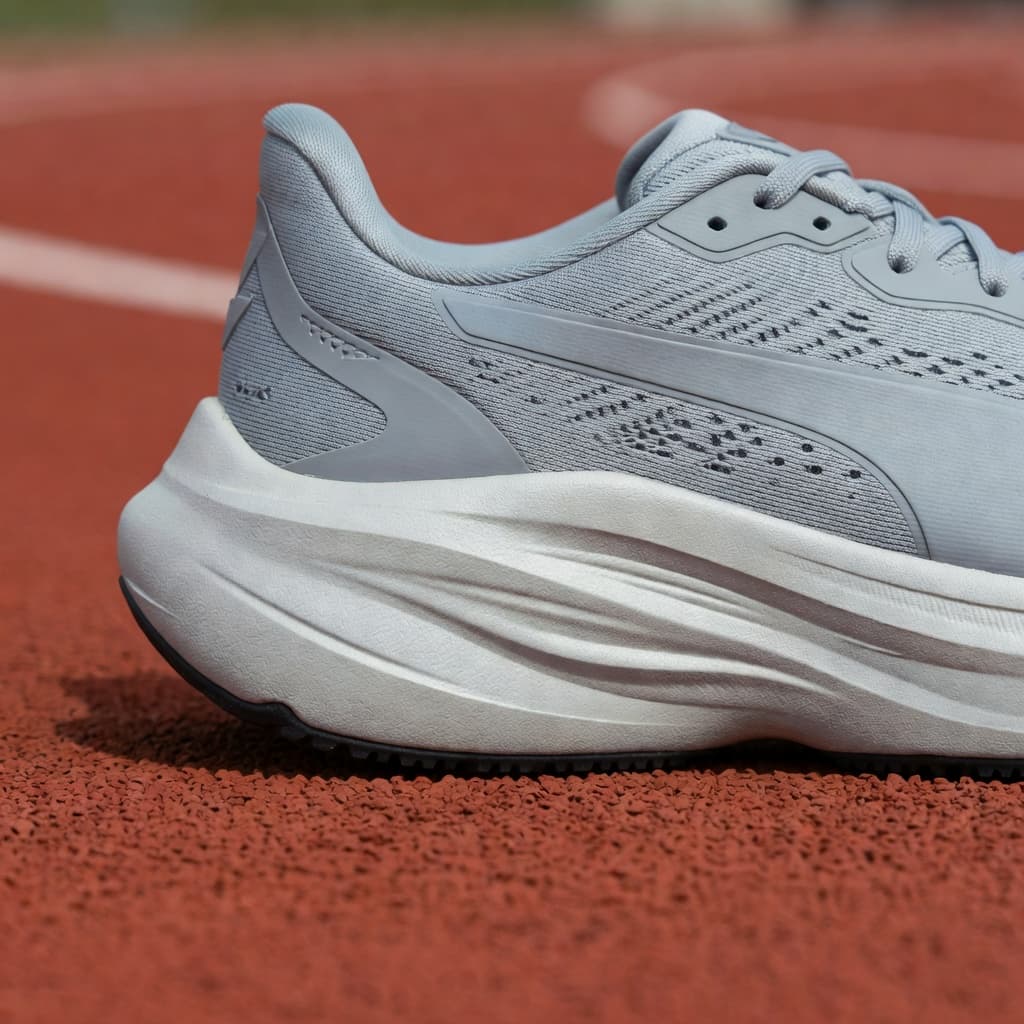 ### The kind of runner this shoe fits best
The Puma MagMax Nitro 2 fits runners who want softness first. If you spend most of your time on easy runs, long runs, or recovery days, this shoe makes a lot of sense. It gives you that extra cushion when your legs are tired and you want a more forgiving landing with every step.
Heavier runners may appreciate it too, because more foam underfoot can help reduce the harsh feel of pavement. Beginners can also get a lot out of it, since the ride feels friendly and less demanding than a firmer trainer. If comfort matters more than speed, this shoe is aimed right at you.
Runners who like a plush feel will notice the difference fast. It’s the kind of shoe you reach for when you want your feet to feel protected, not beaten up. For runners comparing training shoes, a model like the Brooks Trace 4 review offers a different, more basic feel, while the MagMax Nitro 2 goes hard on cushioning.
If your weekly runs are mostly relaxed and steady, this shoe matches that pace well.
How it compares to a typical daily trainer
A typical daily trainer usually gives you a balanced mix of cushioning, weight, and ground feel. The Puma MagMax Nitro 2 pushes farther toward comfort. It uses more foam, more stack, and a bigger underfoot platform, so the ride feels fuller and softer right away.
That extra cushioning changes the whole experience. Instead of feeling close to the road, you get more separation from it. For some runners, that feels like a nice safety net on tired legs. For others, it may feel like too much shoe if they prefer a firmer, quicker response.
The best way to think about it is simple: most daily trainers aim to do a little of everything, while this one is built to make easy running feel better. The ride is about protection and comfort first, and that matters most on long runs and recovery days. For runners who want a more balanced setup, max-cushioned road running shoes are a useful reference point for the category.
Puma MagMax Nitro 2 upper, fit, and first impressions
The first few minutes in the Puma MagMax Nitro 2 tell you a lot. The shoe feels built for comfort right away, but it still tries to keep the foot centered and calm instead of loose and sloppy. That balance matters in a max-cushion trainer, because soft foam alone does not make a shoe pleasant if the upper feels cheap or messy.
How the upper feels right away
Step in, and the upper feels plush without going overboard. The padding around the heel and tongue gives the shoe a soft, welcoming feel, so the first try-on feels more like a cushioned hug than a bare-bones performance fit. That can be a big plus if you want a trainer that feels good from the first mile.
The tongue adds to that comfort. It sits in a way that feels smooth across the top of the foot, and it doesn’t create the kind of pressure that can bother you on longer runs. The upper also has enough structure to keep the shoe from feeling floppy, which helps it feel more dependable than a purely soft slip-on style fit.
Breathability is solid for an upper with this much comfort built in. It should handle normal daily training well, though it doesn’t feel ultra-light or aggressively airy. In other words, it leans more toward protected and comfortable than race-day minimal.
The first impression is simple, the MagMax Nitro 2 feels cushioned, secure, and ready for easy miles.
Fit through the midfoot and forefoot
The fit feels true to size for most runners, with a shape that gives the toes room to settle naturally. The forefoot does not feel cramped, so you get a bit of breathing space without losing the snug feel that helps the shoe stay controlled on the run. Runners who dislike tight toe boxes should appreciate that.
The midfoot wraps in a more guided way. It doesn’t squeeze hard, but it does create enough contact to stop the foot from sliding around inside the shoe. That matters because a big stack height can feel unstable if the fit is too open, and this upper does a decent job keeping that under control.
A medium-width or slightly wide foot should fit this model well. Narrow-footed runners may notice a touch of extra room in the forefoot, especially if they prefer a more race-like hold. Still, the shoe does a good job staying comfortable for longer efforts, where a little extra space often feels better than a cramped fit.
If you usually like a secure daily trainer with a bit of room up front, this should make sense. Runners who want a locked-down, narrow fit may want to try it on first. For many others, the fit lands in a useful middle ground that works well for easy days and long runs. For comparison, a more stable option like the Puma ForeverRun Nitro brings a different kind of hold if you want a firmer, more guided platform.
What helps the shoe stay secure on runs
The heel hold does a lot of the work here. Once your foot is in, the rear of the shoe feels shaped to keep the heel from lifting too much, even when the pace changes or the run stretches out. That kind of hold gives you confidence when the midsole is tall and soft.
Lacing also helps the upper settle in well. The eyelet setup lets you fine-tune pressure across the top of the foot, so you can tighten the midfoot without making the forefoot feel pinched. That makes the shoe easier to dial in for longer runs, when small pressure points can start to matter.
A few design details support the secure feel:
- Padded collar gives the heel a softer, more planted hold.
- Structured midfoot helps the shoe feel steady instead of mushy.
- Roomy forefoot lets your toes relax without losing control.
- Smooth tongue reduces hot spots across the instep.
Taken together, those details make the upper feel trustworthy on the run. It doesn’t have the aggressive hold of a speed shoe, but it gives you enough security to focus on pace, breathing, and form instead of adjusting the fit every few miles.
Why the Nitro midsole matters so much
The Nitro midsole is the main reason the Puma MagMax Nitro 2 feels different from a basic cushioned trainer. It gives the shoe its soft landing, but it also helps the ride feel lively instead of flat. That balance is what makes the shoe useful for easy miles and longer efforts.
For runners, midsole feel changes everything. A foam can feel pillowy for the first mile, then start to feel dull if it lacks bounce or support. Nitro foam is designed to avoid that dead feeling, so the shoe stays pleasant after the excitement of the first few steps wears off.
Underfoot, the Puma MagMax Nitro 2 feels soft, smooth, and slightly springy. The foam takes the edge off pavement right away, so each step lands with a cushioned, easygoing feel. At slower paces, that softness is the first thing you notice, and it makes recovery runs feel calmer.
As the pace settles into something steady, the ride firms up just enough to feel more controlled. That keeps the shoe from sinking into the ground, which is important in a high-stack trainer. The result is a cushioned step that still moves forward well, instead of feeling like you are running through sand.
The easiest way to describe it is this, the foam has give, but it does not feel sleepy. If you want a broader look at foam behavior in running shoes, RunRepeat’s foam guide gives a useful overview of how modern midsole compounds affect ride feel.
How the foam handles long miles
Long runs are where midsole quality matters most, and the Nitro foam does a solid job here. It keeps the shoe comfortable when the legs start to fade, because the cushioning stays consistent instead of flattening out too early. That helps the MagMax Nitro 2 feel protective mile after mile.
Support also plays a part. The foam gives you a cushioned platform, but the shoe still feels stable enough to keep your stride under control. You are not fighting the midsole on long efforts, and that makes the shoe easier to trust when fatigue starts to show up.
Over time, the ride stays fresh enough for steady mileage. It does not have the sharp snap of a plated speed shoe, yet it also avoids the lifeless feel that can make some max-cushion shoes tiring to use. For long runs, that matters more than a flashy first impression.
A few things stand out on longer outings:
- Impact protection helps your legs feel less beat up.
- Consistent foam feel keeps the shoe comfortable as the run goes on.
- Stable base reduces the wobble that can come from tall stack heights.
- Easy transition makes the shoe feel manageable at relaxed paces.
Where the shoe lands in the soft versus firm debate
The Puma MagMax Nitro 2 sits in the balanced-soft part of the spectrum. It leans plush, but it does not disappear under your feet. That gives it more structure than some ultra-soft max-cushion shoes, while still feeling gentler than a firmer daily trainer.
If you usually like a very mushy ride, this may feel a little more controlled than expected. On the other hand, runners who dislike foam that collapses too much will probably like how planted it feels. It gives you cushion without turning the run into a sink-in experience.
Compared with other max-cushion trainers, the Nitro midsole feels like a middle path. It is softer than many balanced trainers, yet it keeps enough response to stay useful for everyday mileage. The shoe is most appealing when you want comfort that still feels like running, not just standing on foam. A model like the Nike Pegasus Premium review shows another take on high-cushion performance, but the MagMax Nitro 2 keeps things a bit more direct and easy to live with.
The Nitro midsole matters because it gives you comfort first, then adds enough bounce and support to keep the ride from going flat.
That combination is what makes the shoe work for more than just short recovery jogs. It feels soft enough to protect tired legs, but steady enough to handle regular training without wearing you down.
Ride, stability, and how the Puma MagMax Nitro 2 moves
The Puma MagMax Nitro 2 feels smooth first, then controlled. It gives you a lot of foam, but the shoe still rolls forward in a way that feels easy to follow. That matters because max-cushion shoes can feel soft without feeling organized, and this one does a better job than most of keeping the stride pointed in the right direction.
The heel-to-toe transition feels smooth and easy to read. When your foot lands, the shoe does not slap down or stall out. Instead, it moves you forward in a gradual roll that feels natural at relaxed paces.
That smoothness is one of the shoe’s best traits. The rocker shape and cushioned base help the stride move along without forcing a dramatic change in form. You can settle into an easy rhythm, and the shoe stays out of the way.
At slower runs, the transition feels calm and soft. At steady paces, it gets a little more guided, which helps the shoe avoid that sinking feeling some max-cushion trainers have. It doesn’t feel quick in a snappy way, but it does feel easy to keep moving in.
The roll is gentle, not aggressive, which makes the shoe easy to settle into on long runs.
That makes the MagMax Nitro 2 feel friendly for runners who want a shoe that flows with them. You don’t have to fight for momentum, and you don’t have to think much about the landing.
How stable it feels for a max-cushion shoe
Stability is where this shoe earns trust. The base feels broad enough to support the tall stack, so the platform lands as planted rather than tippy. That matters a lot in a soft shoe, because runners often want cushion without the wobble.
The underfoot feel is more centered than loose. Your foot sits on top of the platform in a way that keeps the motion under control, especially on straight roads and smooth paths. The shoe does not feel like a stability shoe in the firm, corrective sense, but it does feel controlled for something this cushioned.
That control helps on tired legs. When your stride gets sloppy late in a run, the shoe still gives you a decent landing area and keeps the movement from drifting side to side. If you want a deeper look at how this model compares with other max-cushion trainers, RTINGS’ MagMax Nitro review breaks down its stability and toe-off feel well.
For runners who want soft cushioning without a shaky ride, that balance matters most. A few details help:
- Wide base keeps the shoe grounded.
- Tall sidewalls and foam shape help center the foot.
- Secure upper reduces extra movement inside the shoe.
- Even platform feel makes each step feel more predictable.
What happens when the pace changes
At easy pace, the Puma MagMax Nitro 2 feels most at home. The ride is smooth, cushioned, and relaxed, so it works well for recovery runs and long, easy mileage. You get protection without a harsh or flat feel, which is exactly what many runners want from a max-cushion daily trainer.
When you pick up to a steady pace, the shoe still behaves well. It can handle moderate effort runs and marathon-style steady work, as long as you are not asking it to feel fast. The foam stays supportive, and the transition remains smooth enough to keep the run comfortable.
Hard tempo work is where the limits show. The shoe can move faster, but it doesn’t have the sharp snap or low, nimble feel you want for real speed sessions. It feels better cruising than attacking the pace, and that’s fine for a shoe built around comfort.
The simplest way to think about it is this:
- Easy runs feel natural and relaxed.
- Steady runs feel controlled and workable.
- Tempo work is possible, but not the shoe’s best use.
- Fast intervals ask more from the shoe than it wants to give.
That range makes the MagMax Nitro 2 a practical daily trainer, not a pace-focused one. If you want a shoe that stays soft and stable while you keep the effort modest, it fits well. If you want a trainer that feels lively when you push hard, you’ll notice its ceiling pretty quickly.
Durability, outsole grip, and real-world use
The Puma MagMax Nitro 2 feels built for regular training, not just first impressions. Its outsole, midsole, and upper all point toward a shoe that should hold up well if you use it for roads, sidewalks, and the usual mix of daily miles.
In real use, the big question is simple: does it stay useful after the honeymoon phase ends? The answer depends on where you run and how often you wear it, but this shoe looks better suited to long-term mileage than a flashy, short-lived trainer.
On dry roads and sidewalks, the grip feels dependable. The outsole gives you a steady, grounded feel on pavement, so normal running, turning corners, and stopping at crosswalks all feel controlled. That is where the Puma MagMax Nitro 2 looks strongest.
Light wet conditions are fine too, but the shoe is not built like a trail model or a dedicated wet-weather shoe. You should expect good everyday road traction, not aggressive bite on slick painted lines, oily pavement, or loose gravel. On smooth sidewalks after a light rain, it should still feel usable and calm.
For mixed surfaces, the outsole does its best work on hard, even ground. A short stretch of packed path or hard park path is no problem, yet deeper gravel or muddy edges can expose its limits. If you want a broader sense of how outsole design affects grip, RunRepeat’s outsole breakdown gives a clear look at the trade-offs between traction and durability.
The short version is this, the shoe is strongest where most runners spend most of their time:
- Dry pavement feels steady and predictable.
- Lightly damp roads are still manageable.
- Painted surfaces and slick corners need more caution.
- Loose or uneven ground is not its comfort zone.
How the build may hold up over time
The upper should age well if you use the shoe for normal daily running. It has enough structure to resist looking sloppy too fast, and the padding should keep the fit feeling comfortable after repeated wear. Like most trainers, though, the heel lining and collar area may show cosmetic wear first.
The midsole is the part that matters most for long-term value. Nitro foam is made for cushioning, but all foam slowly loses some bounce and support with use. You will probably notice that change before the upper falls apart or the outsole looks worn through. If you want a general mileage guide, when to replace running shoes is a useful reference for spotting that fade.
The outsole should hold up well on roads, since that is where it gets the most balanced use. Still, high-mileage runners often wear down the heel strike zone and the forefoot first, especially if they run the same routes every week. Heavier runners or runners who land hard may see that wear sooner.
Dependability
For everyday training, that means the shoe should feel dependable for a solid stretch of miles before it starts to lose its fresh feel. It likely has enough durability for regular rotation use, and the outsole rubber should outlast the midsole cushioning by a fair margin. In other words, the shoe may still look fine even after the ride starts feeling flatter.
If the midsole starts feeling tired before the outsole looks chewed up, that usually tells you the shoe has reached the end of its best running days.
That is the key value question with the Puma MagMax Nitro 2. If you want a max-cushion trainer that can handle the daily grind on roads and sidewalks, the build looks practical. The shoe should give you a lot of comfortable miles before it feels worn down, and that makes it easier to justify as an everyday workhorse.
Is the Puma MagMax Nitro 2 worth it for your running rotation?
Yes, if you want one shoe that makes easy running feel smoother and long miles feel less punishing. The Puma MagMax Nitro 2 is at its best when comfort matters more than pace, and that gives it a clear role in a weekly lineup.
It works well as a main daily trainer for runners who spend most of their time on relaxed mileage. It also makes sense as a second shoe beside a faster option, since a rotation works best when each pair has a job. For runners building a simple setup, top rated daily trainer running shoes can help you see where this model fits in the broader category.
The Puma MagMax Nitro 2 makes the most sense on days when your legs need a break from harder shoes. Easy runs are a natural fit, because the soft, protective ride takes pressure off tired feet and legs. Long runs also benefit from the extra foam, especially if you like to stay relaxed and save your faster shoes for workouts.
It is also a smart pick for high-mileage training weeks. When you are stacking up miles, a shoe like this can reduce the beat-up feeling that builds from road contact and fatigue. That makes it useful for recovery runs, shakeouts, and steady aerobic miles that do not need speed.
A few run types stand out:
- Easy days feel smoother and less taxing.
- Long runs feel more manageable over the final miles.
- Recovery runs get the soft landing they need.
- High-mileage weeks feel easier on the legs overall.
This is also where the shoe pairs well with a faster trainer. If you already use a lighter shoe for workouts, the MagMax Nitro 2 can take over the low-stress days and help preserve that faster pair. For runners who want a general road-shoe reference point, reliable shoes for road running is a useful place to compare options.
The shoe earns its spot when comfort and protection matter more than pace.
Who should probably look elsewhere
Runners who want a light, fast trainer will probably find this shoe too much. The stack is high, the ride is cushioned, and the whole feel leans toward comfort rather than snap. If you like a low, close-to-the-ground shoe, this will feel like too much foam.
It also may not suit runners who want a highly flexible trainer. The MagMax Nitro 2 feels more guided and structured than bendy, so it does not give that natural forefoot flex some runners prefer. If you want a shoe that moves with minimal resistance, this one may feel a little bulky.
You may want to look elsewhere if you prefer:
- Fast interval work in a light trainer
- Low-stack shoes with more ground feel
- Highly flexible rides that bend easily at the forefoot
- A firmer response for tempo sessions and uptempo runs
Beginners can still like it, especially if they want comfort and a forgiving landing. Still, if you are building your first rotation, a more balanced daily trainer may be easier to use across more run types. The Puma MagMax Nitro 2 is best when you know you want a plush, protective shoe and are happy to let it do that one job well.
Conclusion
The Puma MagMax Nitro 2 succeeds because it delivers exactly what it promises. It offers high-level impact protection and a smooth, stable ride without becoming an unstable, mushy mess. This shoe is a perfect fit for runners who prioritize long-term comfort during easy runs, recovery sessions, and high-mileage weeks on the road.
If you want a dependable trainer that keeps your legs feeling fresh, this model is a strong contender. It provides the right balance of plush foam and structured support for daily miles. For those building a balanced setup, you can also find other daily trainer reviews on our site to see how different shoes handle your specific training needs.
You should consider this shoe if you want a reliable workhorse for your slower-paced efforts. It takes the sting out of pavement and lets you focus on your form. Treat yourself to a pair for your next long run and enjoy the extra comfort.


