

Portland Marathon Registration Review
Portland’s streets come alive in the fall, with crisp air in your lungs, bridges stretching over the Willamette River, and tree-lined parks adding color to every mile. If you’re planning to race here, Portland marathon registration is the first step toward turning that route into a finish-line goal.
Most runners searching for registration details want clear answers about entry dates, costs, race options, registration steps, and policies. Those details can change, and dates, prices, course information, and entry limits may differ by race year, so confirm the final information on the official race website before paying.
This guide will help you understand the registration process, compare available options, prepare for important deadlines, and avoid common surprises when you enter. With the right information in hand, you can secure your spot and give your training plan a firm target. Looking for where to stay for the Portland Marathon? Make sure to reserve early and save on costs.
Key Takeaways
- Portland marathon registration opens well before race day, so early entry can secure lower pricing and give you more training time.
- Fees vary by race distance and registration period. Check the official registration page for current prices and deadlines.
- Before paying, confirm your event, participant details, race policies, and any extra fees shown at checkout.
- The official race website lists the next Portland Marathon for October 4, 2026.
- If plans change, review the transfer and withdrawal policy before assuming your entry can be refunded or deferred.
Portland Marathon Registration: What to Know Before You Sign Up
Portland marathon registration is more than entering your name and paying a fee. Before you begin, confirm that the event details match your training plan, travel schedule, and race goal. Race information can change between years, so use the official Portland Marathon website as your final reference.
Build Your Running Performance System
Move from research to action with training, recovery, nutrition, pacing, and performance tools built for runners.
More Guides for This Runner Goal
Confirm the Current Race Details
Start by checking these details for the race year you plan to run:
- The official event name, since similarly named Portland races may be organized by different groups.
- The race date, which the official website currently lists as October 4, 2026.
- The start and finish location, including the exact address and any staging-area instructions.
- The course distance and time limit for the event you select.
- The entry cap, if the race limits participation.
- The registration deadline and the date of the next price increase.
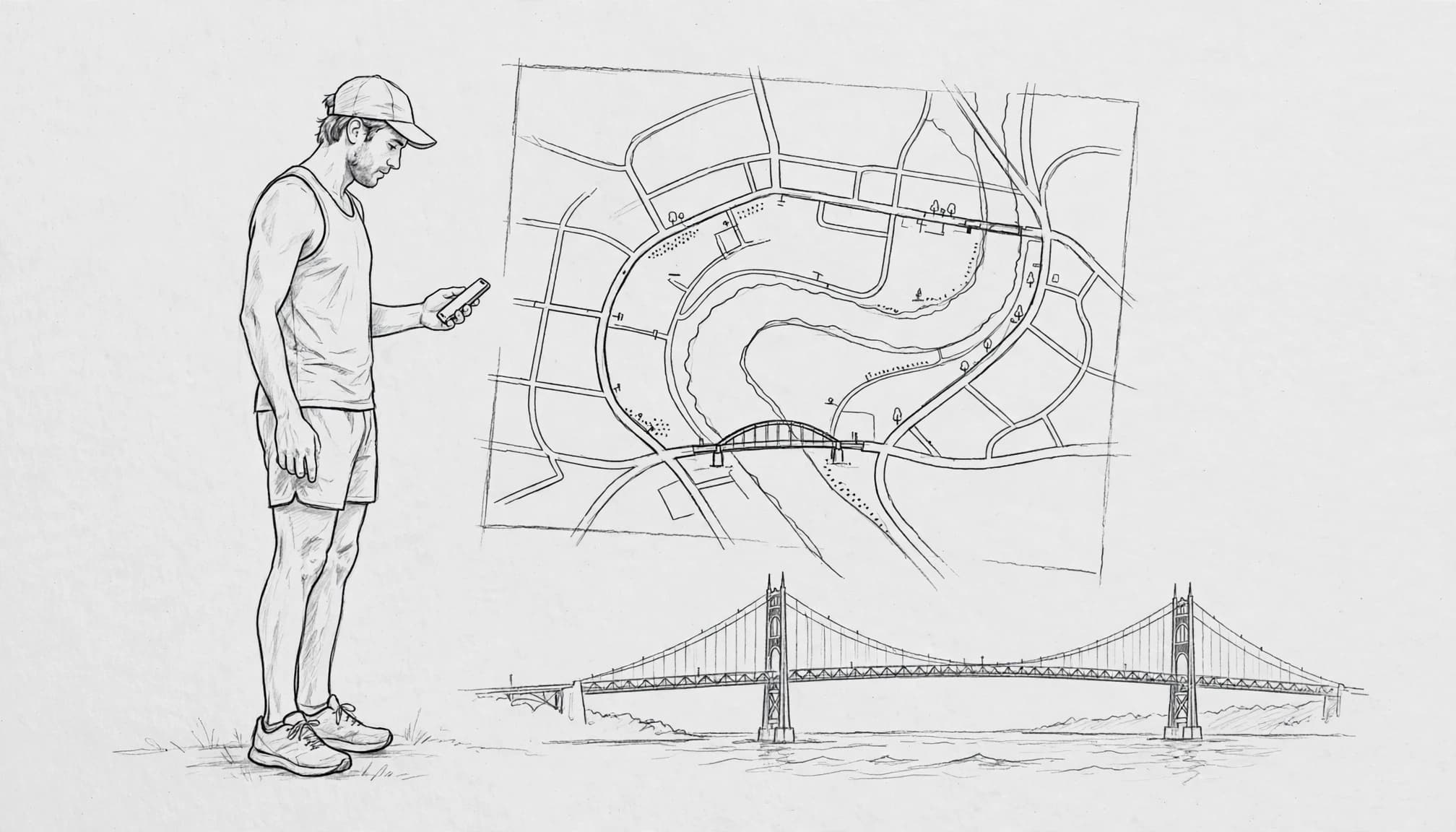
The 2026 Portland Marathon is commonly listed with a start and finish at Waterfront Park near 1000 SW Naito Parkway, but confirm that location on the official race page before making travel plans. Parking, public transportation, road closures, and race-day check-in instructions can affect where you stay and how early you need to arrive.
Choose the Correct Race Distance
Many marathon weekends include more than one event. The full marathon covers 26.2 miles and requires a training plan built around long runs, fueling, pacing, and recovery. A half marathon covers 13.1 miles, while a 10K covers 6.2 miles and usually demands a different preparation schedule.
Some races also offer challenges that combine multiple events. However, don’t assume a half marathon, 10K, relay, or challenge is available every year. Review the current registration menu and verify the event name, distance, start time, and eligibility rules before selecting an entry. A third-party race listing may show multiple distances, but the official website should decide what you register for.
Selecting the wrong distance can affect your training, bib assignment, start wave, and race-day expectations.
Register Before Prices or Entries Change
Popular races can sell out because organizers must manage course permits, aid stations, timing equipment, security, and road closures. Once the field reaches its limit, late registration may disappear even if race day is still months away.
Early registration often costs less, while later tiers rise as the event date approaches. Waiting for the final deadline can therefore create two problems: you may pay more, or you may lose your place entirely. Before submitting payment, check the current fee, service charges, cutoff date, transfer rules, and withdrawal policy. Then save your confirmation email and verify that your selected distance appears correctly.
How to Complete Portland Marathon Registration Without Missing a Step
Once you’ve chosen the correct race distance and reviewed the current dates, complete your Portland marathon registration through the official entry portal. Keep your identification, emergency contact details, payment method, and email account nearby so you don’t have to interrupt the process.
1. Open the Official Registration Portal
Start at the official Portland Marathon website, then select the registration option for the race year you plan to run. Use the official portal rather than an advertisement, social media link, or third-party race listing. The correct page should clearly identify the event, distance, race date, and current entry price.
Before clicking through, check that the registration page matches your intended event. A marathon, half marathon, 10K, relay, or challenge may appear in the same race menu, but each option can have different fees, start times, and eligibility rules.
2. Select Your Event and Enter Runner Details
Choose the exact distance, then enter your personal information carefully. The form may request:
- Your legal name, preferred name, date of birth, and gender.
- Your email address, phone number, and mailing address.
- An emergency contact and emergency phone number.
- Your estimated finish time or pace information.
- Shirt size, division, accessibility needs, or other race preferences.
- Club, charity, or discount information, if those options apply.
Review every field before moving forward. A misspelled name can create problems at packet pickup, while an incorrect birth date may place you in the wrong age division. Also check your email address letter by letter, because organizers use it for payment receipts, race updates, bib information, and schedule changes.
3. Review the Cart Before Paying
The checkout screen is your last chance to catch an incorrect distance or unexpected charge. Confirm the event name, race date, participant name, shirt size, base fee, processing fee, and total amount. Read any optional add-ons before accepting them, especially merchandise, insurance, donations, or extra services.
Registration is not complete when you submit the form. It becomes complete only after the payment succeeds and the organizer confirms your entry.
4. Save the Confirmation Email
After payment, look for a confirmation page and an email containing your registration details. Save the message in a dedicated race folder, take a screenshot, and record the confirmation number if one appears. Keep the receipt until after race day.
If the charge appears on your bank statement but no confirmation arrives, don’t register again immediately. First, check your spam, promotions, and trash folders. Then review the registration account or contact the race organizer with your payment details and participant information.
Finally, reread the transfer and withdrawal policy so you understand your options if your plans change. A saved confirmation makes any later request easier to resolve.
Entry Fees, Price Tiers, and the True Cost of Running Portland
The advertised entry fee is only the first line in your Portland Marathon budget. Your final cost may also include processing charges, taxes, optional purchases, travel, lodging, meals, and race-day supplies.
Before paying, review the current figures on the official Portland Marathon registration page. Prices can change as registration moves through different tiers, so the amount shown today may not remain available later.
Choose Your Distance, Duration and Goal Time
Make three quick selections and open the exact plan built for your race target.
Looking for a Fully Personalized Training Plan?
The training plans above are an excellent choice if they match your goal. However, if you’d rather train with a plan built specifically around your current fitness, goal race, preferred training days, weekly mileage, and target finish time, our RDA Custom Training Plans provide a personalized solution. We also have running courses available for runners seeking to run faster from the mile to the marathon.
Why Choose a Custom Training Plan?
| Standard Training Plan | RDA Custom Training Plan |
|---|---|
| Follows a fixed schedule | Built around your schedule |
| Standard weekly mileage | Peak mileage customized for you |
| Fixed workout days | Train on the days you choose |
| Same structure for everyone | Designed around your current fitness |
| Static plan | Updated as your fitness improves |
| One-time purchase | Ongoing personalized coaching and support |
What You’ll Receive
- A training plan built specifically for your goal
- Personalized training paces
- Long runs, tempo runs, threshold workouts, interval sessions, recovery runs, and easy runs
- Peak weekly mileage matched to your experience level
- Flexible training schedule that fits your life
- Ongoing plan adjustments as your fitness improves
Ready to Train Smarter?
Stop guessing and start following a plan built specifically for you, your schedule, and your racing goals.
How Portland Marathon Price Tiers Work
Race organizers often use tiered pricing to reward early registration and manage demand. The fee usually increases after set dates or when a participation limit is reached. That means waiting can cost more, even when the race date remains months away.
Compare each tier by checking:
- The base entry fee for your chosen distance.
- The date or entry threshold for the next increase.
- Processing or registration service fees.
- Taxes or other charges added during checkout.
- Optional purchases, such as race insurance, merchandise, donations, or extra services.
- Any late-entry charge if registration remains open near race weekend.
The price displayed beside “Marathon” or “Half Marathon” may not equal the amount charged to your card. Treat that advertised number as the starting point, then inspect the cart’s final total before submitting payment.
A lower early-entry fee can disappear quickly, but the cheapest option only helps if you select the correct event and complete checkout successfully.
What to Include in Your Race Budget
Travel costs often exceed the registration fee, especially if you stay overnight. Portland runners should account for transportation to the city, hotel or other lodging, meals, local travel, and supplies required for the race.
A simple planning budget might look like this:
| Expense | Sample planning amount |
|---|---|
| Race entry and checkout charges | $225 |
| Travel to Portland | $150 |
| Two nights of lodging | $360 |
| Meals and groceries | $120 |
| Local transportation and parking | $60 |
| Running shoes or replacement gear | $140 |
| Race-day needs and nutrition | $55 |
| Estimated total | $1,110 |
These figures are planning examples, not current Portland Marathon prices. Your total may be lower if you live nearby, share lodging, or already own suitable shoes. It may rise if you fly, book late, add extra nights, or purchase premium race merchandise.
Charity Fundraising and Late Entry
Charity participation can change the financial picture. Some programs require runners to meet a fundraising minimum, while others may include separate application rules, deadlines, or administrative charges. Confirm those terms with the specific charity before choosing that route.
Late entry may also carry a higher fee or limited availability. If the race remains open, check the current registration page rather than relying on an old price screenshot. Finally, read the official transfer and withdrawal policy, because a change of plans can create additional costs even after registration.
Plan Your Training After You Register for the Portland Marathon
Your race date should become the anchor for every training decision that follows. Once you complete Portland marathon registration, count backward from race day and build a plan that gives your body time to develop endurance, pace control, recovery habits, and mental strength.
Avoid copying someone else’s schedule without considering your current mileage, running history, work demands, and injury history. A strong plan creates measurable progress while leaving enough flexibility to adjust when fatigue, illness, or life interrupts your routine.
Build a Timeline Around Race Day
Start by marking the marathon date on a calendar. Then divide your preparation into broad phases rather than trying to plan every workout months in advance.
- Begin with consistent easy running and establish a manageable weekly routine.
- Add gradual mileage while keeping most runs comfortable.
- Introduce structured workouts, such as controlled tempo runs or short intervals, after your base improves.
- Schedule longer runs to develop endurance and practice fueling.
- Reduce training volume before race day so your legs can recover and perform.
A beginner may need several months to prepare safely, especially if regular running is new. An experienced runner with a stable mileage base may use a shorter marathon-specific block, but a shorter timeline still requires discipline. Your starting point matters more than an appealing finish-time goal.
Progress at the Right Pace
Beginners should focus first on consistency. Easy miles build the aerobic foundation that supports later long runs and faster sessions. Increase training gradually, keep recovery days genuinely easy, and resist turning every run into a test.
Experienced runners can use past race results and recent workouts to set a realistic target pace. However, prior marathon fitness may not carry over if your current weekly mileage, sleep, or recovery has changed. Use training data to guide your goal, then adjust it as your body responds.
Track a few useful measures each week:
- Total mileage and the distance of your longest run.
- Easy-run pace compared with effort and heart rate, if you monitor it.
- Workout splits and how evenly you maintained them.
- Sleep, soreness, motivation, and recovery between sessions.
Your fastest workout matters less than your ability to repeat quality training without arriving at the next session exhausted.
Protect Recovery and Mental Strength
Recovery belongs in the plan, not in the gaps between workouts. Easy days, rest days, adequate food, sleep, and sensible strength work help you absorb training. If pain changes your stride or continues to worsen, stop guessing and seek qualified medical guidance. Research published through PubMed’s running injury study also shows why injury risk deserves attention, particularly for newer runners.
Mental preparation grows through small promises kept over time. Practice starting long runs conservatively, holding a controlled pace when you feel fresh, and responding calmly when a workout goes poorly. On race day, that patience helps you avoid spending your energy before Portland’s later miles demand it.
Use your registration confirmation as a starting signal, then shape the weeks ahead around steady progress rather than rushed mileage. A plan that fits your current fitness gives you a far better chance of reaching the starting line healthy and ready to race.
Make Race Weekend Easier With a Portland Marathon Logistics Plan
Portland marathon registration gives you a race entry, but it doesn’t arrange your weekend. Travel, lodging, packet pickup, transportation, weather, and race-morning timing all need a simple plan. Handle those details early, and you can save your energy for the miles ahead.
Keep confirmed race rules separate from general planning advice. The current Portland Marathon event information and athlete guide should provide the final instructions for packet pickup, start times, course access, bag policies, road closures, and spectator areas.
Book Travel and Lodging Around the Course
Choose lodging with the start area, packet pickup site, and your preferred transportation method in mind. A room within walking distance can reduce morning stress, but a nearby light rail or bus stop may work just as well if the route operates early enough.
Before booking, check:
- The distance between your hotel, the expo, and the race start.
- Whether your lodging offers early breakfast, a refrigerator, or late checkout.
- Parking costs and overnight vehicle policies.
- Cancellation terms in case your plans change.
- A backup route if road closures affect rideshare or taxi access.
Avoid arriving late the night before the race if you can. Travel delays, unfamiliar streets, and a rushed dinner can disrupt sleep and leave you searching for basic supplies when stores are closed.
Pick Up Your Packet Before Race Morning
Plan to collect your bib and race materials during the published expo hours. The official event information states that runners need a photo ID for packet pickup, so place your identification in your travel bag before leaving home. The 2026 packet pickup listing at the Oregon Convention Center gives the scheduled October 2 to 3 dates, but verify the athlete guide for final hours and location details.
Don’t assume someone else can collect your packet or that race-day pickup is available. Those policies can vary by event. After pickup, check your bib, shirt, timing device, and any bag-drop instructions before returning to your hotel.
Build a Calm Race-Morning Schedule
Work backward from your assigned start time. Allow enough time to wake up, eat familiar food, use the bathroom, dress for the weather, travel to the start, locate your corral, and complete any required bag drop.
The forecast may change, so pack layers, a lightweight rain shell, sunscreen, and clothing you can discard if permitted. Don’t try new shoes, gels, breakfast foods, or supplements during race weekend.
Spectators should know where they can safely reach the course and how they will move between viewing points. Course crossings, barricades, parking restrictions, and transit changes may limit access. Use the current athlete guide and official race updates for confirmed rules, then choose one or two realistic meeting points instead of chasing you around the route.
Pack your bib, shoes, socks, fueling supplies, identification, phone, and recovery clothes the night before. A written morning schedule turns race day from a scramble into a sequence you already know.
Common Portland Marathon Registration Mistakes and Safer Choices
A rushed entry can cost more than money. It can leave you with the wrong race, an unusable registration, or a training goal your body cannot support. Slow down before you pay, then keep checking the rules after your Portland marathon registration is complete.
Buying an Entry From an Unofficial Seller
A social media post or online marketplace may promise a cheaper bib, but private sales create serious problems. The entry might be fraudulent, already transferred, or tied to another runner’s personal information. Even if the seller sends a confirmation email, the organizer may not recognize you as the registered participant.
Use the official registration system and follow its approved transfer process if you can no longer race. The official transfer and withdrawal information explains the permitted options and lists a $20 transfer fee. Never send payment until you understand whether the entry can legally move into your name.
Missing Policy Deadlines
Many runners save the race date but forget the deadlines attached to their entry. Transfer requests, withdrawals, deferrals, shirt changes, and event changes may close weeks before race day. Once a deadline passes, customer service may have limited options.
After registering, save the policy page with your confirmation email. Add important dates to your calendar, then reread the rules if an injury, work conflict, or family emergency changes your plans. A registration is a contract with specific conditions, not a flexible reservation that automatically carries forward.
Choosing a Goal Your Training Cannot Support
Selecting the full marathon because the distance sounds more impressive can create pressure before training even begins. If your current routine includes occasional short runs, jumping straight into a marathon block may increase fatigue and injury risk.
Choose the event that matches your present fitness, available training time, and recovery capacity. A half marathon can provide a strong first race experience, while a 10K may be the better choice after a long break. You can always build toward 26.2 miles with a stronger foundation.
Ignoring Pain and Warning Signs
Registration fees can tempt runners to train through problems, especially when race day approaches. However, sharp pain, altered running form, swelling, or symptoms that worsen during easy runs deserve attention. Continuing unchanged may turn a manageable issue into a long absence.
Reduce training and seek qualified medical advice when symptoms persist or affect your stride. Protecting your health may mean changing the event, using an approved transfer, or skipping one race. That decision preserves your ability to run future Portland races.
Frequently Asked Questions
Registration answers the biggest questions, but a few practical details often remain unclear until race weekend gets close. These answers can help you make decisions without relying on outdated race listings or assumptions.
Can I change my Portland Marathon race distance after registering?
Possibly, but distance changes depend on availability, deadlines, and the organizer’s current policy. A move from the marathon to a shorter event may not qualify for a partial refund, while switching to a longer distance may require paying the price difference.
Contact the race organizer before making assumptions. Don’t create a second registration until you know how the original entry will be handled.
What happens if the Portland Marathon sells out?
Once the field reaches its limit, standard registration may close before race day. The organizer may offer a waitlist, approved transfer process, or no further entry option, depending on the race year.
Check the official registration portal for current availability. Avoid buying a bib through an unofficial seller, because the organizer may reject entries that aren’t transferred through its approved system.
Can someone else pick up my race packet?
Packet pickup rules vary by race and year. Some events allow another person to collect a bib with written permission, a copy of identification, or a required authorization form, while others require the registered runner to appear in person.
Read the athlete guide before traveling to Portland. If proxy pickup is allowed, prepare every required document before arriving at the expo.
Is there a minimum age for the Portland Marathon?
The minimum age can differ by event and race distance. A full marathon may have different requirements than a half marathon, 10K, or youth event, so check the current registration terms before entering a younger runner.
Age-group rules can also affect awards and division placement. Use the participant’s actual birth date during checkout rather than selecting an age category manually.
Can I defer my Portland Marathon entry to another year?
Deferral is never automatic. Some races allow it only during a stated period, while others offer a transfer or withdrawal option instead.
Review the policy as soon as your plans change. Missing the deadline may leave you with no credit, refund, or future entry, even if you cannot race because of travel or injury.
What should I do if I don’t receive a registration confirmation?
First, check your spam, promotions, and trash folders, then review your bank or card statement. If payment went through but no confirmation appears, contact the organizer before submitting another entry.
Include your full name, email address, transaction date, and payment reference when requesting help. This gives the registration team enough information to locate the entry without exposing unnecessary card details.
Conclusion
Portland marathon registration is the first commitment, but it only becomes a strong race-day experience through consistent training and smart recovery. Confirm the current race date, distance, fees, and entry rules through the official source before paying. Then review the full checkout total, transfer and withdrawal policies, and every detail in your confirmation.
Save your registration records, note important deadlines, and build your training around the time you have available and the goal you want to pursue. Gradual mileage, practiced fueling, realistic pacing, and proper rest will prepare your body far better than rushed workouts.
When race weekend arrives, the goal is to reach Portland’s start line prepared, calm, and ready to enjoy the miles ahead. With your entry secured and your plan in place, the bridges, river, and cheering crowds can become part of a race experience you earned one steady week at a time.


